





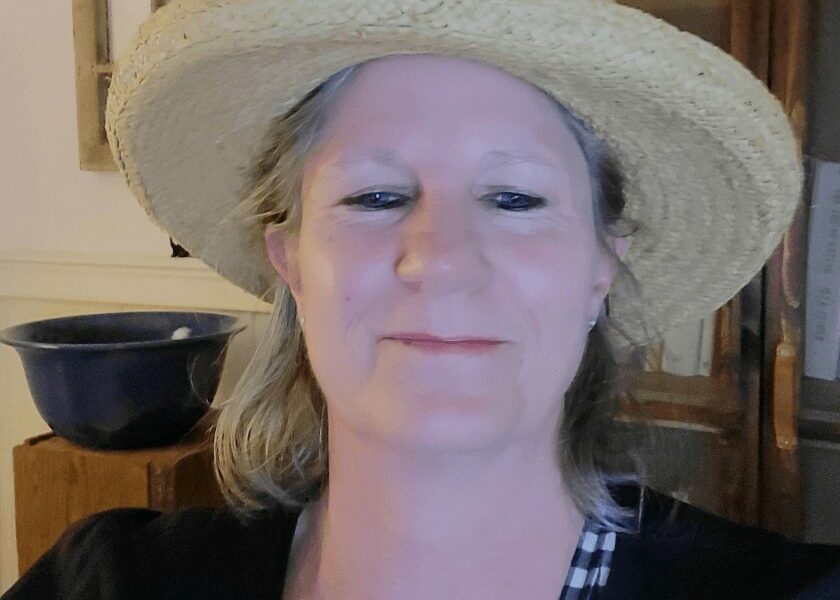
Today we’d like to introduce you to Teresa Crowder.
Hi Teresa, so excited to have you on the platform. So, before we get into questions about your work life, maybe you can bring our readers up to speed on your story and how you got to where you are today.
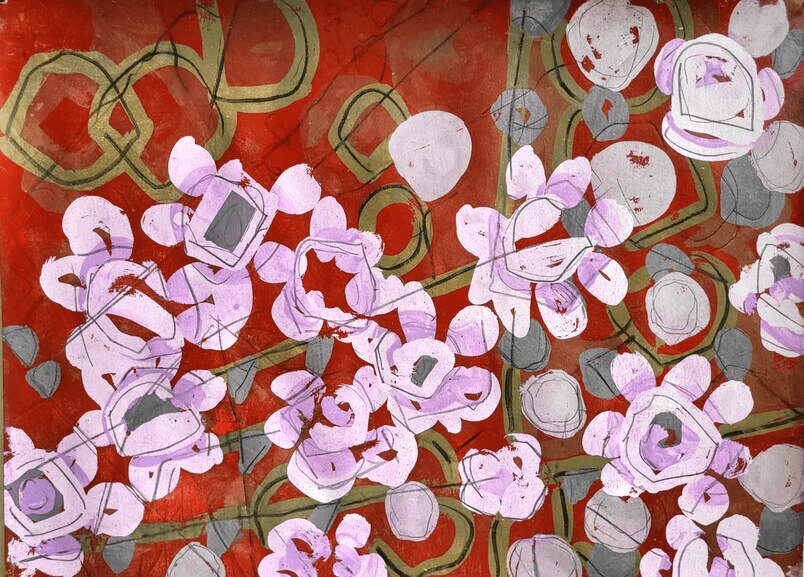
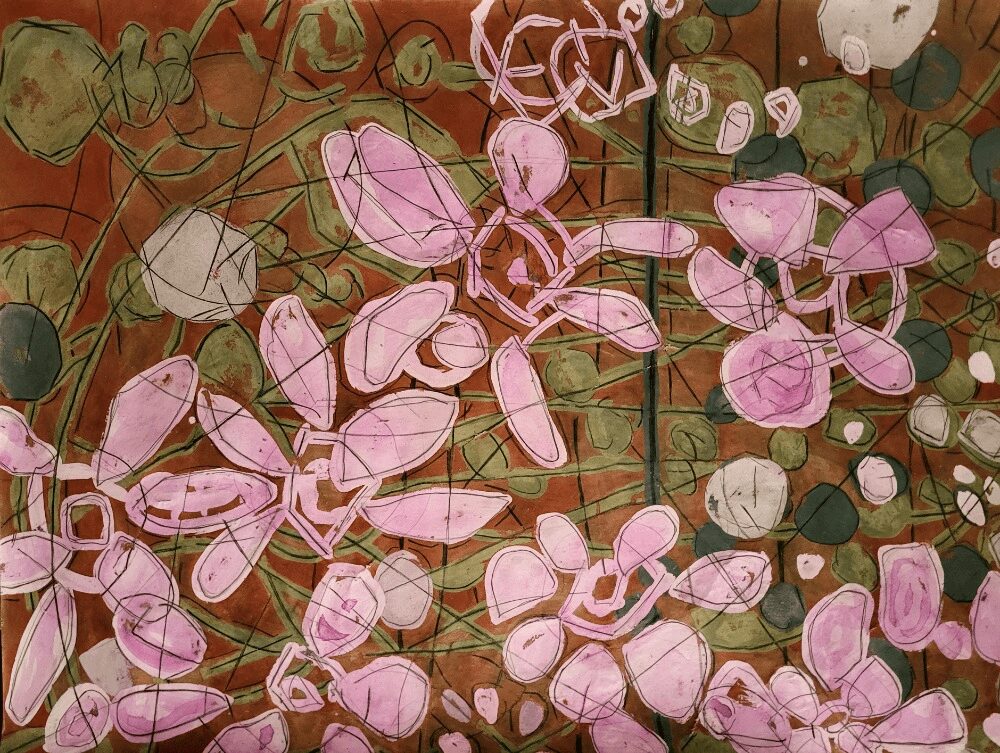
I am a self-taught artist and have been painting most of my life. I was born in Miami back when Miami was still a pretty wild and unspoiled place, so I grew up surrounded by nature — the ocean, the Everglades, mangrove forests, colorful tropical birds, and trees and plants. These are the things that inform my work to this day. Very few things make me happier than to be out in the wild, a little bit lost, hoping to stumble upon some cool skeleton or an interesting rock or fossil.
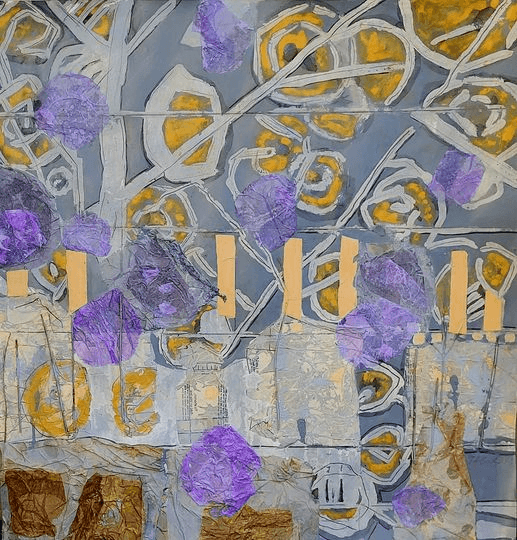
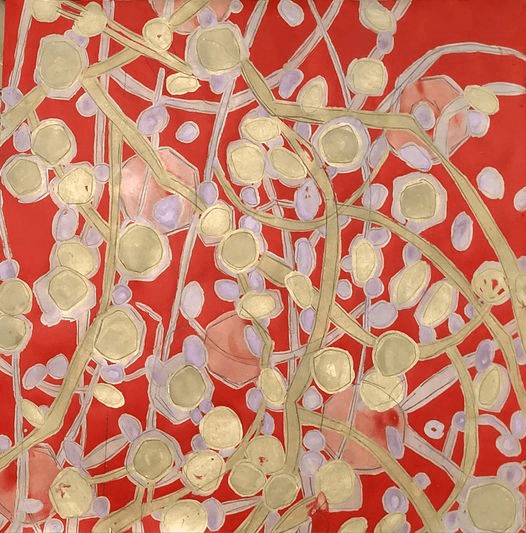
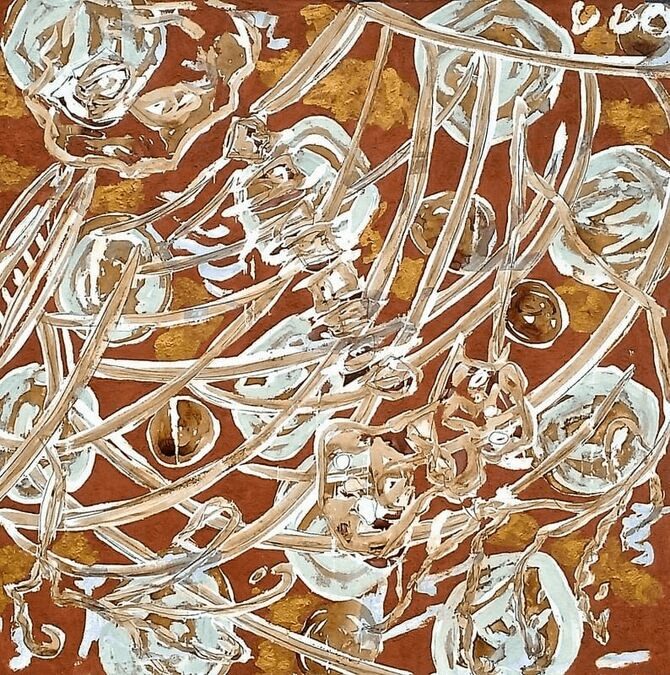
I moved to Atlanta to go to school and, after graduating from Emory University with a degree in English, have lived and worked here ever since. I began working mainly in acrylics and watercolors but quickly began using found objects, as well as materials such as paper and fabric, sticks, and rusted metal, in my pieces. When you place a shiny piece of gold paper next to a rusty piece of chicken wire, a strange alchemy takes place, and both are somehow changed. I try very hard not to censor my impulses and not to be afraid to try anything — from developing a new process that seems a little crazy to throwing in a color that seems a bit odd.
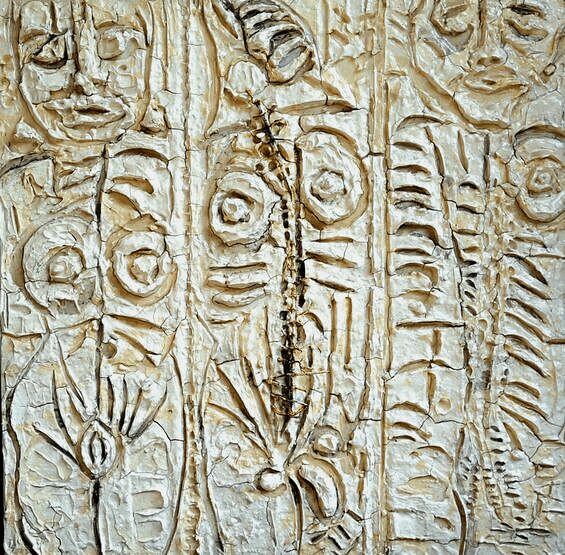
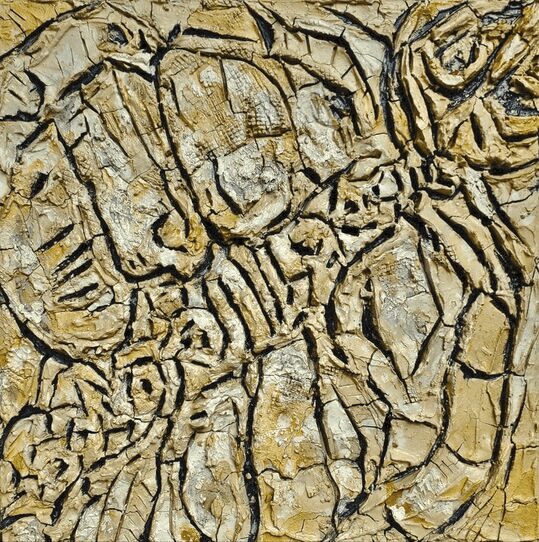
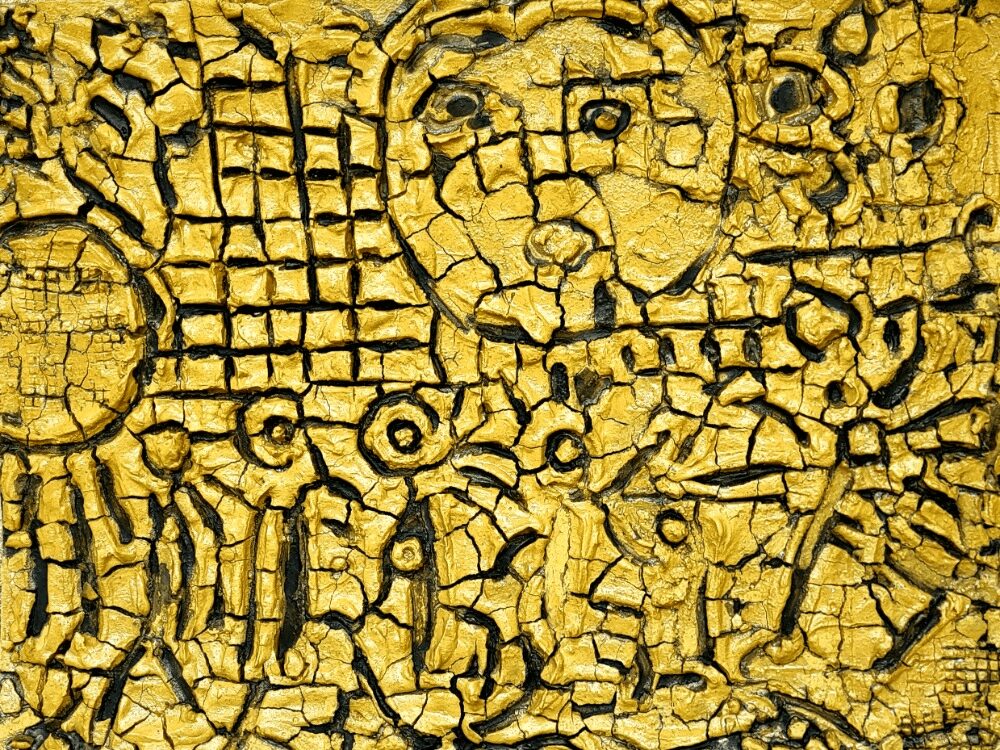
So, during the pandemic lockdown in 2020, I decided to stretch and began to work in clay. The imposed isolation gave me time for a lot of trial and error — time to create and develop methods for collecting, processing, and sculpting in clay on board. While I love pottery and the processes involved in making it, I became much more interested in figuring out how to paint with clay and find a way to make the clay adhere to board so that, instead of creating pottery, I could sculpt paintings made of clay.
I began sourcing all my own clay from rivers, swamps, and kaolin pits, always searching for new colors of natural clay. It’s all around us, and the colors are rich — from the white kaolin and beautiful veins of purple clay near Milledgeville, Georgia, to the saffron-colored clay of the Yellow River. From the grey clay in the marshes of St. Helena Island, South Carolina, and Cedar Key, Florida, to the red clay in my own backyard.
As clay emerges from its natural habitat, it is alive — it’s sticky, and it breathes and makes sounds. It is the accretion of millions of years of life, and it holds the spirits of all the organisms, trees, animals, and ancestors that have lived and died to create it over the centuries. To finish a wet piece and watch as, over hours and days, it moves and changes and cracks, taking on its final form as it dries, is the most fascinating part of the process.
I’m not sure where my work will take me from here, but that’s what I love about it — I chose a long time ago not to tie myself to one process or style, so new discoveries and fresh impressions will continue to inspire me and take my work in new directions.
Alright, so let’s dig a little deeper into the story – has it been an easy path overall, and if not, what were the challenges you’ve had to overcome?
Smooth is not the word I would choose!
I think the challenge for many creative artists, including myself, is to keep the body fed while keeping the creative mind engaged and the bills paid. I am not a marketer, and selling myself and my work has never been a priority, mostly because every second of the time I have is spent in the studio. Working full-time and painting is like having two careers, and it sometimes gets to be a lot to handle.
One of the other struggles I have faced — and I know that many other artists face it too — is the isolation that comes with any type of creative work, such as painting or writing, which are not group activities. You necessarily end up spending a lot of time alone. My advice to artists is to try to find a mentoring group that will give you a supportive framework for sharing your work and your struggles, as well as your successes. I joined a group called the Artist Conference Network (ACN) several years ago, and not only did I meet the people who would become some of my best friends, it gave me a place to share my paintings, receive feedback, and develop a way of speaking about my work that I had never had before.
Appreciate you sharing that. What else should we know about what you do?
While I’m fascinated with color, and much of my work is very color-focused, I think that at this point, I am most proud of my work in clay. It is the work that is completely original in process, and I know exactly how much experimentation it took to figure out how to make it work.
I love to create pieces that are not flat, that extend as far out from a surface as I can get them to go, so that when they hang on a wall, the shadows they throw become part of the pieces, changing during the day and night as the natural light changes. I call it non-traditional sculpture, and I hope to continue combining clay with other elements, such as metal, sticks, and tree roots, constantly experimenting and playing with light in this way.
Contact Info:
- Website: https://www.teresacrowder.com
Popular
-

Hidden Gems: Local Businesses & Creatives You Should Know
-

ATL’s Most Inspiring Stories
-

Closing the Hidden Gap: M-T Strickland on Rethinking Youth Athlete Development Beyond the Field
-

Building Beauty with Purpose: How Gabrielle Lewis Is Balancing School and Entrepreneurship to Create a Lasting Brand
-

Portraits of Atlanta
-

Creating Without Limits: How Zen J. Jackson Is Building a Unified Ecosystem for Boundless Storytelling