



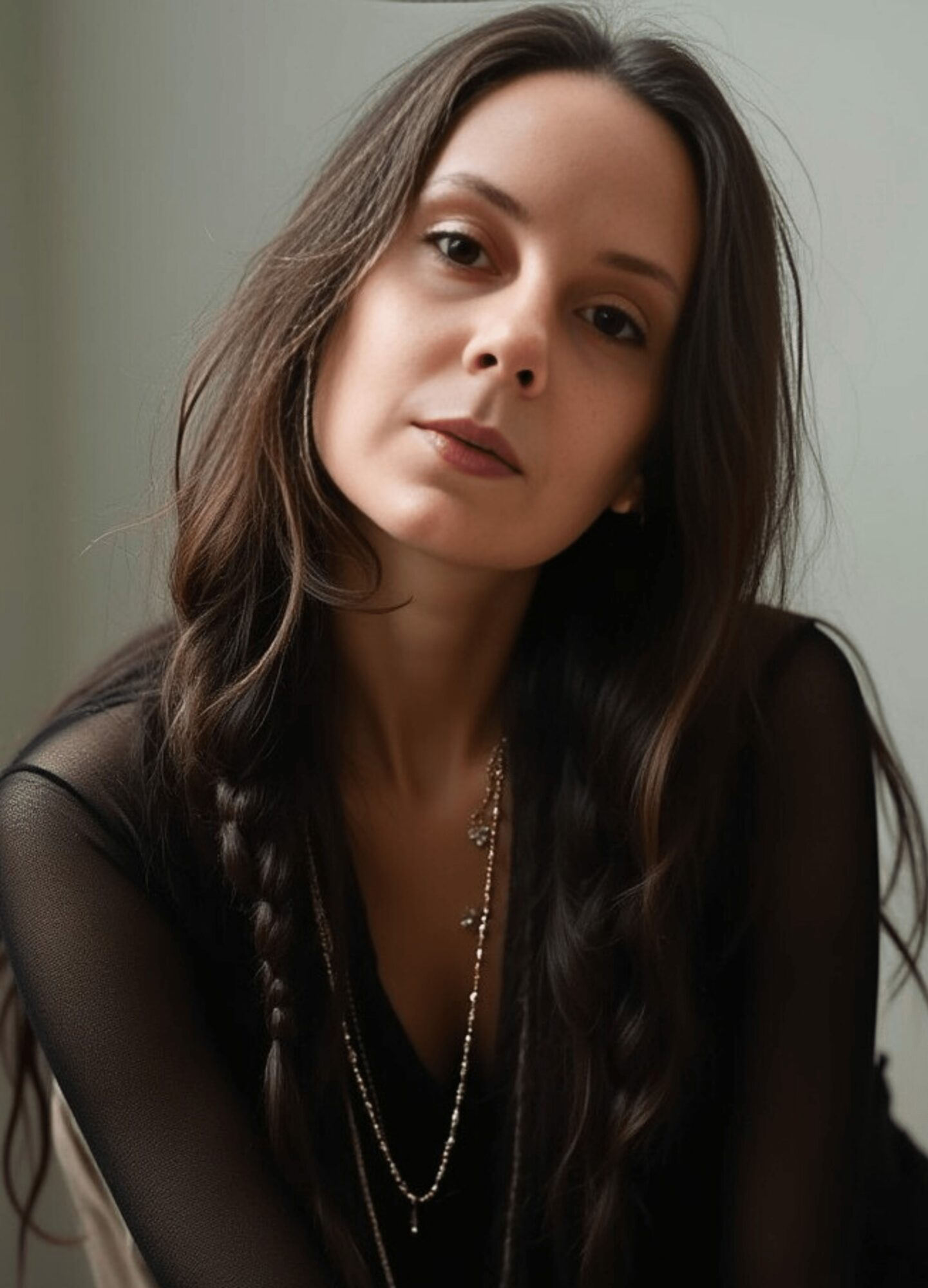
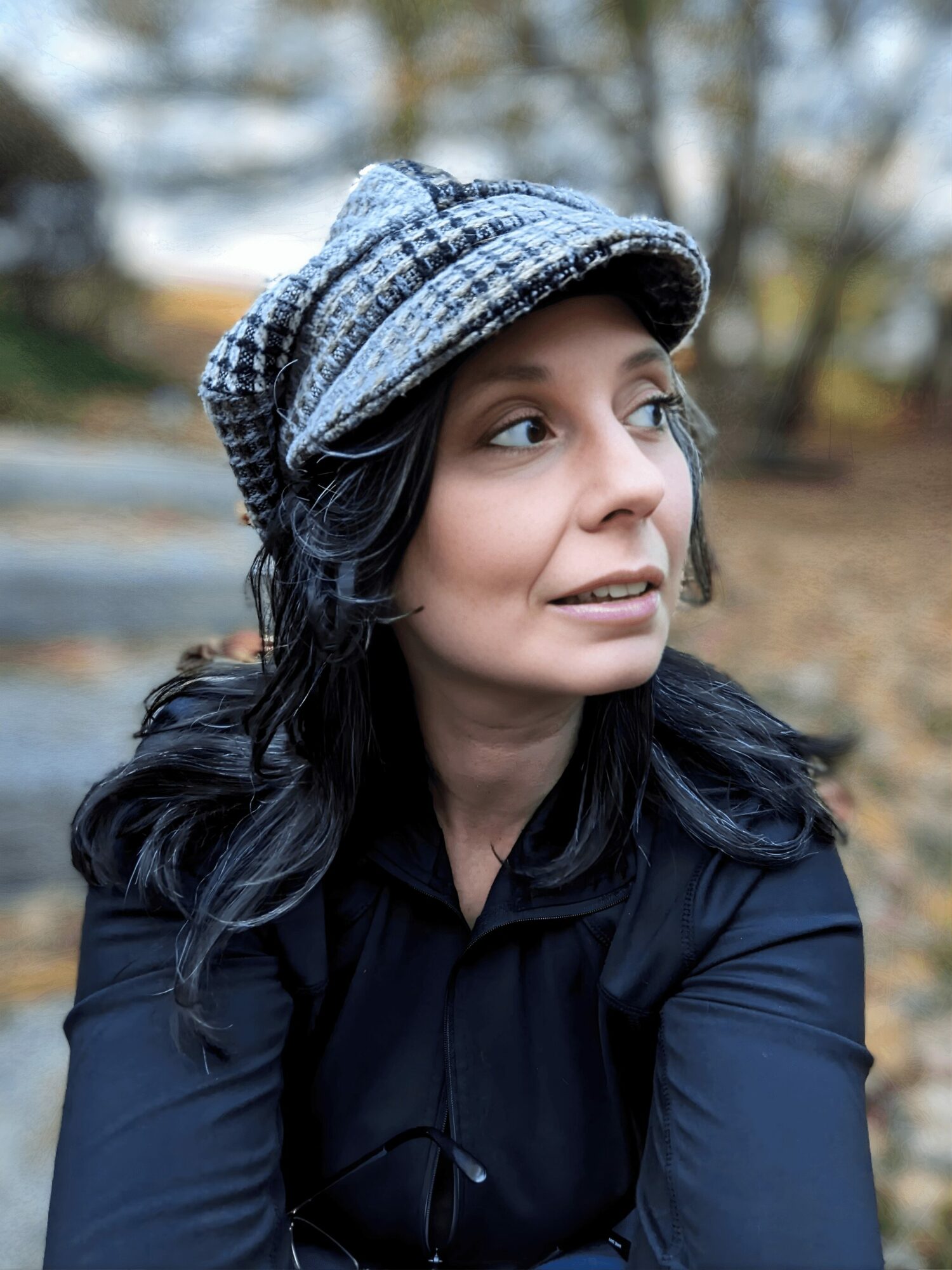
Today we’d like to introduce you to Debbie Shepardson.
Alright, so thank you so much for sharing your story and insight with our readers. To kick things off, can you tell us a bit about how you got started?
I’ve always paid attention to how people make sense of the world and how perception shifts long before anyone realizes it. I spent years working as a professional positive dog trainer, which gave me a front row seat to human behavior in its most unfiltered form.
Before that I studied music and dance and graduated in Visual and Performing Arts. Even with that background, I’ve always preferred working out of view, so creating something called The Invisible Project wasn’t accidental.
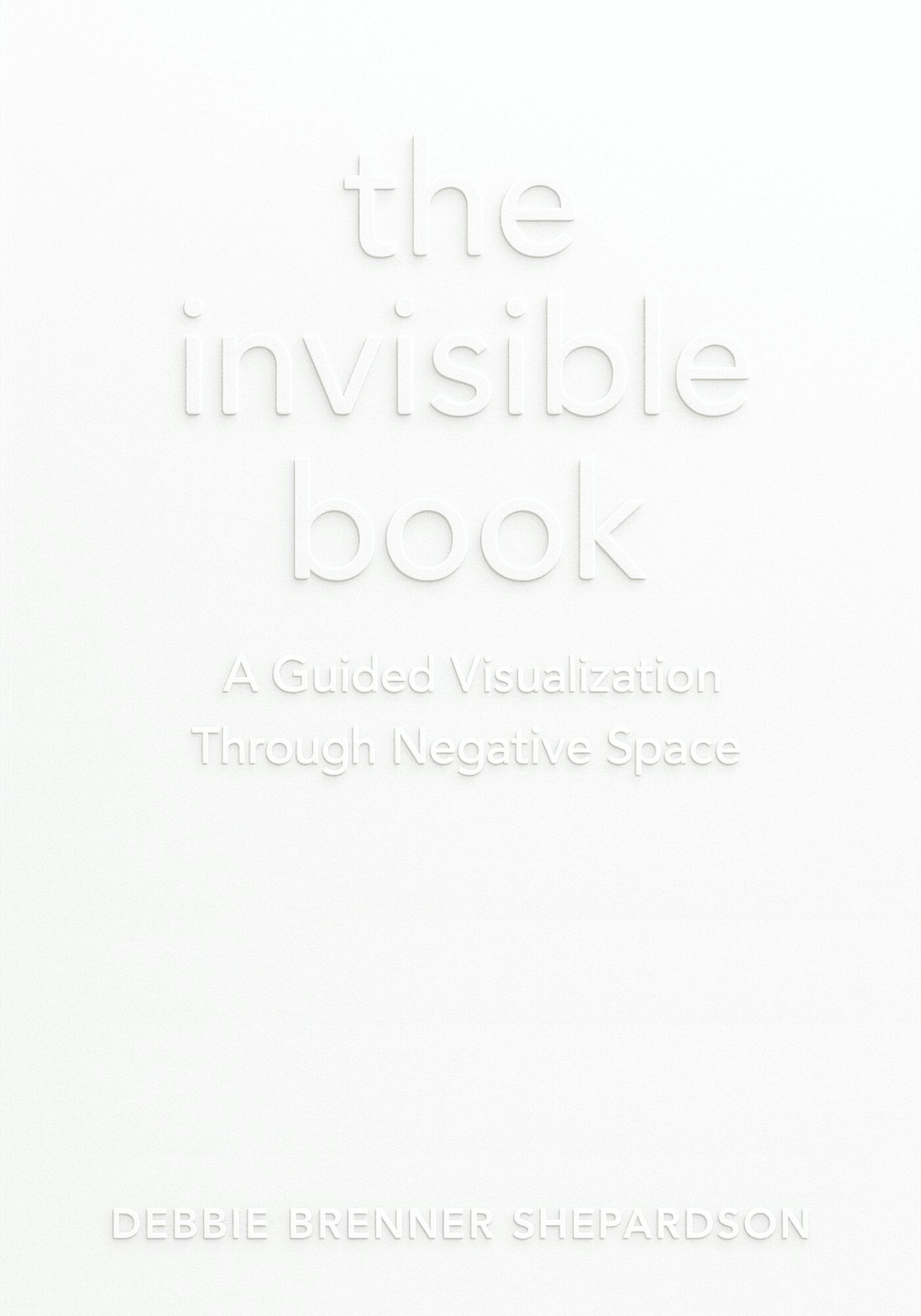
The moment that set everything in motion came from my son. He and a friend made a small flip book. When I opened it, I didn’t see the drawing at first. It looked blank, and my mind supplied the meaning automatically. Only then did I notice the small cat in the corner. That split second where interpretation outran reality showed me how much people fill in without realizing it. The entire project grew from that one observation.
Can you talk to us a bit about the challenges and lessons you’ve learned along the way. Looking back would you say it’s been easy or smooth in retrospect?
It hasn’t been a smooth road, but it’s been a clarifying one. Corporate work carried me through the early years while my creative work kept pushing for space. Then Lyme disease halted everything for a long time. Rebuilding meant accepting a different pace and different limits, and once I stopped waiting for my old life to return, the real work began. The Invisible Project grew from that shift. Limits became structure. Structure became direction.
Appreciate you sharing that. What else should we know about what you do?
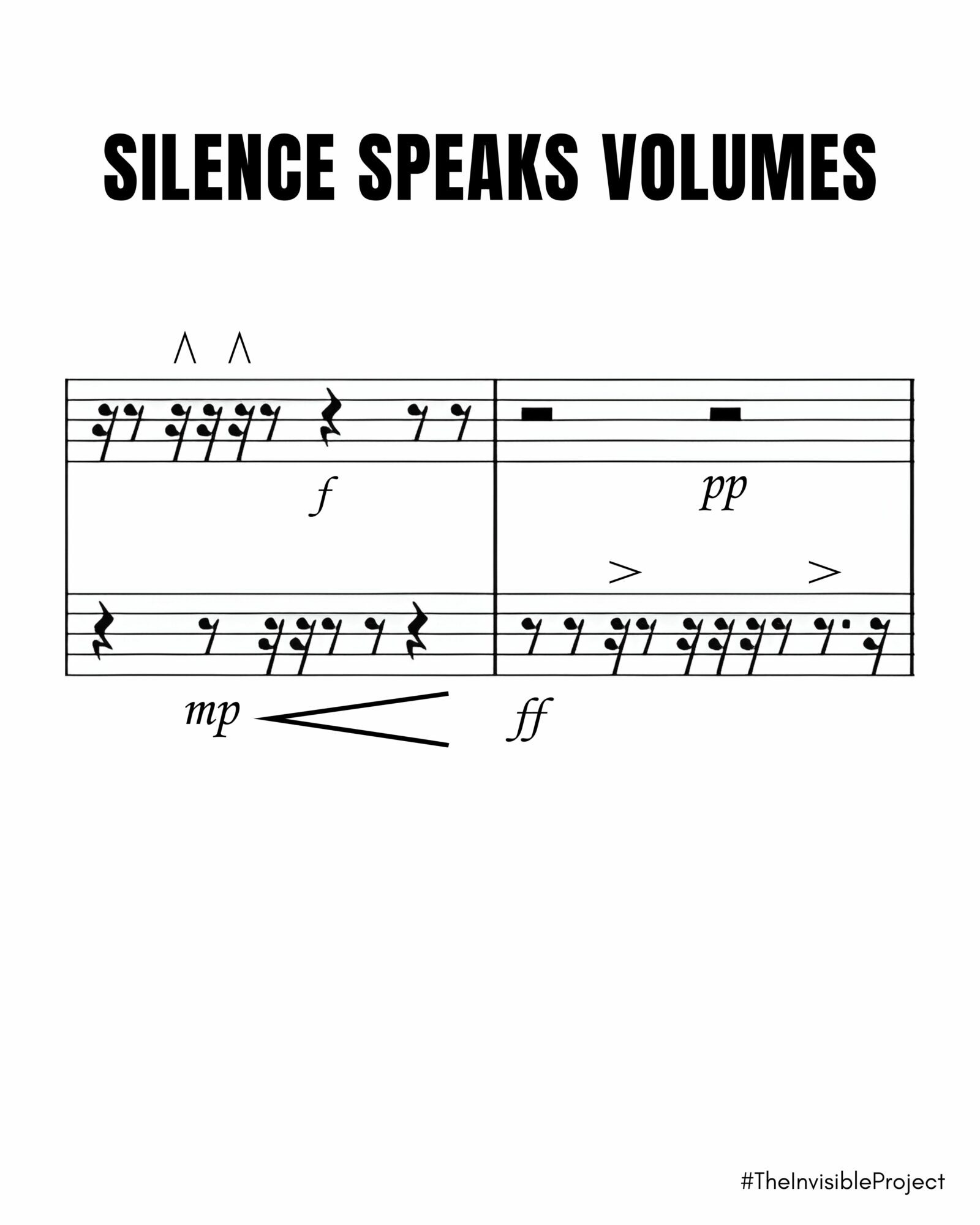
I study how people read signals. The cues they trust, the gaps they fill, and the meaning they construct without thinking. Along the way I’ve done creative direction and design for performers, and movement has always shaped how I approach ideas. I hoop. I’m learning the Cyr wheel. Rhythm is the throughline, even when I’m not consciously using it.
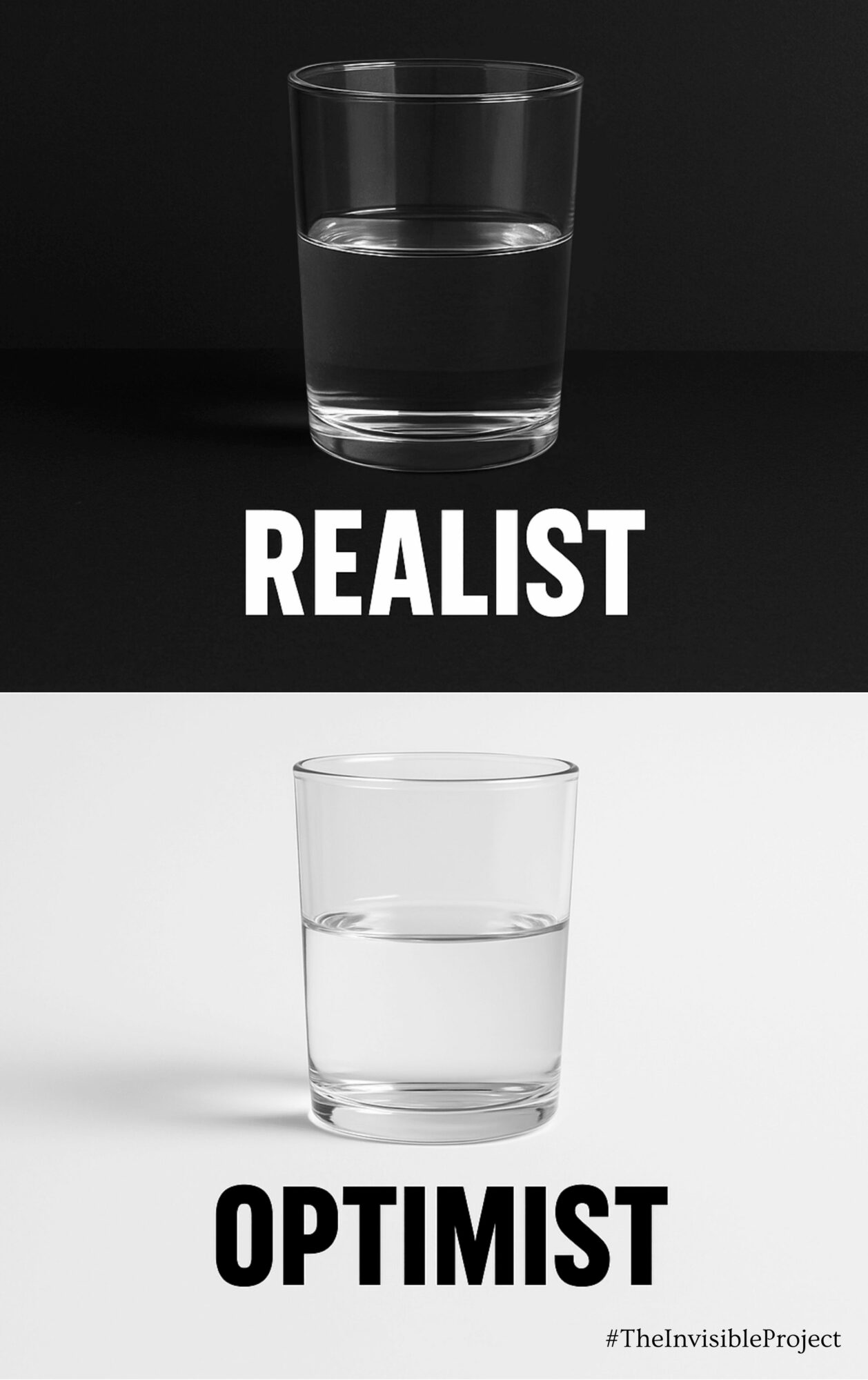
The Invisible Book became a larger way of seeing. Other creatives responded immediately, which confirmed the concept had range. I work with silence, empty space, and the unnoticed decisions that dictate how meaning lands.
I also started The Invisible Chronicle, a weekly series where filmmakers, designers, scientists, and other creatives talk through the choices they never show but always rely on.
Are there any apps, books, podcasts, blogs or other resources you think our readers should check out?
I rely on my own experiences more than apps or systems. I watch how things play out in real time, ask the uncomfortable questions, and track the details people gloss over. That’s where all my material comes from.
Contact Info:
- Website: https://debbieshepardson.com
- Instagram: https://Instagram.com/roxieroxstar
- Facebook: https://Facebook.com/roxierockstar
- LinkedIn: https://LinkedIn.com/in/debbieshepardson
Popular
-

Hidden Gems: Local Businesses & Creatives You Should Know
-

ATL’s Most Inspiring Stories
-

Closing the Hidden Gap: M-T Strickland on Rethinking Youth Athlete Development Beyond the Field
-

Building Beauty with Purpose: How Gabrielle Lewis Is Balancing School and Entrepreneurship to Create a Lasting Brand
-

Portraits of Atlanta
-
Creating Without Limits: How Zen J. Jackson Is Building a Unified Ecosystem for Boundless Storytelling