





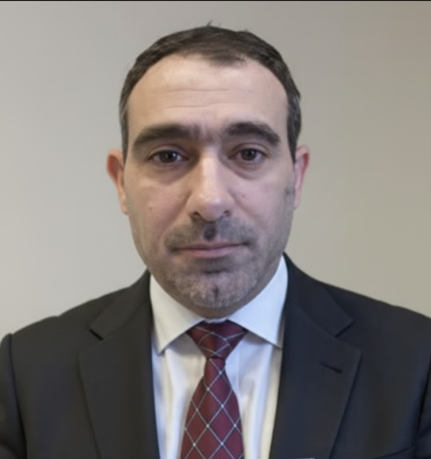
Today we’d like to introduce you to Ahmad J..
Hi Ahmad J., can you start by introducing yourself? We’d love to learn more about how you got to where you are today?
My story is one of a Lebanese economist, business strategist, and humanitarian, rooted in a lifelong passion for entrepreneurship and making a positive impact. Born in Beirut, I was influenced by the challenges entrepreneurs face in developing countries.My academic journey includes an MA from the American University of Beirut, an MBA from Beirut Arab University, and a Ph.D. in Stratexology from UIPM.
I spent over 20 years in the field of strategy and execution, including working for 15 years in corporations in the Middle East as a consultant and Chief Human Resources Officer. This experience led me to identify a critical gap: the difficulty organizations have in executing their strategies.
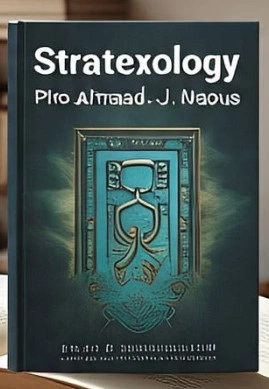
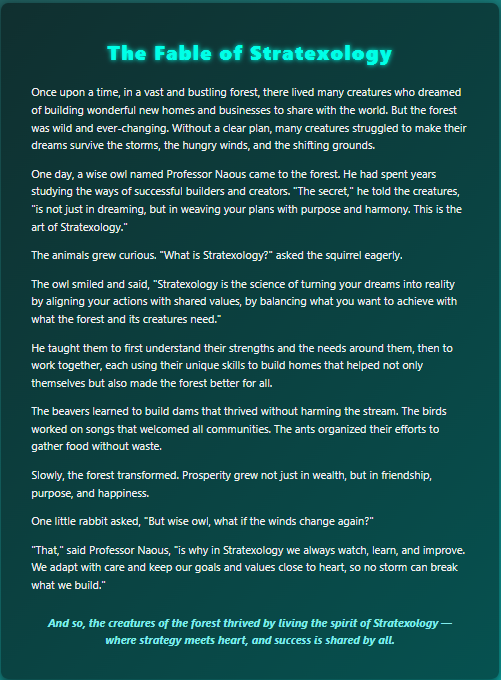
This realization fueled 15 years of research, culminating in the discovery of Stratexology in 2017. Stratexology, which combines strategy and execution (X), is a new economic science focused on creating shared value and positive impact for all stakeholders, moving beyond traditional profit-driven models. My work is recognized globally, and I am thought leader in the application of the Balanced Scorecard.
Beyond my business contributions, I am dedicated humanitarian in supporting refugees worlwide, . My journey is a testament to resilience, innovation, and a commitment to empowering others and creating a more equitable world.
Would you say it’s been a smooth road, and if not what are some of the biggest challenges you’ve faced along the way?
It has not been a smooth road for Professor Ahmad J. Naous; My journey is marked by significant struggles, though defined by my resilience and commitment to my mission. A major source of adversity has been the geopolitical instability of his home, Beirut, where he grew up amid conflict, which later included the personal trauma of losing part of my home in the 2020 port explosion. Professionally, his greatest challenge has been introducing and gaining acceptance for Stratexology, his “new economic science.” This concept, which shifts the corporate focus from purely profit-driven models to one of shared value and positive societal impact, has faced considerable resistance to change from traditional business mindsets and established organizations. This ideological hurdle, compounded by the effort needed to raise global awareness for a new discipline, has required immense dedication, making his path a constant fight against the status quo in pursuit of a more equitable and prosperous world.
Thanks – so what else should our readers know about your work and what you’re currently focused on?
I am a distinguished Lebanese economist, business strategist, and educator who specializes in strategy execution and is globally known as the pioneer of Stratexology. This is a “new economic science” developed over 15 years that combines Strategy and Execution (X), and mandates the creation of Multidimensional Value, focusing on Shared Value and Positive Impact for all stakeholders, not just shareholders. I am prominent expert in evolving the Balanced Scorecard and created proprietary execution methodologies like the Dynamic Execution Matrix (DEM) and the S.T.R.A.T framework. What sets him apart is his unique, holistic approach, which integrates social and humanitarian impact directly into the core of strategic planning, informed by his personal resilience and experiences growing up in Beirut. I am recognized humanitarian and advocate for refugee rights, using his strategic expertise to uplift vulnerable communities. I am most proud of the development and global recognition of Stratexology and his success in helping organizations translate their strategic plans into tangible, positive economic and social results worldwide.
Can you share something surprising about yourself?
A surprising element about me, I am primarily known for my futuristic work on Stratexology and his humanitarian advocacy, is the depth of his personal interest in the history and preservation of ancient sites, particularly inmy native Lebanon. While my professional life is dedicated to forging a positive future through strategic execution, I hold a quiet passion for the past, viewing Phoenician and Roman sites like Baalbek not merely as historical ruins, but as profound examples of long-term strategy and enduring societal impact—concepts that subtly inform his own work. This fascination with the ancient world highlights a holistic perspective, underscoring my belief that understanding the resilience and strategic achievements of the past is crucial for creating meaningful and lasting societal value in the future.
Contact Info:
- Website: https://www.uipm-world.org
- LinkedIn: https://www.linkedin.com/in/ahmad-j-naous/