





We’re looking forward to introducing you to Artavious E. Morgan. Check out our conversation below.
Artavious E. , really appreciate you sharing your stories and insights with us. The world would have so much more understanding and empathy if we all were a bit more open about our stories and how they have helped shaped our journey and worldview. Let’s jump in with a fun one: What is something outside of work that is bringing you joy lately?
Lately, I’ve been finding joy in getting back on the tennis court, a sport that has been part of my life since elementary school. I had private lessons with Mrs. Paula Grogan, a former UGA tennis player, and continued to play varsity tennis in high school. Mrs. Grogan, along with my Physical Education teacher—who later became a tennis instructor, colleague, and now a lifelong mentor helped shape not just my skills, but also my love for the game.
As a Type 1 diabetic with IBS and neuropathy, staying active is a critical part of prioritizing my health. Tennis helps me manage glucose levels, maintain balance, and build endurance. This focus carries deep personal meaning my great-grandfather, Mr. J.C. Morgan, passed away from complications of diabetes while my grandmother was young, during a time when there were few medical resources or research available for African Americans with diabetes. Remembering his experience motivates me to stay proactive about my wellness, honoring my family while taking control of my health.
Tennis is more than a sport for me it’s a source of joy, resilience, and a way to maintain my health while celebrating the lessons and mentorship that shaped me.
Can you briefly introduce yourself and share what makes you or your brand unique?
Artavious E. Morgan is a native of Griffin, Georgia, with a rich family history that extends over 90 years in Spalding County. He is the great-great-grandson of the late Reverend David Franklin Fuller (D.F. Fuller), a trailblazing minister, entrepreneur, and philanthropist who founded New Hope Baptist Church in Griffin during the 1930s and 1940s. Through his ministry and community development initiatives, Reverend Fuller built a thriving faith-based and residential community known as Fullertown, providing housing and hope to countless Black families during the height of segregation. In recognition of his enduring impact, the City of Griffin honored his legacy by renaming the area and surrounding family land—consisting of 87 properties—to D.F. Fuller Drive, where New Hope Baptist Church still stands proudly today at 1247 D.F. Fuller Drive.
Another monumental influence in Morgan’s lineage was his great-grandfather, the late Mr. J.C. Morgan, a pioneering figure at Pomona Products in the late 1940s. A visionary in the industrial warehouse sector, Mr. Morgan became one of few African Americans to hold partial ownership within the company. His drive to create generational wealth and stability for his family resulted in a lasting inheritance of land, properties, and assets. Nearly eight decades and three generations later, the Morgan Family Land remains firmly rooted, symbolizing strength, legacy, and perseverance.
A proud product of Georgia’s educational system, Morgan studied Sociology at Georgia Southern University, where he was a member of Men of Vision and Excellence (M.O.V.E.)—a statewide initiative for African American male student success—and the American Sociological Society. He was also one of only 27 students selected for the prestigious Summer 2020 Internship Scholarship Program (ISP) through the university’s Office of Career and Professional Development.
A lifelong learner, Morgan has earned additional certifications from the Andrew Young School of Social Work at Georgia State University and the National Child Traumatic Stress Network. Continuing his academic journey, he later graduated summa cum laude from Grand Canyon University’s Colangelo College of Business receiving a degree in Applied Management, minoring in Business Analytics and Marketing. He is a proud Grand Canyon University Alumni Donor, memorialized with a legacy brick on the university’s campus in Arizona for his outstanding academic achievement and philanthropic support. Professional
Development training at Ron Clark Academy, National African American Child and Family Research Center at Morehouse School of Medicine, AVID 4 College
Orlando, Mary Frances Early College of Education Research Conference at University of Georgia. With experience across Coweta, DeKalb, Fayette, Henry,
Rockdale, and Griffin-Spalding counties, he brings a broad, community-centered lens to education. As a member of Griffin Men of Action, he remains
committed to ensuring families feel informed, welcomed, and empowered. In the community he is also involved with the Griffin Youth Soccer Association,
where he served two years as a soccer coach. Alumni Commemorative Brick member and National Honor Society member at Grand Canyon University. United
Way representative for Literacy Action with the Griffin Spalding County Schools System. Lifetime member of Men of Vision and Excellence Statesboro, Savannah and Hinesville Georgia Southern campus.
Professionally, Artavious E. Morgan is an accomplished educational leader with more than a decade of distinguished service across education, social services, and human resources. He is widely recognized for his commitment to student achievement, family–school collaboration, and community empowerment, bringing a strategic, equity-driven mindset to every role.
Mr. Morgan serves in numerous leadership capacities in middle grades education, including Parent Liaison, AVID Site Team Member, CRMS Leadership Team Member, United Way School Representative, Student Government Advisor, Head Boys’ Soccer Coach, PBIS Site Team Member, and Homecoming Coordinator. He is also part of Cohort XI of the district’s Quality Leader Academy for Aspiring Leaders and Assistant Principals—a program cultivating the next generation of transformative school leaders.
Throughout his career, Mr. Morgan has served in a variety of educational and administrative roles, including English Language Arts Teacher, Assistant Site Coordinator, Behavior Interventionist, Data Clerk, EBD and Interrelated Paraprofessional, and Interim Nutrition Technology Coordinator. His versatile background at both the school and district levels underscores his adaptability and holistic understanding of student and organizational success.
Beyond the classroom, Morgan’s influence extends deep into the community. He is an active member of Griffin Men of Action and United Way, and his philanthropic and educational initiatives have been featured in Bold Journey Magazine, Shoutout Atlanta, Canvas Rebel, and Voyage ATL. His inspiring journey as a Published Children’s Author—through Studentreasures Publishing with his gifted/honors scholars—has been spotlighted on iHeartRadio, Spotify, and Apple Podcasts, where he continues to advocate for literacy, equity, and community-based leadership.
His first children’s book, “Can You Afford It?”, encourages financial literacy and decision-making among young readers, furthering his mission to empower youth through education and creative storytelling. His students’ collaborative publication earned recognition from the Griffin–Spalding County Board of Education, spotlighting Cowan Road Middle School as a model of academic and cultural excellence.
Known in his city as “a Southern Classic Man” and admired for his timeless sense of posh style and polished presence, Artavious E. Morgan embodies the grace, intellect, and leadership of his heritage. Raised in Griffin, Georgia—just 45 minutes south of Atlanta—and Hilton Head Island, South Carolina, Morgan proudly carries the bloodline and traditions of his Gullah Geechee ancestry. The contrast between these two environments profoundly shaped his worldview, cultivating both the sophistication of coastal Gullah culture—rich in faith, language, and resilience—and the grounded determination of Southern tradition. His coastal roots instilled in him a deep appreciation for family, legacy, and self-sufficiency, values that continue to influence his leadership and commitment to generational excellence.
Today, Artavious E. Morgan stands as a living testament to faith, perseverance, and legacy—carrying forward the visionary spirit of Reverend D.F. Fuller and the generational strength of the Morgan family name.
Thanks for sharing that. Would love to go back in time and hear about how your past might have impacted who you are today. What was your earliest memory of feeling powerful?
My earliest memory of feeling powerful was in the fifth grade, when I received the President’s Education Award for Outstanding Academic Excellence under President Barack Obama. I still remember holding that certificate with the presidential seal on it, seeing my name printed beneath words that recognized hard work, intelligence, and excellence. As a young Black boy, that moment meant more than just an award — it was proof that I was capable of greatness.
President Obama being in office at that time made it even more powerful. Seeing a Black man as president of the United States while I, a young Black boy, was being recognized for academic excellence connected something deep inside me. It made me feel seen, capable, and proud. It reminded me that brilliance runs through us — through our history, our families, and our communities.
In that moment, I didn’t just feel like a good student; I felt like a young scholar with a purpose. I understood that education was a form of power, and that being a Black boy who excelled in school was a quiet act of resistance and pride. The “Black boy jit” in me — full of energy, curiosity, and dreams — realized that I could go anywhere, do anything, and make a difference.
That award didn’t just honor my achievements; it planted the seed of confidence that continues to grow in me today. It taught me that excellence isn’t about being perfect — it’s about pushing forward, even when the world doesn’t always expect you to shine.
Was there ever a time you almost gave up?
There was a time I almost gave up — not because I lacked strength or purpose, but because I felt trapped by society’s expectations. We live in a world that often tries to categorize us — to fit us into neat boxes of what’s considered “perfect,” “acceptable,” or “successful.” When you don’t fit those molds, the pressure can feel unbearable. You begin to question your worth, your path, and sometimes, even your purpose.
But in my moment of doubt, I found strength in the legacy of my great-great-grandfather, the late Minister David Franklin Fuller (D.F. Fuller). His life reminds me that purpose is not defined by society’s boxes, but by one’s impact on others.
According to the University of Georgia’s Griffin African American Oral History Project, Minister Fuller was an extraordinary Black man whose vision and faith transformed his community during the 1930s and 1940s — a time when opportunities for African Americans were painfully limited. Through his ministry and community-focused philanthropy, he built what many described as a small empire in Griffin, Georgia. His leadership extended beyond the pulpit. He founded and built New Hope Baptist Church, and he established a neighborhood known as Fullertown — a community housing area on the west side of Griffin that provided homes, stability, and pride to Black families during a time of systemic oppression.
His legacy lives on, both spiritually and physically.
The City of Griffin honored him by renaming the street where his church and housing complex stood as D.F. Fuller Drive — the very site where New Hope Baptist Church still stands today at 1247 D.F. Fuller Drive, Griffin, Georgia 30224.
Whenever I feel the urge to give up or bend myself to society’s definition of perfection, I think of Minister Fuller. He faced barriers far greater than mine — segregation, limited access, societal doubt — yet he still built something lasting. He didn’t let the world’s perception limit his vision. He led with humility, faith, and an unshakable belief in community.
So yes, there was a time I almost gave up. But his story reminds me that perseverance isn’t about appearing perfect — it’s about standing tall when life says you shouldn’t be able to. My great-great-grandfather’s courage taught me that even when the world tries to box you in, your legacy is built by how far you’re willing to reach beyond it.
Sure, so let’s go deeper into your values and how you think. What’s a cultural value you protect at all costs?
Our legacy began with my great-grandfather, Mr. J.C. Morgan, who worked for Pomona Products in Griffin, Georgia. He was a hardworking Black man in the 1940s, a time when opportunity for Black families was scarce and prejudice was open and cruel. Yet he defied those odds. He married my great-grandmother, Mrs. Mittie Irene White Morgan, a true Southern belle from Orchard Hill, Georgia, who was raised on a ten-acre farm. Together, they built a life rooted in faith, dignity, and hard work.
Their story was not without struggle. My great-grandfather’s family was once forced to flee their home in a rural Georgia county in the middle of the night, after being threatened by Klansmen who said they would return to assault my great-aunt, the late Mrs. Essie Morgan Mack, and harm my great-grandfather. With courage and faith, they fled to the south side of Griffin — a place known as Spring Hill — where they started over from nothing but their will to live and to rise.
Even in those hard times, my great-grandfather found steady work at Pomona Products. With determination, he saved enough to buy a home — in the 1940s, when few Black families could even dream of ownership. This land still stands as in our family today. Coming Summer 2026,, we will have a free little library on the land where families can stop by our nice little box and collect books’ Three generations later, our family still owns that land, along with other properties and investments. What started as survival became a story of strength, stability, and success.
So when people try to congratulate me on my achievements, I always accept their kindness — but I also remember that I’m walking in the footsteps of greatness. My success didn’t start with me; it started with them. When you come from something, you stand for something.
I stand for the Morgans — for my great-grandfather J.C., my great-grandmother Mittie, my great-aunt Essie, and my Gigi, Ms. Mary Morgan, who keeps our family legacy alive through her stories and her spirit. I stand for their courage, their love, and their refusal to be broken.
That’s why I protect my family’s legacy at all costs. Because it’s more than history — it’s who I am.
Thank you so much for all of your openness so far. Maybe we can close with a future oriented question. Have you ever gotten what you wanted, and found it did not satisfy you?
Yes, I have. For a long time, I thought earning my degree in sociology and starting a career in social services would be the ultimate sign that I had “made it.” I envisioned myself helping families, changing lives, and making an immediate difference. And when I finally completed my internship by receiving a scholarship from the Office of Career and Development at Georgia Southern University and accepted my first position in the field of Family and Children Services, I felt proud like everything I had worked for was finally paying off.
But after a while, reality set in. The cases were heavy — children diagnosed with severe trauma, behavioral disorders, or neglected by the very people meant to love them. I met families battling poverty, addiction, and systemic inequality. I saw things that broke my heart, and I learned that sometimes even your best effort can’t fix everything.
I had achieved what I thought I wanted — the education, the title, the career — yet I often went home feeling emotionally empty. It wasn’t that I didn’t love helping people; it was that I realized true satisfaction doesn’t come from getting there, but from understanding why you’re there.
Over time, I began to shift my focus. I stopped measuring my success by how many cases I closed or how many children were placed in safe homes. Instead, I started focusing on the moments that couldn’t be written in a report — the smile of a child who finally felt safe, the small victories that often went unnoticed, and the quiet ways hope returned to broken families.
Working in social services has taught me that fulfillment doesn’t always feel good — sometimes it’s painful, frustrating, and exhausting. But it’s also deeply meaningful. I learned that I didn’t choose this work for recognition or reward; I chose it because I wanted to be part of something bigger than myself.
So yes, I got what I thought I wanted — and it didn’t satisfy me at first. But what I found instead was purpose. And purpose, I’ve learned, will always outlast satisfaction.
Contact Info:
- Website: https://linktr.ee/artaviousmorgan
- Instagram: artaviouselijah
- Linkedin: https://www.linkedin.com/in/artaviousmorgan
- Other: https://linktr.ee/artaviousmorgan
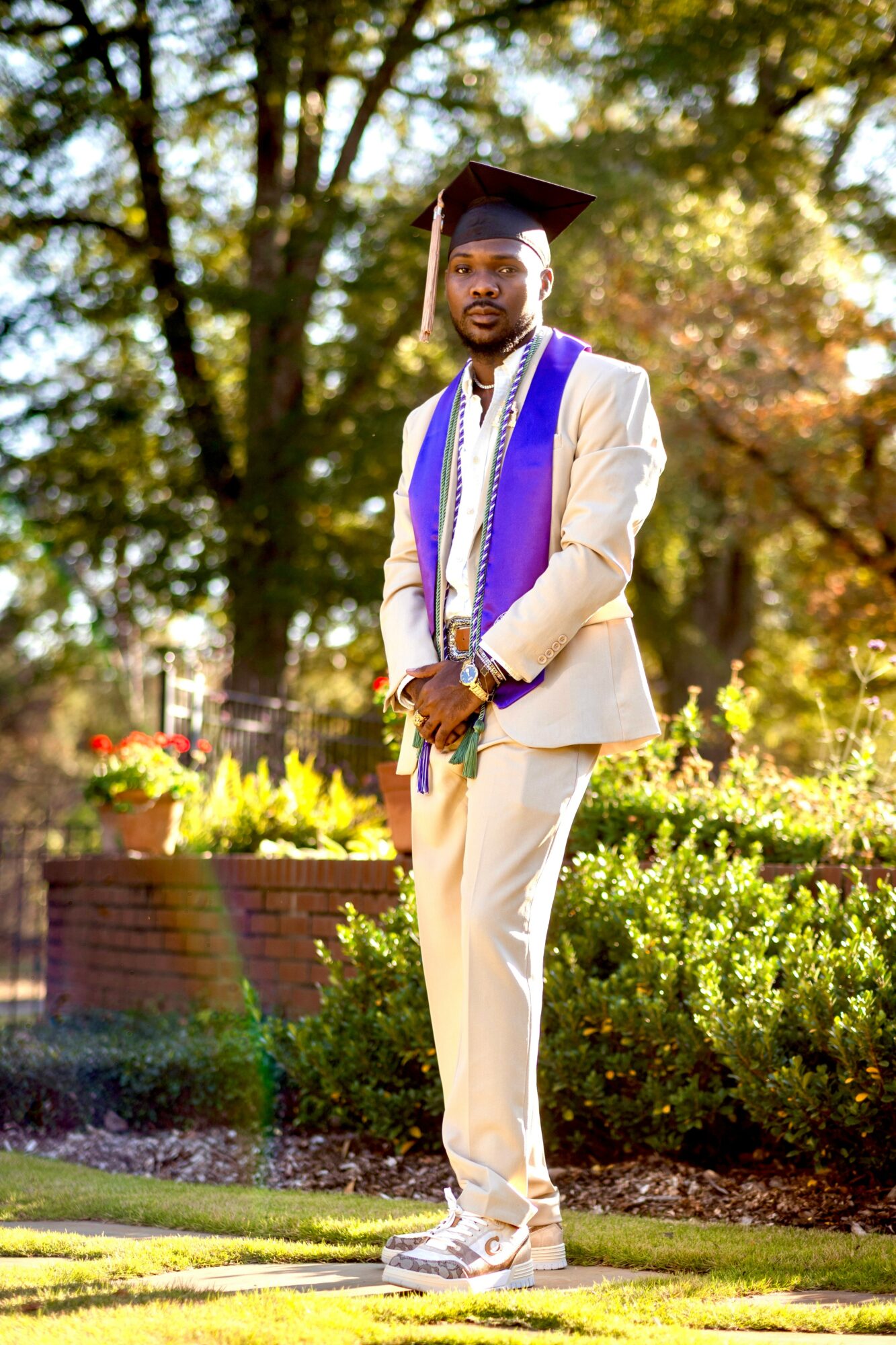
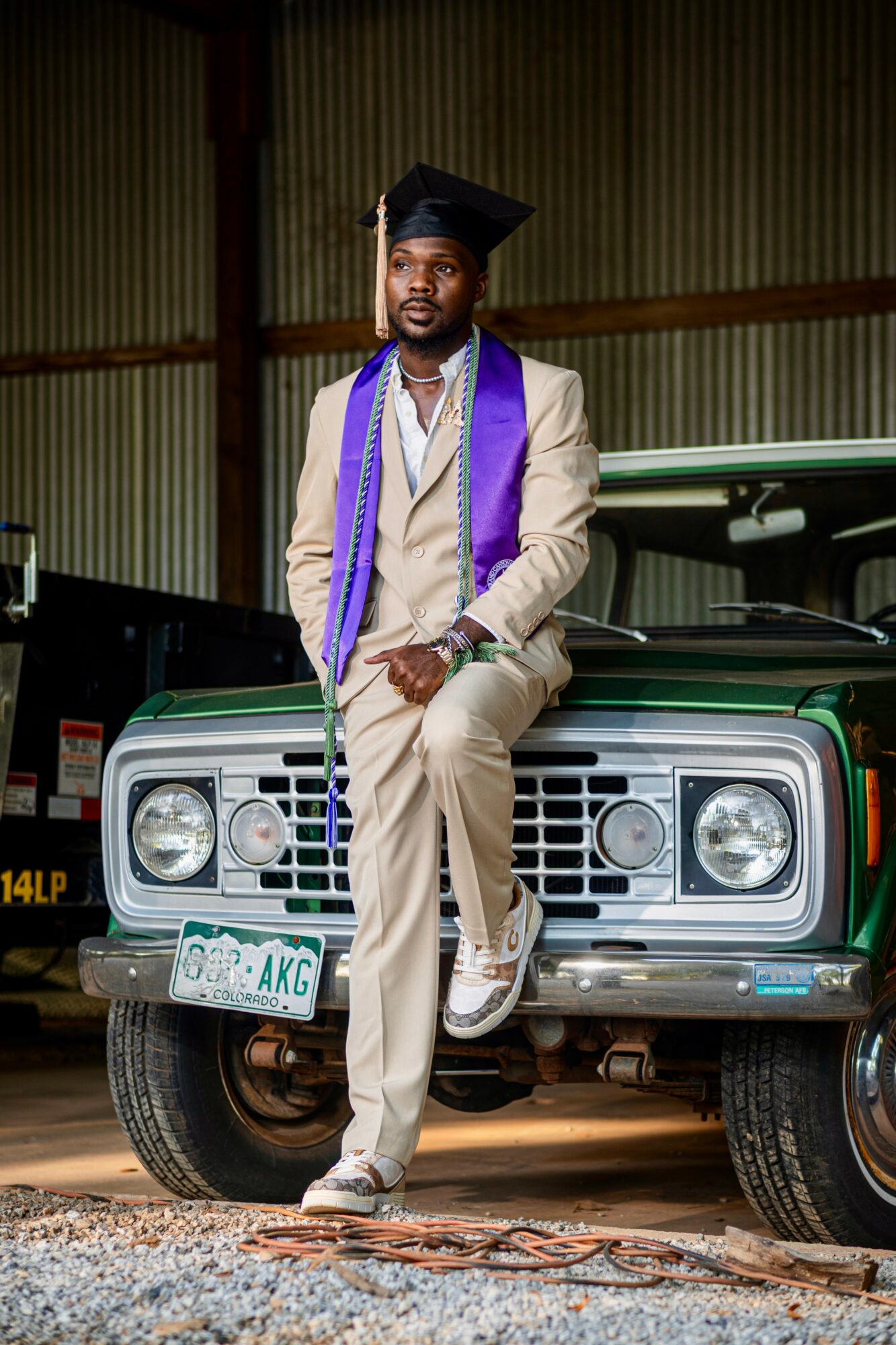
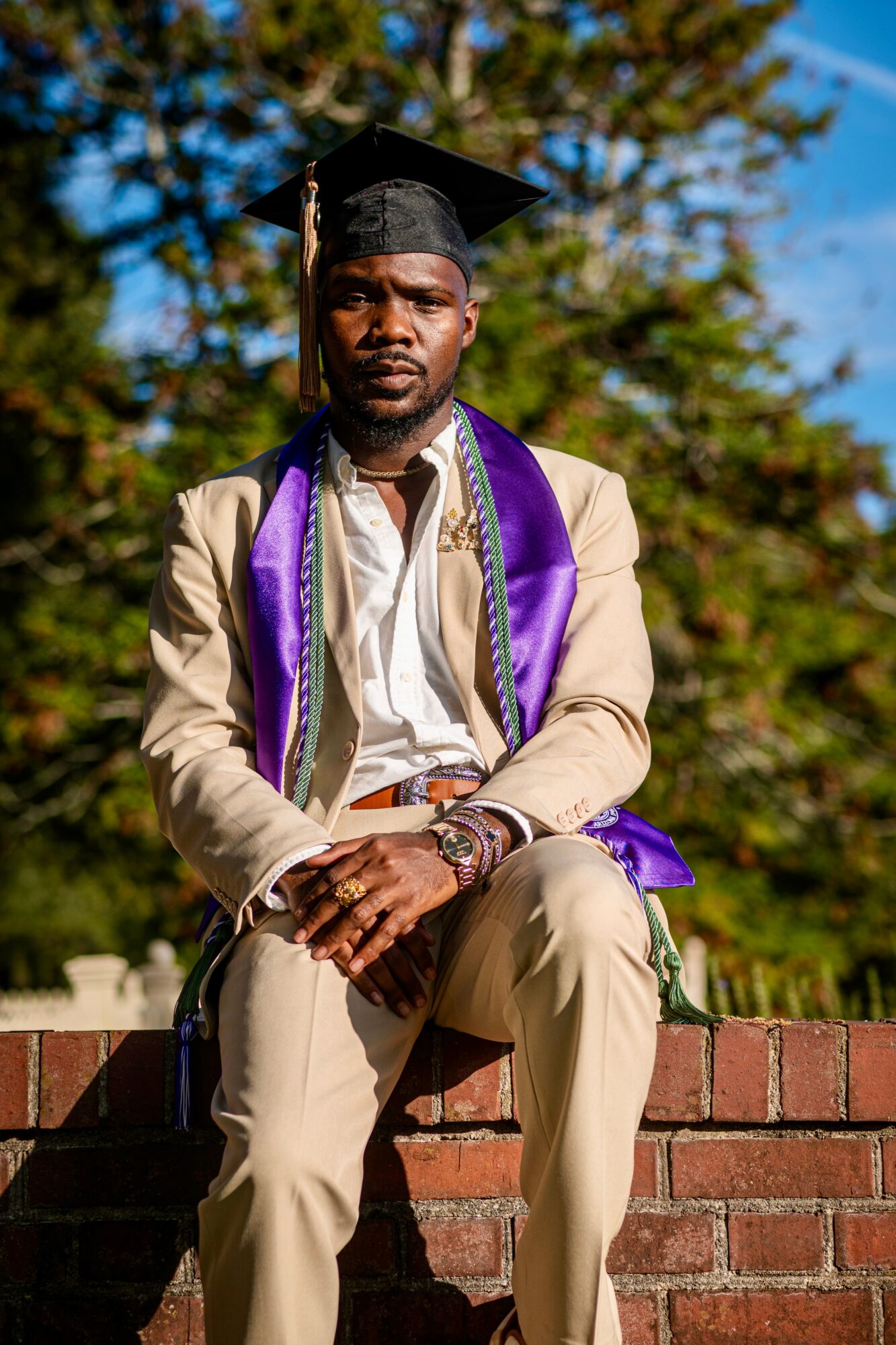
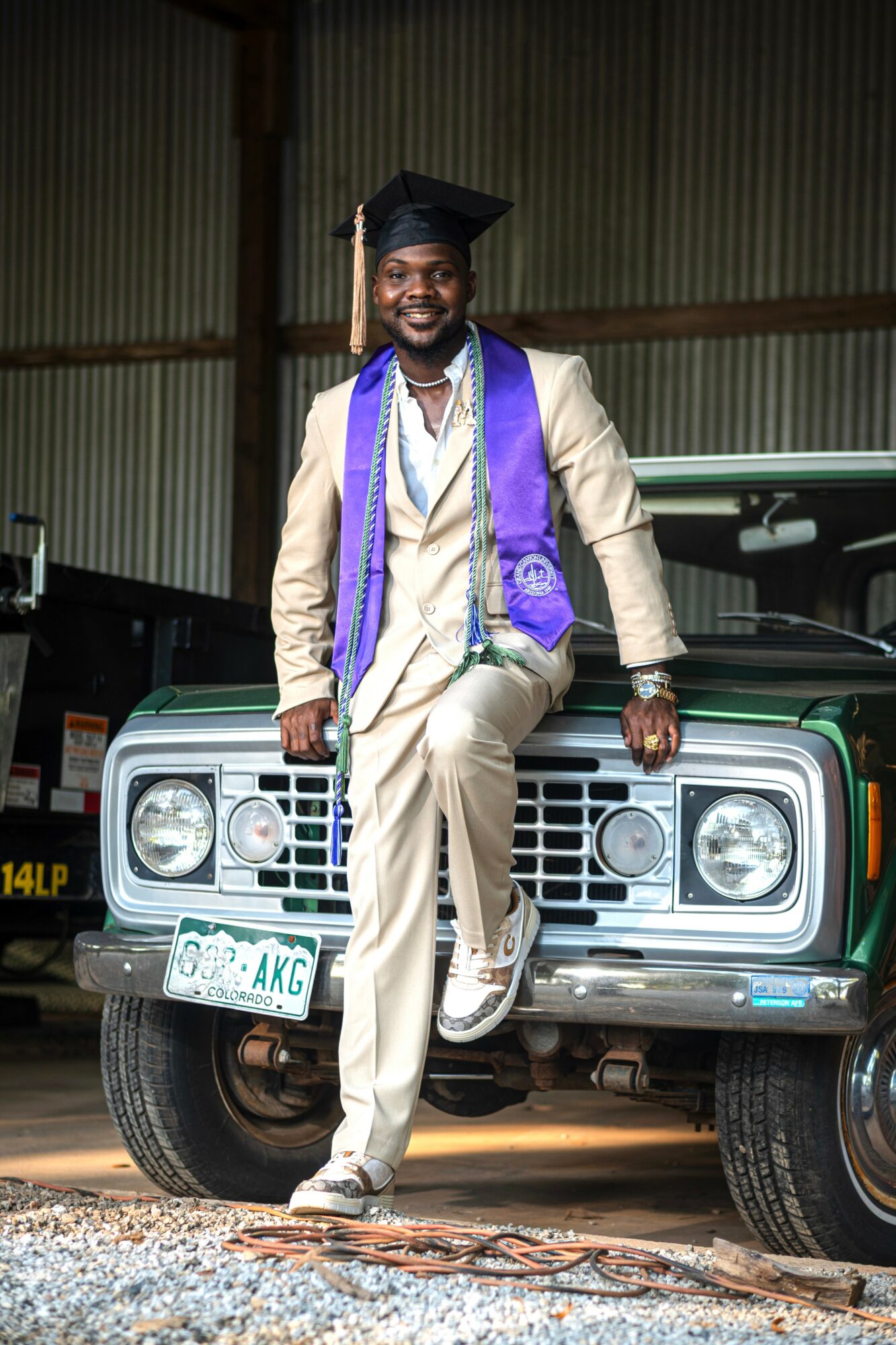
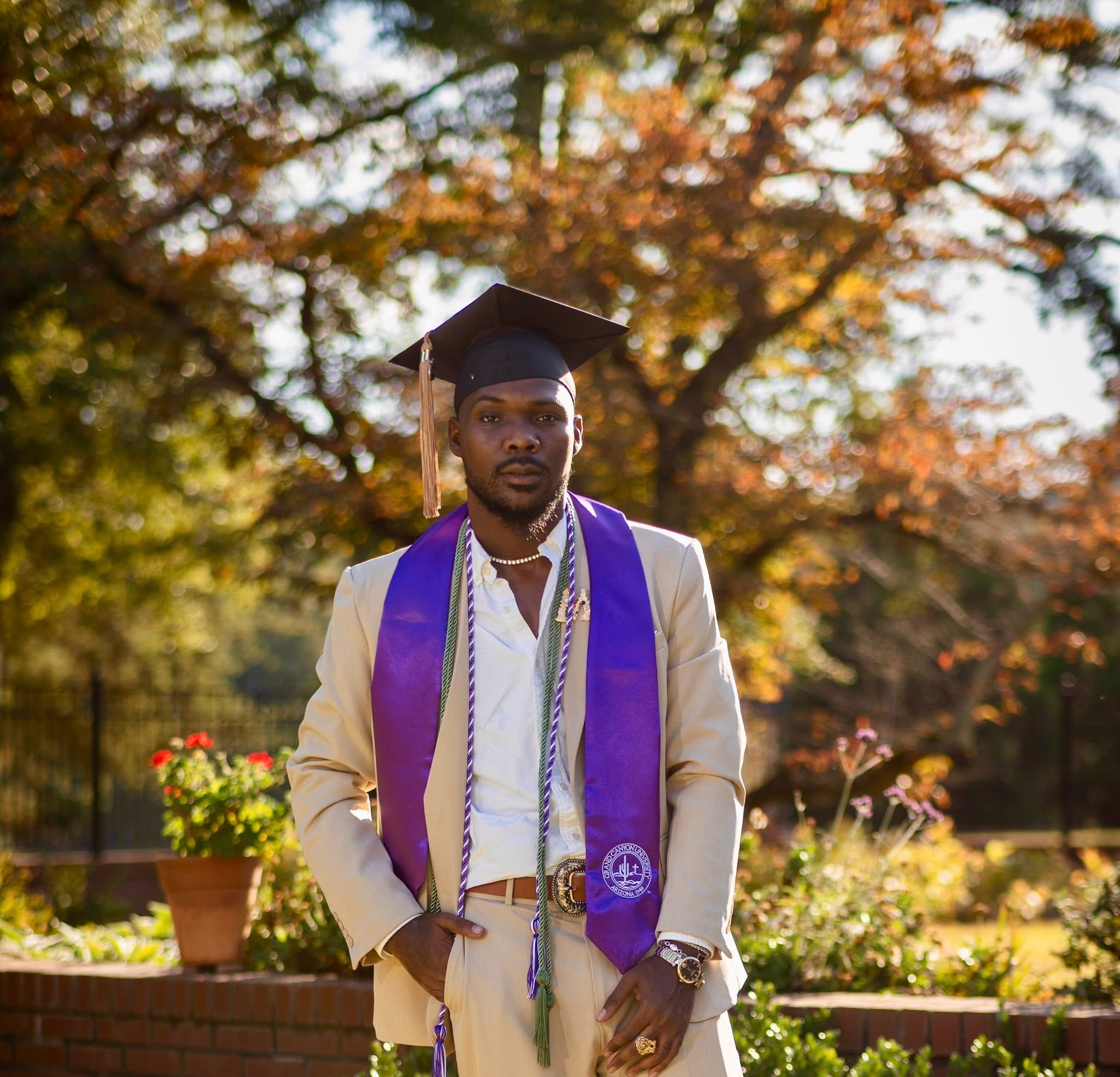
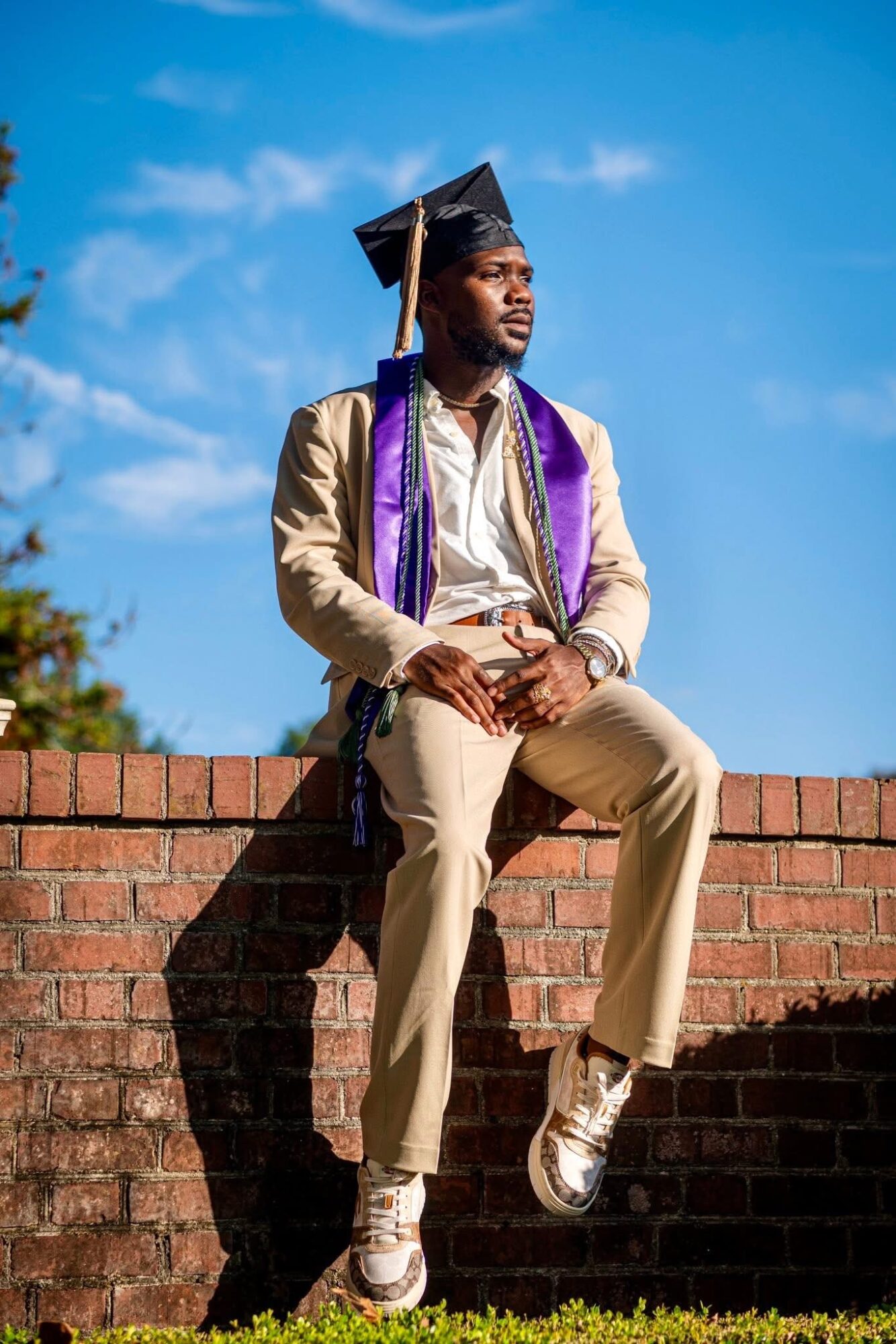
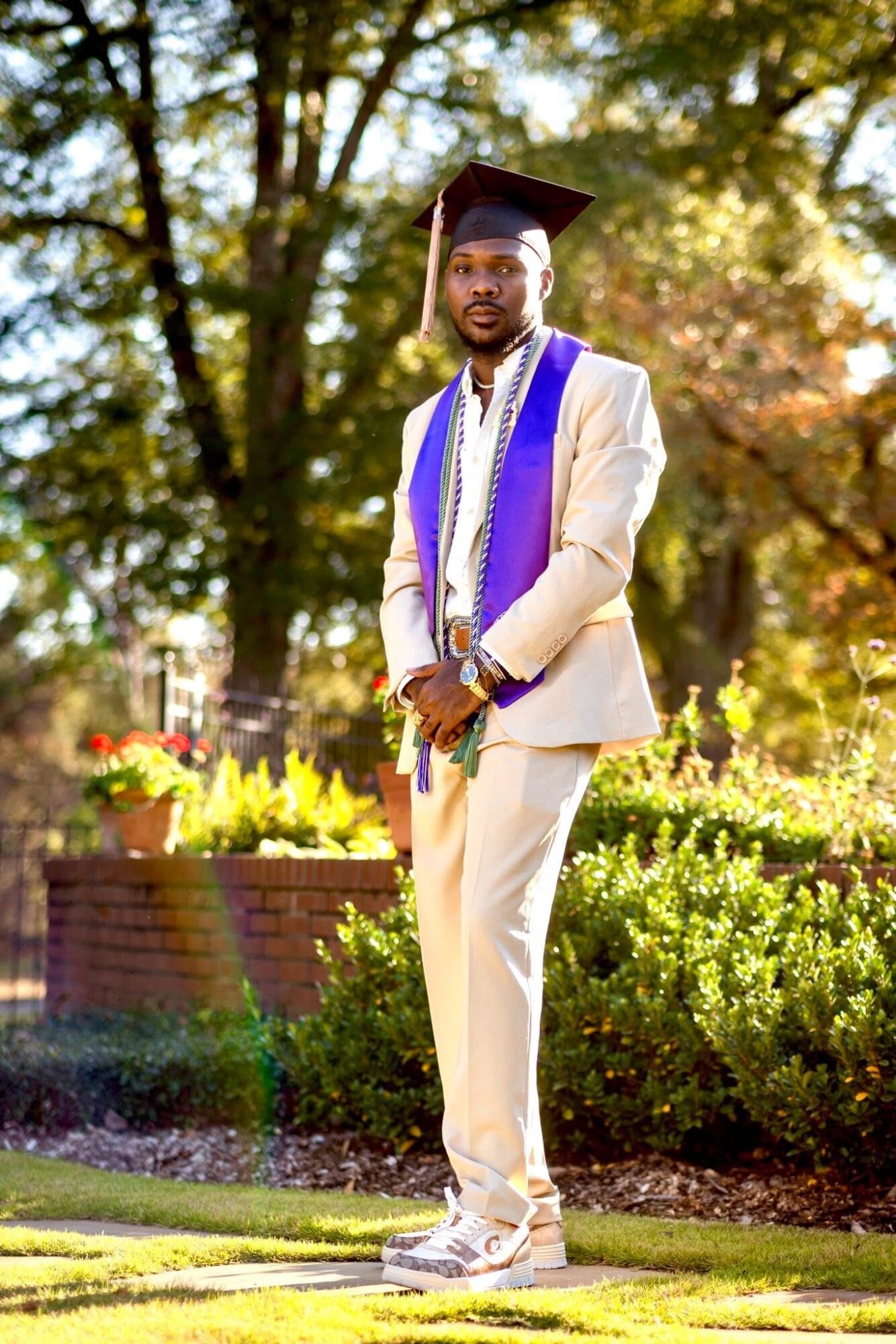
Image Credits
Ryan Willis
Instagram: @cbrmediaa
Popular
-

Hidden Gems: Local Businesses & Creatives You Should Know
-

ATL’s Most Inspiring Stories
-

Portraits of Atlanta
-

Dr. Hildiah Martin-Suggs Is Building Second Chances for Youth Who Were Almost Lost in the System
-

From Showing Up to Seeing His Face on a Billboard: Anthony Green Is Just Getting Started
-

Wayne Smith Jr on Survival, Psychological Thrillers, and the Cost of Staying Alive