
Today we’d like to introduce you to Andrew Hoersch.
Hi Andrew, thanks for joining us today. We’d love for you to start by introducing yourself.
I began my career entirely by accident — the best accident that could have ever happened, though some would probably call it destiny. For as long as I can remember, I’ve been fascinated with cameras. As a kid, I played with cheap camcorders and pocket cameras — anything I could get my hands on.
My real journey began in early 2015. My grandfather owned a Nikon D5300 that he would occasionally bring out during family gatherings, and I was instantly captivated by it. He let me use it around the house, taking random photos of meaningless objects, but to me it felt like stepping into an entirely different world. I wasn’t just seeing things through my own eyes anymore — I was looking through an alternate perspective. Everyday objects suddenly felt new, interesting, and full of angles I had never considered.
A few months later, my grandma took me to downtown Chicago and let me bring his camera with me. That day, I took my first photo that I ever edited — not even Adobe Lightroom but rather Adobe Photoshop, since I didn’t know Lightroom existed. That photo ended up becoming our computer’s wallpaper, and everyone around me noticed how my eyes lit up. They could see how deeply interested I had become, even before I fully realized it myself.
What I didn’t know at the time was that my uncle and others had also seen that spark. That Christmas (2015), they all pitched in and bought me my first DSLR — a Nikon D3300. That single moment became the key to a path I never even imagined for myself. I had no idea a gift like that was coming; I hadn’t even asked for anything close to it.
Excited as ever, I took that camera everywhere. I started with landscapes and vehicles — mostly because they were easier than people and didn’t comment about how they looked. Even years into owning that first camera, I was still just a hobbyist, shooting for myself. Over time, I began taking photos of my friends’ sports cars in high school, and automotive photography naturally became my niche.
Eventually, in late 2019, I bought my second camera — a Sony A6300. This was a big milestone for me. Unlike the first, this time I invested my own money, which made it feel more real. Still, without that original gift, I genuinely don’t know if I ever would’ve taken that first step.
As I continued shooting, I slowly began charging people in my community — not because I wanted the money, but because it filtered out the shoots I wasn’t interested in anymore. I’d get a lot of free requests, and as my skills grew, I no longer wanted to shoot every car, but I always felt guilty saying no. At this point, I had been shooting automotive for a few years, first casually for free, then at low rates around $50.
Eventually, my momentum started to fade. I graduated high school in 2019 and had to focus on making money and finding a career. The excitement I used to feel wasn’t always there, and I had less time for photography. I worked in IT straight out of high school, and my camera use became pretty casual.
Then something shifted — I couldn’t even tell you exactly what. After months of letting my camera collect dust, I picked it up again one day, used it, and instantly fell back in love. I started taking it with me more often and, as a car enthusiast, brought it to local events again.
One event in particular, “Key to the Streets” in 2021, changed everything. I brought my camera casually, not expecting anything. There, I ran into the owner of a well-known automotive brand, STYLN.CO. I knew who he was and almost didn’t say hello, but I decided to anyway. After shaking my hand, he pointed at my camera and asked a question that caught me completely off guard:
“Can you make YouTube vlogs with that?”
At the time, I had never professionally recorded or edited vlog-style content. Maybe once or twice with friends years prior — but without hesitation I said, “Of course.”
I grew up in the early Call of Duty YouTube era and had always been interested in creating videos, but I never really pursued it. In that moment, though, the idea of creating fun automotive-based YouTube content hit me all at once.
We exchanged contact info, and in less than 60 seconds I went from almost not saying hello to having an opportunity I never thought was even possible for me. I was more excited than I had ever been — but also more anxious than ever. What if I can’t do this? What if I’m in over my head? That fear lingered the entire time I worked with him.
Still, I created several videos for the brand, and we traveled to events all over the country. I had experiences I never imagined having at my age, especially the way I was doing it. Trying to maintain a job, travel to high-profile events, and rapidly improve my skills took a real toll on me on top of the normal chaos of early adulthood.
–
Up until that point, I had only ever been a photographer — video was an entirely different skill set, and I barely had any experience with it. Saying “yes” so quickly made me feel like a fraud, but I also knew enough to take a shot, and I didn’t want to risk losing an opportunity I might never get again.
I created a handful of videos with the brand before ultimately stepping away. There was a lot going on at the time — both my own doubts and some unnecessary drama from a two kids my age there who ended up ruining the fun of it all. When I left, I felt defeated. I wasn’t proud of the quality of the content I made, even though I had thrown myself into something I had never actually tried before. Looking back now, it was more successful than I realized — I learned so much more than I gave myself credit for — but at the time, it just felt like failure.
Life went on. I continued my IT path and fell back into my old routine, barely touching my camera. What I didn’t know was that the exact same event that gave me my first video opportunity would end up opening a second door I never saw coming.
There was a fellow car enthusiast with an R35 GTR — someone I had followed mutually for a while. I finally met him for the first time in person at one of the events I worked with STYLN. Later, he posted a really cool video of his car, and immediately I asked myself, “Who made this?” That’s how I found the creator: @kreatewithkvnvas.
What I didn’t know then was that the exact same event where I met the owner of STYLN was also the event where Kevin (@kreatewithkvnvas) met the GTR owner and offered to make that video for him. Since I still had some interest in improving my video skills after my short experience with STYLN, I followed Kevin to keep up with his work.
One day while scrolling through his page, he posted a photo of some of his gear with the caption:
“So who needs video/photo work?”
On impulse, I jokingly commented, “I need lessons 😂.”
I never leave comments like that on social media. I almost deleted it immediately — it felt stupid, out of character — but for once I didn’t overthink it. I hit “post.”
He replied almost instantly:
“We can definitely make that happen 🙌”
(April 15th, 2021)
I wasn’t sure if he was serious or just being nice for his brand image. After that, nothing happened for a few weeks. Then, out of nowhere on May 11th, I got a DM from him asking what my “short/long-term plan” was with photo/video — whether I wanted to pursue it professionally or keep it as a side hustle.
Immediately, I knew my response had to sell him. I gave a clear, detailed explanation of where I was and where I wanted to be. I treated it like an interview — because honestly, that’s exactly what it was.
Then silence. For a week.
Did I say the wrong thing?
I started doubting myself again.
Nine days later, I followed up with a simple message: “why do you ask?”
No response.
At that point, I assumed I blew it. Maybe I was too honest. The spark of hope I had faded quickly, and I moved on.
Almost three weeks later, out of nowhere, he replied — and he was sold.
The opportunity I thought I lost was suddenly staring right at me again: “Let’s do this.” I was caught completely off guard, but more excited than I had ever been. Unlike the first opportunity, where I was on my own with no guidance, this time I had a mentor who understood exactly where I was in my journey and how to help me move forward.
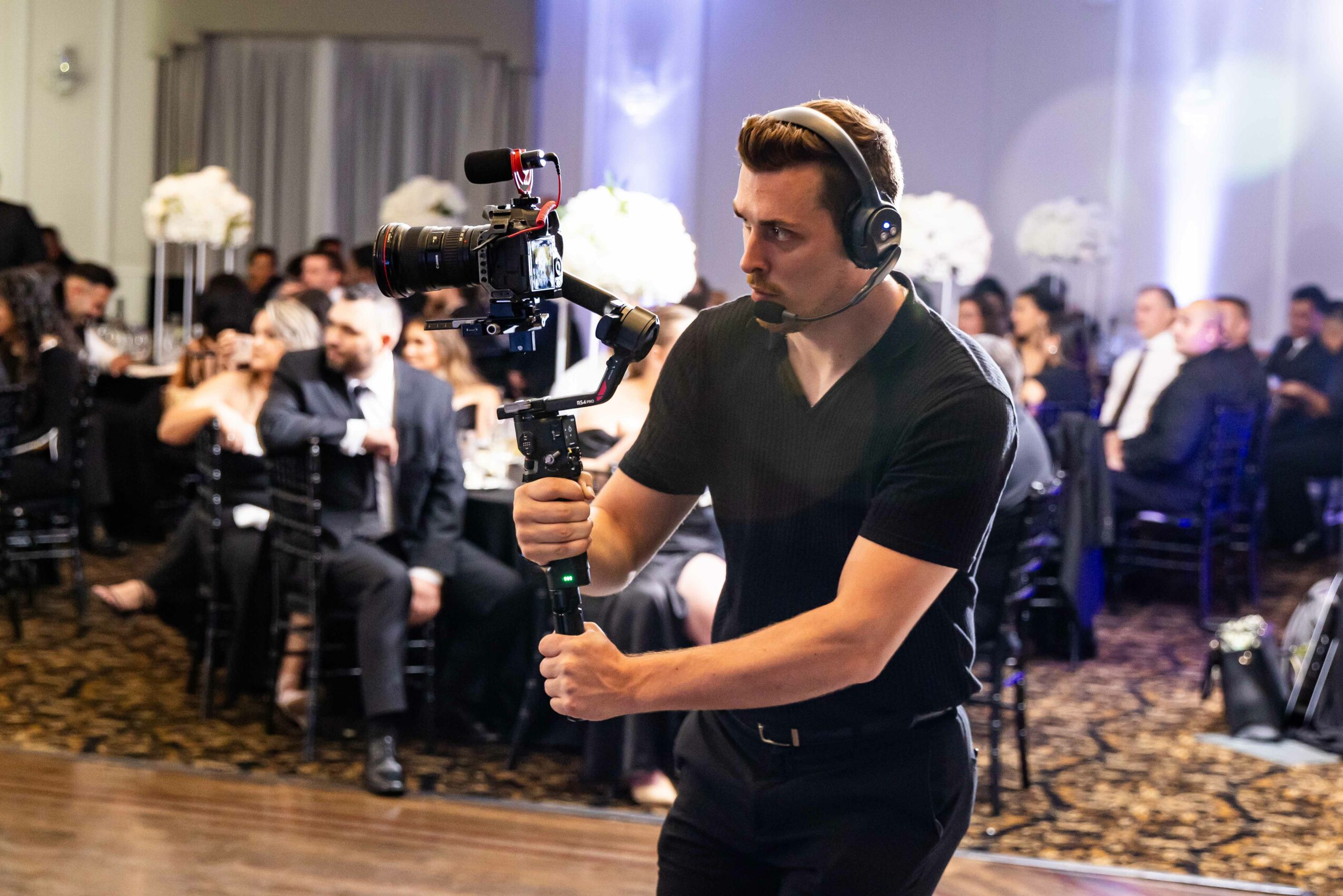
Working with Kevin was my first introduction to the nightlife scene. Before that, I had never done professional work in clubs or private parties. It was a completely different world — the opposite of what I was used to. Dark environments, moving colored lights, unpredictable settings, and most importantly, people as the subject.
For about a year, I did a lot of nightlife work. I couldn’t decide if I liked it or not. I wasn’t confident, and half the time I had no idea what I was doing, but I pushed through it. Looking back, I’m glad I did, because it forced me to learn a whole other side of photo/video — including how to work with human subjects, whether I liked it or not.
–
Working with Kevin was the first time I really began to shape my identity in photography and understand the craft in a more balanced way. He brought me into experiences I never saw coming — music videos, concerts, private parties, high-end events, even working alongside celebrities. It got real fast. I felt like I couldn’t keep up, not in a negative sense, but because it was so much to take in. All of this was happening simply because I liked playing with my grandpa’s camera.
For the first time, I saw a clear path where this could actually be my career. I was making real money, learning faster than I ever had, and genuinely having the time of my life. It barely felt like work — mostly because I wasn’t doing the hard part yet. My work with Kevin was extensive, but my responsibilities on the back end were minimal. I was there at the events capturing everything, but the editing still fell on him. He needed to maintain a consistent product for clients, and I wasn’t yet able to match his style.
Early on, I used his gear because it was higher-end than mine and helped me produce better results. I knew how to operate a camera, how to edit photos, and I understood the basics — but I didn’t own the equipment I felt I needed, nor did I understand the business side of what he was doing. I didn’t feel ready to take on clients in a way that could generate enough income for me to do this full-time. So I didn’t. I kept working with Kevin while learning everything I could, and I slowly took on freelance work on the side.
Over time, using what I learned with Kevin and applying it to my own workflow, I started to build confidence. For the first time, I was completing full photography jobs on my own from start to finish. But as my hobby turned into a job, the business side started to take away from the passion. I fell into this cycle for the third time in my career — feeling unmotivated and questioning not just if I was capable, but whether I even wanted this path at all.
Things plateaued. I stepped back to reevaluate myself and my goals. I took whatever work I could to stay afloat — some with Kevin, some freelance, and anything else that helped me make money. Several months passed in this state of uncertainty. Every possible path came with problems. Nothing felt right.
Then, for the third time in my career, another opportunity appeared.
A good friend of mine who had started working at a Ferrari dealership invited me to a go-karting event the company hosted at a local track. He wanted me to come watch him race and take a few photos. I didn’t think much of it and decided to go. There, I met some of the dealership staff, chatted briefly, and eventually the conversation shifted to my work. They asked to see examples and then requested I email them my portfolio.
Instant pressure.
“I don’t have a professional portfolio,” I told myself.
I didn’t think I could possibly meet Ferrari’s standards. I felt frozen — scared to accept something I wasn’t ready for, scared of ruining my name, scared of repeating the mistakes of my very first big opportunity.
Time passed, and I never sent the email. The situation faded, and I never heard anything more from them. That moment felt even worse than the first failure. The “what ifs” ate at me — maybe I could have pulled it off.
Months went by. I assumed the chance was gone forever. Then, nearly half a year later, it resurfaced. They asked again about the email — a second chance I never expected to get.
This time, I acted immediately. I built a website showcasing my best work across automotive, nightlife, and lifestyle photography. I sent the email, and they were interested in moving forward. I couldn’t believe it — yet after seeing my own portfolio all put together, I felt like it should have made sense.
We scheduled a meeting at the dealership, and once again, I was hit with questions I wasn’t ready for. The business side of the industry was still foreign to me. I only knew how to create work I enjoyed — not how to market it, price it, or build a proper contract. The meeting put pressure on me instantly. They could see it, and I knew it. Still, I pushed through it with intense anxiety.
They asked if I could create reels for their account.
Another challenge I didn’t feel ready for.
And yet, just like before, I said yes.
I walked out of that meeting unsure if it was a good idea, but we reached an agreement. Suddenly, I needed to create my first contract with a client I felt I had no business having — or so I thought. Under the pressure of not wanting to lose another opportunity, I found myself offering video services with almost no real experience. The memory of my first attempt at video was loud in my mind. But this time was different — I wasn’t alone, and I wasn’t frantic. I was determined.
Now, almost a year later, I’ve been working with this Ferrari dealership consistently, and I’ve improved faster than I ever have. I’ve learned more about both the creative and business sides by once again throwing myself into the deep end and applying the lessons from every previous moment in my career.
The biggest takeaway for me is this:
I got to where I am by taking leaps of faith into the unknown — even when I wasn’t ready. Even through mistakes, doubt, and lack of confidence, I kept moving. And the smallest, most random moments ended up shaping everything. Saying hello. Leaving a silly comment. Showing up to a small event. Every tiny action laid a brick for the next step, even when I wasn’t aware it was happening.
The most important part is that I participated — sometimes against my own comfort, sometimes against my own fear — but always forward.
Reading all of this back now, it hits me how much I’ve actually pushed through. The doubts, the mistakes, the little wins — it all matters. Seeing the full journey laid out makes me realize how far I’ve come, and how every single step, even the smallest ones, helped me get here. Honestly, it’s kind of overwhelming, but in the best way.
-Note for the editor I was born in January 2001, currently 24.
To include in my overall message from Q1 about “not feeling ready for opportunities”, I realized even this exact interview was something that I accepted about a year ago. As I tried to answer some of the questions I panicked, not feeling like I was the right person for this. I felt like a fraud once again, imposter syndrome. I never ended up competing the questions and submitting this because I didn’t feel like I was even suppose to be here to begin with. Just like the Ferrari opportunity coming back around, so did this allowing me to share my story. Feel free to include this if it adds any value but I thought it was both funny because of the irony and also drills that point harder
We all face challenges, but looking back would you describe it as a relatively smooth road?
No, it has not been a smooth road at all. Every stage of my journey has had its challenges. Sometimes it felt smooth in the moment — when I was shooting a car I loved or capturing a scene perfectly — but as soon as I reflected on it or considered the bigger picture, doubts crept in. I often questioned my own capability and whether I was making the right decisions for my career. Even now, I still experience moments of uncertainty, and I’ve learned that this is just part of life — no matter what path you take, self-doubt and obstacles are always going to be factors. The intensity varies from person to person, but almost everyone faces it in some way.
Early on, it was about simply understanding the craft. When I got my first DSLR, I was excited but completely self-taught. I had no guidance, no formal training, and I often wondered if I was actually improving or just stumbling forward. Even after years of practice, I had to teach myself not only technical skills but also how to push past frustration when something didn’t turn out the way I envisioned.
When I first ventured into video, that challenge amplified. I was being asked to create content professionally, yet I had virtually no experience. I felt like a fraud many times, worried that I wasn’t capable of delivering anything of value. Even the first opportunity with STYLN ended with a lot of doubt and a feeling of failure, despite how much I had learned in reality. The combination of new responsibilities, travel, and trying to maintain a job created pressure that often felt overwhelming.
Working with Kevin introduced another set of struggles. Nightlife photography and videography was a completely new environment — dark spaces, moving colored lights, unpredictable crowds, and human subjects instead of cars or landscapes. For a long time, I wasn’t confident in my abilities. I had to learn on the fly, balance professionalism with creativity, and constantly adapt. The stakes were higher, and every misstep felt amplified.
The business side of this career has also been a major hurdle. Knowing how to price work, create contracts, communicate with clients, and maintain consistency — all while developing my own creative voice — has been a constant learning process. There were multiple moments where opportunities almost slipped away because I didn’t feel ready, from not sending emails to hesitating on portfolio presentations. Each time, the pressure and self-doubt were intense.
Despite all of this, the common thread has been persistence. Every struggle taught me something — whether it was technical, creative, or personal. I’ve learned that uncertainty and setbacks are natural parts of growth, and pushing through them is what allowed me to continue building my career. The road may be rocky, but it’s also been incredibly formative, and those struggles are what made the successes meaningful.
Thanks for sharing that. So, maybe next you can tell us a bit more about your work?
I specialize in automotive photography and videography, though right now my main focus is growing as a storyteller through video. I split my work roughly 50/50 between photo and video, but most of my energy goes into improving my in-camera technique, editing skills, and how I can tell a story visually. Photography is something I feel confident in, but video is where I’m constantly pushing myself and experimenting.
What sets me apart is how I combine technical skill with my own creative perspective. Years of experimenting and learning on my own have given me an eye for composition, lighting, and timing, and I try to bring that into every project — whether it’s a still image or a moving one. I’ve had the opportunity to work with high-profile brands and events, like Ferrari, STYLN.CO and many others, each experience has challenged me to refine not just my craft but my professional approach.
I’m most proud of how I’ve learned by doing — stepping into environments I wasn’t fully prepared for, figuring things out on the fly, and always pushing myself to take risks to create something unique. At the end of the day, what I want people to feel when they see my work is energy, authenticity, and a sense that there’s a story being told.
Honestly, when I think about what drives me now, it’s the excitement of constantly learning — finding new ways to capture a moment, experiment with light or motion, and turn a simple scene into something cinematic. That’s what keeps me motivated and keeps me showing up every day.
Note for the editor- To include in my overall message from Q1 about “not feeling ready for opportunities”, I realized even this exact interview was something that I accepted about a year ago. As I tried to answer some of the questions I panicked, not feeling like I was the right person for this. I felt like a fraud once again, imposter syndrome. I never ended up competing the questions and submitting this because I didn’t feel like I was even suppose to be here to begin with.
Are there any books, apps, podcasts or blogs that help you do your best?
Honestly, nothing specific comes to mind immediately. I spend a lot of time reading, watching, and absorbing information online — whether it’s about my career, creative techniques, or human behavior in general. I’ve watched countless hours of videos, read articles, and explored whatever answers I could find to questions I had, then applied what I learned in real life.
It’s not any one book, app, or podcast that I credit — it’s the accumulation of all these small pieces of information from all over the place. I take bits and pieces from every corner of life and leverage them to improve my personal growth, creative work, and business decisions.
Contact Info:
- Website: http://www.royalexposure.media/
- Instagram: https://www.instagram.com/andrew21hoersch?igsh=MXZwYXhkOWNhMGxjaw==
- Facebook: https://www.facebook.com/andrew21hoersch/
- Other: https://www.instagram.com/royal.exposure?igsh=MWpoeXVrOHI4OHFxbw==
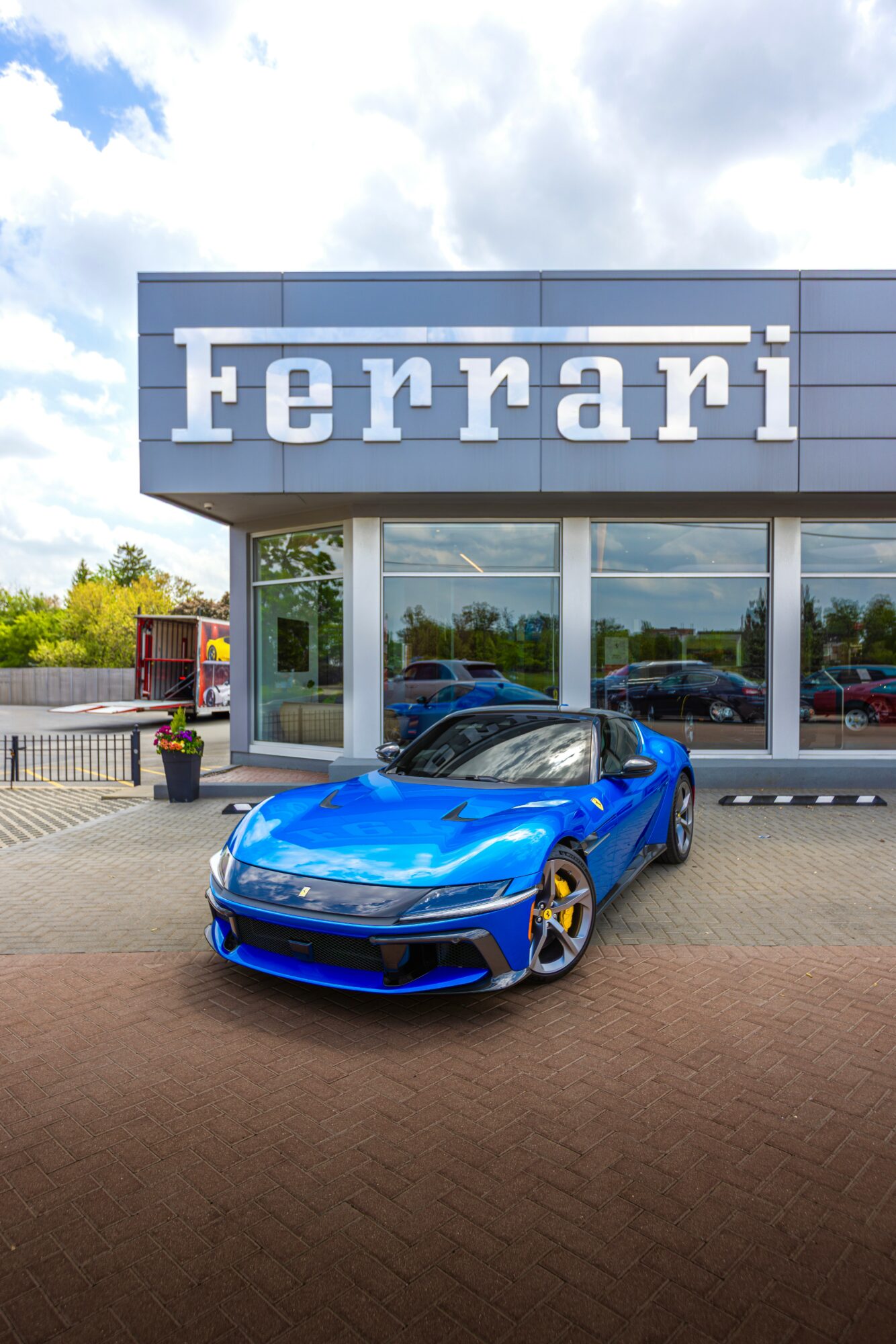
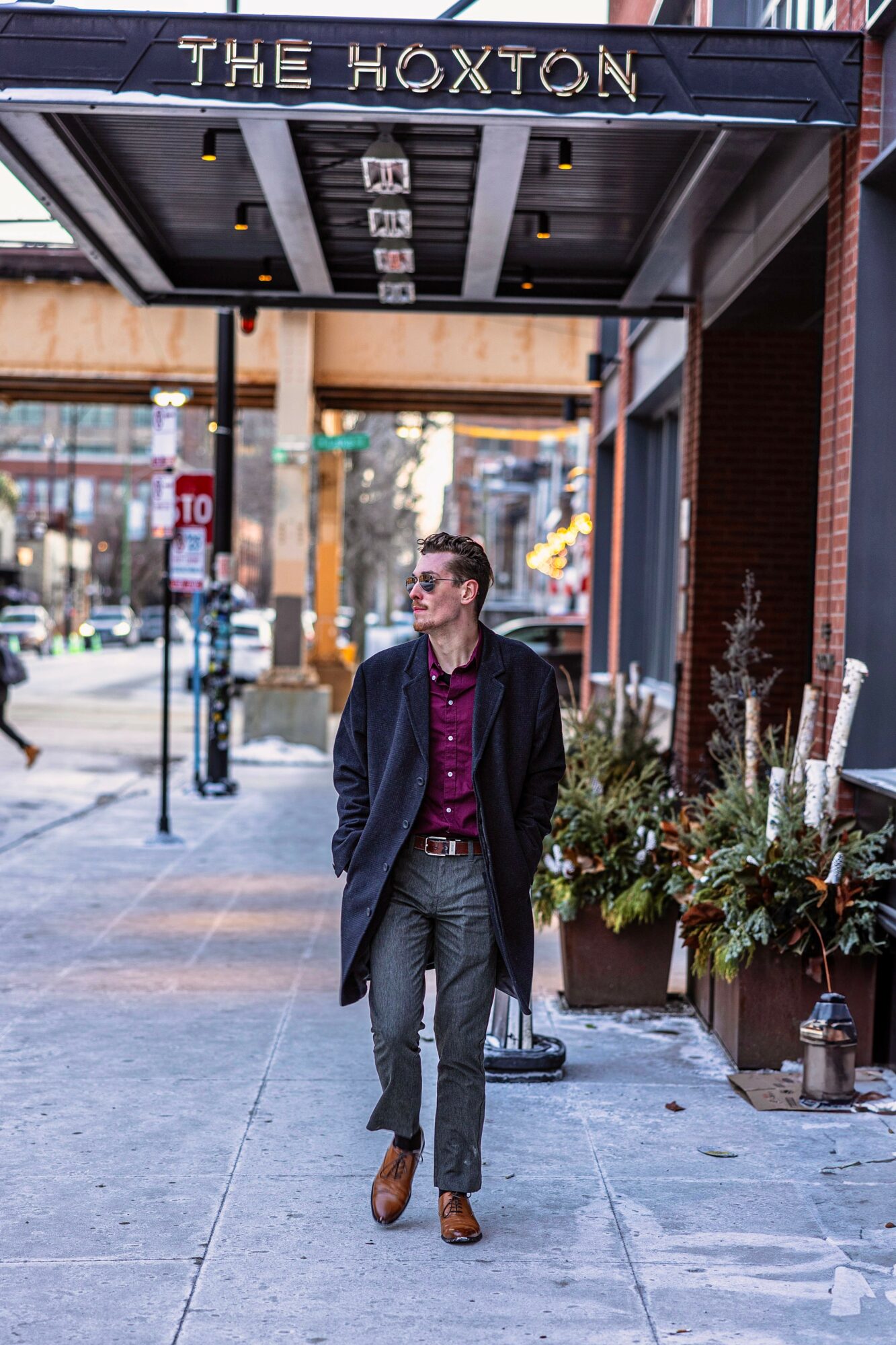
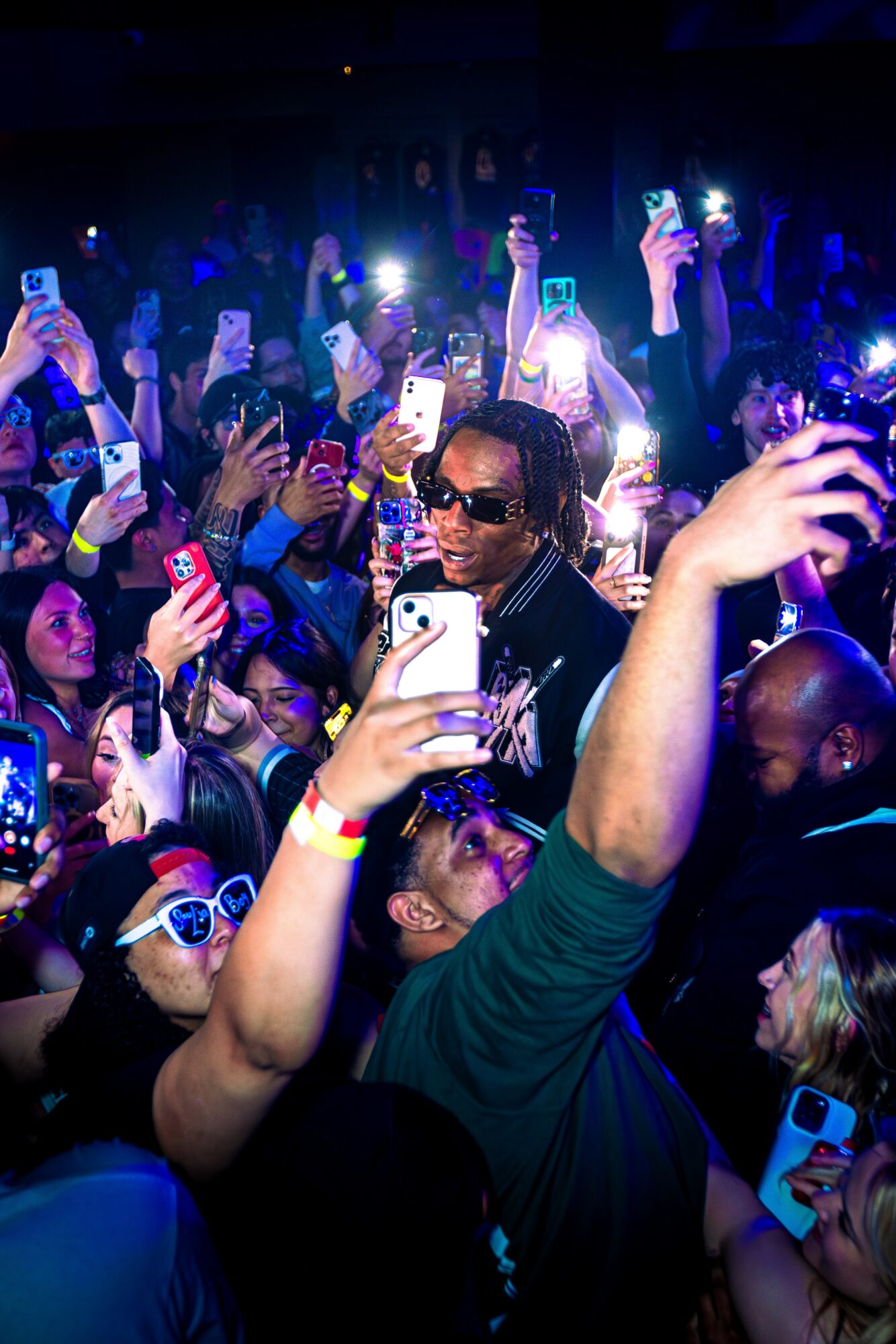
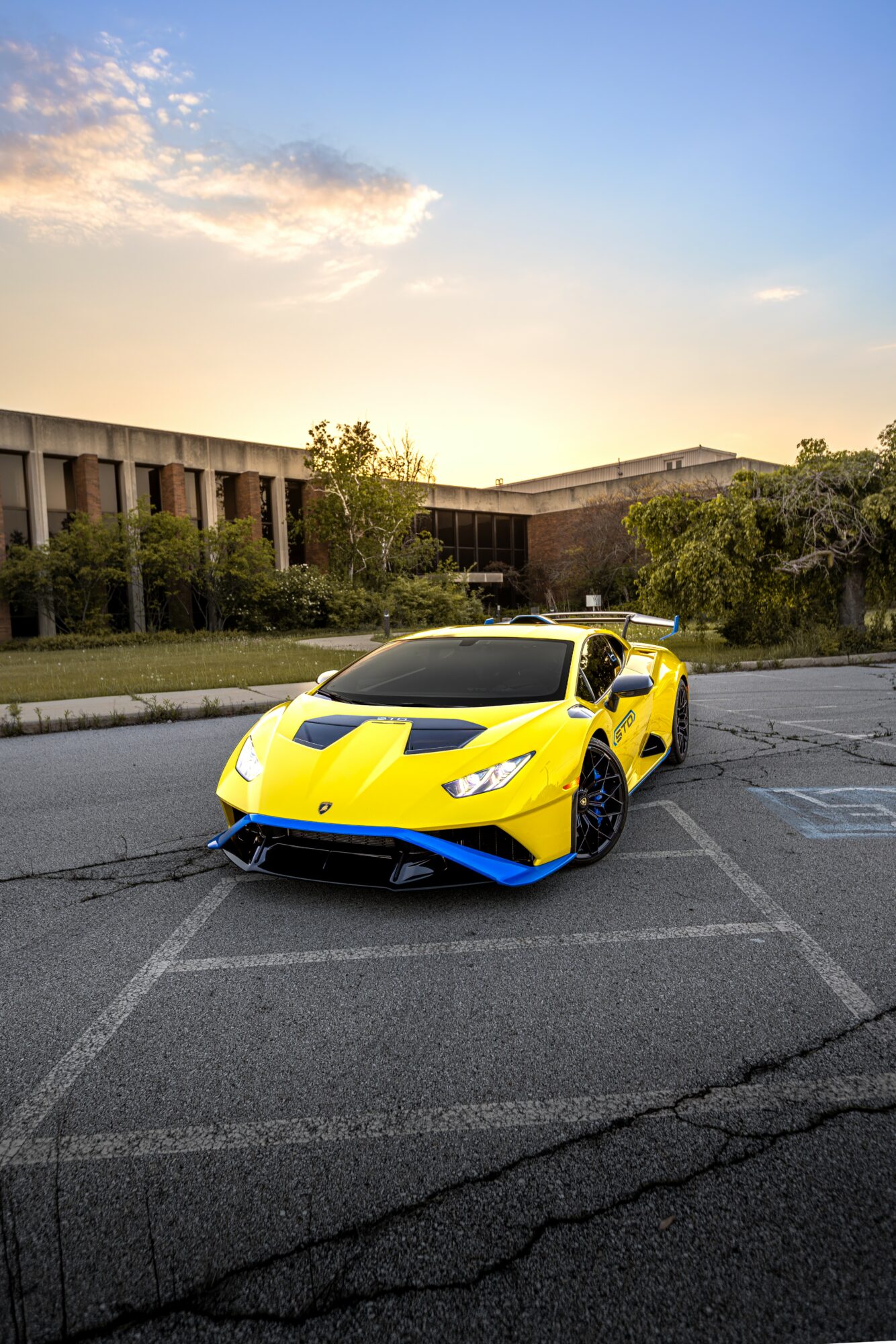
Image Credits
@kreatewithkvnvas
https://www.kvnvas.com/
Popular
-

Hidden Gems: Local Businesses & Creatives You Should Know
-

ATL’s Most Inspiring Stories
-

Portraits of Atlanta
-

What’s a moment that really shaped how you see the world?
-
What’s a belief or project you’re committed to, no matter how long it takes?
-

What part of you has served its purpose and must now be released?