





Today we’d like to introduce you to Maureen Schuster.
Alright, so thank you so much for sharing your story and insight with our readers. To kick things off, can you tell us a bit about how you got started?
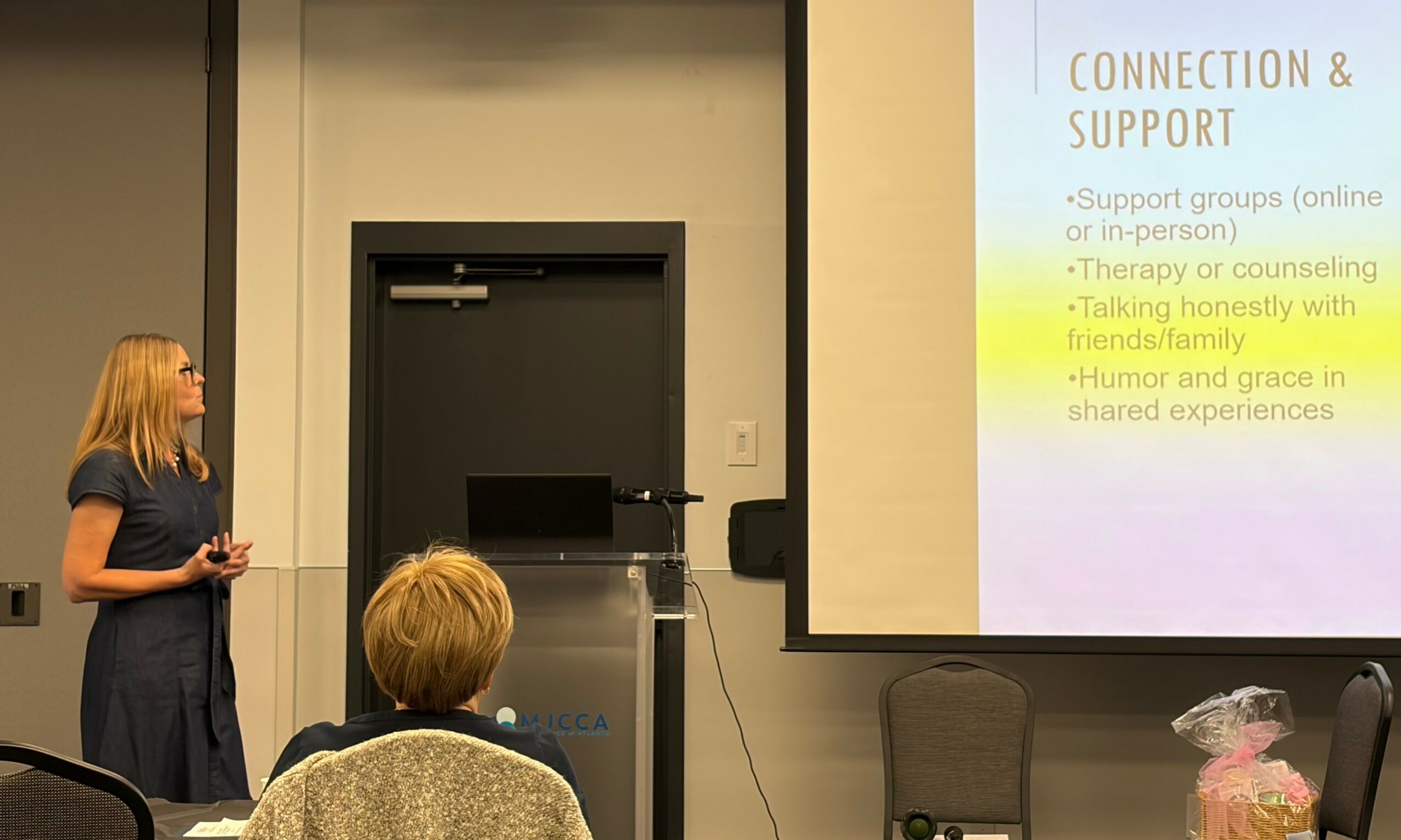
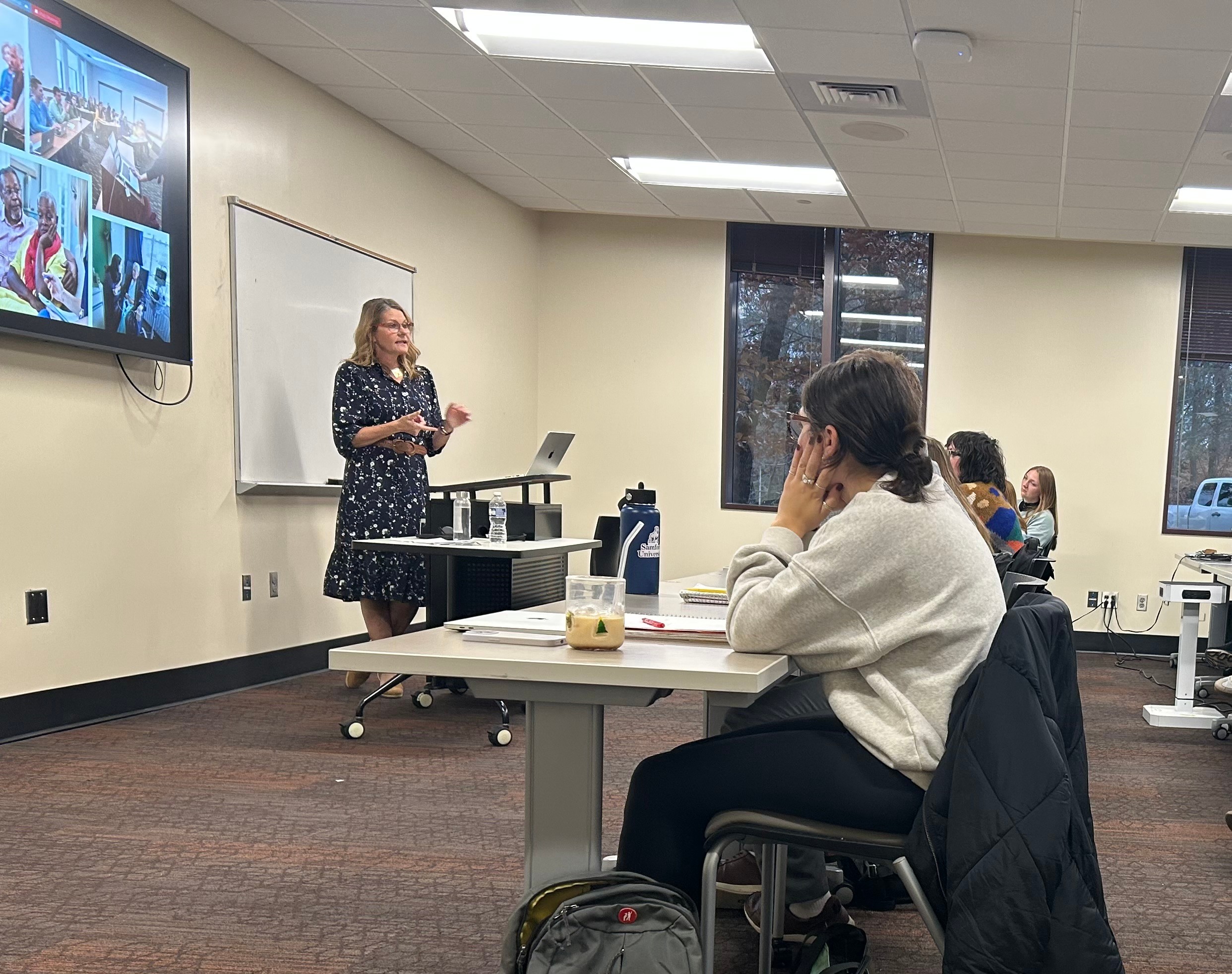
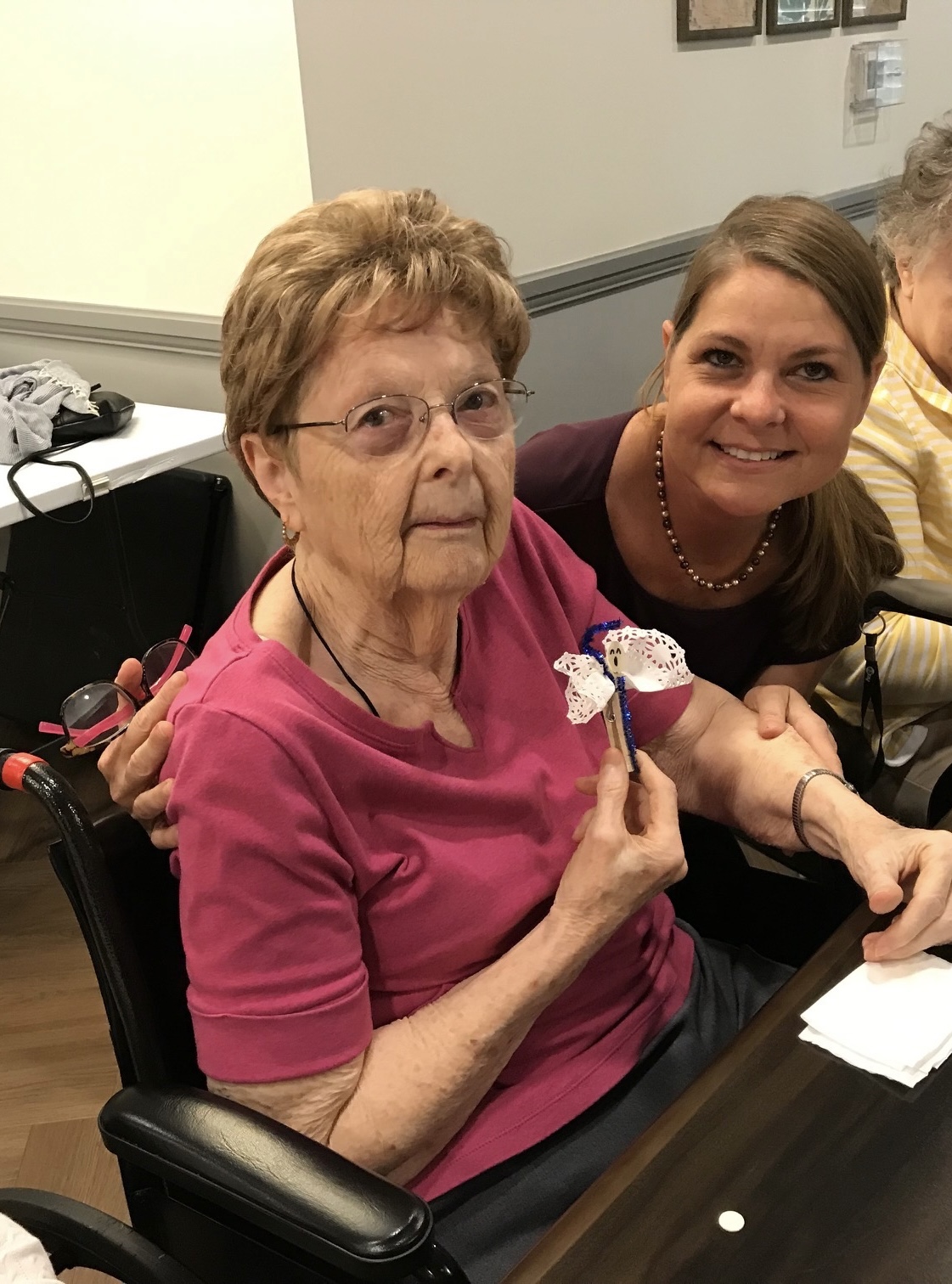
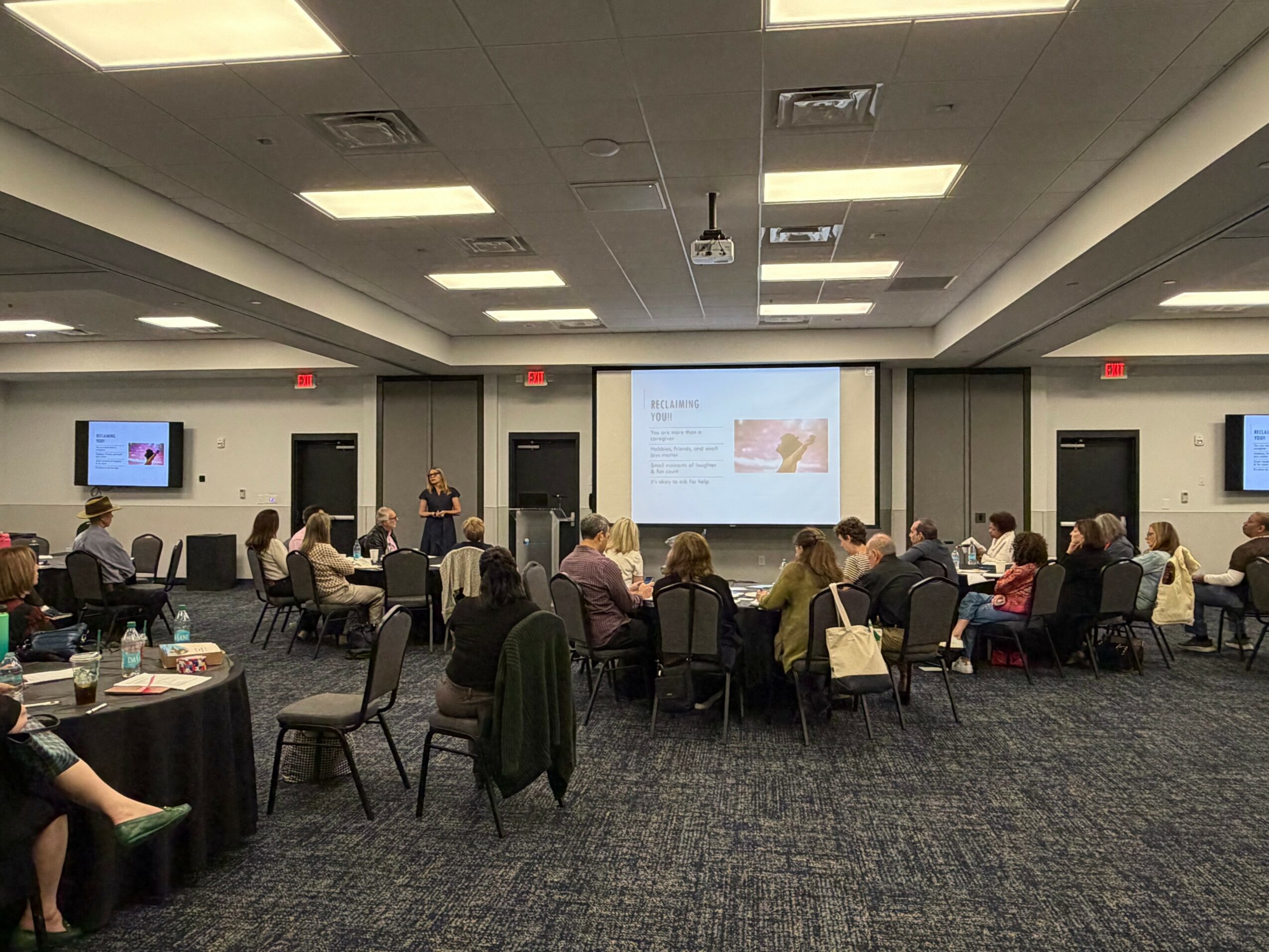
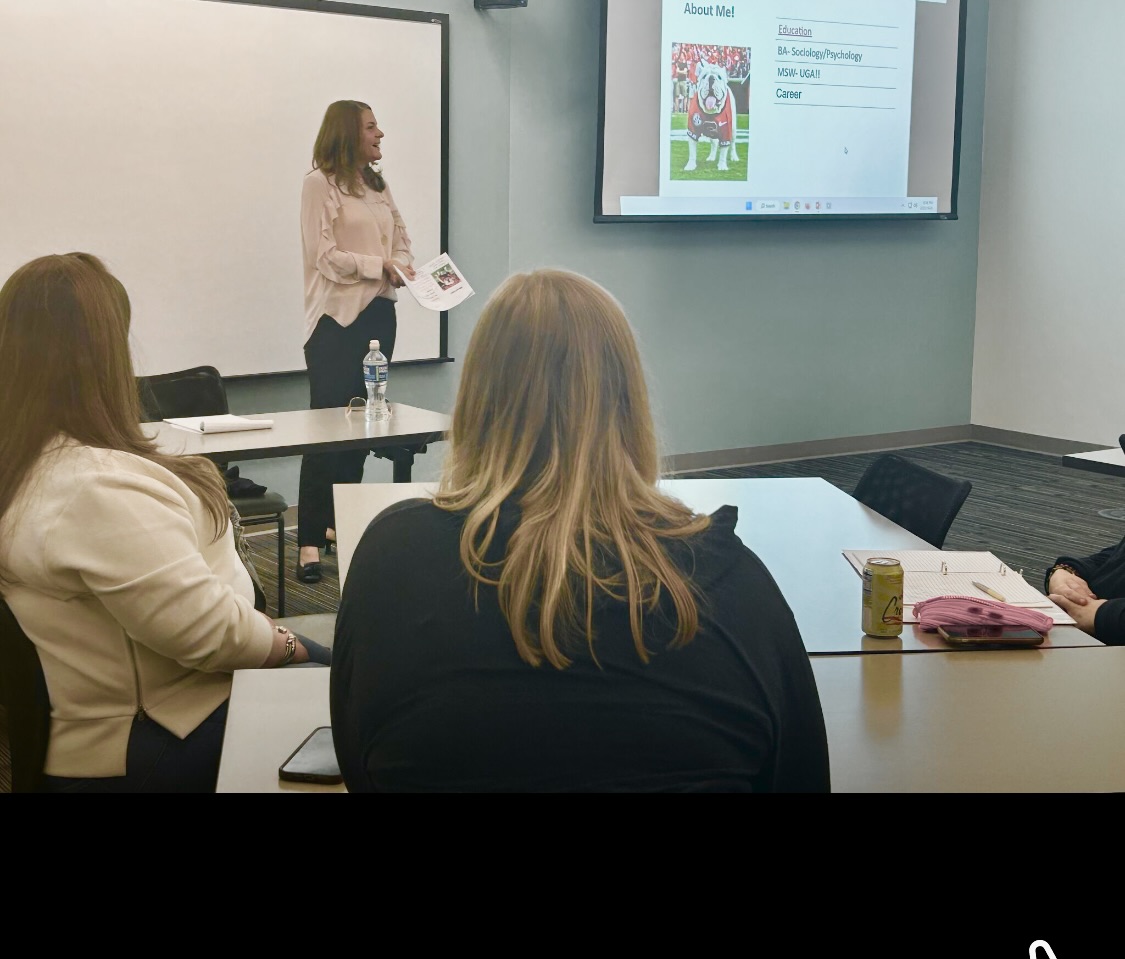
My career has centered on serving others as a Licensed Clinical Social Worker. I earned my MSW from the University of Georgia—Go Dawgs!—and have spent my professional life supporting older adults through roles in hospice, private practice, affordable housing, and speaking and training. I’m passionate about advocating for the needs and highlighting the strengths of the aging population. Today, I maintain a private therapy practice and volunteer in Parkinson’s Disease education and advocacy, as well as speak to students about the opportunities and rewards within the field of social work.
Would you say it’s been a smooth road, and if not what are some of the biggest challenges you’ve faced along the way?
Along the way, my career has taken a winding path as I balanced family commitments and life as a working mom. There were twists and turns—including living overseas—and navigating career aspirations while helping care for my mom, who lived with Parkinson’s Disease. Now, as a seasoned professional with my clinical licensure, I have the freedom to pursue the work that fuels me, including speaking engagements, private practice, and meaningful volunteer roles.
Can you tell our readers more about what you do and what you think sets you apart from others?
As a Licensed Clinical Social Worker specializing in aging,, mental health, and supporting individuals through life transitions. I’m known for my compassionate, practical approach and my ability to help clients navigate complex emotional and caregiving challenges.
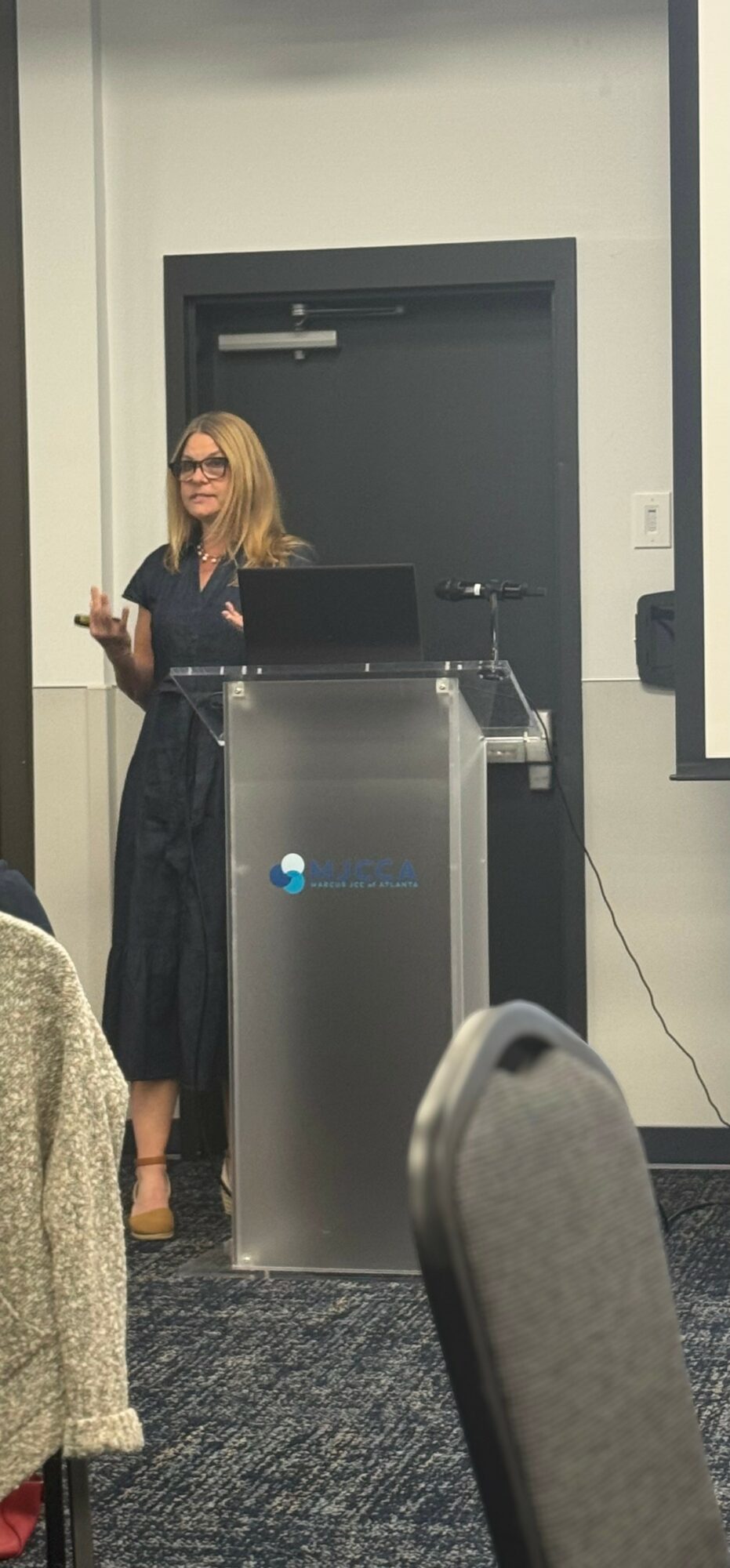
One of the roles I’m most proud of is my volunteer work with the American Parkinson Disease Association (APDA), a grassroots organization founded in 1981 and dedicated to fighting Parkinson’s Disease. I value the opportunity to support those living with Parkinson’s and the people who love them by facilitating support groups, providing education, and speaking at conferences. With nearly one million people in the U.S. affected by Parkinson’s, this work feels deeply meaningful to me.
My mom was one of those one million, and she fought a courageous battle with Parkinson’s for many years. Honoring her strength through my work with APDA is one of the greatest privileges of my career. I believe what sets me apart is the combination of professional experience, personal connection, and a genuine commitment to empowering older adults and their families.
In terms of your work and the industry, what are some of the changes you are expecting to see over the next five to ten years?
I see the field moving rapidly toward greater use of technology to improve care, access, and connection. In my own practice, virtual therapy has grown tremendously, and clients appreciate being able to receive emotional support from home—without worrying about traffic, mobility limitations, or even what they’re wearing. Many find comfort in having a session from their favorite chair, often with a pet on their lap.
My work with APDA reflects this same shift. Virtual support groups allow people living with Parkinson’s and the professionals who support them to connect more easily and consistently. Meeting online reduces barriers and makes scheduling far more flexible. Resources like the APDA website offer 24/7 education, information, referrals, and tools—all accessible at the touch of a button. As older adults become increasingly comfortable with technology, the possibilities for using digital tools to meet their healthcare and support needs are truly limitless.
Contact Info:
- Website: https://www.psychologytoday.com/profile/1305903
- LinkedIn: https://www.linkedin.com/in/maureenschuster/
- Other: maureenschusterlcsw@gmail.com