




We recently had the chance to connect with Dr. Jennifer Sarrett and have shared our conversation below.
Jennifer, really appreciate you sharing your stories and insights with us. The world would have so much more understanding and empathy if we all were a bit more open about our stories and how they have helped shaped our journey and worldview. Let’s jump in with a fun one: What do you think is misunderstood about your business?
I find a lot of people don’t think that the culture at work is important. Often, culture is seen as an unavoidable byproduct of a team or even an unneeded distraction. The truth, however, is that culture determines whether your company and teams are meeting goals and staying engaged or whether dysfunction distracts from goals and turnover is delaying actual progress. I work with two different kinds of clients: those that design team cultures proactively and those that need to fix a dysfunctional team. The first is driven by a leader who understands the value in predicting potential barriers to employee participation and addressing them proactively. The second is driven by leaders who have teams experiencing chronic turnover, low engagement, and conflict. Both leaders and teams have opportunities to create workplaces where team members collaborate, are highly engaged in their work, and align with the organizational mission.
The second part of the misunderstanding is the assumption that culture is an unpredictable byproduct; that culture just happens. Instead, my work shows that culture can be designed. We can be intentional about creating teams that feel like small communities or have the energy of innovation labs or focus on supportive independent work. We can inject dedication, healthy competition, compassion, humor, and creativity into teams. Identifying and implementing how the team and the leadership want their culture to feel, what will motivate and energize people, leads to higher engagement and satisfaction.
Can you briefly introduce yourself and share what makes you or your brand unique?
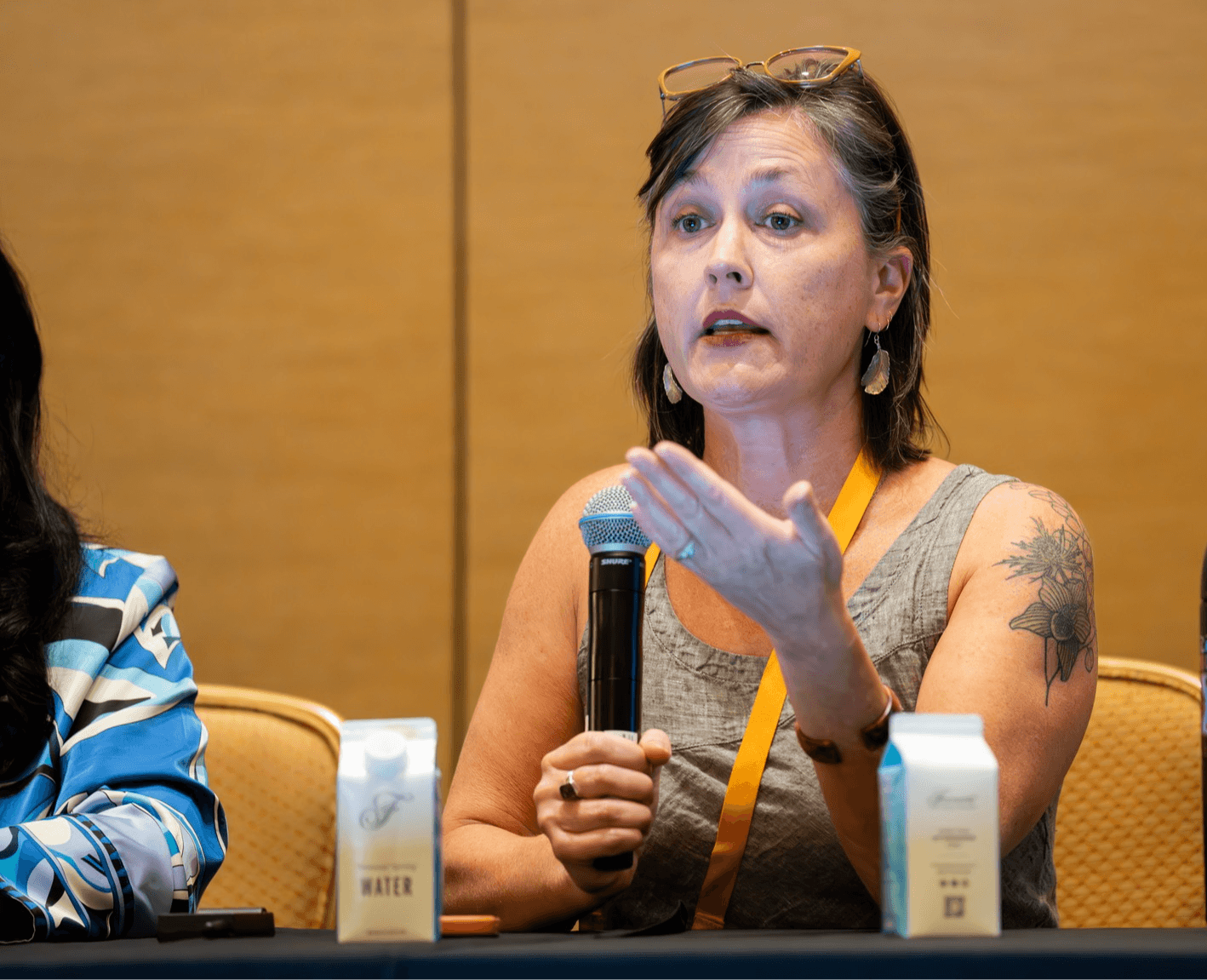
I am the founder and CEO of Disruptive Inclusion LLC, where I transform organizational cultures using research-based strategies that prevent problems while accelerating performance.
With a Ph.D. in Interdisciplinary Studies focusing on disability studies, medical anthropology, and bioethics, I bring a unique academic rigor to practical organizational challenges. My academic background builds distinctive insights into how systematic culture design drives measurable outcomes in high-stakes environments. Combined with my background in disability advocacy, this work informs my approach, Organizational Culture Design™ (OC Design™). This approach is inspired by Universal Design, an architectural framework for designing places that are as accessible as possible to as many people as possible without introducing new barriers to anyone. Think curb cuts, the dips between the curb and the street. While originally designed for people who use wheelchairs, curb cuts are helpful for people with strollers or handcarts, the elderly, toddlers, cyclists, and more. Critically, curb cuts don’t make it more difficult to navigate between the curb and the street.
When I left academia to be a DEI consultant, I was energized by the intent of DEI but saw areas in which the field was failing, and where an approach like Universal Design could create more sustainable and effective change. So I created a way to be more proactive, embedded, research-driven, and universal: OC Design™. This approach is a reflection of my lifelong journey—I use my anthropological training to understand what drives and builds culture, my social science background to research and understand the unique cultures of my clients’ teams, and my teaching, public speaking, and coaching experience to help these teams design and preserve the organizational culture they want.
I have particular expertise in health and science. I served as a Senior Program Manager at CARE, leading the launch of a community health worker initiative that included developing digital learning platforms for community health workers to be implemented in multiple countries. I have consulted with clients in research, medicine, social services, and health advocacy. While I have worked with teams in multiple industries, my experience in and understanding of healthcare, science, bioethics, and medicine drive me to specialize in these fields. My background in disability and neurodiversity has situated me as a leader in speaking about and providing insights on this community in workplaces, education, and health.
Currently, I am serving on the Board of the Southern Alliance for Public Health Leadership and have previously served as Board Chair of 2nd Chance Living PMI, a Louisiana-based organization supporting women impacted by the criminal justice system. I have published 20 peer-reviewed articles, a host of public-facing articles, and presented at conferences around the world.
I live in Atlanta, Georgia, where I continue my research on systematic approaches to building inclusive, high-performing teams in environments where collaboration directly impacts human outcomes.
Appreciate your sharing that. Let’s talk about your life, growing up and some of topics and learnings around that. Who saw you clearly before you could see yourself?
My dad has always known who I am at my core and helped to guide me to be the best version of that person possible. He understood me because I took after him in a lot of ways. Like me, my dad was endlessly curious, fairly anxious, an introverted extrovert, smart, and ambitious. He saw in me a drive to act in ways that reflect my values, frequently reminding me to do things the right way, rather than the easy way; to be ethical in my actions to avoid later regret; and to see people as good, until they prove themselves otherwise. He imparted these and other values in me and my siblings.
In his final years, my dad struggled with Lewy Body Dementia and Parkinsonism and I was fortunate to have the flexibility to help care for him. I spent many days with him. He would watch sports or the news and I would sit with my laptop working. More than once, he commented on how he wasn’t very good company as we couldn’t do the things we used to. I realized, and told him, that sharing space with him was all I needed. I learned that we don’t always have to be making memories to justify spending time with each other. Sometimes just being in the same room is loving and being loved.
Do you remember a time someone truly listened to you?
Thirteen years ago I found my therapist and learned what it was like to be heard and supported. I remember being so astonished by how much she got me and how safe I felt in her office. I liken it to falling in love—after seeing a handful of therapists who stoked, rather than tamed, my anxiety, who advised me improperly, or with whom I didn’t feel aligned, finding her was monumental.
I want to urge everyone to find mental health support when and if they need it. I also want to encourage people to keep trying until they find a good fit with someone. Without having a good therapist, I may not have known that my anxiety is actually obsessive-compulsive disorder and learned to funnel this mind to create a life that feels right.
Sure, so let’s go deeper into your values and how you think. Is the public version of you the real you?
Yes. For better or worse, I am unable to be anything but authentically myself. I think this is driven by a complete inability to lie or hide my feelings. My face and body seem to just reflect anything that emerges from my mind.
As I’ve gotten older, I’ve become less worried about how my ideas and opinions will be received by others. This doesn’t mean that I am unabashed, rigid, or narrow-minded. I speak my truth but do so respectfully and with openness. I think this comes from both my dad’s influence and my anthropological curiosity. I like to compare my mindset with others’. I ask questions, provide my insights, and dig deep. This is how I both engage in both my personal and public life.
Thank you so much for all of your openness so far. Maybe we can close with a future oriented question. When do you feel most at peace?
Peace comes to me when I am at home, in comfortable clothes, with a great novel.
Peace comes when I know my family is safe, my work is rewarding, and I am living my truth. This, of course, is not a constant state of being. I have gotten through many trials—my husband is a cancer survivor, my stepchildren struggled during the pandemic, my dad’s illness was tough for my mom as well as for myself and my siblings, and I’ve been in and out of job security. But knowing that all of these events happened and I emerged from them with a greater sense of connection with those I love and with who I am at my core has built a sense of inner peace with all that life is and will be.
When I left academia, I started reading more fiction. I’ve always been an avid reader and focused on my academic texts for so long that returning to fiction was a great comfort. During the pandemic, I found that reading fiction could ease my mind and take me away from the stress of that time. This is how I find peace to this day.
Peace is reading fiction while knowing that my family is safe and that we can and will make it through whatever life throws at us.
Contact Info:
- Website: https://www.disruptiveinclusion.com
- Instagram: @disruptiveinclusion
- Linkedin: https://www.linkedin.com/in/jennifersarrett/
- Other: https://www.linkedin.com/company/disruptive-inclusion/
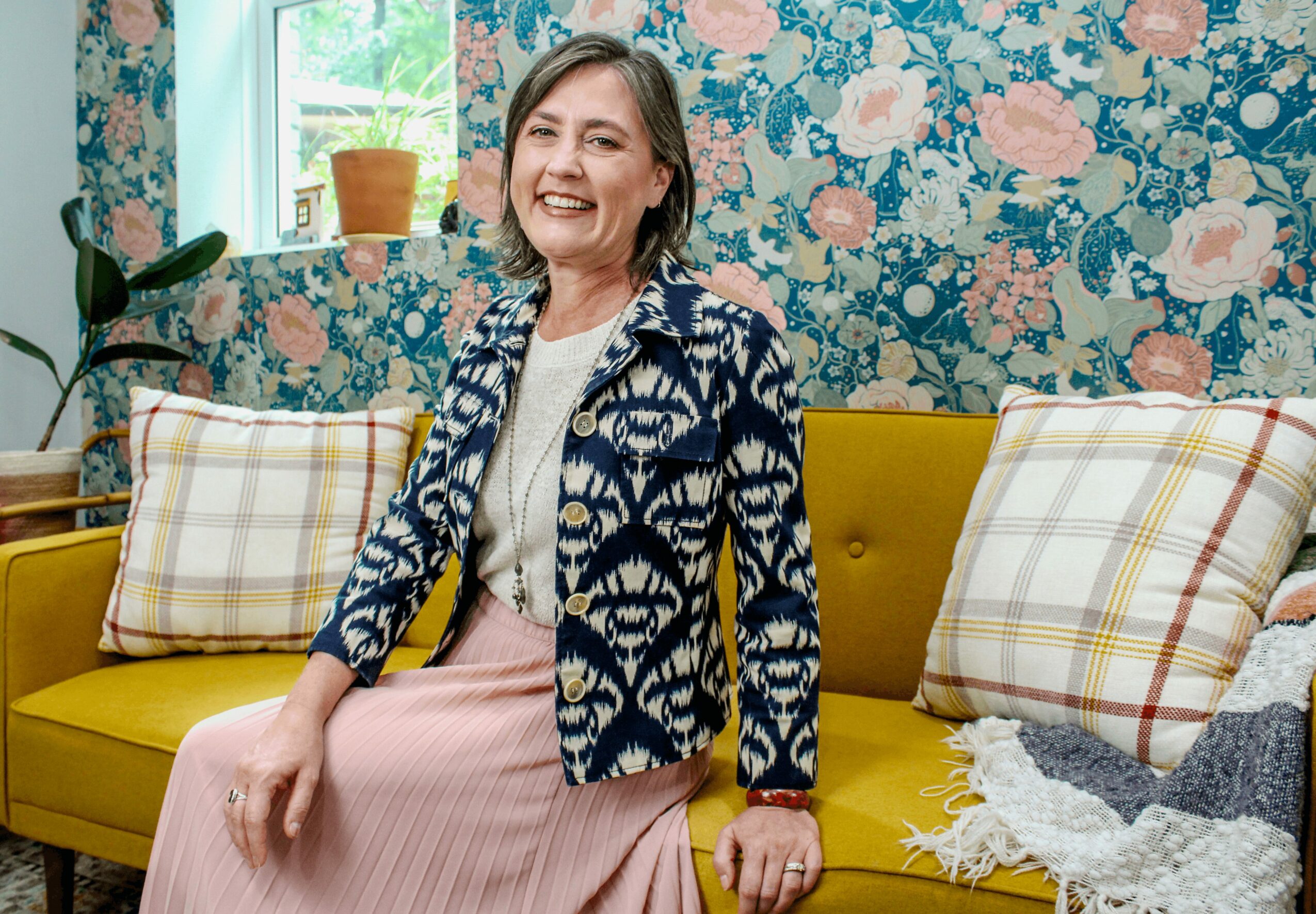

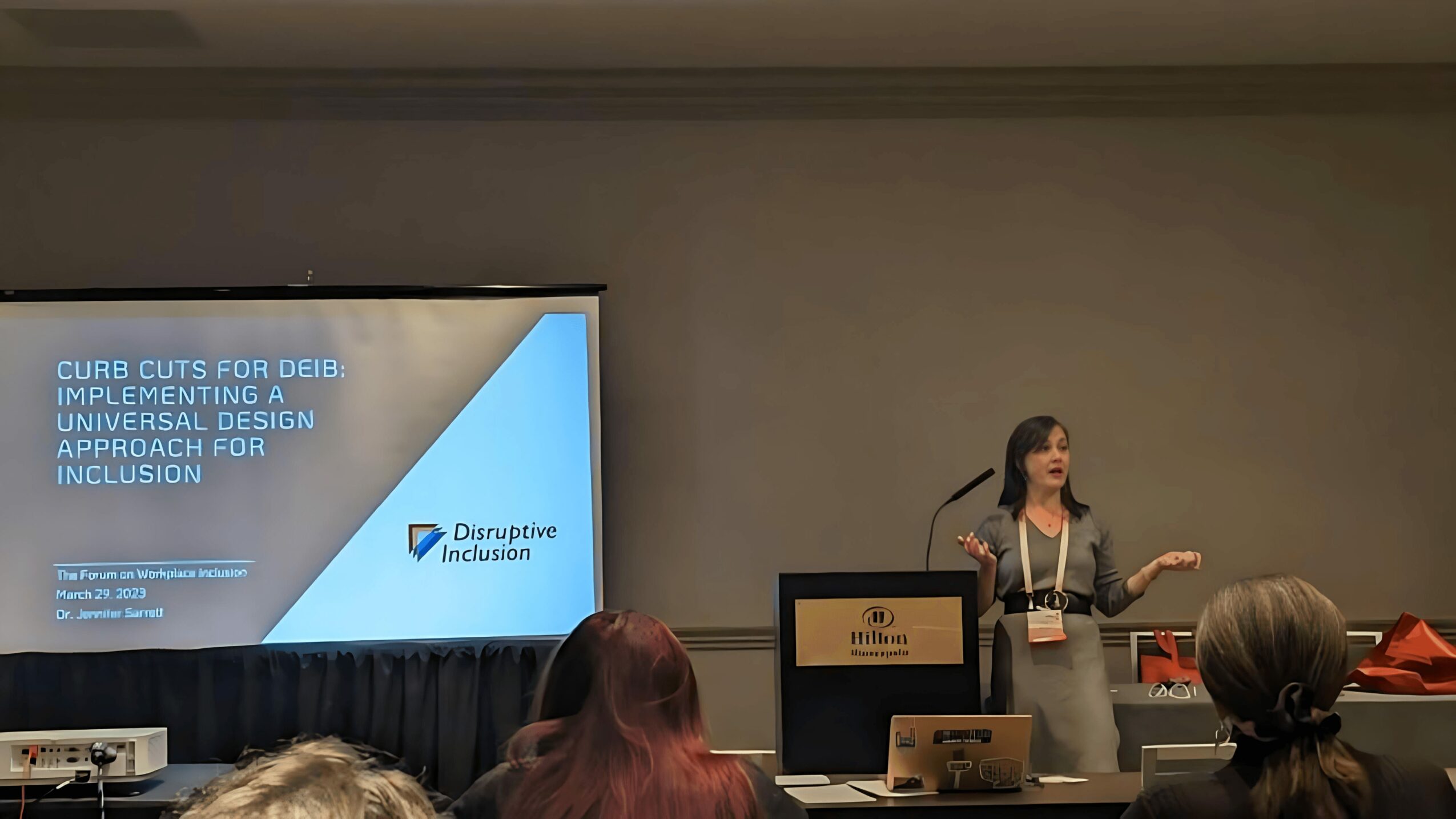
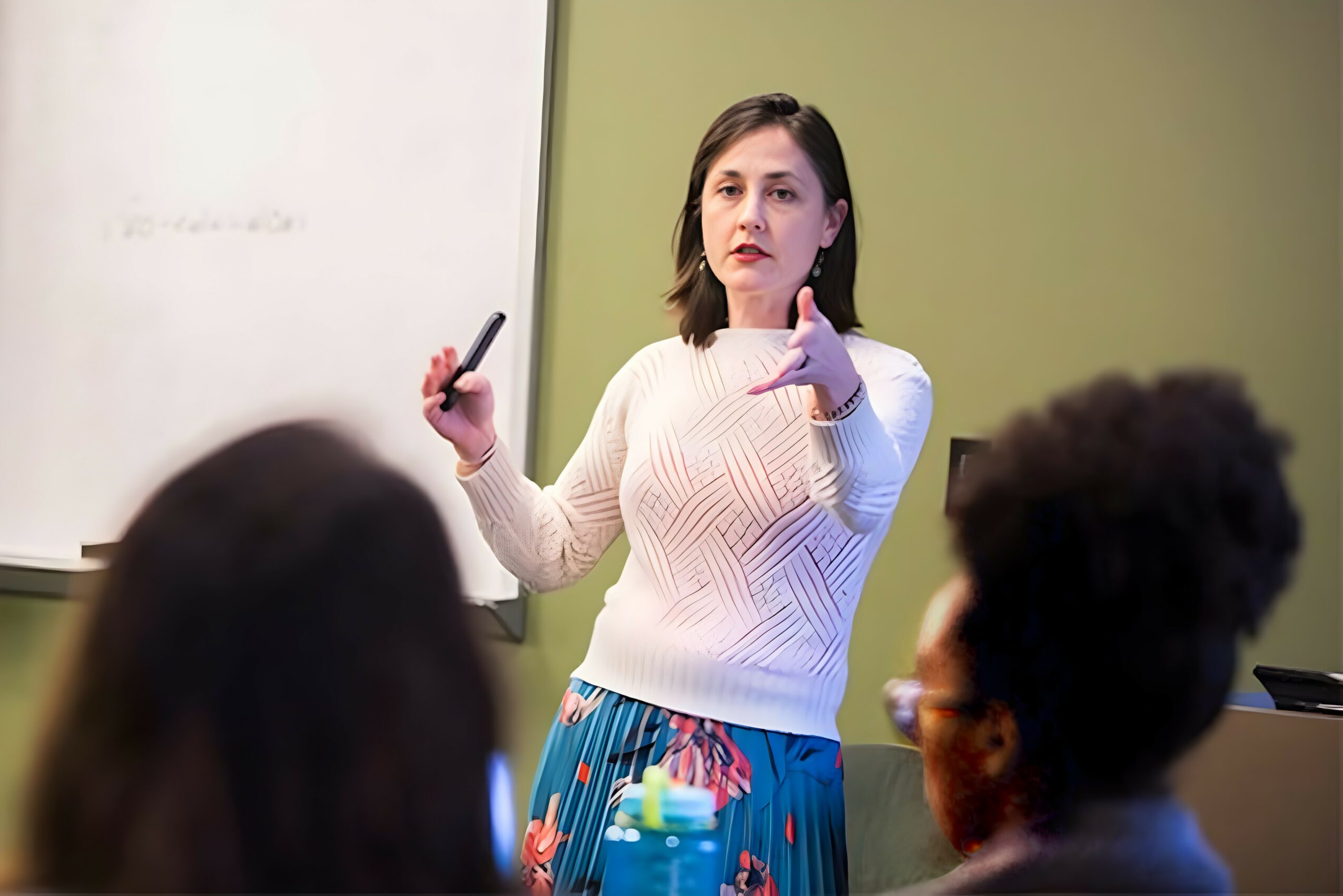
Image Credits
The professional shots are by Into Creation Studios, LLC
Popular
-

Hidden Gems: Local Businesses & Creatives You Should Know
-

ATL’s Most Inspiring Stories
-

Portraits of Atlanta
-

Dr. Hildiah Martin-Suggs Is Building Second Chances for Youth Who Were Almost Lost in the System
-

From Showing Up to Seeing His Face on a Billboard: Anthony Green Is Just Getting Started
-

Wayne Smith Jr on Survival, Psychological Thrillers, and the Cost of Staying Alive