

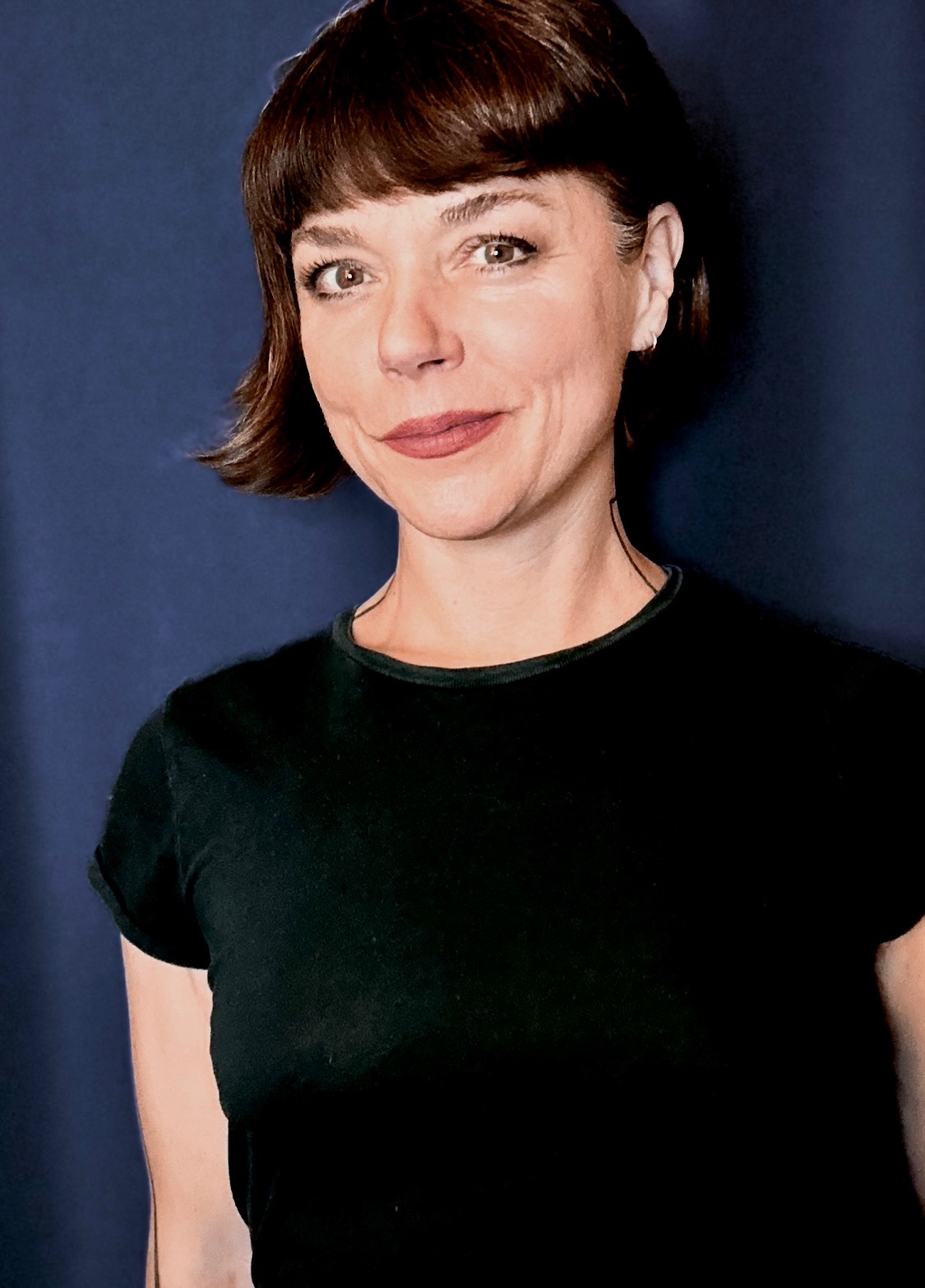
Jennifer Skura Boutell shared their story and experiences with us recently and you can find our conversation below.
Good morning Jennifer, it’s such a great way to kick off the day – I think our readers will love hearing your stories, experiences and about how you think about life and work. Let’s jump right in? Who are you learning from right now?
Well, it’s a really boring answer for an interview I suppose, but my answer would be simple: everyone. The one thing I know to be true is that I don’t know much except what feels right in the moment when it comes to creating in a solo endeavor. Other than that, I tend to defer to other people around me. I have opinions, of course, but they’re more like a lens or a framework of my top two values which are “service” and “play.” Lenses in my glasses. With conscious decisions I suppose, that’s the first level. After that, I’m asking folx around me what they would do in certain situations. I’m just so curious about how we all make choices. When are we about process? Progress? Doing, being, dreaming. Tell me. Teach me. Talk to me.
Can you briefly introduce yourself and share what makes you or your brand unique?
In June of 2022, I was invited by Liz and Sam Ross to bring an idea I had of a collective called FADlab (Fictionalized Auto Drama Laboratory) to Windmill Arts. They supported it from the beginning. Everything I’m interested in making is a reflection of a hypothesis and frankly, without collaboration, there’s no experiment. What’s a story without an audience? Even a mirror goes both ways, you know? And I love the idea of a collective where everyone’s impulses are welcome and autonomy is as important as the organization itself. Which is tricky, because my most coveted desires in art are born from vulnerability. Show me your deepest secrets and I’ll never stop watching, but that’s not something you can expose just anywhere. So FADlab exists to help performance artists hone their own creative processes in order to actualize the possibilities of sharing their own brave stories. We believe in a world where shame cannot thrive in the light of bravery and truth. Drawing inspiration from my own transformative experience in Goddard College’s creative writing MFA program, I envisioned a space where writers could shape personal stories into powerful works of art and Windmill let us do that. The goal was to help participants write and perform stories rooted in their real lives, while using theatrical techniques to transform trauma and healing into art.
Our initial approach was to build a highly organized structure—workshops, resources, and a detailed schedule. However, as the months unfolded, we quickly recognized that this structure didn’t account for the emotional complexities of writing our stories, much less living our lives, as well as supporting true autonomy. We did our best to scrap all of the “shoulds” of “being a writer” and just focus on what we needed to start the work, make the work, and share it. Also, the tension that comes from collective, and at the same time, autonomous experimentation, revealed a deeper, unspoken challenge that storytelling about personal stories was not just about the skill of writing, but about navigating deep emotional territory. Liberation from carrying the heaviest of weights all alone and especially exposing a brave, raw honesty that might bring others out of shame and into the light.
I started to notice in our first year that we knew what stories we wanted to write, we had the skills to do it, but often our shame got in the way. “Who would want to hear this?” and “How could I have the audacity to think this story matters?” Then I lost a job, a relationship, and my identity. I had a privilege of asking myself what I thought I needed next and I wrote to Agnes Scott College to learn about applying to their mental health counseling program in order to take my passion more of a reality. I’m in my last semester now, and not only has this program changed my life, my son’s, and my professional and personal relationships, I get to follow my passion for supporting our storytellers and their stories.
The FADlab writers, educators, technicians, designers, and supporters are in our third year, beginning our fourth, soon. We have created a total of 9 productions so far, with as a little as a year of development from first idea to last performance. Some productions will have been in development for up to three years next year. Last year’s FADlab writers developed Kristen Taylor’s POPPY ON THE MOUNTAIN, Ahmariah Jackson’s BASTARD WITH A GOD COMPLEX, and I got to make TELL ME WHERE IT HURTS. This year Femmaeve MacQueen is presenting STILL LIFE, Mykal Alder June, LAST ONE OUT, and Laura Kind is performing her new piece THE BLACK-AND-WHITE WIDOW. Next year we’ll see work by Anna Newbury and remounts of other works. We can’t wait to show you!
Thanks for sharing that. Would love to go back in time and hear about how your past might have impacted who you are today. What’s a moment that really shaped how you see the world?
In 1943, Natalie Wood’s mother relocated their family to Hollywood to capitalize on Natalie’s camera-ready looks and star-quality talents. Natalie was five. Soon after, Natalie played a war-orphan in Tomorrow Is Forever and the script called for tears. Desperate to manipulate her daughter’s natural compassion, Natalie’s mother captured Natalie’s attention with a live butterfly. When the director called “action,” Natalie’s mother ripped the butterfly’s wings from its body. Natalie wailed and the cameras rolled.
Be it the hero’s journey or devil’s desires, it’s easy to forget there are people behind Big Brother story machines. Their empathy, its engine. Narrative influence has become our most powerful commodity, and emotional exploitation is not only inevitable, but frequently intentional, pathological. With today’s hyper-generative content creation, the industrialization of meaning-making is now an invention breeding necessity, and the wellness integrity of emotional narrative laborers suffers a glaring spiritual bypass.
I know we can do better.
Was there ever a time you almost gave up?
Even in the deepest darkest moments that include severe depression, PTSD, S.I., and a near death health crisis…for some reason, I just couldn’t. Call it stubborn, tenacious, or delusional, I don’t think I can stand the idea that we “fail” at things. It’s such an illusion that we are in charge of anything. That when something doesn’t work out as planned, yes, I can absolutely draw blood over trying to make it work, but I guess there just comes a time when you recognize that miracle of patterns: you’re not in charge, you’re just responsible for responding to what is.
Next, maybe we can discuss some of your foundational philosophies and views? Is the public version of you the real you?
The simple version is, no, of course not. I attempt to be as honest and authentic as possible, but I wear makeup and keep my shirts buttoned up. On the other hand, what is “real?” I am just as vein and scared as any of us using the internet to read this. As my 11yo son asked me a few months ago, “What if this was all the dream, and your real life was when you were dreaming?” THAT. That is so much more interesting to me than if I am not curating versions of my life or not. Because I am. I don’t know anyone who isn’t. Especially artists! We gotta rearrange this thing called life into something we find amusing.
Okay, we’ve made it essentially to the end. One last question before you go. If you knew you had 10 years left, what would you stop doing immediately?
Nothing. I am so incredibly lucky to be so in love with my life. I suppose I might get a bit more selfish about time with my son. I would also have to stop myself from announcing, “…because I’ll be dead in ten years” after every time I asked for something.
Contact Info:
- Website: https://fadlab.org
- Instagram: @fad__lab
- Linkedin: https://www.linkedin.com/in/jenniferskuraboutell/
- Facebook: @fadlabfacebook
- Other: https://linktr.ee/jenskubou
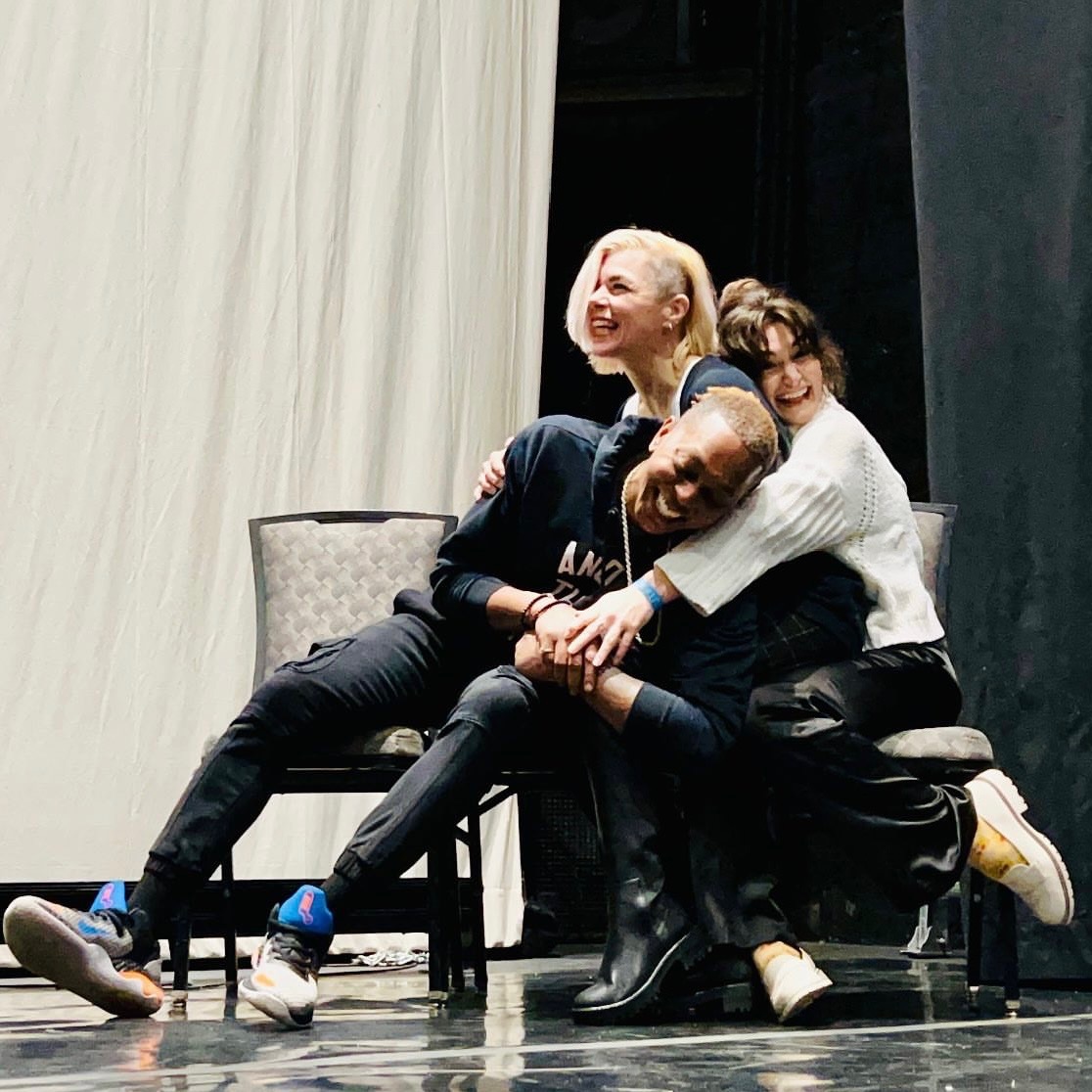
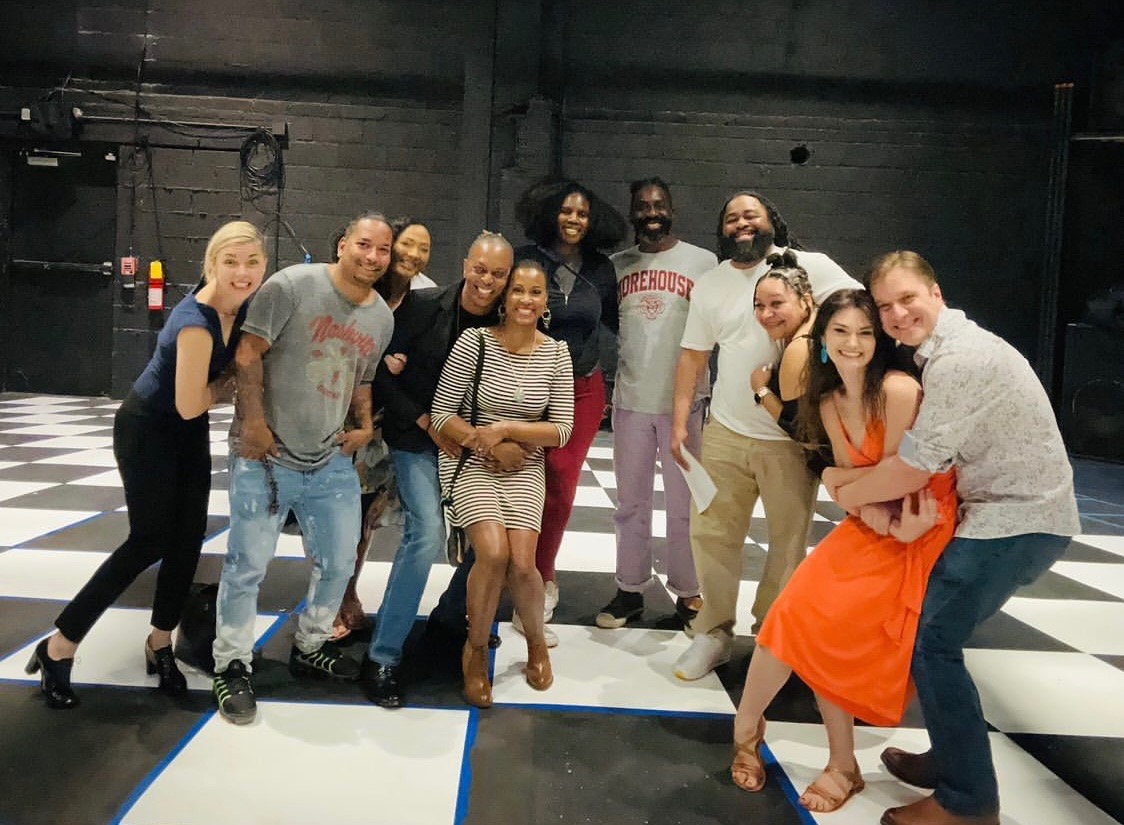
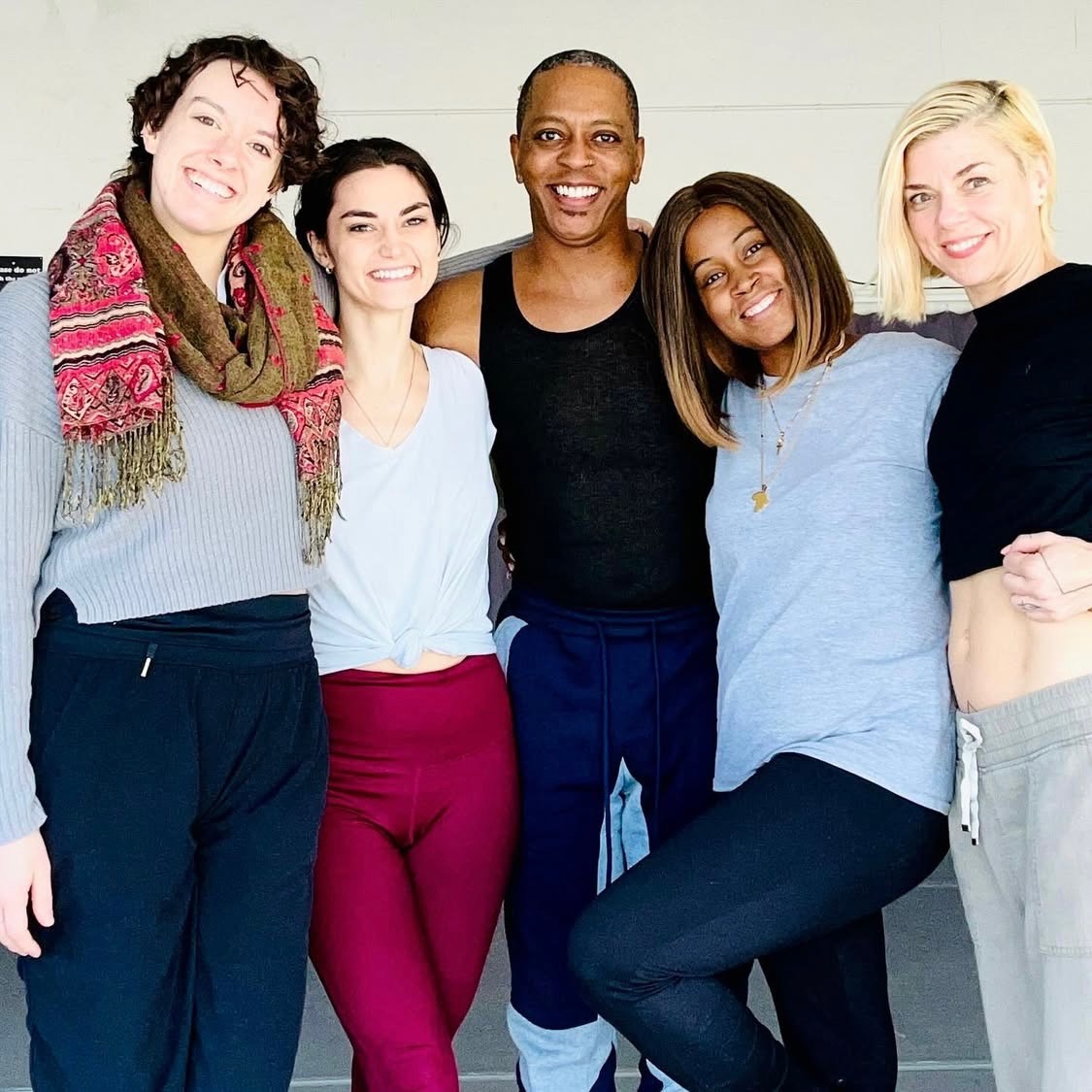
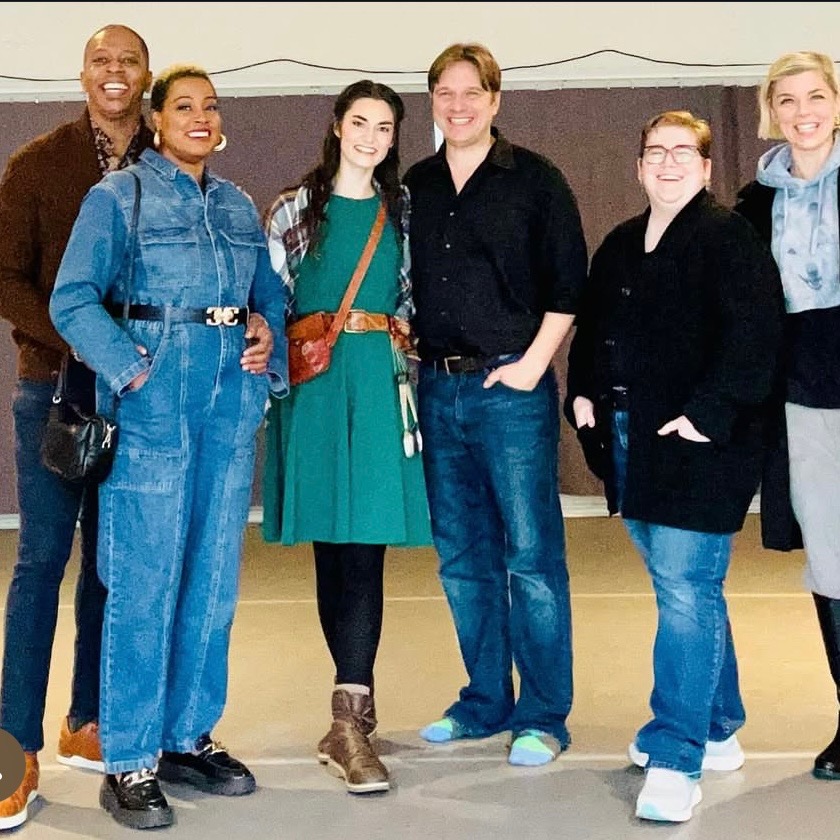
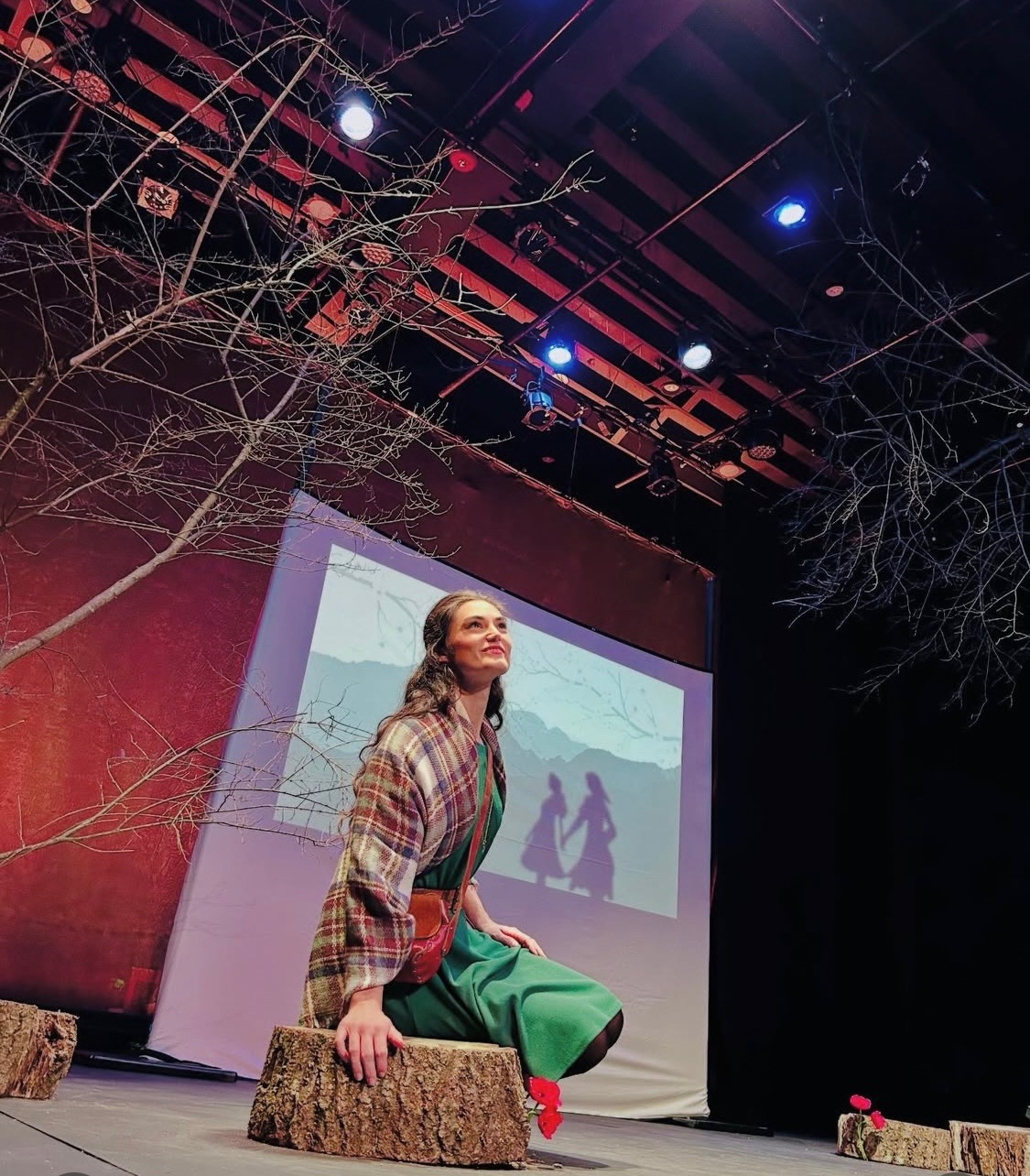
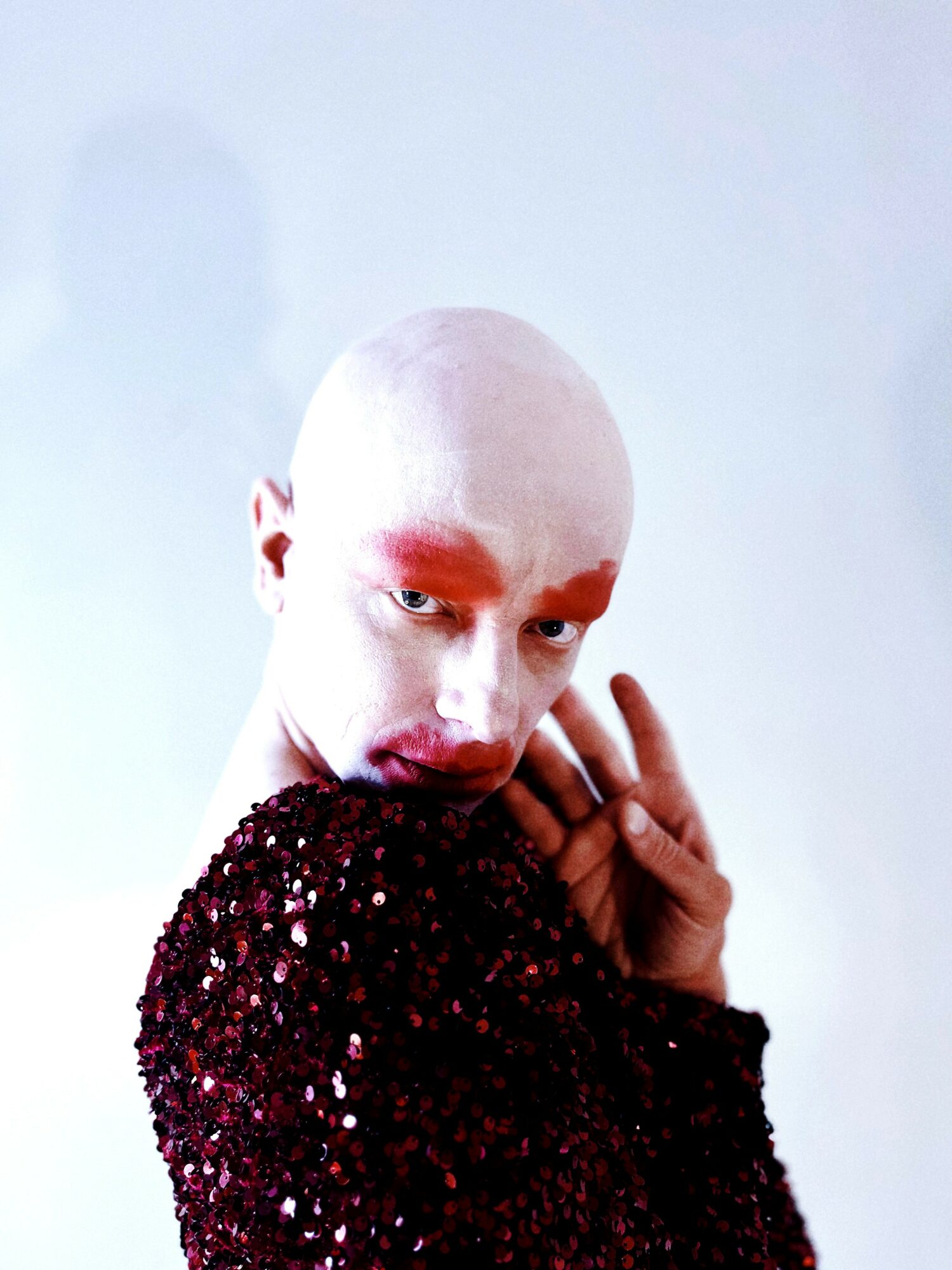
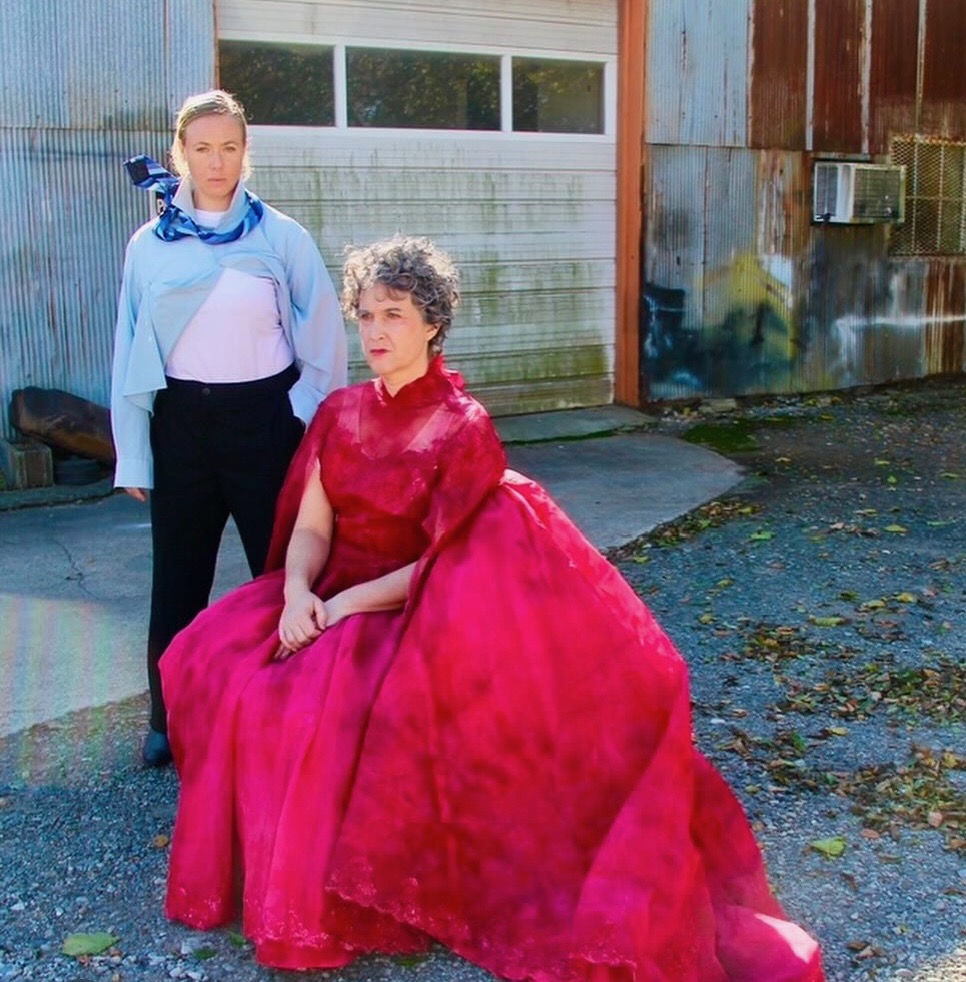
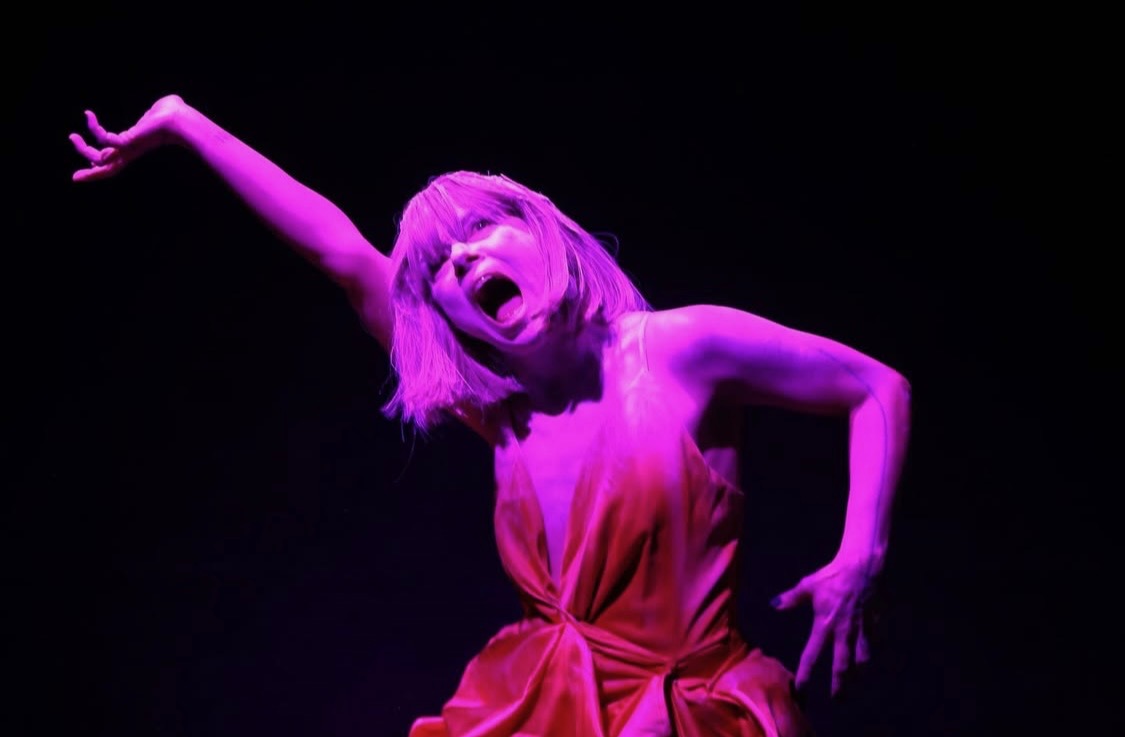
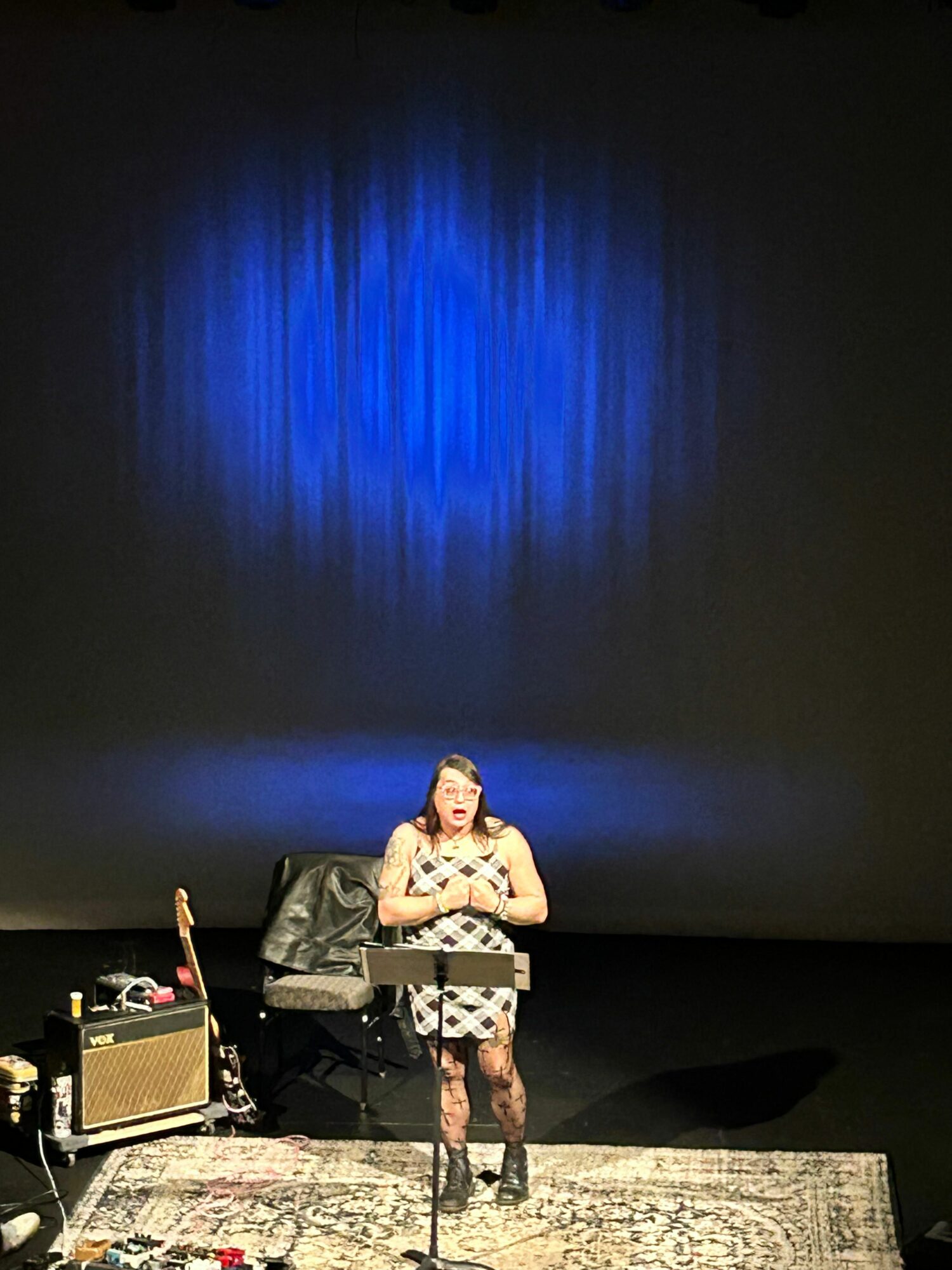
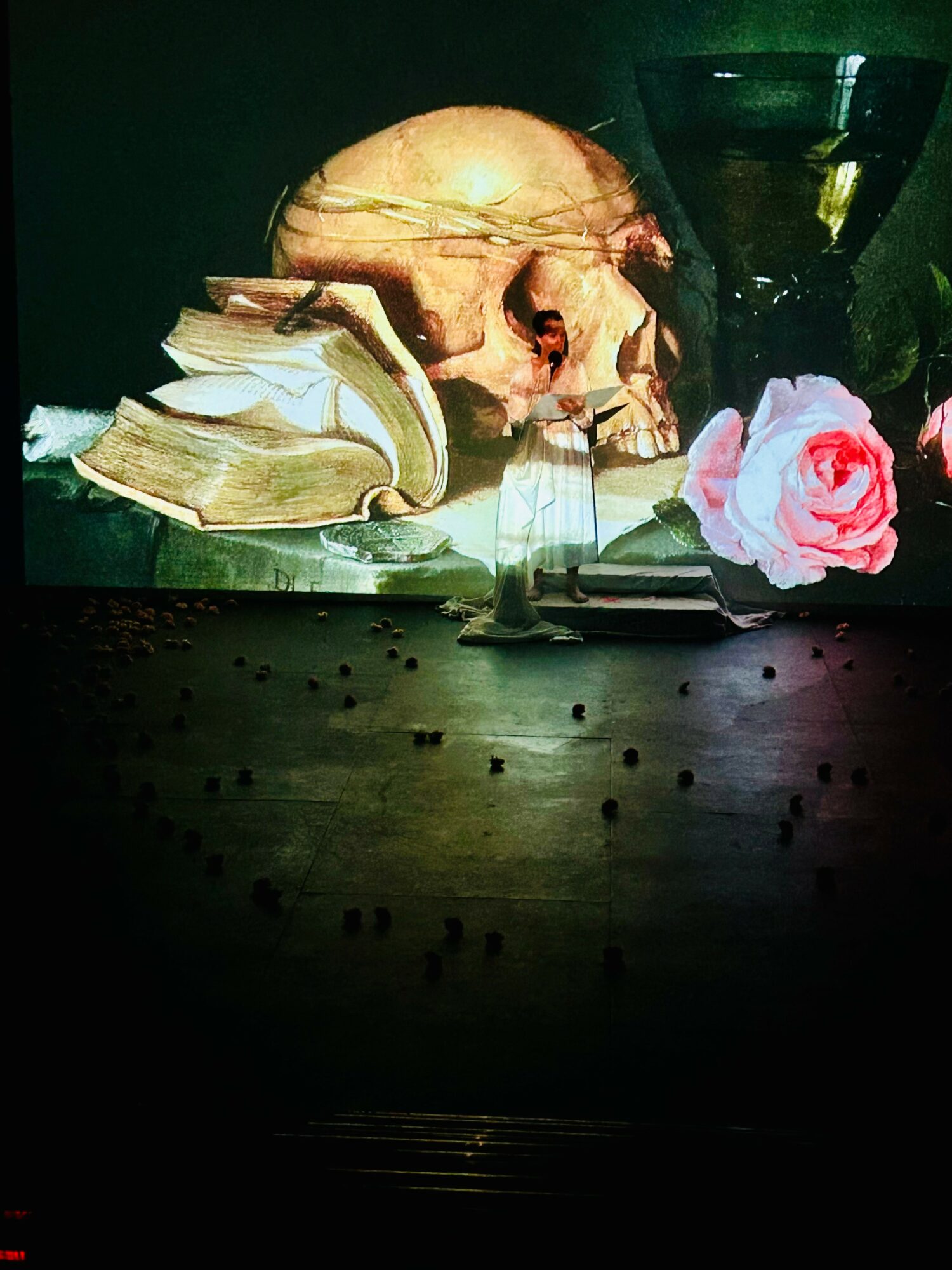
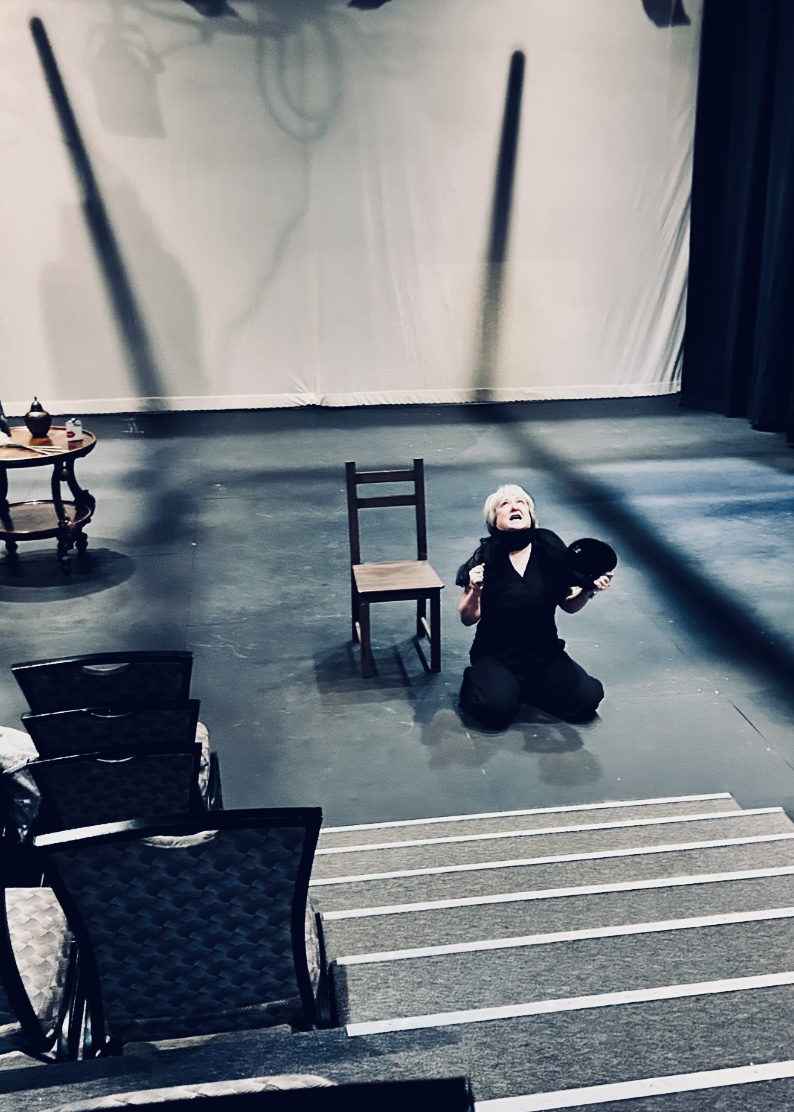
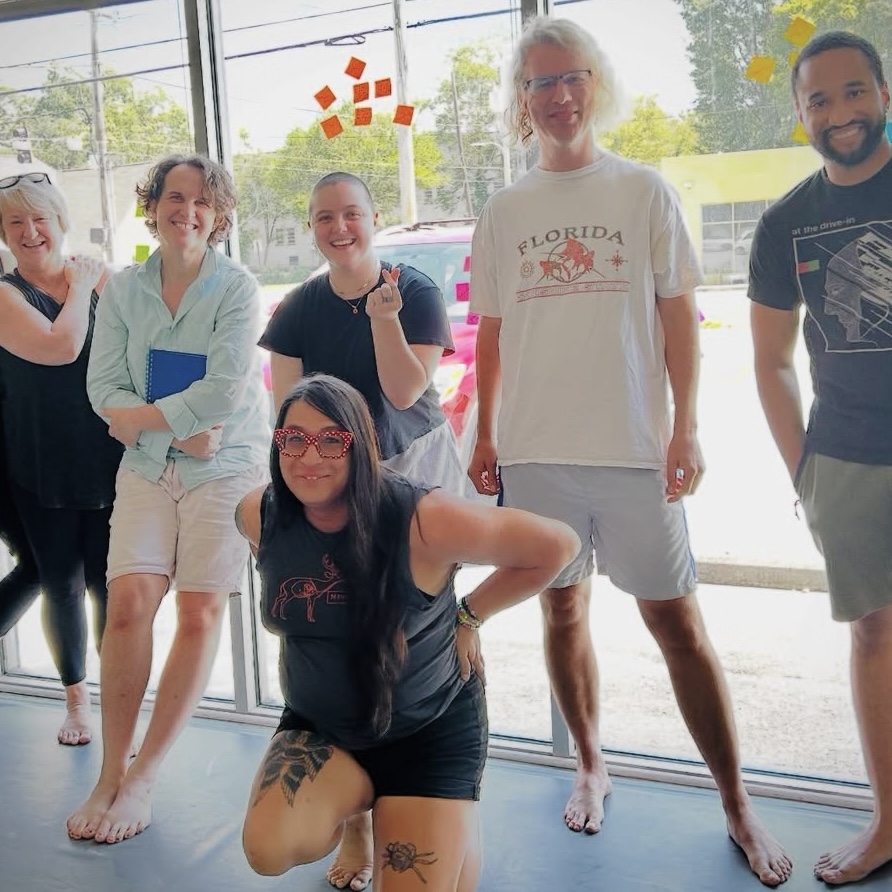
Image Credits
Adam Nash, Peter Miloshevski, Jennifer Skura Boutell