





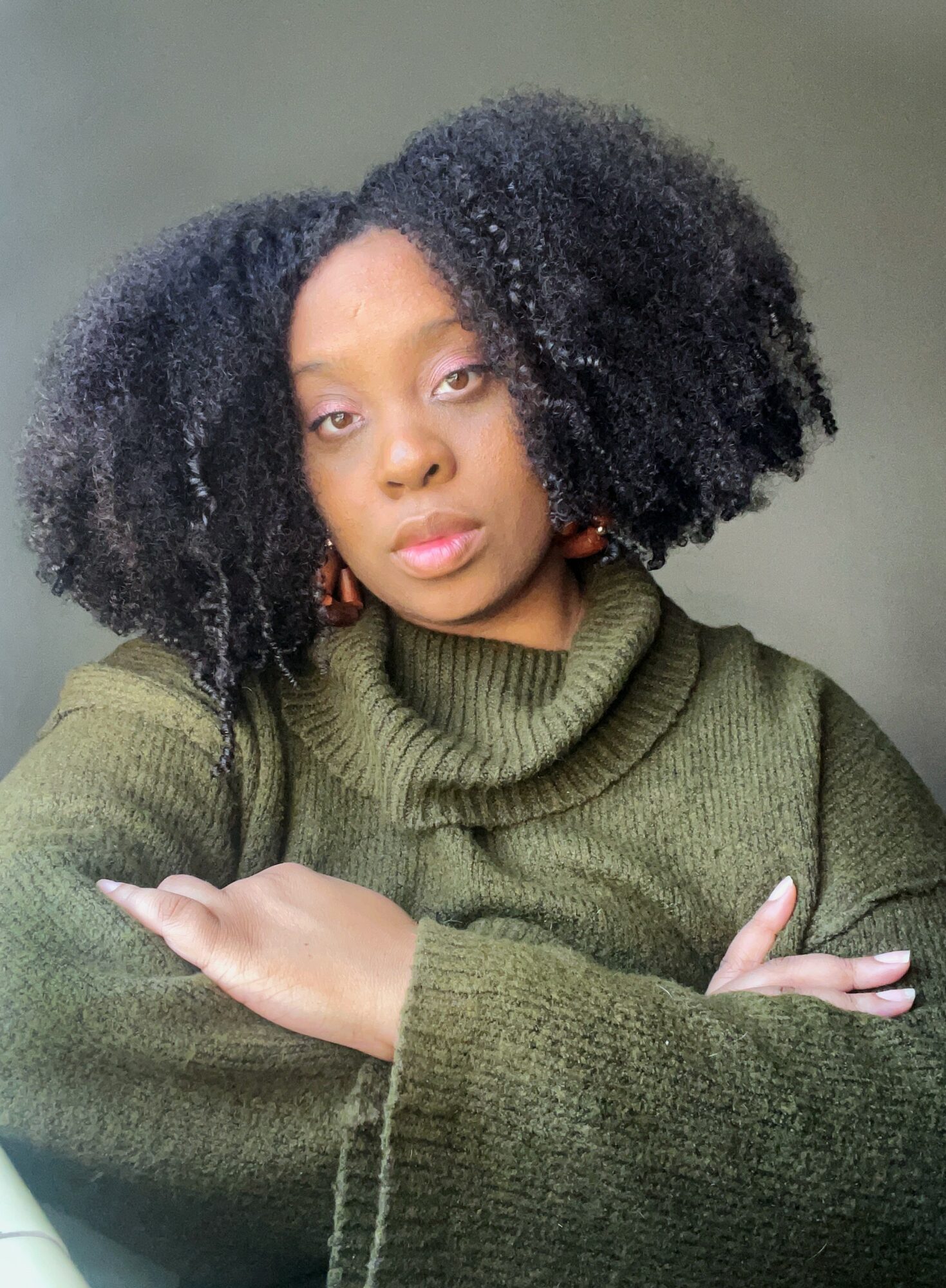
Today we’d like to introduce you to Carrington Ware.
Hi Carrington, it’s an honor to have you on the platform. Thanks for taking the time to share your story with us – to start maybe you can share some of your backstory with our readers?
I’m currently an adjunct professor and multidisciplinary artist working with illustration, video, textiles, and installation. I think one early aspect that shapes my current practice is how much I remember myself when I was a shy little girl with a very big, whimsical, dreamy imagination. I rarely talked, but I was always doodling or writing elaborate stories, and I try to honor that childlike part of myself while working as an adult. I also had very dedicated parents who encouraged me to pursue art, so those experiences together really helped build an early foundation.
As I grew older, that early imagination naturally guided me toward formal artistic training. I was in art classes from elementary to high school, earned a BFA and an MFA in Fine Arts, and was selected for several creative residencies that further developed my understanding of artistic conceptualization. These different avenues of education taught me that creativity unfolds in very different but equally important ways. All of these moments and accomplishments inform and round out my practice in an invaluable way that carried me to where I am now as an artist and professor.
We all face challenges, but looking back would you describe it as a relatively smooth road?
Practicing art has presented many challenges for me, including racial, classist, gendered, and financial barriers in my career, as well as inaccessibility tied to things like age, transportation, and address. As an artist who splits professional time between North Georgia and South Florida, I consistently encounter a lack of opportunities for rural artists, especially rural Black artists.
I think there is a lot of perception bias that excludes rural artists from fine art spaces, and that kind of othering limits opportunities for those who don’t live in the city. As a result, an address seems to hold less weight and credibility when applying to opportunities, with addresses in major art hubs frequently prioritized over those in rural communities.
This reality is why I left to pursue my MFA at Florida International University in Miami, where being connected to a major city immediately increased my visibility and access to opportunities and connections. I think that if I had moved home after my MFA, I would have anywhere near as many opportunities that I would have far fewer opportunities than I do now.
Appreciate you sharing that. What else should we know about what you do?
I bounce between various mediums because I enjoy working with different technologies and materials to create a kind of texture or mood for each project. This is how I became a multidisciplinary artist because I can’t choose one thing and stick with it when I consider all mediums a playground. Many of my artworks are digitally born, and I think my most appreciated works of art have digital elements. One of my most popular works is an installation called “Black Girl: A Montage.” The installation features an appropriated film from clips of 90s – 2000s Black pop culture played on one of two CRT TVs stacked on top of each other, flanked by walls of VHS tapes. I find this work to be very nostalgic for me and for others who have viewed it. Another work that I would say I’m most proud of is “Reimagined Memories.” It is a found footage/appropriated film highlighting rural black life that is projected on six rusted tin roof panels. This work is a point of pride for me because it calls to family and serves as an alternative archive of their life and stories. It also highlights my rural upbringing and how proud I am to be Southern and Appalachian.
Are there any books, apps, podcasts or blogs that help you do your best?
Recently, I have been going back and forth between bell hooks’ Bone Black and Crystal Wilkinson’s Praisesong For The Kitchen Ghosts: Stories and Recipes from Five Generations of Black Country Cooks. These two books are particularly endearing and close to my practice because I’m constantly seeking inspiration that reflects the foundation of my work, most of which stems from my familial experiences. Alice Walker’s In Search of Our Mothers’ Gardens has also nourished my imagination, which I think is crucial for artists not to ever lose or give up on. These books, along with many others, are so liberating yet grounding regarding my practice. Reading encourages so much fresh new insight into my work that it has become a critically embedded aspect of making my art.
Outside of reading, I try to have two hobbies: one that is active, and one that is creative, but not necessarily a part of my practice. I love walking and observing. I have started bringing an old film camera along, now merging these two hobbies, and it has helped me slow down in life. I’m extremely grateful for that slowness because I attribute it to helping me do and be the best in my life.
Contact Info:
- Website: https://carringtonware.com
- Instagram: https://www.instagram.com/carrington.art/
- LinkedIn: https://www.linkedin.com/in/carrington-ware-381a49122/
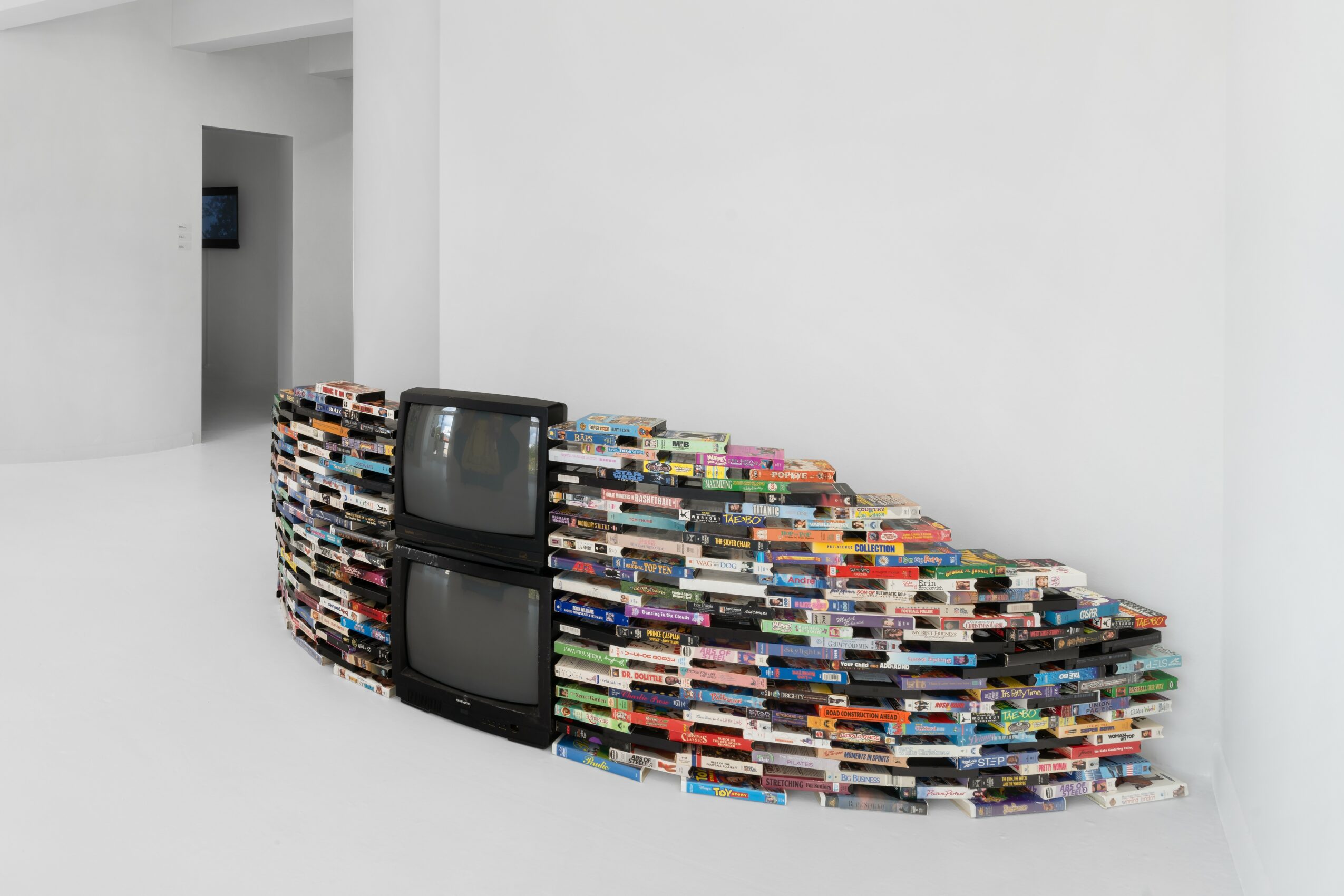
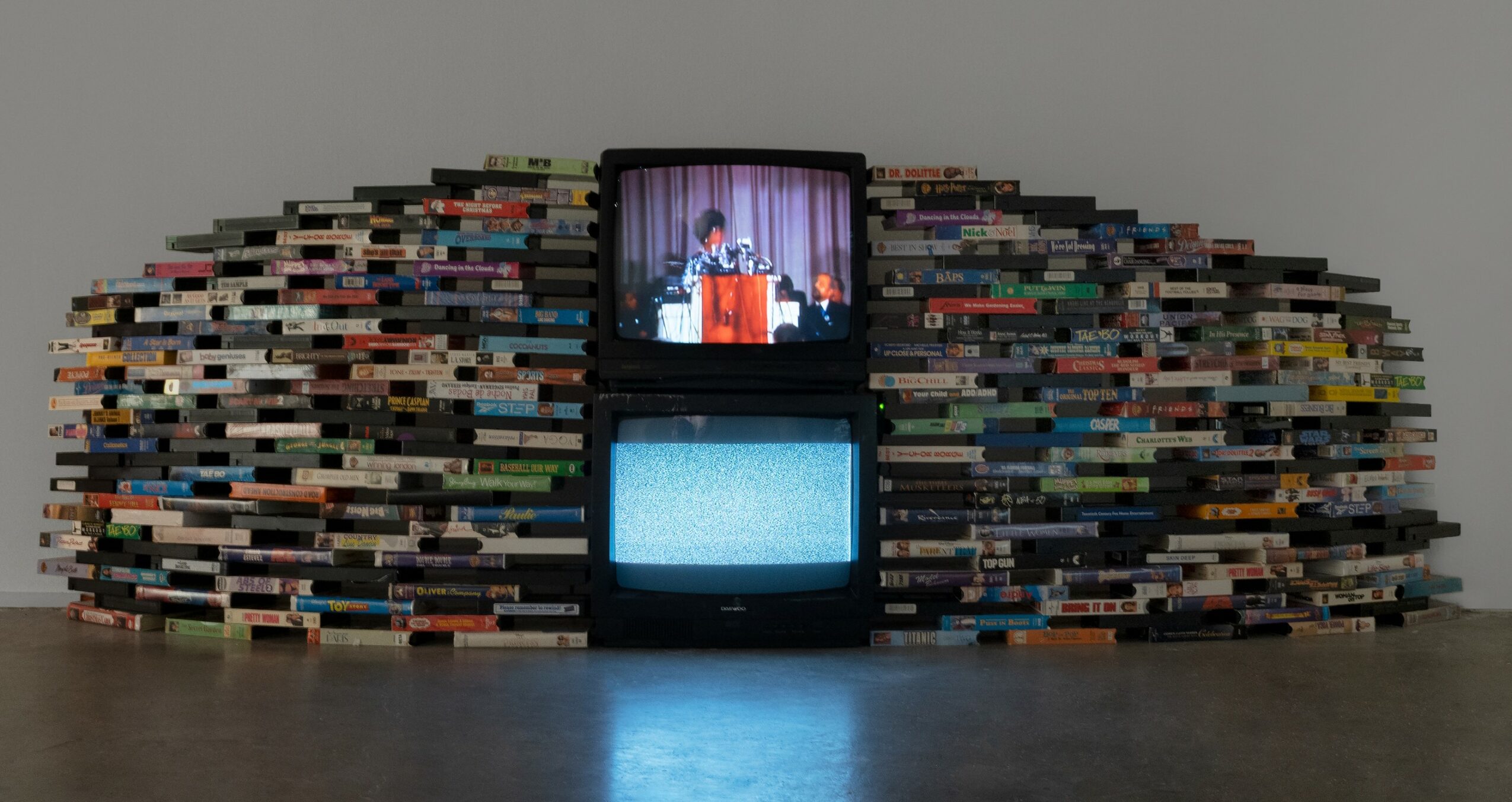
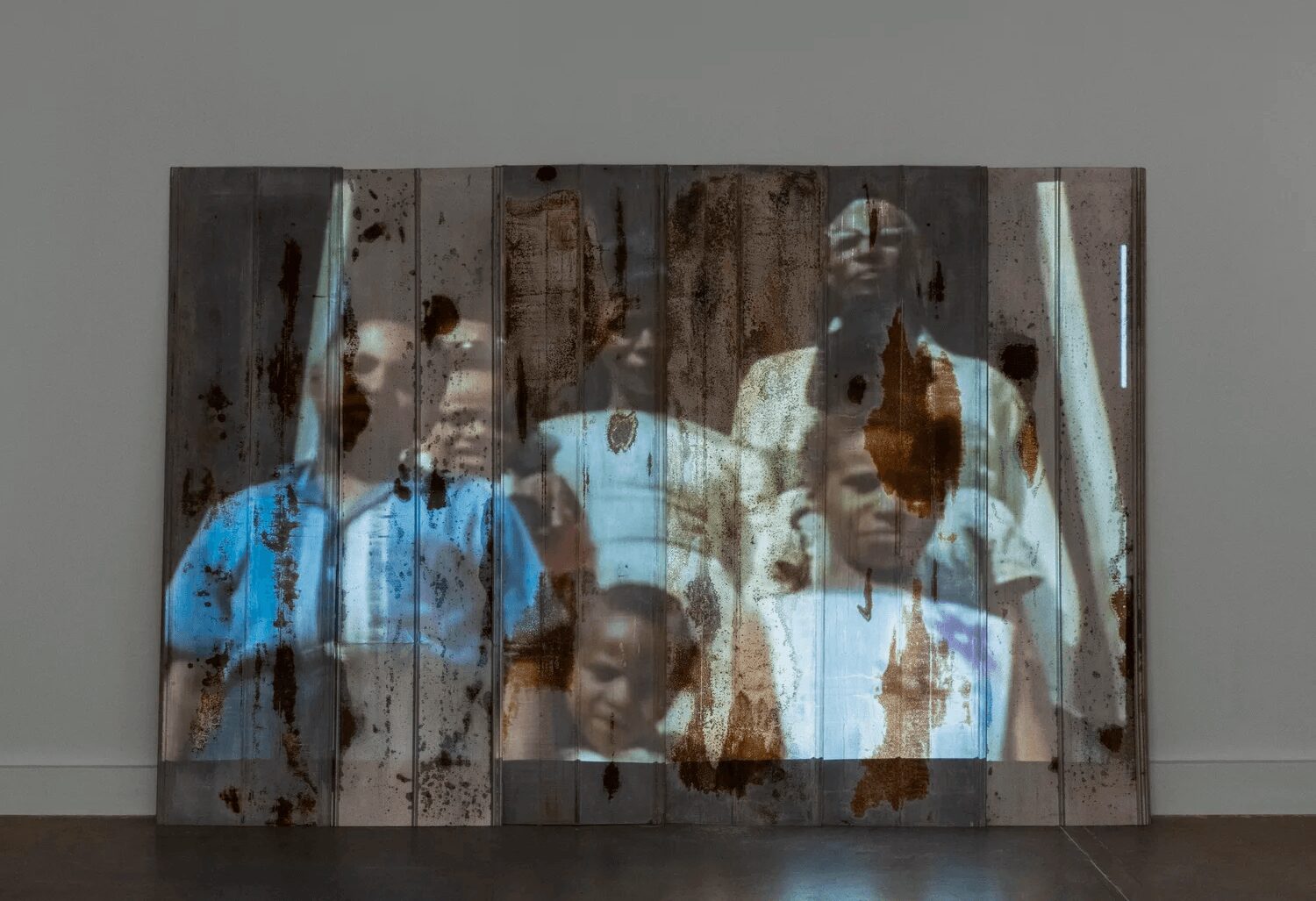
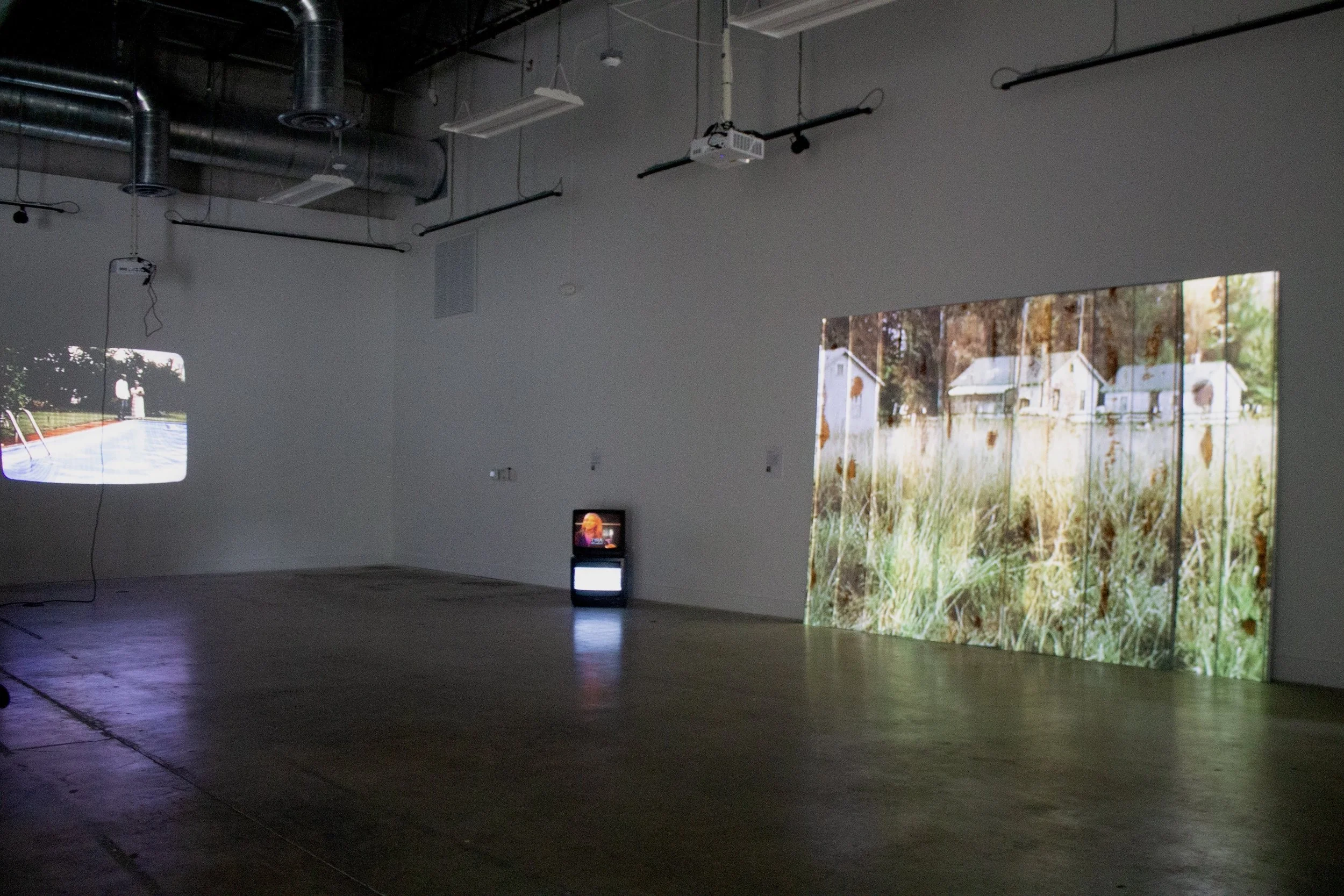
Image Credits
Zachary Balber, Logan Fazio, and Carrington Ware
Popular
-

Hidden Gems: Local Businesses & Creatives You Should Know
-

ATL’s Most Inspiring Stories
-

Portraits of Atlanta
-
Satoya Hayes on Turning Beauty 2 Extensions into a Platform for Affordable Confidence and Entrepreneurial Opportunity
-

Asha Ford on Building Krystal Klear Motion and Creating Purpose-Driven Design for Women
-

Truth in Every Verse: Jay Erve on Identity, Experience, and Creating Art That Lasts