



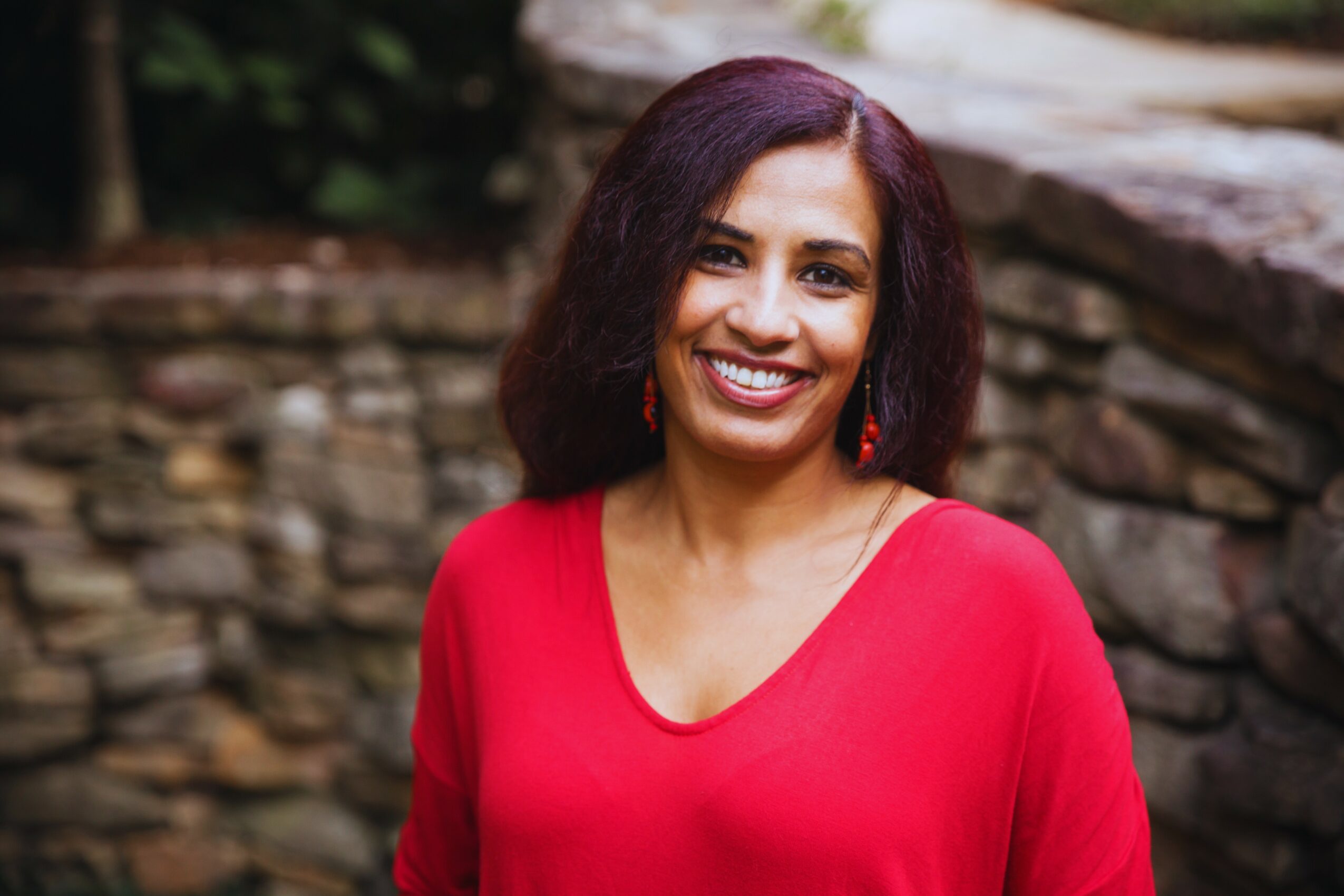
Today we’d like to introduce you to Mariya Taher.
Hi Mariya , thanks for joining us today. We’d love for you to start by introducing yourself.
Sahiyo began in 2015 as a conversation among five South Asian women who were committed to ending female genital mutilation/cutting (FGM/C), a form of gender-based violence and a human rights violation, within their community. The organization has since grown into an internationally recognized non-profit, utilizing dialogue, education, and collaboration to empower communities and drive social change.
The name “Sahiyo” comes from the Bohra Gujarati word for ‘saheliyo,’ or female friends, which embodies the organization’s mission of creating a safe, collaborative space for women to speak out. The five co-founders—a social worker, a researcher, two filmmakers, and a journalist (including myself – Mariya Taher)—had each been individually advocating against khatna (FGM/C) within their community.
Our individual efforts converged when we connected and realized the need for an organized, informed forum to drive a collective movement to end FGC. We officially formed Sahiyo to empower Asian and other communities, emphasize the values of consent and bodily autonomy, and normalize female sexuality.
Since its founding, Sahiyo has achieved several significant milestones:
One of Sahiyo’s first actions was conducting an online survey to gather data on the prevalence of FGM/C among South Asian Bohra women, finding that about 80% of respondents wanted FGM/C to end. This data was crucial for advocacy efforts.
Storytelling as Advocacy: Sahiyo initiated the “Voices to End FGM/C” and “Sahiyo Stories” projects, which used digital storytelling to break the silence around FGM/C, allowing hundreds of survivors to share their experiences anonymously or publicly.
Sahiyo hosts annual Activist Retreats, bringing together survivors and activists to share experiences and build solidarity, as well as launching campaigns like “Each Bhaiyo, Reach Bhaiyo” to engage men in the movement.
Sahiyo has specifically engaged with the Atlanta community by hosting its annual Activists Retreat in the city and collaborating with other nonprofits organizations working in gender-based violence and FGM/C in the area. This three-day retreat provided educational programs, workshops, and self-care activities to connect and empower individuals who are interested in ending female genital cutting (FGC).
Sahiyo has received international recognition and awards for its work and today Sahiyo continues its mission as a survivor led, all-women-led organization, using a community-based approach to end FGC and support survivors throughout the U.S., and more globally.
Can you talk to us a bit about the challenges and lessons you’ve learned along the way. Looking back would you say it’s been easy or smooth in retrospect?
I have faced significant personal and professional struggles while working to end female genital cutting (FGC), including:
Online Backlash and Safety Concerns: I experience backlash on social media, including verbal abuse and threats. And it is difficult not to worry about safety and the well-being not only for myself, but also for my family due to my public activism. I wrote an essay about some of my experiences that you can find here – https://brightthemag.com/i-spoke-out-about-my-private-trauma-community-didnt-listen-bohra-fgm-sahiyo-c8576757d5c1
Social Isolation and Silence: A major hurdle is the “culture of silence” within communities. For centuries, survivors have feared speaking out due to potential social ostracization, isolation, or causing trouble for loved ones.
Deeply Entrenched Cultural Identity: For communities where FGC is deeply ingrained, these community members view FGC as a social norm intrinsically linked to their identity, making them resistant to change regardless of the outreach efforts provided.
Thanks – so what else should our readers know about your work and what you’re currently focused on?
I am a prominent social activist and writer widely recognized for my leadership in the global movement to end female genital cutting (FGC/M). As a survivor myself, I have spent over 15 years working at the intersection of gender-based violence, policy, and storytelling.I think it is so important to combine outlets of artistic expression for health and well-being.
I am best known for the following roles and achievements:
Co-Founder of Sahiyo: In 2015, I co-founded Sahiyo, an international organization dedicated to empowering Asian and other communities to abandon FGC. I currently serve as its U.S. Executive Director.
Legislative Advocacy: I was a key figure in passing the 2020 law protecting children from FGC in Massachusetts, having initiated a Change.org petition that gathered over 400,000 signatures to drive the policy change.
Pioneer of Digital Storytelling: I co-developed the “Voices to End FGM/C” project, which uses digital storytelling to help survivors break the “culture of silence” and advocate for social change.
National Leadership: I sat on the founding steering committee for the US End FGM/C Network and have served as an expert consultant for the U.S. Department of Justice – Offices of Victims of Crime.
Recognized Writer: I am a prolific author whose work on gender-based violence has been featured in NPR, HuffPost, and Ms. Magazine.
Notable Awards and Honors I have received include:
L’Oréal Paris Women of Worth (2023): I was named one of the top ten female nonprofit leaders in the U.S.
Champion of Change (2024): I was awarded this by the Asian Women’s Shelter for my devotion to supporting survivors of gender-based violence.
Human Rights Storytellers Award (2018): I received this award from the Muslim American Leadership Alliance (MALA) for my use of storytelling in activism.
6 Experts to Watch: I was named a top global expert on FGC by NewsDeeply in 2017.
When I’m not doing advocacy work, I’m a part-time yoga instructor and potter – those outlets have allowed me to find my own happiness and to release the stress and work of my daily job so that I can be ready and mentally health to serve others and support those in my community who seek out help.
Let’s talk about our city – what do you love? What do you not love?
I was last in Atlanta in Feb 2025, and it was an amazing experience to be able to host our Sahiyo retreat there – we also made trips to both the Jimmy Carter Presidential Library and The King Center. Being able to visit the history of the City, and learn about these individuals and their connection to their homes as well as how it influenced their larger work nationally and globally was awe-inspiring and the reminder I needed that this work of social justice is hard and long, but progress is possible, even when it seems like we are taking two steps back every time we take one step forward.. It’s been a hard year for nonprofits around the country and it was exactly what I needed to remind myself of this lesson on those days when I find the work emotional draining and question why I’m continuing. We continue because the need is vital. Sahiyo was born to fill a critical gap in addressing FGC, and that necessity is still the powerful engine that drives our entire movement.
Contact Info:
- Website: https://sahiyo.org
- Instagram: https://www.instagram.com/sahiyovoices
- Facebook: https://www.facebook.com/SahiyoVoices
- LinkedIn: https://www.linkedin.com/company/sahiyo/
- Twitter: https://x.com/sahiyovoices
- Youtube: https://www.youtube.com/@SahiyoVoices
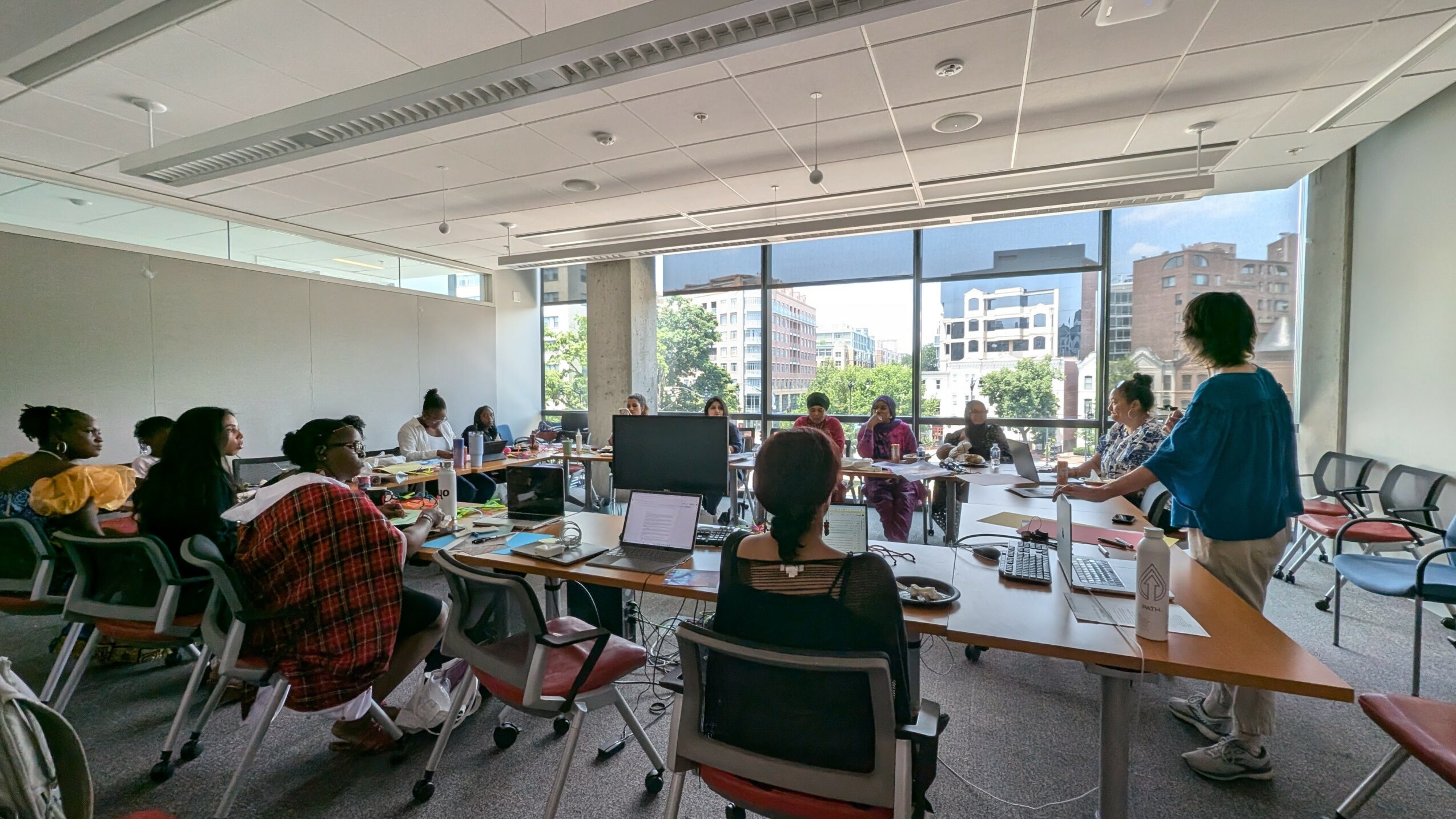
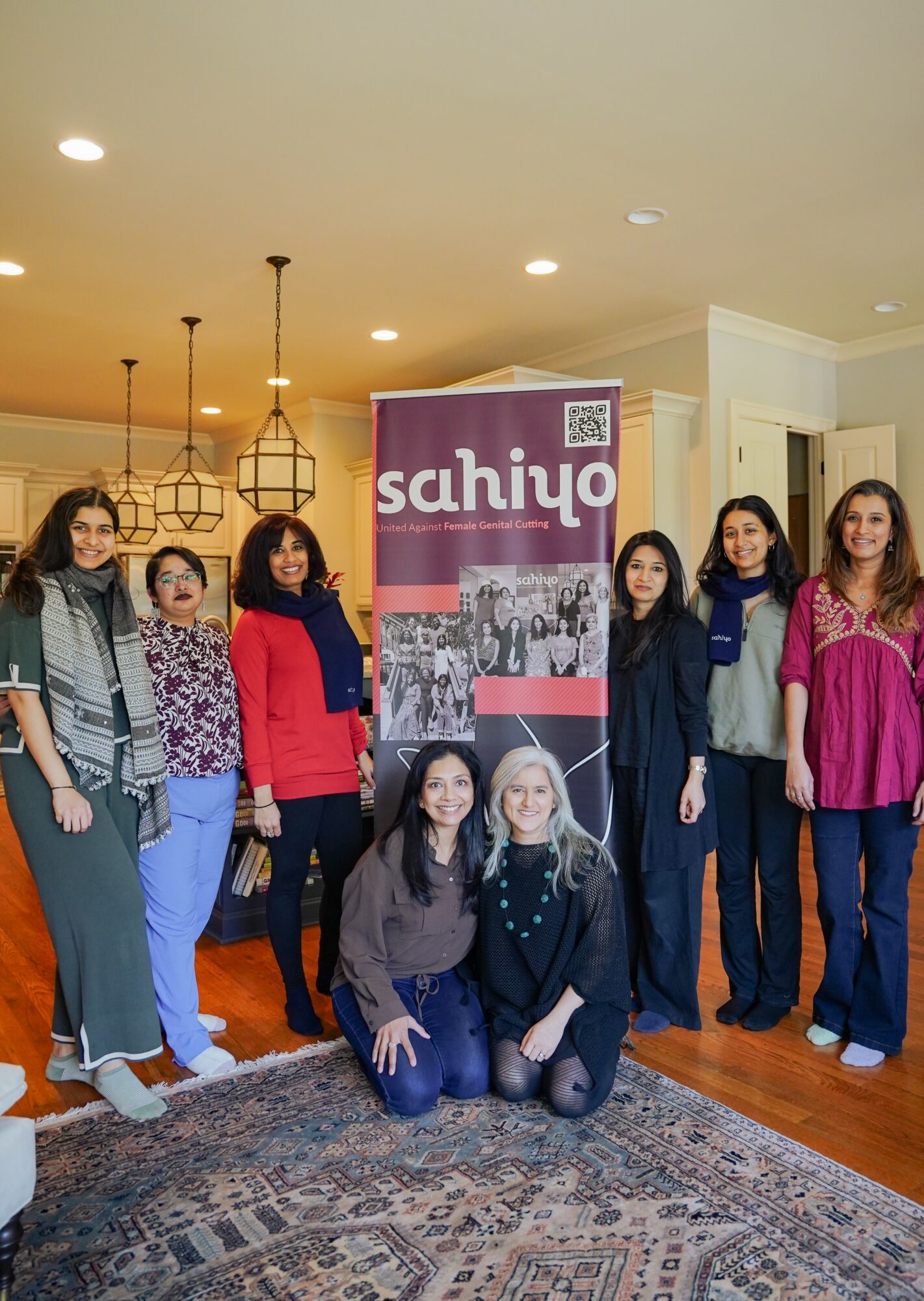
Image Credits
Sahiyo U.S. Inc.