

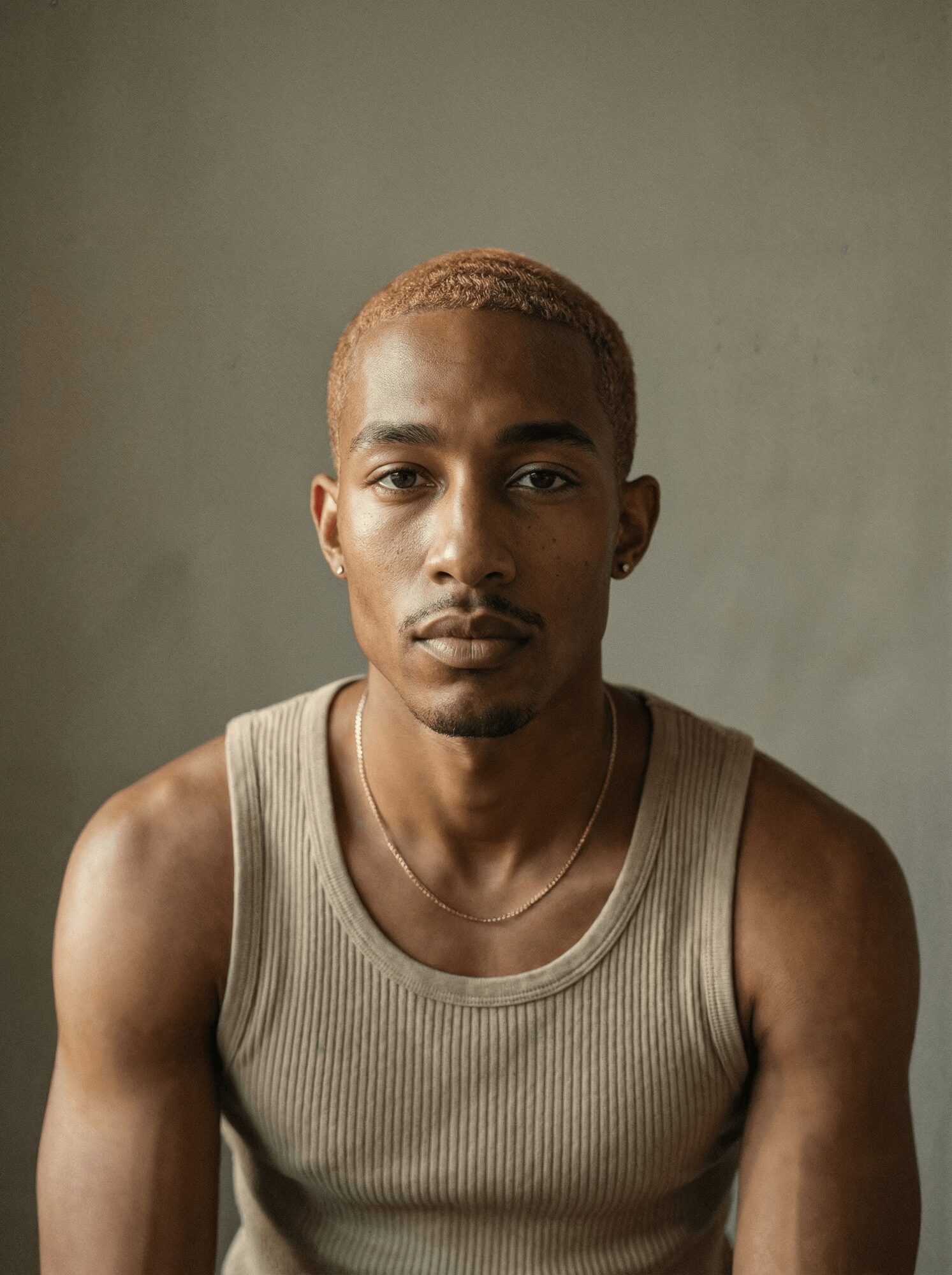
Today we’d like to introduce you to Kaelion Voss.
Hi Kaelion, we’d love for you to start by introducing yourself.
I didn’t start with a big plan. I started with feeling.
Growing up, music was the one place where I didn’t have to explain myself. It was where I could sit with my thoughts, my doubts, my contradictions, and let them breathe. I wasn’t chasing fame or numbers, I was chasing understanding. Understanding myself. Understanding love. Understanding what it means to move through the world as a Black man who feels deeply but doesn’t always say much.
Early on, I learned how to listen. To people, to silence, to the space between words. That shaped how I make music now. I’m not interested in forcing moments. I let them arrive when they’re ready. Life took me through different cities, different cultures, different versions of myself. Each place left something on me. Each relationship taught me something I couldn’t unlearn.
There were times I stepped back, questioned everything, wondered if I was moving too slow in a world that rewards speed. But I realized that my pace is my power. I don’t rush emotion. I don’t rush healing. I don’t rush art.
Where I am now feels less like an arrival and more like alignment. I’m finally creating from a place that feels honest. Not polished for approval, but shaped by lived experience. Still Human is really a reflection of that. It’s me owning the softness, the strength, the contradictions, the history, and the future all at once.
I’m still becoming. And I think that’s the point.
Can you talk to us a bit about the challenges and lessons you’ve learned along the way. Looking back would you say it’s been easy or smooth in retrospect?
Not at all. And I don’t trust stories that pretend it was.
The hardest part wasn’t external obstacles, it was internal timing. There were moments where the world wanted me to move faster than I was ready to emotionally. Moments where people expected productivity instead of honesty. I had to learn that forcing art out of myself only created distance from who I really am.
There were also stretches of isolation. Choosing depth over noise can feel lonely. Watching trends shift, watching people pass you by, wondering if being intentional would cost you momentum. At times it did. But it also protected my spirit.
Another struggle was unlearning survival mode. Coming from environments where you have to stay guarded, it takes work to allow softness back in. To believe that vulnerability isn’t weakness. That showing emotion doesn’t make you less powerful. That was a big lesson for me.
I’ve questioned myself. I’ve paused. I’ve walked away and come back more than once. But every struggle sharpened my voice. It made me more patient. More honest. More human.
Looking back, nothing was wasted. The road wasn’t smooth, but it was necessary. Every delay, every doubt, every detour shaped the music I’m making now. And I wouldn’t trade that for an easier path.
Thanks – so what else should our readers know about your work and what you’re currently focused on?
My work lives at the intersection of emotion, restraint, and truth. I’m a singer, writer, and creative director in my own way. I make alt-R&B and neo-soul that isn’t built to overwhelm, but to stay with you. I’m drawn to moments that feel quiet but heavy, where a single line or a pause can say more than a hook ever could.
I specialize in translating feeling into atmosphere. Whether it’s a song, a visual, or a performance, I’m always thinking about how something feels before how it looks or sounds. I care deeply about tone, pacing, and honesty. I don’t over-explain in my music. I leave room for the listener to step inside and find themselves in it.
What I’m most proud of is my patience. In an industry that rewards speed and volume, I chose intention. I chose to sit with myself long enough to understand what I wanted to say and how I wanted to say it. That decision shaped Still Human. It’s not just a project, it’s a reflection of growth, restraint, and self-trust.
What sets me apart is that I’m not chasing the moment. I’m building a language. I don’t follow trends, I follow feeling. I allow softness to exist alongside confidence, vulnerability alongside control. I think people hear that in the music. They feel it in the silence between the notes.
At the end of the day, I want my work to feel human. Timeless. Something you return to when the noise fades.
We’d love to hear about how you think about risk taking?
I don’t think of risk as something loud or reckless. For me, risk is quiet. It’s internal. It’s the decision to be honest when it would be easier to perform. That’s been the biggest risk I’ve taken.
One of the major risks was choosing to slow down in a culture that rewards speed. I stepped away from chasing moments, trends, and validation, even when it felt like I might disappear if I did. That was scary. There’s a real fear that if you don’t keep moving, the world will move on without you. But I learned that moving too fast can cost you yourself.
Another risk was allowing vulnerability to be central to my work. As a Black man, especially, there’s pressure to stay guarded, to lead with confidence and control at all times. Letting softness show, letting uncertainty exist in the music, that felt like exposure. But it also felt truthful. And once I chose truth, everything else started to align.
I don’t see myself as a traditional risk-taker. I’m more intentional than impulsive. I take risks when something feels necessary for my growth, not just exciting. I ask myself if the risk brings me closer to who I am or further away. If it brings me closer, I take it, even if the outcome is unclear.
To me, real risk isn’t failing publicly. It’s living quietly out of alignment. I’d rather risk being misunderstood than risk being dishonest. That choice has shaped my music, my visuals, and the way I move through the world. And so far, it’s been worth it.
Contact Info:
- Website: https://Beacons.ai/voss.kaelion
- Instagram: Voss.kaelion
- Facebook: Voss.kaelion
- Twitter: Voss.kaelion
- Youtube: https://youtube.com/@voss.kaelion?si=eI7ylTYhXEKvgzoA
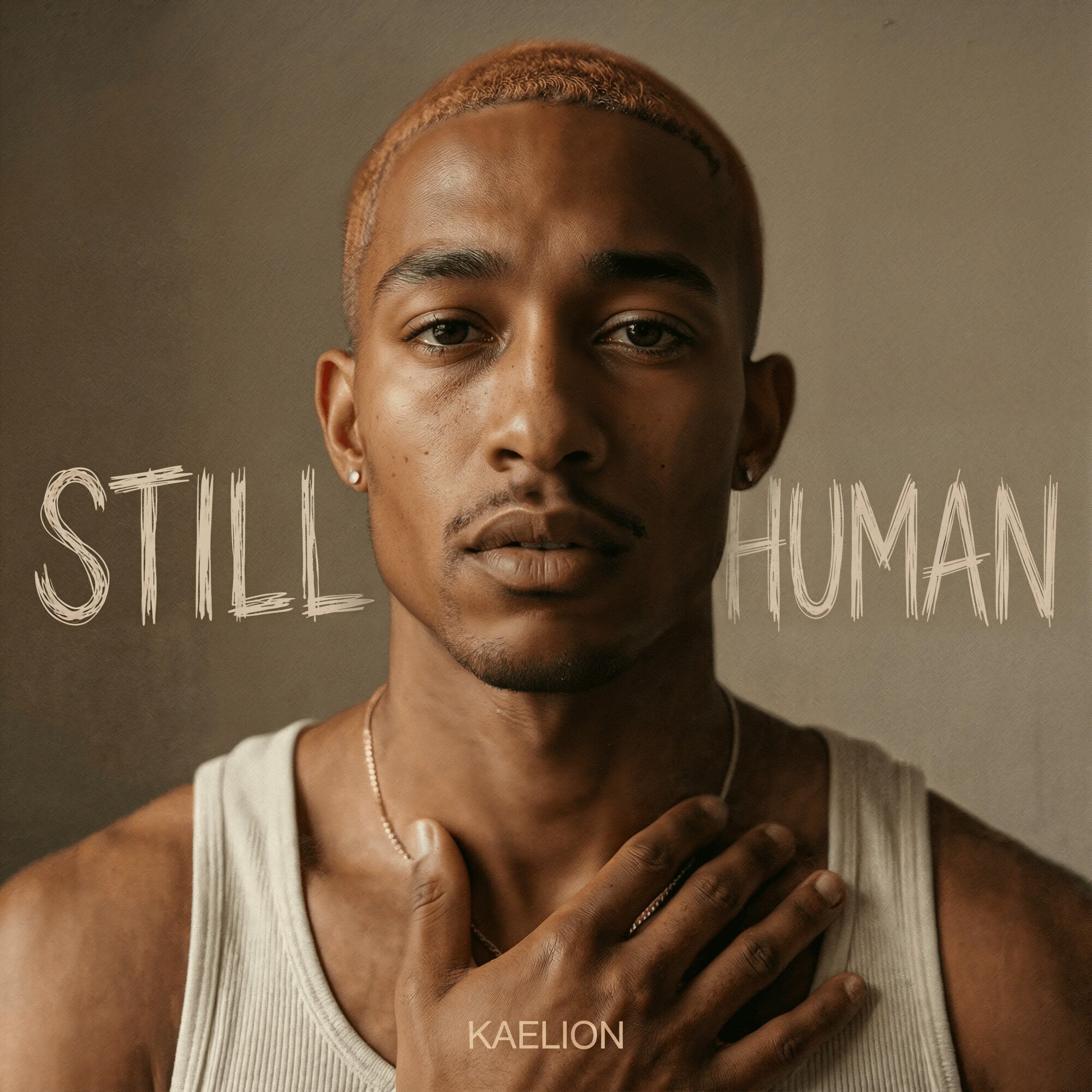
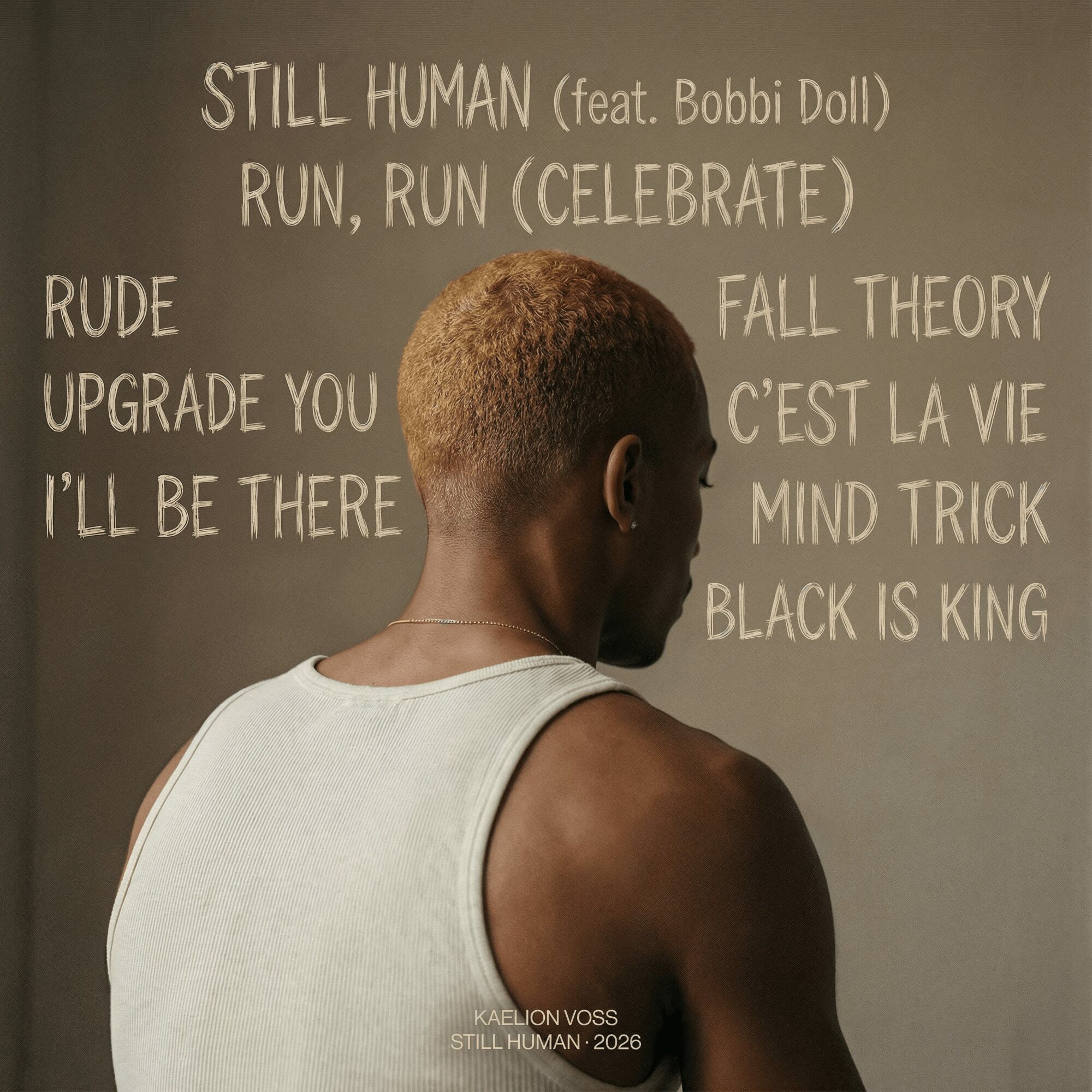
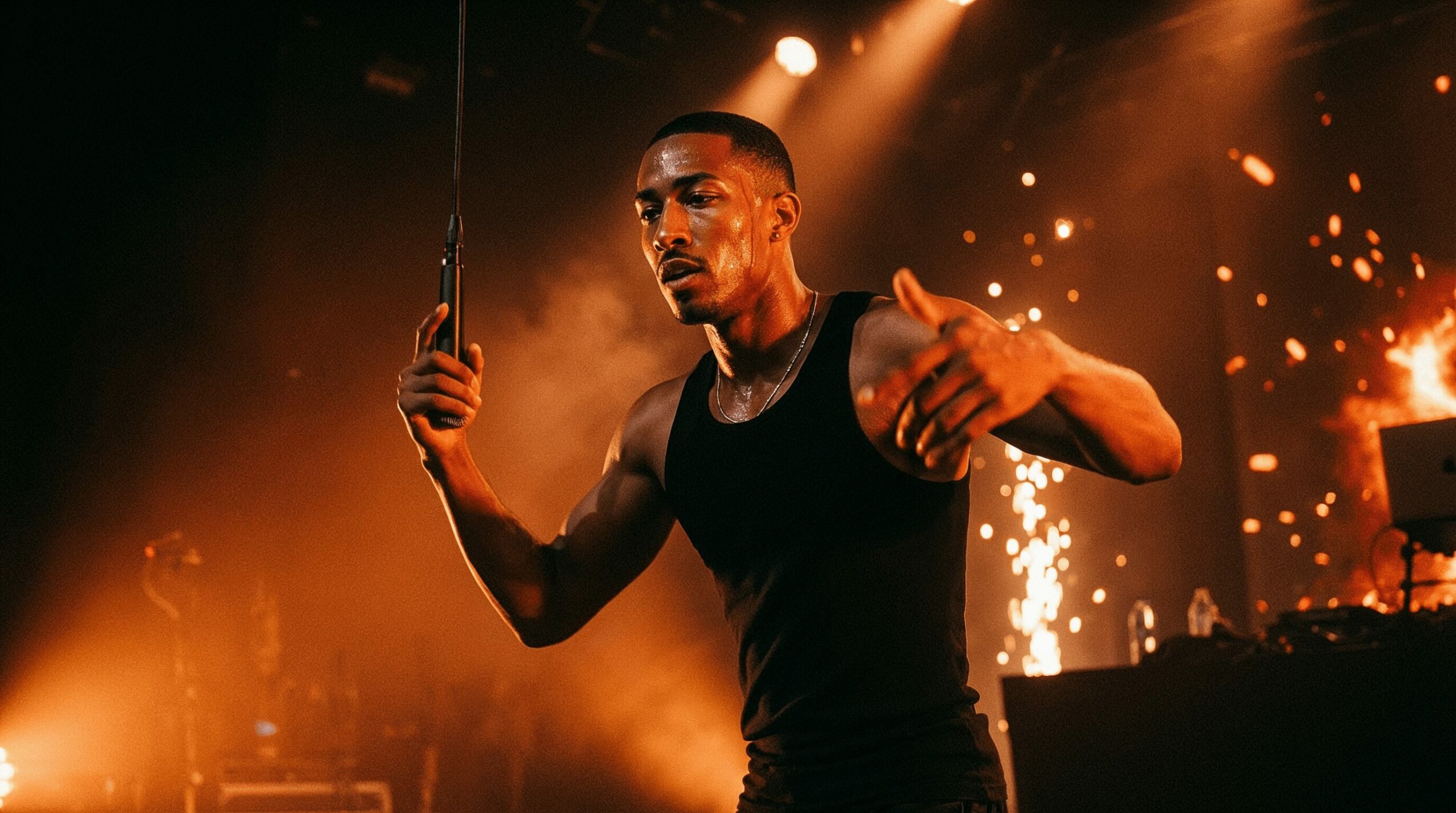
Image Credits
Image credits Duane Binion