

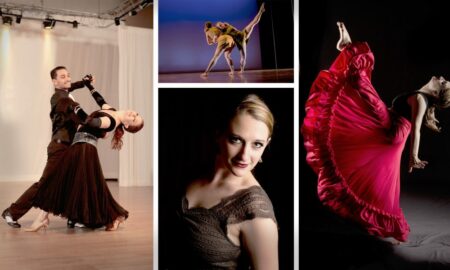
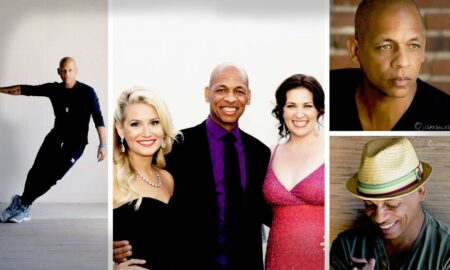



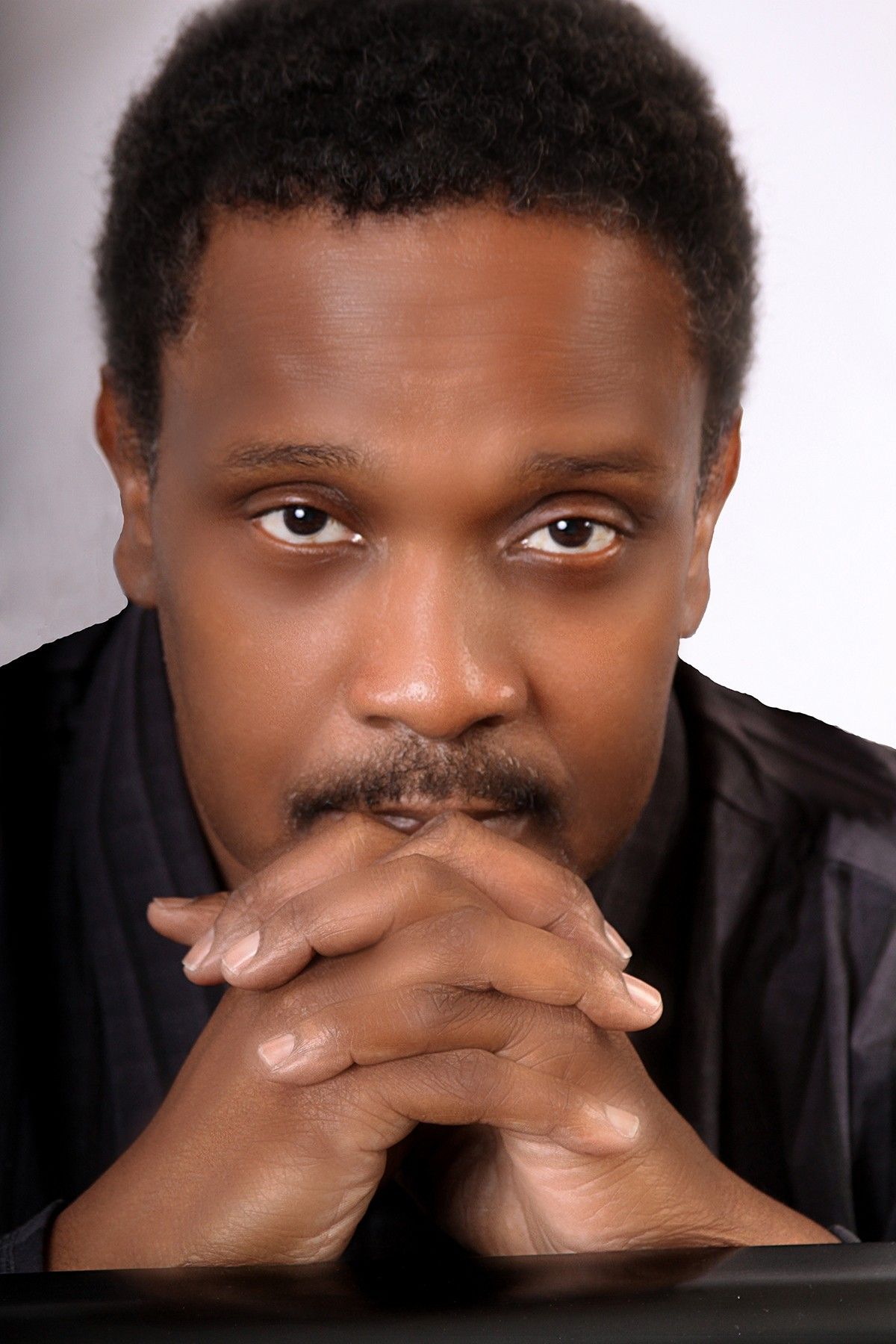
Today we’d like to introduce you to Jody Mayfield.
Hi Jody, so excited to have you with us today. What can you tell us about your story?
My origin story really starts before I had language for what music was or what it would become in my life. As early as five or six years old, I was constantly experimenting with sound—plucking at the piano, banging on things, beating sticks against a chair just to hear what would happen. I wasn’t searching for attention or applause. I was searching for sound. I liked the way rhythm felt in my hands. It was fun. I was unknowingly making music before I knew what music even was.
Looking back now, I realize that curiosity shaped everything. I didn’t know I was developing timing or rhythm or musical instincts—I was just fascinated by cause and effect. If I hit this, it sounds like that. If I do it again, it becomes a pattern.
Music also ended up saving me in very real, practical ways. Growing up, a lot of my friends would get into trouble—normal teenage stuff. They’d come back and say, “We did this, we did that,” and I’d say, “Where was I?” And they’d say, “Man, you were in the band room practicing.” Music kept me busy. It kept me focused. And I didn’t want to get in trouble because I didn’t want to get kicked out of the music program. Music gave me structure and purpose long before I knew how important it would be.
My sister, Dianne Mayfield, was the catalyst for everything. She was much older than me, so she had that motherly authority. She was also a music teacher and noticed early on that I was always gravitating toward instruments. Sometimes she would bring instruments home—drumsticks, xylophones—and I would immediately start playing them. One day she told me, very firmly, “You’re going to play an instrument.” I told her I didn’t want to. She told me I was going to anyway—and that was the end of the conversation.
At the time, it was both discipline and destiny. She understood something important: kids who study music tend to stay out of trouble, make better grades, and think differently. She even told me, “When you get to eighth grade, if you want to stop, you can stop.” The thing is—I never stopped.
She chose the saxophone for me, and through learning the saxophone, I learned to read music. At the same time, I was still playing piano, still exploring sound. I started playing in the band at Hagerbrooks Academy under my first band director, Mr. Bell Castro, and that experience lit a fire in me. One day I saw sheet music my sister had left on the piano, put two and two together, and within days I was playing songs. From that point on, I played every day.
Back then, there were no cell phones pulling your attention in a thousand directions. You either went outside, read books, watched TV when allowed, or created something. I’ve always believed boredom is the birthplace of creativity. For me, boredom meant sitting at the piano and discovering something new every day.
When I auditioned for the marching band at Frederick Douglass High School and made it, I was ecstatic. I played in the marching band, sat first chair in the concert band, and by my senior year I was arranging music for the band—all while continuing to grow as a pianist.
After graduating from Douglass, I attended Clark College—now Clark Atlanta University—and that’s where my jazz roots truly began to take shape. Studying under Dr. James Patterson changed my life. Through him, I was exposed to the highest levels of musicianship and had the opportunity to play alongside legends like Dizzy Gillespie, Lionel Hampton, Frank Foster, Illinois Jacquet, Grover Washington, and Wynton Marsalis. I performed at the Montreux Jazz Festival in Switzerland in my early twenties, sharing stages with some of the greatest musicians in the world.
At the time, I wasn’t thinking about whether I was “ready.” I was focused on the music—on doing it right. It was nerve-racking playing for European audiences who truly understand jazz, but we had practiced hard. It would take years before I fully understood the magnitude of those moments. Sometimes when you’re living inside an experience, you don’t yet understand its full impact. Life gives you pieces at a time—not the whole picture.
One moment that stays with me forever is sitting next to Mary Lou Williams when she visited Atlanta. She complimented my piano playing. Mary Lou Williams—one of the architects of bebop. That meant everything to me.
I’m proud of my jazz lineage. I learned from Dr. James Patterson, who studied under Wayman Carver, a flutist with the Chick Webb Orchestra. Chick Webb, of course, discovered Ella Fitzgerald. Honoring lineage is deeply rooted in African tradition. When tradition gets overlooked, it becomes our responsibility to preserve it. Every style of Black music—jazz, blues, hip-hop—can be traced back to the same roots. The language may change, but the need for truth remains.
But my journey wasn’t linear.
I was a college dropout. I didn’t finish at Clark. For about three years, I was effectively homeless. I was still doing music, still trying to survive, but I didn’t have a stable place to live. I stayed at friends’ houses when I could, and when that didn’t work, I rode the MARTA train all night just to have somewhere to sit and sleep. I would ride from what was then Hightower Station—now Hamilton E. Holmes—all the way to Avondale, cross over, and ride it back.
Those were hard years. I saw things no young person should have to see. I had left home because of conflict and strict expectations, and once you leave without a safety net, reality hits fast.
Life went on. Years turned into decades. I got back on my feet. I married my wife, Christine—we’ve now been married for 39 years—and we built a life. I worked. I played music professionally. We raised our daughter. But one regret never left me: I never finished my degree.
In 2012, I decided to go back—thirty years later. I enrolled, did well, and felt like I was finally closing a chapter. Then a government audit stopped my financial aid eligibility, and the door closed again. I gave up and told myself, “Maybe this just isn’t meant to happen.”
That’s when I learned that everything is seasonal. There is a time and a purpose for everything.
In 2016, I got a call from Dr. Sharon Willis, who had taught me decades earlier and was now department chair at Morris Brown College. She asked, “Jody Mayfield, do you want to get your degree?” I said yes. She said, “Then come see me.”
I enrolled. And in 2018, I graduated summa cum laude.
That one piece of paper changed my life—not because it gave me talent, but because it opened doors that had been closed for decades. It allowed me to teach, mentor, and fully step into a calling I had always felt.
From there, I earned a master’s degree from Southern Utah University and am now completing doctoral work at Liberty University, focusing on the intersection of music education and audio engineering. Education has never been a detour—it’s always been part of the mission.
Faith shapes how I play, how I teach, and how I treat people. Encouragement is central to my philosophy. Creativity grows in the soil of encouragement and dies in the soil of negativity.
I tell students all the time, “I’m not talking to the 20-year-old version of you—I’m talking to the 40-year-old version.” I see legacy. I see a possibility.
My philosophy is simple: I want to die empty. I want to give away everything I know. Some people slow down as they get older. I feel like I’m just getting started. I’m teaching. I’m creating. I’m working on new music. I feel alive again.
So when people ask me, “Is it too late?” my answer is always the same: no—absolutely not. Timing isn’t about age. Purpose doesn’t disappear because of a delay. And patience isn’t passive—it’s preparation. If you’re still breathing, it’s not too late.
Can you talk to us a bit about the challenges and lessons you’ve learned along the way. Looking back would you say it’s been easy or smooth in retrospect?
No, it hasn’t been a smooth road at all. But I’ve come to understand that smooth roads don’t always produce depth.
One thing I truly believe is that shadows help us see things in three dimensions. If everything were always bathed in light—if there were no contrast, no difficulty—you wouldn’t fully appreciate the shape, meaning, or value of anything. The challenging seasons are what give life its definition.
I’ve faced homelessness. I’ve lost close friends—fellow musicians—far too early. I’ve experienced seasons where the future felt uncertain and fragile. One of the most difficult moments came in 2019, when I was hospitalized for an entire month. Doctors were seriously discussing the possibility of amputating my leg. That kind of conversation changes you. It forces you to confront things you never imagine you’ll have to face.
I went through four or five surgeries and spent six months healing. It was physically and emotionally exhausting. What made it even harder was that for a full month, I couldn’t play the piano. I was confined to a hospital bed, separated from the one thing that has always grounded me. When I finally got home and tried to play again, it was incredibly difficult just to sit at the piano. My body had been through so much trauma that my arms would literally start shaking when I played. I hadn’t touched the keys in weeks.
But I pushed through. I wasn’t going to let anything take away the gift God gave me. Music is the one thing I know I was created to do, and I wasn’t willing to surrender that—even temporarily.
That hospital stay was probably the darkest season of my life. There were moments when I would listen to gospel music and just break down in tears. In those moments, all I could do was depend on God. And somehow—by grace—my spirit stayed lifted. I made a conscious decision not to let my thoughts go down a dark path, because I believe deeply that how you think matters. What you say matters. Death and life are in the power of the tongue.
Those experiences didn’t break me—they refined me. They deepened my faith, strengthened my resilience, and gave me a greater appreciation for the gift of simply being able to create. The road hasn’t been smooth, but it’s been purposeful. And every struggle has added clarity, perspective, and gratitude to the life I’m living now.
Alright, so let’s switch gears a bit and talk business. What should we know about your work?
As a musician who’s a lover of jazz, I see myself first and foremost as just that—a musician. Jazz is the language I love, but I play all types of music. Everything I do sits at the intersection of music, mentoring, and purpose.
I perform, arrange, and produce my own music, and one thing that really sets me apart is my ability to move comfortably across genres. I’ve played everything from rock and roll, country and western, gospel, R&B, to jazz. Because of that, I don’t limit myself by calling myself only a jazz musician. I prefer to say I’m a musician who loves jazz. At the end of the day, music is music, and the ability to speak multiple musical languages allows me to connect with a much wider audience.
Another thing that distinguishes my work is my approach to blending genres. I’m deeply interested in taking the classic sounds of our ancestors—jazz, blues, R&B—and wrapping them in today’s musical language and rhythmic structures. For example, I might take a jazz tune and place it over a hip-hop groove so it speaks to a younger generation in a rhythmic language they already understand. The goal isn’t to dilute the tradition, but to keep it alive and relevant.
I’m very committed to preserving the history and legacy of African American music. That’s why lineage matters so much to me. When I teach, I’m not just teaching techniques—I’m teaching history, context, and responsibility as well. I want students to know where the music they love comes from and to understand that, ultimately, it all traces back to Africa. Knowing that gives the music weight and meaning beyond entertainment.
What I’m most proud of isn’t credentials or performances—it’s impact. I want to change lives through music. If someone is down, I want my music or my words to lift them up. If someone needs encouragement, I want to be able to provide that. That’s success to me.
Another thing that sets me apart is that I bring real-world experience into everything I do. I don’t hide my ups and downs. I’ve lived this life, and if my experiences—good or bad—can help someone else, then they’re worth sharing. There’s an old song I learned growing up at Ebenezer that says, “If I can help somebody along the way, then my living is not in vain.” That lyric still guides how I approach music, teaching, and life.
We’d love to hear about how you think about risk taking?
I don’t think of myself as a reckless risk-taker, but I do believe that growth always requires risk. And one of the biggest things I’ve learned about risk is that you have to learn how to think like a child again.
When you’re a kid, nothing feels impossible. You try new things. You fail and try again. You dream freely. It isn’t until we become adults that life starts to crush that part of us—responsibility sets in, fear gets louder, and we slowly stop dreaming. I actually see going after your dreams as one of the riskiest things you can do, especially as an adult.
One of the most significant risks I ever took was leaving corporate America. I was working a stable nine-to-five job, and at the same time, I was already doing music. When layoffs started happening at the company, I remember telling my wife, “I’m not going back to corporate America.” That wasn’t an emotional decision—it was a deeply considered one. I prayed and said, “God, I need You to help me support my family, because I want to do music full-time.”
That was a significant leap of faith. I had spent 30 years working as a graphic designer, and walking away from that security wasn’t easy. But I knew in my spirit that if I didn’t take that step, I would always wonder what might have been. So I took the risk. I committed fully to music. And I haven’t looked back.
Another major risk was returning to school later in life—after dropping out, after years of struggle, and after building a family. Going back meant risking embarrassment, failure, and disappointment. There were moments when doors closed again and it felt like I was being told “no” one more time. But pushing through that uncertainty changed the entire direction of my life and opened doors I never could have imagined.
I’ve also faced risks I didn’t choose. In 2019, when I was hospitalized, and doctors were discussing the possibility of amputating my leg, the risk wasn’t about making bold moves—it was about choosing hope. It was about guarding my mind, my faith, and my spirit during one of the darkest seasons of my life. Sometimes risk looks like refusing to mentally surrender.
My perspective on risk now is simple: wise risk is rooted in purpose, not impulse. I don’t jump blindly. I listen. I pray. I reflect. But once I know something aligns with who I am and what I’m called to do, I’m willing to step into uncertainty. Playing it safe all the time can actually be the riskiest choice—because you risk never becoming who you were meant to be.
Every meaningful chapter of my life has required courage over convenience. And when I look back, the risks I took—especially the ones that scared me—are the very things that shaped the life I’m grateful to be living now.
Contact Info:
- Website: jodymayfield.com
- Instagram: https://www.instagram.com/jodymayfield
- Facebook: https://www.facebook.com/jodyjazzmayfield
- Youtube: https://www.youtube.com/@JodyMayfield
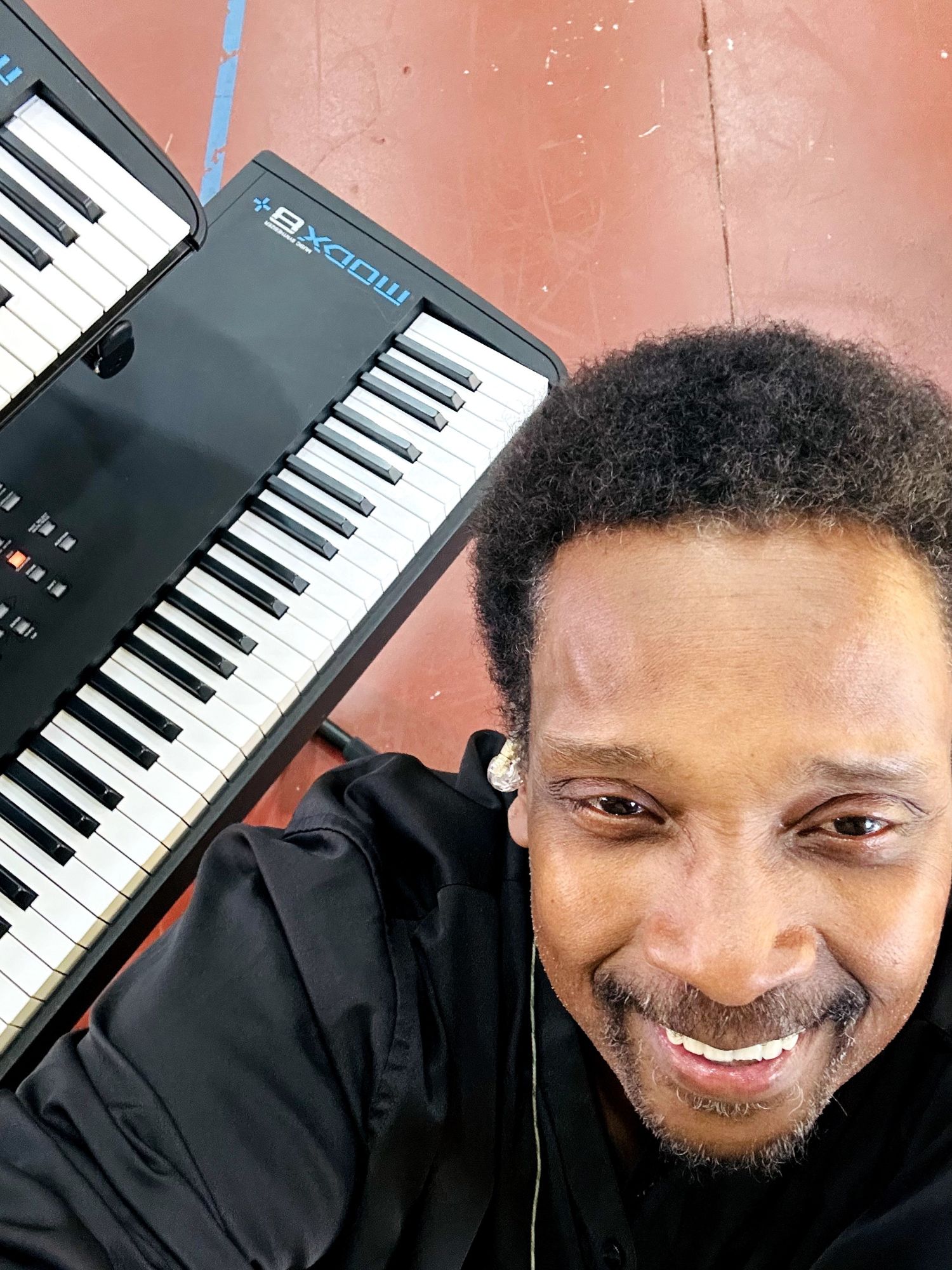
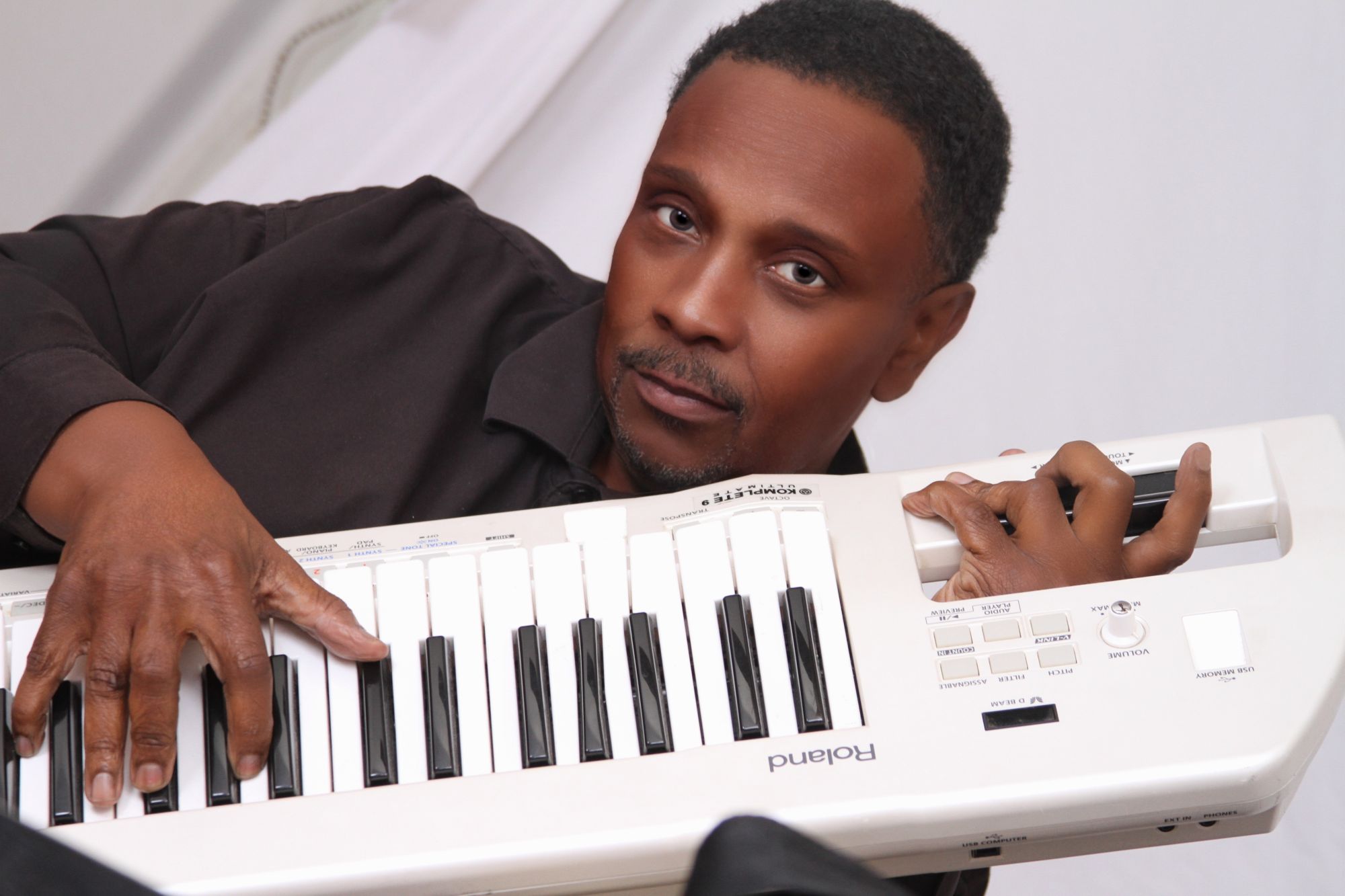
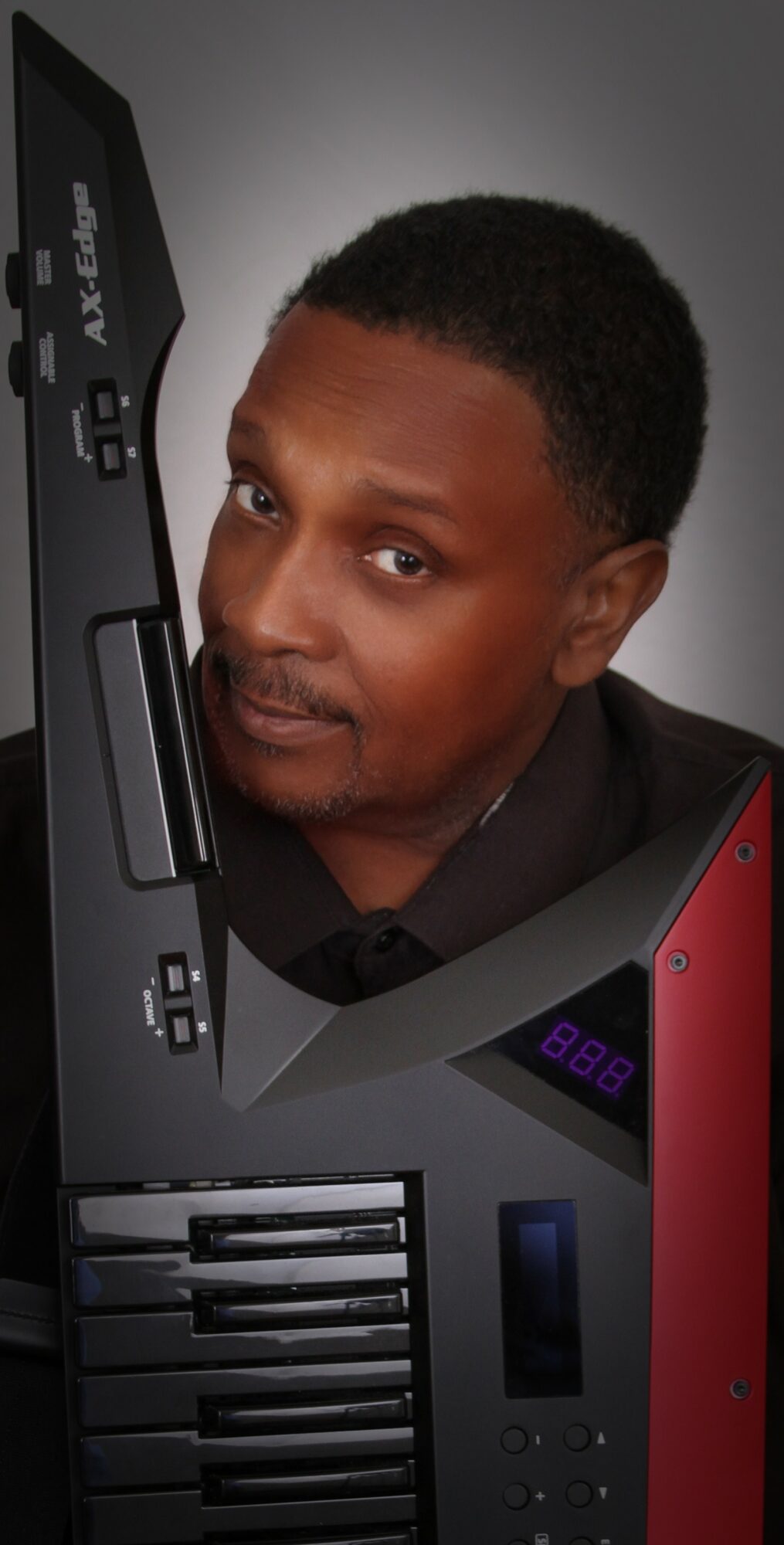
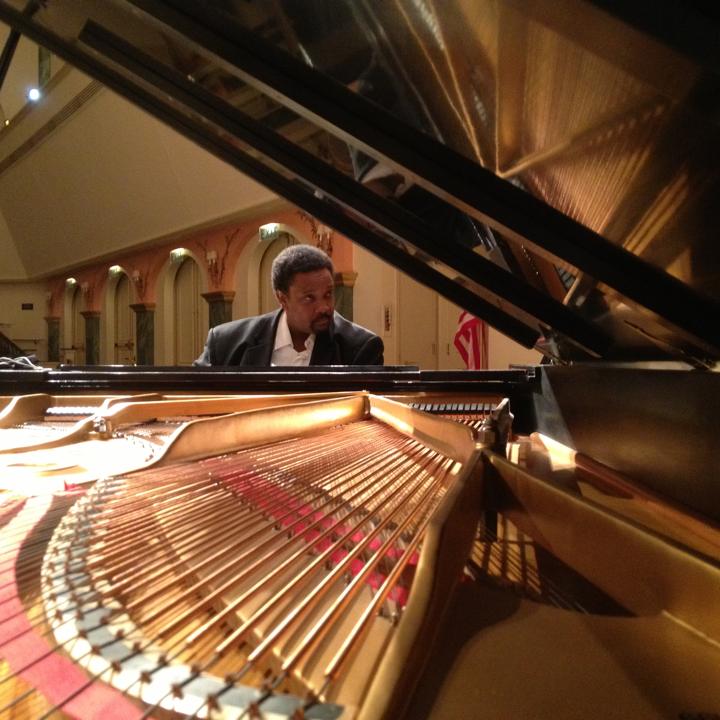
Image Credits
Photos by Furery Reid
Popular
-

Hidden Gems: Local Businesses & Creatives You Should Know
-

ATL’s Most Inspiring Stories
-

Portraits of Atlanta
-

Alexander Lewis on Betting on Himself, Building Momentum at Coco Studios, and Turning Opportunity into Ownership
-
Satoya Hayes on Turning Beauty 2 Extensions into a Platform for Affordable Confidence and Entrepreneurial Opportunity
-

Asha Ford on Building Krystal Klear Motion and Creating Purpose-Driven Design for Women