





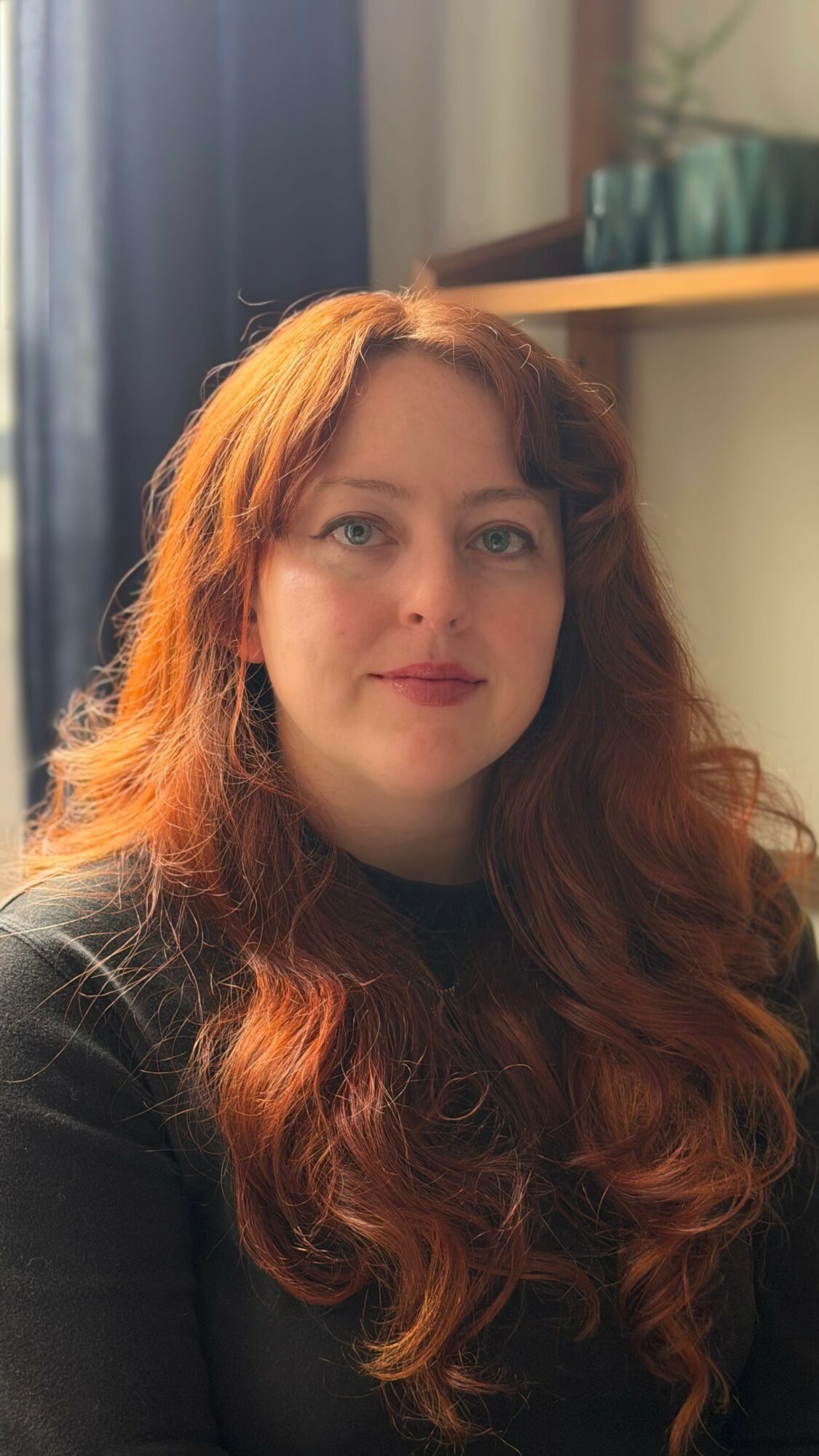
Today we’d like to introduce you to Kristen Lockard.
Alright, so thank you so much for sharing your story and insight with our readers. To kick things off, can you tell us a bit about how you got started?
I’ve been drawn to autism for as long as I can remember. As a young woman thinking about my future, I knew that if I wanted to feel fulfilled, I needed to spend my life working alongside people with autism. That path led me to speech-language pathology, and I never looked back.
Early in my career, I realized something I take a lot of pride in: I really get these kids. The way they think, communicate, and experience the world makes sense to me, and teaching them feels like second nature. Families often came to me with questions about how to interact with and support their autistic child, and through those conversations, I began to see where autism care was falling short.
Parents were often flooded with information but not shown how to apply it in real life. They didn’t feel listened to. They were exhausted, uncertain, and overwhelmed. Many shared how hard it was to do everyday things families often take for granted—haircuts, trips to the store, going to the movies. That’s when I started thinking seriously about how we could do autism care better. I knew there was a way; I just needed to find it.
When I began shaping what would become Leap Language and Developmental Services, I listened closely to families, teachers, and individuals with autism themselves. What I heard repeatedly was the need for care that was accessible, supportive, and centered not just on the child, but on the entire family. That philosophy became the foundation of Leap.
Another non-negotiable for me was honoring individuality and neurodiversity. Every child communicates, learns, and connects in their own way, and those differences deserve respect. Our goal is not to change who a child is, but to support how they communicate and engage with the world in ways that are meaningful to them.
As Leap continues to grow, my vision extends beyond traditional therapy services. Families want a more inclusive community and spaces where their child feels safe and supported. That kind of inclusion starts with education. My future goals for Leap include expanding community outreach and education, offering training for caregivers, educators, and community spaces so everyday environments become more accessible for neurodivergent individuals.
Another major focus moving forward is integrating additional therapies and educational services under one roof. Our long-term goal is a more centralized, holistic model of care that supports the whole child and the whole family. With one in 31 children now diagnosed with autism, it’s also clear that these children don’t stay children forever. Support for autistic teens and adults remains limited, and addressing that gap is an important part of what comes next. At its core, Leap is about empowerment for autistic people at every stage of life.
Can you talk to us a bit about the challenges and lessons you’ve learned along the way. Looking back would you say it’s been easy or smooth in retrospect?
Definitely not. Building Leap has required me to grow in ways I never thought I could. At my core, I’m a speech-language pathologist, but starting and running a practice has meant wearing many hats; business owner, administrator, and advocate. I’ve had to learn business operations, insurance systems, logistics, staffing, and long-term planning, while continuing to provide direct care to the families we serve. It kind of feels like juggling while walking a tightrope.
Another challenge is that autism care is constantly evolving. Research reveals something new almost every day and staying informed requires continuous learning. I love learning, especially about autism, but I’d be lying if I said it doesn’t get overwhelming.
Beyond the clinical world, there’s also a general lack of understanding of autism in the community. Many families face barriers because systems and environments aren’t built with neurodiversity in mind. Advocating for understanding and inclusion has been challenging, and it’s a big part of why Leap is committed to expanding community education.
While none of this has been easy, these challenges have shaped Leap into a practice that is values-driven, and always evolving. I’ve also been fortunate to have incredible mentors and colleagues who believe in a neurodiversity-affirming, child-led, and family-centered approach. Their guidance, along with the generosity of our local professional community, has made all the difference.
Building Leap has taken research, reflection, and plenty of growing pains, but seeing children and families thrive has made every step worth it.
Thanks for sharing that. So, maybe next you can tell us a bit more about your business?
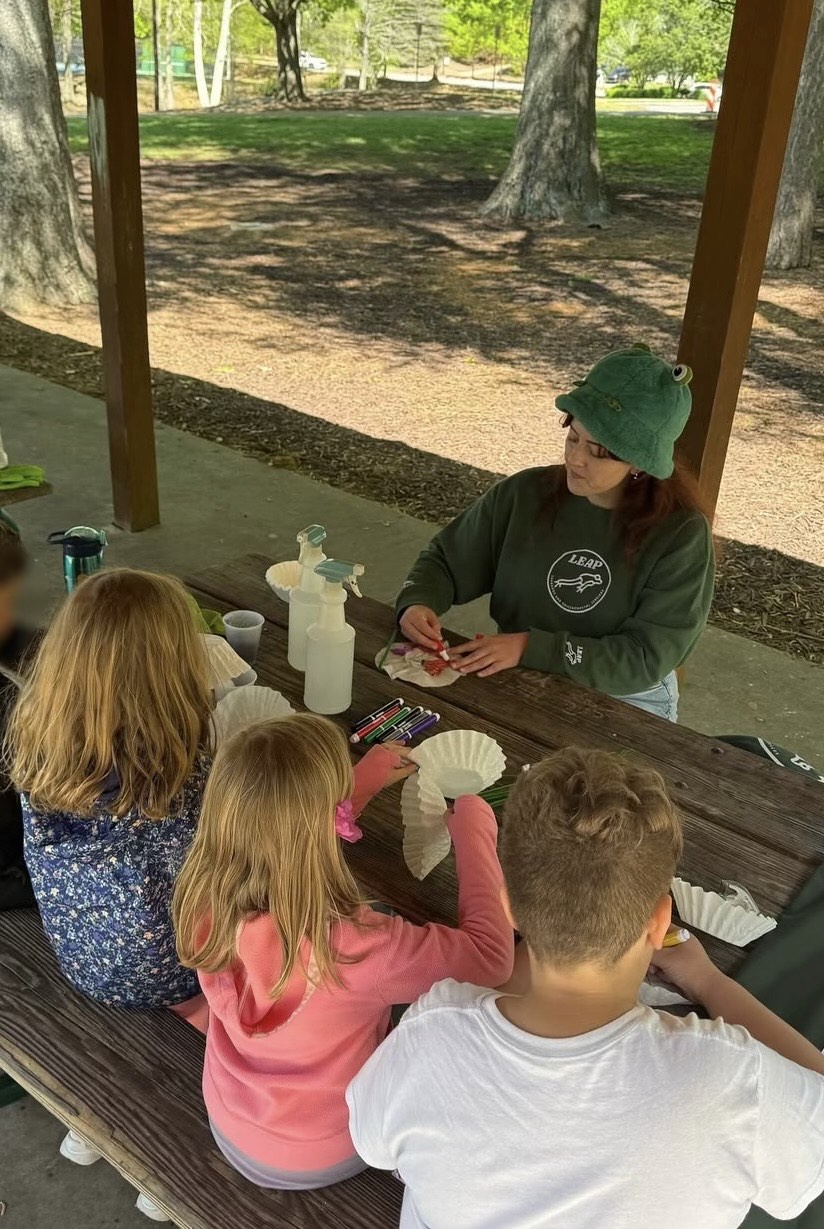
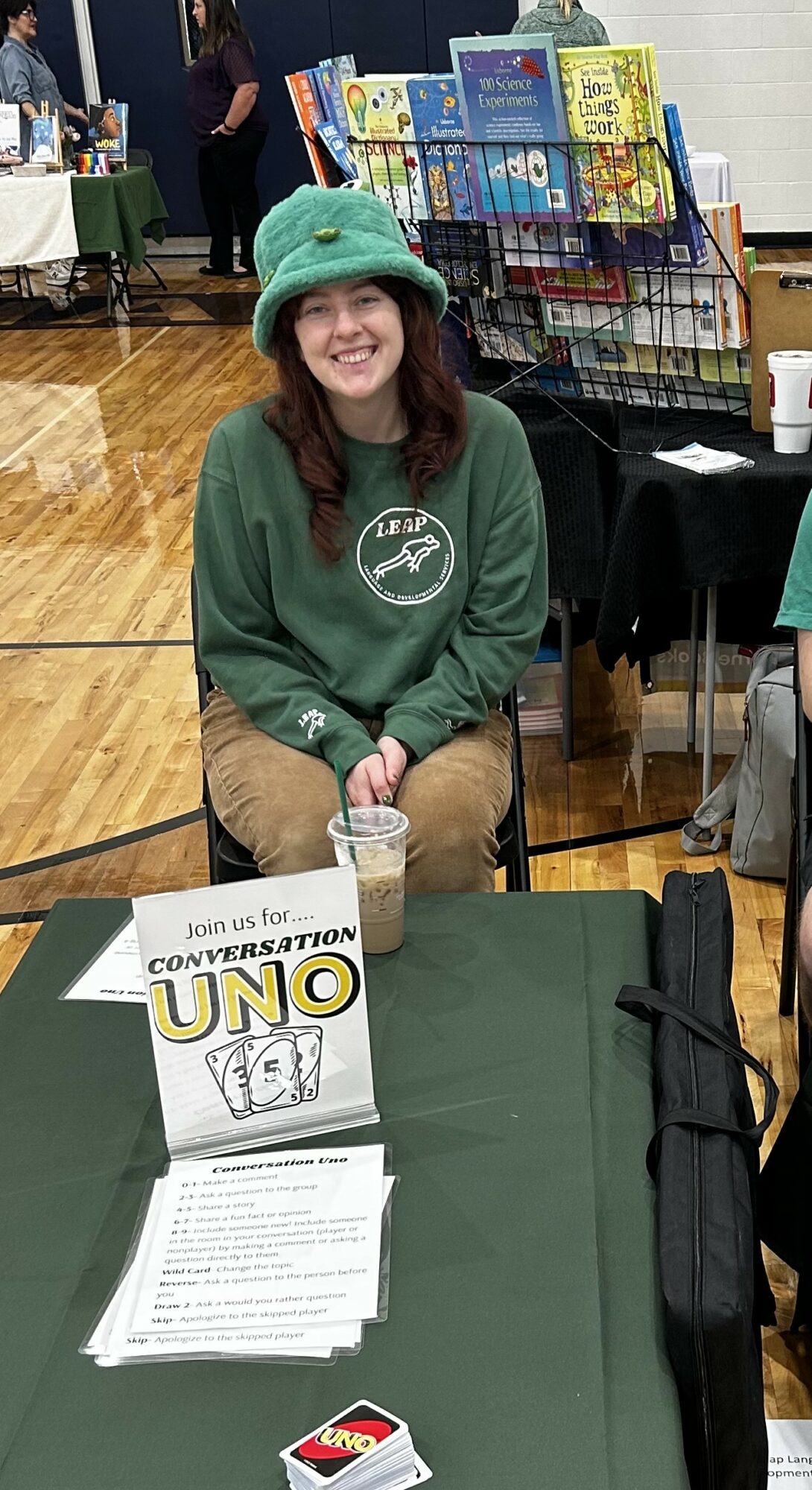
Leap Language and Developmental Services is a pediatric speech and developmental therapy practice that supports children and families using a relationship-based, developmental approach. We work with children with a wide range of needs, with a particular focus on autism and other developmental differences, and we support families from early childhood through the school-age years.
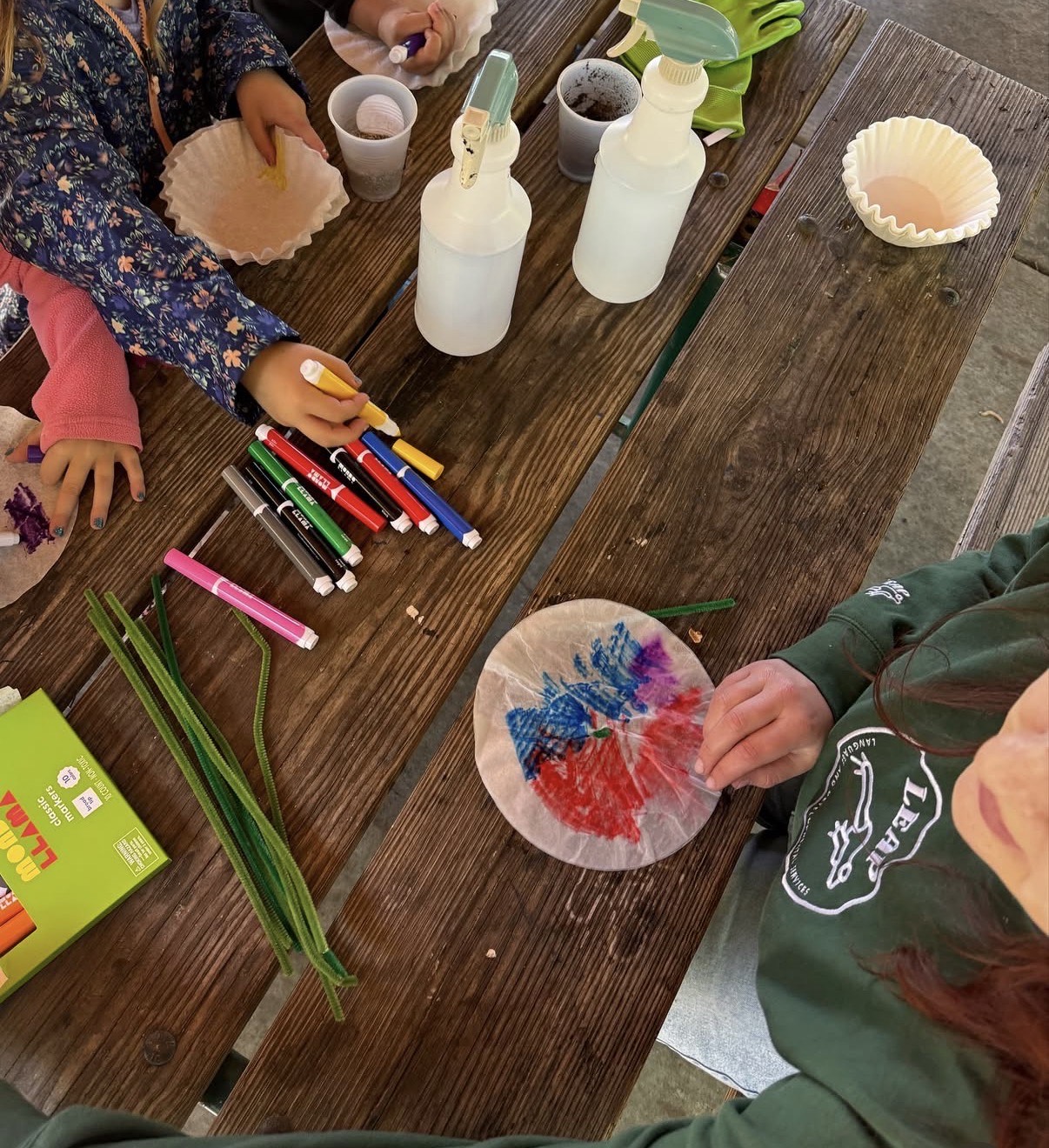
At Leap, we don’t look at speech in isolation. We think about communication as something that develops through regulation, play, relationships, and everyday experiences. Therapy is child-led, play-based, and highly individualized, and we work closely with families so they feel involved and supported throughout the process. Our goal is to help children communicate in ways that feel meaningful and useful in their real lives.
One thing that tends to stand out about Leap is our commitment to neurodiversity-affirming care. We aim to honor each child’s individuality and communication style, focusing on connection, confidence, and engagement rather than compliance. Our work is grounded in evidence-based practice, but we deliver it with flexibility, warmth, and respect for how children naturally learn and grow.
Most importantly, Leap exists to support families as a whole, not just individual skills. We strive to provide services that feel practical, collaborative, and empowering, with the belief that when children are supported in ways that respect who they are growth follows.
Let’s talk about our city – what do you love? What do you not love?
What I love most is the sense of community. It’s a place where people genuinely want to connect, collaborate, and support one another. As a small healthcare business owner, I’ve been really struck by how open people are to sharing resources, offering guidance, and rooting for each other’s success.
Contact Info:
- Website: https://www.leaplads.com
- Instagram: https://www.instagram.com/leap.lads/
- Facebook: https://www.facebook.com/profile.php?id=61565577854002