


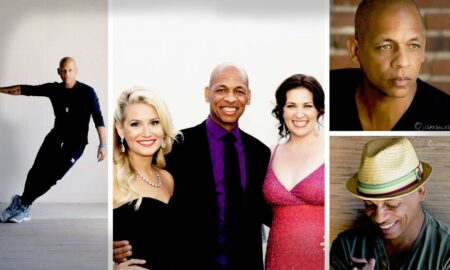



Today we’d like to introduce you to Lemuel “Life” LaRoche.
Hi Lemuel “Life”, can you start by introducing yourself? We’d love to learn more about how you got to where you are today?
Poetry was my first refuge.
Before titles, before programs, before systems, poetry was how I survived the world. It gave me language when life felt overwhelming and offered healing when silence felt safer than speaking. Words became a place where I could breathe.
Years later, as a therapist, I found myself sitting across from families who were exhausted. Not because they lacked love or effort, but because they were trying to survive systems designed without them in mind. I met parents fighting to hold their households together and teenagers navigating cycles that quietly pulled them toward self-destruction. Day after day, I saw brilliance buried beneath frustration, trauma, and a lack of opportunity.
At first, I offered what I knew best: encouragement, affirmation, empowerment. But it wasn’t enough. I realized that words alone could not interrupt systems that young people didn’t even know they were trapped inside. If they were going to change their outcomes, they first had to understand the rules of the game around them.
That realization changed everything.
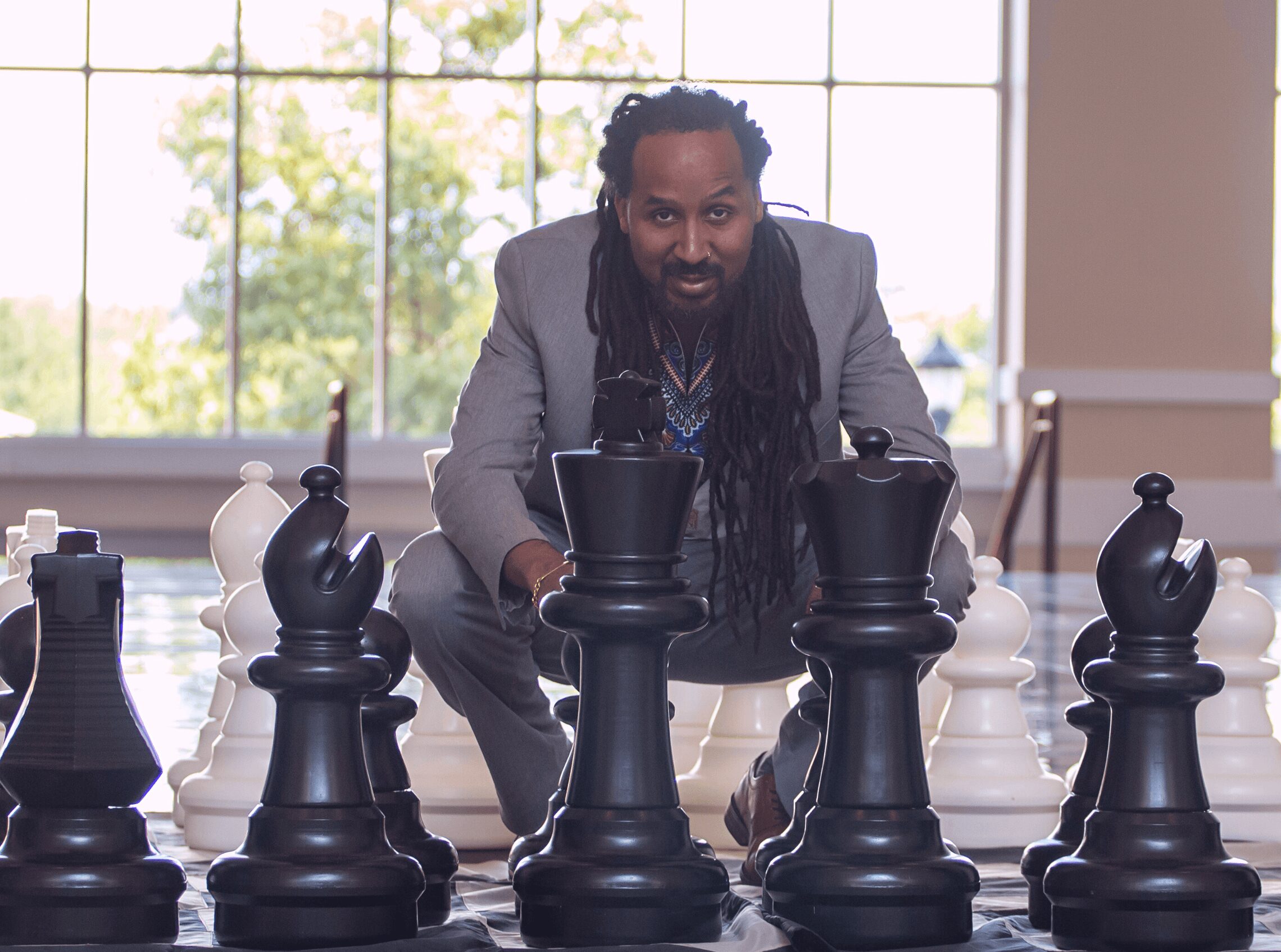
Chess entered my work not as a hobby, but as a language. I began using the game therapeutically with teens. The aim wasn’t to turn them into masters and grandmasters on the chess board, but to help them become masters of their own decisions. Chess became a mirror for life: every move matters, every consequence is connected, and even the smallest piece has power. I taught them about the hidden strength of pawns, the responsibility of kings and queens, and the importance of thinking several steps ahead, especially when the odds feel stacked against you.
What started as a tool became a mission.
Since 1999, the work has reached young people cycling within the Department of Juvenile Justice and Regional Youth Detention Centers across Georgia. I was determined to help them see beyond the labels placed on them. In 2012, that mission became Chess and Community, a nonprofit grounded in a simple but powerful belief: Think Before You Move. We often say, “Chess is the way in. Community is what we improve.”
But we were clear-eyed from the beginning. Chess alone is not the solution. After all, many brilliant chess players still struggle to meet basic needs. I know a few dynamic homeless/unhoused chess players. Chess is the doorway, not the destination.
So we had to built something broader than chess.
Our work rests on four pillars of youth development and civic leadership:
• Critical thinking through chess
• Problem solving through robotics, coding, and emerging technologies
• Conflict resolution through debate and public discourse
• Civic engagement through community-based workshops
Together, these pillars help young people move from reaction to reflection, from survival to strategy, and from isolation to impact.
The groundwork began in Athens, took shape in Macon, and then Atlanta called us forward. Families wanted more than programs, they wanted pathways. We partnered with local initiatives to ensure young people not only gained skills, but also exposure to careers, entrepreneurship, and real-world possibilities beyond what they could see in their immediate environment.
Today, our work continues to evolve, but the heart of it remains the same: helping young people recognize their value, understand the systems around them, and believe that they have the power to change both their lives and their communities.
This is more than chess.
This is about teaching youth how to think, how to move, and how to lead, long before the world tells them they can’t.
I’m sure it wasn’t obstacle-free, but would you say the journey has been fairly smooth so far?
Borrowing from the Langston Hughes quote, This journey “ain’t been no crystal stair”
I learned early on that passion alone doesn’t fuel the bus. Vision without resources can stall, and good intentions don’t automatically translate into sustainability. Every step forward came with resistance, doubt, and lessons I didn’t know I needed at the time.
One of the earliest challenges was identity. In many ways, we started the race with the wrong name. Chess, for most people, is seen as a leisure activity, something you play in a park or on a phone, not as a serious modality for youth development. Convincing parents, funders, educators, and even young people themselves that we were more than a chess club required constant explanation. Chess intimidated some. Others dismissed it as “not their thing.” The deeper purpose—the life skills, the systems thinking, the leadership development—often got lost before the conversation could even begin.
Funding was another persistent hurdle. Big ideas require infrastructure, and infrastructure requires investment. There were moments when the vision was clear, the need was undeniable, and the doors still didn’t open. Simple things like field trips, expanded programming, or consistent staffing, felt just out of reach. We stretched every dollar, leaned on relationships, and learned how to build while walking.
Even our successes came with challenges. We’ve hosted international collaborations with organizations in Ethiopia and Nigeria—powerful, affirming exchanges that reminded us our work resonates far beyond state lines. But global partnerships come with global logistics. Planning trips, coordinating events, and working against funding deadlines often meant carrying risk before certainty. There were times when we had the invitation, the students, and the impact lined up, but not the money yet.
Still, those challenges didn’t stop us. They sharpened us.
Every obstacle forced us to clarify our mission, strengthen our storytelling, and build resilience into our model. We learned how to translate purpose into language funders could understand, how to meet skepticism with results, and how to keep showing up—even when the road felt longer than expected.
This work has never been easy. But it has always been necessary. And every struggle along the way has shaped us into an organization that doesn’t just survive challenges—but grows because of them.
Appreciate you sharing that. What else should we know about what you do?
My work lives at the intersection of creativity, education, and social transformation.
I am the founder and executive director of Chess and Community, where I specialize in using nontraditional entry points—like chess, technology, and public discourse—to develop critical thinking, leadership, and civic responsibility in youth. What makes the work distinctive is not the tools themselves, but how they are used. Chess becomes a language for systems thinking. Robotics and emerging technologies become pathways to problem-solving and innovation. Debate becomes a method for conflict resolution and voice. Community engagement becomes practice for leadership in the real world. Together, these elements help young people move from reacting to their environment to actively shaping it.
Beyond the organization, I wear many locs,a running joke that’s rooted in truth. I’m a father of three boys, which keeps me grounded and constantly accountable to the future I’m trying to help build. I’m also an adjunct instructor at the University of Georgia’s School of Social Work, where I bring practice into the classroom and challenge students to think beyond theory. I’m the author of two books, and at heart, I am, and have always been a poet. Creativity doesn’t fit neatly into boxes, and neither does the work I do.
I’m known in many circles for two things: my poetry and my commitment to youth development through Chess and Community.
What I’m most proud of is not just the growth of Chess and Community, but its reach and relevance. What began as a local effort has grown into a model that resonates nationally and internationally, with impact extending across communities and even across continents.
What sets me apart is not any single title, but the ability to move between worlds: creative and academic, therapeutic and strategic, local and global. I don’t believe transformation happens in silos. It happens when we connect disciplines, honor culture, and meet young people where they are, then walk with them toward what’s possible.
What do you like best about our city? What do you like least?
What I love most about Atlanta is its imagination.
Atlanta is a global icon, a city of possibility. It’s layered with ideas, cultures, creativity, and ambition. You can feel it in the music, the entrepreneurship, the food, the neighborhoods, and the constant reinvention. Few cities hold so many worlds at once. Atlanta is not one story. It’s many stories, unfolding at the same time.
I have the unique privilege of seeing the city through multiple lenses. Born and raised in New York, I experienced Atlanta both as an insider and an observer. I see what the city has become, what it’s becoming, and how it’s viewed by the rest of the state. Through my work across Georgia, I meet young people in smaller cities and rural communities who see Atlanta as the destination, the city of dreams, the place where opportunity lives. For many of them, “making it” means making it to Atlanta.
At the same time, I see Atlanta through the eyes of the young people who already live here. For them, the city isn’t a dream, it’s something to survive, manage, and maintain. And that contrast matters.
What I like least about Atlanta isn’t unique to this city, but it shows up here clearly: too many people don’t see the ladder to upward mobility, even when they’re standing near opportunity. Atlanta is full of doors, but not everyone knows where they are, or how to open them. Access, not ambition, is often the barrier.
We are one of the most diverse cities in the country, with people from countless cities and nations calling Atlanta home. That diversity is a strength, but it also comes with silos. Each community brings its own brilliance, history, innovation, and yes, stereotypes. Too often, those communities exist side by side without shared pathways or collective vision.
Atlanta is an evolving idea. It’s still being written. And what gives me hope is knowing that the city’s future isn’t only shaped by policy or development, it’s shaped by people. When we help young people see themselves in the story of Atlanta, when we show them how to access opportunity and not just admire it, the city becomes more than a symbol.
Contact Info:
- Website: https://www.chessandcommunity.org
- Instagram: https://www.instagram.com/chessandcommunity/ and https://www.instagram.com/lifethegriot/
- Facebook: https://www.facebook.com/chessandcommunity
- LinkedIn: https://www.linkedin.com/in/lemuel-laroche
- Twitter: https://x.com/chesscommunity
- Youtube: https://www.youtube.com/chessandcommunity
- Other: https://vimeo.com/manage/videos/1107513387 https://vimeo.com/manage/videos/1101622983/9225883e52
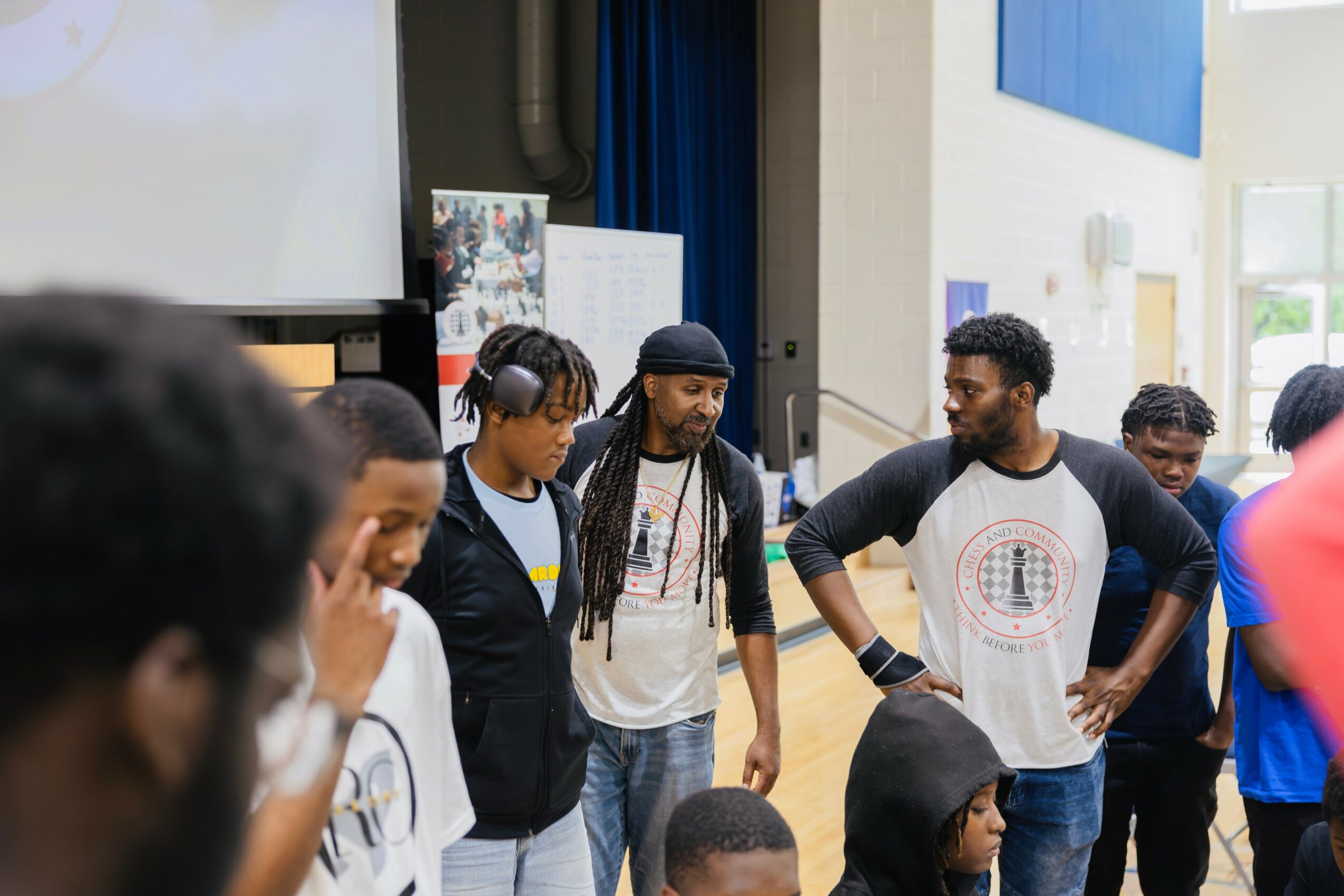
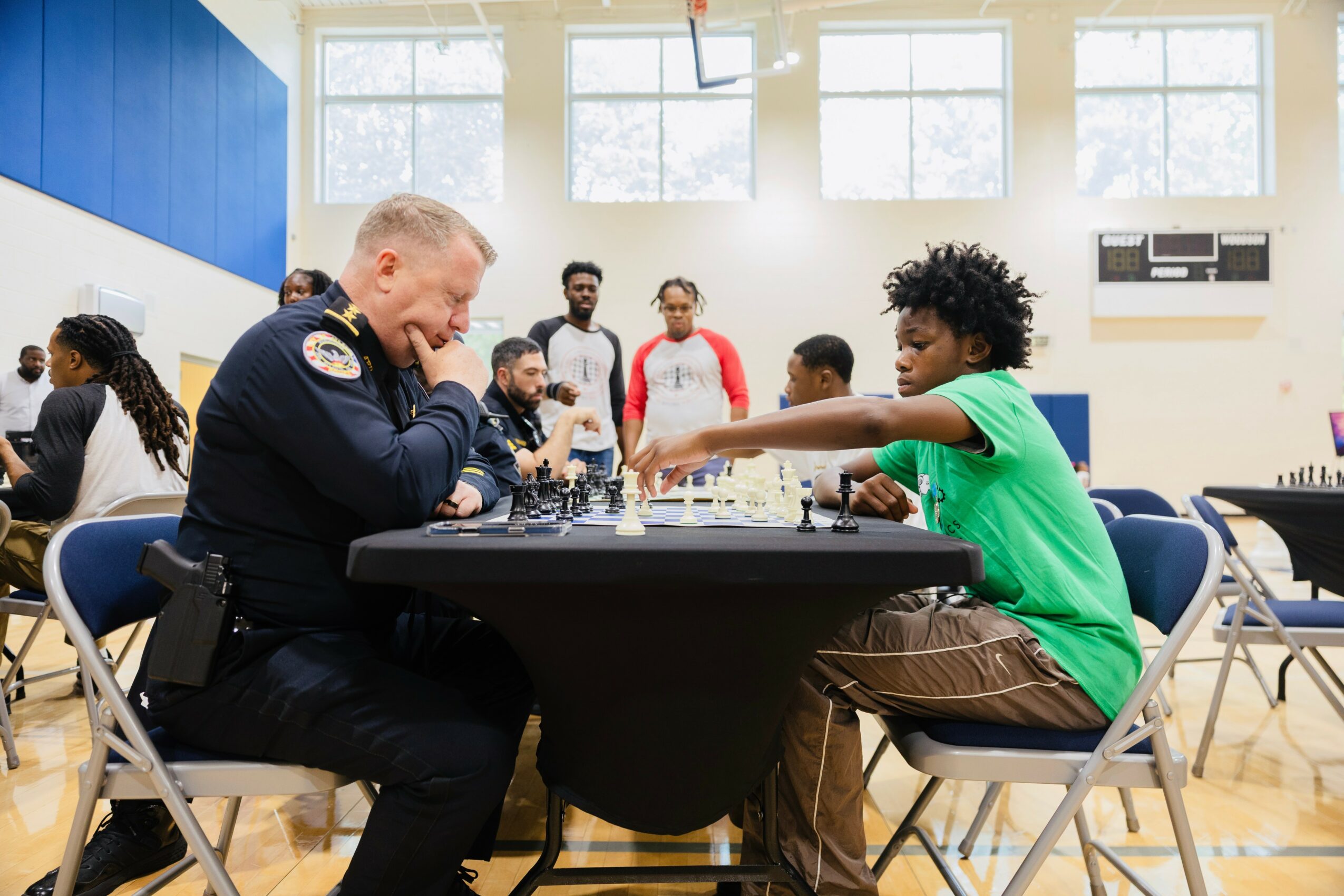
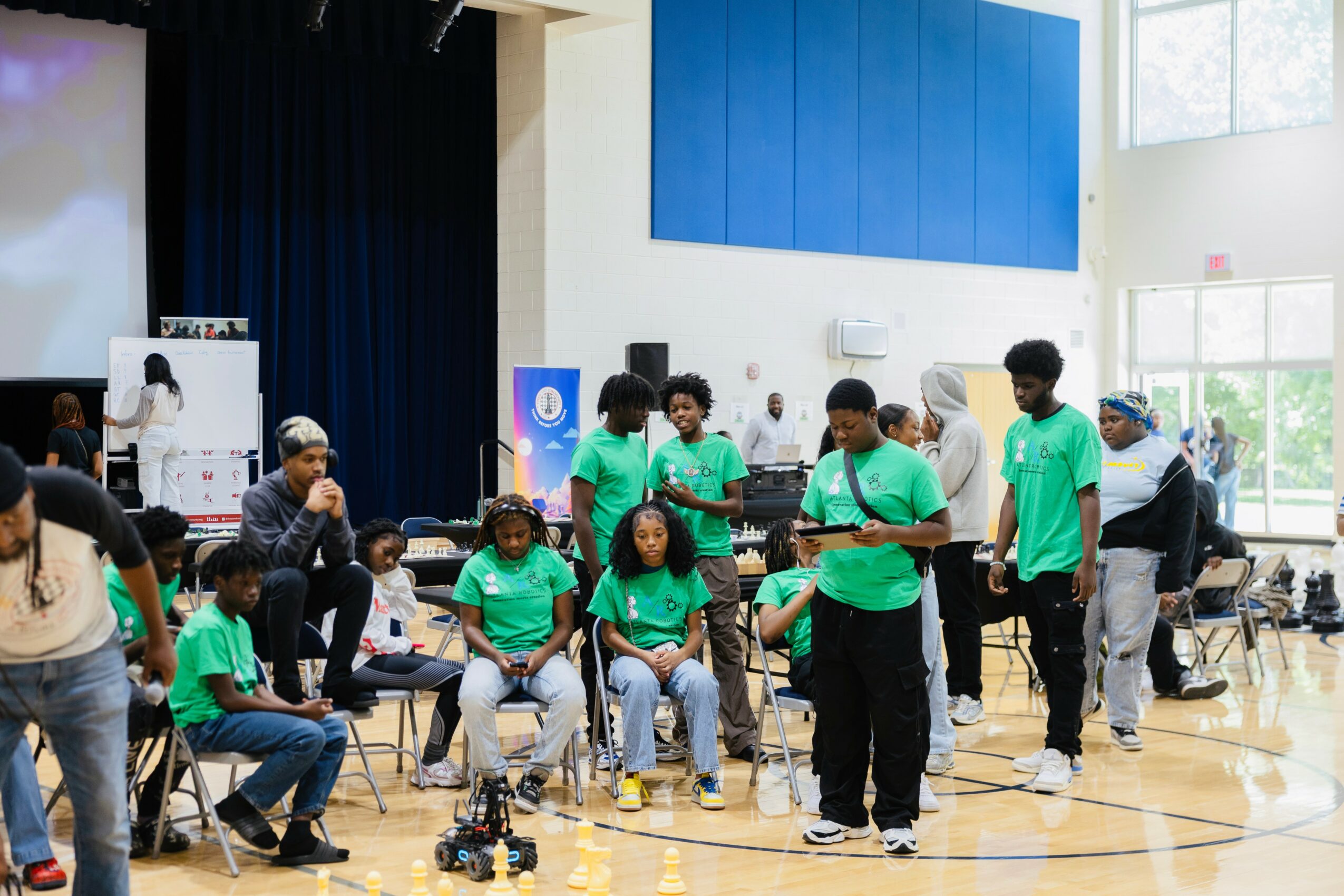
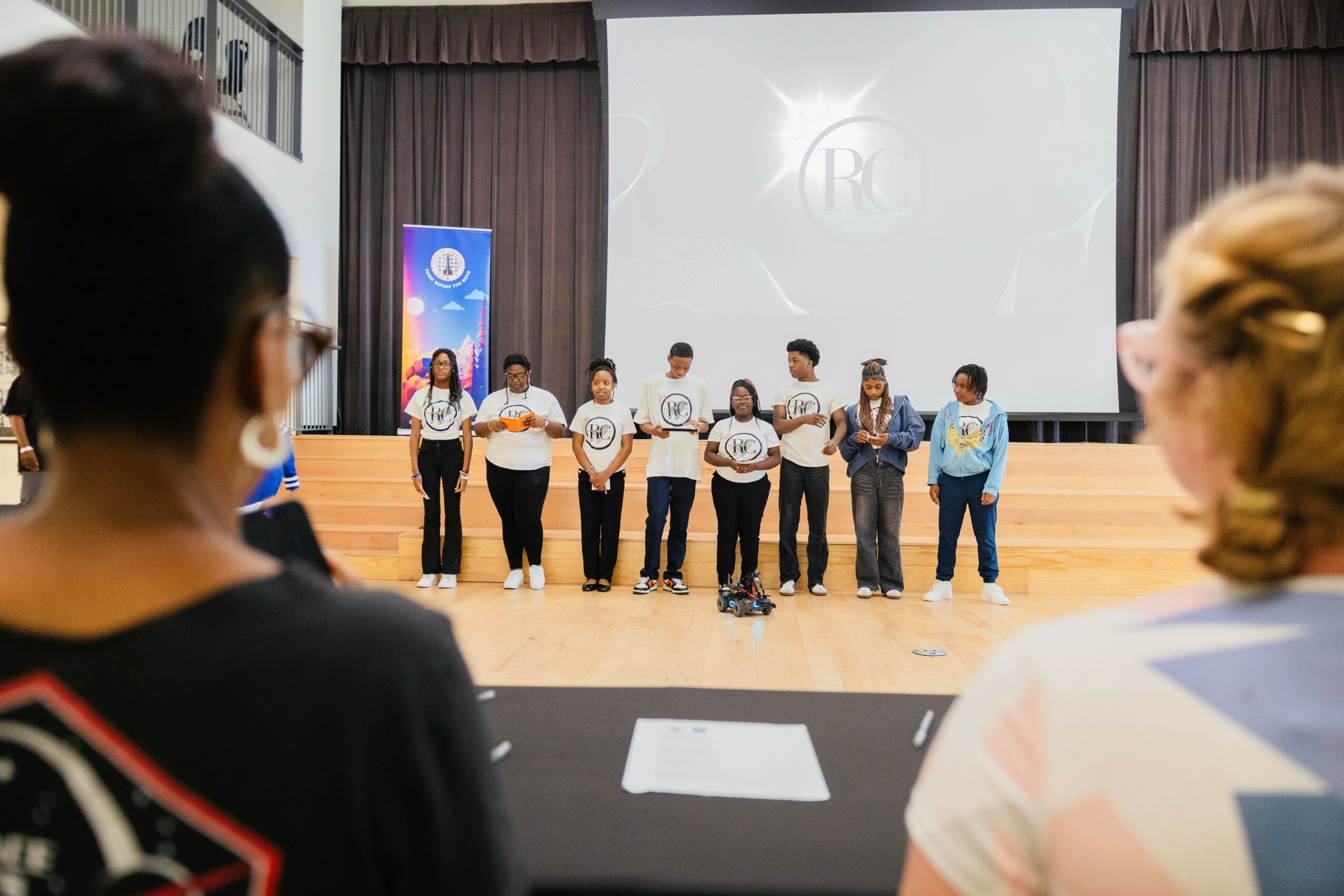
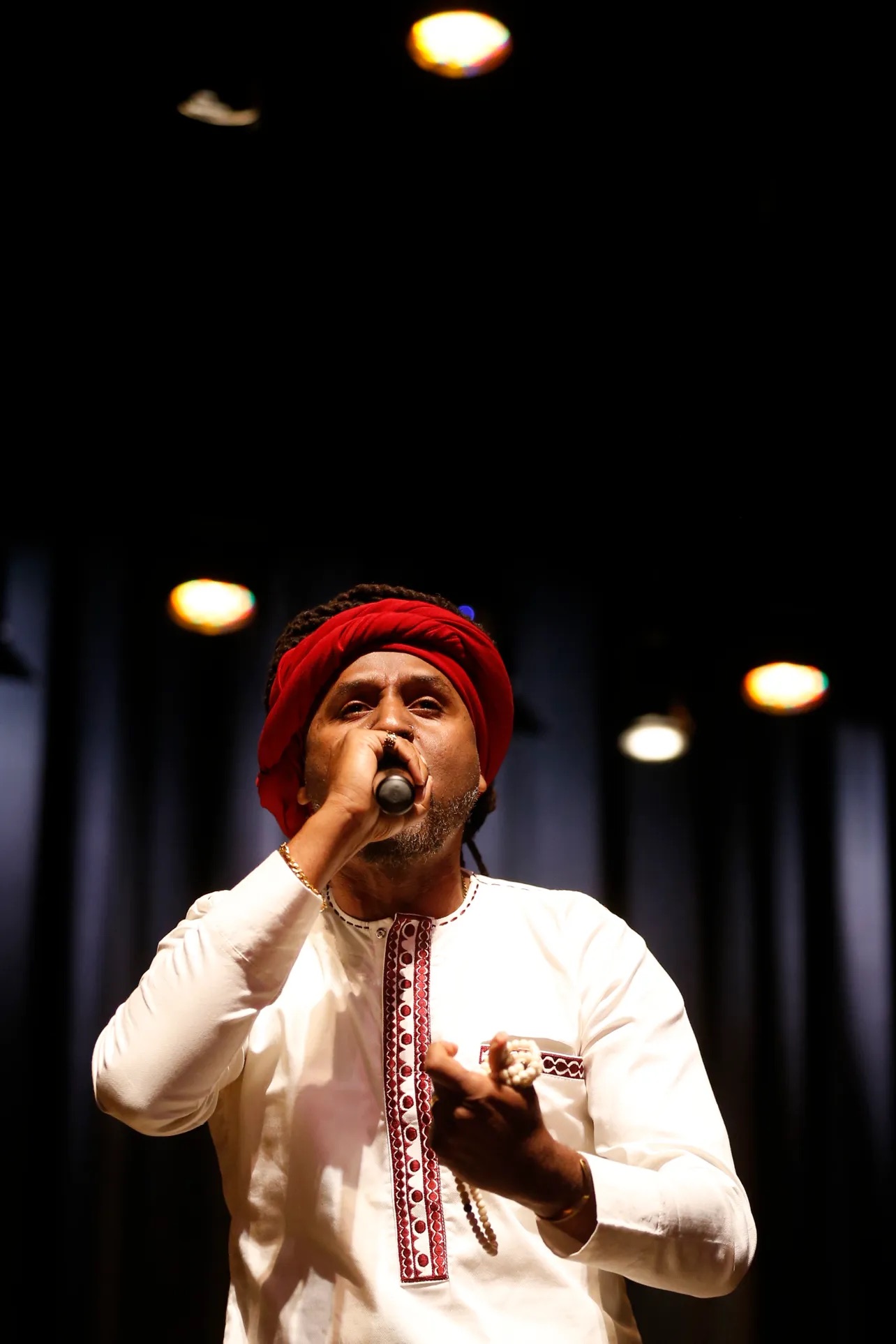
Image Credits
Joshua Jones
Ron Carson / Highlight Magazine
Semba Robert