



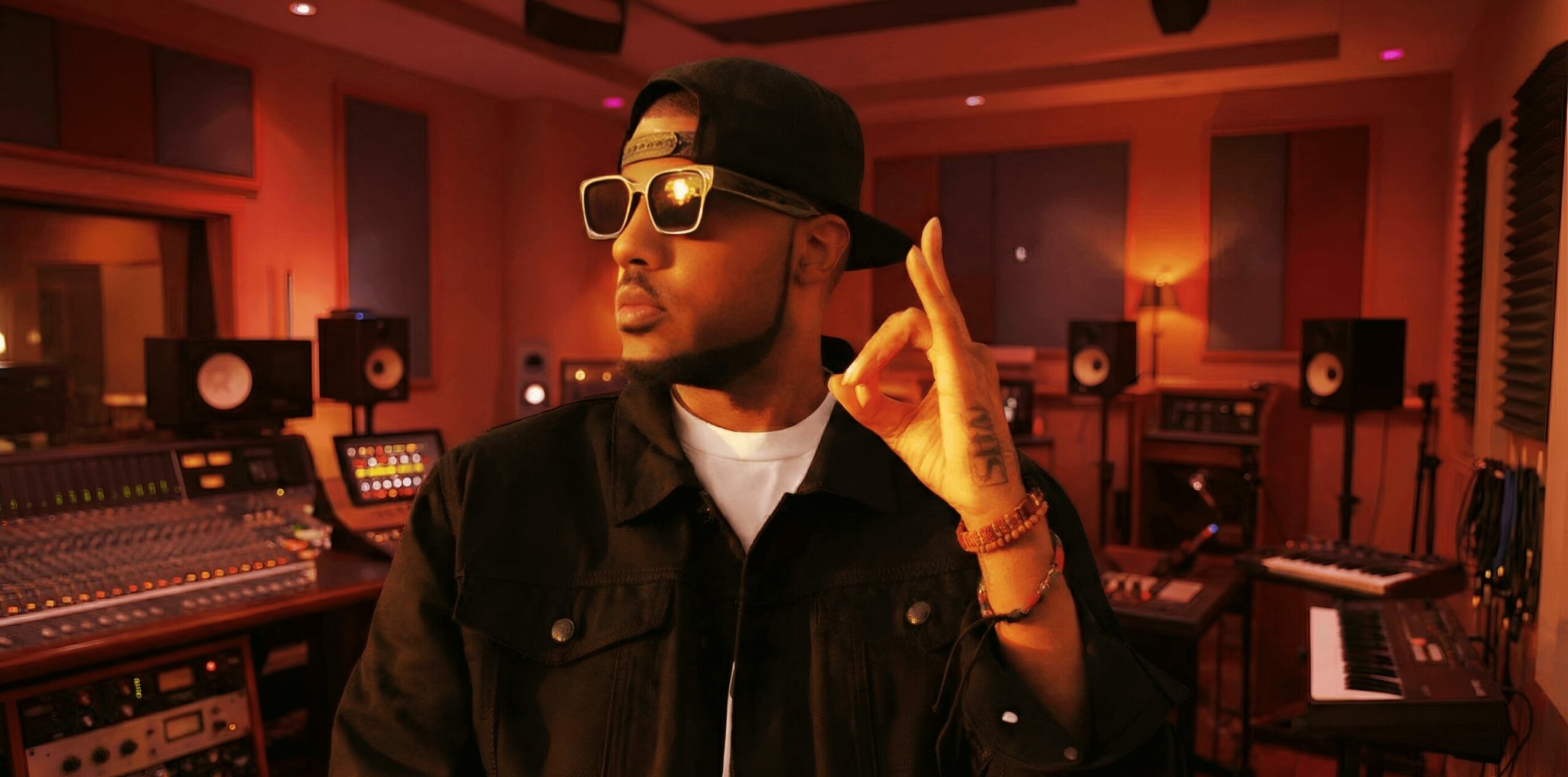
Today we’d like to introduce you to Believe.
Hi Believe, it’s an honor to have you on the platform. Thanks for taking the time to share your story with us – to start maybe you can share some of your backstory with our readers?
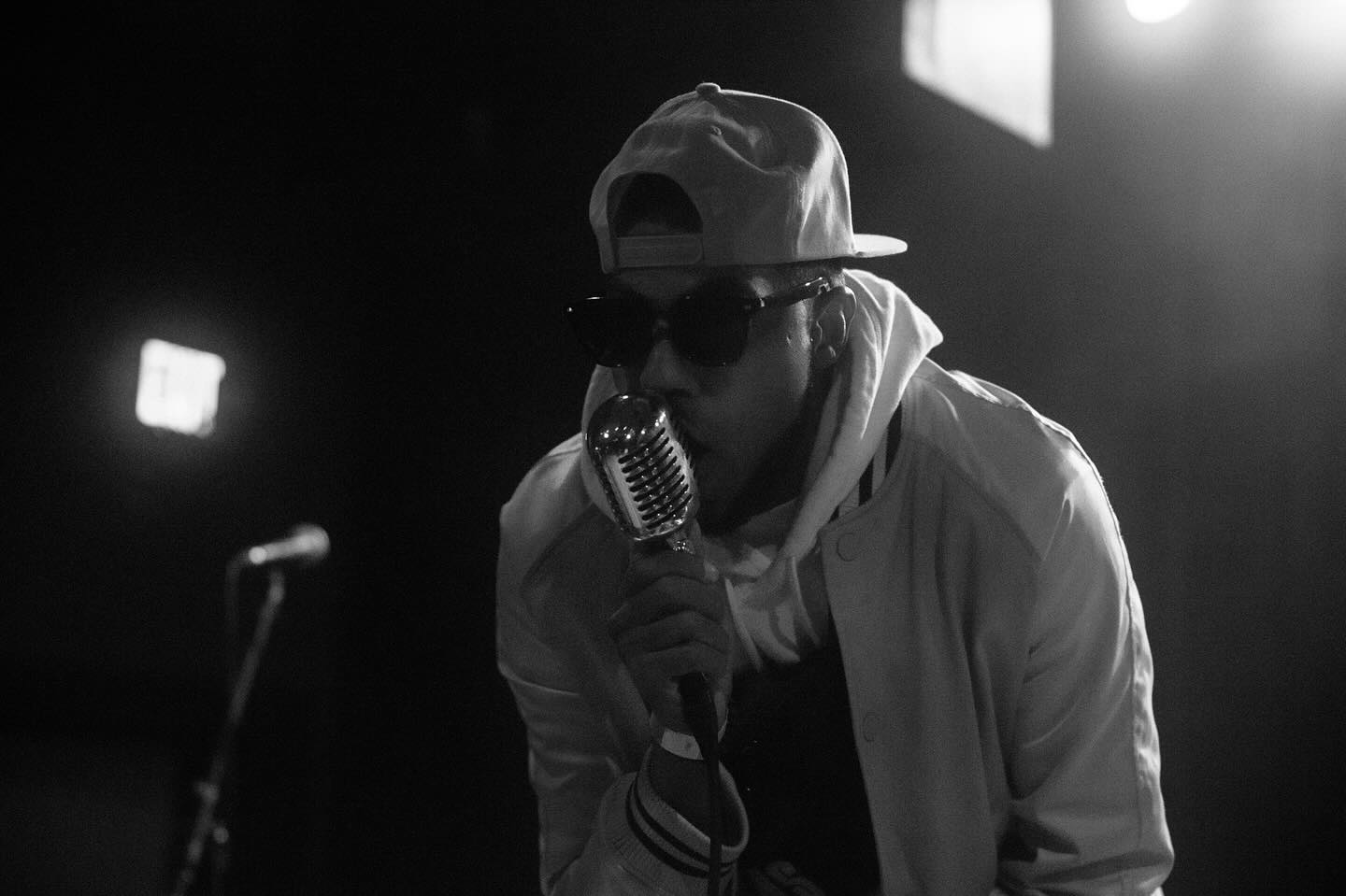
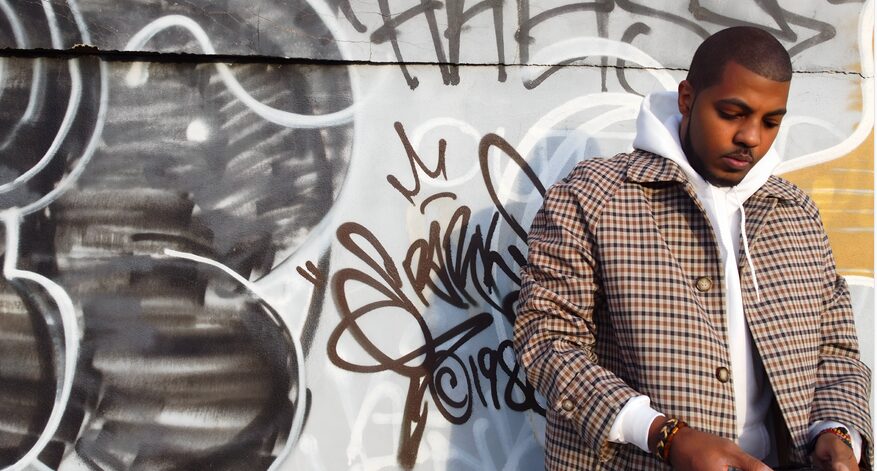
Believe, whose real name is Walter Harvey Jr., was born and raised in Columbia, South Carolina. He started making mixtapes in his bedroom at the age of 15 and was signed as a rapper fresh out of high school by legendary record executive and hip-hop pioneer Sylvia Robinson. Her label, Sugar Hill Records, was the first major label for hip-hop, releasing The Sugarhill Gang’s “Rapper’s Delight” and Grandmaster Flash and the Furious Five’s “The Message.” He spent the next few years working alongside Sugar Hill and Motown/Universal’s top record makers at Sugar Hill Studios in New Jersey before moving to Atlanta, where he quickly rose to the forefront of the city’s music scene.
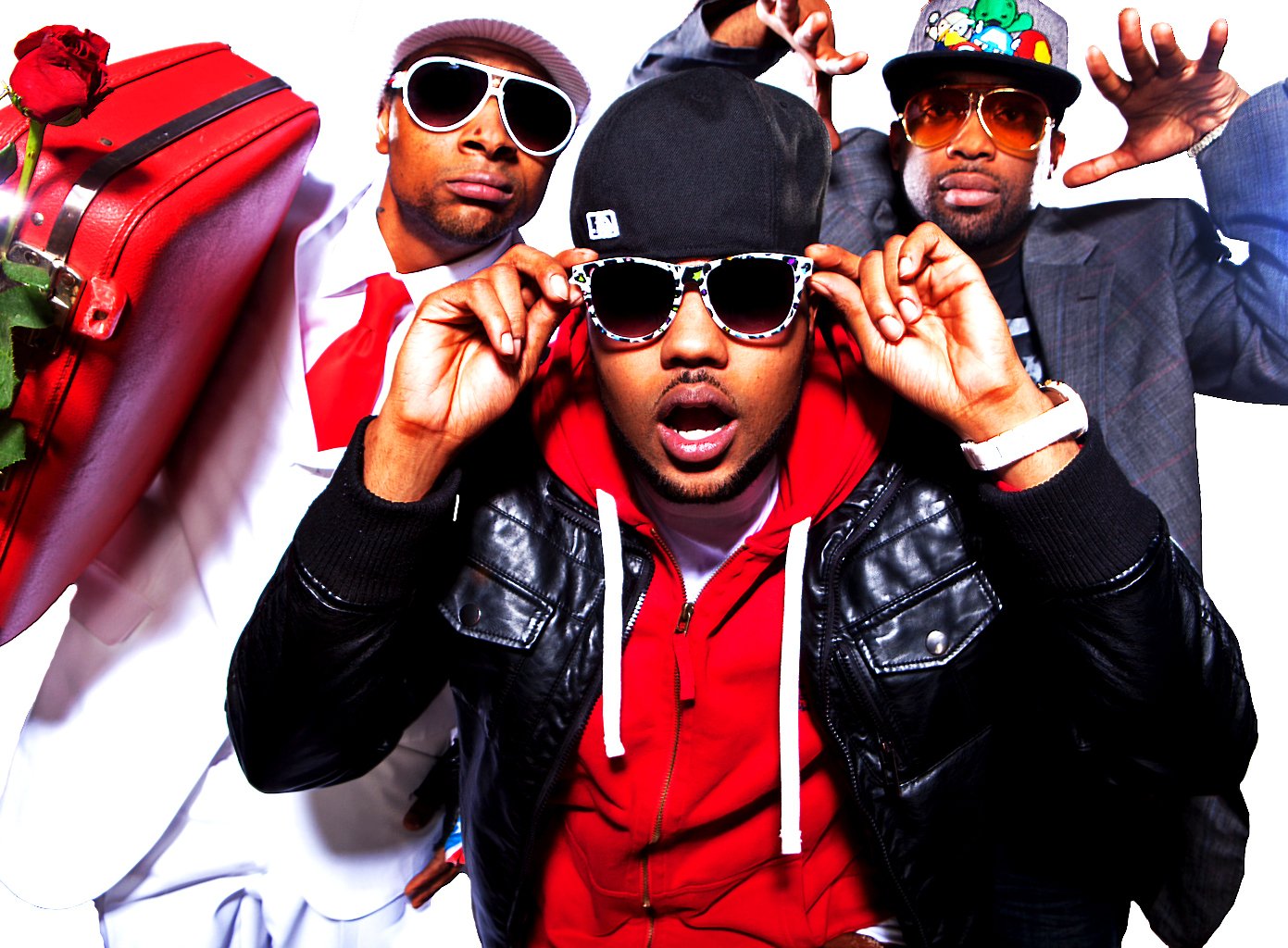
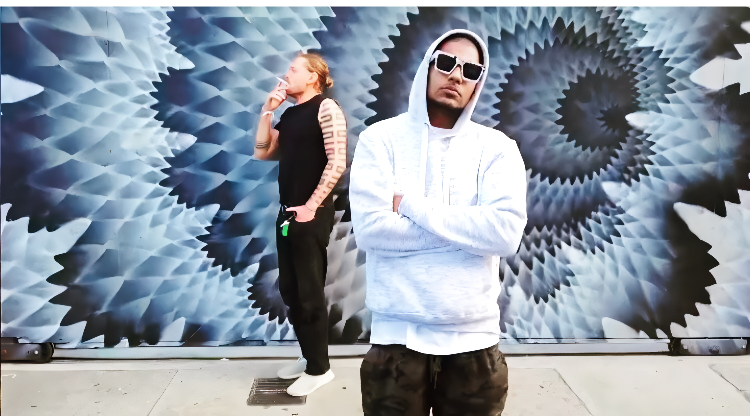
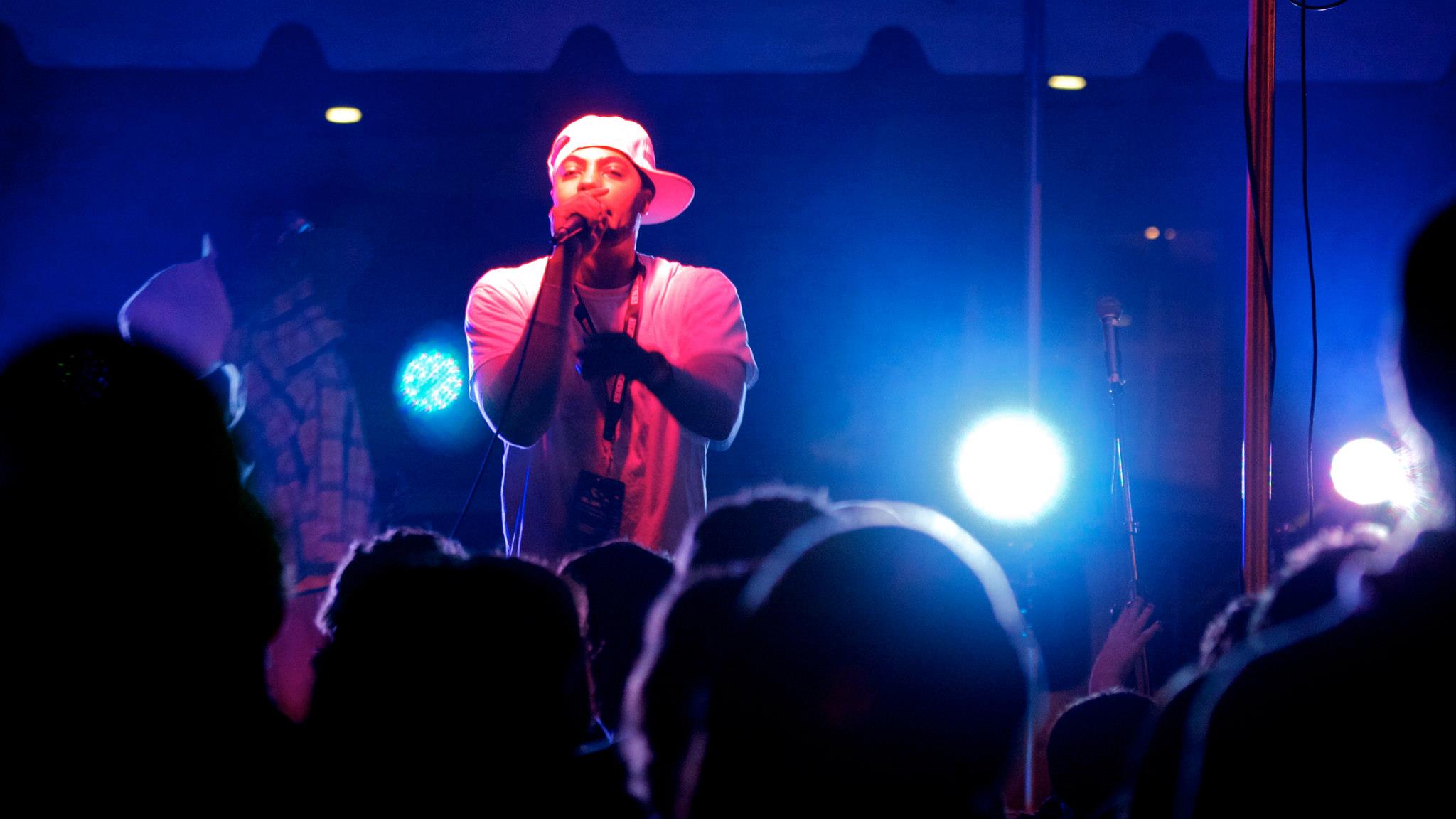
After releasing two critically acclaimed solo projects, he founded the multi-genre band “Grand Prize Winners From Last Year.” As one of Atlanta’s premier hip-hop ensembles, they performed with chart-toppers including The Roots, Kid Cudi, Three 6 Mafia, De La Soul, Diplo, St. Vincent, and Danny Brown. They went on to be featured in major publications The Fader and Rolling Stone, where J. Edward Keyes wrote: “Think full-band Outkast: These fellow ATLiens blend Dre and Big Boi’s knack for nimble rhymes with weirdo spaced-out funk horns and rock, making snarling songs that swivel and pounce.” Shortly after, Converse took notice and selected them as winners of their Rubber Tracks sponsorship, which granted “GPWFLY” the opportunity to record at the legendary Stankonia Studios, home to Outkast and Killer Mike. This is where he met one of his biggest inspirations, Rock and Roll Hall of Famer Big Boi of Outkast. He would later team up with producer sixtyhertz to form the synth-wave duo “VHS Celebs.” Their songs are inspired heavily by ’80s pop culture and feature collaborations with Jeremy Dawson and Chad Petree of the Grammy-nominated rock band “Shiny Toy Guns,” and Mic Murphy of the multi-platinum group “The System.”
Outside of releasing his own music, he has worked on projects with numerous artists, including Rick Ross, Too Short, T.I., Diamond D, Madlib, Westside Gunn, De La Soul, Talib Kweli, Daz Dillinger, Jagged Edge, Zaytoven, Koryn Hawthorne, Stacy Epps, NoCap, Quando Rondo, KRS-One, Slim Thug, Warren G, Fat Joe, and Spice.
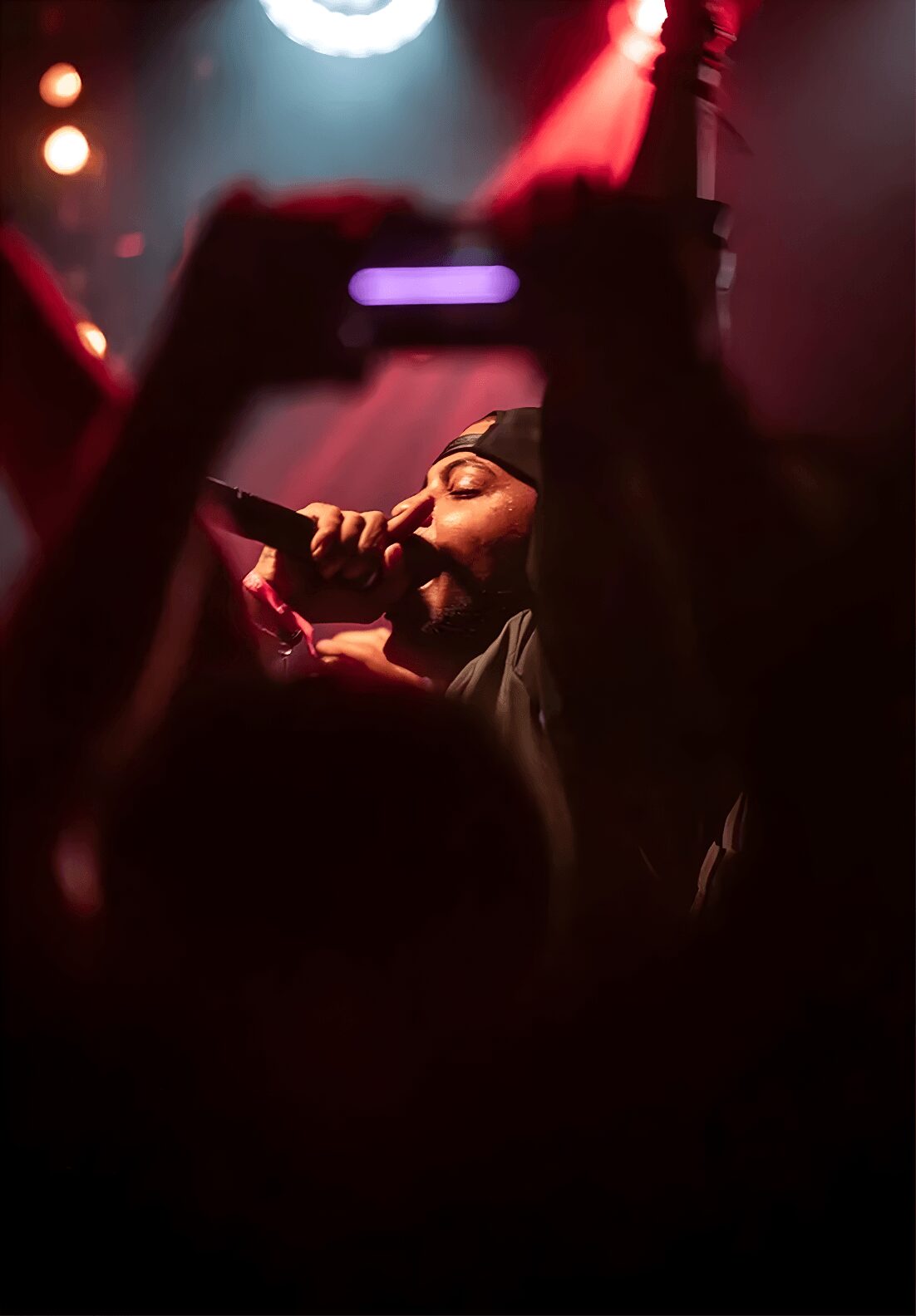
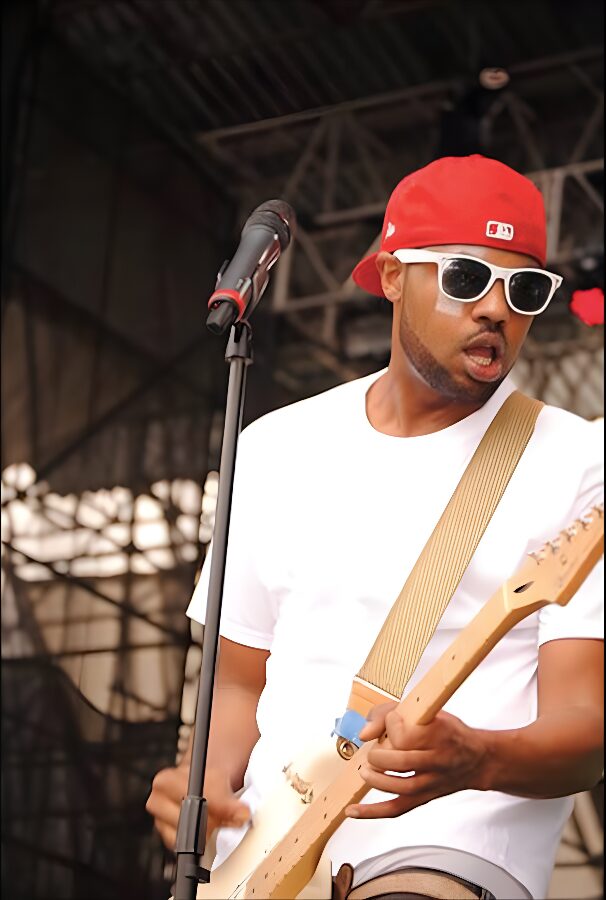
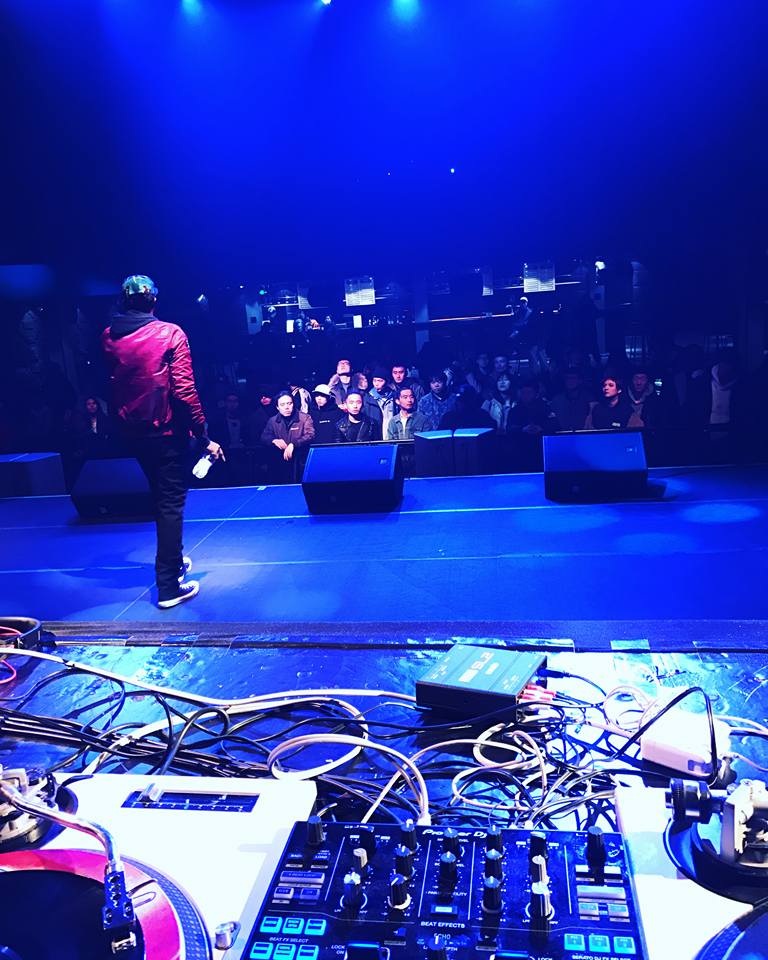
In recent years, Believe has taken on the role of Owner and CEO of his own label imprint, Big Panic Records. With a focus on developing emerging artists, he has secured partnerships with Virgin Music Global and Roc Nation, signing an impressive roster of talent from around the globe. He also continues to release an array of music under the monikers “Believe,” “Doom Raiderz,” “Vintage Velvet,” and “Audio Vimana,” while making time for appearances on television in BET’s The Bobby Brown Story, Growing Up Hip Hop Atlanta, and American Soul. His music has been licensed for hit series like Euphoria and Portlandia, and he has toured extensively, performing in Mexico, France, China, Spain, the UK, Poland, and Japan. Looking forward to 2026, Believe has several releases in the works, including collaborations with Benny The Butcher, Planet Asia, DJ Funky, Koncept, Switzon The Great, 4-ize, Doof, and Omasta. Follow him on Instagram: @Believe21atl.
Can you talk to us a bit about the challenges and lessons you’ve learned along the way. Looking back would you say it’s been easy or smooth in retrospect?
A life in music is never a sure bet. While the life of a professional artist is often romanticized, the reality involves rigorous challenges that span financial, emotional, and practical domains. You are essentially a small business, responsible for your own health insurance and retirement savings. Without the safety net of paid time off, if you don’t work—whether due to sickness or vacation—you don’t get paid. In addition, a massive portion of your time is spent on non-creative tasks: marketing, accounting, correspondence, shipping logistics, and contract negotiation. Time management is also a constant struggle. Unlike traditional jobs where you leave the office at 5:00 PM, an artist’s boundaries are porous. Success requires complete dedication, long nights in the studio, and intense focus.
Thanks – so what else should our readers know about your work and what you’re currently focused on?
I have worked as an artist, writer, producer, DJ, engineer, videographer, photographer, editor, creative director, and label owner. Through these roles, I have gained hands-on experience in every aspect of music creation, presentation, distribution, and marketing. I am proudest of the work I’ve done with top artists and legendary acts who were my childhood heroes, such as Bobby Brown, Mic Murphy of The System, and Shirley Jones of The Jones Girls. Having the opportunity to not only meet but work alongside those who inspired me is the best feeling in the world.
What sort of changes are you expecting over the next 5-10 years?
I think, like every other industry, music has been heavily affected by tech and the rise of AI. The shift from physical media to digital streaming—and now to the rise of AI—has fundamentally altered the ecosystem of professional artistry. While these technologies have democratized access to tools and distribution, they have simultaneously devalued the labor and process of creation.
The most immediate impact is financial. We have moved from an economy of sales to an economy of subscriptions. In the physical era, selling 5,000 CDs at $15 each could sustain an independent artist for a year. Today, 5,000 streams earns roughly $15–$25 total. To survive in the streaming economy, artists are subconsciously (or consciously) altering how they create to please algorithms rather than human emotion.
An album was once a cohesive narrative statement. Now, because listeners cherry-pick singles, albums are often treated as just a “folder of content” to feed the algorithm. Deep cuts and experimental tracks are incentivized out of existence. Streaming has also led to the loss of context and credits. Physical media like LPs and CDs came with liner notes, booklets, and artwork that provided crucial context. In the streaming age, songwriters, producers, session musicians, and engineers are often invisible. You rarely see the names of the people who made the record, which hurts their ability to build a reputation and get future work.
The shift to digital has also changed the relationship between fan and artist. When access to music is infinite and instant, the value feels lowered. Music and art become disposable content rather than cherished possessions. The ritual of going to a store, buying a record, and sitting down to listen is replaced by passive, algorithmic feeding. I see more artists these days making physical music and opting for a direct-to-consumer model that hopefully will get us back to a time of appreciation for the art.
Contact Info:
- Instagram: https://www.instagram.com/believe21atl/?hl=en
- Facebook: https://www.facebook.com/audia.vimana.9/
- Youtube: https://www.youtube.com/channel/UCwjxXZpakbfm5uVNpA_SC3w