


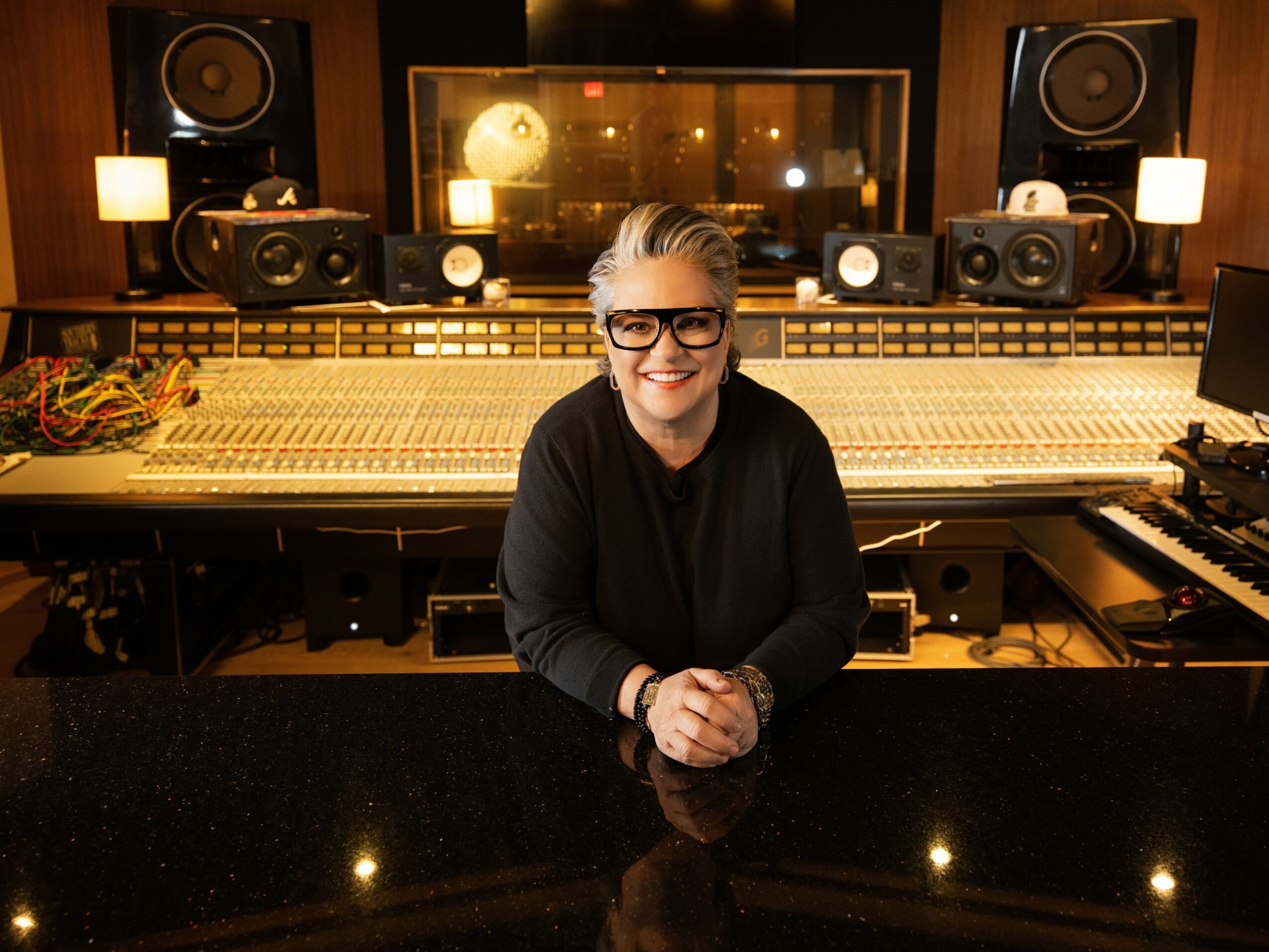
Today we’d like to introduce you to Tammy Hurt.
Hi Tammy, it’s an honor to have you on the platform. Thanks for taking the time to share your story with us – to start maybe you can share some of your backstory with our readers?
My earliest memories are rooted in music and community. When I was four years old, my mom sang and played keyboards in an all-female cover band called The Body Shoppe, and I spent my early childhood in rehearsal rooms watching musicians work. I still vividly remember the first time I laid eyes on a drum kit — I felt an immediate gravitational pull. When I was invited to sit at the kit, I started playing instinctively, and I’ve been playing ever since. Music wasn’t something I discovered later in life; it was the environment I grew up in.
Because my mom worked closely with legendary Atlanta concert promoter Alex Cooley, I also grew up backstage at major rock shows. Those experiences gave me a unique perspective — not just on performance, but on the infrastructure behind the industry: the crews, producers, logistics, and people who make creative worlds function. I learned early that creativity and organization are deeply connected.
After college, I began my professional career as a working drummer, touring and recording as a session musician. Life on the road and in studios taught me discipline, collaboration, adaptability, and the importance of trust — lessons I continue to carry forward in how I lead and build today.
Over time, my career expanded beyond performance into entrepreneurship and creative leadership. I launched and grew businesses that connect artists, composers, storytellers, and global brands across film, television, sports, and live experiences. What began as hands-on creative work evolved into building teams, structuring partnerships, and translating creative vision into scalable, sustainable outcomes.
Atlanta has always been my anchor. It’s a city where genres collide and culture moves forward. Music is for everyone. Whether 20,000 of us walk into State Farm Arena or 70,000 into Mercedes-Benz Stadium, we come to see the artists we love — and we sing the same songs together. That shared experience has shaped my belief that music is one of the most powerful forces we have to bring communities – and specifically Atlanta – together for the greater good, and it continues to guide both my creative work and my leadership.
In parallel with my entrepreneurial work, I spent more than fifteen years in nonprofit and industry leadership, most recently serving as Chair of the Board of Trustees for Recording Academy. During that time, I helped guide governance transformation, strengthen financial sustainability, and support the evolution of a legacy institution during a period of significant change.
Today, my work spans music, entertainment, strategy, and execution. Whether I’m in a studio, a boardroom, or a community conversation, I’m a builder at heart — committed to creating environments where creativity thrives, people feel connected, and music serves as a bridge toward something better. When we serve our purpose as leaders, we don’t just do the work — we leave what we touch stronger than we found it.
We all face challenges, but looking back would you describe it as a relatively smooth road?
It has not been a smooth road — the challenges shaped the leader I am today.
The music industry is hard. Being a woman in the music industry is harder. And being a queer, female musician comes with its own set of challenges — especially when you step into positions of authority. Creative leadership is often celebrated in theory, but questioned in practice when it comes from women. You learn quickly that competence alone isn’t always enough; you also have to navigate perception, bias, and expectations that weren’t designed with you in mind.
Early in my career, I experienced this from another angle as well: as a drummer. There are still only a handful of women in that space, and walking into rooms where you’re both underestimated and highly visible creates a unique kind of pressure. You have to play well, earn trust quickly, deliver consistently, and develop a thick skin — all while staying connected to why you started.
Those experiences taught me resilience — and responsibility. I learned to stay grounded in my work, to let preparation and results speak louder than assumptions, and to build alliances with people who value substance over stereotypes. As I gained influence, I became intentional about using it — creating space, building bridges, and opening doors for those coming behind me. Over time, I stopped trying to fit into existing molds and focused on building my own.
Looking back, the challenges didn’t harden me — they sharpened me. They gave me clarity, confidence, and a deep commitment to lifting others as I move forward. Today, resilience means leading with intention, integrity, and accountability — and leaving the door wider open than I found it.
Thanks – so what else should our readers know about your work and what you’re currently focused on?
I’m most proud of the work that creates lasting impact — work that changes systems, opens doors, and leaves things stronger than I found them.
One of the accomplishments I’m proudest of is helping lead the effort through Georgia Music Partners to pass Georgia’s first-ever standalone music legislation. That moment wasn’t about a single win; it was about recognizing the economic and cultural power of music and securing real, structural support for the creative community at a state level.
I’m also deeply proud of the years of transformational work I helped lead at the Recording Academy. Alongside an extraordinary board and management team, we guided the organization through a period of meaningful evolution — strengthening governance, restoring financial stability, modernizing systems, and positioning a legacy institution for the future of music.
On a more personal level, I’m proud of continuing to release new music as an independent artist, Sonic Rebel. Staying creatively active keeps me grounded, honest, and connected to the artist experience — which informs every leadership decision I make.
And I’m proud of building Placement Music from an idea rooted in community into a thriving business. It began with identifying opportunity for composers and creators that grew into work that reached the biggest stages — including scoring a Super Bowl broadcast for FOX Sports.
What sets me apart is my ability to take a creative idea and turn it into something durable — a sustainable business, a scalable platform, or a system that supports others. I know how to move between art and execution, vision and structure, and that balance is where real impact lives.
What sort of changes are you expecting over the next 5-10 years?
AI is going to significantly impact all of our lives — and the music industry is no exception. In many ways, it already has.
Over the next five to ten years, AI will continue to reshape how music is created, distributed, discovered, and monetized. It will accelerate workflows, unlock new creative tools, and expand access in ways that are genuinely exciting. At the same time, it will force the industry to confront hard questions around authorship, ownership, compensation, and the value of human creativity.
The biggest shift won’t just be technological — it will be philosophical. The industry will need to decide what it protects, what it embraces, and how it builds systems that reward innovation without erasing the people who make the art. Artists, creators, and rights holders will increasingly demand transparency, fairness, and guardrails that ensure technology serves creativity, not the other way around.
I also believe we’ll see a renewed emphasis on community and live experience. As technology makes more things virtual and automated, the human connection — shared moments, collective experiences, cultural identity — will become even more valuable. Music has always been a unifying force, and in an increasingly digital world, that role only grows.
The future belongs to leaders and organizations who can hold both truths at once: embracing innovation while fiercely protecting creative integrity. If we get that balance right, the next era of music won’t just be more efficient — it will be more meaningful.
Contact Info:
- Website: http://tammyhurt.com
- Instagram: @tammyhurt
- Facebook: @tammyhurt
- LinkedIn: https://www.linkedin.com/in/tammyhurt/
- Other: http://www.placementmusic.com
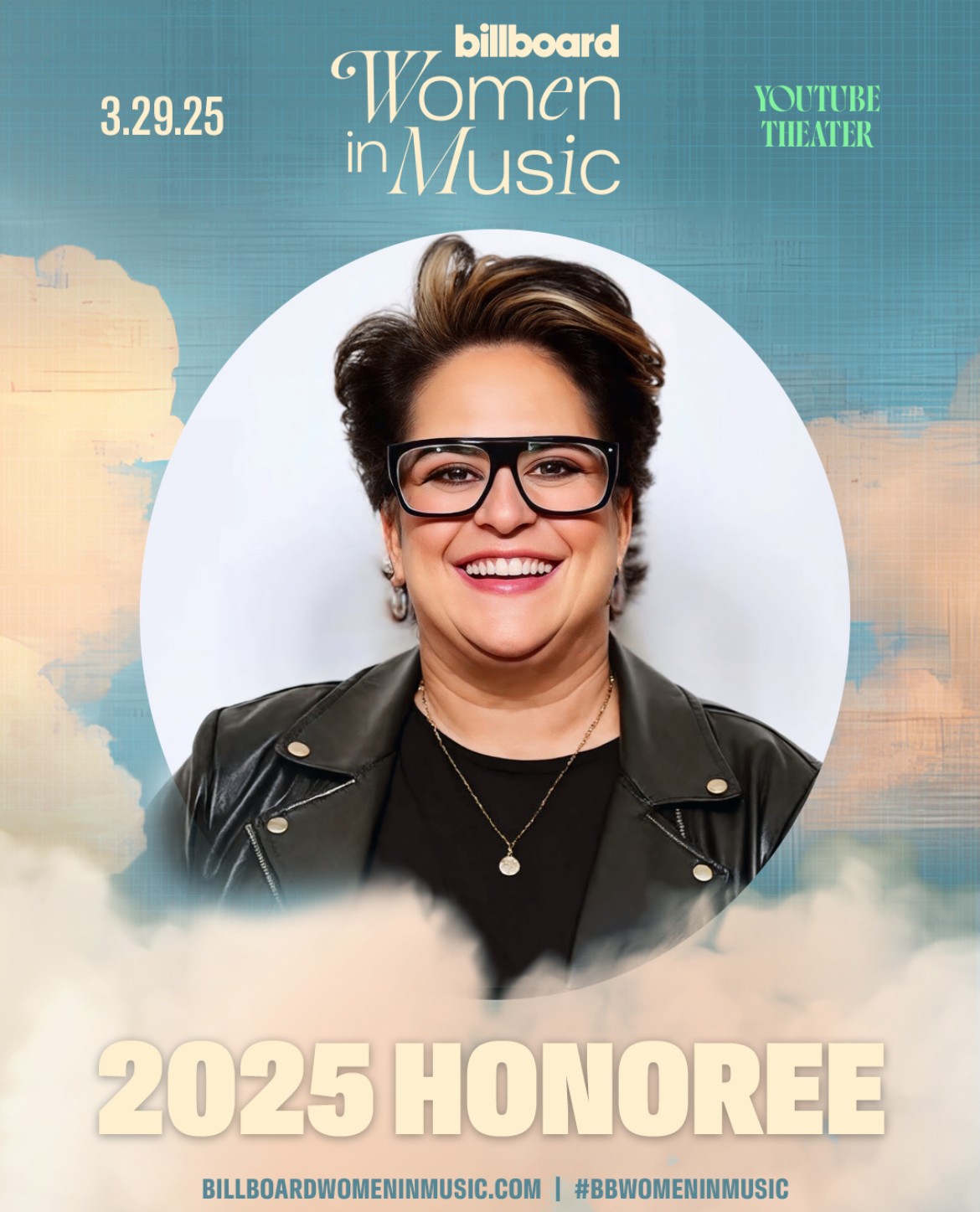
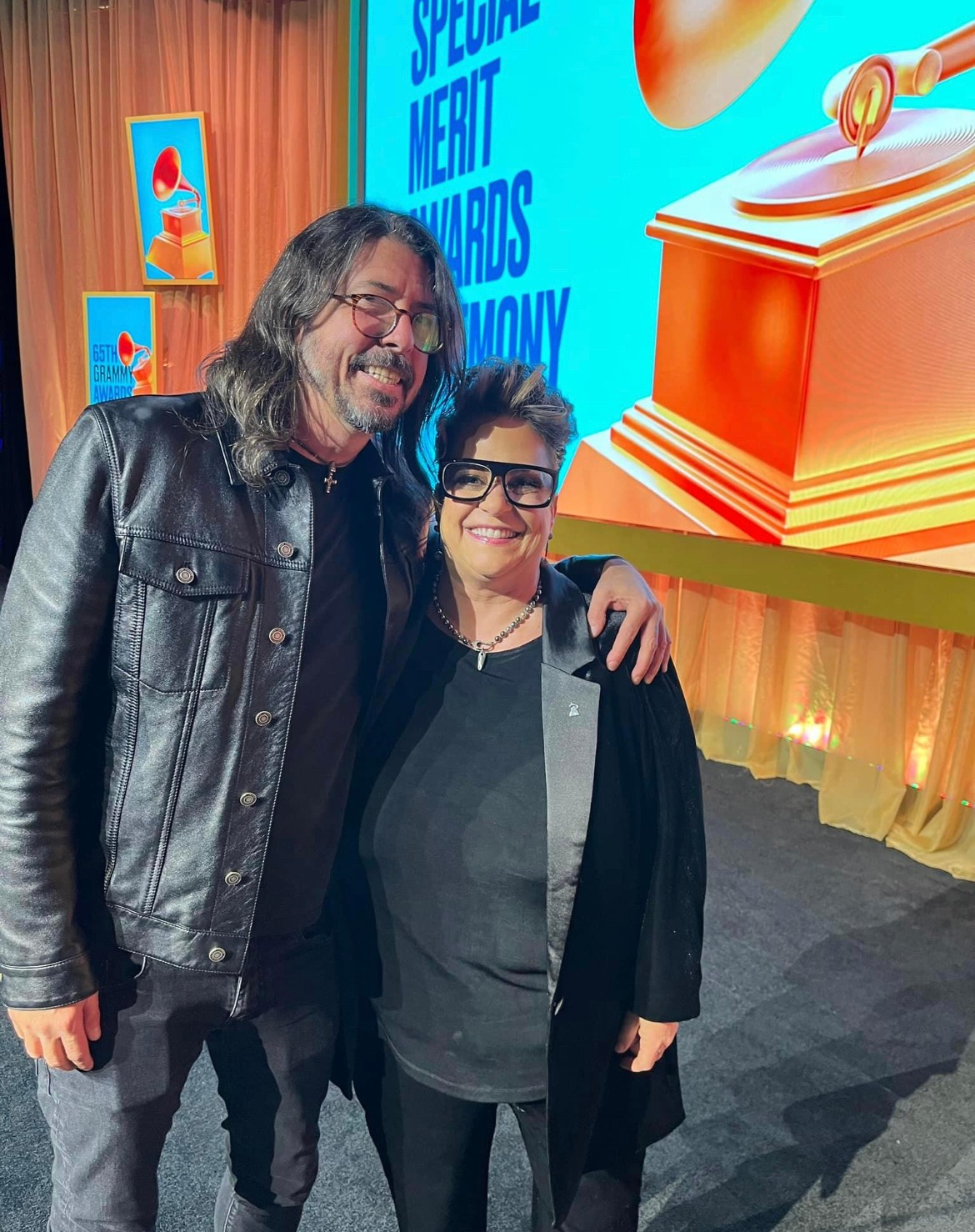
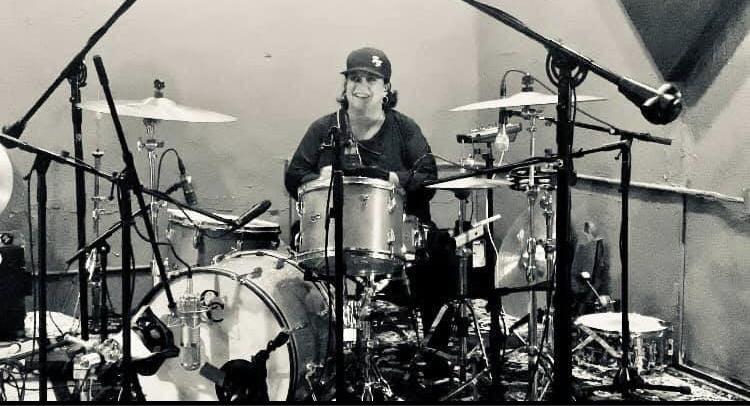
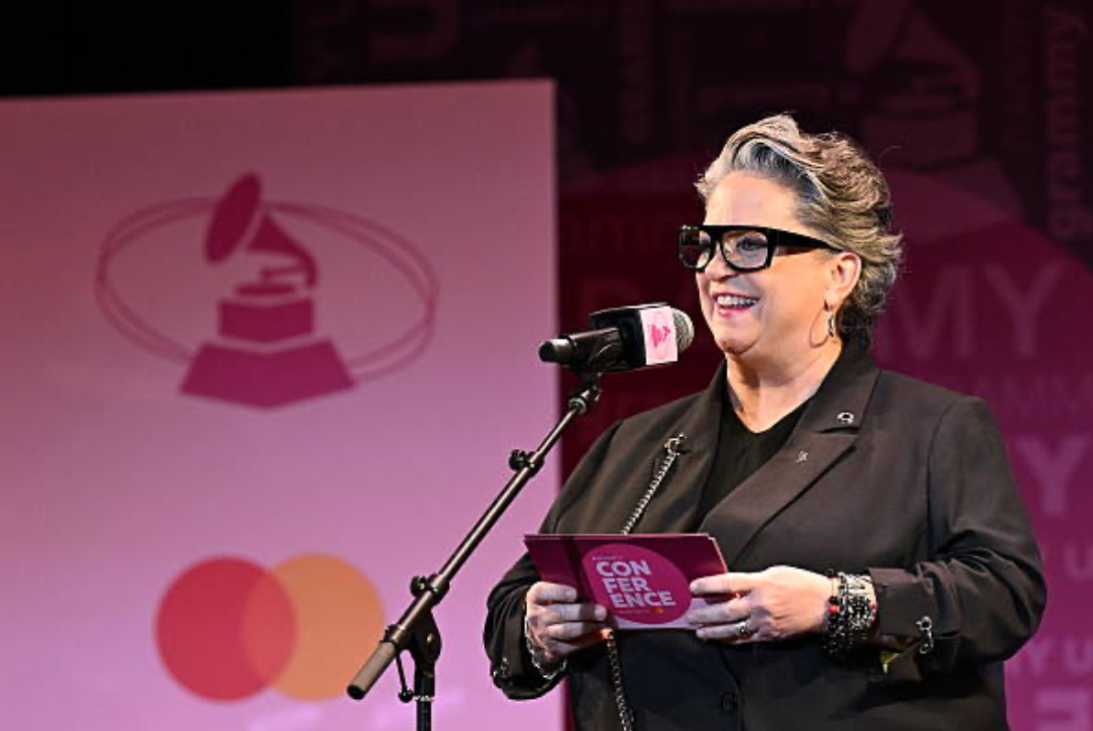
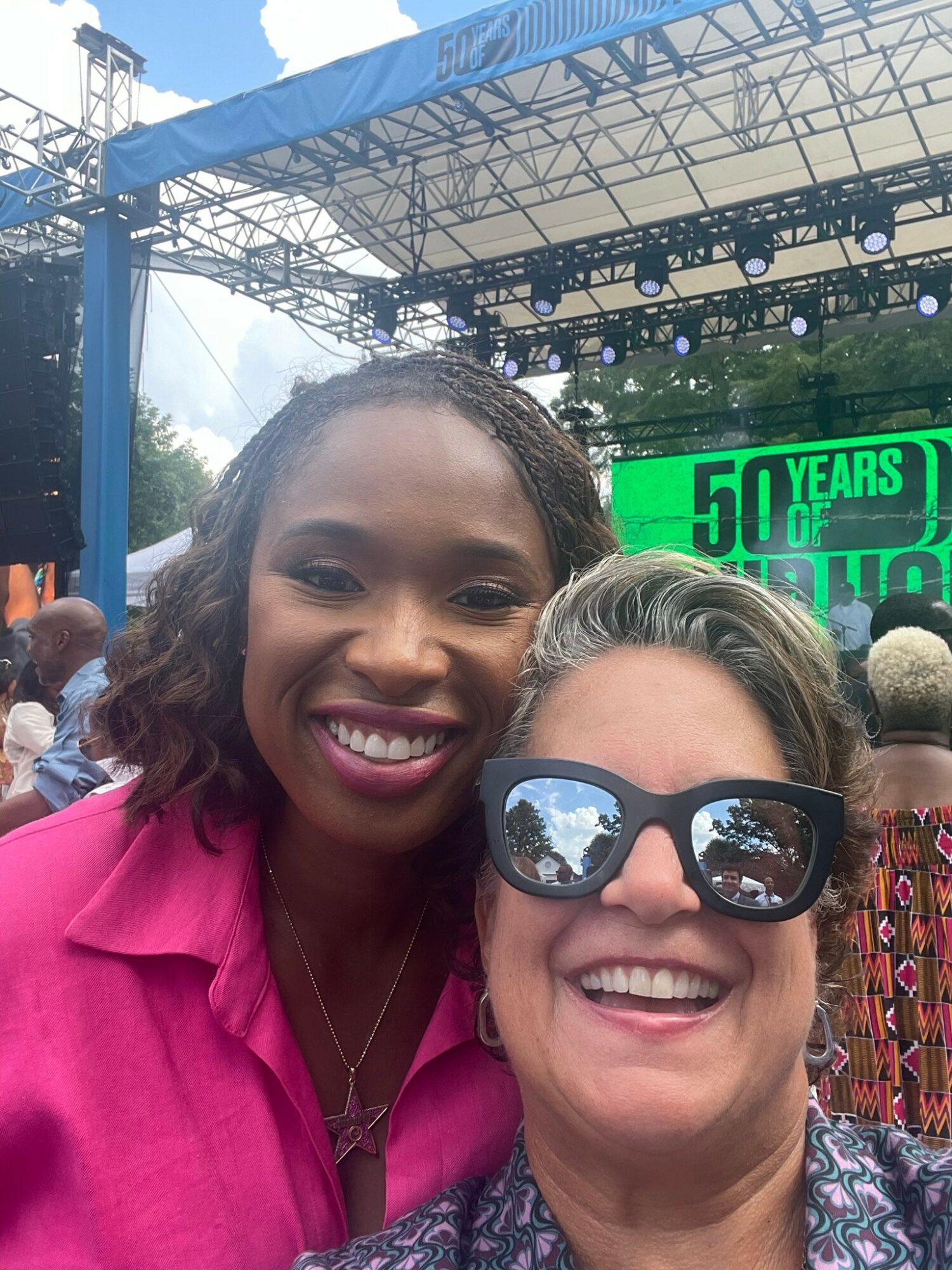
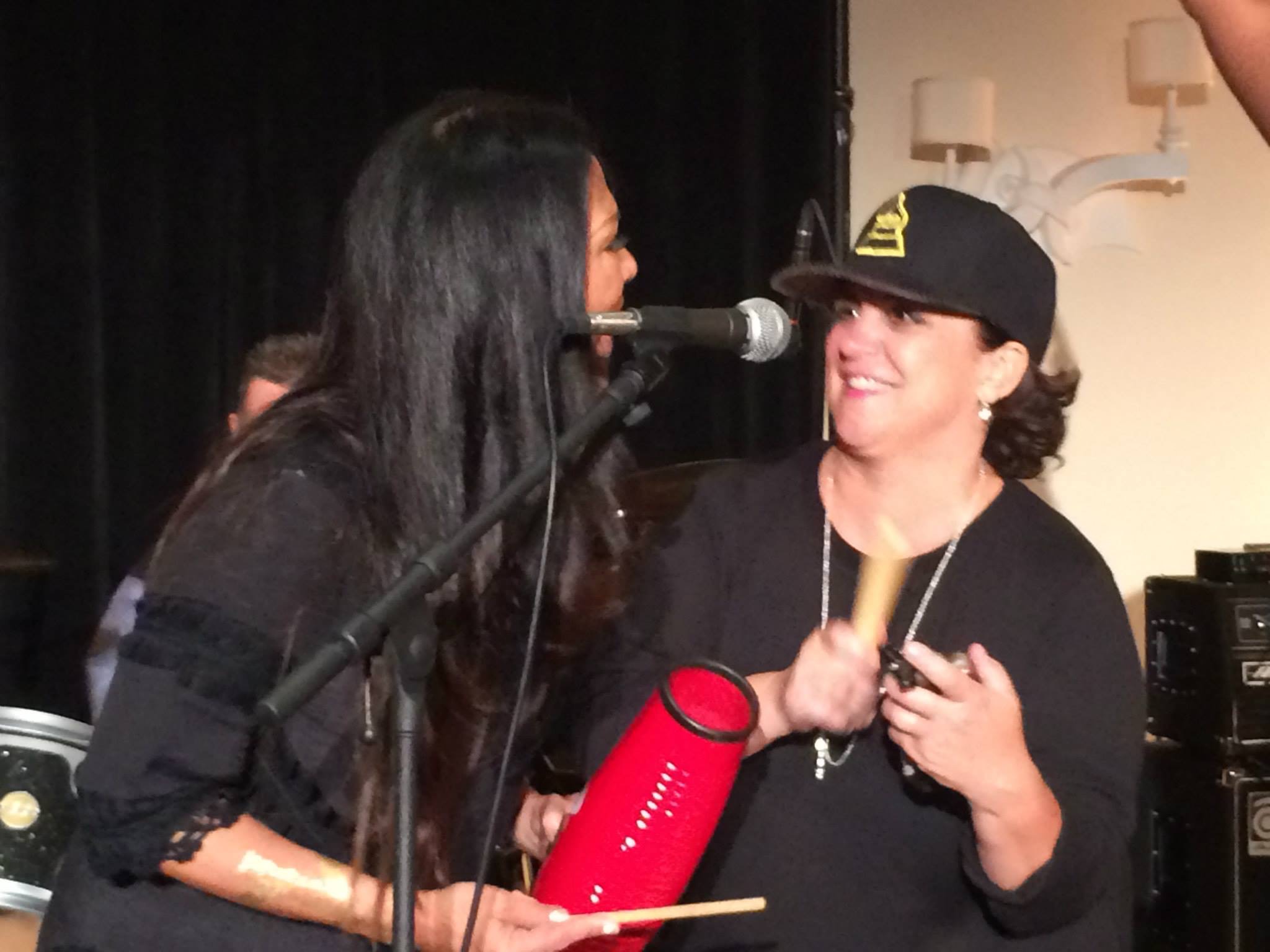
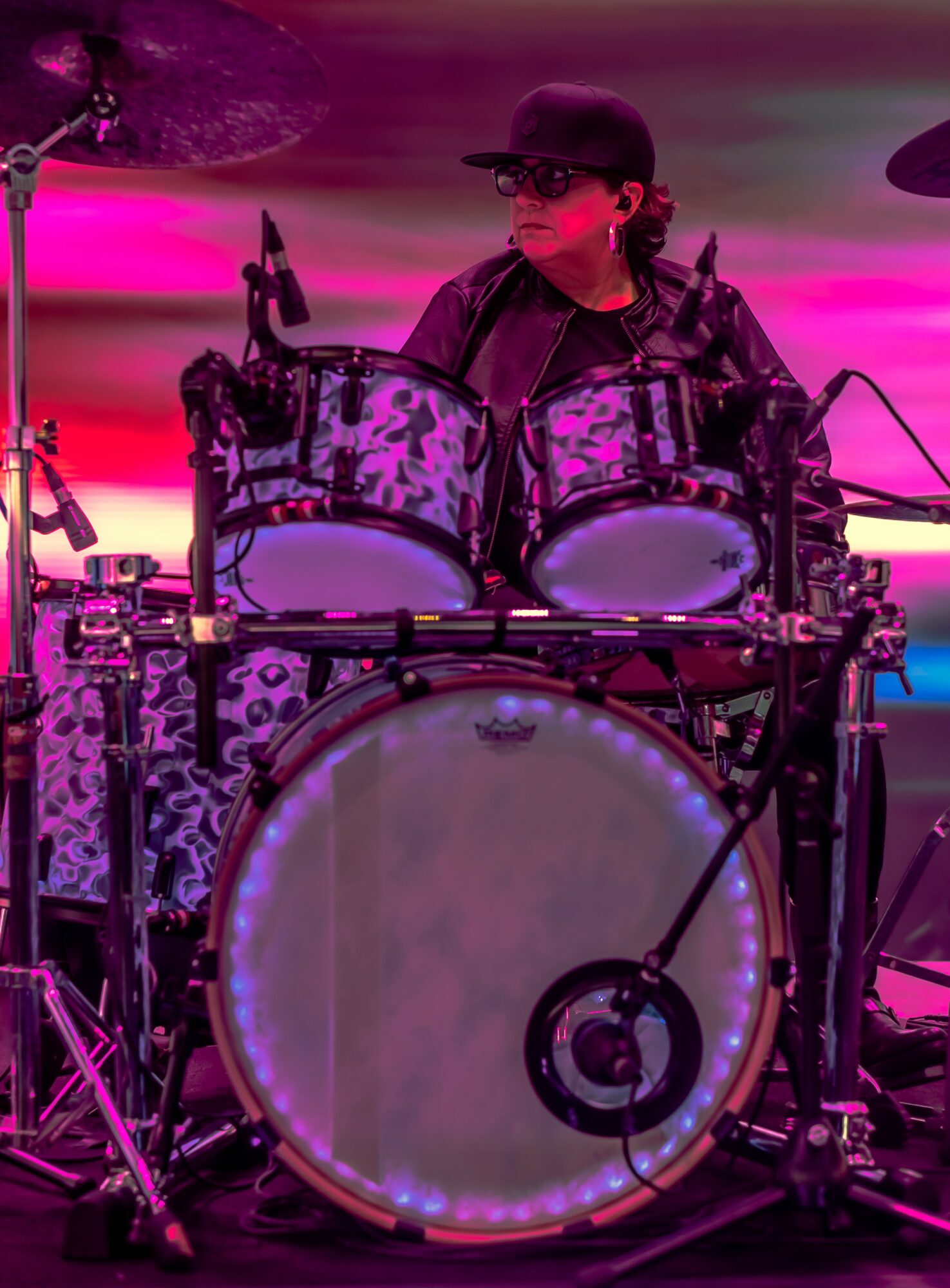
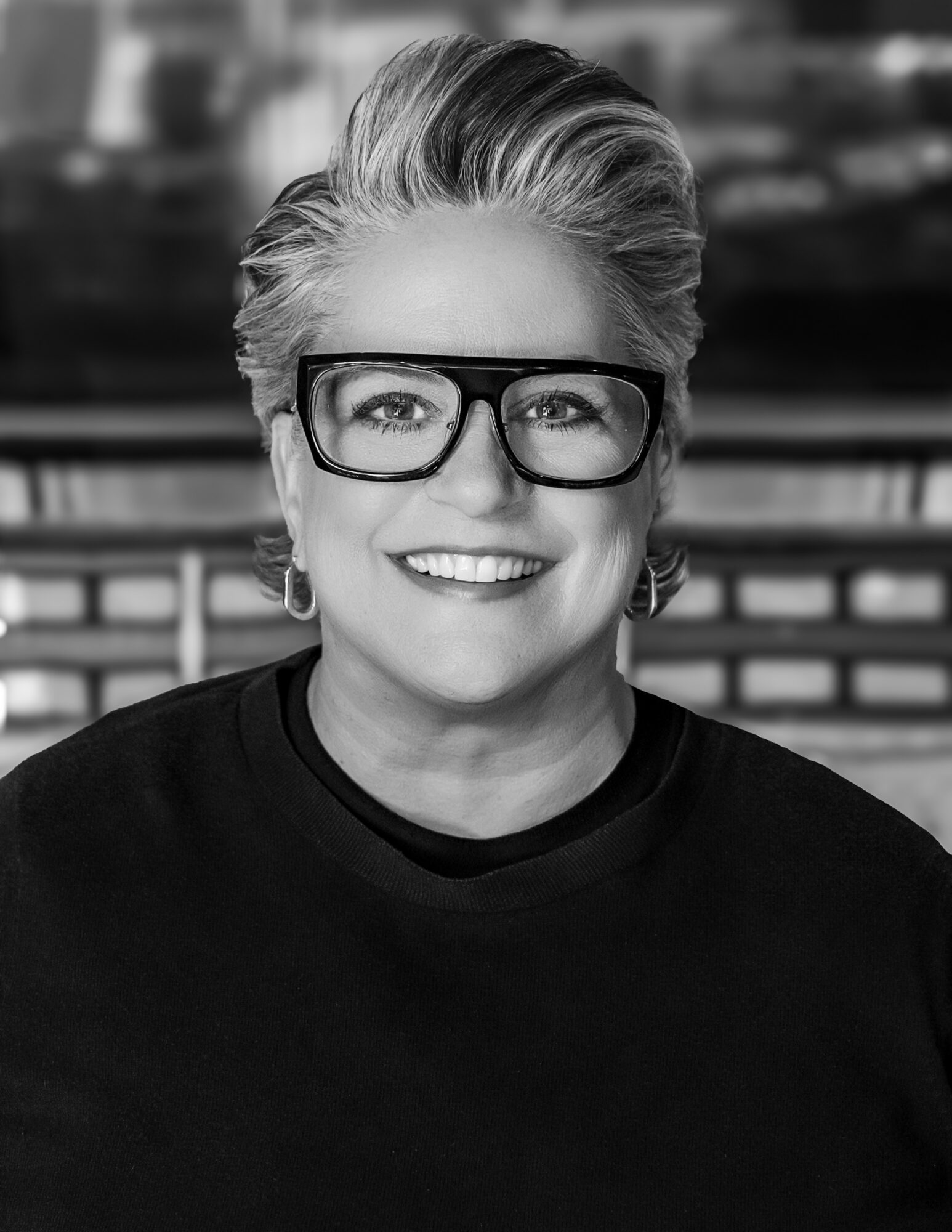
Image Credits
Tammy Hurt Studio images (the main personal photo and the B/W headshot), photo credit is: Jolie Loren Rizzi.
Popular
-

Hidden Gems: Local Businesses & Creatives You Should Know
-

ATL’s Most Inspiring Stories
-

Satoya Hayes on Turning Beauty 2 Extensions into a Platform for Affordable Confidence and Entrepreneurial Opportunity
-

Portraits of Atlanta
-

Asha Ford on Building Krystal Klear Motion and Creating Purpose-Driven Design for Women
-

Truth in Every Verse: Jay Erve on Identity, Experience, and Creating Art That Lasts