






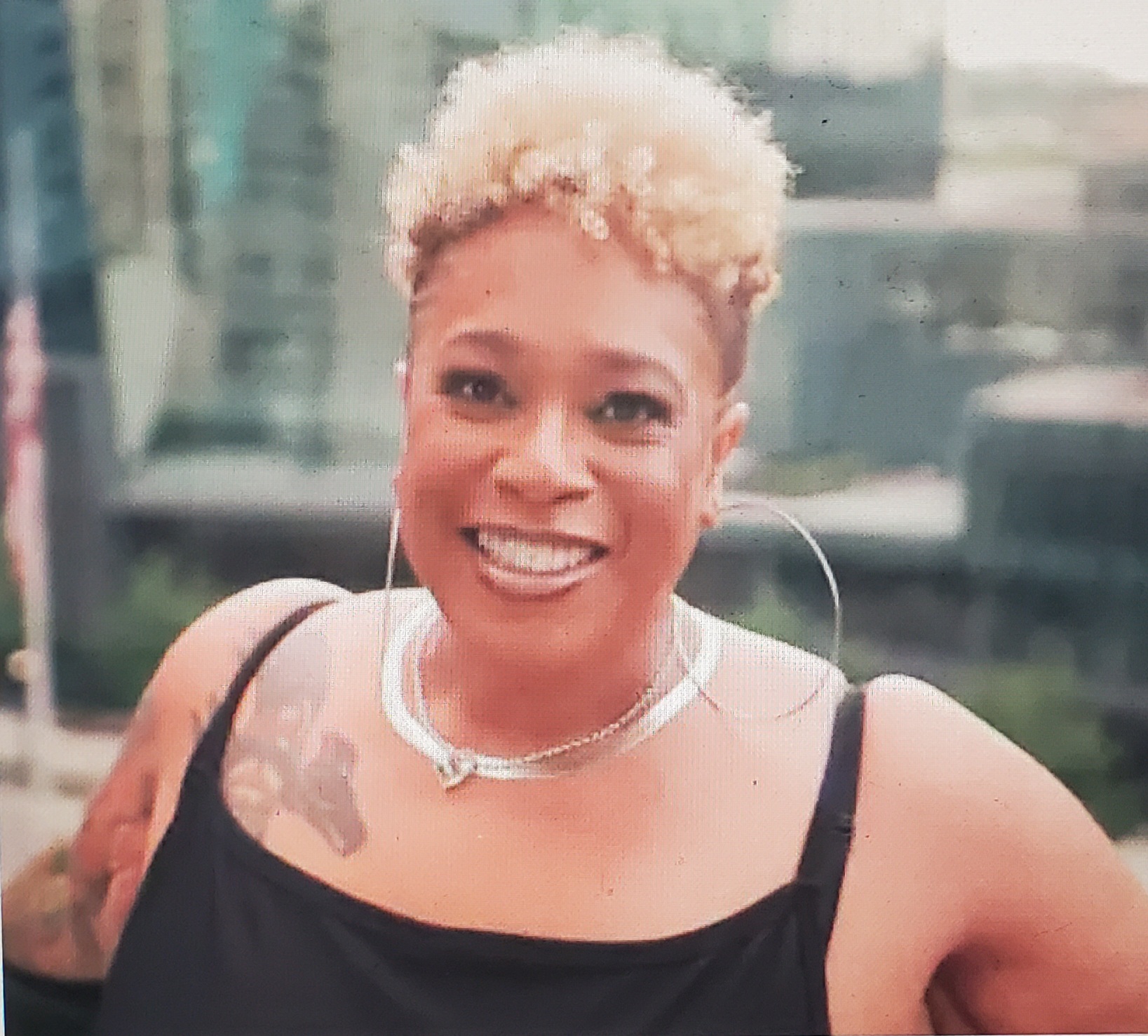
Today we’d like to introduce you to Treva Sexton.
Hi Treva , we’re thrilled to have a chance to learn your story today. So, before we get into specifics, maybe you can briefly walk us through how you got to where you are today?
My professional journey into the field of mental health was not one I initially planned, but it has proven to be both purposeful and deeply fulfilling. I began my career at Ford Motor Company at the age of 24, fully expecting to build a long-term career there, much like my mother. By 25, I had achieved what I understood to be the markers of stability and success—education, homeownership, and parenthood—and was living what many would describe as the “American Dream.”
Approximately ten years into my tenure, just as opportunities for advancement should have been expanding, our plant was notified of its impending closure. Prior to that announcement, I had already begun to feel a sense of stagnation in the work. The repetitive nature of assembly line work prompted me to think critically about my long-term professional security. Taking advantage of Ford’s educational benefits, I returned to school with the intention of completing my degree as a safeguard against future uncertainty.
By the time the plant officially closed, I had earned my master’s degree and had begun doctoral studies. Although my family relocated with the company in an effort to preserve employment, the move ultimately proved unsustainable, and we returned home. Despite holding an advanced degree, the transition was challenging. I worked across multiple roles—including adjunct instruction, bail bond services, and community-based counseling—to maintain financial stability.
It was through years of community-based mental health work that I developed a strong clinical foundation and a deeper understanding of systemic barriers faced by underserved populations. After obtaining my professional license, I made the decision to establish my own practice. At one point, I operated two physical office locations independently, managing all clinical, administrative, marketing, and billing responsibilities. While rewarding, this period was marked by significant professional demands and learning curves.
Following the COVID-19 pandemic, I transitioned my practice to a fully virtual model. While telehealth is not suitable for every client, it has proven to be both effective and sustainable, allowing me to expand access to care while maintaining clinical quality.
My clinical focus increasingly centered on serving the LGBTQ+ community as I recognized the complexity and nuance often present in these cases, along with a clear need for affirming, specialized support. Working with LGBTQ+ adolescents and young adults has been particularly meaningful. Adolescence alone presents significant challenges; navigating identity development without adequate support can be even more difficult. Providing a safe, affirming space for these clients aligns strongly with my professional purpose and values.
I approach therapy with authenticity, transparency, and humility. While maintaining appropriate professional boundaries, I strive to be genuine and relatable, recognizing that therapists are not exempt from life’s challenges. This approach has helped reduce barriers to engagement and fosters an environment where clients feel safe to share openly and authentically. My goal is to support clients in exploring their experiences, building resilience, and moving toward a more fulfilling and empowered version of themselves.
**Austin Ahlexandria Counseling and Training**
*Where Counseling Meets Comfort*
Would you say it’s been a smooth road, and if not what are some of the biggest challenges you’ve faced along the way?
There have been many challenges along the way. Counselor training programs often focus heavily on clinical skills but provide limited preparation for the administrative realities of running a practice. One of the most significant hurdles for independent clinicians is understanding compensation—how to get paid, navigate insurance credentialing, and manage ongoing interactions with insurance companies, which can be overwhelming without proper guidance. Additional challenges include marketing, maintaining a consistent caseload, and ensuring financial stability. One of the most important lessons I have learned is accepting that not every clinician is the right fit for every client, and not every client is ready for therapy. When clients schedule appointments but do not return, it can be easy to internalize that experience and slip into self-doubt or imposter syndrome. For this reason, it is essential for clinicians to remain self-aware, grounded in their professional identity, and mindful of their own triggers and biases.
Thanks for sharing that. So, maybe next you can tell us a bit more about your business?
Austin Ahlexandria Counseling and Training is a fully virtual mental health practice dedicated to providing inclusive, affirming, and client-centered care. We specialize in working with LGBTQ+ adolescents, young adults, and adults, as well as individuals navigating identity development, relationships, trauma, anxiety, depression, and life transitions. What sets our practice apart is our commitment to authenticity, cultural responsiveness, and creating a therapeutic space where clients feel genuinely seen, respected, and safe. We recognize that therapy is not one-size-fits-all, and we take pride in meeting clients where they are while offering practical tools, emotional support, and thoughtful clinical insight. Our telehealth model allows us to expand access to care while maintaining high clinical standards and flexibility for clients. Brand-wise, we are most proud of our reputation for warmth, approachability, and trust—clients know that Austin Ahlexandria Counseling and Training is a place where counseling truly meets comfort, and where healing is grounded in connection, compassion, and real-life understanding.
What do you like best about our city? What do you like least?
I love Atlanta in the same way I love Georgia. First it is home. Home for all of my family, so I always feel supported. I love the diversity of the city from Alpharetta to Jonesboro and from Lithonia to Douglasville. No matter what direction you go in, there is always an opportunity to see and do something new. I think that what I like least, is that we are growing so fast. I grew up here and while I love and appreciate the growth, I am a real country girl. I like to take my time and enjoy my day and the constant movement of the city just doesn’t appeal to me.
Pricing:
- $150 out of pocket cost for a 50 minute therapy session.
Contact Info:
- Website: https://www.austinahlexandria.com
- Yelp: https://www.yelp.com/biz/austin-ahlexandria-counseling-and-training-douglasville-2?osq=austin+ahlexandria+counseling
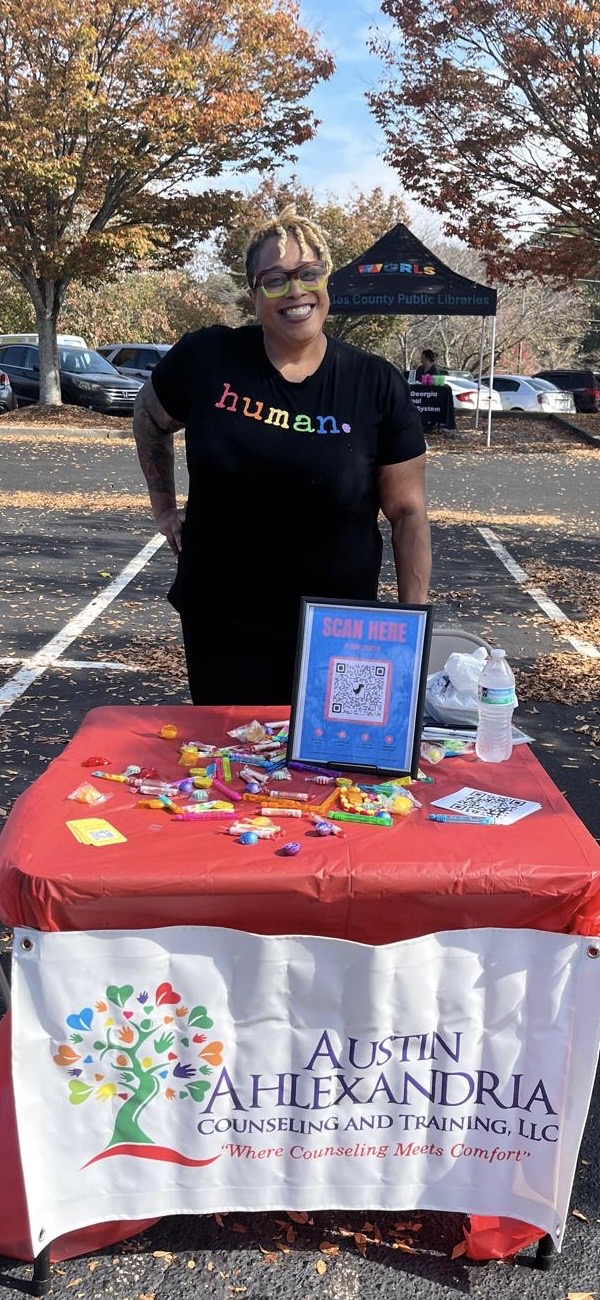


Image Credits
Rogers Williams took the professional photos.
Popular
-

Darren Paltrowitz on Blending Investigation, Media, and Culture to Uncover the Stories Behind the Stories
-

Naeemah Jade on Redefining Networking Through Trust, Proximity, and Intentional Community
-

Dr. Cortnie Baity on Expanding Beyond Therapy to Build Scalable Tools for Intentional Living and Relationships
-

Dr. Shameka Campbell on Embracing a New Identity and Guiding Others Toward Purpose and Spiritual Breakthrough
-

ATL’s Most Inspiring Stories
-

Kareem “Reemo Meerak” Tyson on Building The C.U.T.S. Podcast and Creating a Space Where Culture Lives and Breathes