




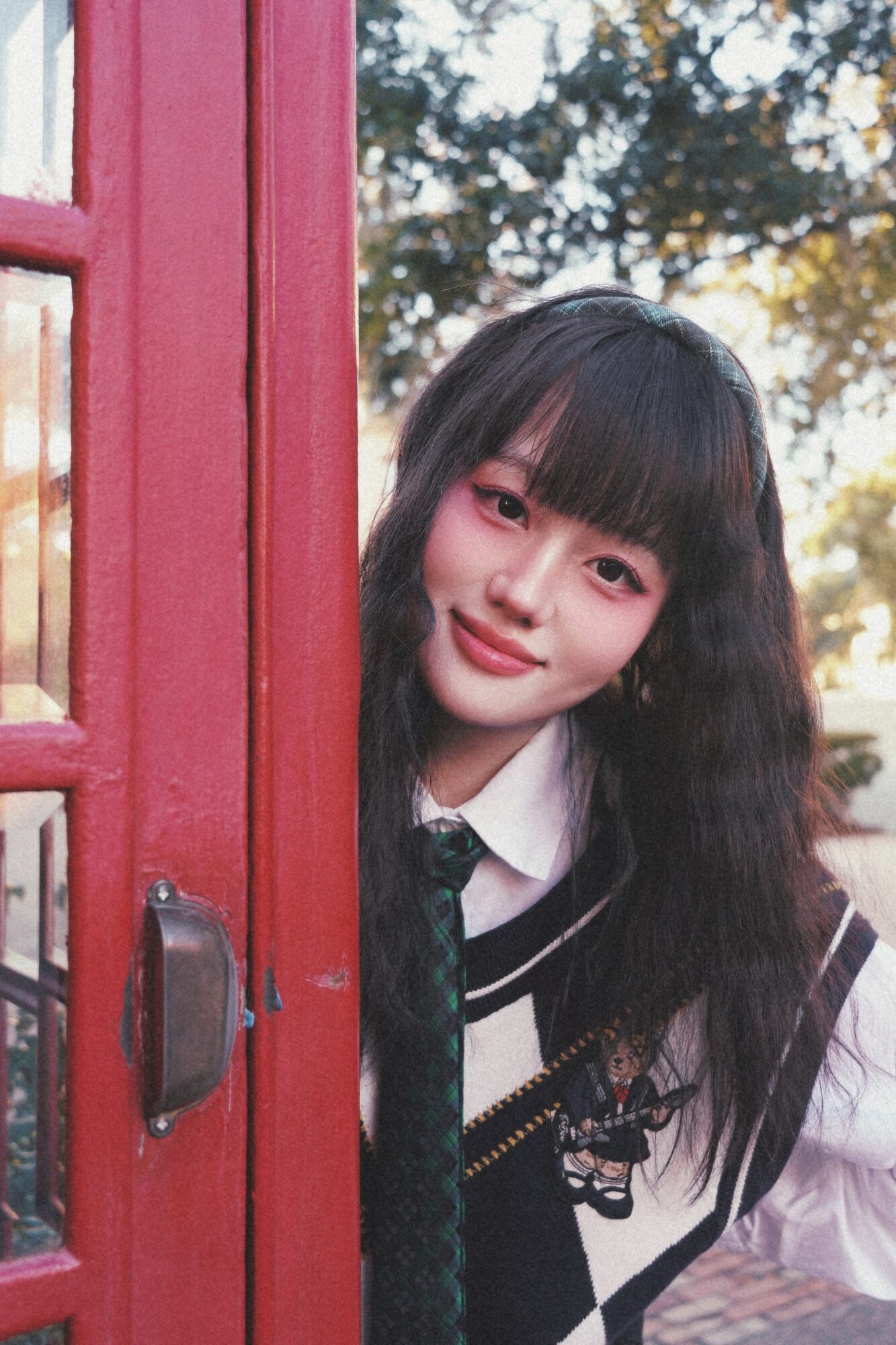
Today we’d like to introduce you to Changyu Zou.
Hi Changyu, it’s an honor to have you on the platform. Thanks for taking the time to share your story with us – to start maybe you can share some of your backstory with our readers?
I started my creative path with a strong interest in visual storytelling and experimental image-making, which led me to pursue formal training in illustration. During graduate school, I focused on developing a distinctive abstract and collage-driven style while learning how to translate conceptual ideas into clear visual narratives.
After graduating, I began working as a freelance illustrator, gradually building my client base through consistent pitching, portfolio development, and collaborations with editors and art directors. Over time, I expanded from purely editorial illustration into branding, packaging, motion, and cross-platform visual work, which helped me grow both creatively and professionally.
Today, I work with international clients across editorial and commercial fields, balancing personal artistic exploration with client-driven projects. I continue to refine my visual language while building long-term partnerships and exploring new ways to connect illustration with storytelling, design, and emerging media.
Alright, so let’s dig a little deeper into the story – has it been an easy path overall and if not, what were the challenges you’ve had to overcome?
It definitely hasn’t been a completely smooth road. Like many freelancers, I experienced periods of uncertainty — from inconsistent workloads to learning how to balance creative integrity with client expectations. Early on, one of my biggest challenges was building visibility and trust in a competitive industry, especially while developing my own voice at the same time.
I also had to learn the business side of being an artist — pricing, communication, deadlines, and long-term career planning — which wasn’t something I was fully prepared for at the beginning. Over time, these challenges helped me become more resilient, more organized, and more confident in advocating for both my work and my value.
Thanks – so what else should our readers know about your work and what you’re currently focused on?
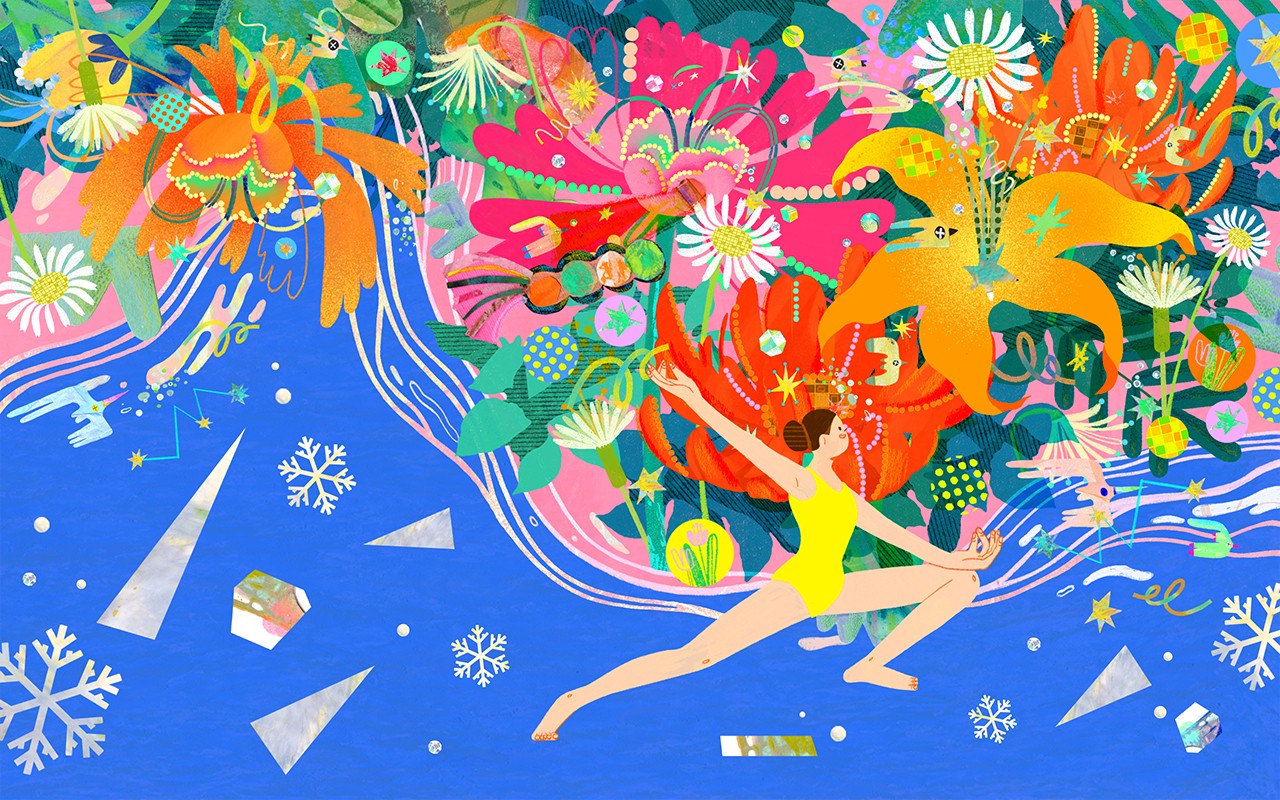
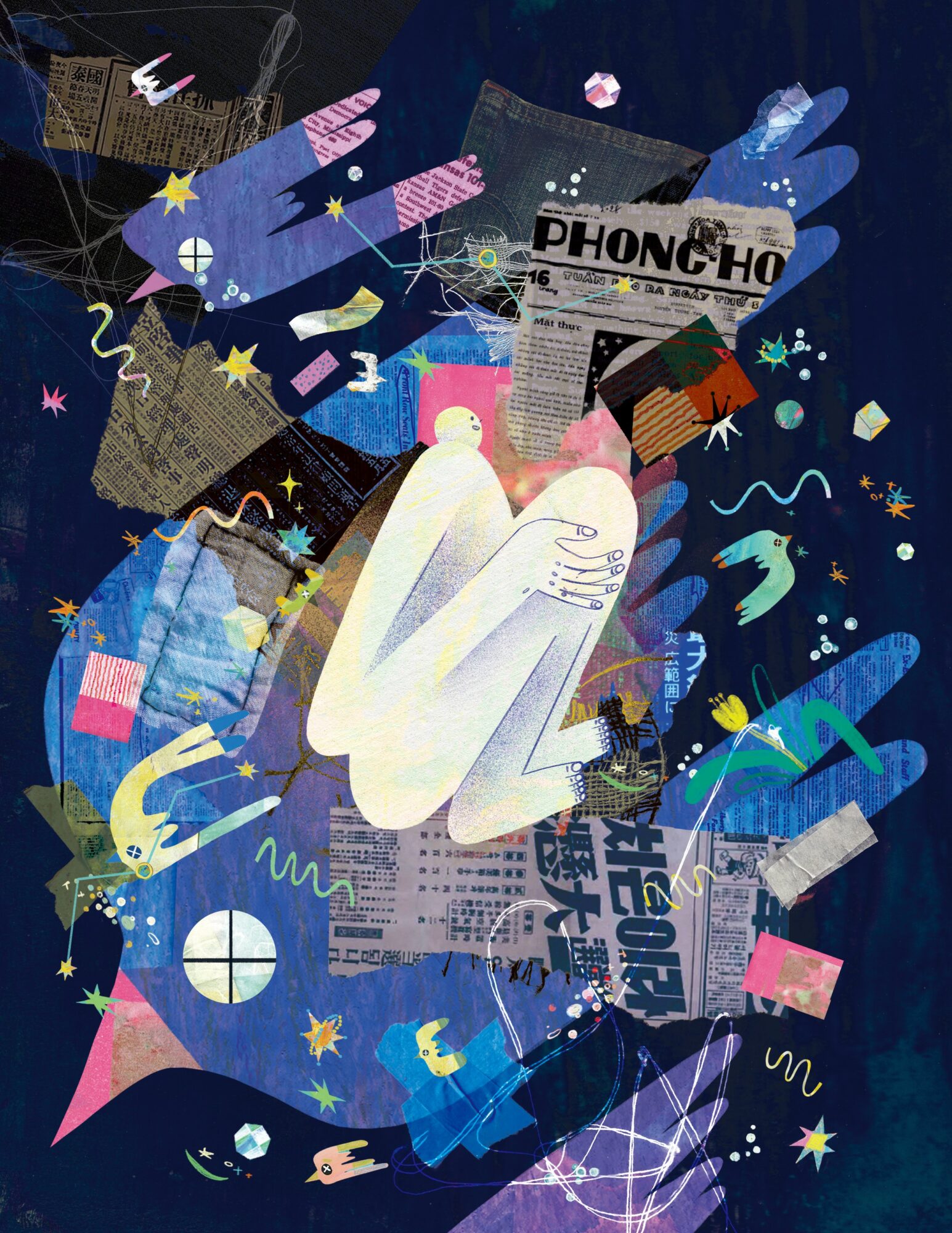
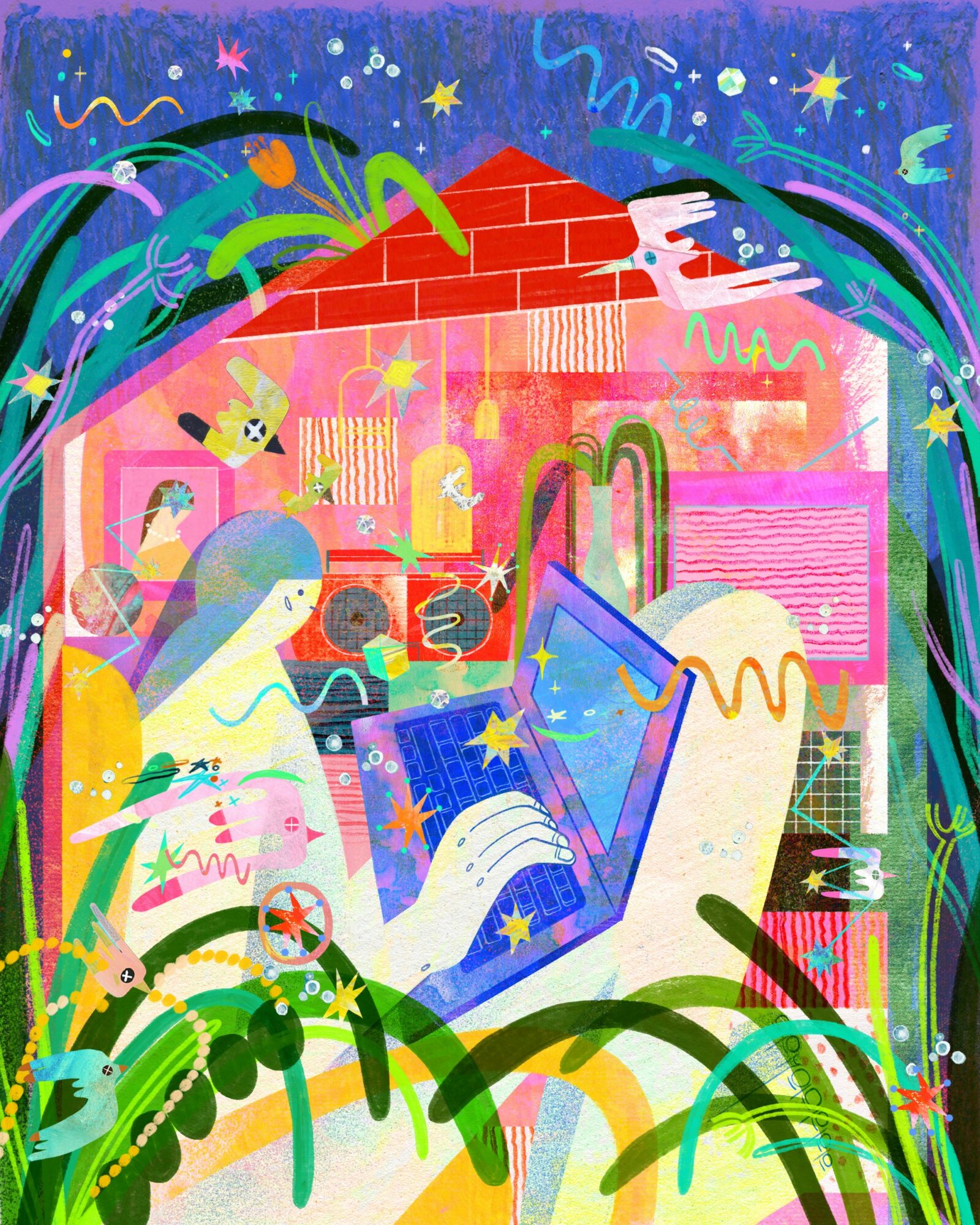
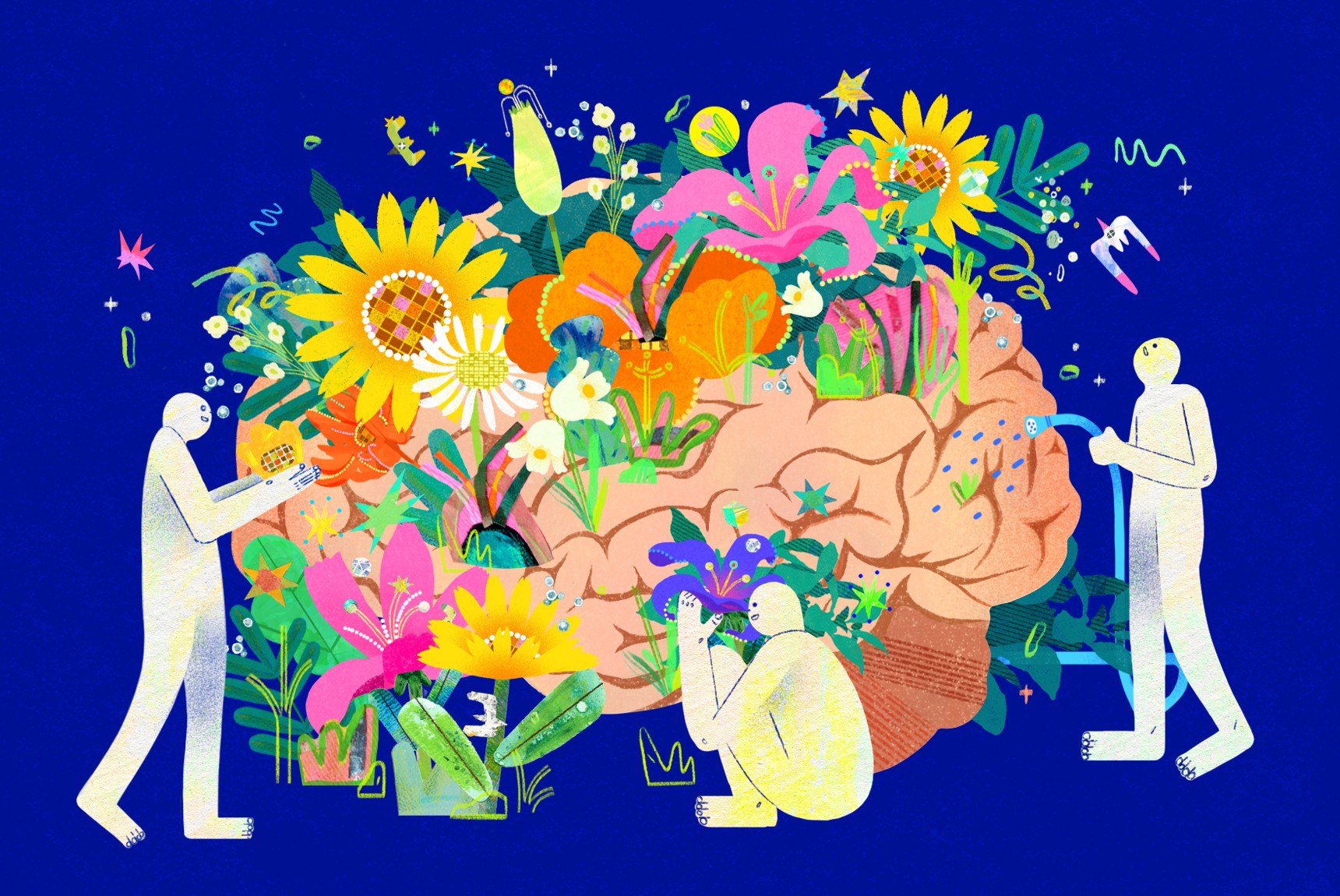
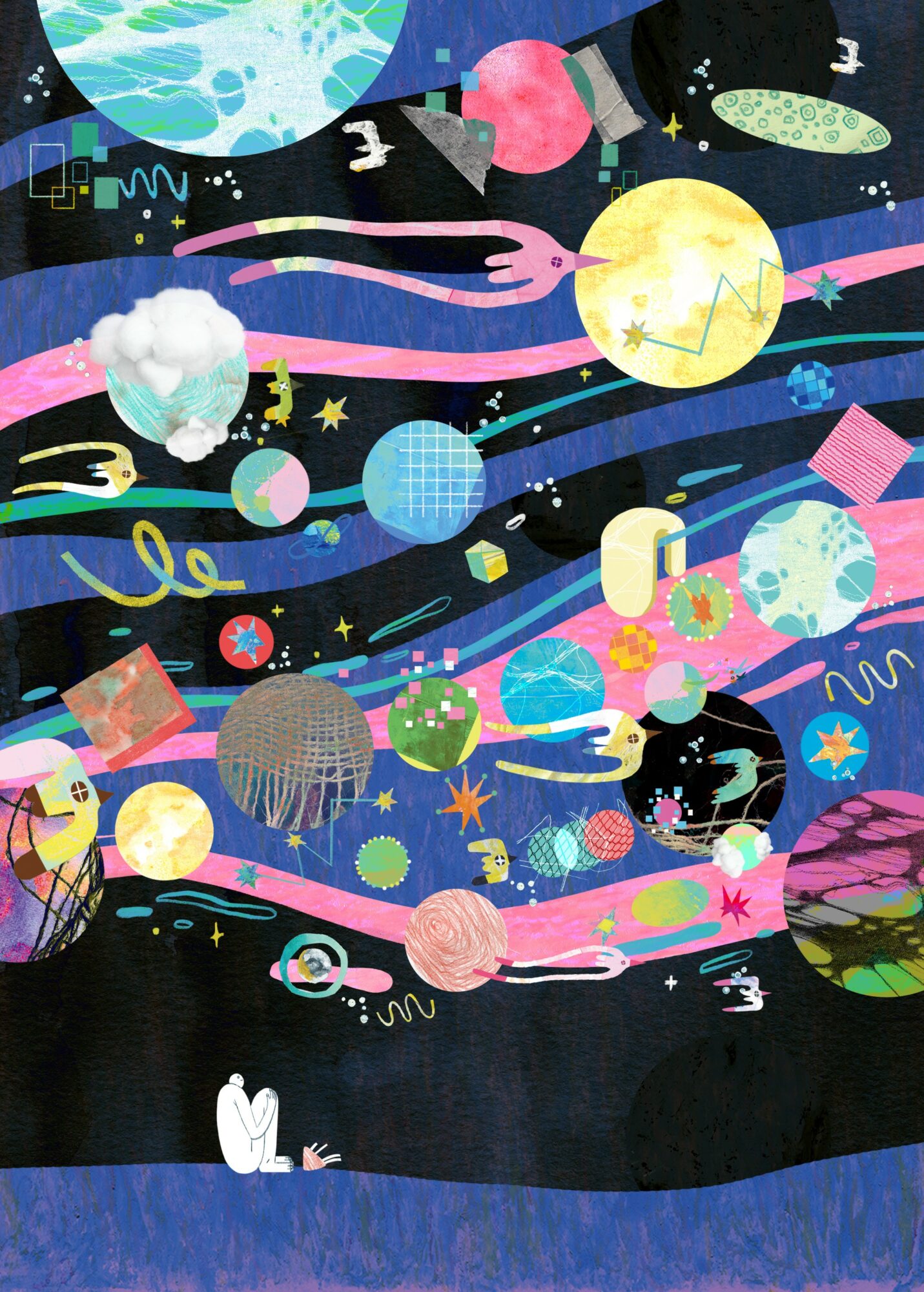
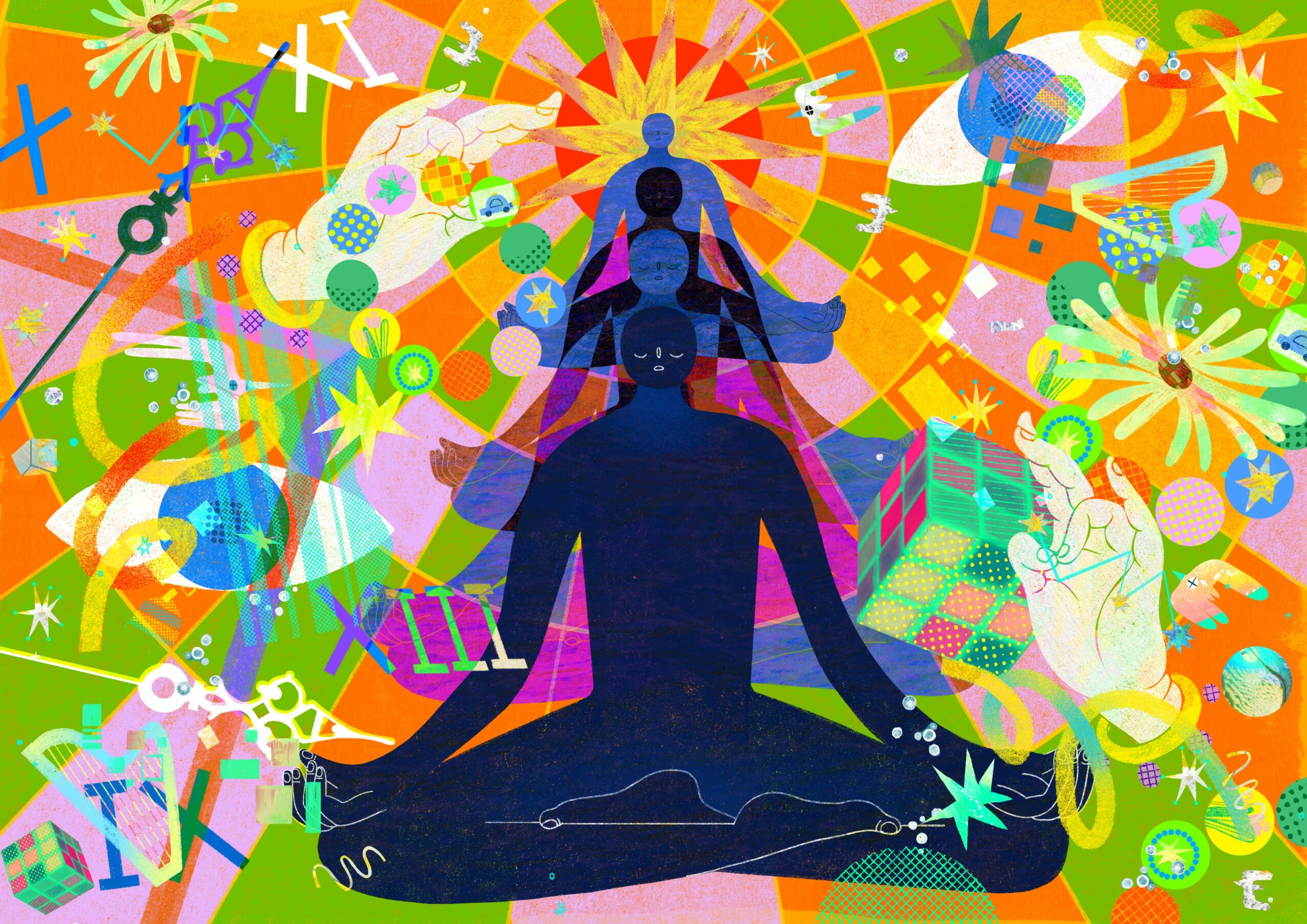
My work centers around conceptual illustration, visual storytelling, and experimental collage-based imagery. I specialize in creating visually striking compositions that translate abstract ideas, data-driven topics, and complex narratives into clear, engaging visuals.
I’m especially known for combining texture, digital collage, and graphic elements to build layered, emotionally resonant images that work well across editorial, branding, and campaign contexts. Many of my projects involve turning intangible themes — such as technology, social issues, or inner emotional states — into accessible visual language.
What I’m most proud of is building an international client base as an independent illustrator while maintaining a consistent personal voice. Being trusted by major editorial platforms and brands to visualize meaningful stories has been incredibly rewarding.
What sets me apart is my ability to balance strong conceptual thinking with visual clarity. I bring both an artistic sensibility and a design-driven mindset to projects, which allows my work to function not only as artwork, but also as effective communication tools. I’m highly adaptable across formats — from print to motion and digital media — while still maintaining a recognizable visual identity.
In terms of your work and the industry, what are some of the changes you are expecting to see over the next five to ten years?
Over the next 5–10 years, I see the illustration and visual communication industry becoming more hybrid and interdisciplinary. The boundaries between illustration, design, motion, and interactive media are already blurring, and I expect this to accelerate as digital platforms continue to evolve.
AI and generative tools will likely change parts of the production process, but I believe they will place even more value on strong concepts, original visual voices, and human storytelling. Artists who can think strategically, communicate ideas clearly, and adapt across platforms will stand out.
I also see clients increasingly looking for flexible visual systems rather than single images — illustrations that can live across campaigns, social media, motion, and physical products. This shifts the role of illustrators from image-makers to visual storytellers and creative partners.
Overall, I think the industry will move toward more collaboration, faster workflows, and stronger emphasis on authenticity and narrative-driven work.
Contact Info:
- Website: https://changyuzou.com/
- Instagram: https://www.instagram.com/changyuzou.art/