






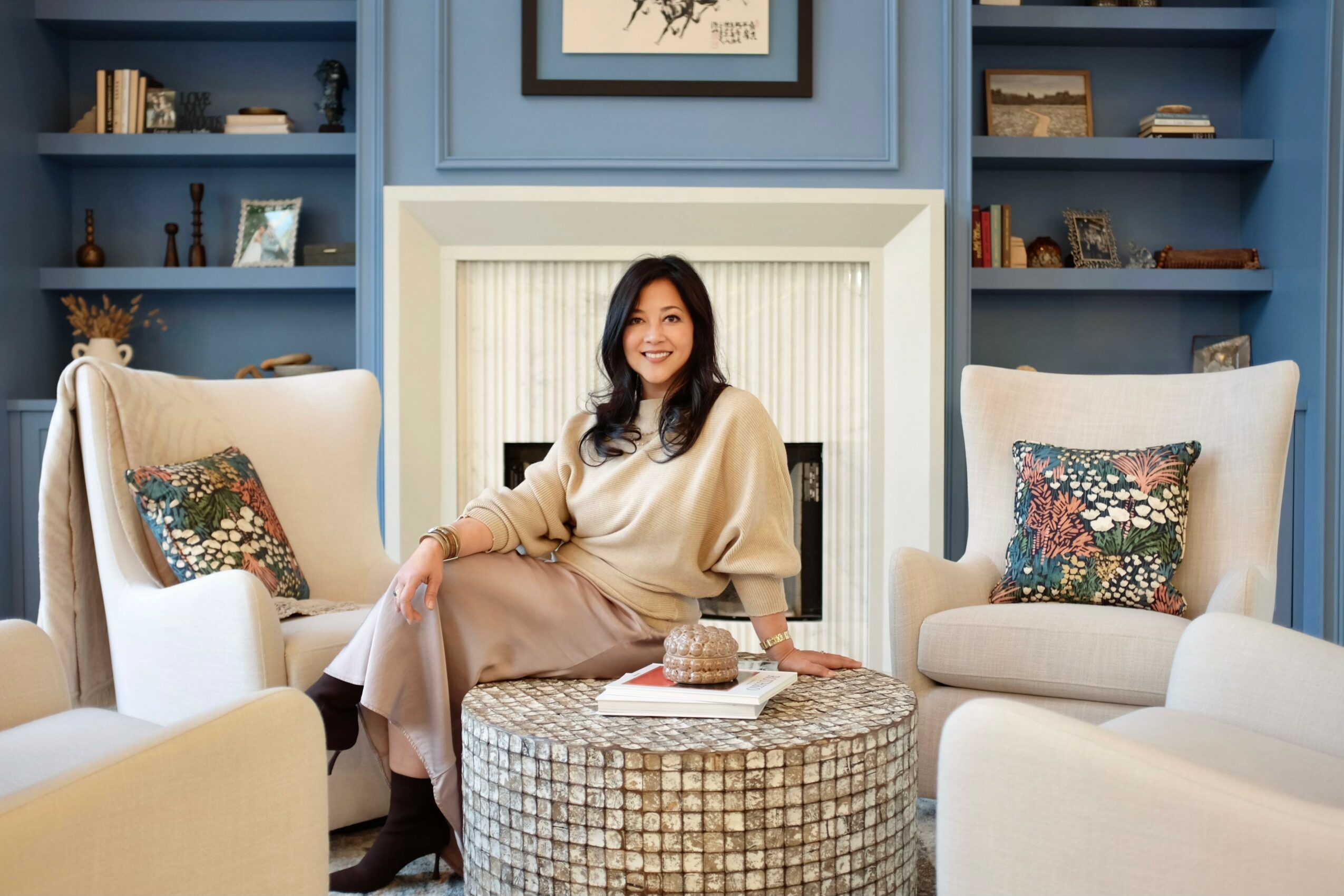
Today we’d like to introduce you to Jessie Alfieri.
Hi Jessie, can you start by introducing yourself? We’d love to learn more about how you got to where you are today?
I graduated with Honors from Georgia State University, earning a BFA in Interior Design. After college, I worked with several architectural firms, where I gained invaluable experience in project management, construction coordination, and client relations—a foundation that continues to inform the way I approach every project today.
After stepping away from professional practice for eight years to raise my two children, I found myself returning to design in quieter, more personal ways—creating imaginative birthday celebrations, classroom experiences, and thoughtfully designed everyday moments. What began organically eventually reignited my creative drive and reminded me how deeply design was woven into my life.
In 2016, that creative spark turned into a pivotal professional moment at the Georgia Dance Conservatory in the Marietta Square, a place my children considered a second home. I was invited to design the storefront window displays for the Conservatory’s beloved annual Nutcracker performance, led by the Georgia Metropolitan Dance Company. The displays were warmly received by the community and caught the attention of the Conservatory’s former owners, Billy and Lisa Toups, who soon asked me to redesign the lobby.
That project rekindled my love for commercial design and reaffirmed where my strengths truly lie. After the lobby’s completion, referrals followed naturally—kitchens, basements, bathrooms, and full residential renovations—entirely through word of mouth. Without marketing or business cards, my work began to speak for itself, and I became both honored and humbled by the trust clients placed in me.
Later that year, I founded Jessie Alfieri Designs with the intention of bringing the same architectural rigor, refinement, and sophistication to private homes and hospitality spaces—crafting interiors that are both livable and luxurious.
Since then, I’ve guided projects ranging from high-end residences to preschools and restaurants, managing each from concept through completion. My portfolio includes the redesign of three anchor eateries in Atlanta food halls, three stand-alone restaurants, three preschools, and even the redesign of my own childhood elementary school lobby—a full-circle moment that reminded me why I fell in love with design in the first place.
I’m deeply involved in construction documentation, coordination, and project management, and I lead my team with clarity and transparency. Every project is supported by detailed spreadsheets, comprehensive specification binders, and real-time cost tracking—ensuring clients feel informed, empowered, and inspired throughout the process.
As a full-service design firm, Jessie Alfieri Designs manages both design and build, overseeing schedules, coordinating trades, and translating vision into highly tailored spaces that endure. My approach blends an elevated design sensibility with warmth and approachability—creating environments that feel effortless, layered, and deeply considered.
Currently, I’m designing two restaurants in Marietta and Dallas, Georgia, and expanding my residential reach to West Lake Hills, Texas, where I’m redesigning three luxury bathrooms.
Can you talk to us a bit about the challenges and lessons you’ve learned along the way. Looking back would you say it’s been easy or smooth in retrospect?
Starting a business is never without risk, and my journey has been anything but linear. I would not have been able to build Jessie Alfieri Designs without the unwavering support of my husband, Rick, who carried our family financially while I found my footing. At the same time, we were raising two young children, navigating a move back to my hometown, and learning the realities of running a business—not just designing beautiful spaces. There was a great deal at stake, both personally and professionally.
In the early years, I began collaborating with contractors who sought out my expertise in construction drawing sets, which naturally led me deeper into the permitting and approval process. I spent countless hours attending Historic Board Review meetings as more business owners around Marietta Square began reaching out. That period was a crash course in patience, persistence, and advocacy—skills that are just as critical as creativity in this industry.
Has it been smooth? Not even close. Design and planning are my wheelhouse, and I thrive on creative problem-solving. Construction, however, is an entirely different discipline—one that requires flexibility, diplomacy, and resilience. Schedules shift, delays happen, and market fluctuations, supply chain disruptions, and tariffs can change a project overnight. I often find myself balancing the needs and expectations of clients and contractors, working to steady both sides through inevitable challenges.
My most difficult project came in 2020, during the height of the pandemic—a major kitchen renovation in Marietta. The project was plagued by an unreliable general contractor whose repeated no-shows, missed deadlines, and unfulfilled promises left my clients living without a functional kitchen during an already uncertain time. Understandably, emotions were high, and as the designer, I absorbed much of that frustration. It was an incredibly heavy period, professionally and personally.
That experience forced me to confront hard questions about leadership, accountability, and my own resilience. Ultimately, I made the difficult but necessary decision to remove the contractor from the project. With my clients’ trust and support, I stepped in, assembled a new crew, and saw the renovation through to completion in just over a month. What could have ended my business instead strengthened it.
That moment became a turning point. It reinforced my belief that integrity, decisiveness, and advocacy are just as essential as design talent. Construction is messy, volatile, and unpredictable—but it’s also exciting, collaborative, and deeply rewarding. You can have a flawless design and every detail specified, yet the real work happens in how you respond to what unfolds on site.
There is no smooth road in construction—and that’s exactly why I love it. Challenges don’t deter me; they sharpen me. I’ve learned to trust my instincts, lead with clarity, and remind myself, even in the hardest moments: I belong here.
We’ve been impressed with Jessie Alfieri Designs, but for folks who might not be as familiar, what can you share with them about what you do and what sets you apart from others?
At its core, Jessie Alfieri Designs is a studio rooted in clarity, strategy, and thoughtful execution. I’m known for strong space planning, precise documentation, and an ability to quickly understand how people live, move, and function within a space. I listen closely, ask the right questions, and translate a client’s vision into a cohesive, highly considered design that works as beautifully as it looks.
What sets my firm apart is accuracy and advocacy. I believe my role is to empower clients with knowledge, guide them through complex decisions, and protect the integrity of the design from concept through completion. I don’t simply create beautiful interiors—I ensure they are executed with intention, discipline, and accountability. By the time I walk a space, I’m already mentally designing it, anticipating challenges, and envisioning solutions.
While my team offers decorative services, my passion and specialization lie in the architecture of the interior—the flow, proportion, functionality, and technical underpinnings of a space. Interior designers are often mistaken for decorators, and while decoration is an important layer, design requires formal training in space planning, building systems, and construction documentation. In many parts of Europe, designers are referred to as interior architects, and that distinction resonates deeply with how I practice.
I specialize in creating comprehensive design and construction drawing sets that serve as the backbone of a successful build. These documents allow contractors to price projects accurately, reduce ambiguity, and minimize costly change orders. One of the most common misconceptions I encounter is that a project should begin with a builder. In reality, design should always come first. Without a fully developed plan, clients are often given broad cost ranges that can quickly spiral beyond budget once construction begins.
My work brings order to that process. I don’t just sell design—I sell clarity, foresight, and risk reduction. When clients understand their priorities, materials, and spatial layout before breaking ground, the entire project runs more smoothly and with far fewer surprises.
Brand-wise, I’m most proud of the trust my clients place in me. My firm is known for transparency, strong leadership, and delivering spaces that feel deeply personal yet expertly resolved. I approach every project—whether residential or commercial—with the same level of excitement, rigor, and care, because good design isn’t just about aesthetics. It’s about creating spaces that truly support the way people live, work, and gather.
Can you tell us more about what you were like growing up?
I grew up in a home that was culturally layered. My parents are first-generation immigrants from the Philippines, and while our values were deeply rooted, they were often different from those of the community around us. That contrast shaped me early—teaching me independence, resilience, and a strong sense of self. My tenacity wasn’t always easy for my parents to understand, but it became one of my defining traits.
As a child, I was joyful and expressive—a bit of a goofball—with an instinctive pull toward color and creativity. My mother sewed beautiful clothing for our family, and some of my favorite memories are of accompanying her to fabric stores, running my fingers along rows of thread and bolts of cloth. I was fascinated by the nuance of color—that there could be dozens of shades within a single hue, each with its own name and character. That awareness stayed with me and still informs how I work today.
My father is a true artist, able to draw effortlessly with both hands and gifted with a remarkable eye for form and composition. I’ve often thought that had he pursued it, he could have been an architect. I feel incredibly fortunate to carry both of my parents’ creative influences with me.
Growing up in the Deep South, I also experienced racism at a young age. Instead of shrinking, I learned to stand my ground. That was when I first began repeating a phrase that still guides me today: I belong here. That conviction shaped not only my confidence, but my leadership.
I was outgoing and energetic, and I spent my high school years as a cheerleader at McEachern—an experience that strengthened my sense of teamwork, discipline, and presence. With an older brother and sister—nine and ten years ahead of me—I spent much of my childhood looking up to them. When I was in elementary school, they were already in high school, and I was captivated by their world. I admired their work ethic, their friendships, and their sense of purpose, and I wanted to excel alongside them.
That combination of creativity, cultural depth, resilience, and ambition defined who I was growing up—and continues to influence the way I move through the world and my work today.
Pricing:
- Design fees are typically calculated by the square foot, with tiered options available depending on the scope, level of involvement, and complexity of the project. This allows clients to choose a level of service that aligns with both their vision and their budget.
- My pricing is intentionally positioned just below market norms, not as a compromise in quality, but as a reflection of my belief that thoughtful, professional design should be accessible to more clients. I value long-term relationships and successful outcomes over inflated fees.
- Design services represent a relatively small percentage of the overall construction budget, yet they have an outsized impact on the success of a project. A well-developed design and drawing set drives accurate pricing, efficient scheduling, and clear communication across contractors and trades.
- Investing in design upfront often reduces overall project costs, minimizing change orders, delays, and missteps during construction. In many cases, the design fee pays for itself through improved clarity and risk reduction.
Contact Info:
- Website: https://www.jalfieridesigns.com
- Instagram: @jessiealfieridesigns
- Facebook: Jessie Alfieri Designs
- LinkedIn: https://www.linkedin.com/in/jessie-alfieri-designs/
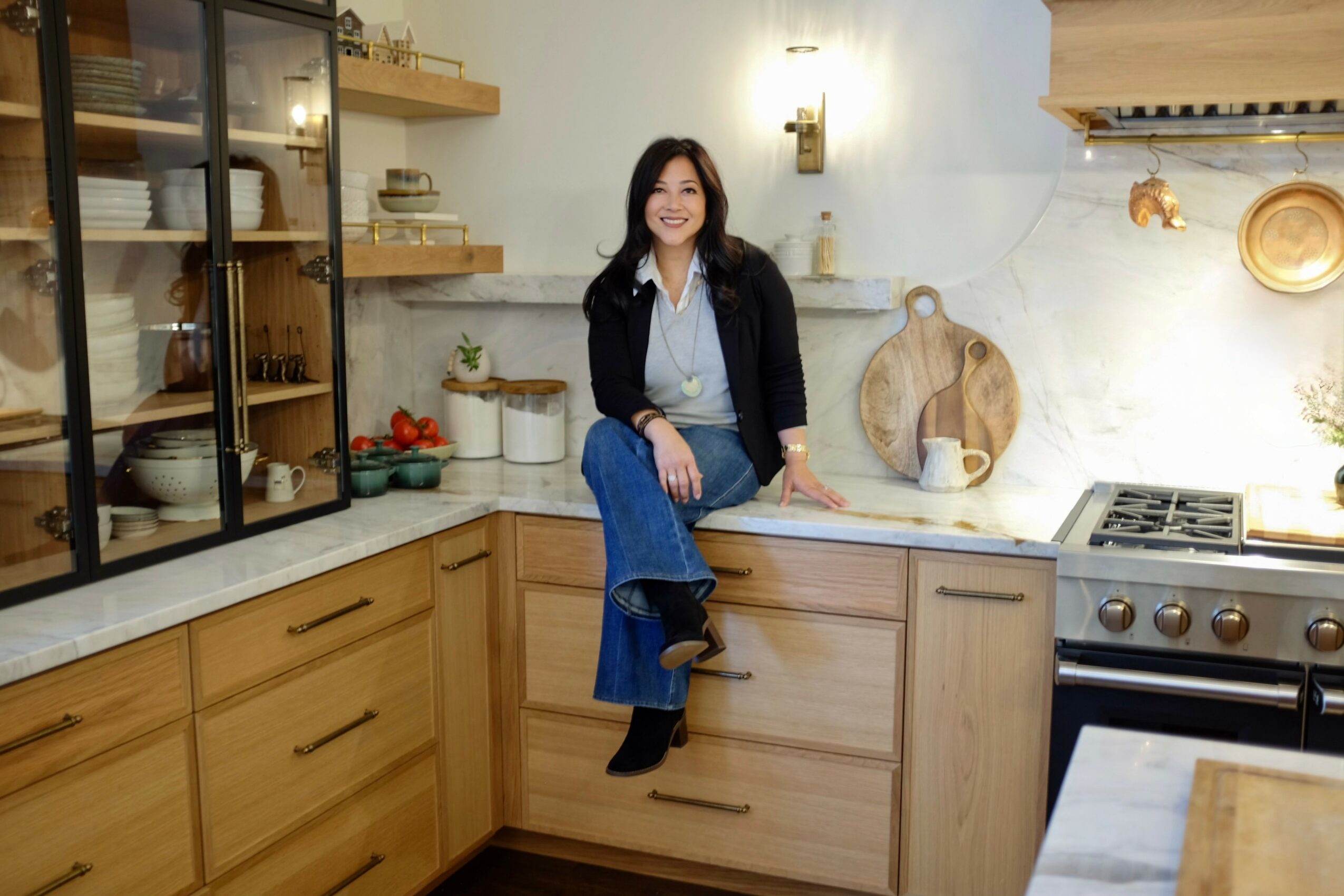

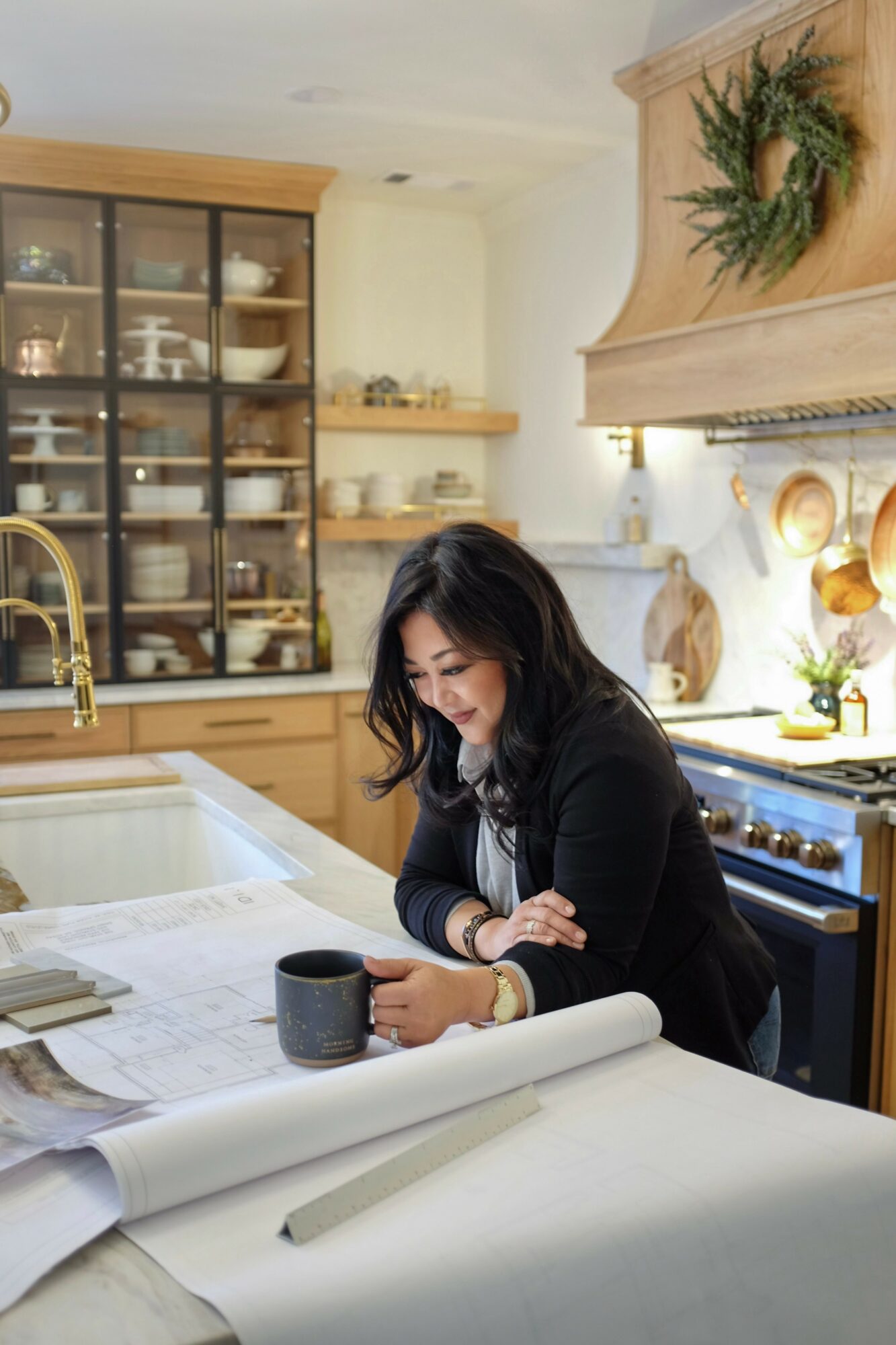
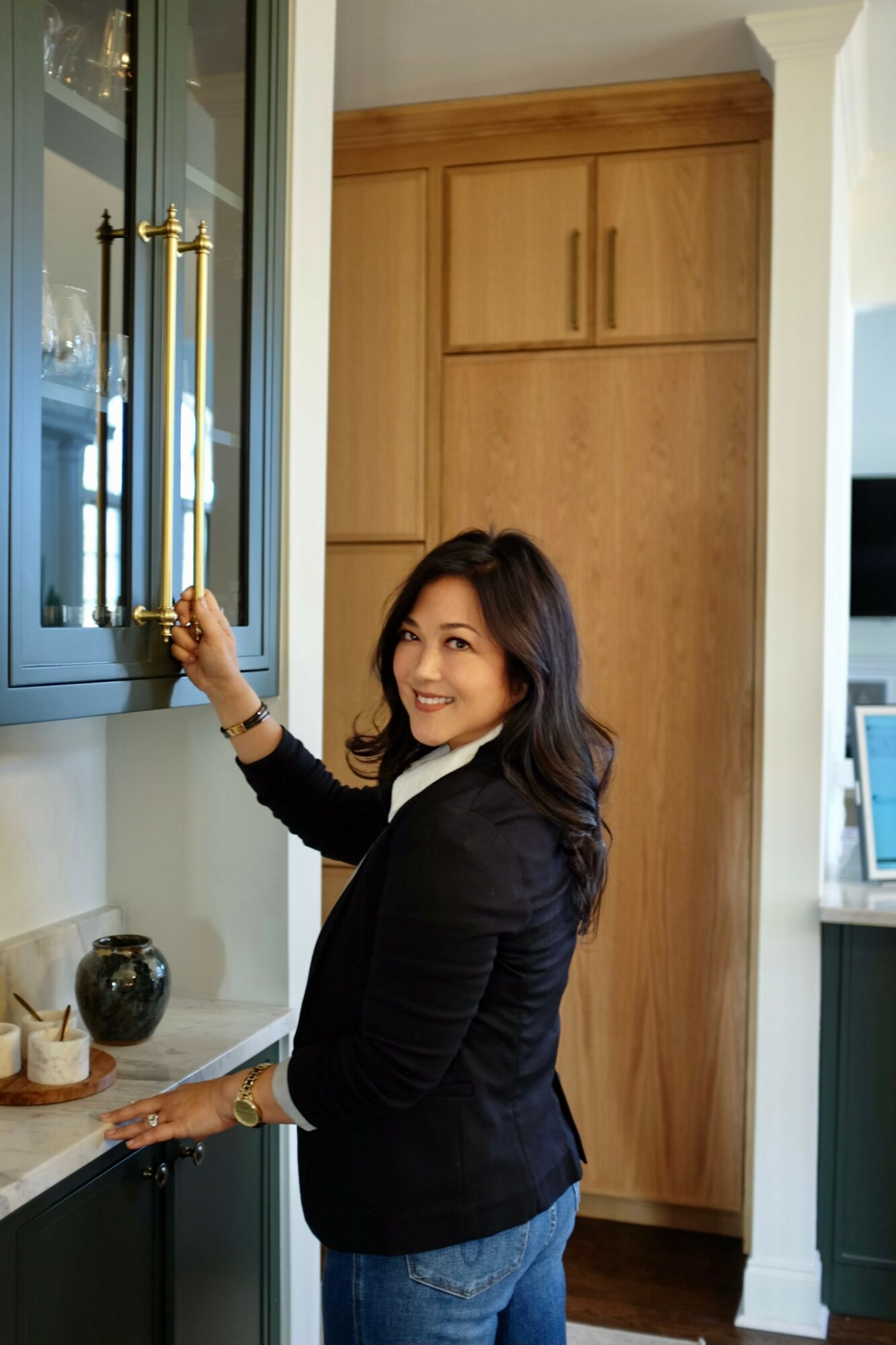
Image Credits
Mercedes Schmick
Popular
-

Hidden Gems: Local Businesses & Creatives You Should Know
-

ATL’s Most Inspiring Stories
-

Closing the Hidden Gap: M-T Strickland on Rethinking Youth Athlete Development Beyond the Field
-

Building Beauty with Purpose: How Gabrielle Lewis Is Balancing School and Entrepreneurship to Create a Lasting Brand
-

Portraits of Atlanta
-

Creating Without Limits: How Zen J. Jackson Is Building a Unified Ecosystem for Boundless Storytelling