





Today we’d like to introduce you to Mhorgan Cooper-Stephens.
Hi Mhorgan, so excited to have you with us today. What can you tell us about your story?
My story is not a straight line. It is a faith story, a health story, a marriage story, and a becoming story all woven together. It is the kind of story where you learn that survival is not always loud. Sometimes it looks like choosing hope again when you are tired. Sometimes it looks like learning how to breathe when life keeps taking the wind out of you. Sometimes it looks like building something meaningful in the middle of circumstances you never asked for.
I have always been driven by purpose. Even before I had the language for advocacy, leadership, and legacy, I knew I wanted my life to be rooted in service and impact. That desire was deeply shaped during my undergraduate years at Clark Atlanta University. Being educated in the heart of Atlanta surrounded by history, excellence, and Black brilliance grounded me in a sense of responsibility that went beyond personal success. Clark Atlanta did not just educate me academically. It shaped how I see the world and my role in it. The university’s motto, Find a Way or Make One, became a personal compass. It taught me that barriers are not stopping points and that resilience is a skill you build through action. When the path is unclear, you move anyway. When resources are limited, you innovate. When life challenges you, you respond with courage.
That mindset carried me forward academically and professionally. I continued my education beyond undergrad, earning my MBA and deepening my understanding of strategy, systems, and leadership. My professional journey has always been rooted in the intersection of business, service, and people. I am strategic by training, but deeply human by nature. I care about how decisions affect real lives. That balance has guided my career and prepared me for leadership in spaces where empathy and execution must coexist.
While my career was growing, my personal life was being shaped in quieter but more demanding ways. My health journey became a defining part of my story. Living with chronic illness taught me how to advocate for myself in medical spaces, how to listen to my body, and how to surrender control when outcomes were uncertain. It taught me that productivity does not equal worth and that rest is not weakness. These lessons refined my faith and forced me to develop a deeper trust in God, especially when answers did not come quickly.
Then life introduced another layer that changed everything.
I became a mother through a journey that included loss, trauma, and miracle. Miscarriage reshaped my understanding of grief and silence. It taught me that pain does not always come with public permission to mourn. Later, my son Hezekiah was born three months early and spent two months in the NICU. That season stretched me emotionally, spiritually, and physically. It was a time marked by faith, fear, and fierce love. The NICU teaches you how to hope in inches. It teaches you how to pray when words fail. It teaches you how to trust God with what you cannot control.
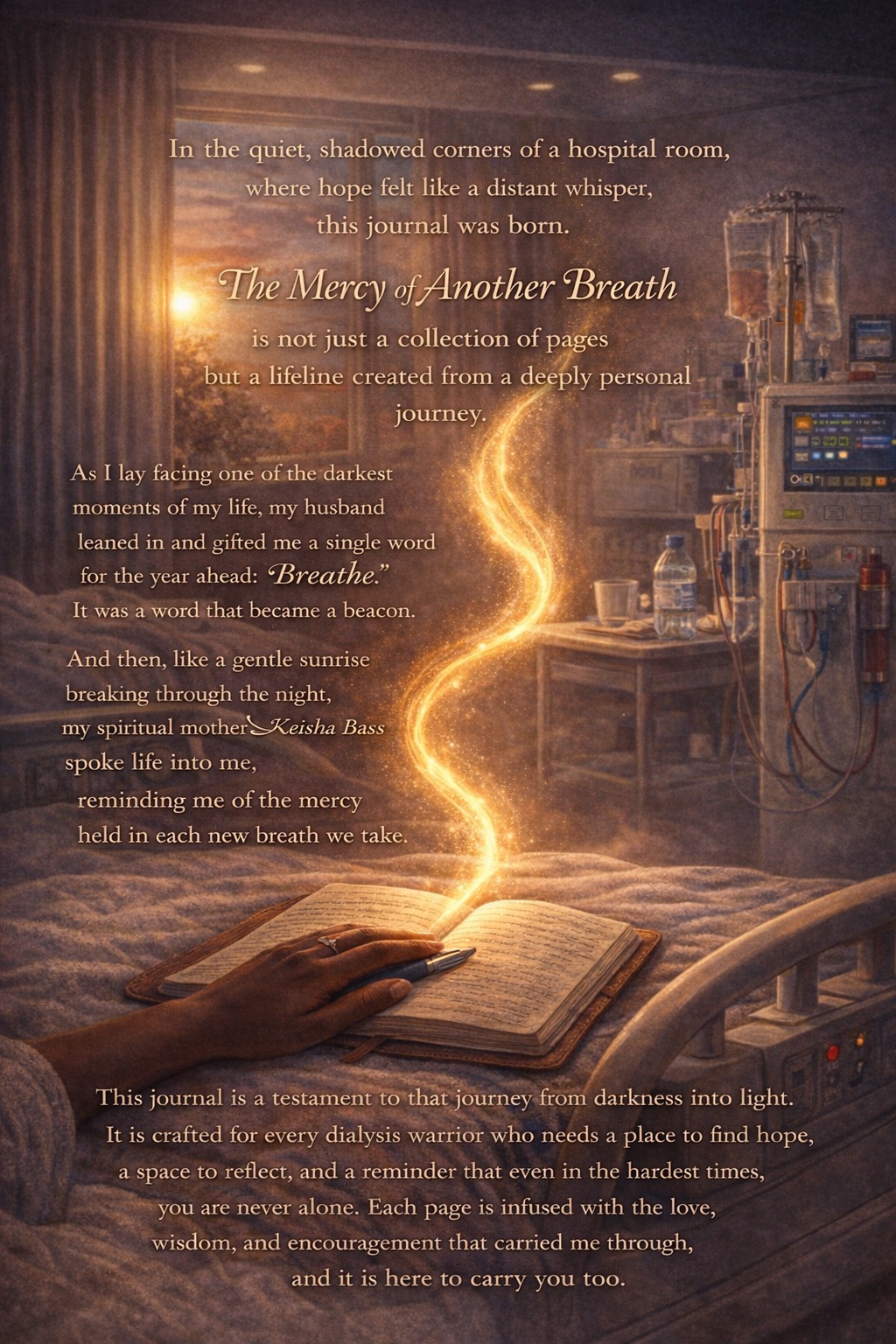
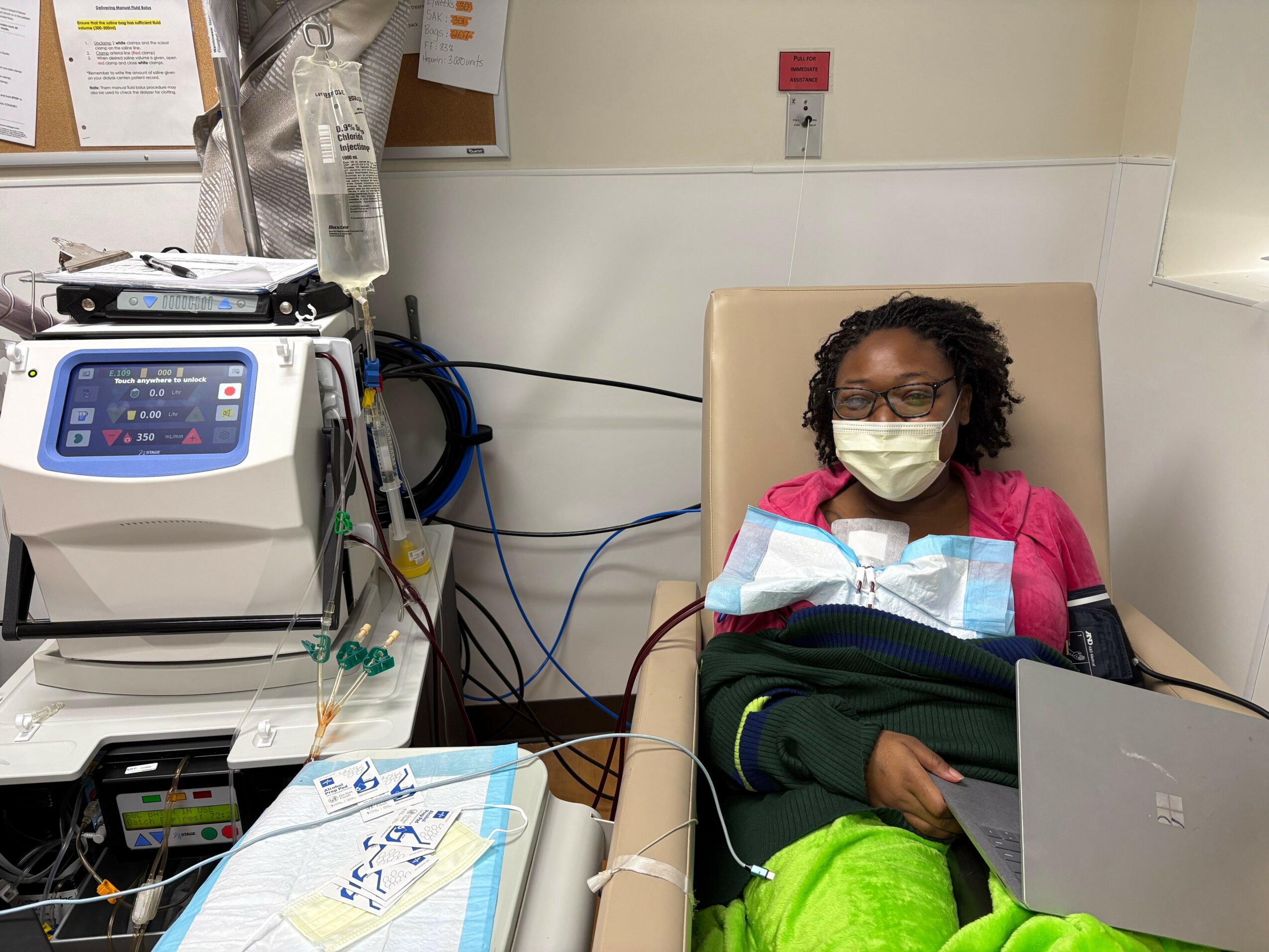
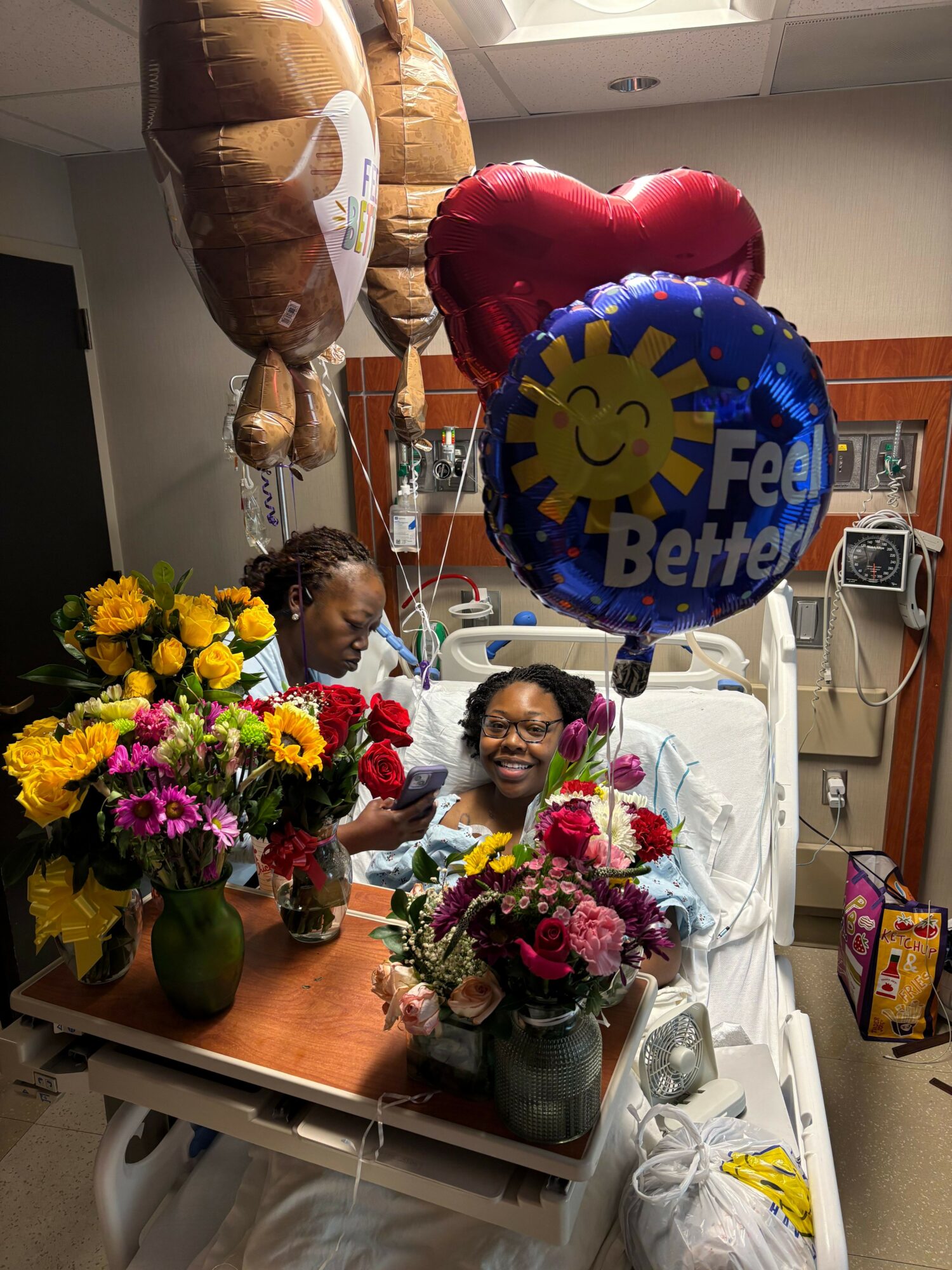
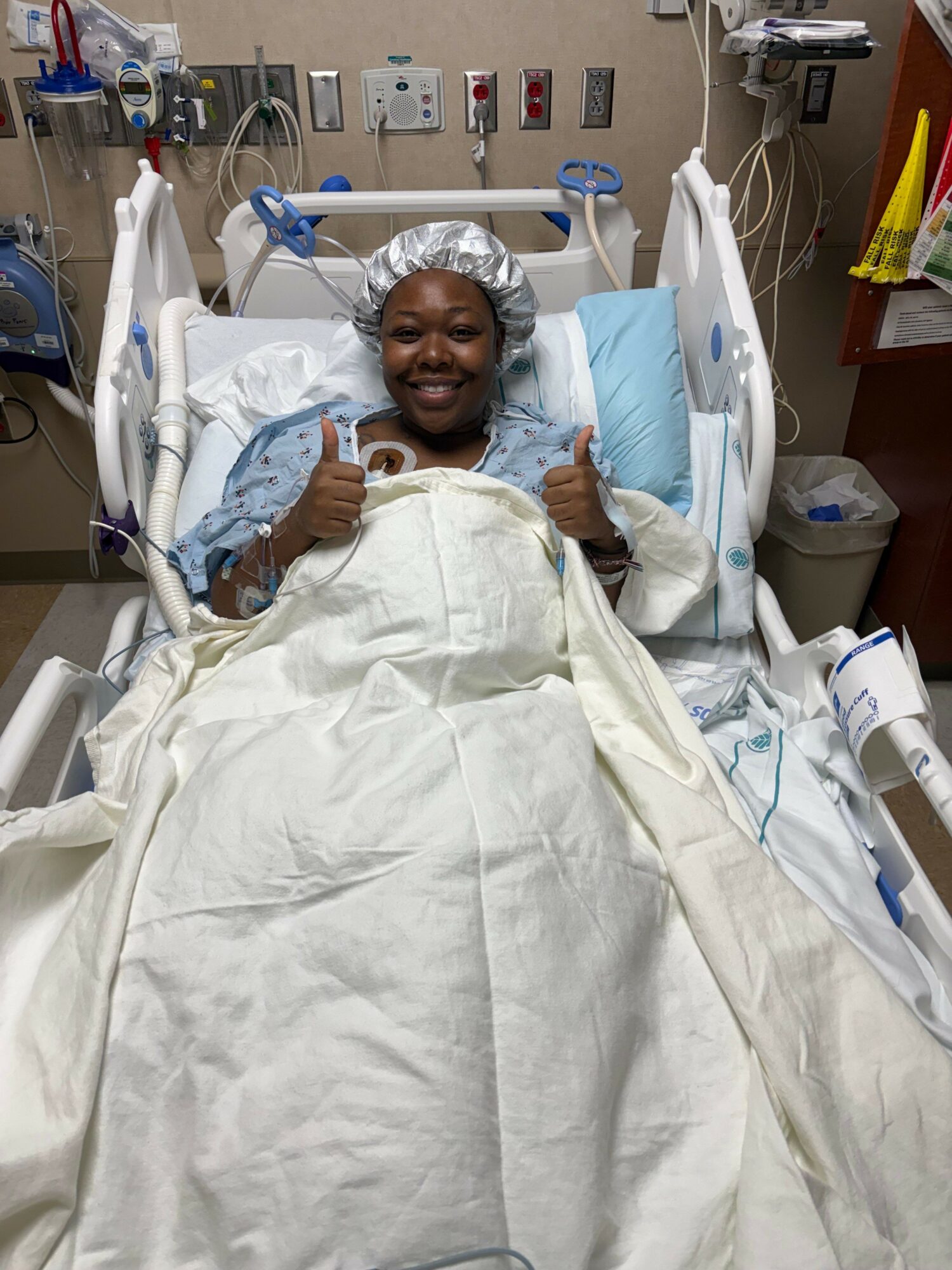
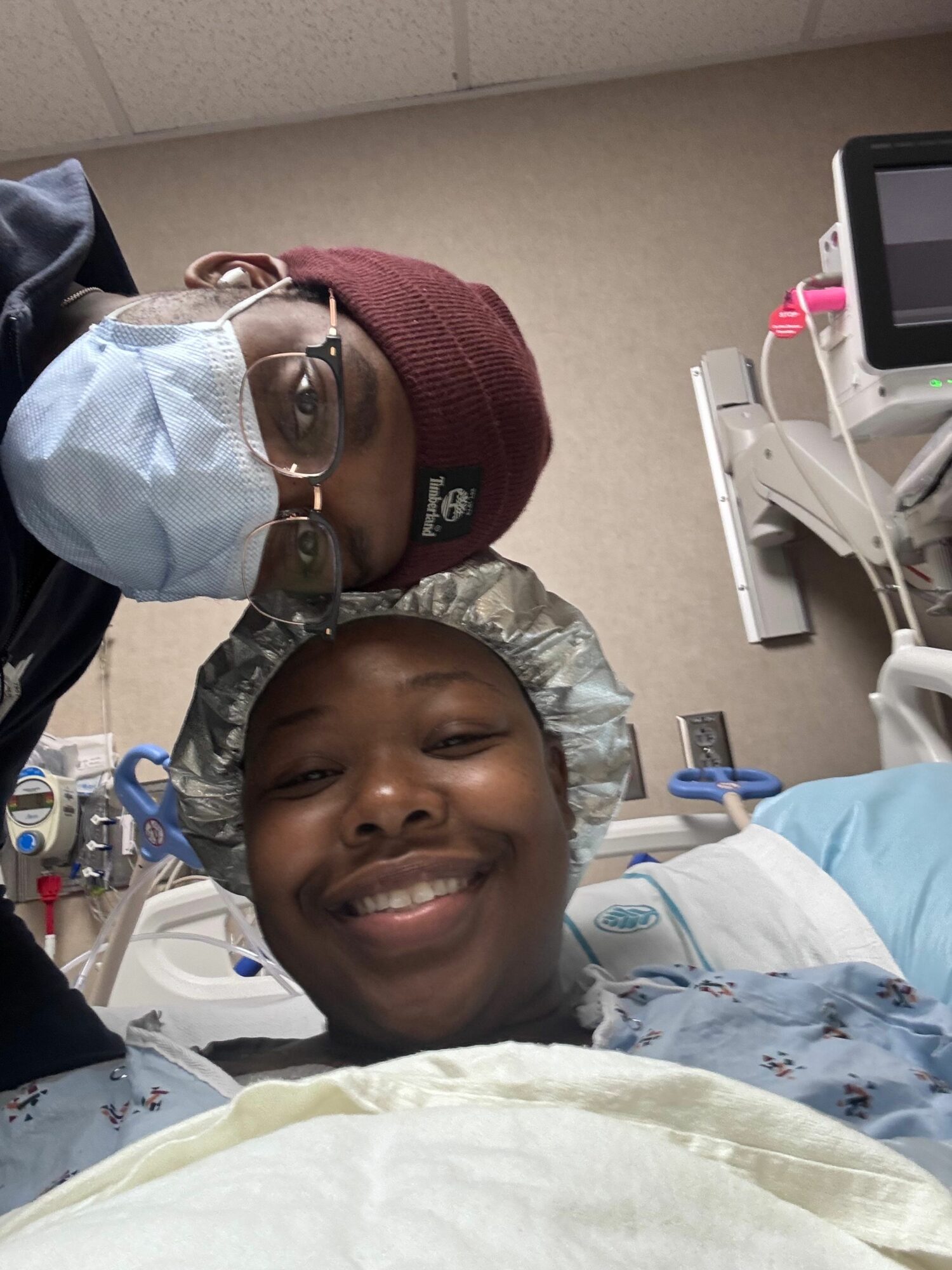
As I navigated motherhood, my health journey intensified. I entered a season of kidney failure that led me to hemodialysis. Dialysis is not just a medical treatment. It is a life adjustment. It forces you to slow down, to confront your mortality, and to sit with your thoughts for hours at a time. It was in a hospital room during dialysis that a pivotal moment occurred. My husband, Darrius Cooper, spoke a word over me for 2026. That word was breath. Not hustle. Not achievement. Breath.
Around the same time, my spiritual mother, Kiesha Bass, spoke life into me in a way that shifted my perspective. She reminded me that I was not walking through dialysis only for myself. She affirmed that my journey had purpose beyond survival. That God was using my experience to give others permission to pause, to inhale, and to breathe again. That word settled into my spirit and began to shape something new.
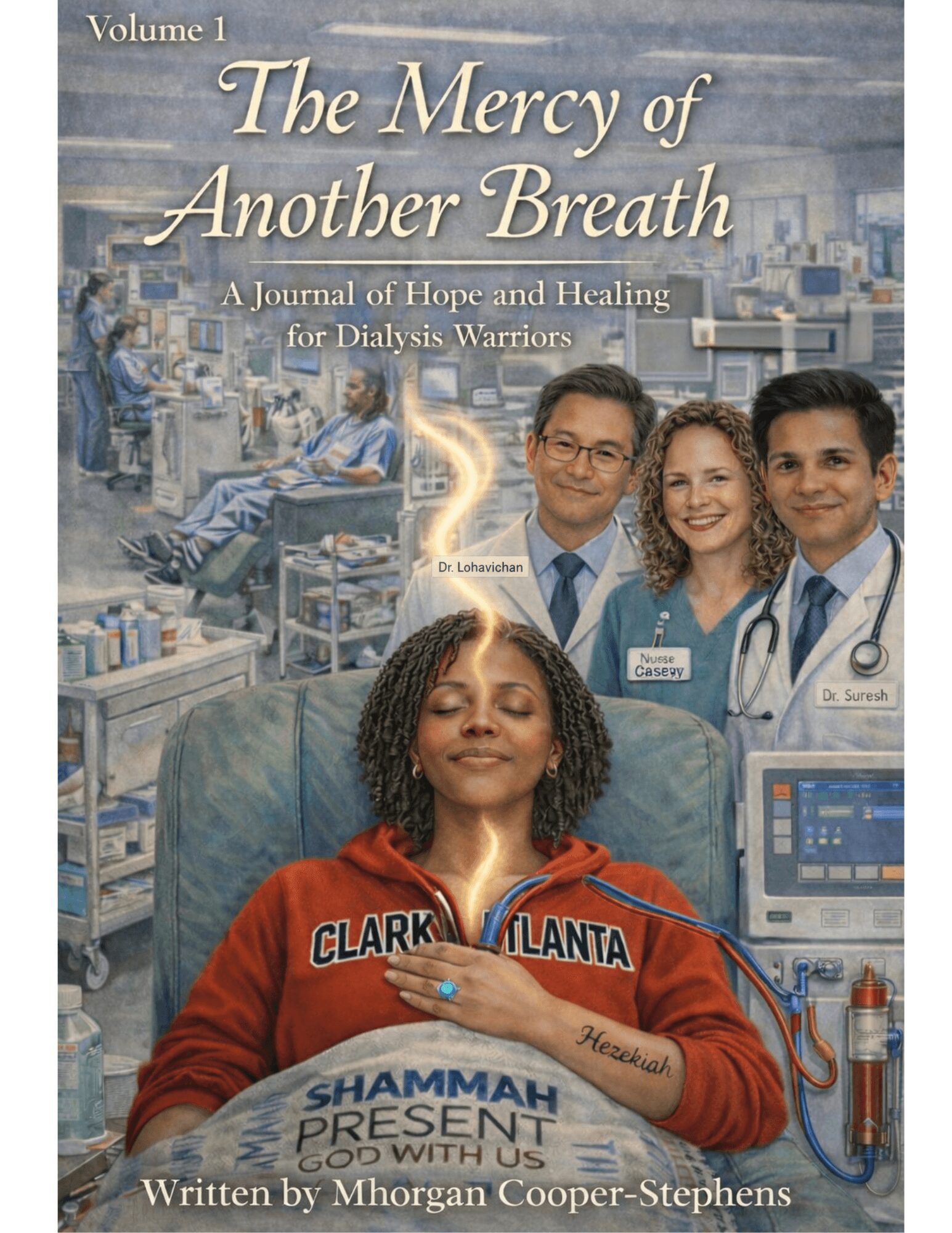
Out of that hospital room, Mercy to Breath was born.
Mercy to Breath is a prayer journal created for dialysis warriors. It was written in real time, in treatment rooms, in moments of exhaustion, and in moments of surrender. It is not about pretending to be strong. It is about offering gentleness to people whose bodies are working overtime just to stay alive. It exists to remind those on dialysis that it is okay to breathe, to rest, to feel, and to bring their whole selves to God without performance. It is quiet. It is intentional. It is rooted in faith and compassion. It does not rush healing. It simply creates space for breath.
Today, I am still becoming. I am a wife, a mother, a woman of faith, and a leader who understands that purpose is often revealed through lived experience. I carry the foundation Clark Atlanta University gave me. I carry the discipline and strategy sharpened through my MBA and professional career. And I carry the wisdom that comes from walking through illness, motherhood, and transformation with God.
If I had to summarize how I arrived here, I would say this. I was shaped by education, strengthened by community, refined by hardship, and sustained by faith. I learned early on in Atlanta that when life presents obstacles, you do not retreat. You find a way or you make one. And in this season of my life, that looks like choosing breath, choosing obedience, and choosing to help others do the same.
My story is still unfolding, but it is anchored. And every day, one breath at a time, I continue forward with intention, grace, and purpose.
I’m sure it wasn’t obstacle-free, but would you say the journey has been fairly smooth so far?
No, it has not been a smooth road, and I think it is important to be honest about that. My journey has been marked by resistance, uncertainty, and seasons that required more faith than clarity. There were many moments where the path forward was not visible and where progress came through endurance rather than ease.
One of the earliest struggles was learning how to keep going while my body was asking me to slow down. Living with chronic illness means you are constantly negotiating with your own limitations while still trying to show up fully in your life, your career, and your relationships. There were seasons where I was managing demanding professional responsibilities while also navigating doctors appointments, treatments, and the emotional toll of not knowing what my health would look like long term. That tension was exhausting. It forced me to confront unrealistic expectations I had placed on myself and to release the idea that success must always look like constant motion.
Loss was another defining struggle. Miscarriage changed the way I experience hope. It introduced a kind of grief that is often minimized or misunderstood, which can make it even more isolating. Carrying that loss while continuing to move through life taught me that grief does not operate on a timeline. It shows up unexpectedly, and it requires space, not pressure, to heal. Learning how to honor my grief without letting it harden me was one of the hardest emotional lessons I have faced.
Motherhood came with its own challenges, especially when my son was born prematurely and spent months in the NICU. That season was filled with fear, medical uncertainty, and emotional fatigue. It was difficult to reconcile the joy of becoming a mother with the trauma of watching my child fight for his life. There were days when I felt powerless and overwhelmed, trying to stay strong while my heart was constantly on edge. Learning how to trust God in that space, when outcomes felt fragile, stretched my faith in ways I had never experienced before.
My health journey continued to be a struggle even after leaving the NICU. Entering kidney failure and beginning hemodialysis was both physically and emotionally taxing. Dialysis demands your time, your energy, and your resilience. Sitting in treatment for hours forces you to be still in a way that life does not often allow. There were moments of frustration, grief, and vulnerability as I adjusted to a new reality and had to grieve the version of life I thought I would be living. Accepting help, both practically and emotionally, was a challenge for me, but it became necessary for survival.
Another struggle was learning how to redefine strength. For a long time, I equated strength with independence and productivity. These experiences taught me that real strength is found in surrender, honesty, and community. Asking for help did not come naturally to me, but it became one of the most healing practices of my life. Allowing others to support me required humility, but it also revealed how deeply loved and covered I truly am.
There were also moments of spiritual struggle. Faith did not always come easily. There were seasons where my prayers felt unanswered and my questions felt heavy. Learning how to stay connected to God without pretending everything was fine required a deeper, more mature faith. It taught me that belief and disappointment can coexist, and that God is not intimidated by our honesty.
Despite all of these challenges, each struggle refined me. None of them were wasted. They slowed me down, softened my heart, and clarified my purpose. They taught me how to extend grace to myself and to others. They also revealed why spaces like Mercy to Breath needed to exist. My road has been anything but smooth, but it has been meaningful. And through every obstacle, I learned that perseverance does not always look like pushing forward. Sometimes it looks like pausing, inhaling, and choosing to breathe again.
Thanks for sharing that. So, maybe next you can tell us a bit more about your business?
At my core, my work is about people, systems, and impact. Professionally, I work at Accenture as a management consulting Senior Analyst, where I support large scale transformation efforts across public service, healthcare, and enterprise environments. My role sits at the intersection of strategy, operations, and execution. I help organizations understand how their processes, data, and decisions translate into real outcomes for the communities they serve. Whether that is supporting large technology implementations, improving planning and performance processes, or helping teams navigate change, my focus is always on making complex systems work better for real people.
At Accenture, I am known for my ability to bring structure to ambiguity. I specialize in translating big picture strategy into actionable plans, aligning stakeholders across functions, and ensuring that execution does not lose sight of the human experience. Much of my work involves program and project management, data and systems integration, and cross functional collaboration. I often operate in environments where timelines are tight, expectations are high, and the margin for error is small. In those spaces, I bring clarity, organization, and calm. I care deeply about doing work with excellence, but I also care about how people feel while doing the work.
What sets me apart in my professional career is my ability to lead with empathy without sacrificing rigor. I understand that behind every system, deliverable, and deadline are people navigating their own realities. That perspective allows me to communicate effectively, anticipate challenges, and build trust across teams. My background in business and strategy gives me the technical foundation, but my lived experiences give me the emotional intelligence to lead thoughtfully. I am especially passionate about work that intersects with healthcare, public service, and social impact, because I understand firsthand how deeply these systems affect lives.
Outside of my corporate role, I am a writer and a creator. Writing has always been a place of processing, reflection, and connection for me. In my free time, I create journals that are rooted in faith, healing, and lived experience. Mercy to Breath is a reflection of that calling. It is a prayer journal created for dialysis warriors, written from hospital rooms and treatment chairs. While my professional work is structured, analytical, and fast paced, my creative work is slow, intentional, and deeply personal. It allows me to serve a different audience in a different way, one that centers rest, honesty, and spiritual care.
What I am most proud of from a brand perspective is that everything I do is aligned. Whether I am supporting complex organizational transformation at Accenture or creating a journal for people navigating illness, my work is grounded in purpose and integrity. I do not separate who I am professionally from who I am personally. Both are driven by a desire to help others find clarity, stability, and hope in difficult seasons.
I want readers to know that my brand is not about hustle or perfection. It is about meaningful impact. It is about excellence with compassion. It is about using the skills I have built in the corporate world and the wisdom I have gained through lived experience to create work that matters. Mercy to Breath is one expression of that, but the heart behind it shows up in everything I do. I am proud to create with intention, to lead with faith, and to offer spaces, both professionally and creatively, where people can breathe and move forward with confidence and grace.
Is there something surprising that you feel even people who know you might not know about?
One surprising thing about me is that much of what I create comes from very quiet places. People often see the finished work, the leadership, the resilience, or the brand, but they do not always see how deeply reflective and still I am by nature. I am not constantly creating from momentum or visibility. I create from listening, from sitting with God, and from allowing life to speak to me before I respond.
Another thing people may not realize is that I am deeply introverted in how I process the world, even though I operate confidently in high pressure and public facing environments. I can lead meetings, manage complex initiatives, and advocate boldly, but my restoration comes from silence, writing, and time alone with God. Some of my most impactful ideas, including Mercy to Breath, were born not from brainstorming sessions or strategy decks, but from moments of stillness in hospital rooms and treatment chairs where I had no choice but to slow down.
People are often surprised to learn how much writing is woven into my healing. Journaling is not just a creative outlet for me. It is a spiritual practice. It is how I make sense of grief, fear, hope, and faith. Long before I ever shared a journal publicly, I was writing for survival. Mercy to Breath came from pages that were never meant to be seen. It grew out of private prayers and honest conversations with God when I did not have the strength to speak out loud.
Another surprising part of my story is that I am comfortable holding contradiction. I can be deeply faithful and still ask hard questions. I can be ambitious and still choose rest. I can lead in corporate spaces and create gentle faith based resources without feeling like one cancels out the other. That balance did not come naturally. It was learned through lived experience and through understanding that purpose does not require me to fit into one box.
Most of all, people may not realize how intentional I am about protecting breath, peace, and presence in my life. After walking through illness, loss, and medical trauma, I am very aware of what drains me and what restores me. I choose slower rhythms where I can. I choose depth over noise. I choose obedience over urgency. That intentionality shapes my work, my brand, and my life more than anything else, even if it is not always visible from the outside.
Contact Info:
- Instagram: https://www.instagram.com/mhorganstephens/#
- Facebook: https://www.facebook.com/mhorgan.CooperStephens/#
- LinkedIn: https://www.linkedin.com/posts/mhorgan-cooper-stephens-mba-905659160_nmdp-accenture-johnsoncsmithuniversity-activity-7165755410258374656-Fpmx/