






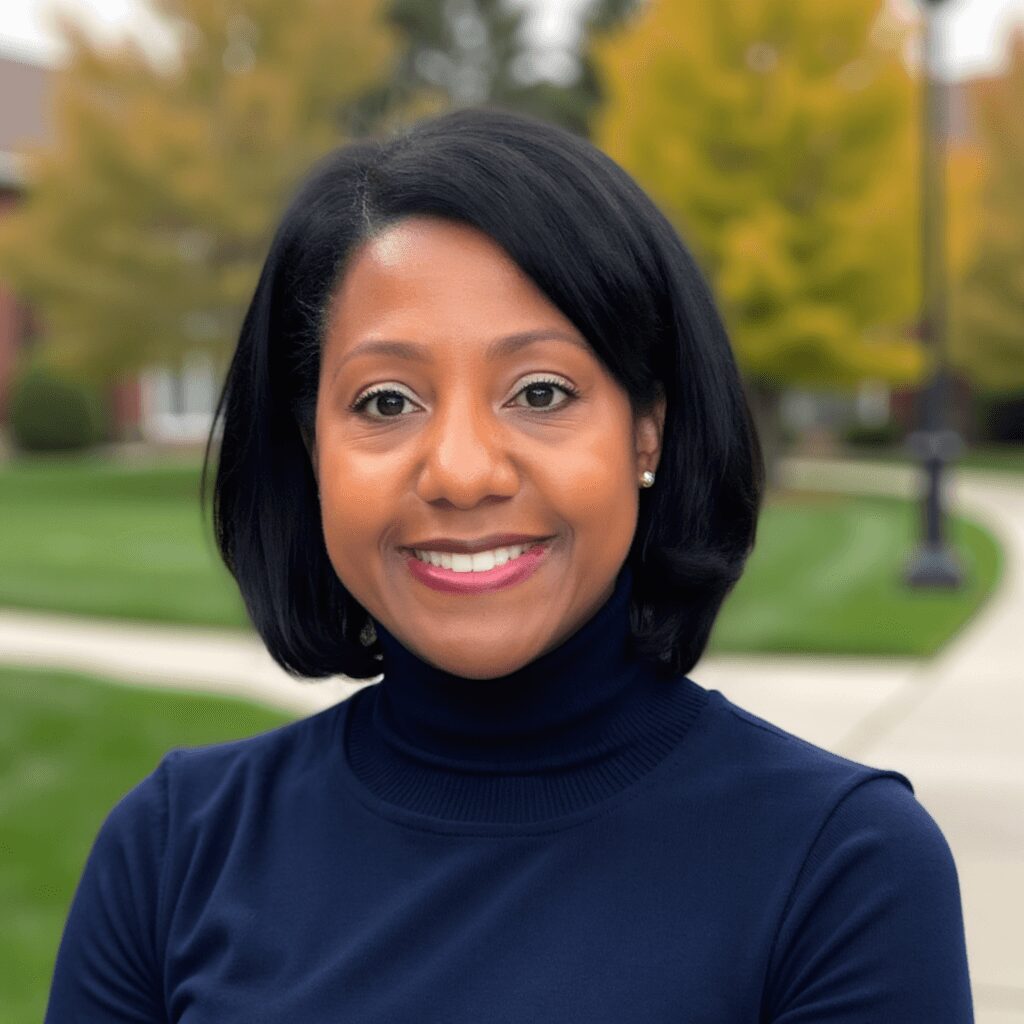
Today we’d like to introduce you to Yamona Pierce.
Hi Yamona, we’re thrilled to have a chance to learn your story today. So, before we get into specifics, maybe you can briefly walk us through how you got to where you are today?
My story is anchored in listening, to the quiet stories of my family and to the land itself; stories that were never meant to be forgotten.
The Hamilton Hood Foundation grew from a deeply personal place. What began as a desire to better understand my own family history slowly revealed itself as a responsibility to preserve a much larger, shared story. That journey led me to Pierce Chapel African Cemetery, established circa 1827 in Midland, Harris County, Georgia, one of the oldest burial grounds for enslaved Africans and their descendants in the region. Long before I fully understood its historical significance, I felt the weight of the space. Standing there, I sensed the presence of those who came before us and the quiet call to honor lives that had long gone unseen.
Like so many plantation-era African American cemeteries, Pierce Chapel endured decades of neglect, not from a lack of love, but from generations of families who were systematically denied access, resources, and recognition. As I began researching, walking the grounds, and listening to descendants and community elders, it became clear that this place held far more than graves. It held stories of faith, perseverance, kinship, and resilience – stories that shaped both Harris and Muscogee Counties and continue to shape who we are today.
The Hamilton Hood Foundation was created to ensure those stories are not lost. What started as grassroots preservation has grown into a broader mission of cultural stewardship, bringing together historical research, genealogy, education, and community engagement. Through collaboration with community organizations, descendants, historians, and dedicated volunteers, our work has grown into a collective effort, one that has led to the creation of expansive family trees on Ancestry.com and Familysearch.org reconnecting descendants to their ancestors, as well as preservation planning initiatives and public programming. At its core, our work is guided by a simple belief: when we preserve sacred spaces, we preserve cultural identity.
Today, the Hamilton Hood Foundation stands at the intersection of history and healing, grounded in both remembrance and forward momentum. What began as a personal journey has become a shared commitment, uniting descendants, genealogy consultants, historians, preservationists, and community partners in the care of Pierce Chapel African Cemetery. Through this collective work, Pierce Chapel has been recognized by the National Trust for Historic Preservation as one of America’s 11 Most Endangered Historic Places and selected as a case study in Georgia’s Full Story Initiative, affirming its national and statewide significance. With support from the African American Cultural Heritage Action Fund, we successfully completed a comprehensive project planning initiative that included detailed historical documentation, mapping, and surveys – critical steps that now provide a clear path for long-term protection and stewardship of this rare cultural landmark. These milestones mark more than progress; they represent a turning point. They ensure that Pierce Chapel is no longer at risk of being forgotten, but is positioned for preservation, interpretation, and continued care, so that its stories, and the people connected to them, will endure for generations yet to come.
Can you talk to us a bit about the challenges and lessons you’ve learned along the way. Looking back would you say it’s been easy or smooth in retrospect?
It has not been a smooth road, and I don’t believe meaningful work ever is.
One of the greatest challenges has been caring for a sacred place and rare cultural landmark that, for generations, was rendered invisible. Pierce Chapel African Cemetery endured decades of neglect not because it lacked value, but because the lives buried there were never afforded the same protection, resources, or recognition as others. Stepping into that reality was both heartbreaking and clarifying. There were moments when the weight of history felt overwhelming – when I questioned how so much could be lost, overlooked, or forgotten in plain sight. Even though those buried at the site where paramount in the formation of Harris County, GA, served their country, and built thriving communities, their final resting does not reflect their legacies.
Another challenge has been navigating systems that recognize the importance of historical African American cemeteries, yet struggle to meet the scale of need. While important laws and frameworks are now in place to protect African American cemeteries, such as the African American Burial Grounds Preservation Act, which I was honored to help inform, preservation still depends heavily on access to funding, technical expertise, and sustained institutional support. With thousands of endangered sites across the country, the need far exceeds the resources available. There were moments when progress felt painfully slow, when doors remained closed, and when advocating for the dignity of Pierce Chapel meant having to reaffirm its value in a landscape of overwhelming need.
Perhaps the most personal challenge has been the emotional labor of holding other people’s ancestors with care. This work carries grief, responsibility, and trust. Descendants come searching for answers, for connection, for a sense of belonging, and there is a deep obligation to honor those hopes with integrity. That responsibility can be heavy, but it is also what fuels the work.
What has sustained me through every obstacle is my faith and the community that formed around Pierce Chapel, descendants, elders, volunteers, historians, spiritual leaders, and partners who refused to let this place disappear. Together, we’ve learned that preservation is not just about restoring land; it is about restoring memory, dignity, and voice. And while the road has been difficult, it has also been profoundly affirming, reminding me that even in the face of loss, reclamation is possible.
We’ve been impressed with Hamilton Hood Foundation, Inc, but for folks who might not be as familiar, what can you share with them about what you do and what sets you apart from others?
The Hamilton Hood Foundation is a nonprofit organization committed to preserving collective cultural history in all its forms – through places, people, stories, and ancestral lineages. While our work includes the stewardship of historically and culturally significant sites such as Pierce Chapel African Cemetery (established circa 1827), it also encompasses genealogy, historical documentation, and community-based interpretation. At its core, the Foundation exists to ensure that communities whose histories are lesser known are fully seen, remembered, and honored with care and intention.
As President, my role is both strategic and deeply personal. I lead the Foundation’s preservation initiatives, partnerships, and long-term vision, while remaining grounded in community engagement and descendant-centered work. We are focused on historical cemetery preservation, genealogical research, historical documentation, and interpretive programming that reconnects people to place, ancestry, and identity. Our approach is collaborative by design, as we work alongside descendants, historians, preservationists, faith leaders, community organizations, and volunteers to ensure the work reflects the voices and values of those most connected to the sites we steward.
What sets the Hamilton Hood Foundation apart is how we bridge preservation and people. We don’t see historical cemeteries as static landscapes, but as living cultural archives. Through expansive family genealogy trees, public history programming, and education initiatives, we restore not only land, but memory – helping descendants reclaim stories that were interrupted by slavery, segregation, and systemic erasure. Our work is anchored in research, but led by relationships.
Brand-wise, I am most proud of the trust the Foundation has earned. Descendants entrust us with their family histories. Communities invite us into sacred spaces. National and state partners recognize our work as a model for how culturally responsive preservation can be done with dignity and intention. Every project reflects our guiding belief: when we preserve sacred spaces, we preserve identity.
What I want readers to know is that the Hamilton Hood Foundation is not just preserving the past – we are actively shaping how history is remembered, shared, and carried forward. This work is about restoration, truth-telling, and healing. It is about ensuring that future generations inherit more than fragments, that they inherit a fuller, more honest understanding of who we are and where we come from.
Can you share something surprising about yourself?
Something that often surprises people is how deeply family recipes are woven into my understanding of history and preservation.
I find great joy in preparing and sharing family recipes, because for me, they are living archives. Each dish carries a story, a memory, and a lineage of care that has been passed down through generations. In my kitchen, preservation looks like my great-great-grandmother’s old-fashioned pound cake, my great-grandmother’s cornbread dressing, and an old family recipe for Hoppin’ John that we prepare every New Year as a ritual of remembrance and hope.
These recipes are as important to me as the work I do in preserving cultural landmarks and archives, as they are another way of honoring ancestors who left us knowledge instead of written records. Through foodways, I feel a great kindredship. I imagine the hands that stirred the batter, the tables where these meals were shared, and the stories exchanged in between.
It is my hope that these recipes, along with the stories behind them, continue to be shared, not just as meals, but as vessels of memory, so they may inspire future generations to remember who they come from and carry those traditions forward with intention and love.
Contact Info:
- Website: https://www.hamiltonhood.org
- Instagram: https://www.instagram.com/hamiltonhoodfoundation/
- Facebook: https://www.facebook.com/hamiltonhoodfoundation/
- LinkedIn: https://www.linkedin.com/in/yamonapierce/
- Youtube: https://www.youtube.com/channel/UCDmv6fTZxj5RqXaGi585vuA
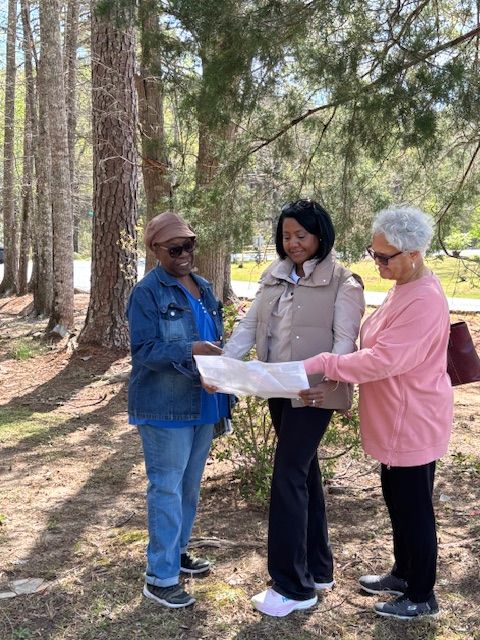
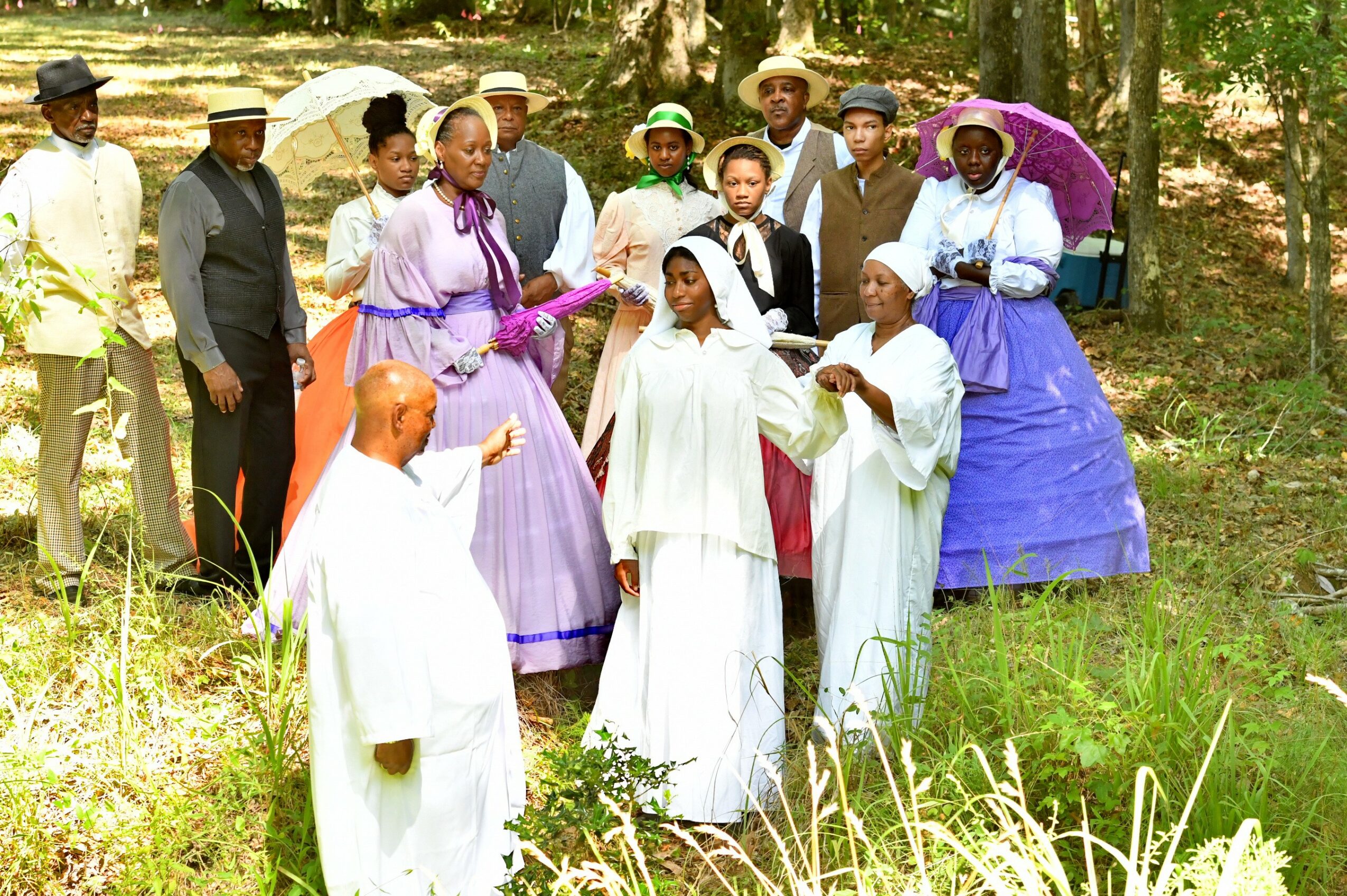
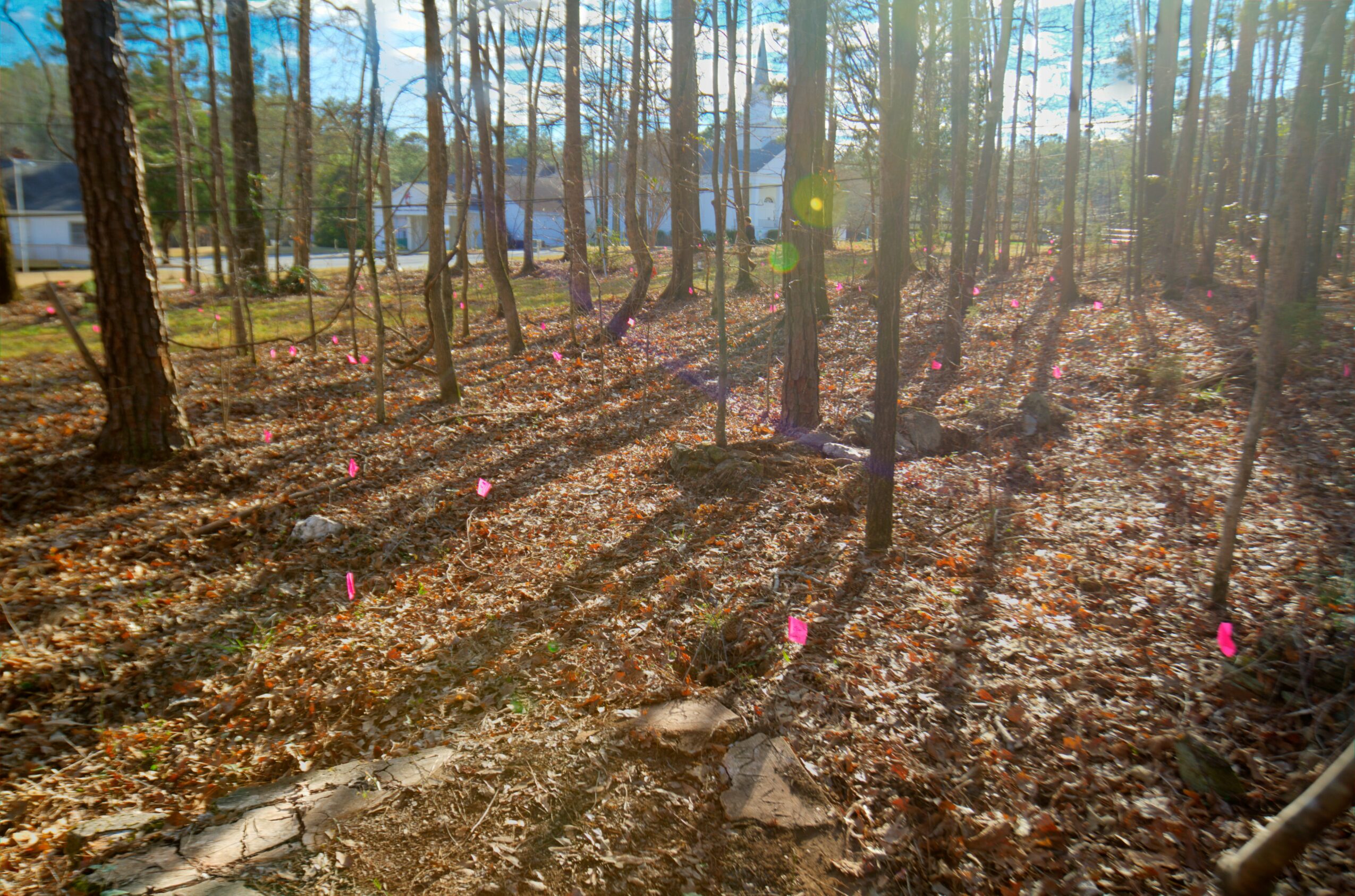
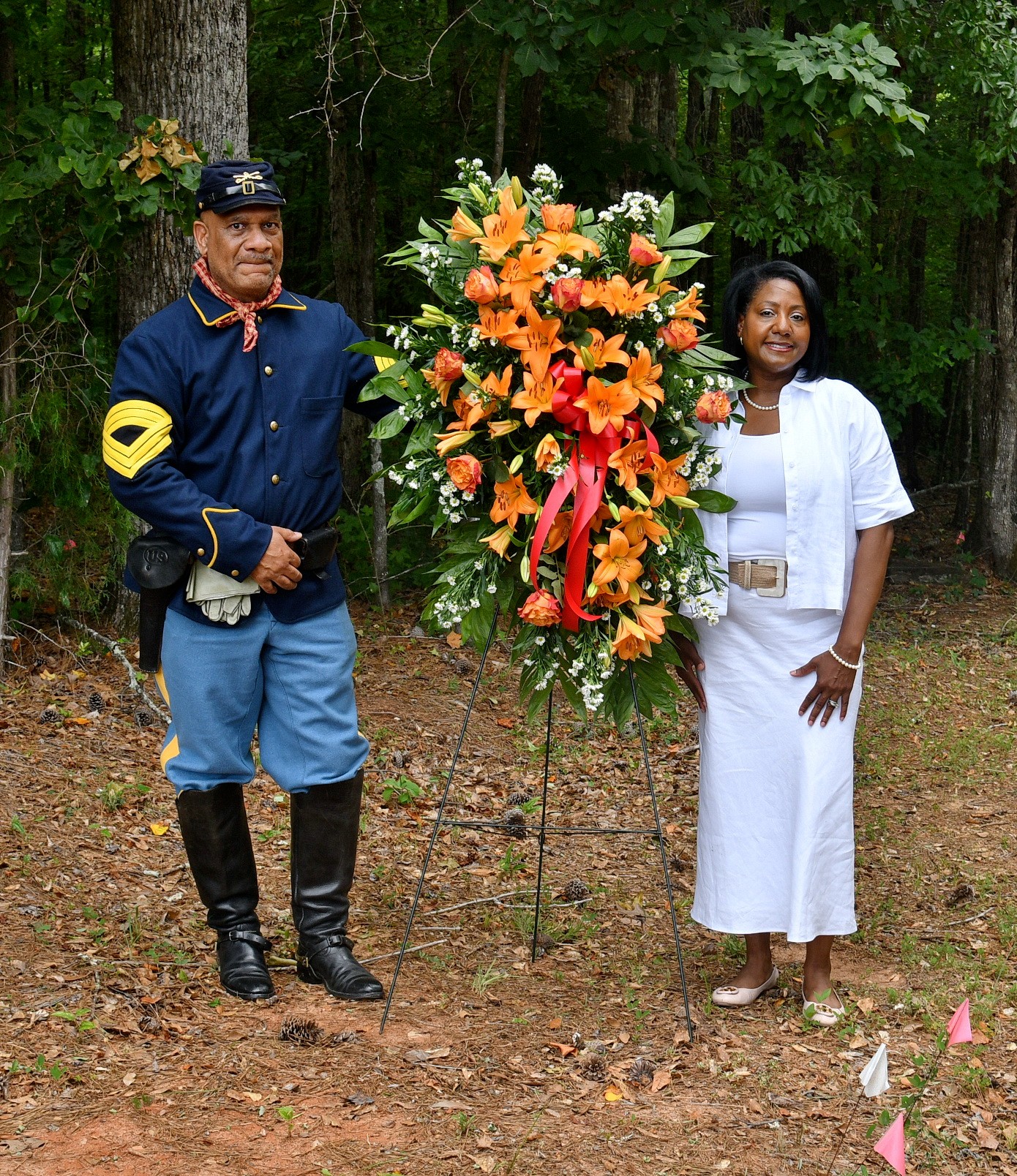
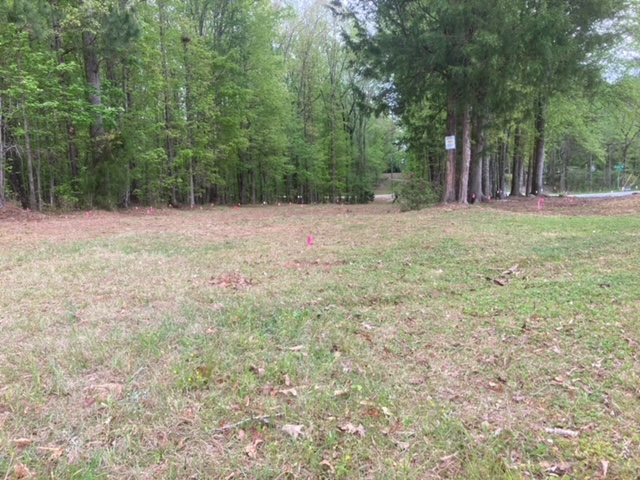
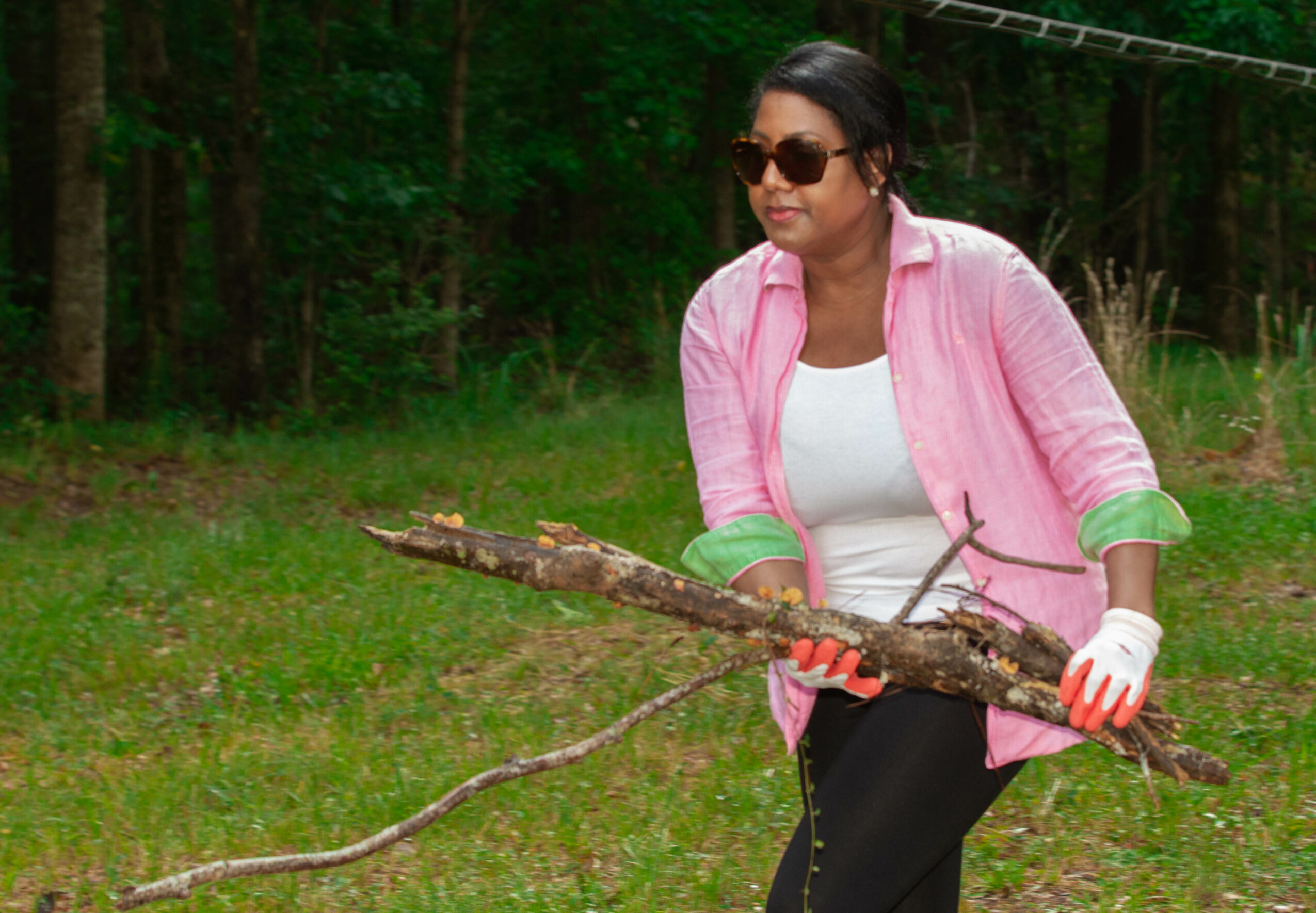
Image Credits
Photo 0168
Descendants Freda Isabel, Henriette Hood Cain, and Yamona Pierce review a draft landscape architectural plan at Pierce Chapel African Cemetery, reflecting collaborative efforts to ensure the site’s long-term preservation and permanence.
Photo credit: Hamilton Hood Foundation, March 26, 2025.
Photo 850_8045
Trooper Derrick Davis,member of the Great Atlanta Buffalo Soldiers Chapter joins Yamona Pierce during a Juneteenth Commemoration at Pierce Chapel African Cemetery, laying a wreath in honor of Buffalo Soldiers and African American military service.
Photo credit: Edward Lamboy, June 19, 2024.
Photo 850
Historical re-enactment of a baptism at Flat Rock Creek, located along the southern boundary of Pierce Chapel African Cemetery, illustrating the site’s spiritual and cultural significance within the community.
Photo credit: Edward Lamboy, June 21, 2024.
Photo 6-12-21
Yamona Pierce participating in a community clean-up day at Pierce Chapel African Cemetery.
Photo credit: Benjamin O’Hara Watson, June 12, 2021
Photo 4031
Pierce Chapel African Cemetery, with pink flags marking identified burial locations following an archaeological survey.
Photo credit: Benjamin O’Hara Watson, June 12, 2021
Photo 0506
Roadcut at Pierce Chapel African Cemetery, showing burial locations marked with pink flags following an archaeological survey.
Photo credit: Hamilton Hood Foundation, March 12, 2025
Popular
-

Alexander Lewis on Betting on Himself, Building Momentum at Coco Studios, and Turning Opportunity into Ownership
-

Hidden Gems: Local Businesses & Creatives You Should Know
-

ATL’s Most Inspiring Stories
-

Portraits of Atlanta
-

Satoya Hayes on Turning Beauty 2 Extensions into a Platform for Affordable Confidence and Entrepreneurial Opportunity
-

Asha Ford on Building Krystal Klear Motion and Creating Purpose-Driven Design for Women