





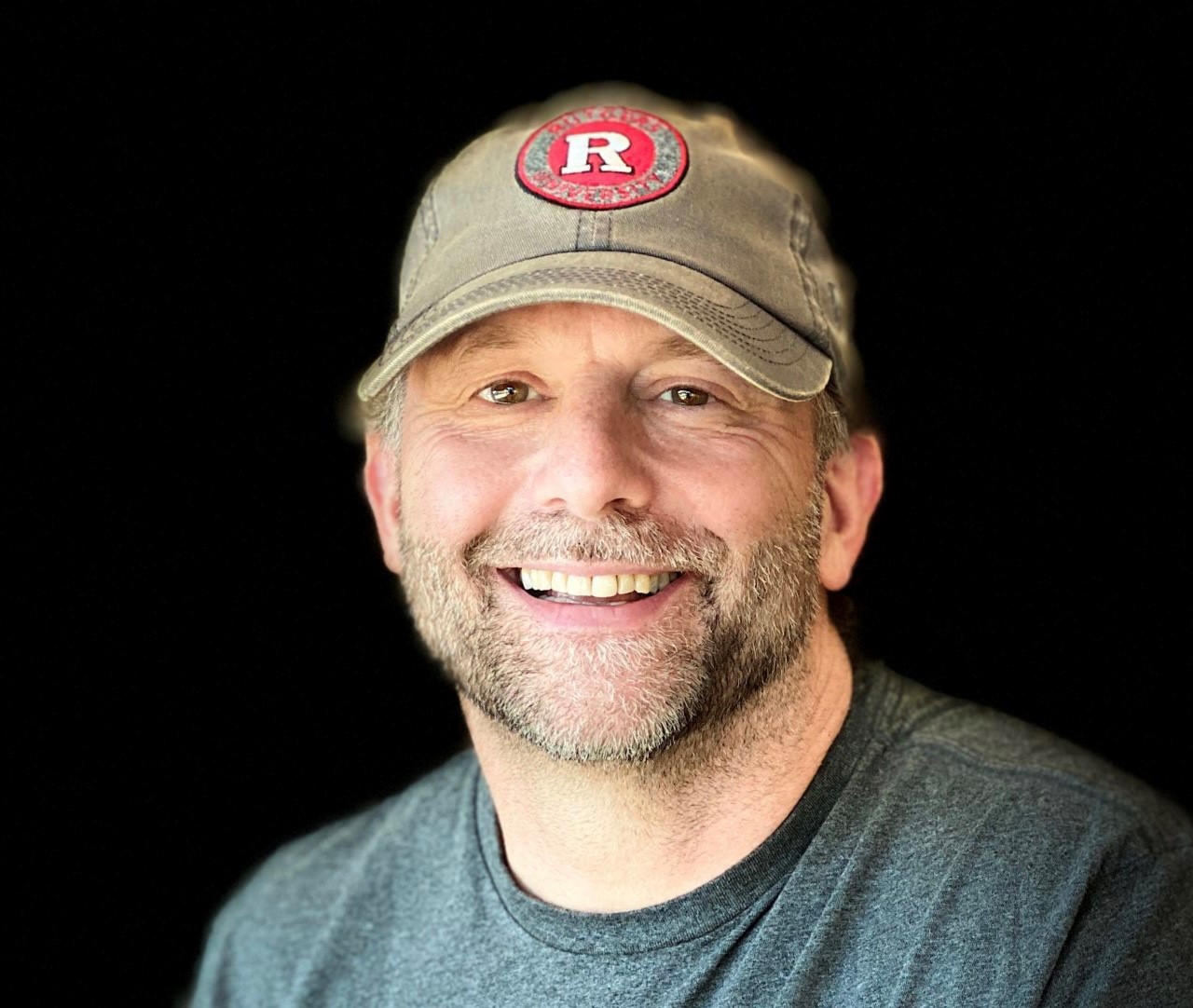
Today we’d like to introduce you to Matt Payne.
Hi Matt, thanks for sharing your story with us. To start, maybe you can tell our readers some of your backstory.
My story begins before I ever knew it. My father was killed in Vietnam when I was just two months old. He deployed in November 1966, I was born in February 1967, and he was killed in action in April 1967. Growing up with that loss shaped my understanding of service, sacrifice, and what it means to live a life that matters.
Right out of high school in 1985, I joined the U.S. Air Force and set my sights on becoming a Combat Controller. I started training with 169 other airmen; 18 months later, only 6 of us from that original group graduated. Those years were defined by relentless standards, tight-knit teamwork, and the reality that failure could mean lives lost. I served for 10 years before being medically retired in 1995, closing one chapter of service without any clear idea what the next one would be.
Leaving the military, I felt unmoored. I didn’t know what I wanted to do, only that I still needed purpose. Eventually, I landed on law enforcement. In New Jersey, getting hired as a police officer is no small task, but I stayed the course and began a new career in public service. Over the years I served in multiple roles – patrolman, detective, and ultimately Chief Humane Law Enforcement Officer for the state – carrying forward the values and discipline I had learned in uniform.
My wife and I always knew we wanted to give back in a deeper way. That desire led us to create Outer Circle Foundation. Our mission is to empower veterans, first responders, and their families with critical mental health resources, compassionate support, and innovative programs – restoring hope, preventing suicide, and guiding heroes through recovery and transition. At the heart of everything we do are faith, community, and connection. We stand beside those who serve, helping them navigate the battles that follow them home.
Our vision is simple but urgent: a world where every veteran, first responder, and their family finds unwavering support, renewed purpose, and genuine healing through faith, community, and compassion – because no hero should ever face their struggles alone. We ground that work in five core values: Faith, Compassion, Respect, Integrity, and Honor. These aren’t just words on a website; they are the standards we hold ourselves to when we show up for people in crisis.
For 30 years, I walked around with PTSD and had no idea I had it. I pushed through, like so many do – high-functioning on the outside, silently carrying the weight on the inside. I don’t want anyone else to lose decades of their life to an invisible war they don’t even know how to name. That is why I speak openly about my journey now, and why Outer Circle Foundation exists: to help others get the diagnosis, support, and treatment they deserve far earlier than I did, and to remind them that asking for help is not weakness – it is the next act of courage in a life of service.
Alright, so let’s dig a little deeper into the story – has it been an easy path overall and if not, what were the challenges you’ve had to overcome?
It hasn’t been a smooth road at all – and in many ways, that’s the point of why I do what I do now.
One of the earliest struggles was identity loss. Leaving JSOC‑level work and the Combat Control community, then later leaving law enforcement, meant walking away from tight-knit teams, clear missions, and a very defined sense of who I was. On paper I was “successful,” but internally I felt unmoored, like I’d stepped out of the only world where I truly fit. That disorientation followed me for years.
Another major struggle was invisible injury. I walked around for three decades with untreated PTSD, believing that what I was experiencing was just “normal” for someone with my background – hypervigilance, anger, isolation, sleep issues, the constant sense I needed to be ready for impact. I didn’t have the language for it, and in our culture you’re trained to gut it out, not to raise your hand and say something’s wrong. That delay in diagnosis and treatment cost me time, relationships, and peace of mind.
Transitioning into civilian life was its own battle. Breaking into law enforcement in New Jersey was difficult – high competition, long hiring processes, and the reality that your military résumé doesn’t automatically open doors. Once inside the system, there were political pressures, bureaucracy, and moments where doing the right thing wasn’t always the easy or popular choice. Standing on principle has a price, and I felt that more than once.
Starting a nonprofit brought a different set of struggles. My wife and I had the heart and the mission, but building Outer Circle Foundation meant learning fundraising, compliance, organizational structure, and messaging – none of which they teach you in Combat Control school or at the academy. There were times we questioned whether we could keep it going, whether anyone was really listening, and whether we were making the impact we envisioned.
On a personal level, there’s also the emotional toll of this work. Sitting with veterans, first responders, and families in crisis – hearing their trauma, losses, and near misses – can easily pull you back into your own darkness if you’re not careful. I’ve had to learn how to set boundaries, lean on faith, and accept help myself, instead of always being the one “in control.”
So no, it hasn’t been smooth. It’s been messy, humbling, and at times painful. But those very struggles – losing my father, military, law enforcement realities, decades of undiagnosed PTSD, and the uphill climb of building a nonprofit – are what give me credibility and empathy today. They allow me to look someone in the eye and say, “I understand,” and actually mean it.
Thanks – so what else should our readers know about Outer Circle Foundation?
Outer Circle Foundation is a faith-driven, grassroots nonprofit dedicated to one thing: making sure veterans, first responders, and their families never have to fight their hardest battles alone.
We focus on the “after” – what happens when the uniform comes off, the critical incident is over, and the weight of service starts to show up as PTSD, depression, anxiety, moral injury, or thoughts of suicide. Our core work centers on PTSD awareness, resources, and treatment; suicide prevention programs; and helping people navigate the maze of resources, treatment options, and life‑transition decisions that can feel overwhelming when you’re already in crisis. We do this through connections to vetted clinical and non‑traditional therapies, peer support, faith‑based initiatives, and practical help like career coaching, resume development, and networking for veterans and first responders who are trying to find their “next chapter.”
What sets us apart is that Outer Circle was built by people who have lived this life – not just studied it. I’m a former Combat Controller and career law enforcement officer who walked around for 30 years with undiagnosed PTSD, and my wife Buffy has spent decades in high‑level security and crisis management work. When we sit with a veteran, a cop, or a firefighter, we’re not talking at them from a distance; we’re meeting them eye‑to‑eye as peers who understand the culture, the language, and the reluctance to ask for help. That lived experience shapes everything – from how we design programs to how we answer the phone when someone calls us at 2 a.m. because they’re not sure they can keep going.
We’re also very intentional about collaboration. Outer Circle doesn’t try to be all things to all people; instead, we partner with other high‑impact nonprofits and providers to connect people with PTSD treatment, suicide prevention resources, service‑animal support, retreats, and specialized programs like our First Responder Reboot, a structured 12‑week healing journey. Our role is often to be the trusted guide – helping someone move from “I’m overwhelmed and alone” to “I have a path, a team, and real options.”
Brand‑wise, I’m most proud that we are known for being real, reachable, and relentlessly committed to the person in front of us. We don’t measure success by how polished our marketing looks; we measure it by the veteran who decides not to end his life, the first responder who finally starts trauma therapy, or the family that feels seen and supported instead of forgotten. Our name, Outer Circle Foundation, is intentional: your “inner circle” is your closest family; we strive to be that next ring of support – steady, reliable, and ready to step in when the load is too heavy to carry alone.
For your readers, here’s what I’d want them to know:
• If you are a veteran, first responder, or family member who is struggling, you are not weak, broken, or alone – and reaching out to us is a sign of strength, not failure.
• If you’re a community member or potential partner, your support – whether financial, professional, or simply spreading the word – directly translates into lives stabilized, marriages saved, and suicides prevented.
At its heart, Outer Circle Foundation is about faith, compassion, and action – showing up for our nation’s heroes in practical, deeply human ways and walking with them until they can stand strong again.
Let’s talk about our city – what do you love? What do you not love?
What I like best about Atlanta is the mix of purpose, diversity, and opportunity. It’s a city where civil rights history, faith, and community service are woven into everyday life, and that resonates deeply with my own story of service and recovery. You can sit in a room with people from all backgrounds – veterans, cops, entrepreneurs, artists – and feel like everyone has a mission and a hustle, but there’s also genuine Southern hospitality underneath it. For the kind of work we do with Outer Circle Foundation, Atlanta is rich soil: a major metro with a strong nonprofit ecosystem, a deep bench of faith communities, and a culture that takes pride in supporting those who serve.
What I like least is that some of the very people we’re trying to help are getting squeezed by the realities of big‑city life. Housing costs and affordability have become a serious concern across metro Atlanta, and that hits veterans, first responders, and working families especially hard when they’re already under stress. On top of that, traffic and crime remain real issues, and when you combine long commutes, financial pressure, and safety concerns, it can compound the mental health challenges people are already carrying. I love this city, but I’m also very aware that if we don’t keep pushing for safer communities, more affordable housing, and better support systems, some of the folks who need Atlanta’s opportunities the most will be the first ones pushed out.
Contact Info:
- Website: https://outercirclefoundation.org/
- Instagram: @outercircle501c
- Facebook: https://www.facebook.com/outercircle501c
- LinkedIn: https://www.linkedin.com/company/outercirclefoundation
- Twitter: https://x.com/outercircle501c
- Youtube: https://www.youtube.com/@OuterCircleFoundation
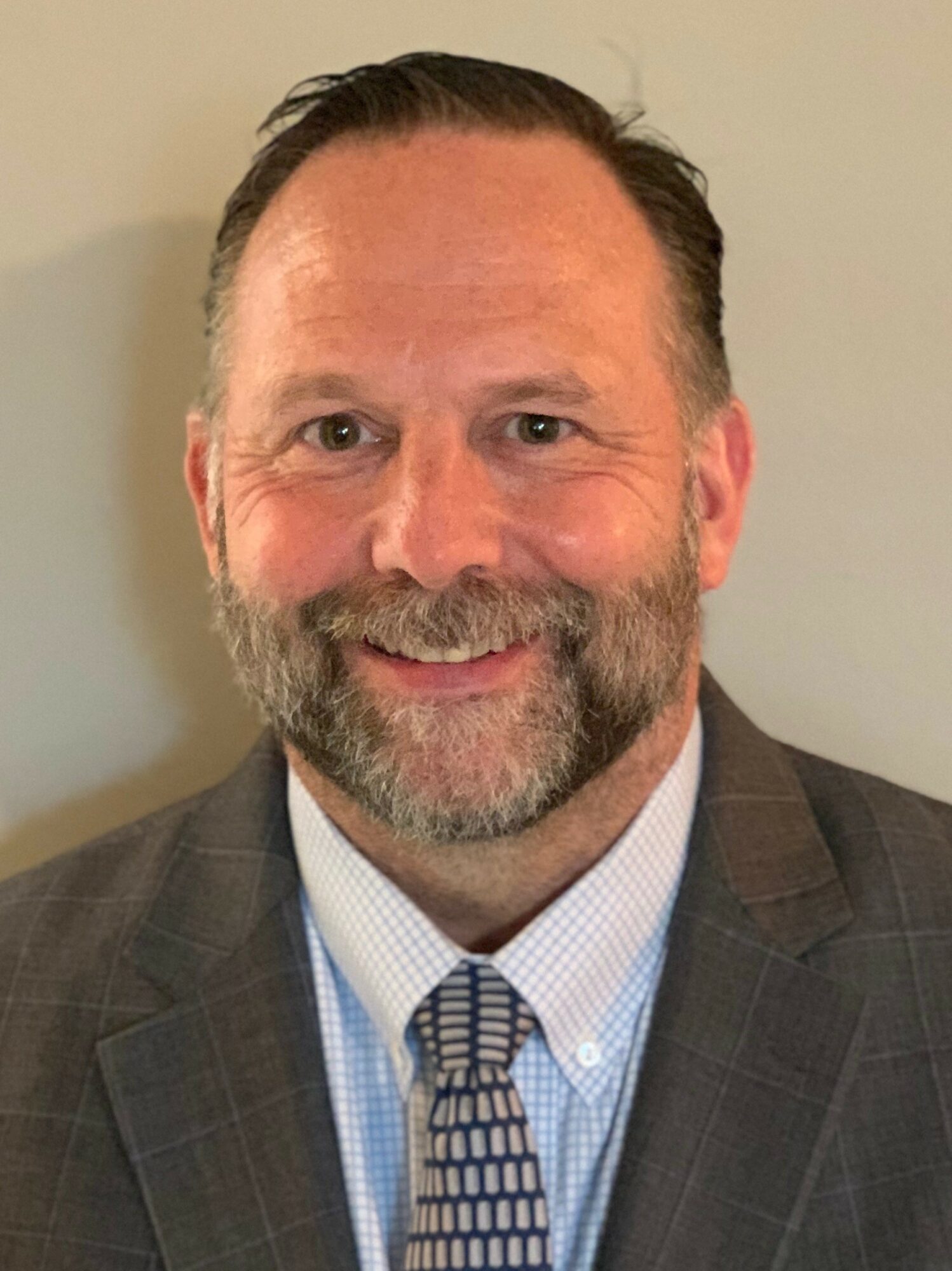
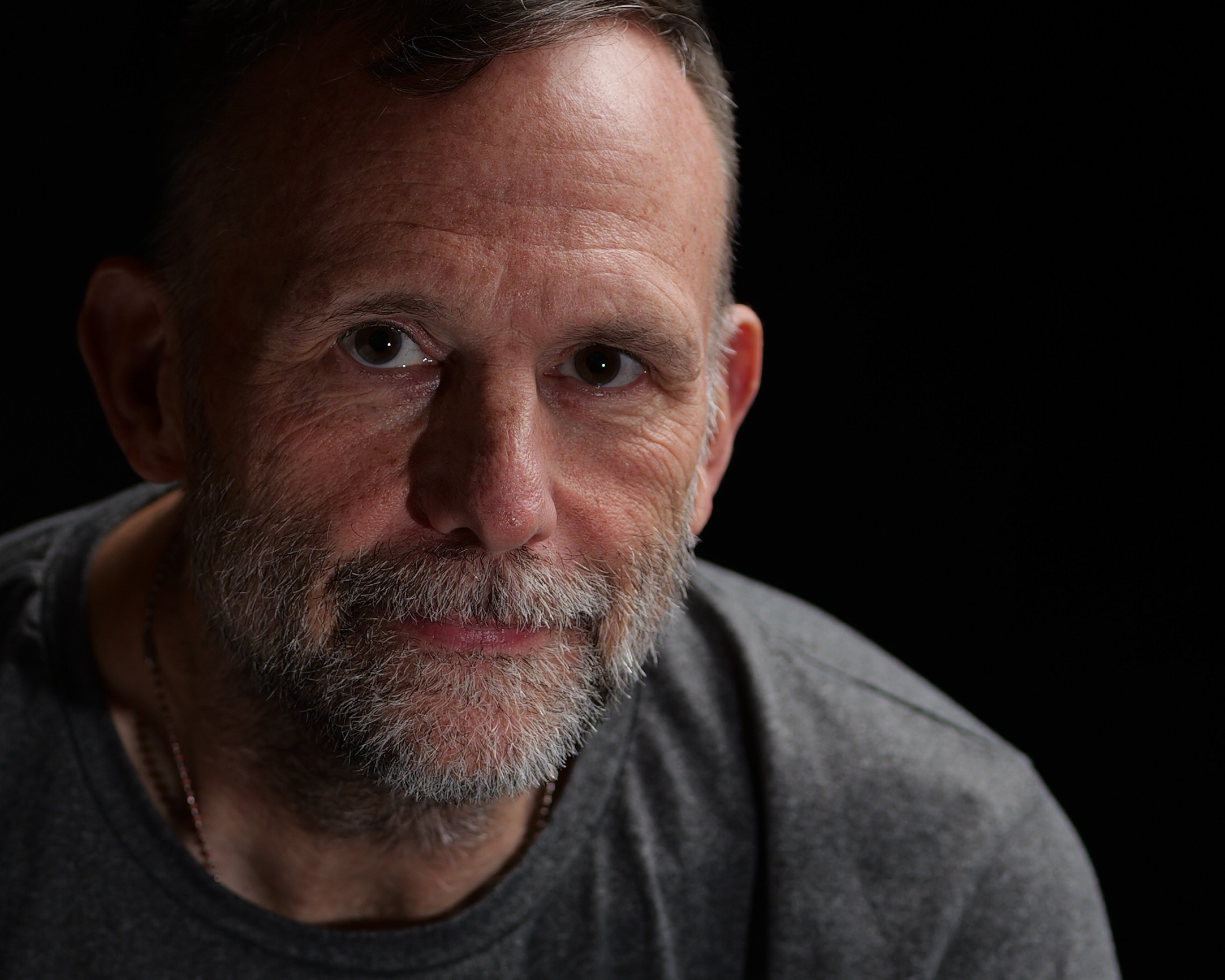
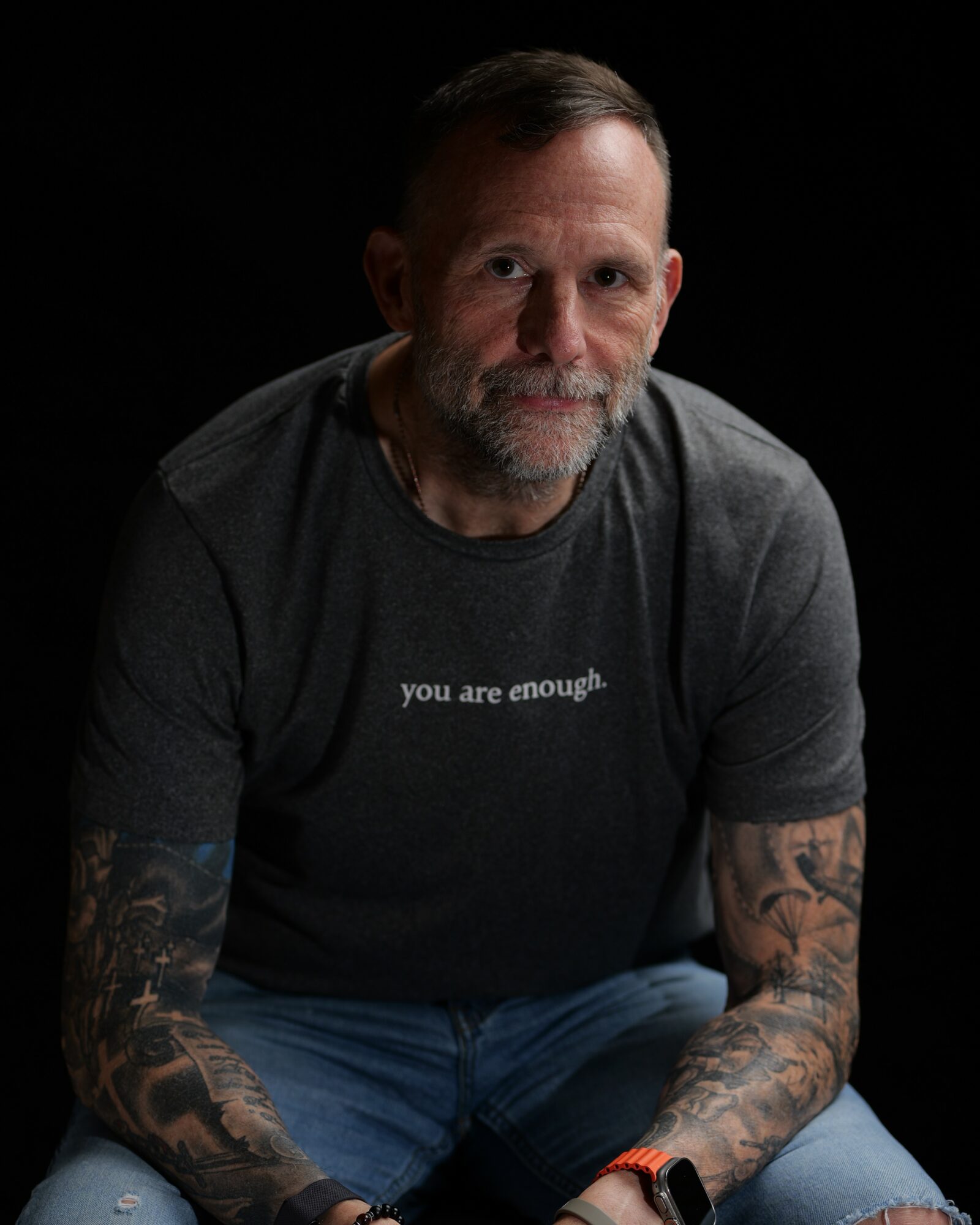
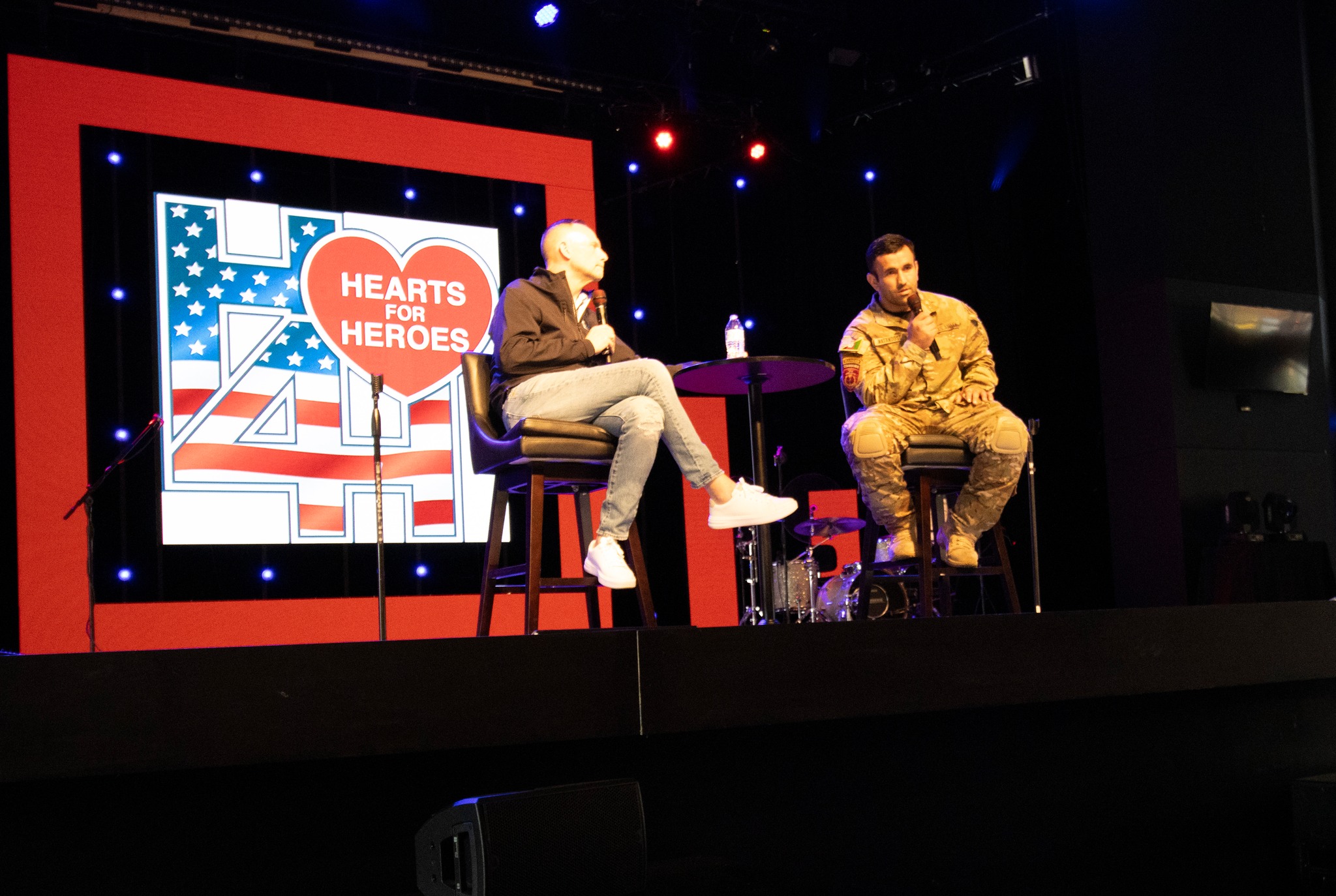
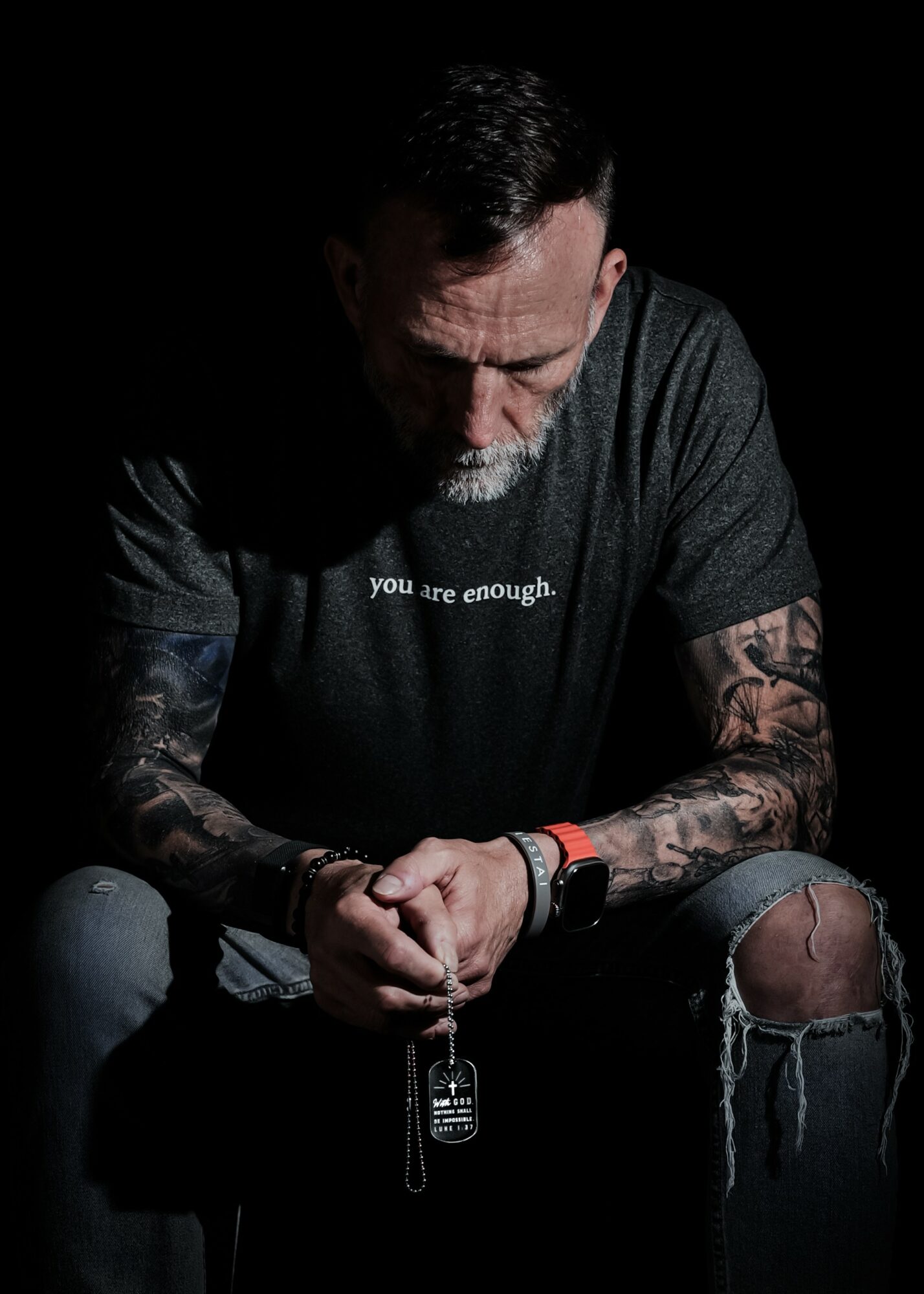
Image Credits
Jesse Bentley
Popular
-

Choosing Impact Over Control: Susana’s Intentional Evolution of Fro Butter
-
Where Faith, Code, and Soul Converge
-

Breaking Cycles, Answering the Call Forward
-
Leadership Rooted in Dignity and Continuity
-

Healing as Leadership: How LaCora Monet Is Redefining Sustainable Success
-

Returning to Herself: How Thalorah Is Building Veloria™ as a Sanctuary for Feminine Sovereignty