





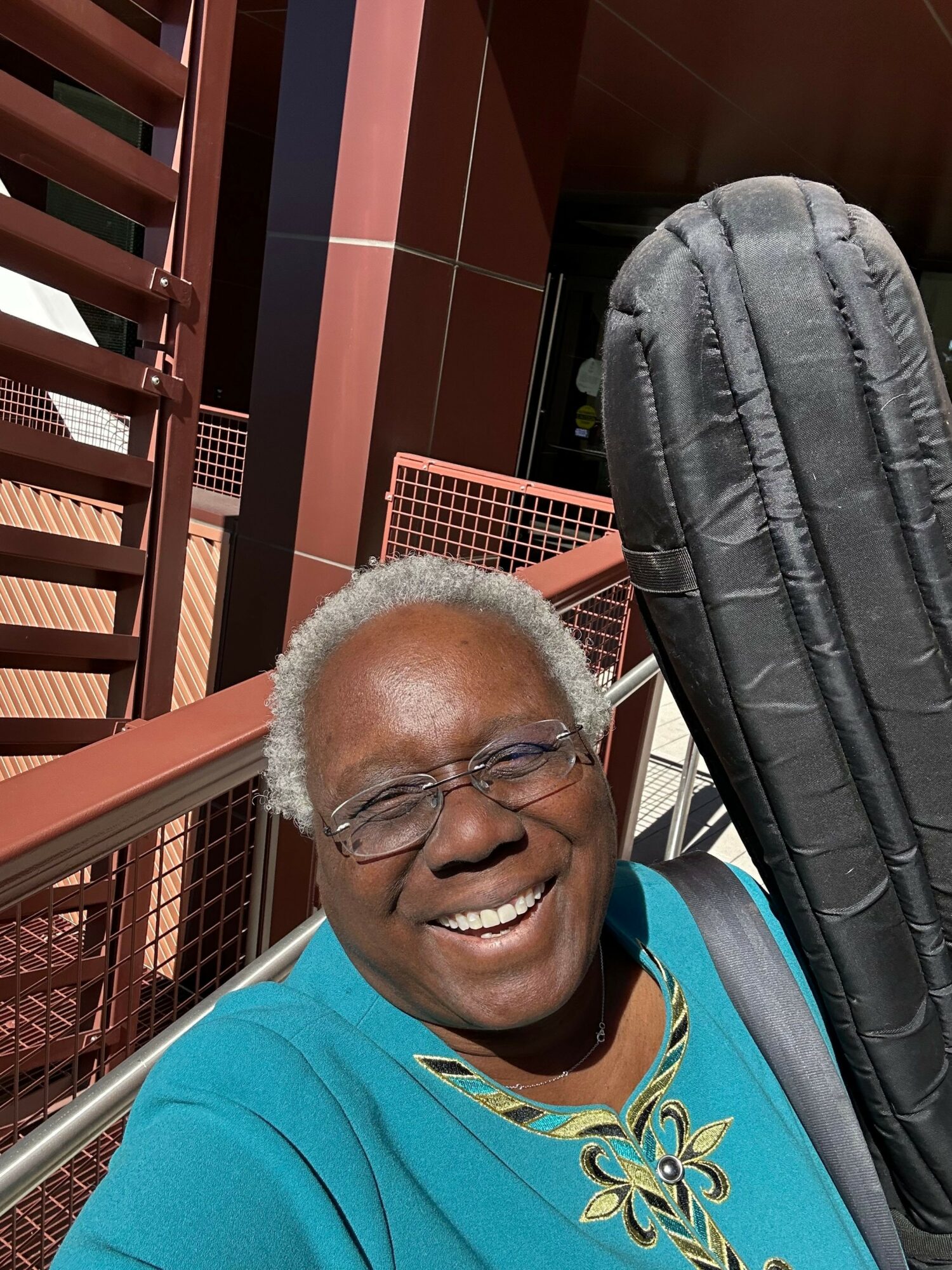
Today we’d like to introduce you to Jacqueline Pickett.
Jacqueline, we appreciate you taking the time to share your story with us today. Where does your story begin?
I often say that the bass chose me long before I understood what a life in music could look like. I grew up drawn to sound, vibration, and the way music could shift the energy in a room. When I first encountered the double bass, something in me recognized home — not just an instrument, but a way of being in the world.
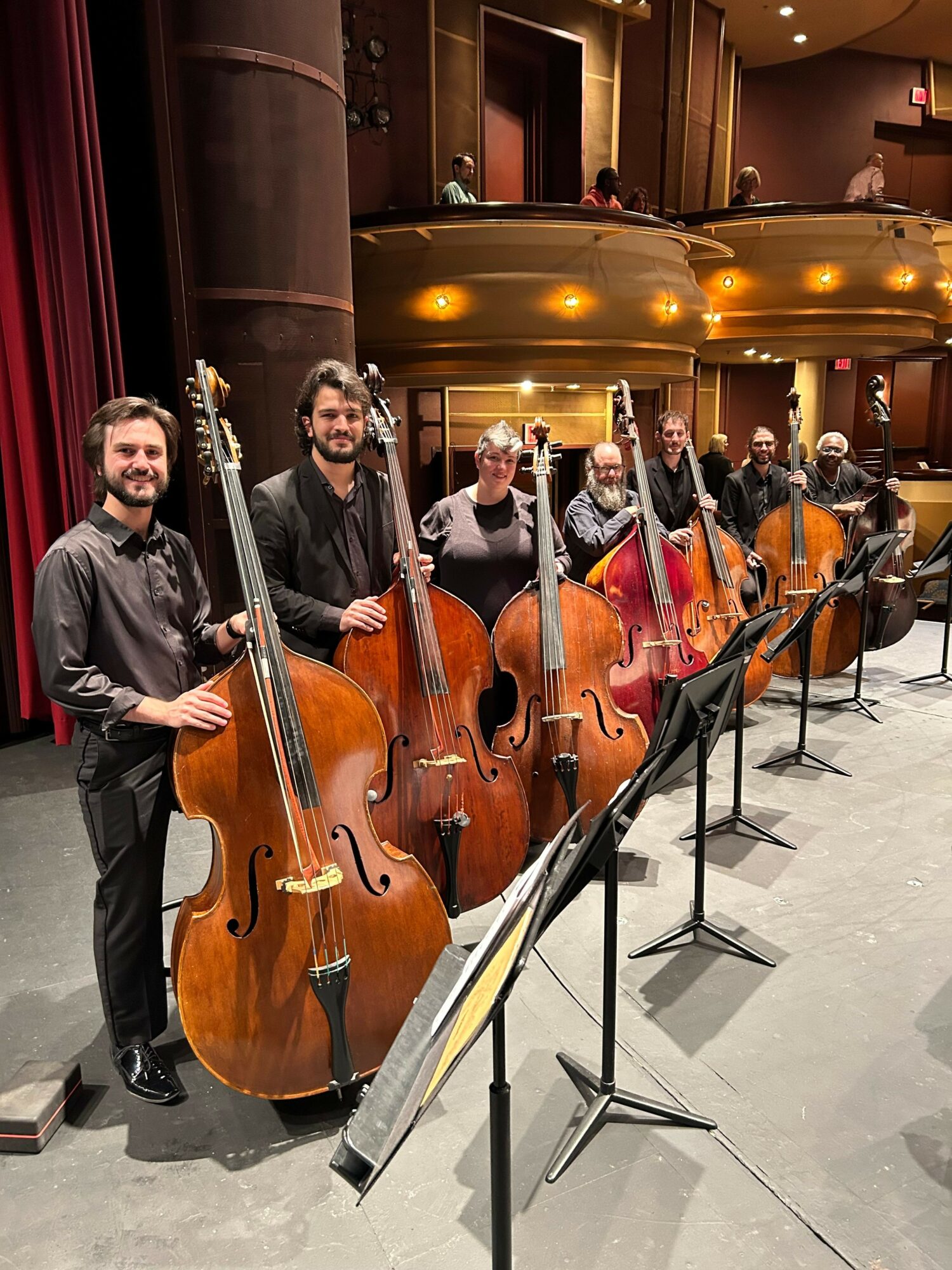
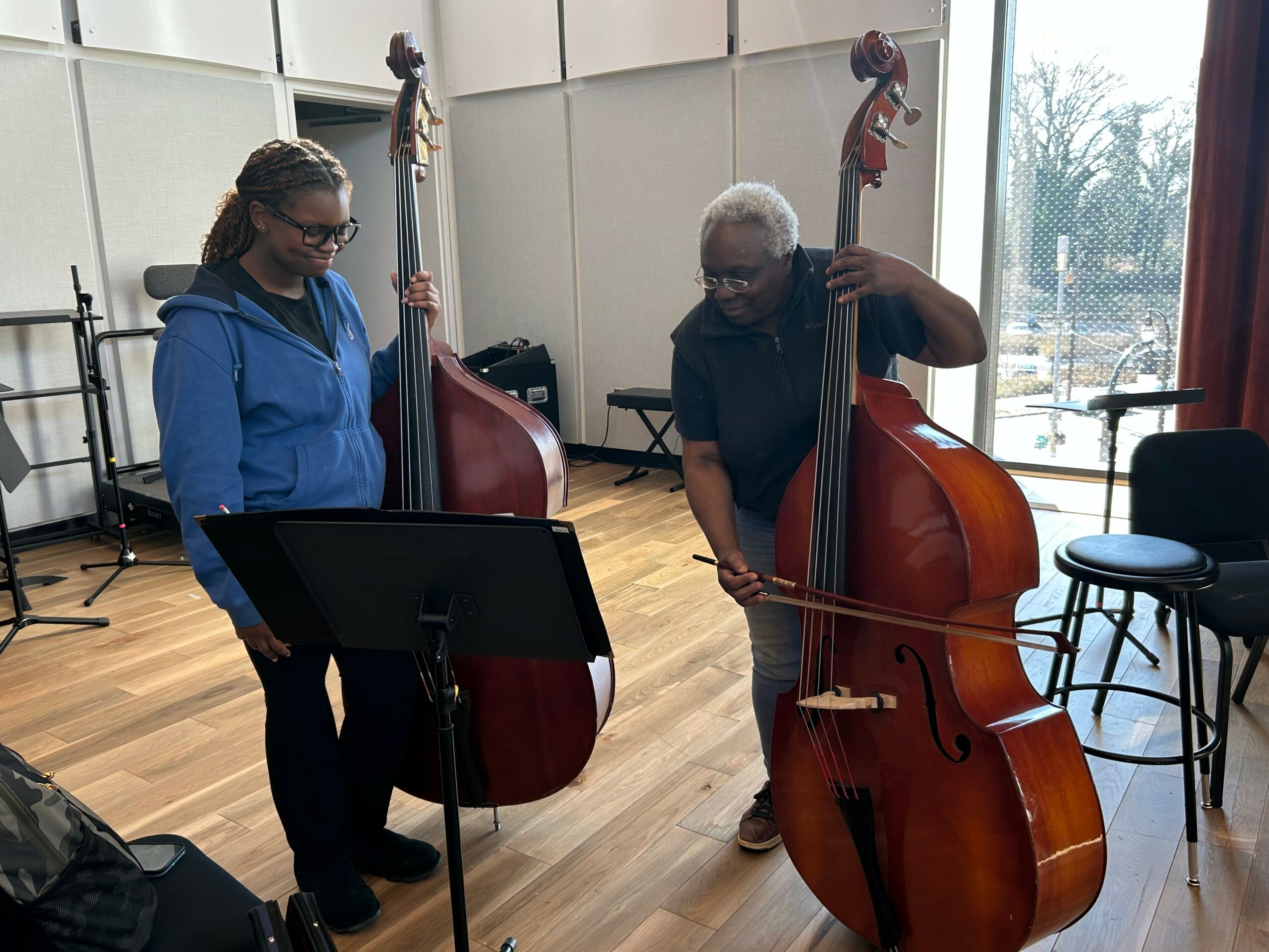
My path has never been linear. I built my career through curiosity, discipline, and a deep commitment to excellence. Over the years, I’ve performed across the country, earned advanced degrees, and carved out a place for myself in orchestral, chamber, and solo settings. Today, I serve as Principal Bass of the Columbus and LaGrange, Georgia Symphony Orchestras and teach Applied Double Bass at Spelman College, where mentoring young artists is one of the great joys of my life.
Founding LOW B was a turning point. I created it to support bassists and artists in ways I wish had existed earlier in my own journey — a space rooted in healing, sovereignty, and community. My work now blends performance, somatic awareness, leadership, and creative strategy. I’m interested not just in how we play, but in how we live as artists: how we care for ourselves, how we build sustainable careers, and how we create systems that honor our humanity.
Every step — the challenges, the breakthroughs, the mentors, the students, the communities I’ve served — has shaped the leader and artist I am today. I’m still evolving, still learning, and still committed to using my gifts to uplift others. That, to me, is the heart of my story.
Would you say it’s been a smooth road, and if not what are some of the biggest challenges you’ve faced along the way?
The road has been meaningful, but it hasn’t always been smooth. My first major breakthrough came in 1990 at the Composers Forum of the National Black Arts Festival. I performed On the Third Day… Osiris Arose by Tuskegee University professor John E. Price. That performance — and the positive review that followed — changed the trajectory of my career. It led to an invitation to join the Atlanta‑based contemporary ensemble Thamyris, one of the first Artists‑in‑Residence at Spivey Hall.
Being part of Thamyris opened doors I could never have imagined at the time: premiering works by world‑renowned composers, performing on NPR’s Performance Today, and stepping into a creative world where new music, experimentation, and excellence were the standard. It was a gift — but it also came with challenges. I had to rise to the level of the artists around me, learn fast, and trust that my voice belonged in those spaces.
Throughout my career, I’ve often had to navigate systems that weren’t built with my identity or my instrument in mind. As a Black woman bassist, I learned early on that I had to be prepared, focused, and committed to doing my absolute best every time I stepped onstage. That mindset carried me through orchestral work, chamber music, and the jazz world — which has always been a home for me and continues to feed my artistry today.
Obstacles have shown up in many forms: limited opportunities, uneven access, and environments where I had to advocate for my own visibility. But I’ve always met those challenges the same way — with preparation, integrity, and a deep love for the music. Every struggle sharpened my purpose and strengthened my commitment to creating pathways where others don’t have to fight the same battles alone.
Thanks – so what else should our readers know about your work and what you’re currently focused on?
My work lives at the intersection of performance, somatic practice, leadership, and community stewardship. At my core, I am a bassist — a musician shaped by vibration, resonance, and the deep architecture of sound. I perform as Principal Bass of the Columbus and LaGrange, Georgia Symphony Orchestras, collaborate in chamber and contemporary music settings, and continue to explore the improvisational freedom of jazz, which has always been a vital part of my artistic life.
But my career has never been limited to the stage. I specialize in helping artists build sustainable, liberated lives. Through LOW B, I create spaces where musicians — especially bassists — can access mentorship, healing‑centered practices, and the kind of strategic support that allows them to thrive without sacrificing their wellbeing. My work blends artistry with somatic awareness, ritual, and practical strategy, because I believe the way we live shapes the way we play.
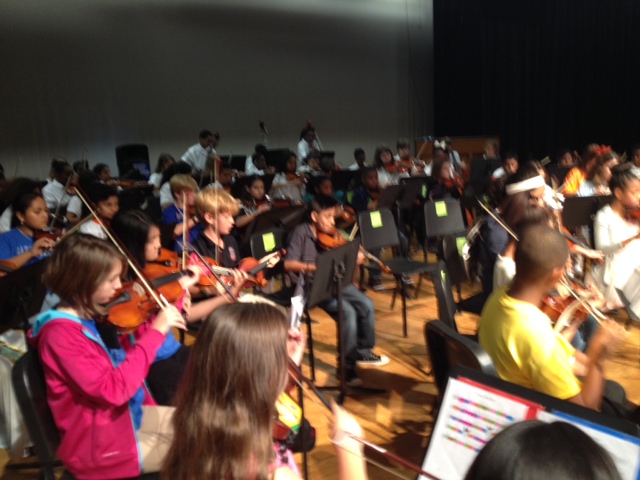
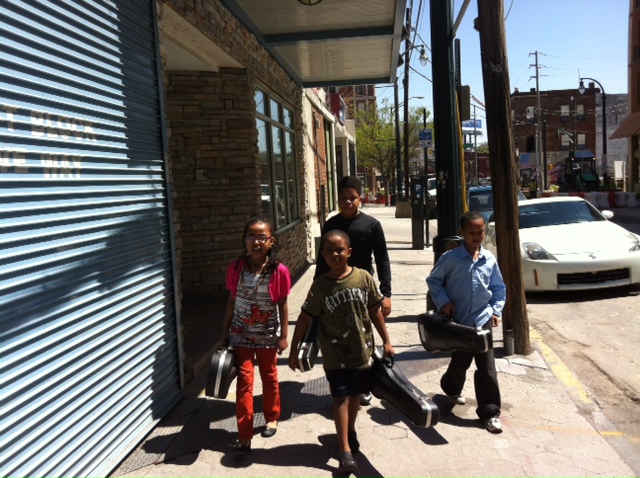
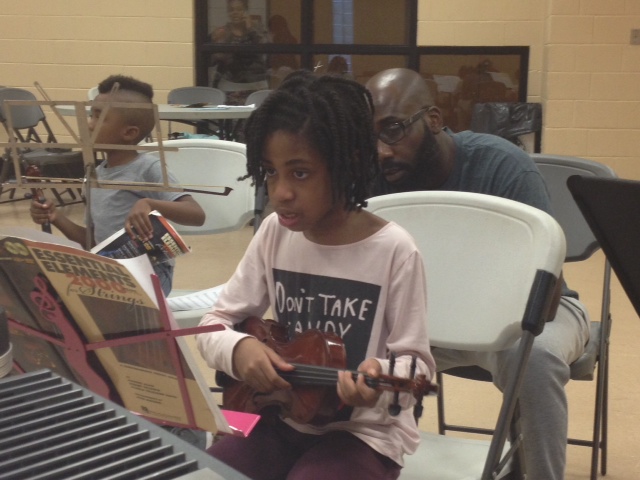
I’m also the founder of TORCH Academy — Together Orchestras Revitalize Community Harmony, the first nonprofit I established in 2011. We met and exceeded our mission of reaching 100 at-risk youth in 2018. It was a wonderful run! TORCH provided free music instruction and life‑skills learning for at‑risk youth, in partnership with the City of Atlanta. One of the accomplishments I’m most proud of is how TORCH united communities that rarely had the chance to stand side by side. We brought together the neighborhoods of Bankhead and Buckhead, along with Atlanta’s immigrant community through a partnership with Big Bethel Church. Every year, we held community concerts in each other’s neighborhoods — a ritual of connection, dignity, and shared joy. TORCH taught me that music is not just an art form; it is a tool for social healing and collective empowerment.
I’m known for bringing clarity, grounding, and intention into every environment I enter — whether I’m performing, teaching at Spelman College, leading workshops, or supporting emerging artists. What sets me apart is the way I integrate lineage, embodiment, and leadership into my musicianship. I don’t separate the art from the artist; I help people understand that their whole life is part of their creative practice.
I’m most proud of the communities I’ve helped build and the artists I’ve supported along the way. My career has been shaped by excellence, resilience, and a commitment to creating pathways for others. If my work stands for anything, it’s that artistry and humanity are inseparable — and that when we honor both, we create something powerful and lasting.
We’d love to hear about any fond memories you have from when you were growing up?
One of my favorite childhood memories comes from growing up in Somerset, Pennsylvania, in a small neighborhood called Edgewood. It was considered the “poor” side of town, but to me it was a place full of life, culture, and connection. Families from Russian, Eastern European, German, Polish, Welsh, Irish, and Italian backgrounds lived side by side with my family — the only Black family in the neighborhood at that time. Even though the world had its labels, inside that community we were simply neighbors.
My family was an extended family in the truest sense. My grandparents, aunts, uncles, and cousins all lived together under one roof, and our home was always full — full of people, full of food, full of laughter. Sundays and holidays were especially memorable. We gathered around big meals, shared stories, and created traditions that still live in me today.
What made Edgewood special was how the neighborhood kids formed our own kind of family. We played games together, moved freely between each other’s houses, and built friendships that crossed cultural lines long before I had language for what that meant. Those early experiences taught me about belonging, community care, and the beauty of shared humanity.
That sense of togetherness — both within my own family and across the neighborhood — shaped the way I move through the world. It’s part of why I build community through music today.
Popular
-

Choosing Impact Over Control: Susana’s Intentional Evolution of Fro Butter
-

Where Faith, Code, and Soul Converge
-

Breaking Cycles, Answering the Call Forward
-

Leadership Rooted in Dignity and Continuity
-

Healing as Leadership: How LaCora Monet Is Redefining Sustainable Success
-

Returning to Herself: How Thalorah Is Building Veloria™ as a Sanctuary for Feminine Sovereignty