






Today we’d like to introduce you to Neshia Byrdsong.
Hi Neshia, thanks for sharing your story with us. To start, maybe you can tell our readers some of your backstory.
I started in a place of frustration that turned to determination to succeed for my love of the Alocasia plant. It is luxurious and dramatic; each leaf has so much texture and depth that it draws you in. However, no matter what I tried, I struggled to keep it alive. I started researching different planting methods and plant care techniques.
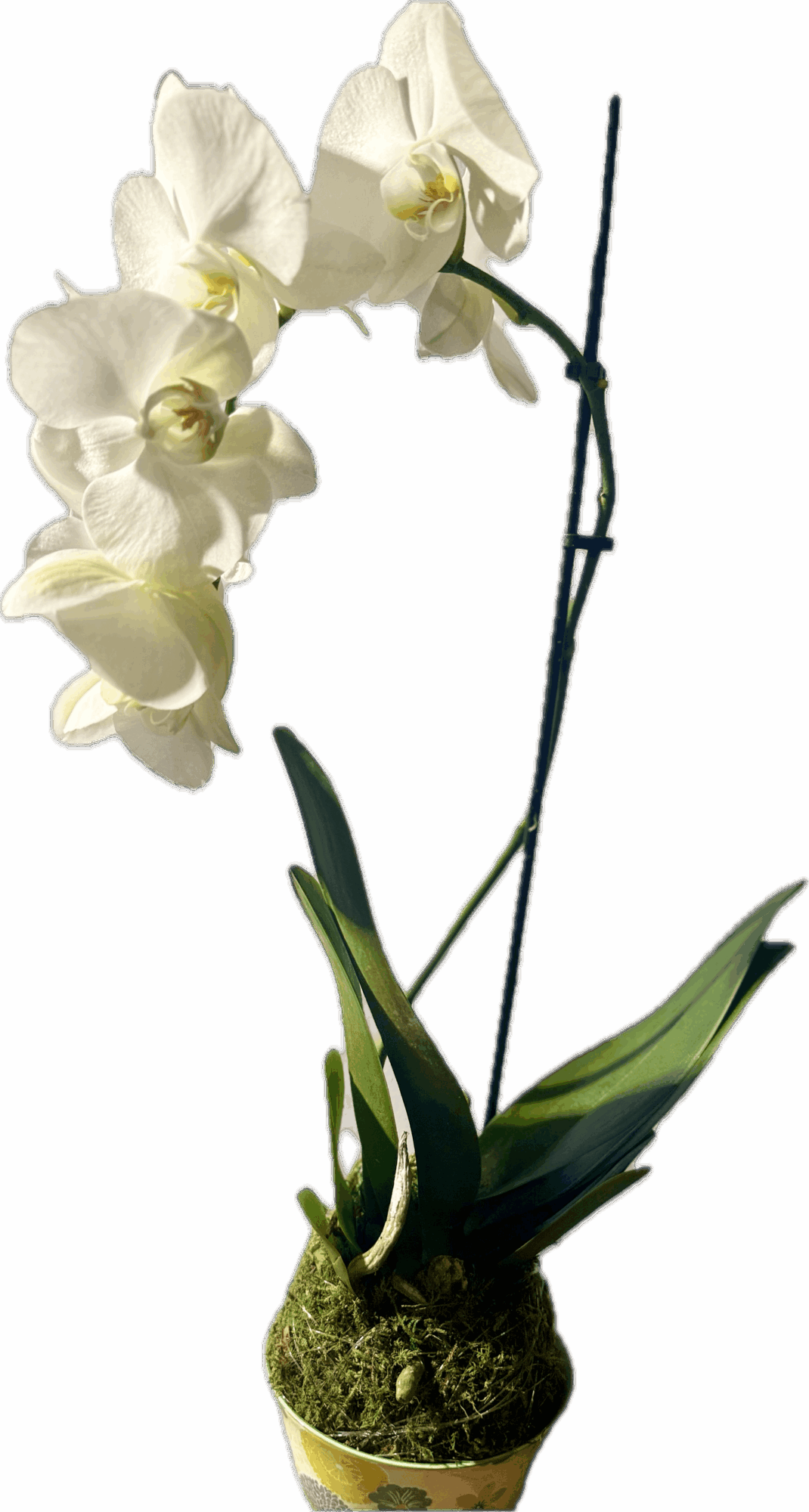
During my research of trying different methods on how to keep a tropical plant indoors, I discovered kokedama—a Japanese planting style where plants grow from moss instead of a traditional pot. What fascinated me was how the method focuses on the root system and moisture balance in a way that supports healthier plant growth. Focusing on the root system of the plant caused me to look inward; I wasn’t rooted or grounded, I was spread thin, always doing the most. I was the one who needed balance.
The process of making kokedama was not only good for my plants but for me as well. Caring for plants teaches me patience, resilience, and the beauty of slow intentional growth. Kokedama is not only was it functional for plant health, but it was also beautiful and unique. It felt like a blend of gardening and art that tapped into my creative spirit.
From there, Growing Intentions, began to take shape. What started as an experiment to keep one plant alive turned into a creative practice of designing living plant pieces that reflect patience, balance, and intentional growth.
Today, I create kokedama arrangements that are meant to bring nature indoors in a thoughtful way. Each piece is handcrafted and designed to highlight the beauty of the plant while reminding people that growth—both in plants and in life—takes care, time, and intention.
We all face challenges, but looking back would you describe it as a relatively smooth road?
I feel like you know you are on the right path when everything comes together. That’s what happened with Growing Intentions. I started at thrift stores to search for bowls to set my plants in, since they didn’t need traditional pots; I could find more aesthetic pieces.
I showed the shopowner, and she suggested that I should sell my creations.
The next week I had a table set up and sold most of my personal collection.
One of the biggest obstacles has been learning how to build something meaningful while working with limited resources. Again, I had to be creative, finding plants that could tolerate growing in moss, finding moss, and taking the time to pull all this together.
Plants, moss, soil, and vendor event fees can add up quickly, and I have to be very intentional about where I invest my time and money. There is also a learning curve in discovering which plants truly thrive in kokedama and how to design pieces that stay healthy long term.
Balancing the business alongside my professional career and family responsibilities has also required discipline and patience. Many parts of Growing Intentions have been built in the evenings and on weekends.
But those challenges have also shaped the business. Each market event, plant experiment, and customer interaction has helped refine both the process and the purpose behind the work. Growing Intentions mirrors the path of caring for plants—it requires patience, resilience, and consistent nurturing over time.
Thanks for sharing that. So, maybe next you can tell us a bit more about your work?
I create living plant art using kokedama. It is unique, and it is created from the belief that growth, both personal and plant, happens naturally when we slow down.
What began as a love for plants became a practice of intention. I enjoy the creation of the kokedama because each piece is crafted to honor the connection between plant care and personal growth.
What sets my work apart is the intention behind it. Every kokedama is designed not just as a plant arrangement but as a symbol of growth, balance, and resilience. I’m inspired by the idea that tending to living things can also nurture our own well-being. My philosophy is growth is not rushed; it is rooted. Plant care is self-care, and that concept gets lost in the day-to-day busyness of life.
I’m especially proud of turning something that started as a personal experiment into a creative practice that resonates with others. Whether someone brings a kokedama into their home or learns to make one in a workshop, the goal is always the same—to create a meaningful connection between people, nature, and the process of growth.
So maybe we end on discussing what matters most to you and why?
What matters most to me is creating pieces that feel meaningful and intentional. Plants have a quiet way of teaching us patience and reminding us that growth takes time.
Through Growing Intentions, I hope to encourage people to slow down and reconnect with nature. Something as simple as caring for a plant can create moments of mindfulness in our everyday lives. The watering process is also intentional. You soak the moss ball in water and let it absorb the moisture slowly. This small act resets your brain and causes you to interact with plants in a way you may not have done before.
I hope people are drawn to kokedama because they are more than just plants—they are living art. They bring nature indoors in a simple, sculptural way, and the care ritual creates a moment to slow down and connect.
At its heart, Growing Intentions is about more than plants. It’s about creating small reminders that growth, healing, and balance are always possible.
Contact Info:
- Website: https://growingintentions.godaddysites.com/
- Instagram: @growing.intentions
- Facebook: Growing Intentions