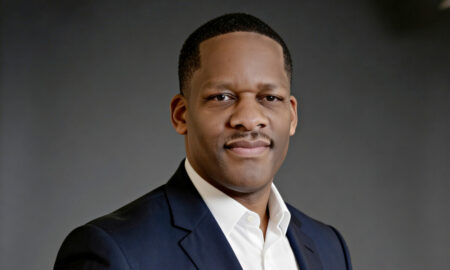
Hi Stefanie, thank you so much for taking the time to share your vision with us. Your work with Divine Mind Therapeutics feels like such a thoughtful reimagining of therapy and relationships—treating both as intentional, high-touch experiences rather than reactive fixes—so let’s jump right in.
You’re relaunching DMT 2.0 with a more premium, “white-glove” client journey. What inspired you to redesign therapy this way, and what does that elevated, curated experience look like in practice compared to traditional therapy models?
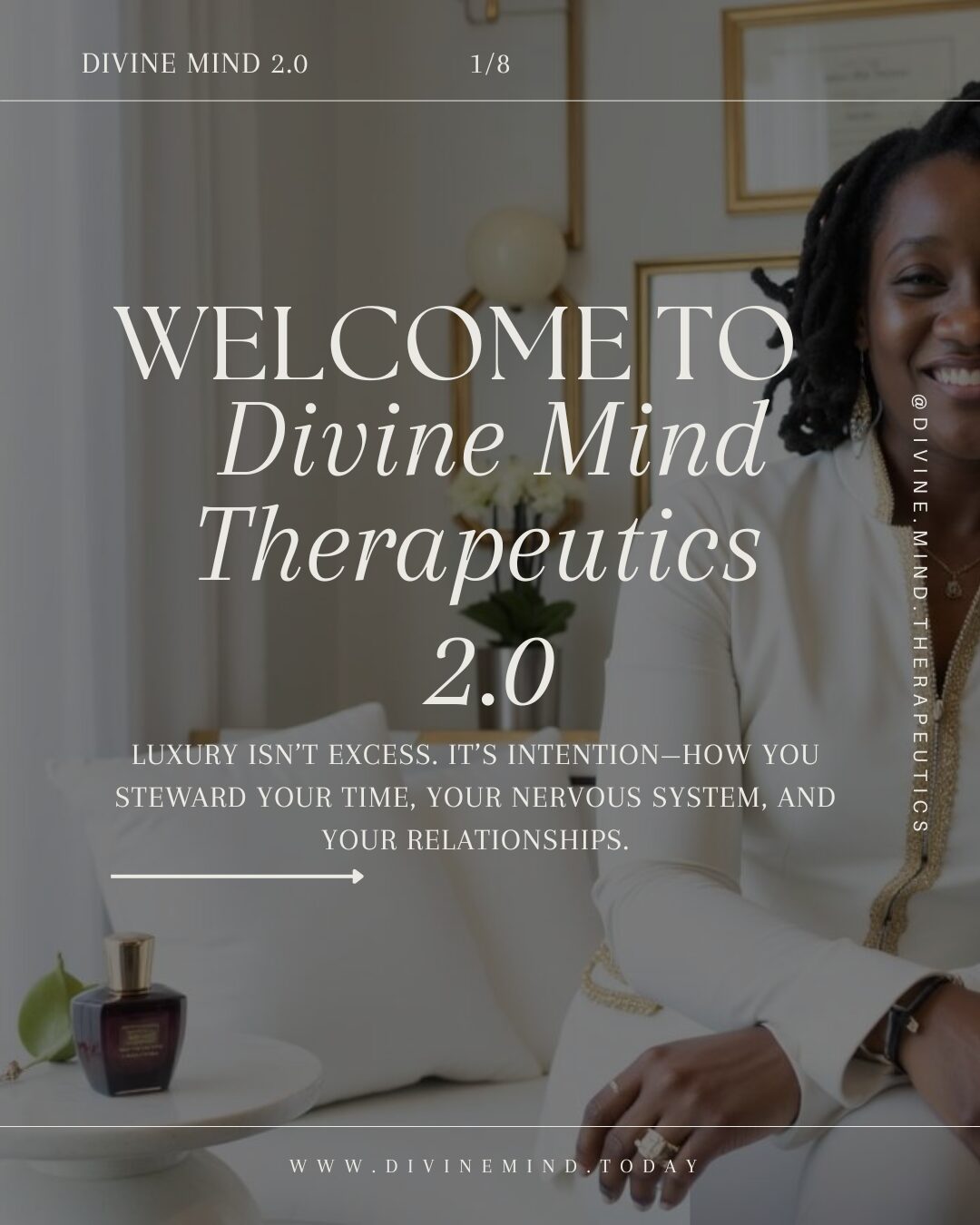
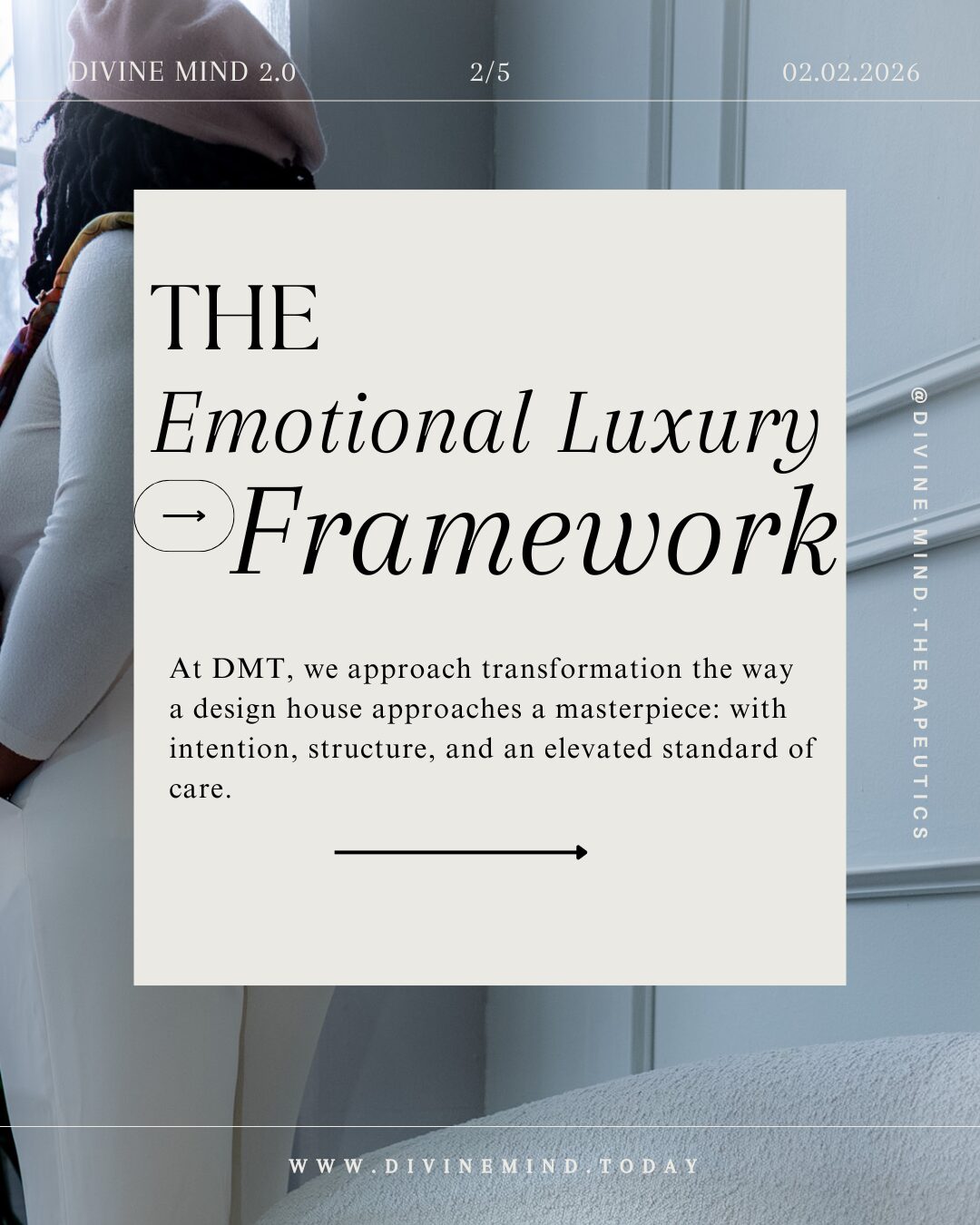
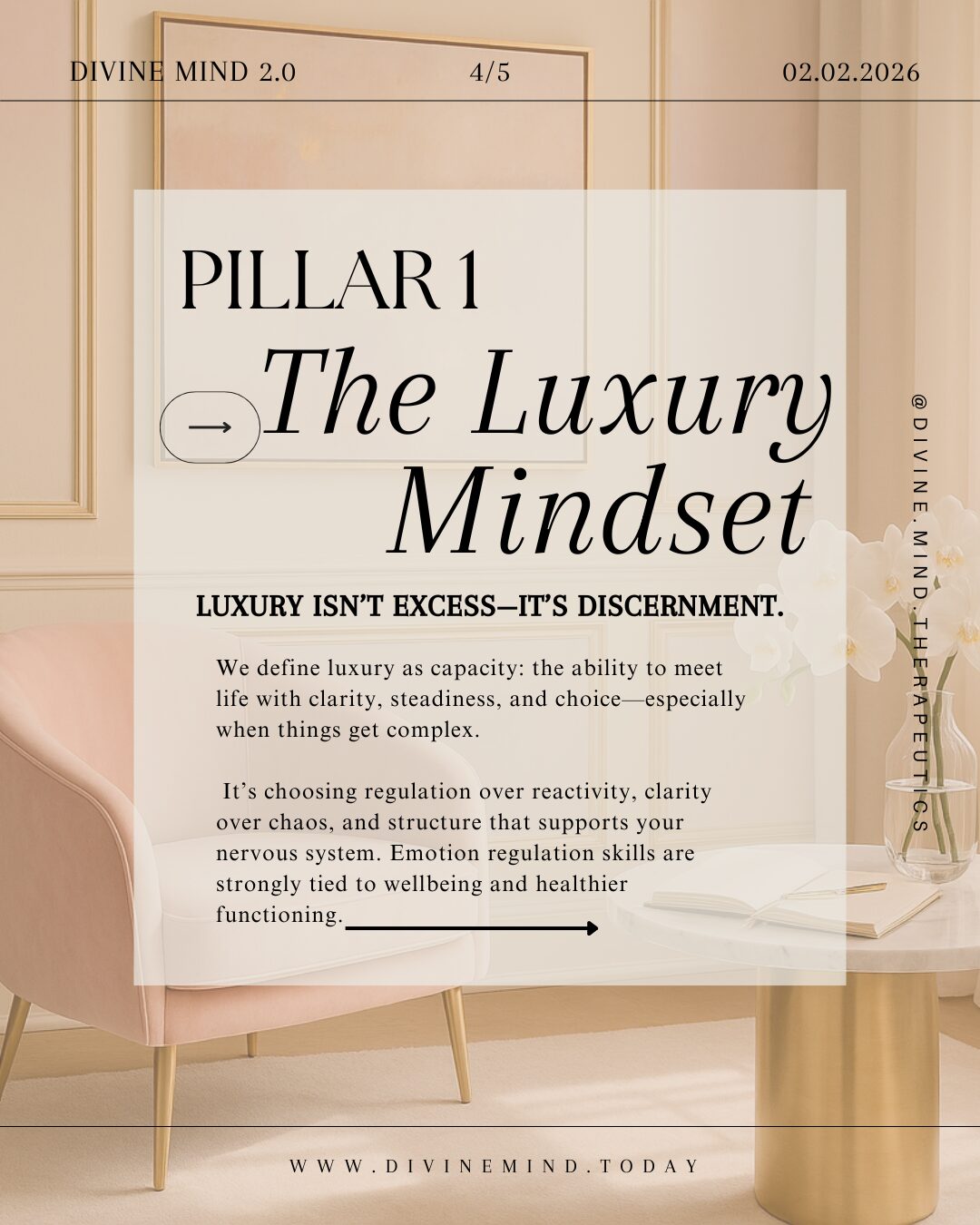
DMT 2.0 was built from a very specific origin point: redefining what luxury actually means. I read an essay from Viveura that framed luxury not as price or status, but as an orientation—how we relate to time, choice, self, and the conditions of daily life. That became the seed of what I now call the Luxury Mindset—and it grew into the Emotional Luxury Framework, which guides everything we do at Divine Mind Therapeutics.
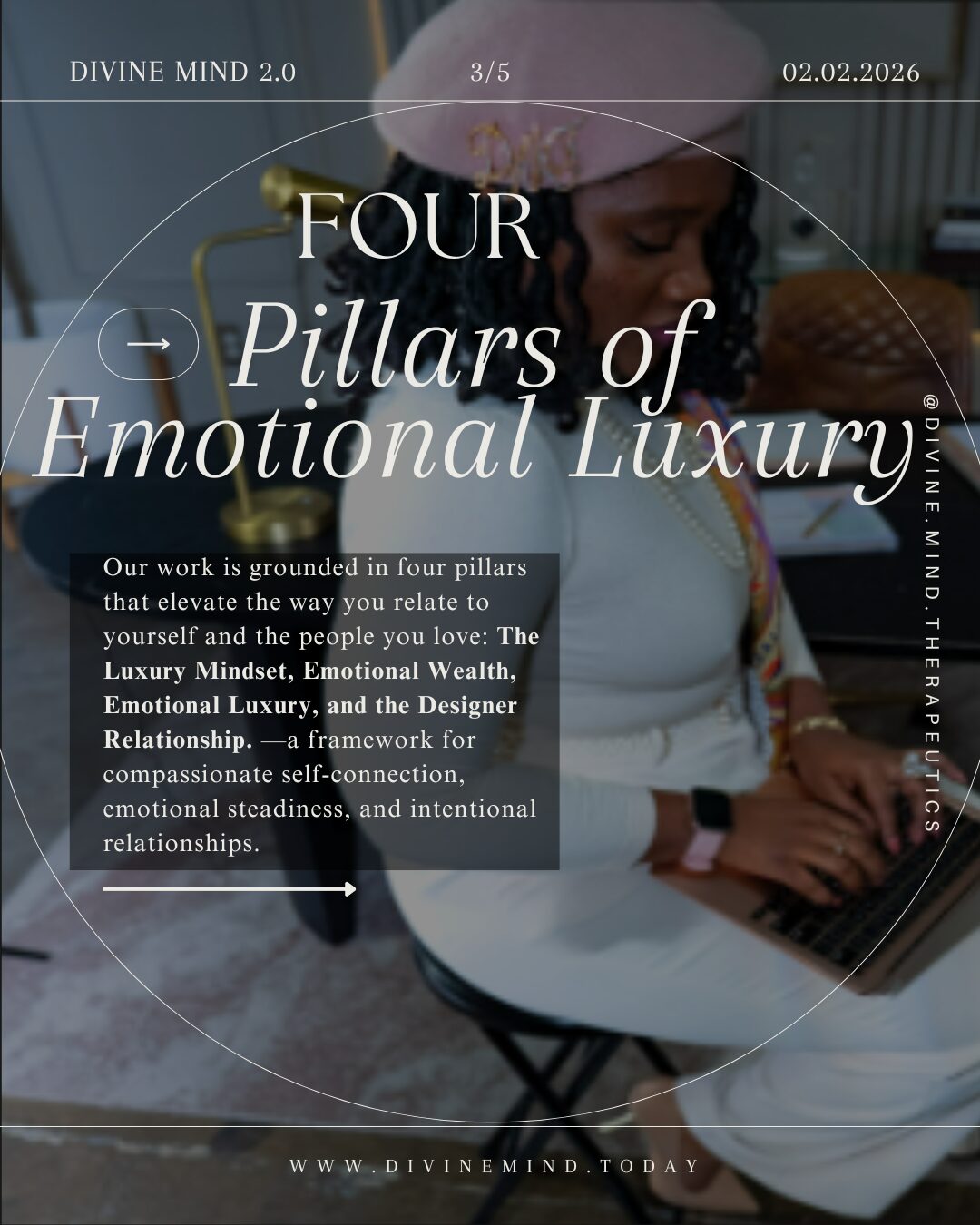
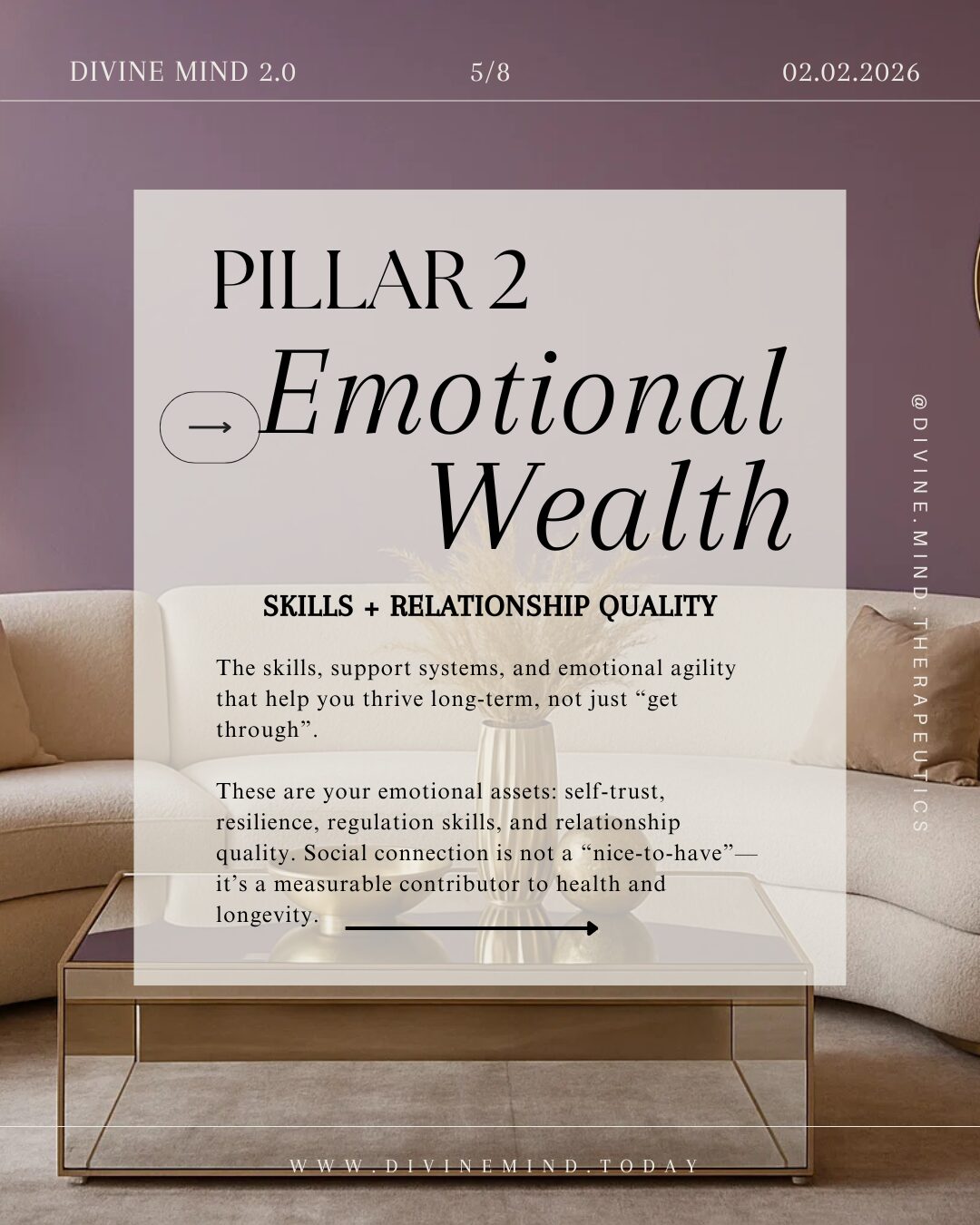
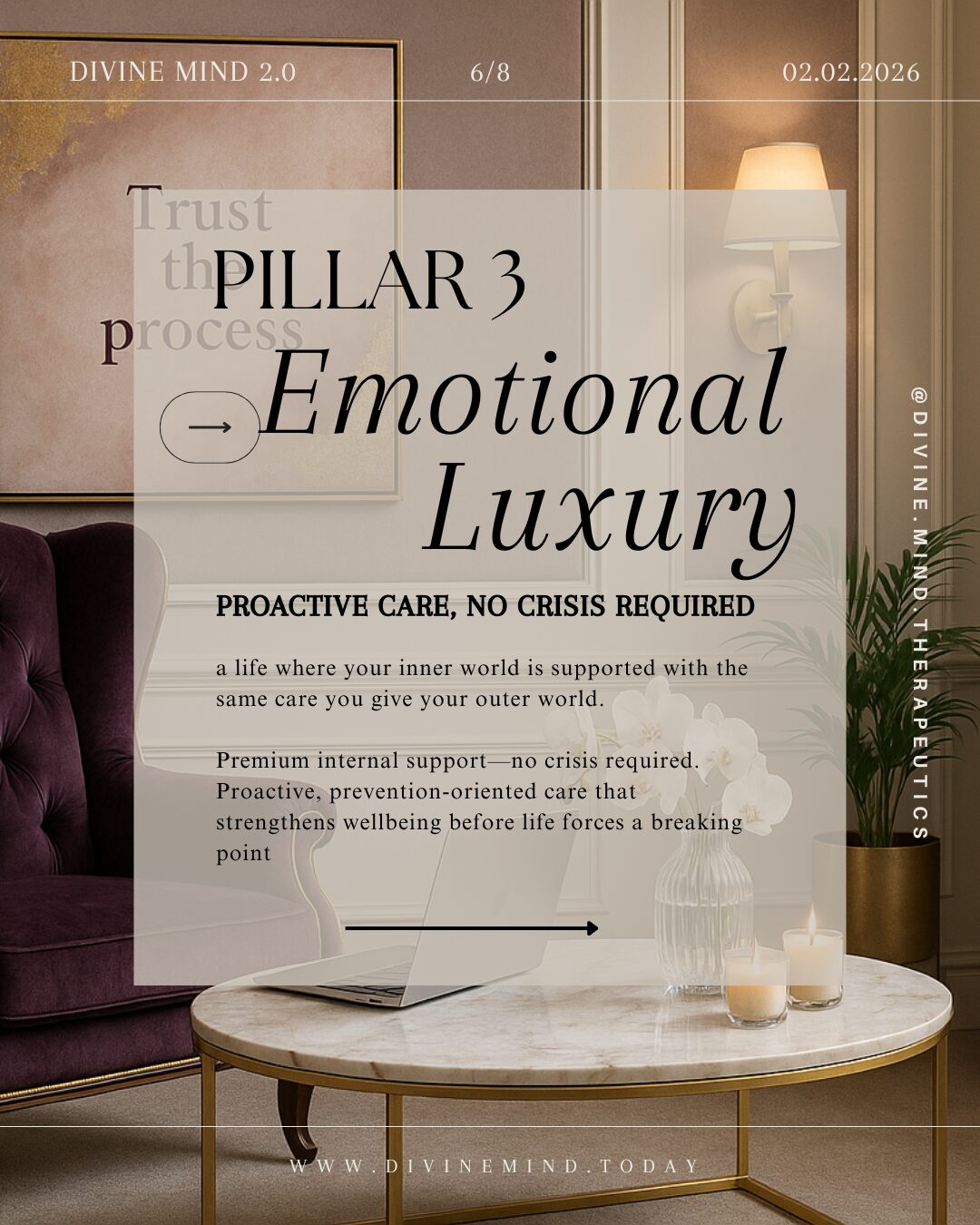
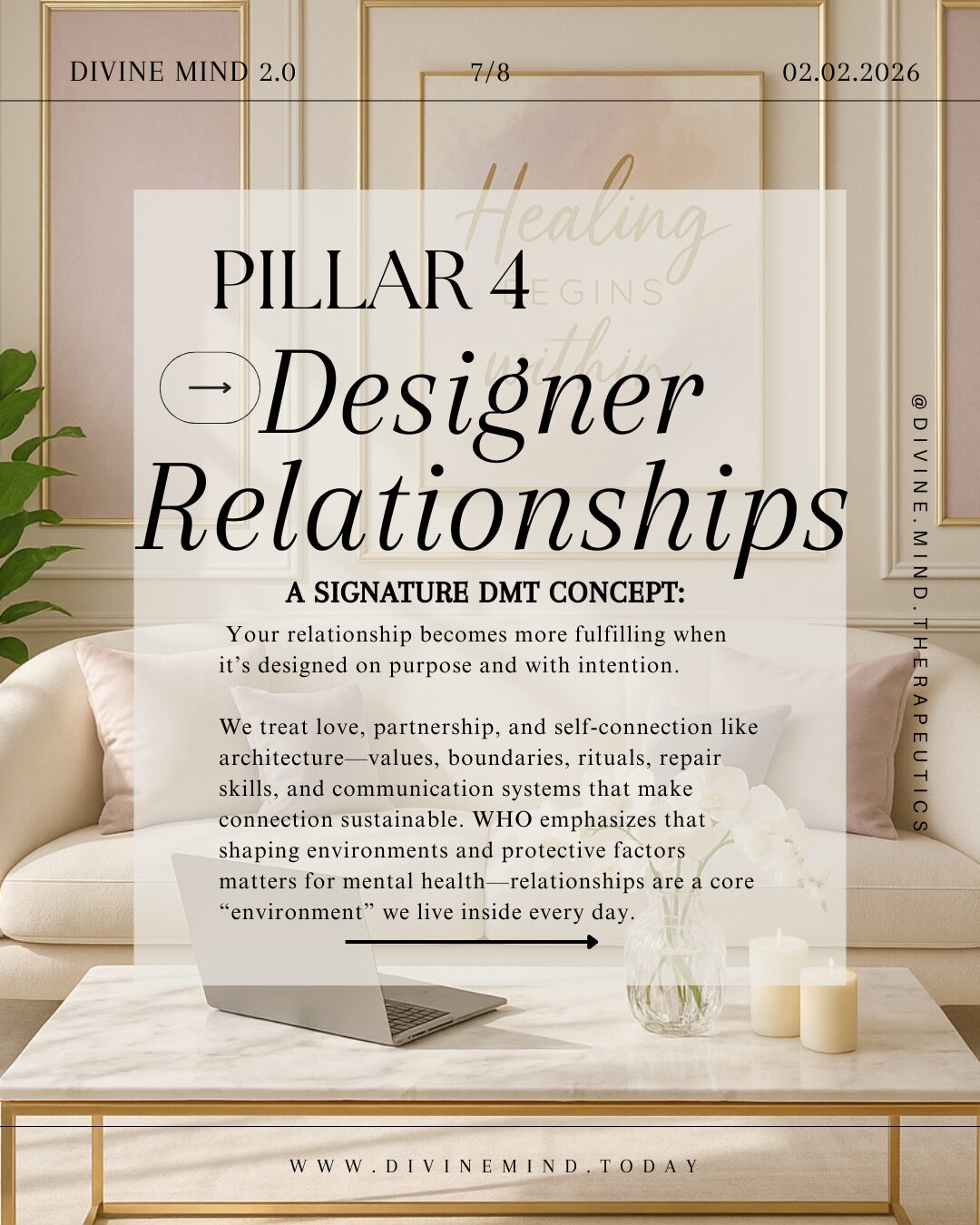
That framework has four pillars: Luxury Mindset, Emotional Wealth, Emotional Luxury, and Relationship Design. A quick distinction: Emotional Wealth is the internal asset base—your capacity for self-awareness, regulation, boundaries, and resilience. Emotional Luxury is the quality of your relationship with your inner world—choosing compassion, curiosity, calm, and connection instead of harshness or self-abandonment.
When I say “white-glove,” I don’t mean flashy therapy. I mean intentional, curated, high-touch care—so clients feel held and supported at every step and never like they’re doing this alone. Because our work is completely virtual and often structured on a biweekly rhythm, I’m very aware that clients may only see their therapist twice a month. Weekly therapy can provide built-in comfort through frequency; biweekly therapy creates space for autonomy and real-life integration. So I designed the model to offer both.
A concrete example is our between-session support: after sessions, clients have access to a brief touchpoint—often a 30-minute check-in—where they can get grounded, troubleshoot what came up in real time, and reconnect to their plan. Some clients use it regularly; others rarely do. But simply knowing that support exists—especially in a virtual format—creates continuity and care. It reinforces: you’re not carrying this alone between appointments.
This model is especially designed for entrepreneurs and business owners. I’m a business owner myself, and harmonizing ambition with love, rest, and emotional wellness takes intentional design. Entrepreneurs are often underserved because traditional care can unintentionally assume you can pause life to heal; business owners typically need support that integrates with real constraints—decision fatigue, time scarcity, leadership pressure, and the emotional weight of being responsible for others. I’m also kink- and poly-affirming, because relationship design requires space for people to build what truly fits them—without shame or a one-size-fits-all template.
A big theme in your relationship work is “designing” a relationship instead of just repairing problems. How do you help couples move from survival mode into proactively creating shared values, agreements, and emotional safety?
Most relationship partners don’t need more advice—they need a safer system.
Survival mode happens when the relationship becomes a series of emotional emergencies. Partners start protecting themselves instead of reaching for each other, and small issues begin to carry the emotional weight of old injuries. I help relationship partners shift from reactive communication to relational leadership.
We start by identifying the cycle: what each person does when they feel unseen, criticized, rejected, or unsafe. Then we build emotional safety through practical skills: slowing escalation, naming needs without attack, learning repair, and creating language that reduces harm during conflict. Once partners can reliably de-escalate and reconnect, we move into design.
Design means clarifying shared values and the relationship culture they want to live inside—then building agreements that match their real life. For some partners, that includes explicit agreements around roles, money, parenting, intimacy, boundaries with extended family, or the unique dynamics of nontraditional relationships. Because I’m kink- and poly-affirming, we can name what’s true without pathologizing it—so agreements become ethical, clear, and sustainable rather than implied, assumed, or avoided.
The goal isn’t perfection. It’s a relationship sturdy enough to hold stress, ambition, and real life—while still protecting tenderness.
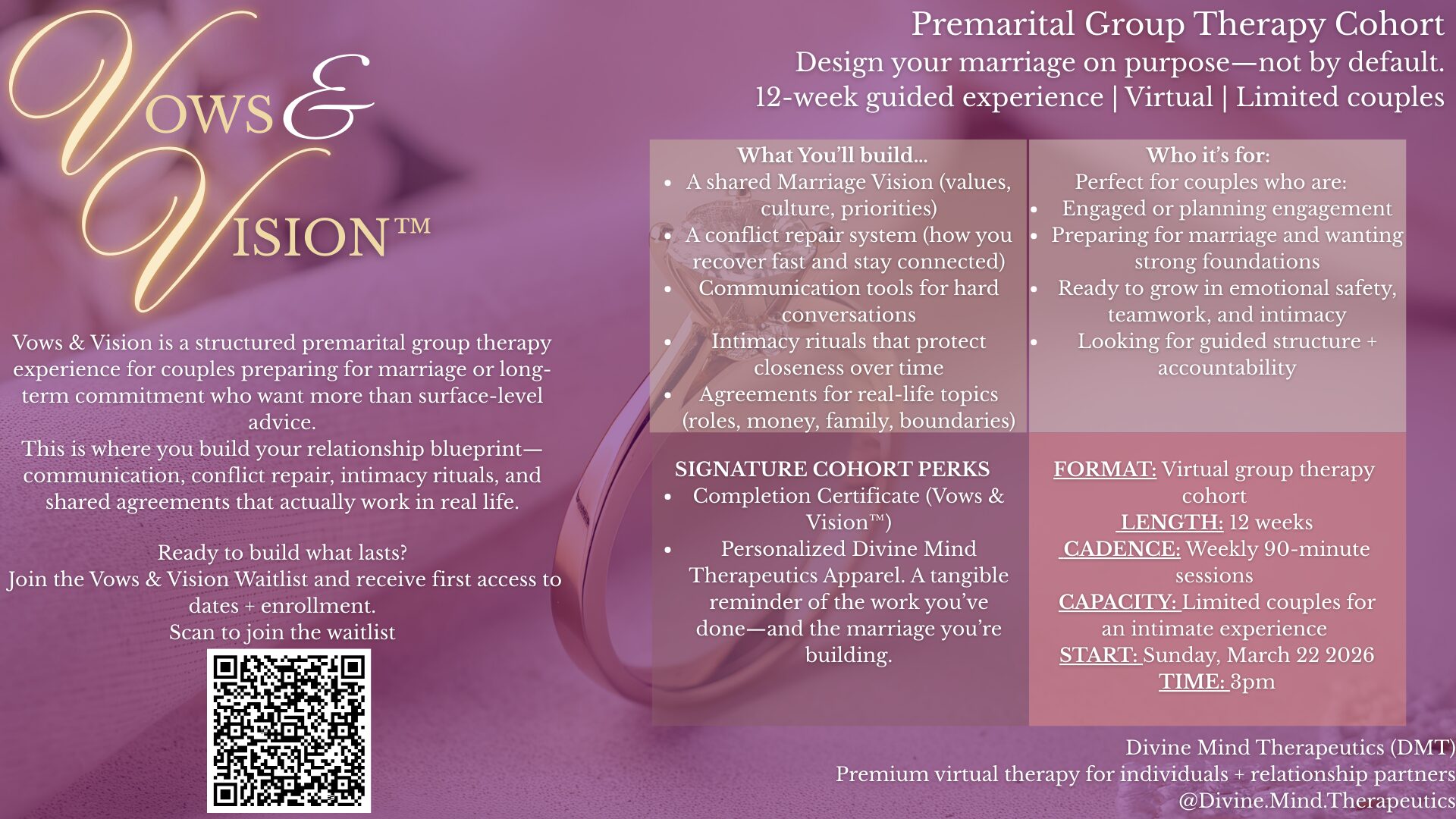
Your Vows & Vision cohort gives couples tangible tools and frameworks over 12 weeks. What are some of the most transformative shifts you see couples experience when they approach their relationship with structure and intention like this?
One of the biggest shifts is that relationship partners stop treating therapy as something you do only when things are falling apart—and start seeing it as a safe, structured space for building a marriage that can evolve over time.
Vows & Vision is our guided premarital cohort for relationship partners who want structure—communication, conflict repair, intimacy rituals, and a shared blueprint for real life. Our intention is to set the tone early: every marriage deserves a place to explore the conversations that feel scary, and to have support navigating the changes the relationship inevitably goes through—new seasons, new responsibilities, shifting desires, stress, growth, and the realities of building a life together.
Over 12 weeks, partners create:
- A Marriage Vision (values, culture, priorities)
- A conflict reset system (repair without damage)
- connection rituals that keep intimacy alive
- agreements that fit their relationship—not everyone else’s expectations
What’s transformative is the relief partners feel when they realize love doesn’t have to rely on hope alone. When they learn to repair cleanly, conflict stops feeling dangerous. When they design rituals for connection, intimacy becomes sustainable rather than accidental. And when they articulate values and priorities, they stop debating surface issues and start making decisions from alignment.
Details: it’s a 12-week core, weekly 90-minute sessions, virtual, quarterly cohorts, and 8 pairs max, with an optional continuation: Vows & Vision Atelier.
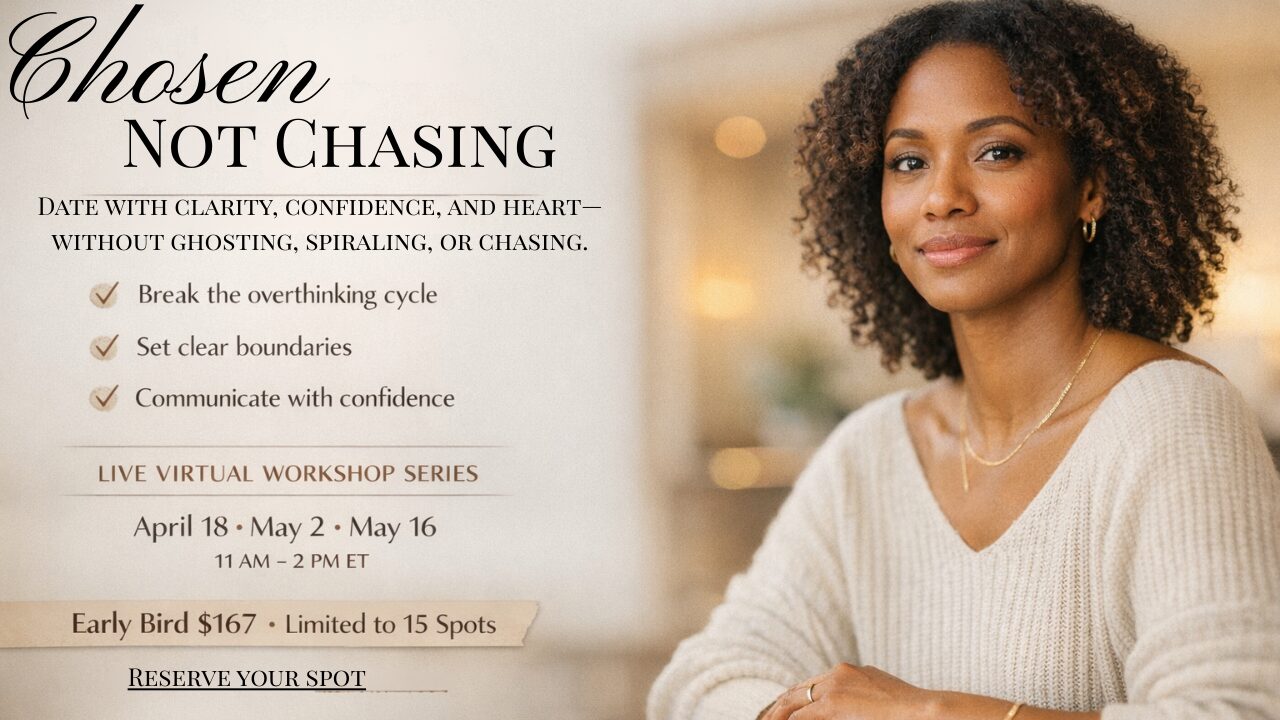
With Chosen, Not Chasing, you’re helping singles date with discernment and self-trust rather than overpursuing or repeating old patterns. What do you think most people misunderstand about modern dating, and how does your approach change the way they show up?
One of the biggest misunderstandings about modern dating is that more access means better outcomes. More options don’t create clarity—identity and standards create clarity.
Without standards, people end up performing, overexplaining, accepting mixed signals, and calling it “being patient.” They confuse chemistry with compatibility, and then feel burned out when patterns repeat.
Chosen, Not Chasing is designed to help singles date from self-trust, not anxiety. Participants leave with tangible deliverables, including:
- A complete Dating Identity + Standards Blueprint (vision, non-negotiables, and what they’re available for / not available for)
- A Dating Code of Ethics, including a “Clean Exit” standard to communicate rejection clearly and stop ghosting
- A ready-to-post dating profile (bio + prompts + photo plan) that signals fit and attracts aligned matches
- A conversation framework that reveals compatibility faster (intentional questions, pacing tools, and scripts to move from small talk to substance)
- A red-flag and love-bombing response plan (decision tree + scripts to set boundaries and choose wisely)
- A rejection resilience protocol to regulate emotions and keep confidence intact
- A 30-day Chosen dating operating system with weekly actions and reflection metrics
The shift is simple but profound: dating becomes an expression of who you are—not a performance to be chosen.
Looking ahead, as Divine Mind Therapeutics continues expanding into both personal and organizational spaces, what bigger impact do you hope to have on how people think about mental health, relationships, and emotional well-being as a whole?
My larger mission is to change the cultural role therapy plays. I want therapy to be understood as a tool for transformation, not just crisis management. I want emotional wellness to be treated like a leadership skill—because it impacts how people communicate, repair, make decisions, build intimacy, and sustain their lives.
Relationally, I want relationship partners to know that love is not only a feeling—it’s a practice with skills, structures, and rituals. I want singles to date from identity and discernment rather than scarcity and self-abandonment. And because I’m kink- and poly-affirming, I also want to widen what people believe is possible: relationships can be ethical, structured, deeply intimate, and tailored—without shame and without forcing people into templates that never fit.
As we expand into organizational spaces, I want workplaces to treat emotional well-being as a strategic advantage—better communication, healthier conflict, and sustainable performance. Because emotionally equipped people build healthier homes, healthier teams, and healthier communities.
Ultimately, DMT 2.0 is about helping people stop coping as a lifestyle and start building lives—and relationships—that feel like home.
Links: