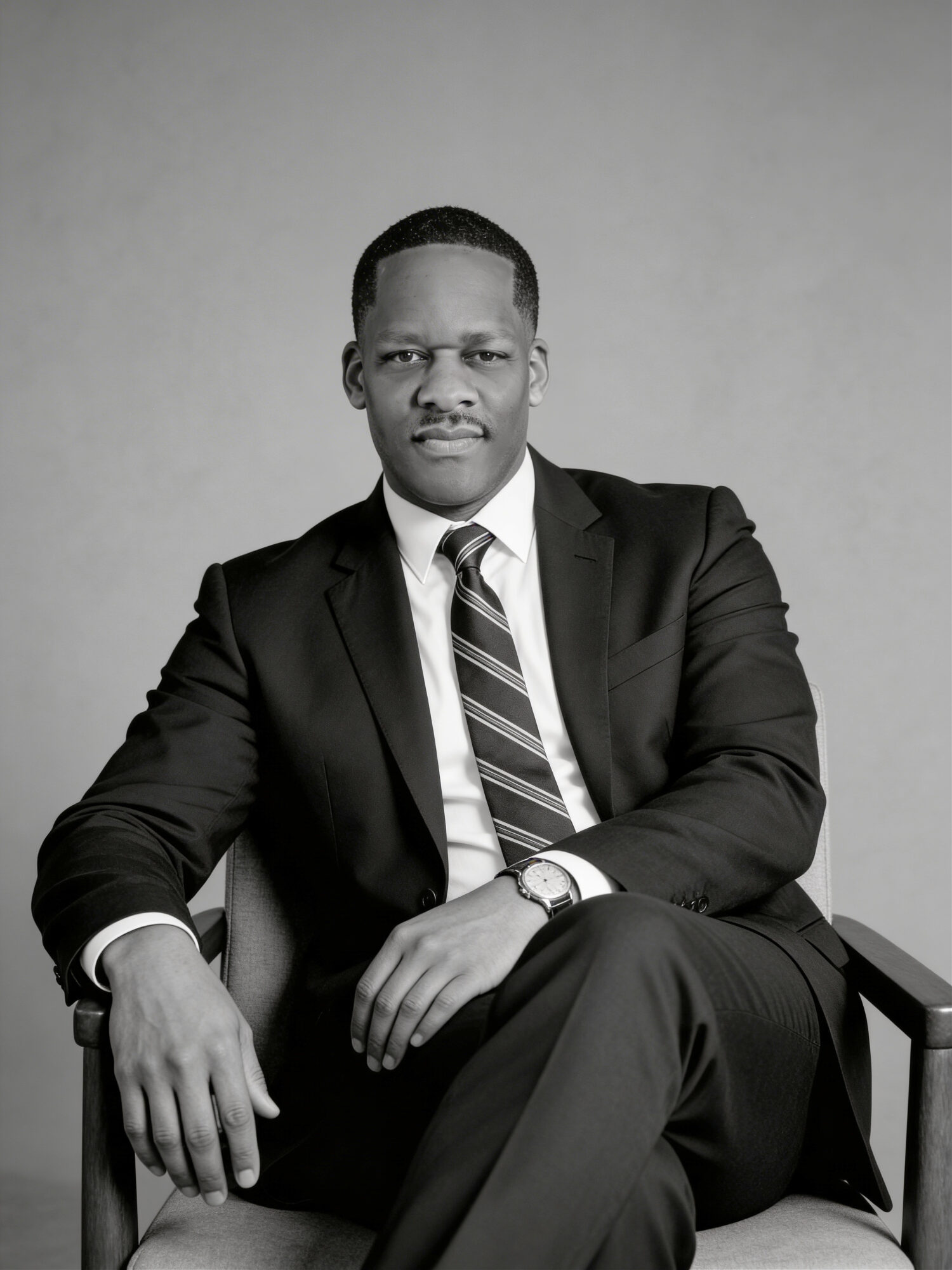
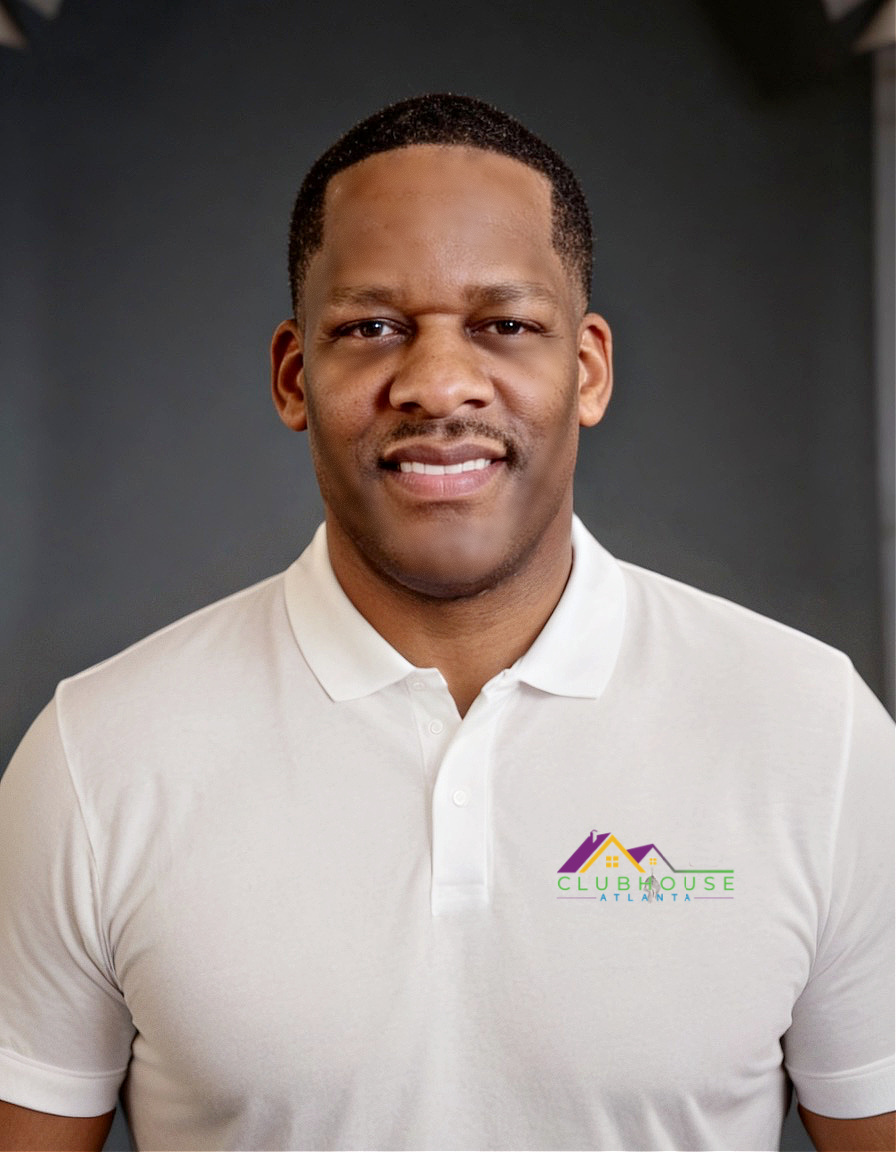
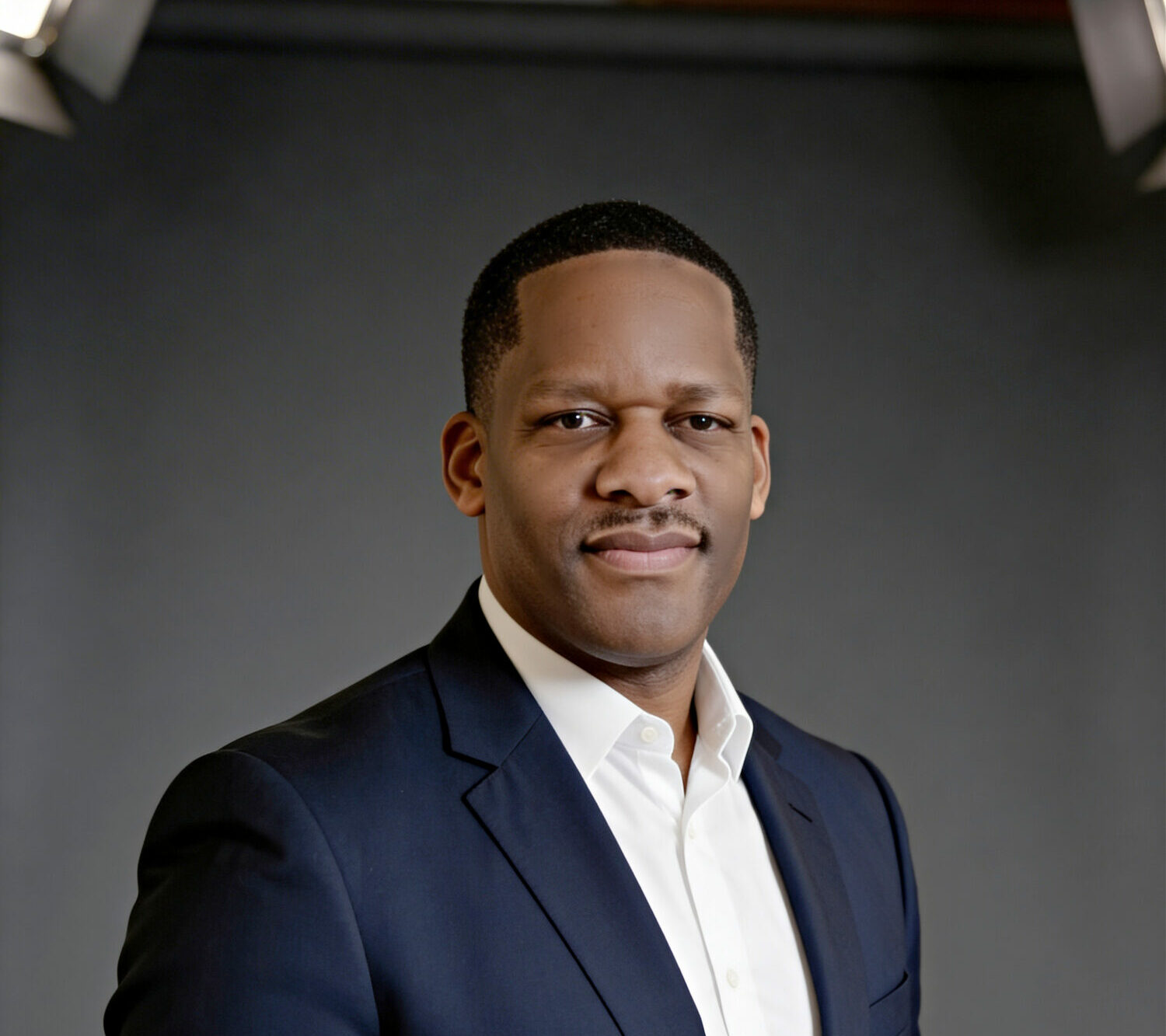
Hi Charles, thank you so much for taking the time to share your journey and insights with our readers. We’re excited to reconnect and dive into this new chapter of leadership with you. Let’s jump right in. You recently transitioned from Executive Director to Chairman of the Board at The HealthyYouth USA Foundation while simultaneously stepping into the Executive Director role at Clubhouse Atlanta. What motivated this shift, and how did you know it was the right time to take on a new leadership focus?
Motivation
- This shift allows me to steward long‑term strategy, governance, , and resource alignment at the board level, while continuing hands‑on, day‑to‑day impact with Clubhouse Atlanta. It’s a way to turn commitment into durable systems that serve more people.
Why now
- I’ve built a track record of delivering outcomes through diverse, cross‑sector teams and a robust network. The two roles complement each other: the board role brings steadiness, accountability, and strategic leverage; the Clubhouse role keeps me grounded in frontline needs and trust within the community.
Leadership approach
- I consider myself a servant leader , listening first, then aligning on a shared mission. I prioritize ethical governance, transparency, and creating opportunities for rising leaders from underserved communities to participate in decision making.
Your work now spans both youth development and supporting adults living with mental illness. How do these missions connect for you personally, and what throughlines do you see between the two organizations?
Personal connection
- Both missions center on human potential. Every young person deserves a foundation for growth, and every adult deserves dignity, support, and the chance to contribute meaningfully to their community.
Throughlines between the two
- Dignity, Empowerment, and Skill Building: providing opportunities, practical skills, and networks that enable self‑determination.
- Community‑Centered Collaboration: leveraging partnerships across schools, health systems, and social services to create a holistic support ecosystem.
- Continuity of Support: from youth to adulthood, ensuring pathways that sustain progress and resilience.
You’ve spoken about the role that networking and board service played in preparing you for this transition. How did your experiences with Peace Prep Academy, Leadership Perimeter, and the Riverwood High School Governance Board help shape your leadership skills and open new doors?
How it prepared me
- Expanded my capacity to think strategically, govern responsibly, and steward resources. It also broadened my leadership vocabulary across sectors, helping me translate mission into measurable outcomes.
Value of each experience
- Peace Prep Academy: cultivated a childhood exposure to mission‑driven education and the importance of early opportunities.
- Leadership Perimeter: strengthened community advisory skills, coalition building, and a culture of service.
- Riverwood High School Governance Board: provided governance, policy insight, and a platform to practice transparent decision‑making with students, families, and staff.
What I’ve gained
- A broad, diverse professional network; refined governance and risk management skills; and the ability to mobilize cross‑sector resources for the greatest community impact.
Stepping into a role in an adjacent but distinct sector often requires rebranding oneself as a leader. What did that rebranding process look like for you, and what lessons did you learn along the way?
What rebranding looked like
- Clarifying purpose and audience: articulating a value proposition that merges professional expertise with community service, and explaining how that blend benefits both organizations and the communities served.
- Messaging and proof points: aligning conversations around mission, impact, and measurable outcomes; sharing concrete stories,
Looking ahead, what excites you most about leading Clubhouse Atlanta, and how do you hope your expanded leadership journey will continue to create meaningful impact across the communities you serve?
Looking ahead, what excites me most about leading Clubhouse Atlanta is the opportunity to scale our impact while preserving the integrity of the Clubhouse model. I’m energized by strategic growth—expanding our footprint, expanding housing partnerships for members, and broadening programming that supports mental health, employment, and education. I also see immense value in clarifying our brand story and pitch to attract partners, funders, volunteers, and members, ensuring consistent, confident engagement across the community. My expanded leadership journey will center on developing new leaders from within, fostering servant leadership, and building a pipeline of strategic thinkers who can guide sustainable, mission-driven growth.