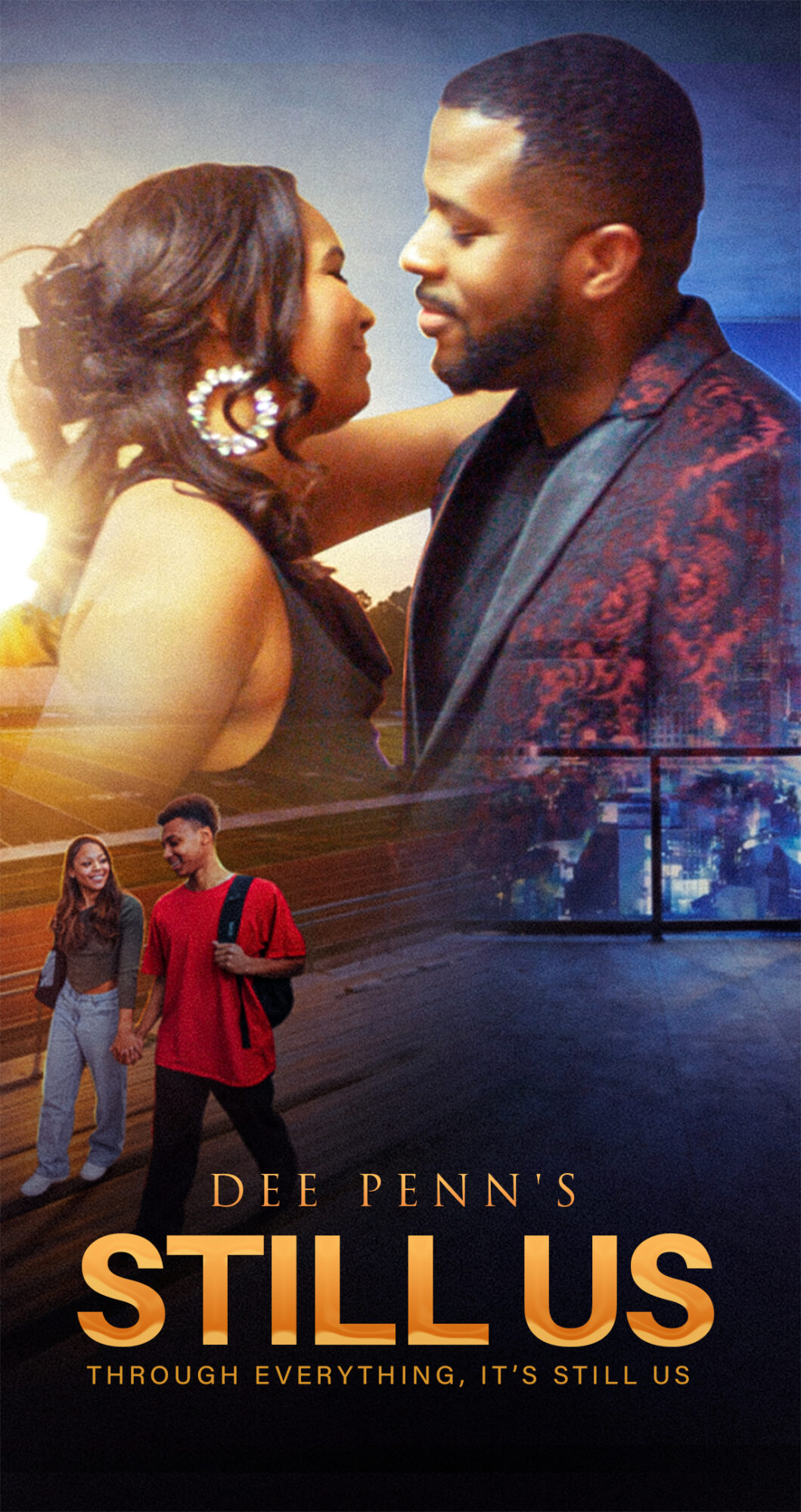
Dee, you’ve just completed writing and directing your film Still Us while also producing its soundtrack—what inspired you to tell this story, and why was it important for you to lead both the film and the music?
“What inspired Still Us?” When I’m asked that, my mind goes back to college—a time when my creative light was always “on.” I was a whirlwind of poetry, music, and storytelling. But as life settled in—marriage, children, and the beautiful weight of responsibility—that version of me was moved to the back burner. It stayed there until the life-altering transition of my divorce.
Still Us was born from those very human struggles: the tension between who we were, who we are, and the people we still dream of becoming. I didn’t just want to tell a story; I wanted to capture the “drive” of love between men and women.
In today’s world, it feels like there’s a quiet push to dismantle that bond, particularly within the Black community. We see a shift toward the transactional—a focus on “What can you give me?” rather than “Do I even like you?” My hope is that Still Us, even with its challenges, serves as a reminder that true love isn’t a transaction; it’s a journey that is still worth taking.
Leading both the film and the music wasn’t actually the original plan. I’ve heard beats and melodies in my head for as long as I can remember, but I initially intended to let local artists handle the soundtrack.
However, as we moved through table reads and location scouting, I found myself gripped by a new wave of inspiration. I started writing and producing relentlessly. Before I knew it, I had a library of nearly 200 songs. Sure, many of them were just “sketches,” but a handful felt like they were the literal soul of this project.
The soundtrack became the final piece of the puzzle. Music was my first creative language, and by producing the soundtrack myself—which we just released this month—I was able to weave
Stepping into both roles wasn’t about control; it was about integrity. It was about ensuring that when the audience watches Still Us this summer, they aren’t just seeing a movie—they are hearing a symphony of my entire journey.
From the “back burner” to the screen, it’s all there. I wanted to prove to myself, and to anyone watching, that you don’t have to choose between your passions. You can lead them all.
How did your creative process differ when moving between directing the film and composing/producing the soundtrack, and where did those two processes most deeply inform one another?
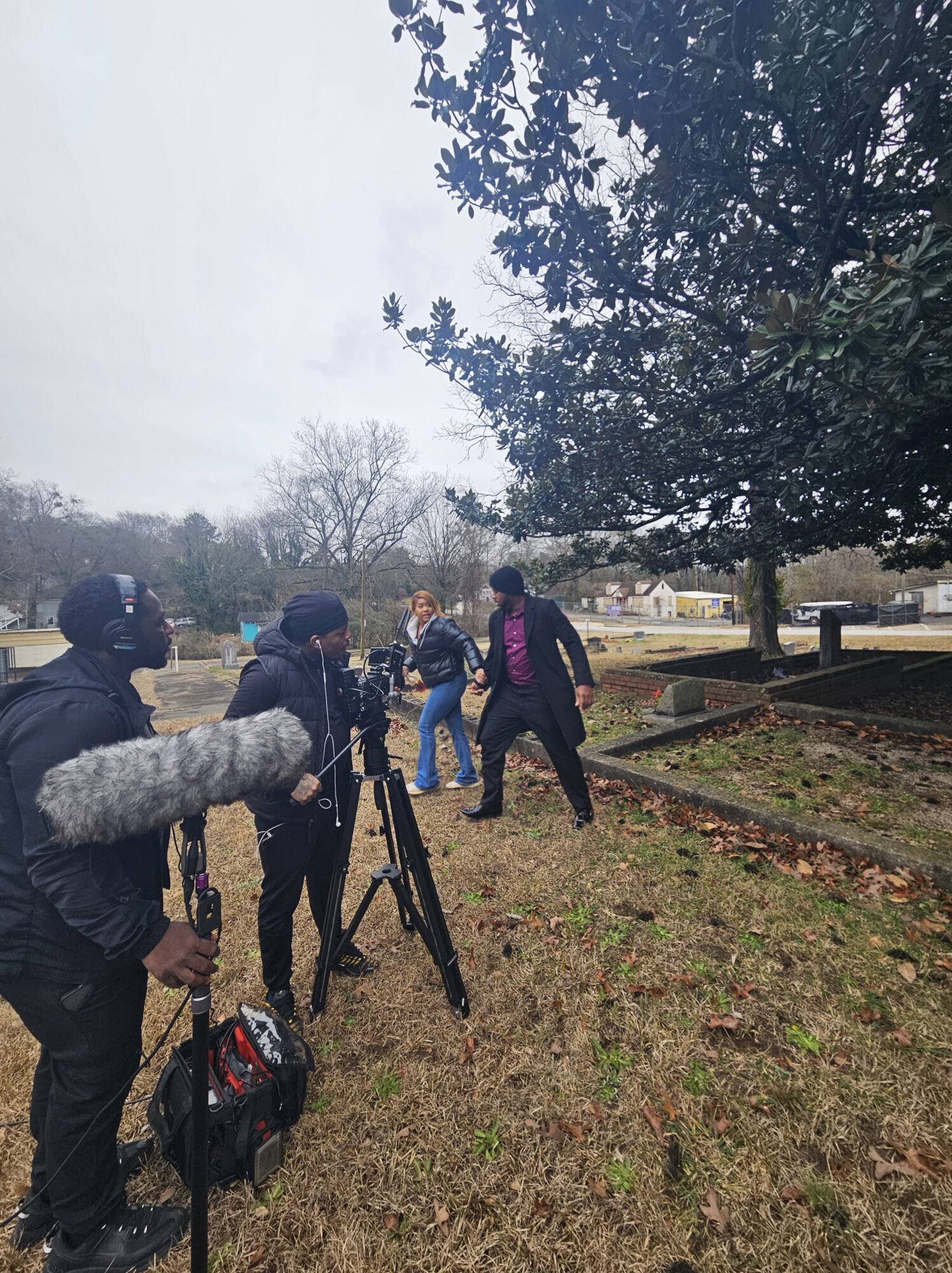
When I am directing, my process is collaborative and high-pressure. I have to be the “General” on the ground. I’m managing a crew, guiding actors through their emotional beats, and constantly problem-solving against the clock. It’s an external process of shaping reality to fit a vision. I’m looking at the frame, the lighting, and the movement, asking: “Does this look like the truth?”
When I moved into composing and producing, the process became solitary and deeply internal. It was just me, the beats in my head, and the software. It was a “mad scientist” phase where I could sift through those 200 tracks I’d written to find the gold. If directing is about the structure of the house, composing is about the atmosphere inside the rooms.
The intersection of both was realizing that the movie is the melody and the soundtrack is the harmony. You can’t have a masterpiece with one and not the other.
By leading both, I was able to ensure that the music didn’t just “sit on top” of the film like an afterthought. Instead, they grew up together. When you watch Still Us this summer, you’ll notice that the music doesn’t just react to the scene—it anticipates it. That only happened because I was wearing both hats at the same time.
The soundtrack was released while the film is still in post-production—what does the music reveal about the emotional world of the film, and how do you hope listeners experience it on its own?
I hope listeners experience the soundtrack as a standalone diary. I want you to hear it not just as “background music” for a movie, but as a companion for your own transitions. Whether you are driving through the city or sitting in the quiet of your home, I want these songs to make you reflect on your own “back burner” dreams.
I want the listener to feel the drive I mentioned—that primal, human need for a connection that goes deeper than what someone can do for you. If the music makes you feel like true love and self-reclamation are still worth the effort, then it’s doing its job.
By the time the first frame of Still Us hits the screen, I want the audience to already know the “sound” of these characters’ hearts. I want them to feel like they’re meeting an old friend they’ve been listening to all spring. The soundtrack is the invitation; the movie is the destination.
What were some of the biggest challenges and breakthroughs you encountered while wearing so many creative hats on this project?
When you’re wearing the hats of Director, Executive Producer, and Composer all at once, the biggest challenge isn’t the workload—it’s the stamina of the soul. The days are grueling. You aren’t just creating the moment happening right in front of the lens; you’re simultaneously playing a mental chess game, ensuring that a shot captured at 2:00 AM will make perfect sense in a sequence filmed three weeks later. Maintaining that peak level of creative excitement for fourteen hours a day, every day, is a feat of endurance.
I spent months meticulously scouting locations and obsessing over every technical detail. I thought I had planned for every variable. But film has a way of humbling your blueprints.
I’ll never forget arriving at a studio on the literal coldest day of the winter. We had a firm agreement that the set would be prepped and the heat would be on. Instead, we walked into an ice box and a set that hadn’t been touched. At that moment, the “Executive Producer” in me had to stay cool while the “Director” in me had to pivot. We had to find an entirely new location on the fly, with the clock ticking and a full crew waiting.
That’s where the real breakthrough happened. Most people would call that a disaster. I called it a divine detour. I have a radical, unshakable belief that everything works out for me—it always has, and it always will. I move through this industry with the absolute certainty that God loves me and plays an active role in my life. When that studio door was closed, I didn’t panic; I looked for the open window.
Those “adjustments on the fly” often led to shots and moments that were better than my original “perfect” plan. The breakthrough was realizing that while I might be the Director of the film, I’m not the Director of the Universe. Once I leaned into that, the stress of “the pivot” turned into the excitement of “the providence.”
I’m happy I did it this way. I will never forget these steps, and while the next project might be “easier” because of what I’ve learned, I hope I never lose that reliance on the higher plan.
As you move through post-production, what are you most excited for audiences to connect with when they finally experience the film and its music together?
As I sit in the editing phase today, watching the frames of Still Us sync up with the rhythms of the soundtrack, I’m most excited for the audience to experience the honesty of it all.
There is a specific kind of magic that happens when the visual and the sonic collide. I’m excited for people to see a scene where the dialogue might be tense or challenging, but the music underneath is whispering the truth—that these two people still matter to each other. I want the audience to feel that friction between the “transactional” world we live in and the transformative
I also hope audiences connect with the spirit of the comeback. I want the person who has their dreams on the “back burner”—the person who feels like they’ve been a background actor in their own life—to watch this film and feel their own light bulb go off. I want them to hear the music I produced and think, “He did this after a divorce, after a strike, and after a decade of waiting. Why can’t I?” Ultimately, I’m excited for the world to see the Black community portrayed with the nuance, depth, and romantic “drive” it deserves. I want Still Us to be a reminder that even when the heat isn’t on in the studio, even when the roles aren’t coming as fast, and even when the world tells you to be cold—you can choose to be warm.
When the credits roll this summer, I don’t just want people to say, “That was a good movie.” I want them to feel like they’ve just witnessed a symphony of resilience. I want them to leave knowing that true love, and the journey to find yourself, is always worth the redo.
We are expecting to release “Still Us” this summer, and the soundtrack is available now. I’m happy I did it this way—I will never forget these steps, and I can’t wait for everyone to enjoy them.
Links: