





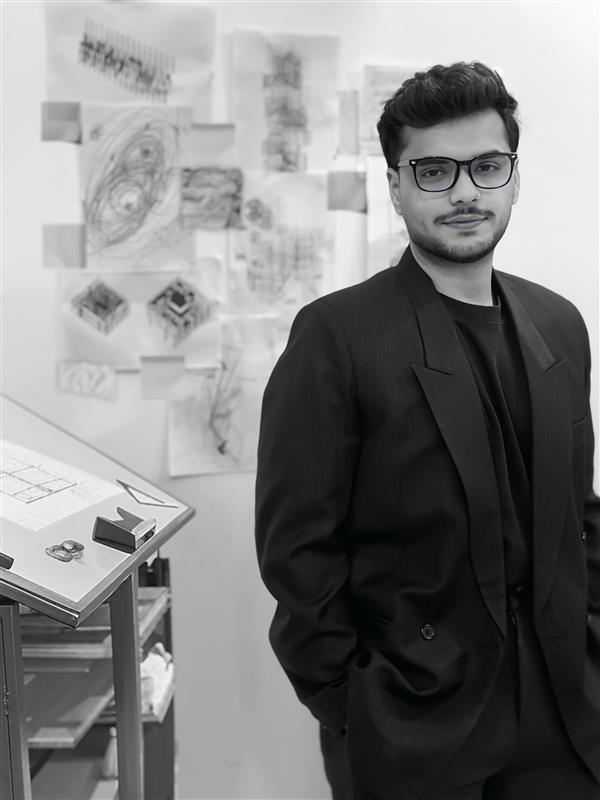
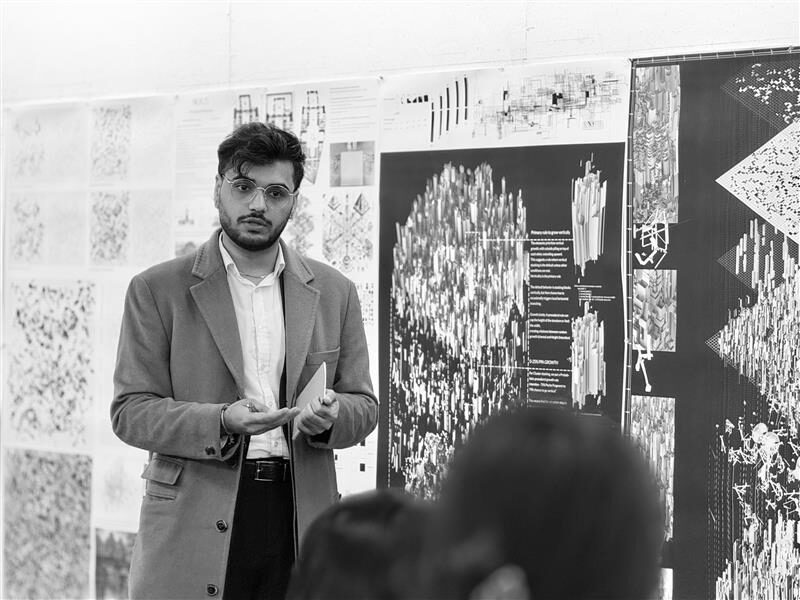
Today we’d like to introduce you to Harshit Verma.
Alright, so thank you so much for sharing your story and insight with our readers. To kick things off, can you tell us a bit about how you got started?
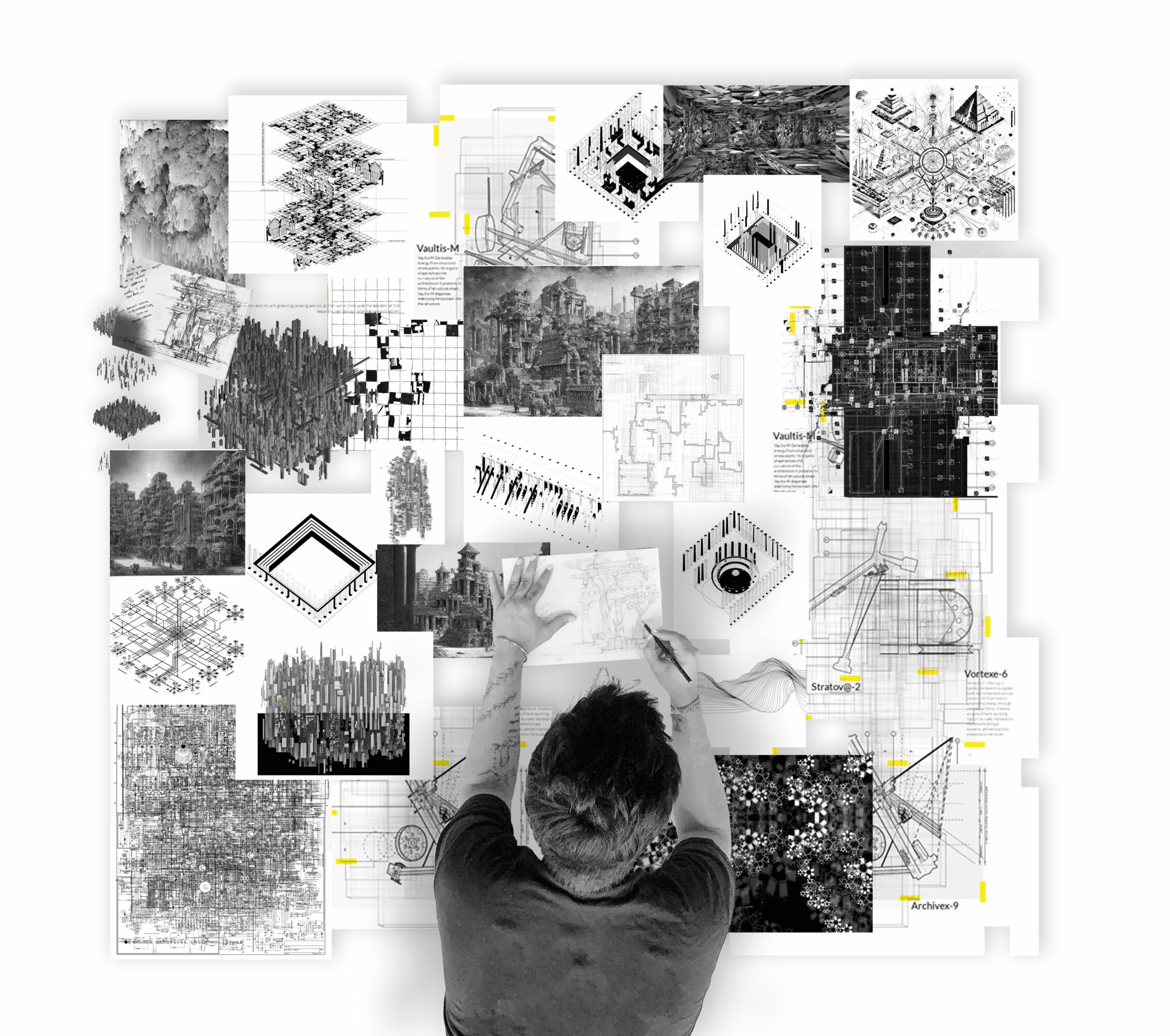
My journey began in India, where I was surrounded by patterns everywhere. I saw them in fabric prints, carved into old walls, and even in the way roads twisted through crowded neighbourhoods. These were not just decorations to me; they felt like stories, like little pieces of history hidden in plain sight. That early fascination with patterns was extremely interesting to me, and I started to notice them not just around me but in images from other parts of the world, in architecture, in nature, and even in the way historical events unfolded over time. I wanted to understand how they came into existence, why they were shaped a certain way, and how they could carry meaning. It led me to become an architect formally. At the same time, as I traveled more and learned about technology, I became equally drawn to the possibilities of digital tools, which eventually brought me to the Georgia Institute of Technology for my master’s, where I continued to explore the intersections between urbanism, design theory, and technology. I started experimenting, trying to recreate the kinds of patterns I had seen growing up, but this time using code, simulation, and generative algorithms. I found that I could take these traditional ideas and bring them into a new form, one that moved, responded, and evolved. Now, my work lives somewhere between memory and possibility, where I take these explorations and manifest them into built forms. I use digital tools to explore and reimagine old ideas in new ways, generating new patterns, philosophical concepts, and natural systems into living design, and I hope to keep building work that sparks new ways of thinking, of seeing, and of connecting with our histories, with technology, and with each other.
We all face challenges, but looking back would you describe it as a relatively smooth road?
Over time, I realized that traditional architectural design did not fully reflect the kind of work I wanted to do. I was more drawn to the idea of turning digital art into architecture, using patterns, visuals, and stories to shape space in a way that felt personal and meaningful. In the beginning, it was not easy. I had no background in coding, and learning digital tools with the technical side of simulations was often overwhelming. Many of my early experiments didn’t work, patterns didn’t translate well, or the tools felt limiting.
Another challenge was communicating the value of the work. A lot of people saw it as abstract, just lines and repetition without a clear purpose. It was hard to explain that architecture is not just about doors and windows but about how space makes us feel, how it connects to memory, culture, and perception. My work was often seen as too experimental, and support for this kind of interdisciplinary approach was not easy to find. To me, this was real architecture; something that could engage the senses, tell a story, and enhance experience. I kept exploring, testing, and refining until I found a process that felt right. One that allowed me to create architecture rooted in both artistic expression and thoughtful design.
Can you tell our readers more about what you do and what you think sets you apart from others?
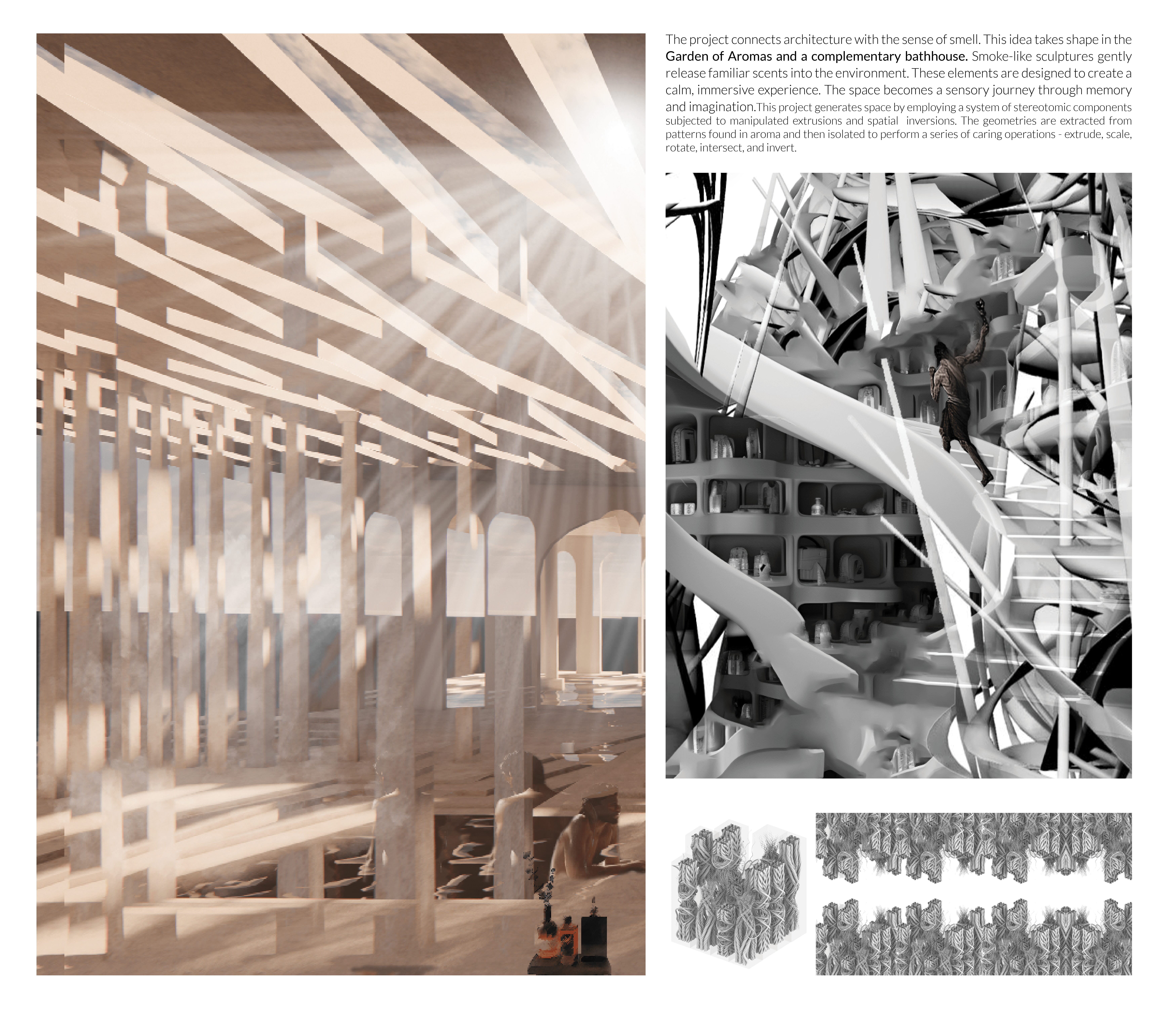
My work sits at the intersection of architecture, digital design, and storytelling. I use tools like parametric modeling, simulation software, and generative algorithms to explore ideas. I often build custom workflows using platforms like Grasshopper, Python, or Houdini to simulate procedural models, growth systems, or historical geometries not just to create form, but to explore how space can hold meaning. I am interested in how patterns, visuals, and systems can tell stories and shape how we feel within a place. I often begin with something personal, like the intricate patterns I notice while traveling or motifs found on doors, walls, or even machines. I reinterpret these references and transform them into spatial systems. The algorithm becomes a storyteller, helping me translate memory, rhythm, and narrative into geometry and structure.
I completed my undergraduate degree in architecture in India, where I first became interested in computational design. Attended courses at Columbia University and earned a master’s degree in architecture at the Georgia Institute of Technology, where I continue to deepen my practice through research and interdisciplinary exploration. Over the years, I have had the opportunity to present my work at other Ivy League institutions and in countries like France, Japan, India, and the United States. These experiences have made me proud of how far the work has come and have helped me understand how different cultures perceive digital and experimental design.
My work is not just visual or conceptual; it is deeply focused on how space is felt. I care about how people move through a space, how light touches a surface, and how rhythm and repetition influence emotion. To me, architecture is not just about solving problems but also about creating experiences that connect with the senses, memory, and imagination.
Through this approach, I aim to rethink design as an invitation to slow down, observe, and engage with their surroundings in new ways. Whether it is a small installation or a speculative spatial system, I aim to create environments that feel both familiar and ephemeral; spaces that evoke memory, reflection, and emotion.
Are there any apps, books, podcasts, blogs or other resources you think our readers should check out?
I draw inspiration from thinkers like Peter Zumthor, who spoke about form and function as part of a unified whole; Henri Lefebvre, who saw space as something lived and produced through everyday life; and Rainer Maria Rilke, whose poetry explores how the unseen and emotional can live within the physical world. Their ideas helped me think beyond buildings as ways of sensing, remembering, and imagining.
Some of the books that have inspired me –
Henri Lefebvre – The Production of Space
Christopher Alexander – The Timeless Way of Building
Umberto Eco – The Open Work
Peter Zumthor – Thinking Architecture
Bernard Tschumi – Architecture and Disjunction
Peter Zumthor – Atmospheres
Martin Heidegger – Building, Dwelling, Thinking
Contact Info:
- Instagram: https://www.instagram.com/harshiittverma/
- LinkedIn: https://www.linkedin.com/in/harshit-verma-150212147/
Popular
-

Hidden Gems: Local Businesses & Creatives You Should Know
-

ATL’s Most Inspiring Stories
-

Portraits of Atlanta
-

Satoya Hayes on Turning Beauty 2 Extensions into a Platform for Affordable Confidence and Entrepreneurial Opportunity
-

Asha Ford on Building Krystal Klear Motion and Creating Purpose-Driven Design for Women
-

Truth in Every Verse: Jay Erve on Identity, Experience, and Creating Art That Lasts