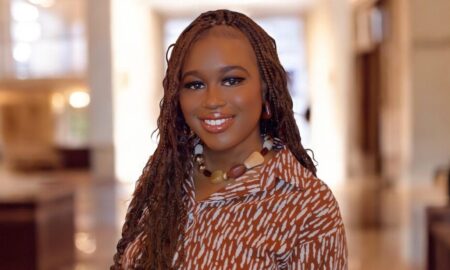
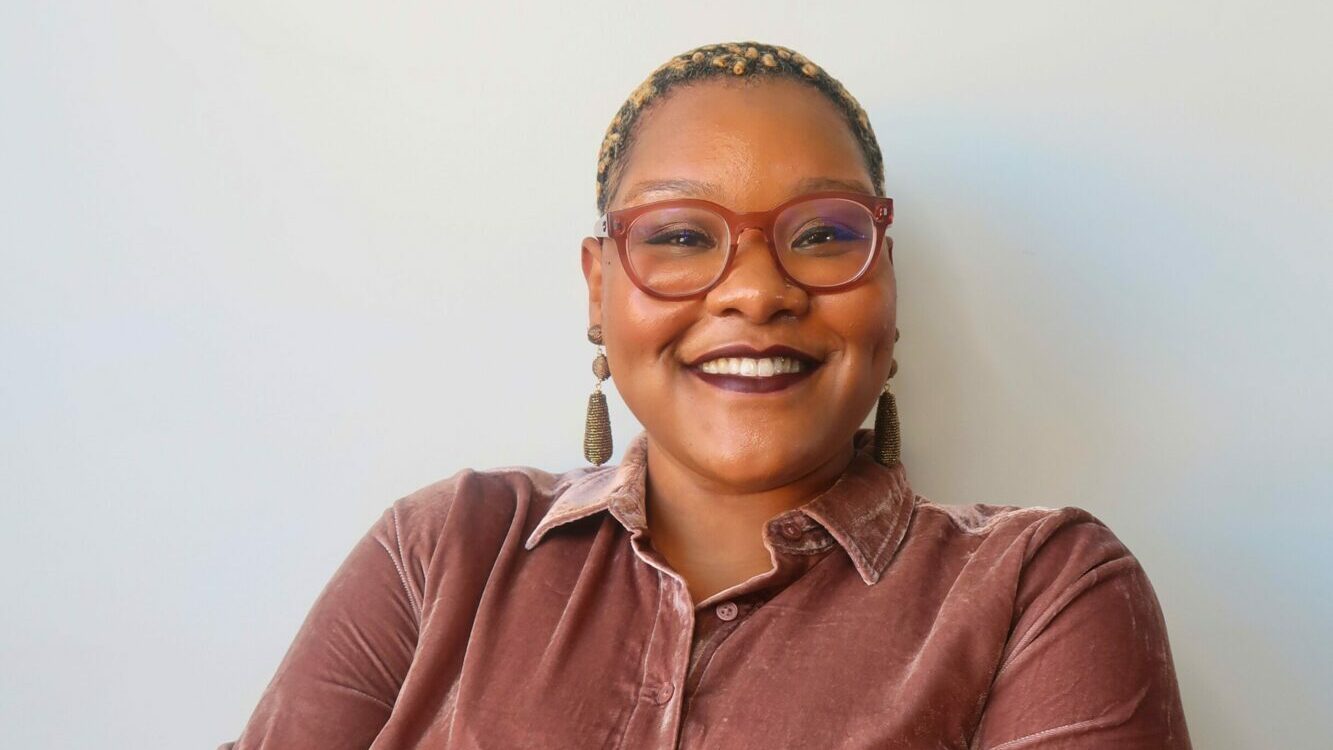
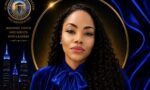
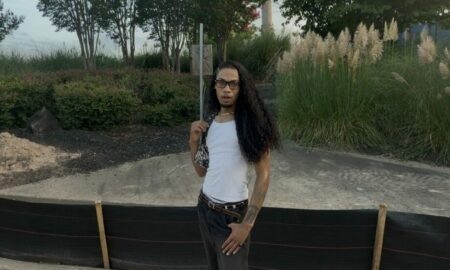
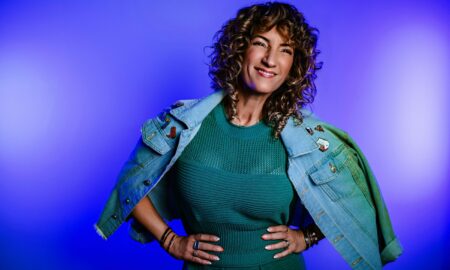
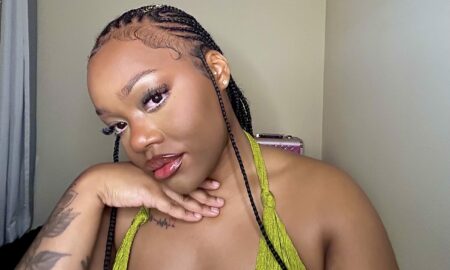
Hi Dayana, thank you so much for taking the time to share your story and creative journey with our readers. You describe yourself as a “creative of all trades,” from writing and communications to content creation and now authorship. Looking back, how did all of these paths start to come together into the work you’re doing today?
I’ve always been drawn to storytelling in all forms. With a background in writing, linguistics, and media and communications, I learned early on that storytelling isn’t just about words. It’s about connection, impact, and how people see themselves in the world. Over the past eleven years, working in communications, I’ve been able to combine strategy with creativity, whether that’s through campaigns, digital content, or community-centered messaging.
Content creation and authorship felt like natural extensions of that path. At some point, I realized I didn’t have to choose between being a writer, communicator, or creator. I could be all of them. Now, my work sits at the intersection of storytelling, community, and impact, which feels very aligned with who I am both professionally and personally.
Over the past year and a half, you’ve been creating content centered on mental health, wellness, and lifestyle. What drew you toward these themes, and how has sharing this kind of content shaped both your personal growth and your connection with your audience?
Mental health and wellness became central to my content because they became central to my life. Over the last couple of years, I’ve done a lot of personal healing work, including therapy that helped me process experiences differently and move through difficult seasons with more grace and self-compassion.
Sharing this content has been deeply grounding. It’s helped me realize how many people are navigating similar feelings but don’t always have language or safe spaces to talk about them. It’s strengthened my connection with my audience because it’s rooted in honesty. I’m not showing up as someone who has everything figured out. I’m showing up as someone who is learning in real time, and I think people really resonate with that.
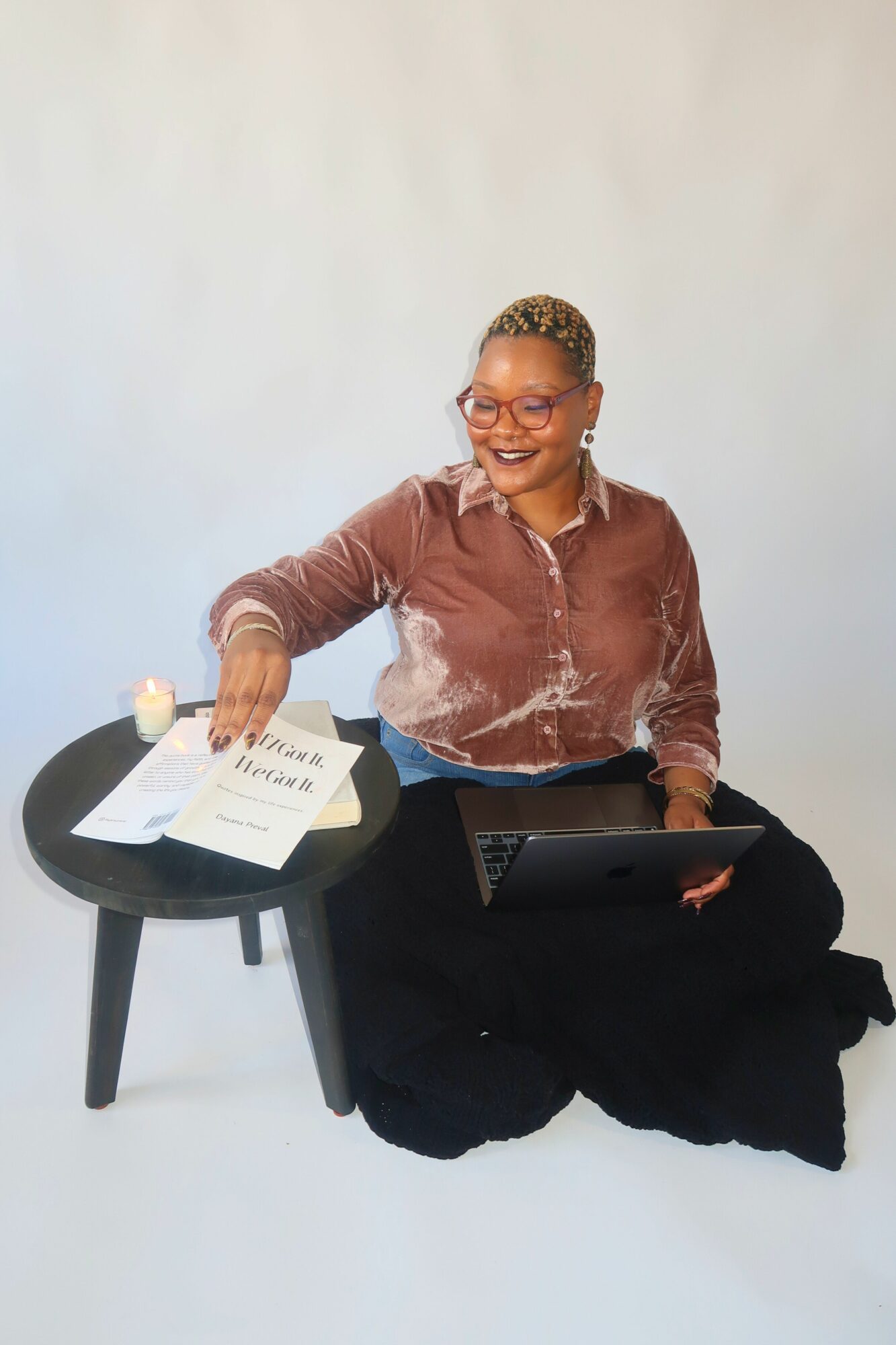
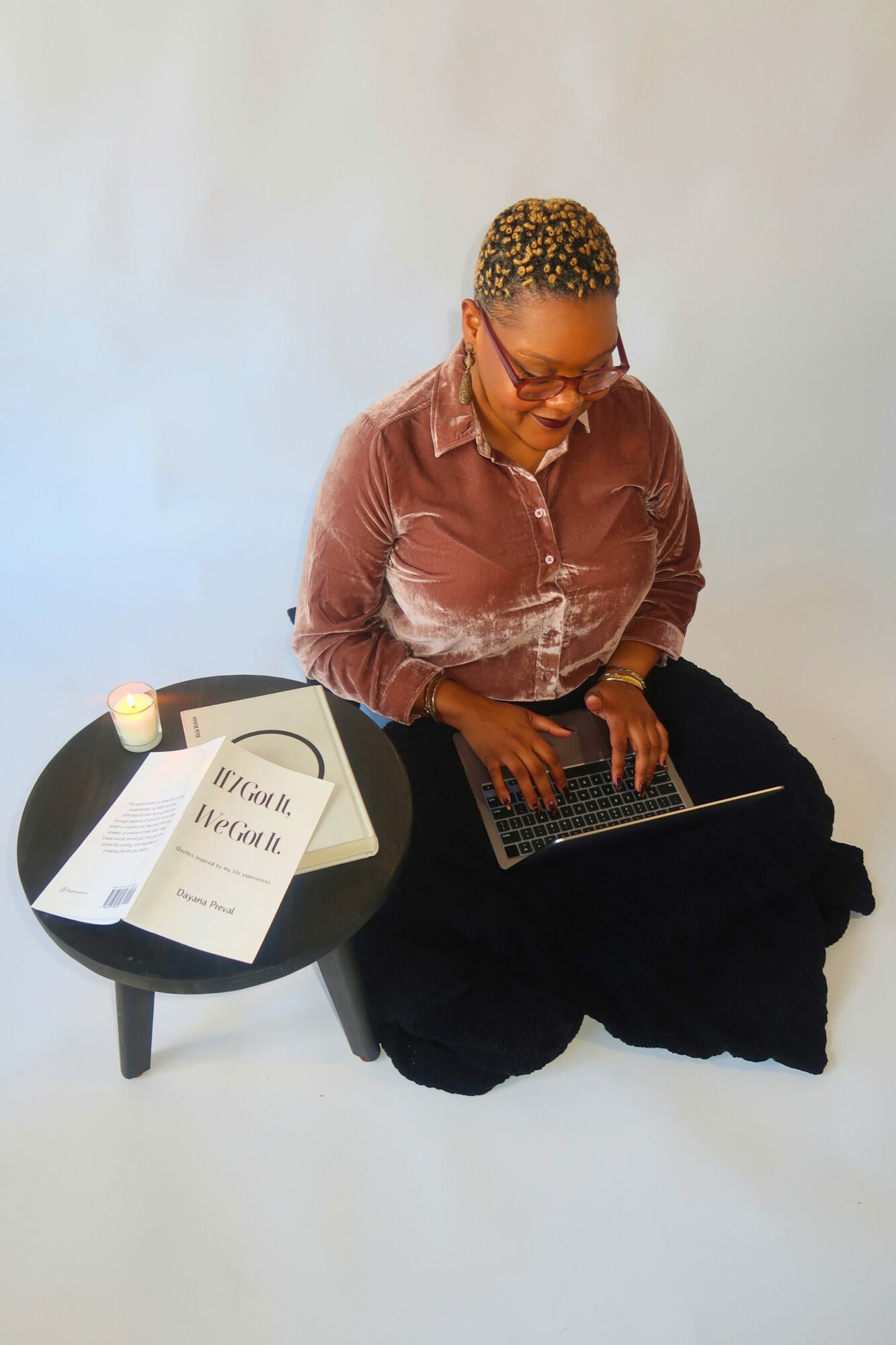
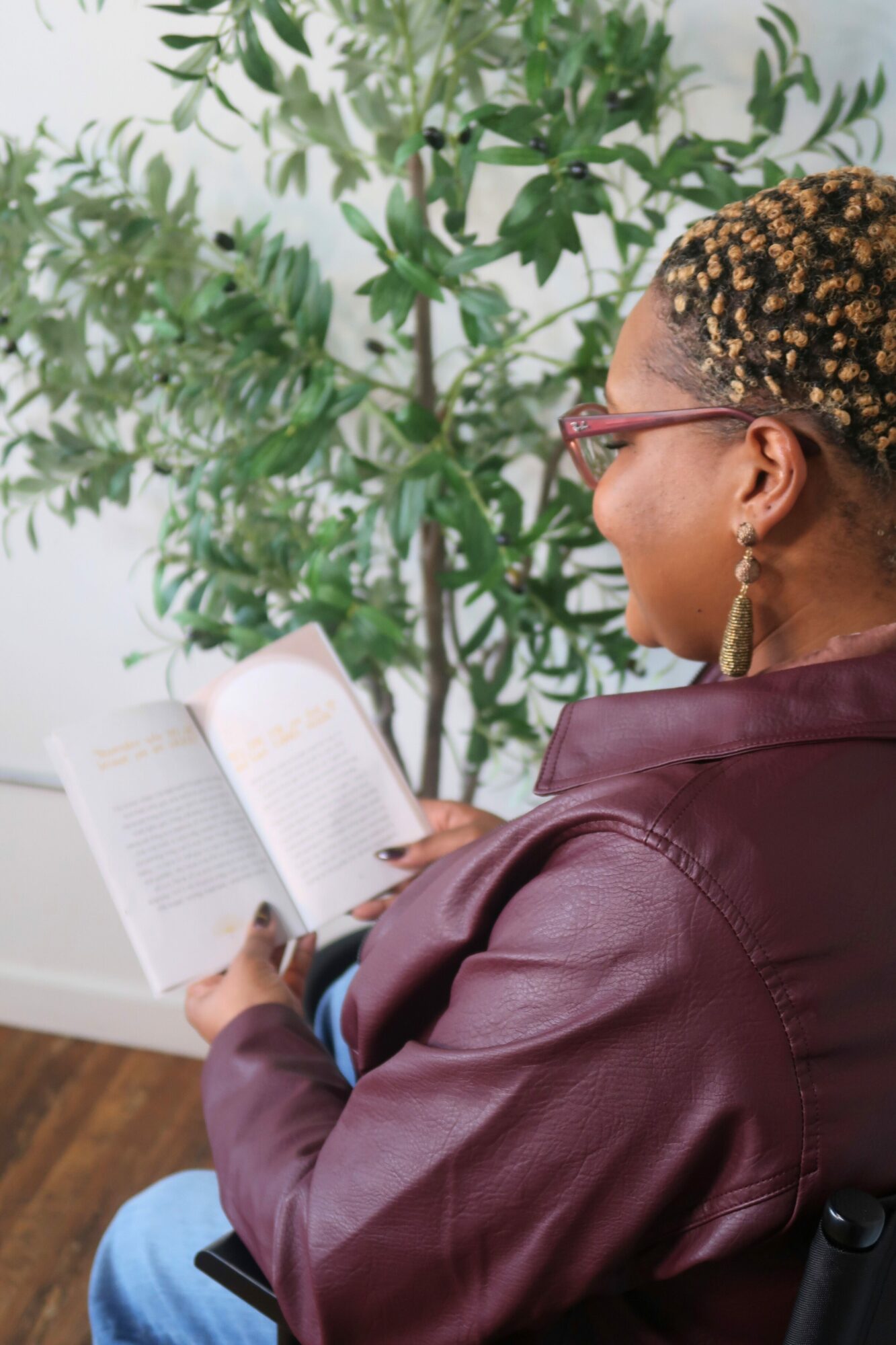
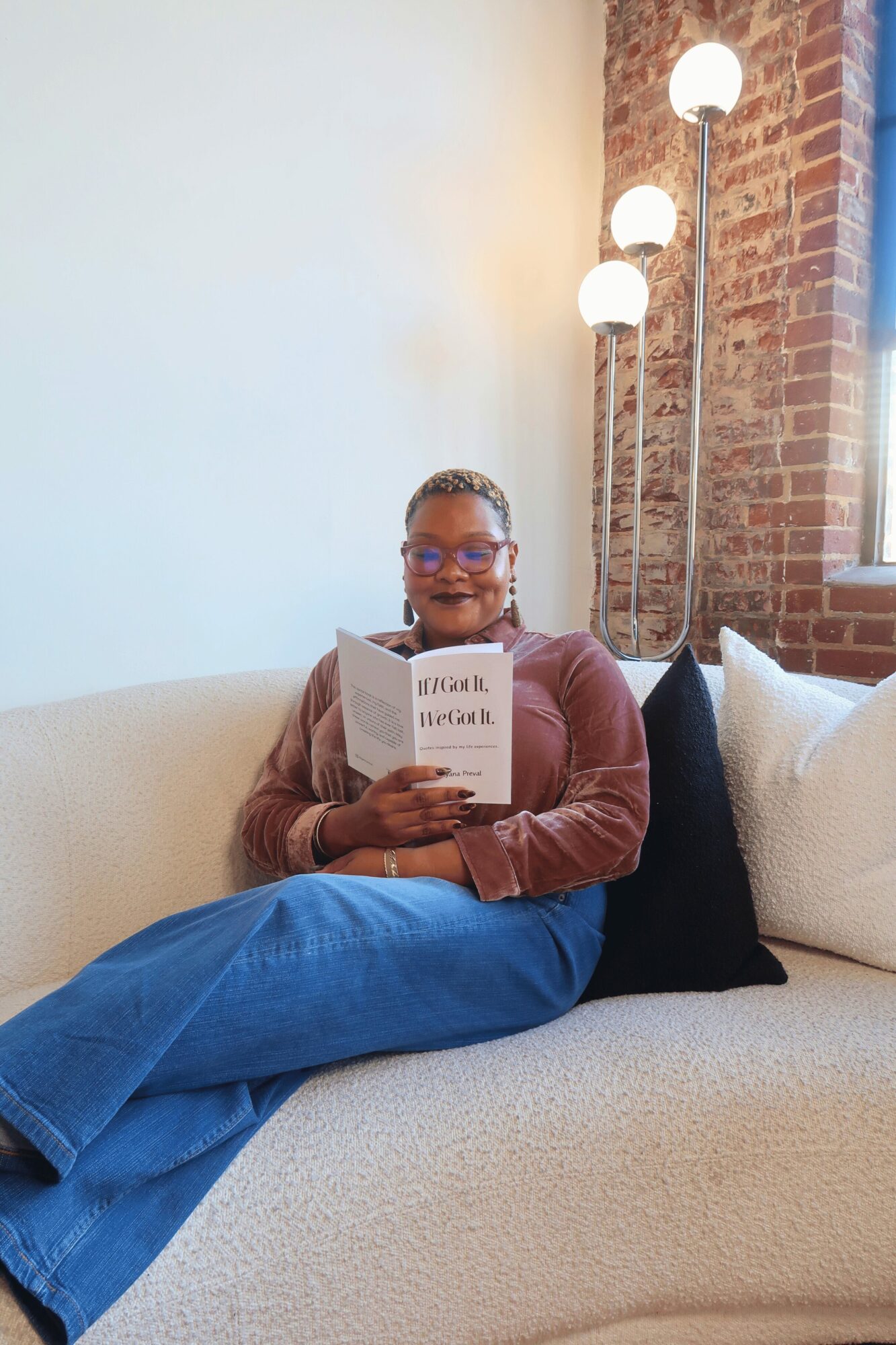
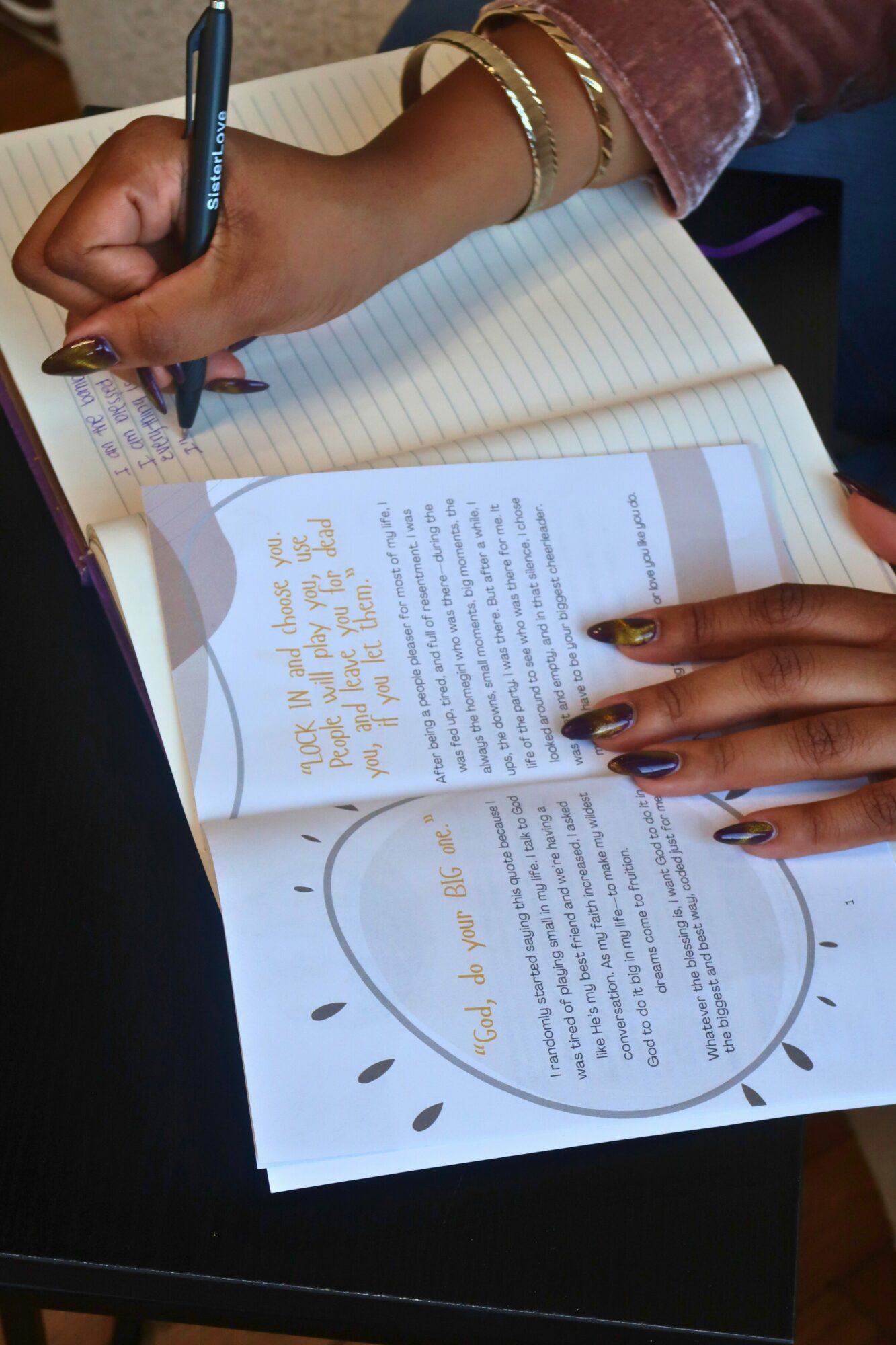
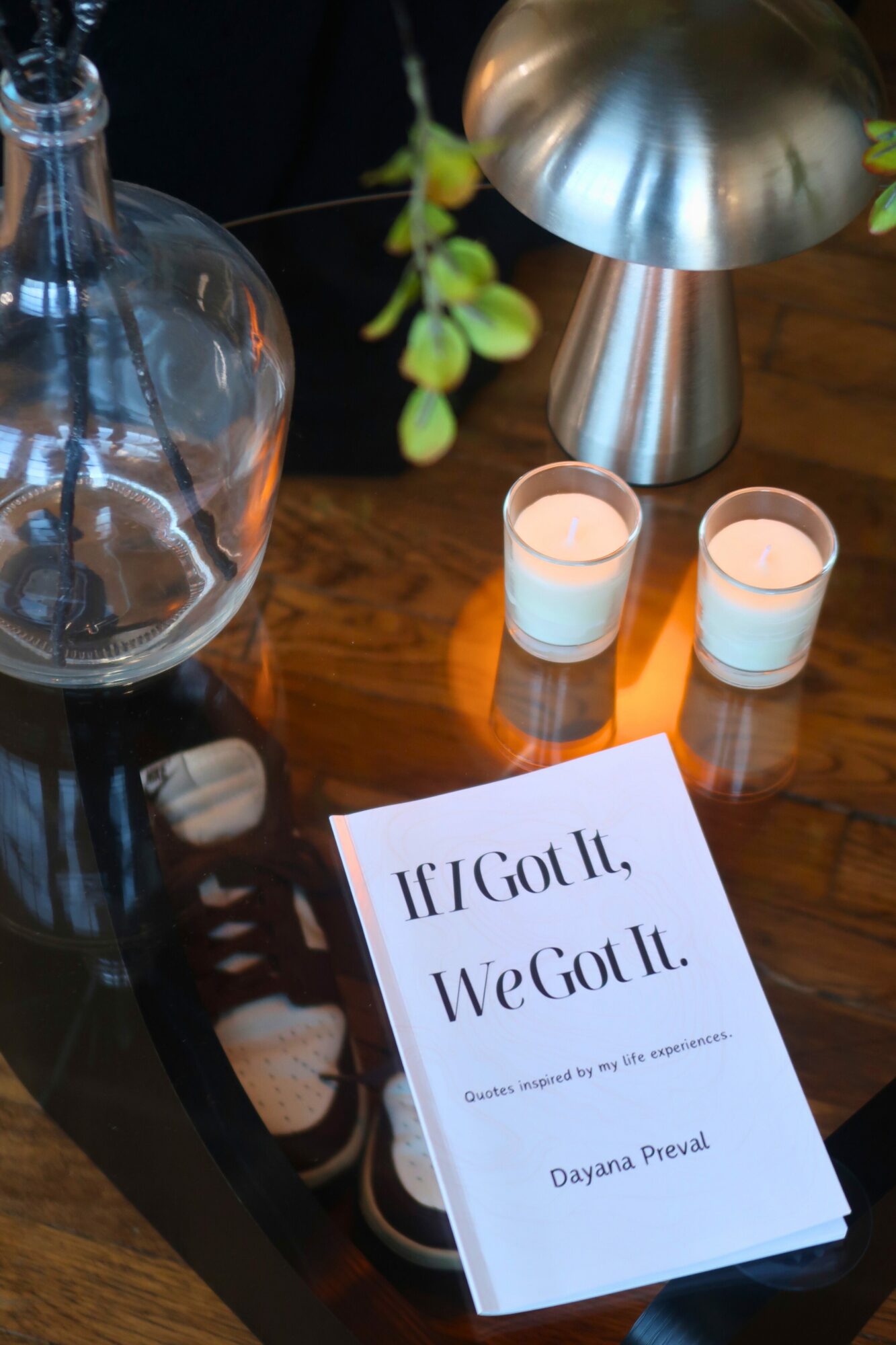
Your quote book, If I Got It, We Got It, is deeply rooted in your life experiences and community care. What inspired you to turn your reflections into a book, and what do you hope readers feel or take with them when they open it?
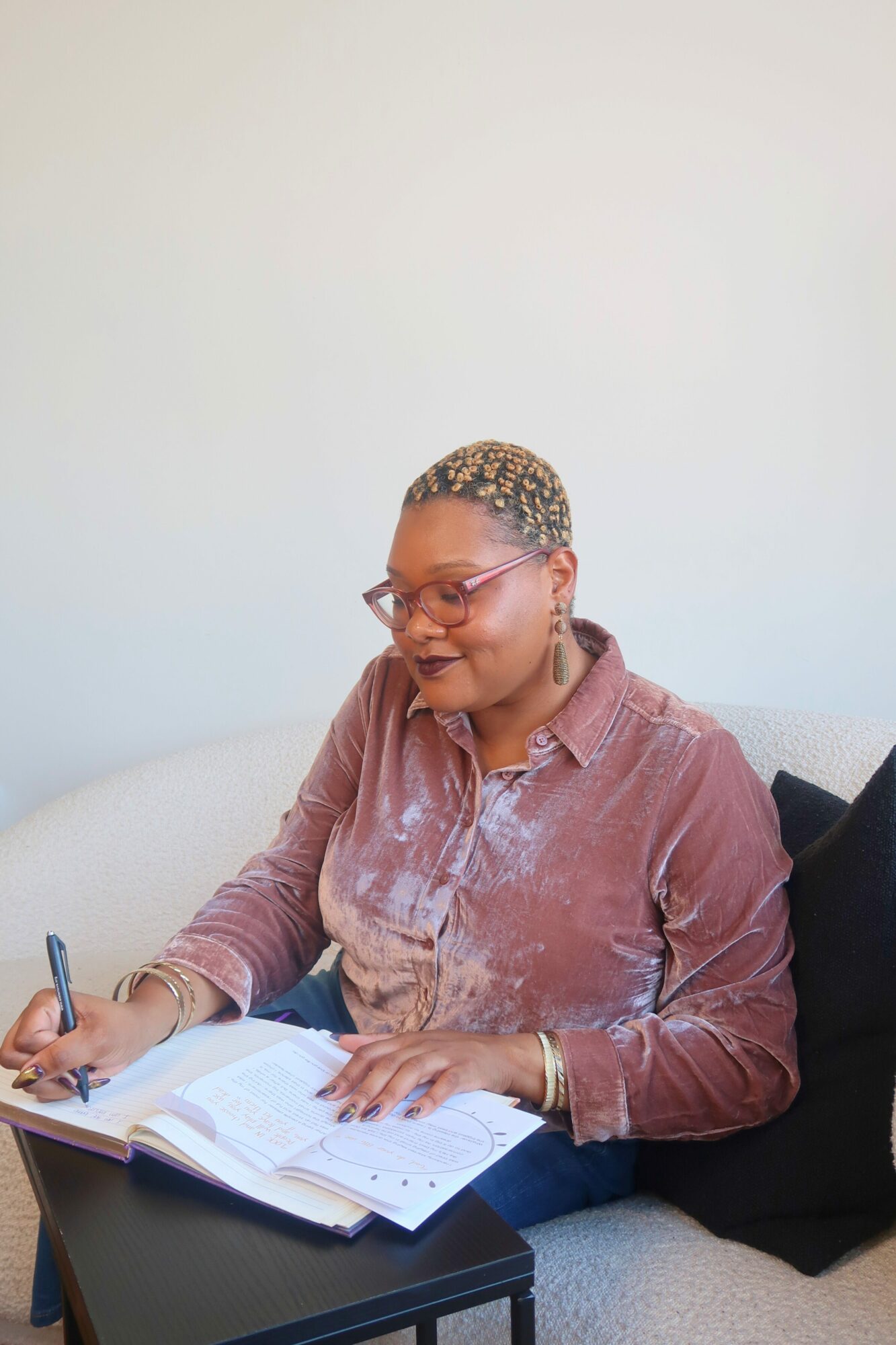
The book came from years of journaling, reflecting, and wanting to put words to experiences that often felt hard to explain out loud. I’ve always believed in community care, the idea that we don’t have to navigate life alone, and the title If I Got It, We Got It really reflects that mindset.
When readers open the book, I want them to feel seen, supported, and less alone. I hope it feels like someone sitting next to them saying, “I get it, and you’re going to get through this.” More than anything, I want it to be something people can return to during hard seasons and still find something that feels grounding and hopeful.
As someone who has worked in communications for a decade, how has that professional background influenced the way you tell stories now — especially when the stories are more personal, emotional, and wellness-focused?
My communications background taught me how to listen, not just to what people say, but to what they need. It also taught me how to translate complex or heavy topics into language that feels accessible and human.
Now, when I tell more personal or emotional stories, I’m very intentional about clarity, tone, and emotional safety. I think about how stories land on people who might be in vulnerable places. I’ve learned that powerful storytelling isn’t about being the loudest voice; it’s about being the most honest and the most relatable.
Community seems to be at the heart of your work. How do you think storytelling, encouragement, and shared experiences can help people build self-confidence and resilience during challenging seasons of life?
Storytelling reminds people that they’re not the only ones going through something. That alone can reduce shame and isolation, which are two of the biggest barriers to healing and growth.
Encouragement and shared experiences help people see what’s possible. When someone hears a story of survival, growth, or healing, it creates space for them to imagine that for themselves. Community builds resilience because it shifts the narrative from “I have to do this alone” to “There are people who understand me and are rooting for me.”
As you continue evolving as a writer and creator, what’s next for you creatively, and what kinds of stories or projects are you most excited to explore moving forward?
I’m really excited to continue expanding my writing and storytelling across different formats: books, digital content, and eventually more long-form storytelling. I’m also passionate about projects that sit at the intersection of culture, mental health, and community storytelling.
Long term, I’m excited about building spaces, whether through writing, speaking, or future creative projects, where people feel seen, heard, and empowered to tell their own stories. I’m especially interested in stories that center healing, identity, and how community shapes the way we move through the world.