







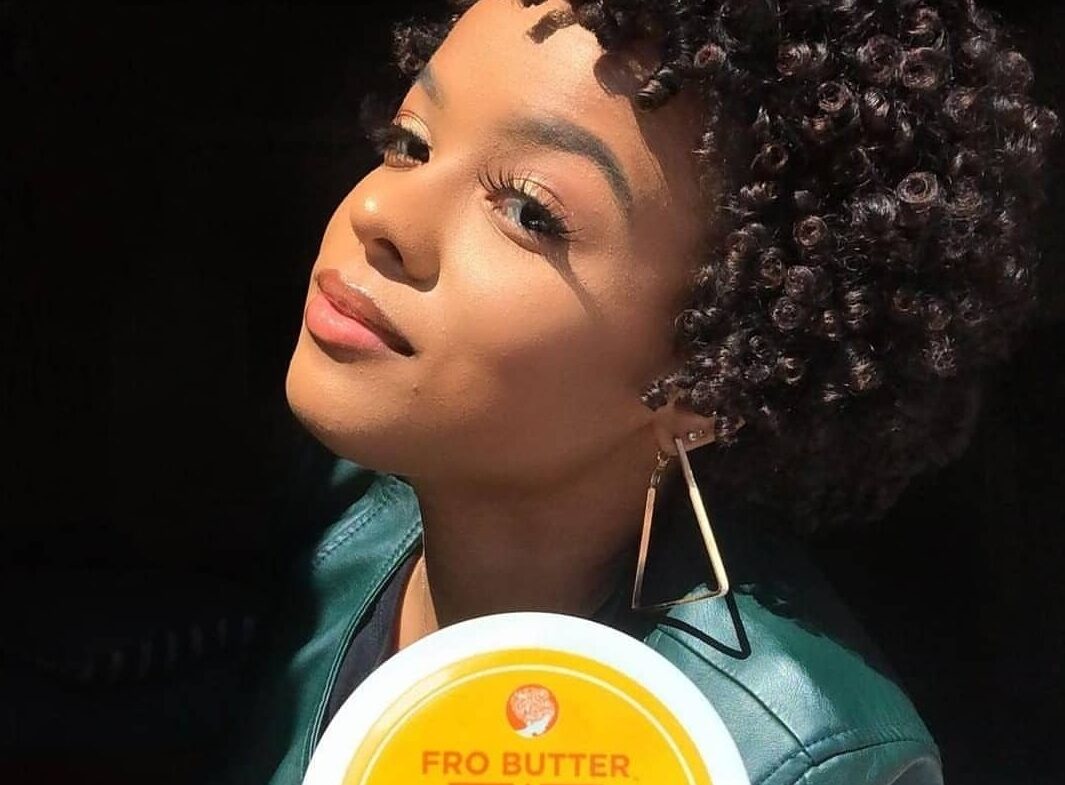
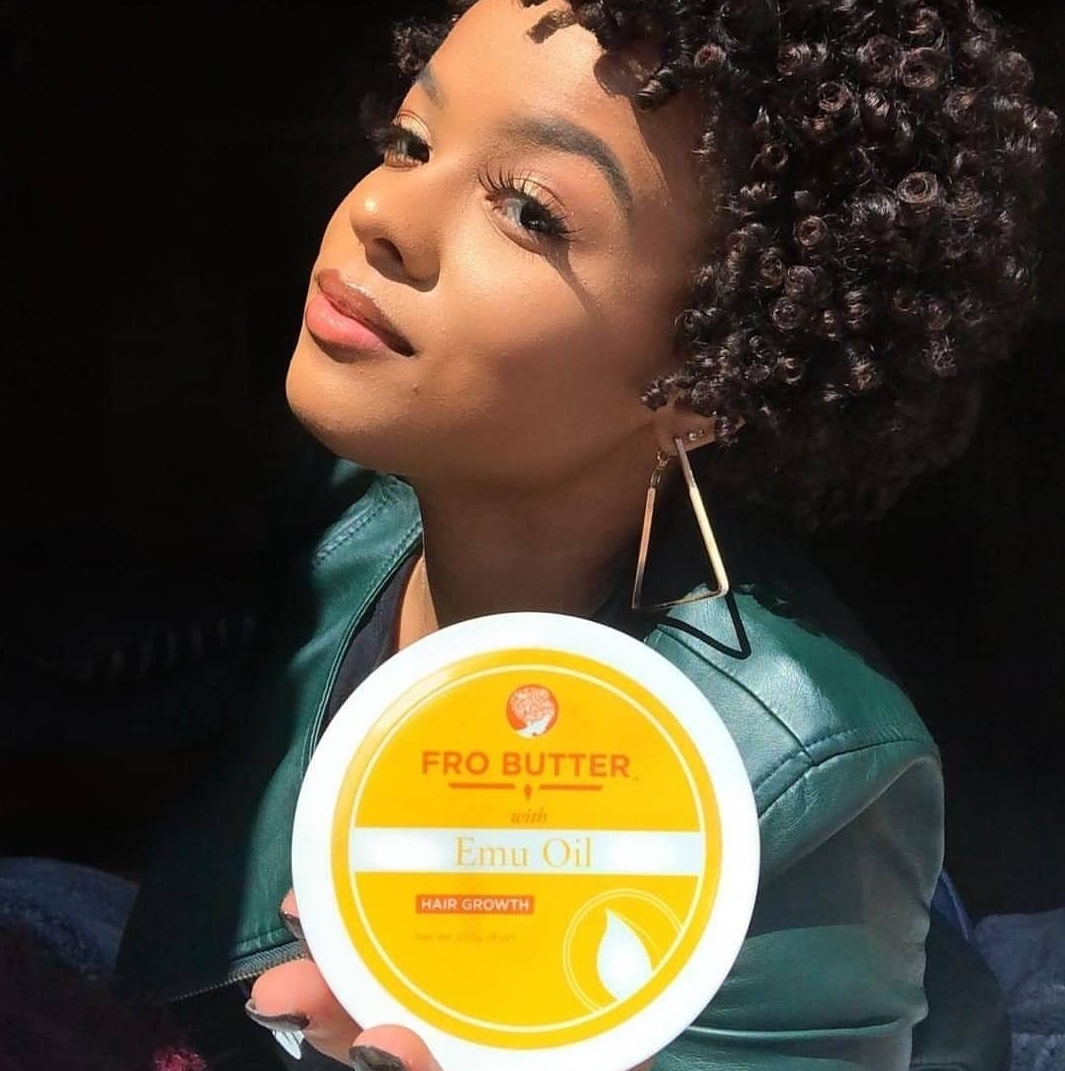
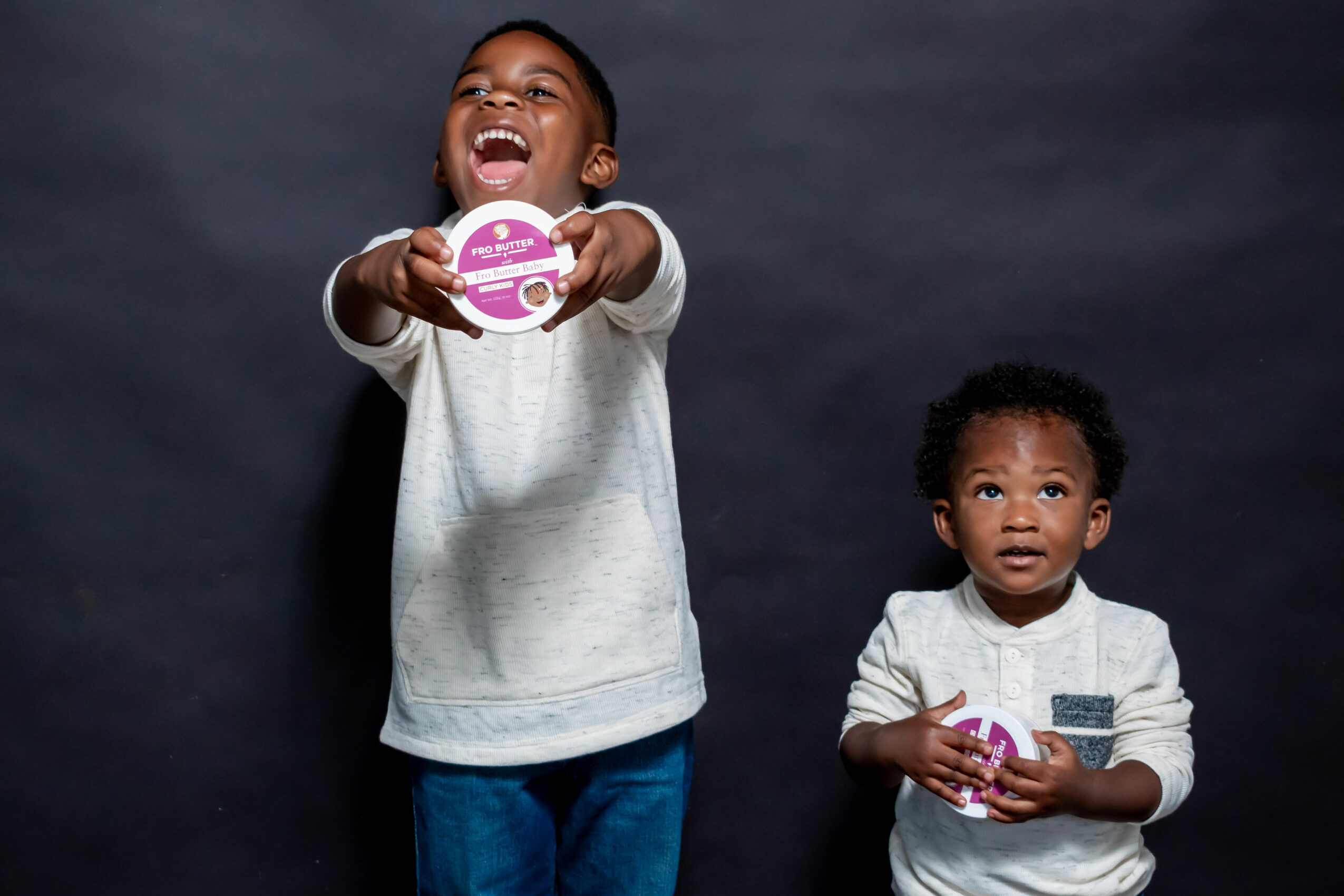
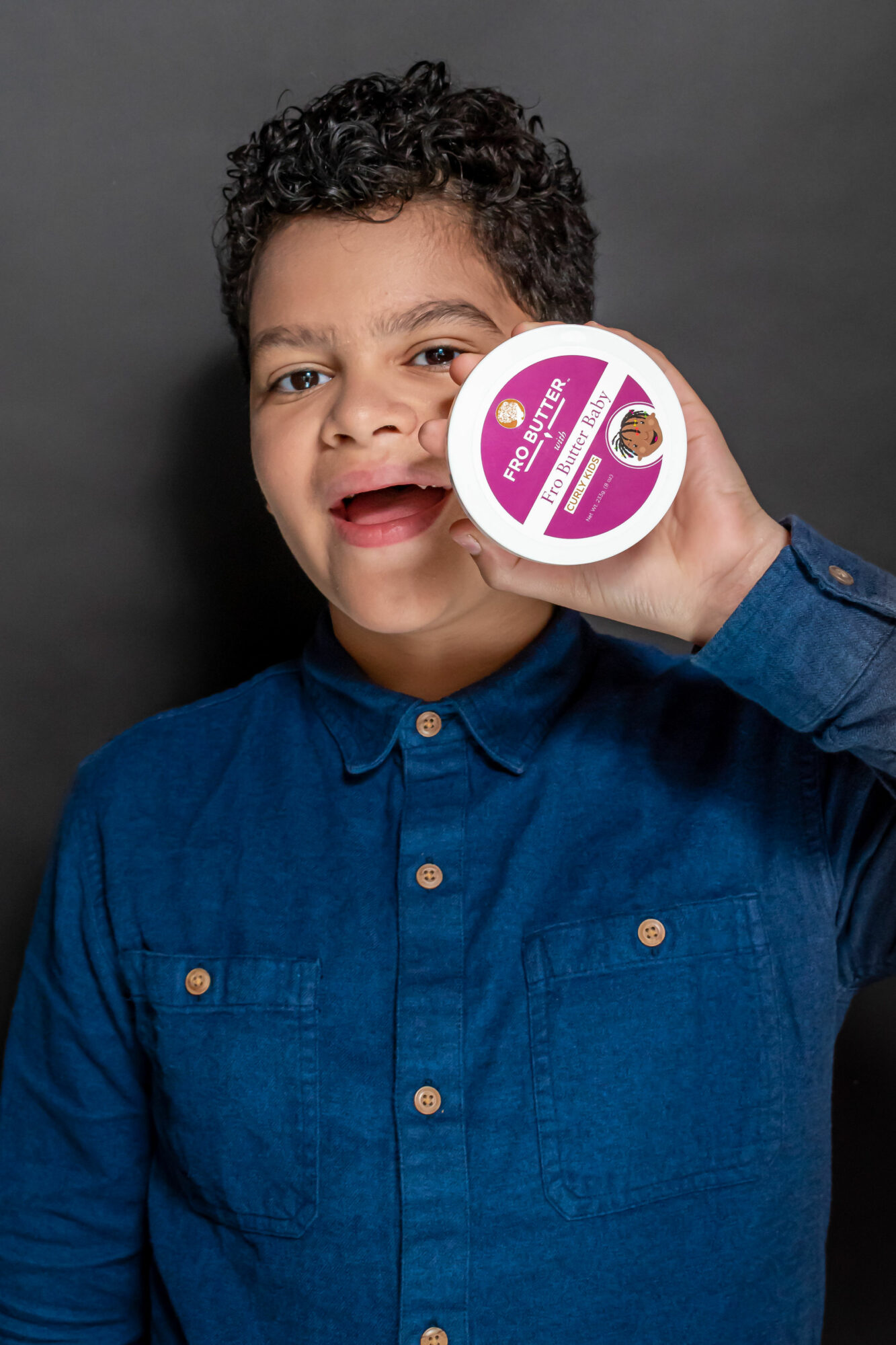
For Fro Butter, evolution didn’t come from chasing scale—it came from protecting the mission. As rising costs threatened affordability, Susana made the conscious decision to let go of a traditional direct‑to‑consumer model in favor of wider access and stability through Amazon. The shift wasn’t about convenience alone; it was about serving families better, keeping prices fair, and building a more collective future where customers don’t just buy—they participate, share, and even earn. Rooted in community over ego, Fro Butter’s next chapter proves that longevity is built by listening, adapting, and choosing impact every time.
Susana, Fro Butter has always been rooted in community and intentional decision-making—can you walk us through the moment you realized the original direct-to-consumer model needed to evolve, and what factors ultimately led you to pivot?
Honestly, it wasn’t one big dramatic moment. It was more like a slow realization.
As costs started going up with shipping, packaging, ads, all of it I kept asking myself, “Who is really benefiting?” Because Fro Butter was never just about selling a product. It’s about making textured hair care accessible, especially for families.
I didn’t want to keep raising prices just to keep up with overhead. That didn’t sit right with me. I started realizing that the traditional direct-to-consumer route that gave me full control, was also limiting how affordable and scalable we could be.
The pivot was about protecting the mission long-term.
Moving Fro Butter to sell exclusively through Amazon was a big shift—what were some of the challenges or hesitations you had to work through before making that decision?
Whew. A lot.
When you build something from scratch, you’re attached to every piece of it. The website, the branding, the checkout experience,… all of it. Letting go of that level of control was uncomfortable.
There’s also this narrative in the small business world about staying fully independent. So I had to really check in with myself. Was I holding onto control because it was best for the brand? Or because it felt safer for me?
Partnering with Amazon meant trusting a bigger system. But the truth is, most of my customers were already shopping there daily. They care about fast shipping. They care about convenience. And I had to honor that.
Once I shifted my perspective from ego to impact, the decision became clearer.
How has this change improved the customer experience in terms of affordability, shipping speed, and accessibility, especially as the cost of doing business continues to rise?
The difference is real.
Shipping is faster sometimes next day. I could never compete with that on my own without dramatically increasing costs.
Because of the infrastructure that’s already in place, I’m not scrambling to adjust prices every time something goes up behind the scenes. That stability matters.
And accessibility has improved. People can add Fro Butter to their cart with everything else they’re already ordering. No extra steps. No extra shipping charges stacking up.
At the end of the day, if it’s easier and more affordable for the customer, that’s a win.
One of the unexpected outcomes has been your community benefiting through the Amazon Creator/Affiliate program—what has it meant to you to see customers now able to earn by recommending Fro Butter?
This part has honestly been beautiful to watch.
Fro Butter has always grown through word of mouth. Moms telling moms. Stylists sharing with clients. Group chats lighting up over results.
Now through the affiliate program on Amazon, people can actually earn from recommending something they already love. That shifts the energy.
It’s not just “support my business.” It becomes mutual. You support the brand, and the brand creates space for you to benefit too.
That feels aligned with how I’ve always wanted to build with a focus on community over competition.
Looking ahead, how do you hope this more collective, community-centered model shapes the future of Fro Butter, both as a business and as a brand built with its customers?
I want Fro Butter to grow in a way that feels sustainable and collaborative.
I don’t see customers as just buyers. I see them as part of the story. If this model allows us to stay affordable, move faster, and create earning opportunities for the community, that’s powerful.
The goal has never been to build something flashy. It’s to build something that lasts. Something that actually serves.
If evolving helps us do that better, then I’m always open to evolving.
Popular
-

Hidden Gems: Local Businesses & Creatives You Should Know
-

ATL’s Most Inspiring Stories
-

Portraits of Atlanta
-

Dr. Hildiah Martin-Suggs Is Building Second Chances for Youth Who Were Almost Lost in the System
-

From Showing Up to Seeing His Face on a Billboard: Anthony Green Is Just Getting Started
-

Wayne Smith Jr on Survival, Psychological Thrillers, and the Cost of Staying Alive