






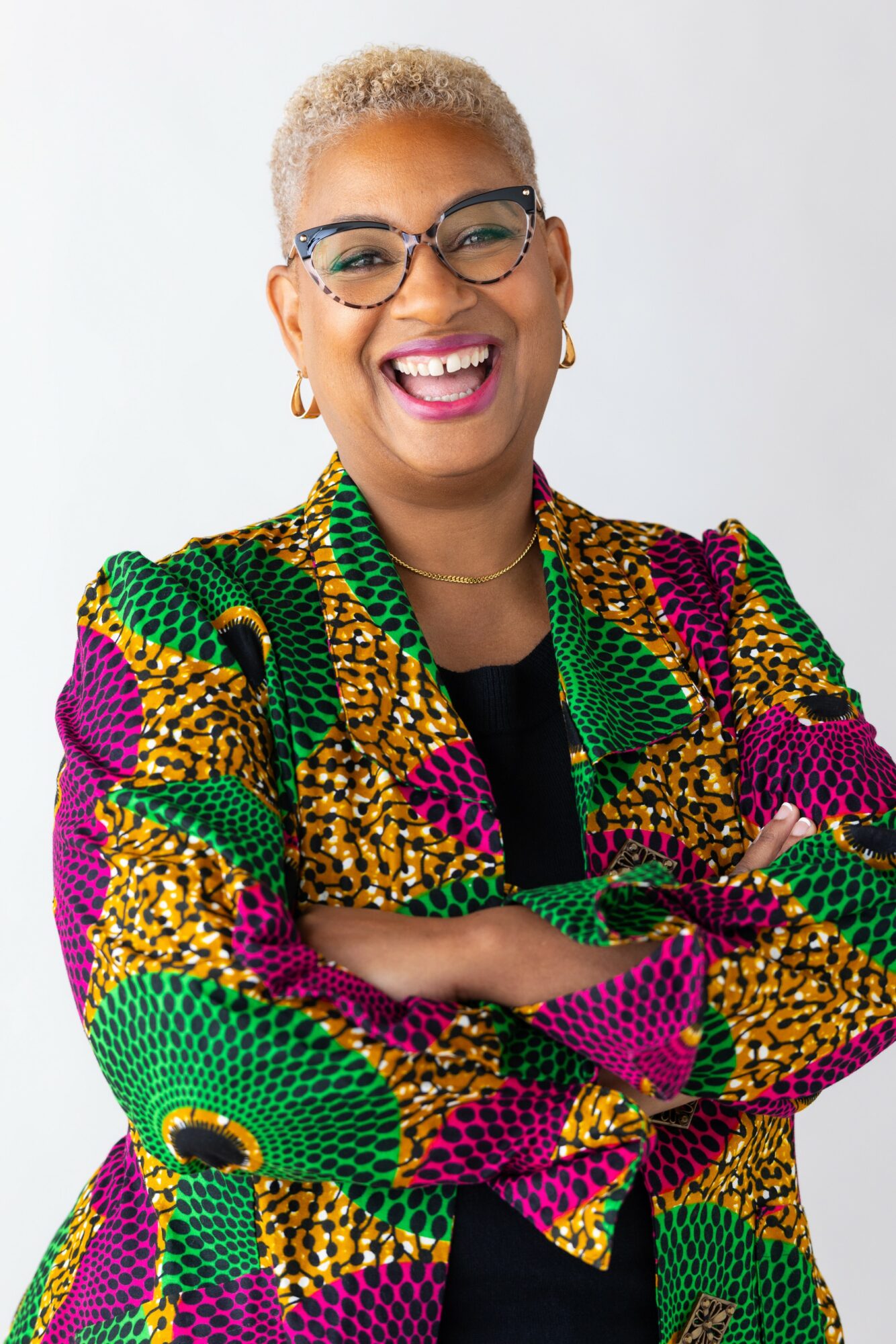
Today we’d like to introduce you to Pamela Seda.
Hi Pamela, it’s an honor to have you on the platform. Thanks for taking the time to share your story with us – to start maybe you can share some of your backstory with our readers?
Early in my career, during my first three years teaching high school math, I experienced something I didn’t realize at the time was rare.
I wasn’t left alone to figure out teaching by trial and error. In those early years, I participated in sustained professional learning alongside middle school math teachers, guided by university faculty. The materials we were using were traditional, but the teaching we were learning to do was not. We were shown how to use the curriculum materials we already had—often very conventional problems—in ways that pressed students to think, reason, and make sense of mathematics. We focused on how to raise the level of rigor students were asked to engage in, not by making the work harder, but by changing how we taught it and how we invited students into problem-solving.
At the time, I assumed this was just how schools worked.
Years later, I came to understand how intentional that support really was—and how much my students benefited because the adults around them were learning together with a clear purpose.
During those same early years, I was also coached by a university professor. We worked in a simple but powerful cycle: plan, teach, debrief. I videotaped my lessons so we could look closely at my teaching together. I still remember watching myself teach and being far more critical of my practice than my supervisor ever was.
She was gracious. Encouraging. Curious.
That mattered—because it created a space where I didn’t need to defend myself in order to learn. I could see my practice clearly, grounded in evidence, and grow because someone believed improvement was possible.
That experience taught me something I’ve never been able to unsee:
Getting better requires safety, clarity, and support—not pressure or judgment.
As I moved into coaching and professional learning, I began working with hundreds of teachers who genuinely wanted to do better by students who had been consistently marginalized in math. Their intentions were strong. Their commitment was real.
But they kept telling me the same thing.
They didn’t know what truly equitable math instruction actually looked like in practice. Or it felt overwhelming. Or it felt like something so radical that it didn’t seem possible in their classrooms.
So I wrote Choosing to See: A Framework for Equity in the Math Classroom for them.
I wanted teachers to be able to read the book and say, “I can do that.” Not “That sounds good in theory,” but “This is doable. This is within reach.” The ICUCARE® framework was meant to bring clarity, not guilt. Possibility, not perfection.
And then something else became clear.
Teachers were leaving my workshops energized and hopeful—only to return to environments where their efforts weren’t supported, prioritized, or, in some cases, were quietly undermined. After three years and more than a hundred presentations across the United States and Canada, I kept seeing the same pattern. The issue wasn’t a lack of teacher commitment.It was the conditions they were expected to work within.
That realization is what led me to begin working more deeply with leaders—helping them create the conditions where frameworks like ICUCARE® could actually take root.
Because sustainable change doesn’t live in individual classrooms. It lives in the systems leaders design and protect. Teachers cannot carry this work alone—and students shouldn’t pay the price for misaligned leadership.
The problem was never a lack of care or effort. It was a lack of shared ways to see learning, support growth, and lead improvement.
Today, my work is grounded in a simple belief: math achievement improves when leaders create environments where teaching is made visible, learning is safe, and improvement is supported over time. When decisions are grounded in evidence of student thinking, rather than assumptions, urgency, or compliance.
Because the truth is, I didn’t change my practice because I was exceptional; I changed because I was in a system intentionally designed to help me grow in ways that mattered for students.
And that’s the kind of system I work with leaders to design—because every teacher and every student deserves that kind of intentional support.
Alright, so let’s dig a little deeper into the story – has it been an easy path overall and if not, what were the challenges you’ve had to overcome?
No, it hasn’t been a smooth road—and I don’t think meaningful work ever is.
One of the earliest struggles was realizing how rare my own early support had been. I moved into coaching and leadership assuming that most teachers had access to the kind of sustained learning, thoughtful feedback, and psychological safety that shaped me. They didn’t. Many were being evaluated far more than they were being developed. They were told to “raise rigor” without anyone showing them how, or without alignment across classrooms, schools, and districts. That disconnect was frustrating to witness—and heavy to carry—because students were the ones absorbing the consequences.
Another challenge was resistance that didn’t always look like resistance. It showed up as polite agreement followed by no real change. It showed up as initiatives layered on top of each other, urgency replacing clarity, and quick fixes favored over the slower work of building shared understanding. I learned quickly that even leaders with good intentions are often operating under immense pressure—accountability timelines, staffing shortages, community expectations—and that pressure can make it hard to protect instructional work that actually takes time to mature.
There were also moments when the work itself was misunderstood. Conversations about improving math instruction for students who have historically been underserved can make people uncomfortable. Some heard critique where I was offering clarity. Others assumed the work required abandoning standards, programs, or expectations, when in reality it asks adults to be more precise, more observant, and more honest about what students are actually learning. Navigating those misperceptions—without diluting the work—has taken courage and patience.
On a personal level, building a consulting practice meant learning how to say no to work that wasn’t aligned, even when saying yes would have been easier financially. It meant trusting that depth would matter more than scale, and that relationships would matter more than visibility. That hasn’t always been simple, especially in a field that often rewards quick wins and tidy narratives.
But every struggle clarified the work. Each barrier revealed where systems—not people—were breaking down. And over time, those lessons shaped how I now partner with leaders: slowly, honestly, and with a focus on building conditions that last beyond a single workshop or school year.
So no, it hasn’t been smooth. But it has been purposeful. And I wouldn’t trade the hard-earned clarity that came from those challenges—because it’s what allows me to do this work with integrity, and with hope grounded in what’s actually possible.
We’ve been impressed with Seda Educational Consulting, LLC, but for folks who might not be as familiar, what can you share with them about what you do and what sets you apart from others?
Seda Educational Consulting exists to help schools improve mathematics teaching and learning in ways that actually last. My work sits at the intersection of classroom practice and leadership systems, because one without the other simply doesn’t hold.
At its core, my business focuses on helping educators see learning more clearly—especially in math classrooms where compliance is often mistaken for understanding. I specialize in supporting teachers and leaders to design instruction, professional learning, and leadership practices that are grounded in evidence of student thinking. That means paying close attention to how students reason, explain, struggle, and make sense of mathematics—and using that evidence to guide decisions, not assumptions or urgency.
What many people know me for is the ICUCARE® Framework and my book, Choosing to See. Together, they offer a practical way to talk about good teaching without shaming teachers or lowering expectations for students. The framework doesn’t ask educators to abandon standards, programs, or accountability. Instead, it helps them use what they already have more intentionally—pressing for deeper thinking, clearer reasoning, and greater ownership of learning by students.
What sets my work apart is that I don’t treat professional learning as an event. I work with schools and districts over time, helping leaders build shared ways of observing classrooms, talking about instruction, and supporting growth. I spend just as much time with principals and district leaders as I do with teachers, because sustainable improvement depends on the systems leaders design and protect. Workshops can inspire, but systems are what change day-to-day practice.
Brand-wise, I’m most proud that my work is known for being honest and doable. Teachers often tell me, “This feels challenging, but it feels possible.” Leaders tell me the work gives them language and tools to support instruction—even when they don’t have a background in mathematics themselves. That matters to me, because clarity builds confidence, and confidence changes behavior.
I want readers to know that Seda Educational Consulting isn’t about quick fixes or packaged solutions. It’s about helping schools slow down enough to see what’s really happening in classrooms, align their efforts around what matters most, and create environments where both teachers and students are expected—and supported—to grow.
My brand is rooted in a simple belief: when adults learn together with intention, students benefit. And when leaders create conditions where teaching is made visible, learning is safe, and improvement is supported over time, meaningful change is not only possible—it’s sustainable.
What makes you happy?
What makes me happy is watching people see something clearly for the first time.
That moment when a teacher realizes a student wasn’t “struggling,” but was actually thinking in a way they hadn’t learned how to notice yet. When a principal walks into a classroom and can finally distinguish between students who are busy and students who are making sense. When a leader stops blaming themselves—or their staff—and instead starts asking better questions.
Those moments matter because they change what happens next.
I’m also deeply happy when I see adults learning together without fear. When a room feels safe enough for people to admit, “I’m not sure,” or “I think we missed something.” I know from experience that growth doesn’t come from pressure or posturing; it comes from curiosity, trust, and the belief that improvement is possible. Being able to help create those conditions—even briefly—still feels like a gift.
On a more personal level, I’m happiest when my work aligns with my values. I’ve reached a point in my career where I’m less interested in being everywhere and more interested in doing work that matters. I’m grateful to partner with educators who are willing to slow down, reflect, and make changes that honor students’ brilliance—not just their compliance.
Ultimately, what brings me joy is knowing that the work has ripple effects. When adults change how they see learners, students experience school differently. They take more risks, use their voices, and begin to trust their own thinking. Knowing I play even a small role in creating those conditions—that’s what sustains me.
Contact Info:
- Website: https://www.sedaeducationalconsulting.com/
- Instagram: https://www.instagram.com/pamseda1/
- Facebook: https://www.facebook.com/sedaedconsulting/
- LinkedIn: https://www.linkedin.com/in/dr-pamela-seda-28785911/
- Twitter: https://twitter.com/pamseda1
- Youtube: https://www.youtube.com/@SedaEducationalConsulting
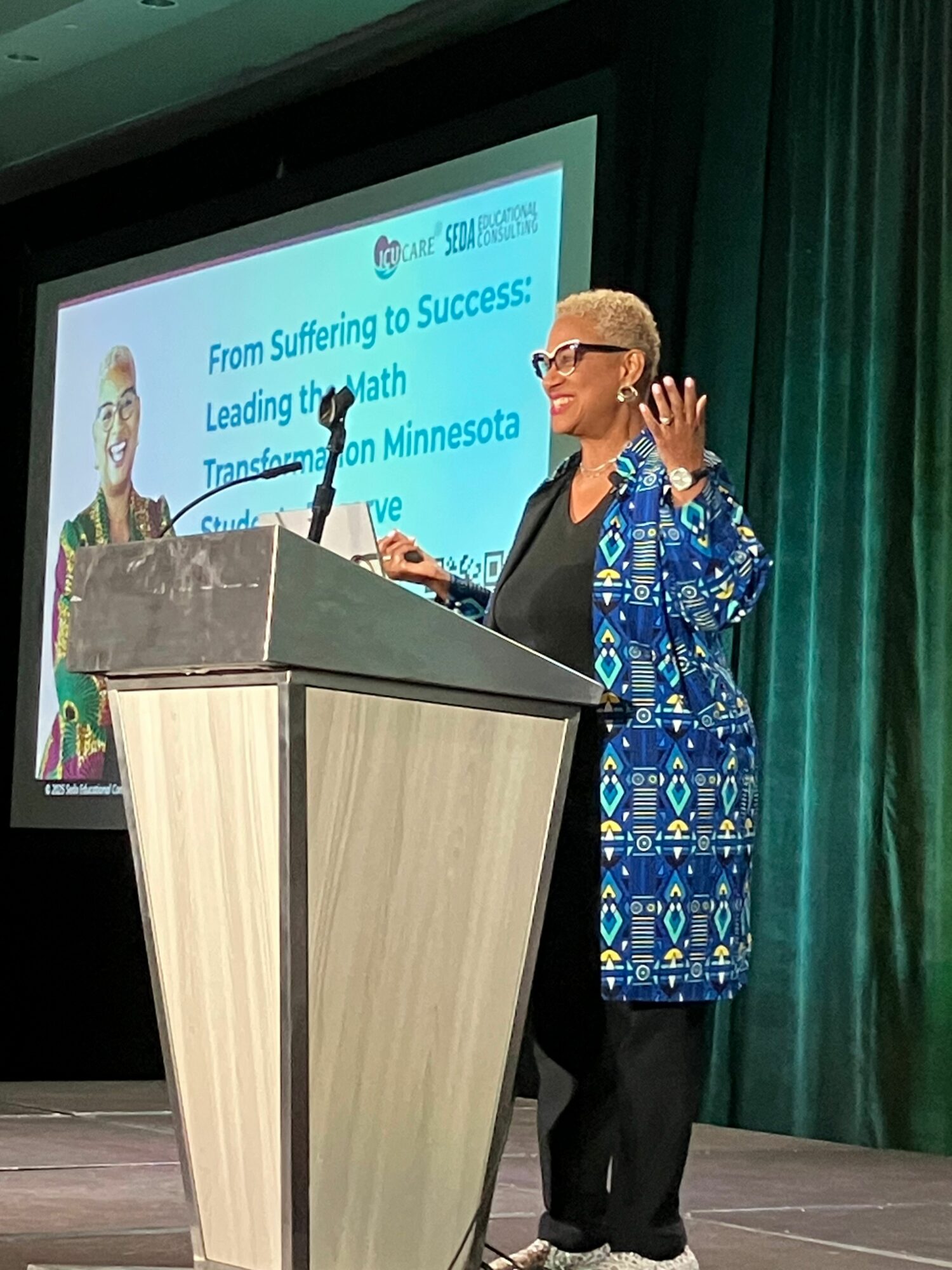
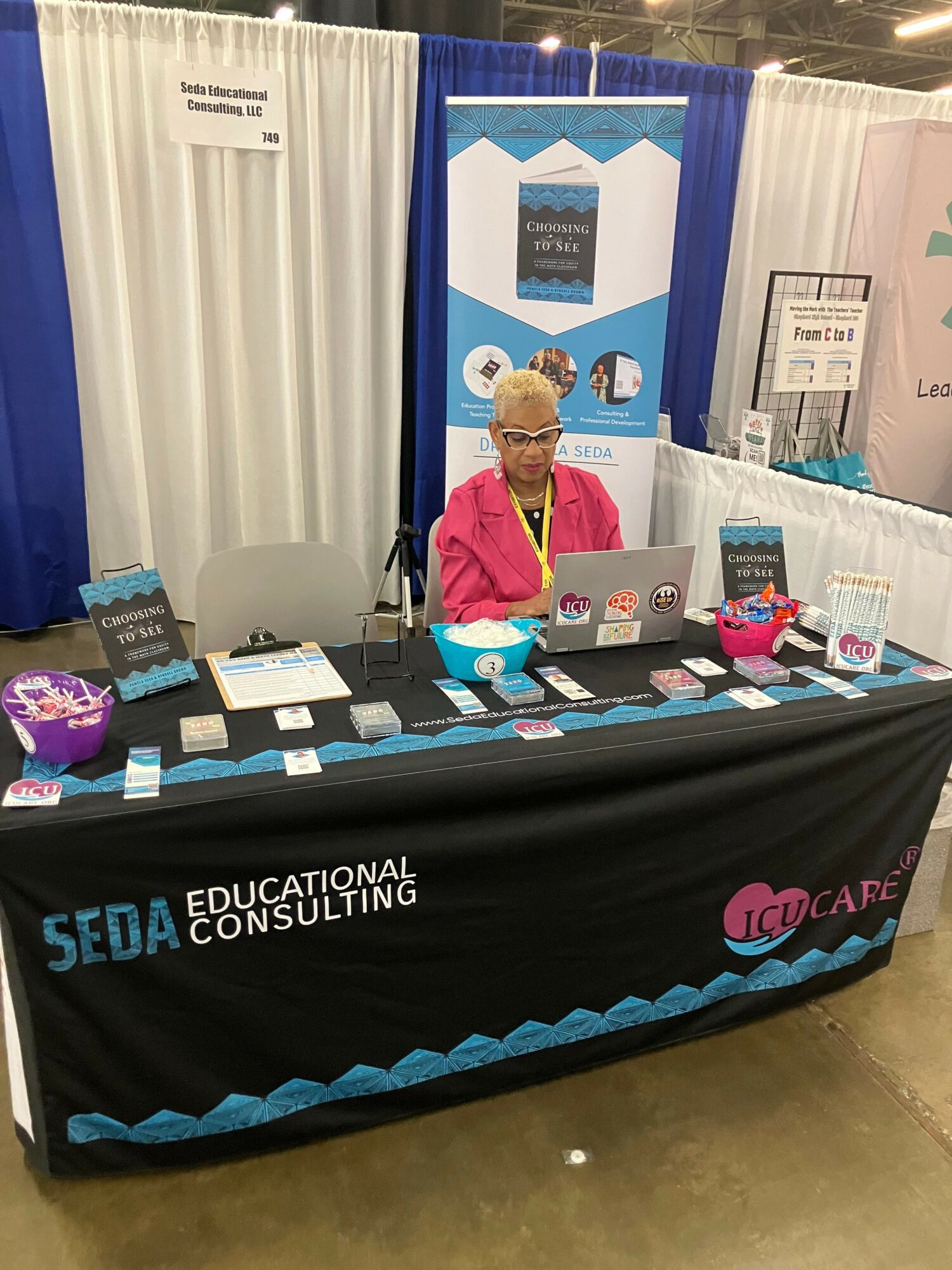
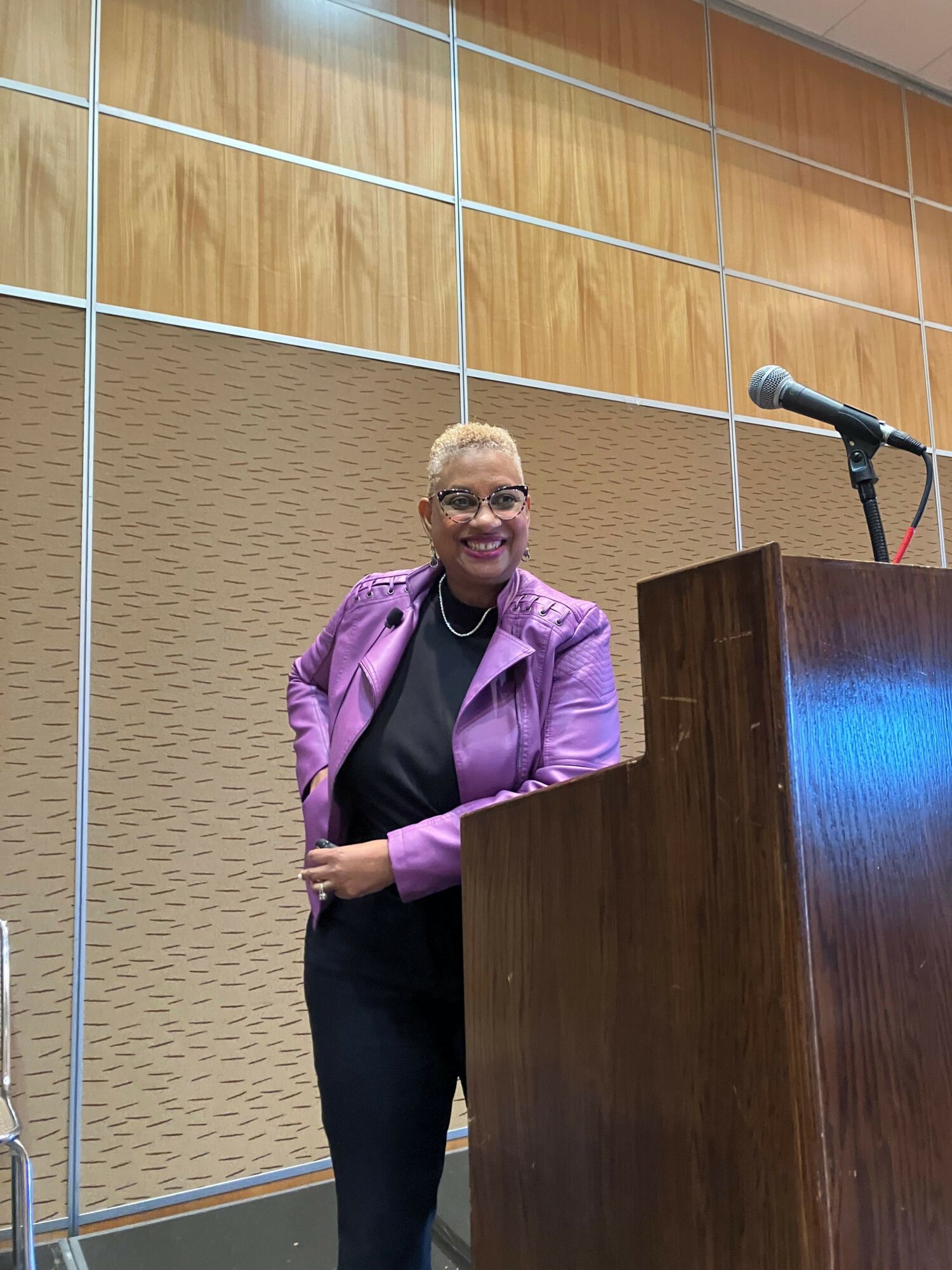

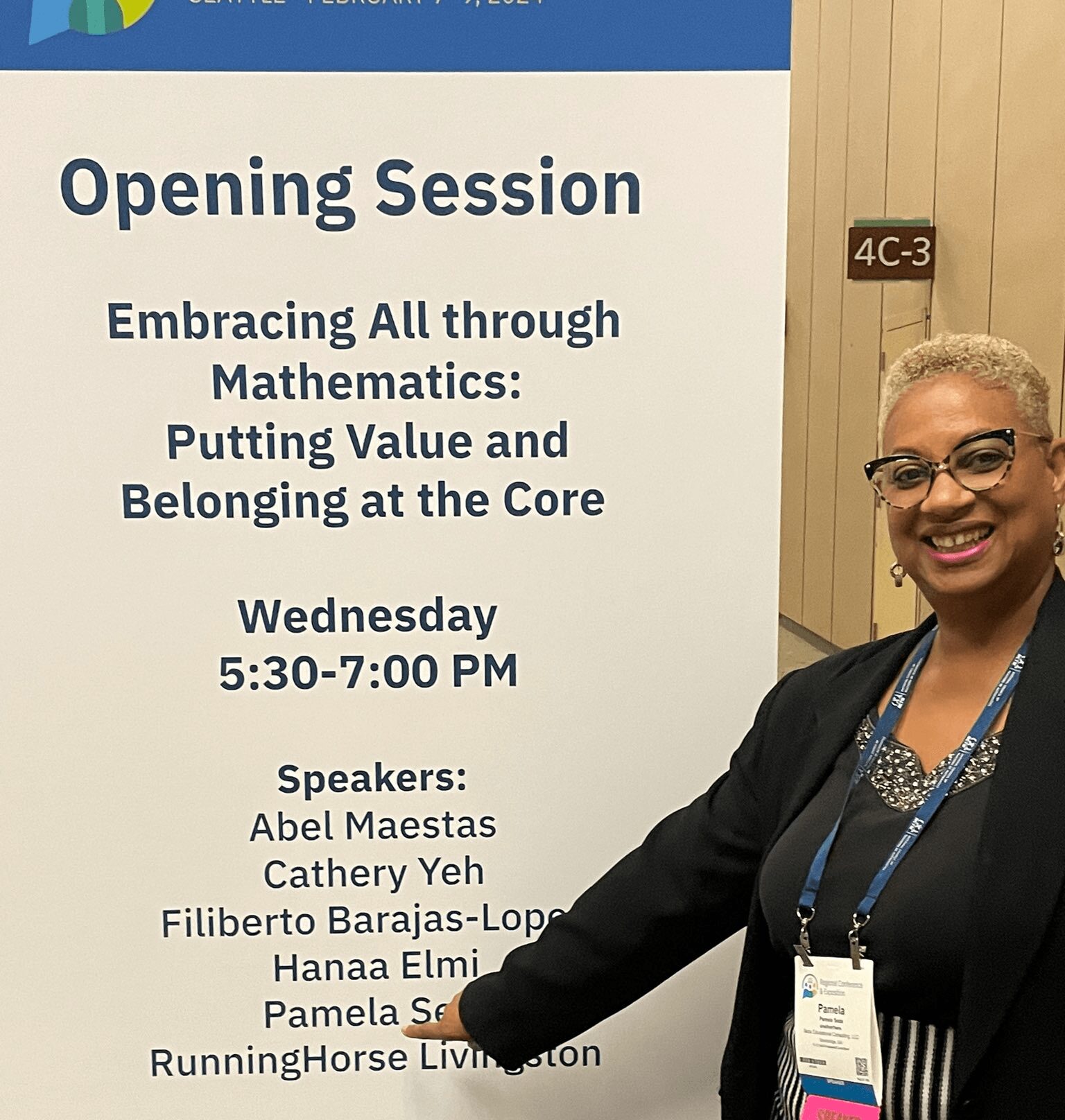
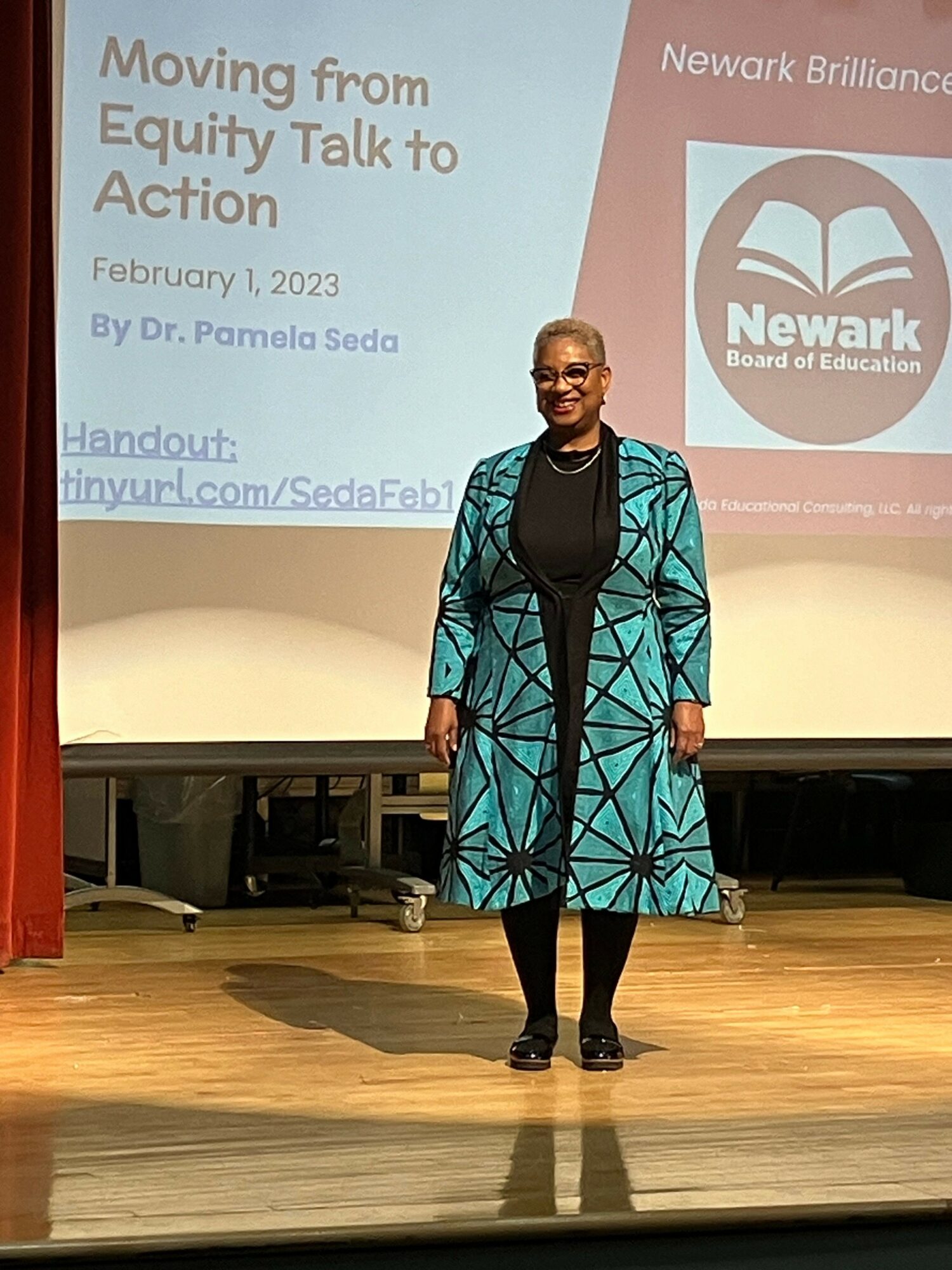
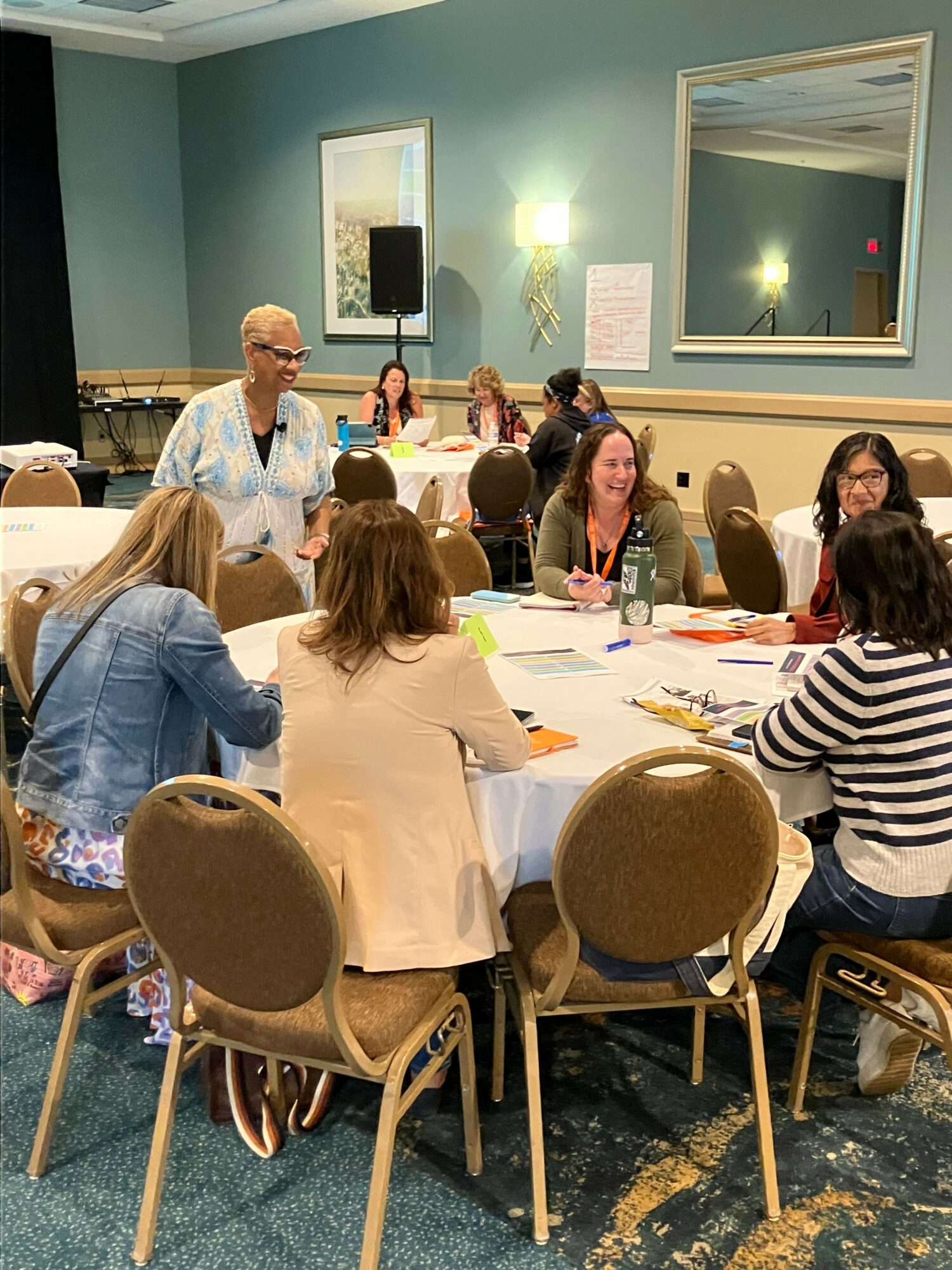
Image Credits
Brian Jones Photography
Popular
-

Hidden Gems: Local Businesses & Creatives You Should Know
-

ATL’s Most Inspiring Stories
-

Seeing the Story Between the Moments
-

Portraits of Atlanta
-

Dr. Sinclair N. Grey III on Why Founders Stall—and How Discipline Breaks the Pattern
-

Meet Lee Patterson: Teaching Entrepreneurs How to Build Wealth the Right Way From Day One