




Today we’d like to introduce you to Dr. Charles R. Rogers.
Hi Dr. Charles R., please kick things off for us with an introduction to yourself and your story.
My journey as a founder began long before I filed any paperwork.
Colorectal cancer became personal for me when my Aunt Joann was misdiagnosed multiple times before finally being diagnosed with advanced colorectal cancer. She later passed away from the disease. Watching her navigate confusion, delayed answers, and ultimately loss changed the direction of my life. What began as heartbreak became a calling: Why are so many families, especially Black families, being diagnosed later and dying sooner from a disease that is often preventable?
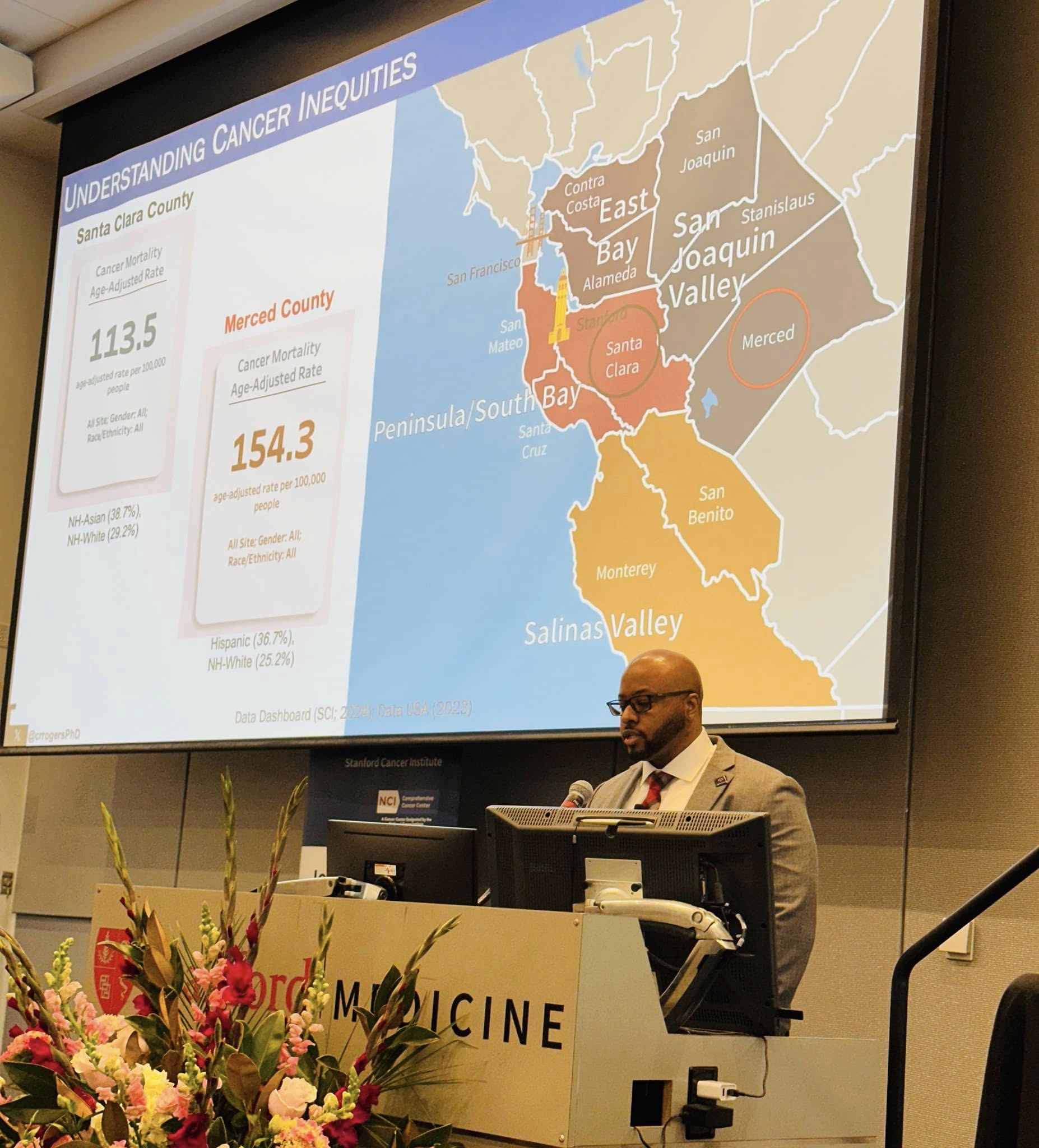
That question led me into public health, behavioral science, and cancer disparities research. I trained in applied mathematics and statistics, learning how to analyze patterns and interpret risk. Over time, I realized numbers alone do not change outcomes. Behavior, trust, access, and systems do. I began focusing on colorectal cancer prevention, early detection, and the structural barriers that keep communities from receiving equitable care.
Over the years, I have had the privilege of securing national research funding, publishing in leading medical journals, and speaking across the country and internationally about cancer equity. Those milestones were meaningful. Still, at some point, I recognized that research alone was not enough. Knowledge without action leaves families vulnerable.
In 2020, the tragic passing of Chadwick Boseman brought national attention to early-onset colorectal cancer in a way that felt both heartbreaking and urgent. For many, it was a shocking loss. For those of us immersed in the data, it was confirmation of a crisis that had been building quietly. Younger adults, particularly Black men, were being diagnosed at advanced stages and dying at higher rates.
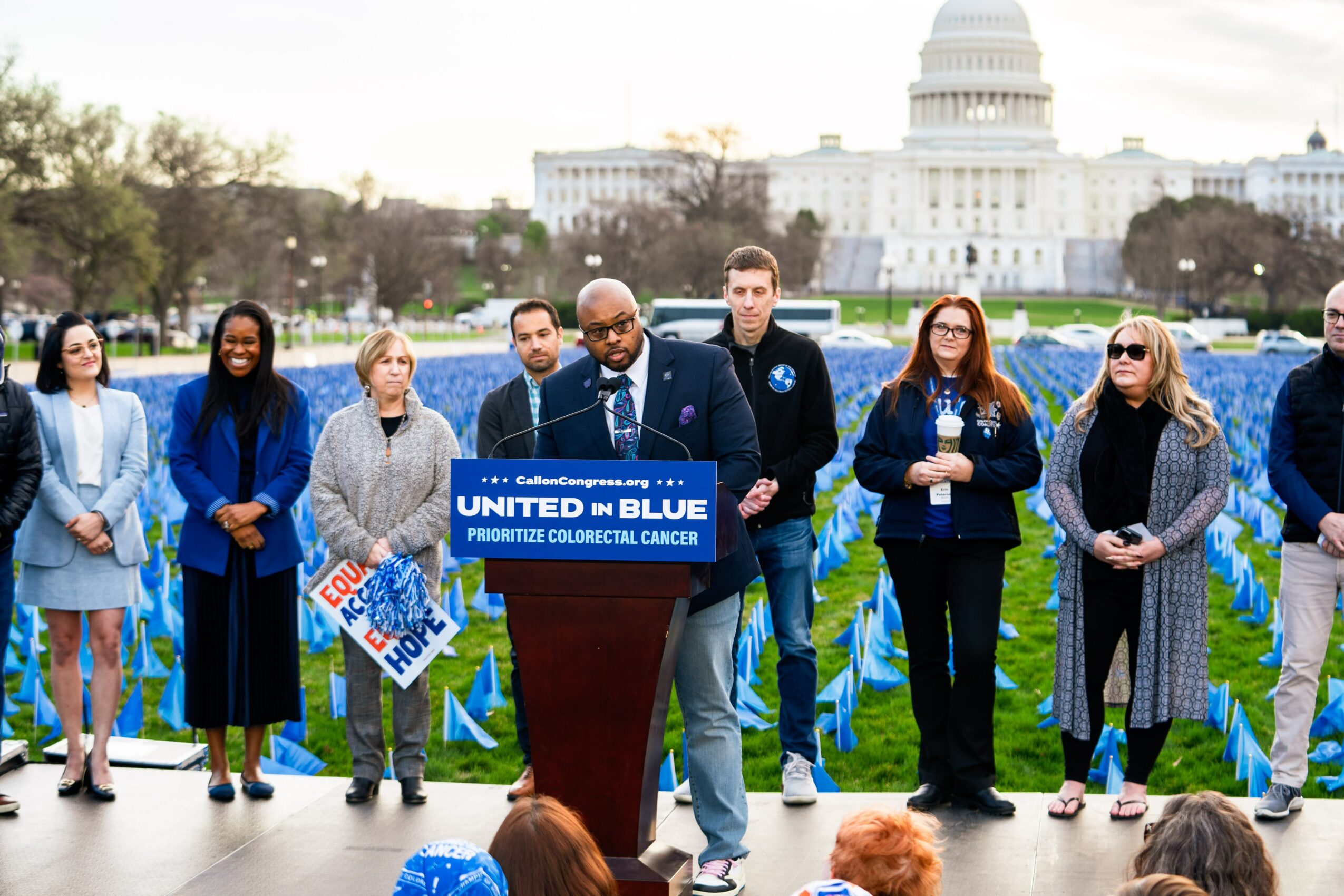
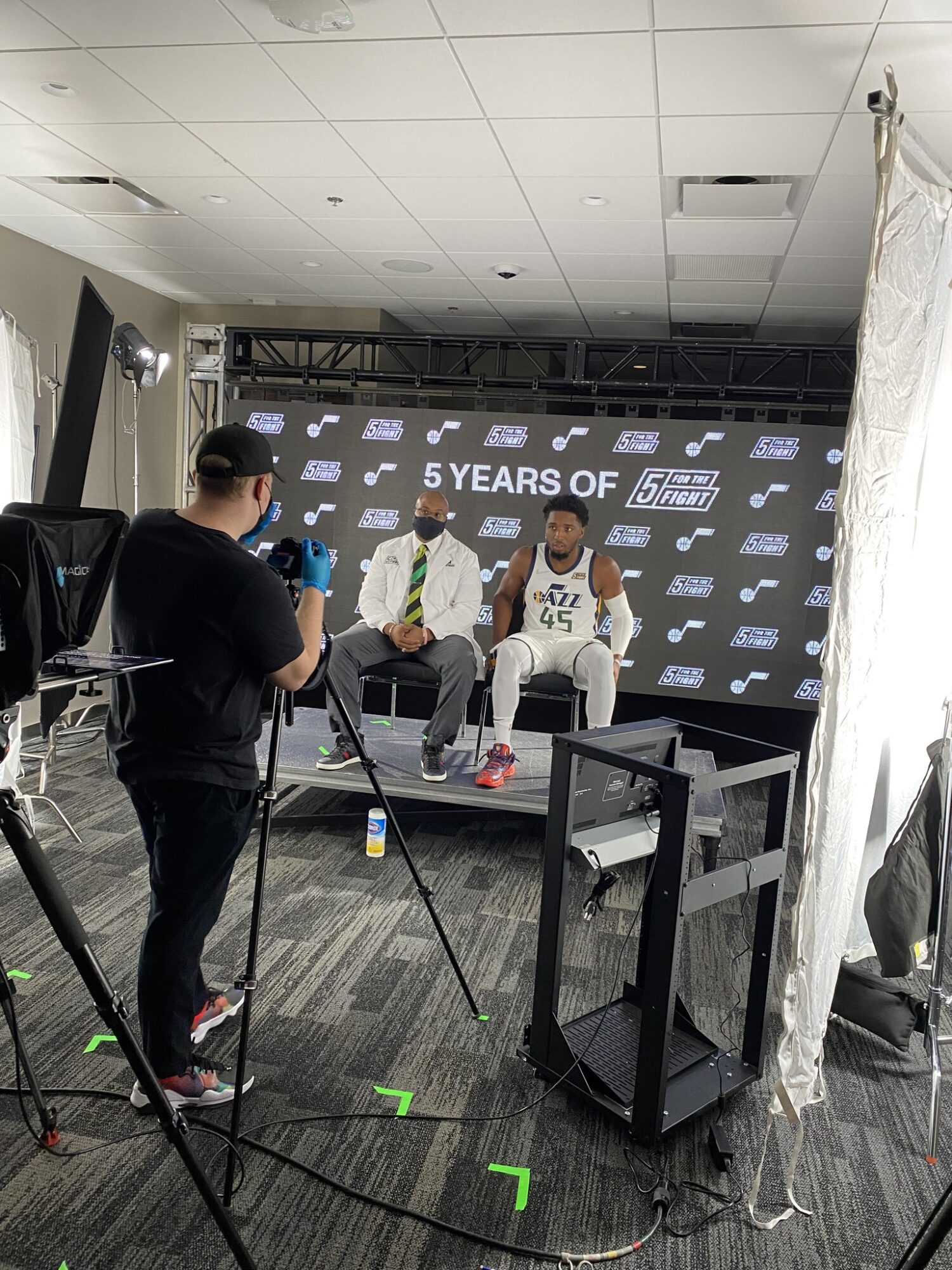
Shortly after that moment, five years ago in Salt Lake City, Utah, I founded the Colorectal Cancer Equity Foundation. The vision was clear. Close the gap between what we know and what we do. Increase screening awareness. Equip families to talk openly about their medical history. Advocate for equitable access to prevention and treatment. Build something durable.
Launching a foundation from the ground up required risk. There was no built-in infrastructure or guaranteed funding. There was conviction, lived experience, and a belief that prevention should never depend on zip code or income. Early days meant forming partnerships one conversation at a time, clarifying programs, securing supporters, and learning how to translate research into real-world impact.
In 2022, the Foundation transitioned to Wisconsin, where we deepened our engagement with communities, health systems, and advocates. Each phase strengthened the mission and sharpened our strategy.
In the fourth quarter of 2025, my family and I intentionally planted roots in Atlanta. The South carries one of the highest burdens of colorectal cancer in the country. Atlanta represents leadership, culture, faith, and innovation. It felt aligned to bring the Foundation to a region where the need is urgent and the opportunity for impact is profound.
Entrepreneurship in this space looks different from traditional startups. The product is prevention. The currency is trust. The return on investment is measured in lives saved and families preserved. Building the Colorectal Cancer Equity Foundation has required vision, discipline, resilience, and the willingness to speak about a disease many still avoid discussing.
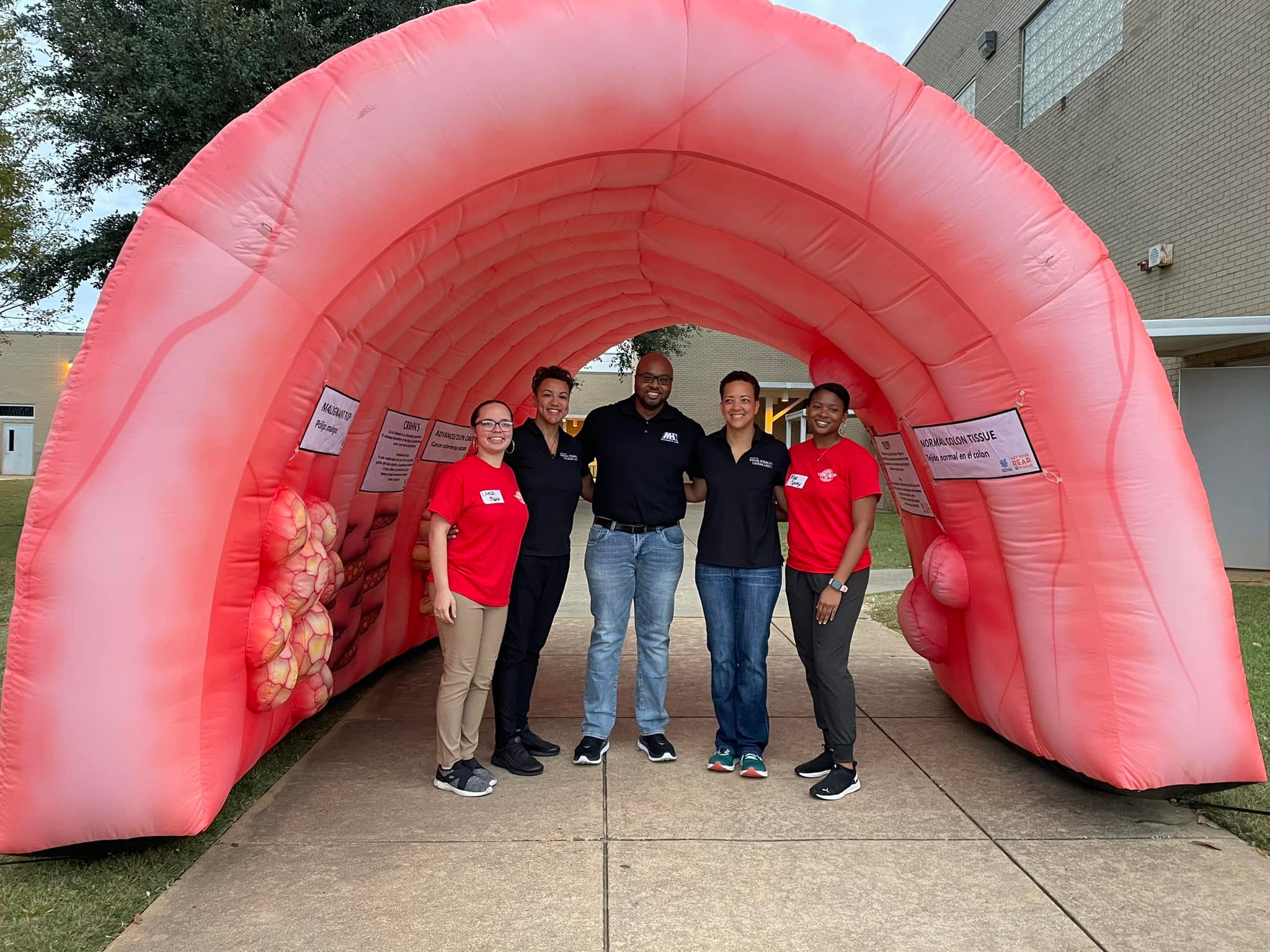
Today, our work centers on increasing screening rates, addressing early-onset colorectal cancer, dismantling structural barriers to care, and equipping communities with tools to advocate for themselves. Georgia is now home base for this next chapter.
What began as a very personal moment has grown into a mission-driven organization committed to ensuring that no family loses someone to a disease that can often be prevented or detected early. The foundation is strong, and the work continues.
We all face challenges, but looking back would you describe it as a relatively smooth road?
It has not been a completely smooth road.
I have been doing cancer equity work for nearly two decades, but leading a nonprofit brings a different set of responsibilities. As President, you are not only the visionary. You are the chief fundraiser, the ambassador, the strategist, and often the one making sure the organization remains financially sustainable.
Building partnerships comes naturally to me. Strategic collaboration runs through my veins. I thrive in rooms where ideas are exchanged and solutions are built. Fundraising, however, has stretched me. I did not enter this work for money. I entered it for the families who are disproportionately impacted by colorectal cancer (CRC). Learning to step into the role of fundraiser required a mindset shift. I had to see it not as asking for support, but as inviting others into lifesaving work.
The truth is that mission driven work still requires resources. Impact requires infrastructure. Sustainability requires investment. Operating with a small but committed team over the past five years has demanded creativity, discipline, and resilience. We have had to be intentional with every dollar, every partnership, and every opportunity. Even so, we have made meaningful impact through awareness campaigns, research translation, policy engagement, and community partnerships.
Now that we have planted roots in Atlanta, the next chapter feels both urgent and hopeful. CRC continues to affect families across Georgia at rates that demand attention, especially in communities that have historically faced barriers to prevention and early detection. At the same time, our state has the opportunity to become a model for how communities can come together to reduce preventable colorectal cancer deaths.
The Foundation’s future in Georgia will be strengthened by local partners who believe prevention is possible and equity is necessary. Healthcare leaders, corporate partners, community advocates, faith-based organizations, and donors all have a role to play. When communities unite around prevention and early detection, lives are extended and families are preserved.
The road has not always been smooth, but it has always been purposeful. Atlanta represents an opportunity to strengthen the work, expand partnerships, and build something that truly changes outcomes for generations to come.
Appreciate you sharing that. What should we know about Rogers Solutions Group?
My consulting firm Rogers Solutions Group (RSG) was founded from a simple conviction. Equity must move beyond conversation and into capital, strategy, and infrastructure.
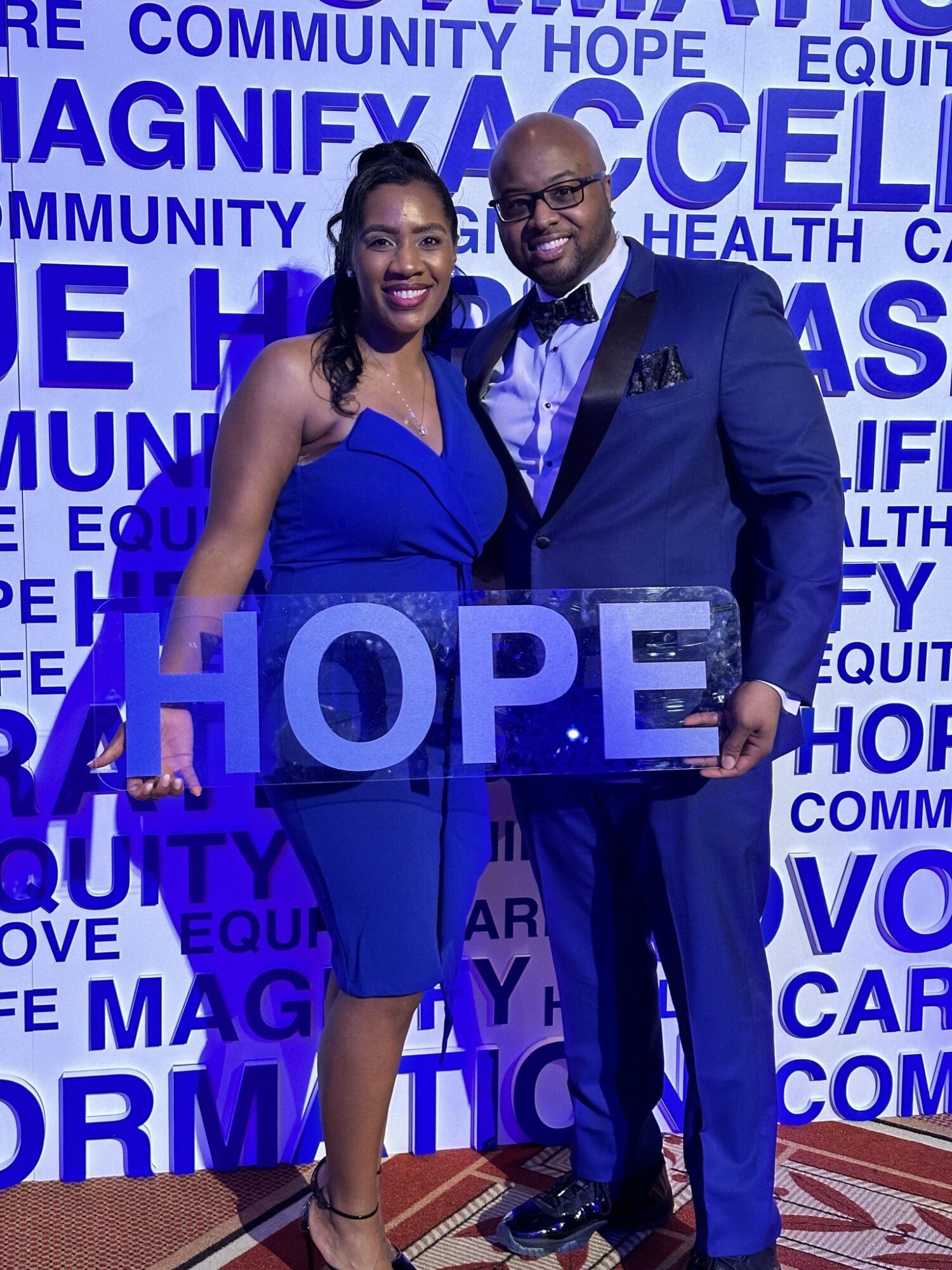
I founded RSG to help institutions operationalize their values. Today, I serve as Chief Advisor, providing strategic direction and subject matter expertise, while my wife, Dr. Tiana N. Rogers, serves as our fearless CEO, leading vision, execution, and growth. Together, we are committed to disciplined strategy and measurable impact.
RSG specializes in health equity strategy, community engagement design, impact investing advisory, and systems level transformation. We partner with healthcare systems, faith-based institutions, philanthropic organizations, academic entities, and mission driven leaders who want their investments and operations to align with their stated values.
Impact investing is central to our work. It means aligning financial capital with social and community outcomes. Instead of treating equity as an add on, we help organizations integrate mission directly into how resources are deployed. Whether through real estate development, strategic philanthropy, or long-term investment planning, the goal is to generate both financial sustainability and measurable community benefit.
One of our most meaningful engagements has been with Trinity Church in New York City, a globally recognized institution stewarding a multi-billion-dollar endowment and supporting communities locally and internationally. We were honored to support strategy tied to mission aligned real estate and long-term community impact. That partnership demonstrated how disciplined stewardship of significant capital can strengthen neighborhoods while honoring institutional values at scale.
Our strength also lies in our team. In addition to leadership grounded in behavioral science and health equity, we include PhD level economists with expertise in financial modeling and economic impact analysis. We have experienced project management professionals who ensure strategy translates into execution, and monitoring and evaluation experts who measure outcomes and ensure accountability. For us, impact must be measurable, not assumed.
What sets RSG apart is our ability to bridge research, capital, and community voice. We help organizations move from aspiration to implementation. We are selective in our partnerships because integrity matters, and we work with leaders who are ready to move beyond statements toward structural change.
For readers in Georgia, RSG exists for institutions that want to build responsibly, invest intentionally, and lead with courage. The Colorectal Cancer Equity Foundation focuses on prevention and advocacy at the community level. Rogers Solutions Group ensures that institutions are strategically prepared to support that work and create sustainable impact. Both are rooted in the same belief. Lasting change requires both community commitment and institutional alignment.
Who else deserves credit in your story?
No one builds anything meaningful alone. I carry the fingerprints of several Black women in my life who shaped both the man and the founder I have become.
First, my mother. Her work ethic runs deep in my DNA. She modeled discipline, focus, and excellence long before I understood what those words meant. My academic journey, which included earning a bachelor’s degree, two master’s degrees, completing a PhD in three years, and finishing a postdoctoral fellowship before the age of 33, did not happen in isolation. It was nurtured in a home where education was respected and perseverance was expected. She taught me that preparation creates opportunity.
My grandmother also played a profound role. My mother worked long hours, so I spent much of my childhood next door with my grandmother. She grounded me. She embodied service. She showed me that caring for people is not a strategy. It is a responsibility. While I was an undergraduate at North Carolina State University, I lost her to breast cancer. That loss stayed with me. It was the first time I felt how deeply cancer can reshape a family.
Years later, right before I started my PhD studies, my Aunt Joann was diagnosed with Stage 4 colorectal cancer at age 52 after being misdiagnosed multiple times. Watching that unfold made everything feel full circle. The research I was later studying in classrooms and journals now had names, faces, and memories attached to it. In many ways, my work became a way to honor both my grandma and my aunt. Their lives and their stories sharpened my commitment to prevention, early detection, and equity in care.
My wife, Dr. Tiana N. Rogers, is central to EVERYTHING we are building. There would be no Rogers Solutions Group without her. For five or six years, I was consulting independently while pursuing additional education, trying to find structure and direction. In 2017, she helped formalize the vision and put RSG officially on the books. She brought clarity, discipline, and operational strength to what had been potential energy.
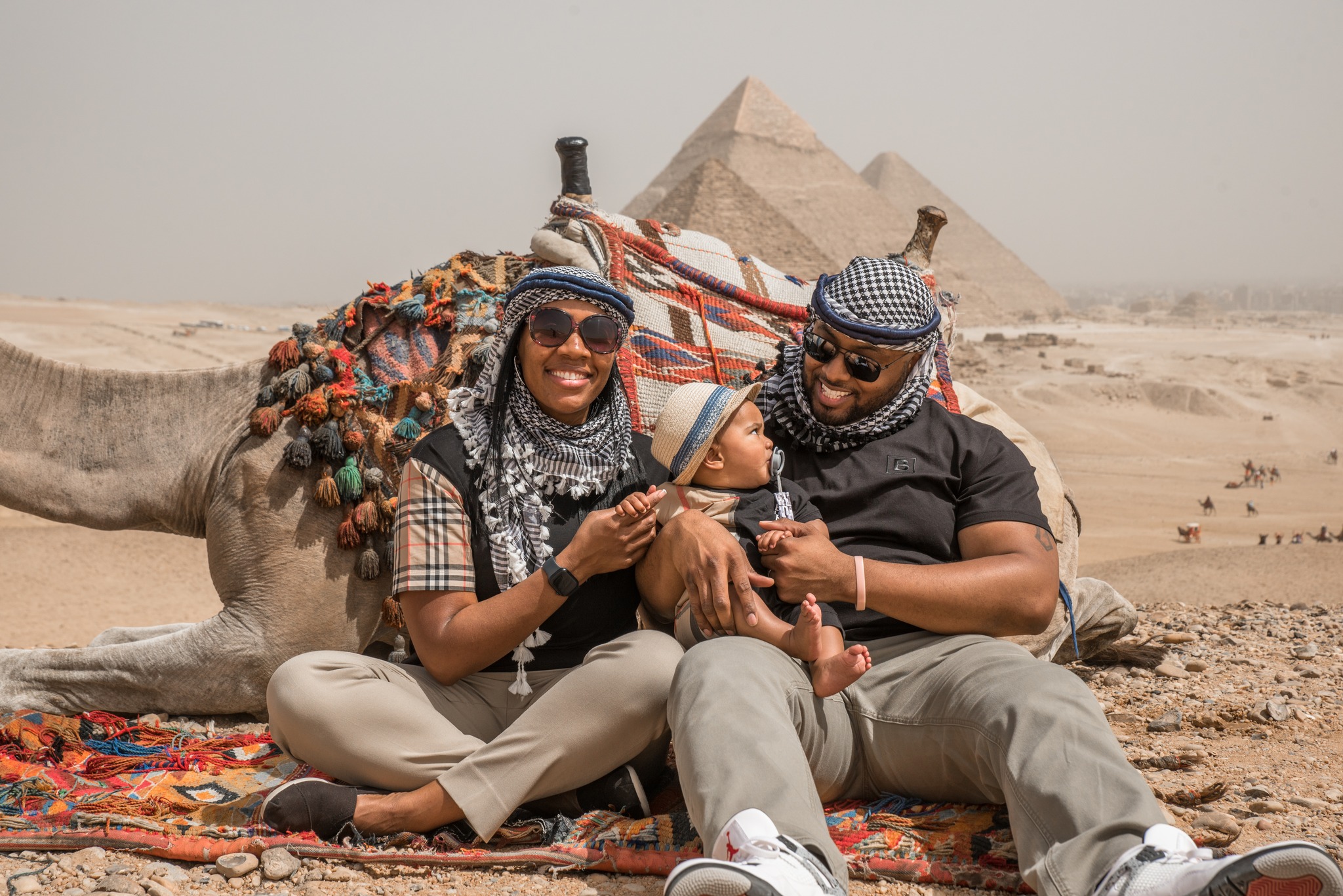
She is also the strategic force behind much of the growth of the Colorectal Cancer Equity Foundation. While I am often called into rooms across the globe to speak, advise, or lead, she ensures that the infrastructure exists to sustain the work. She challenges me to protect my time, to say no when necessary, and to prioritize being present as a father to our toddler son. She reminds me that leadership without balance is not success.
My mother instilled excellence. My grandmother instilled compassion. My aunt instilled urgency. My wife sharpens vision and sustains execution. Their influence is woven into every strategy, every partnership, and every decision. If there is any success attached to my name or our organizations, it is because I was raised and supported by Black women who taught me that service, discipline, and integrity must walk together.
Contact Info:
- Website: https://linktr.ee/crrogersphd
- Instagram: https://www.instagram.com/CRCequity/
- Facebook: https://www.facebook.com/CRCequity
- LinkedIn: https://www.linkedin.com/in/crrogersphd/
- Youtube: https://www.youtube.com/@CRCequity
- Other: https://rogerssolutionsgroup.com/
Popular
-

Hidden Gems: Local Businesses & Creatives You Should Know
-

ATL’s Most Inspiring Stories
-

Seeing the Story Between the Moments
-

Portraits of Atlanta
-

Dr. Sinclair N. Grey III on Why Founders Stall—and How Discipline Breaks the Pattern
-

Meet Lee Patterson: Teaching Entrepreneurs How to Build Wealth the Right Way From Day One