





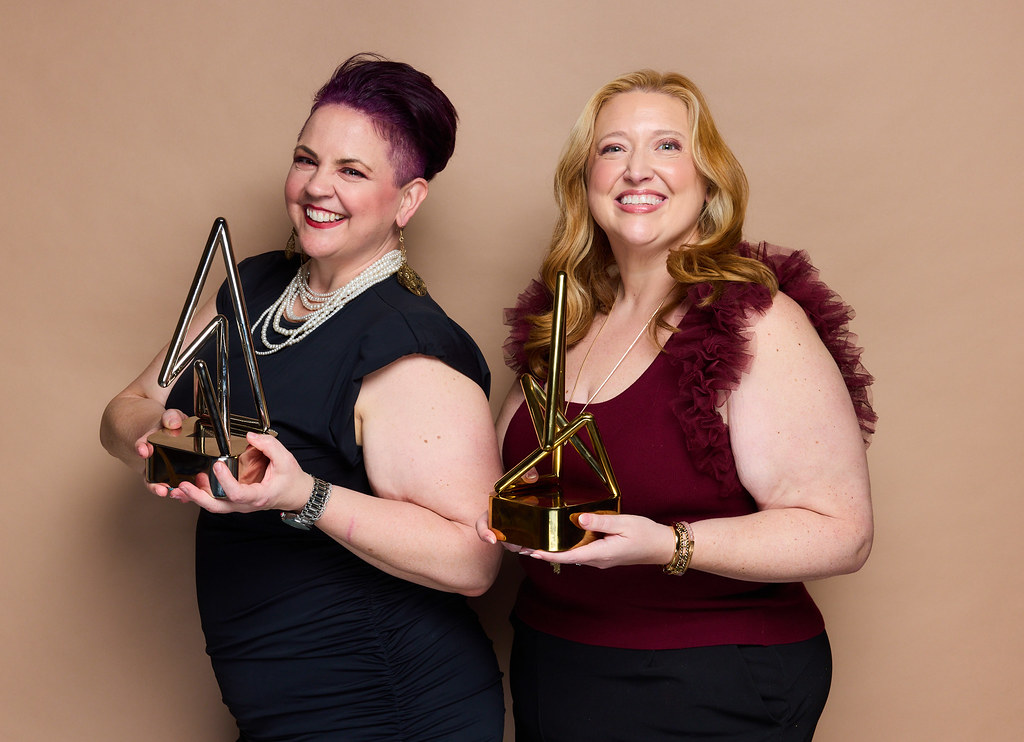
Today we’d like to introduce you to Kim Carlos.
Hi Kim, it’s an honor to have you on the platform. Thanks for taking the time to share your story with us – to start maybe you can share some of your backstory with our readers?
The Plus SideZ Podcast was born out of lived experience during a moment when the conversation around obesity and GLP-1 medications was exploding.
In the summer of 2022, as interest in GLP-1 treatments surged across the country, I began sharing my own experience navigating obesity and metabolic disease on TikTok. What started as a few honest videos quickly grew into a large following. Almost overnight, I had accidentally become an influencer in the middle of a national conversation. But what I saw in the comments was sobering. There was confusion, misinformation, stigma, and very little understanding that obesity is a chronic, biologically driven disease.
As I began interviewing obesity medicine physicians and researchers to better understand my own treatment, I realized there was a major gap between what the science said and what the public believed. That’s when The Plus SideZ Podcast was born.
I’m the Executive Producer and co-host, and Kat is my co-producer and co-host. Together, we built the show to be an education and advocacy platform, not just a personal diary. We create space for patients, physicians, researchers, policymakers, and public figures to have honest conversations about metabolic health, treatment access, stigma, and quality care. Our message is clear: this is not about weight loss. It is about health gain. It is about treating obesity as the chronic disease it is.
In 2023, the show experienced a major inflection point when Rosie O’Donnell joined us to openly discuss her use of GLP-1 medication and her perspective on obesity as a disease. That conversation helped propel the podcast into a broader national spotlight, and we are not currently ranked in the top 1% of podcasts in the world and have won several awards. Since then, we’ve interviewed everyone from celebrities to leaders like former FDA Commissioner Dr. David Kessler, bringing both cultural and scientific weight to the conversation.
Our work has been featured by Medscape and Good Morning America, along with other national media outlets covering the rapid evolution of obesity treatment. We attend major medical conferences like ObesityWeek, collaborate with organizations such as the Obesity Action Coalition, and advocate on Capitol Hill for better access to evidence-based obesity care.
What began as one patient sharing her weight-loss journey during a viral moment has evolved into a nationally recognized platform that is helping lead this movement. Kat and I are committed to reshaping the narrative around obesity, elevating science, and ensuring that people living with this disease receive dignity, access, and quality care.
Can you talk to us a bit about the challenges and lessons you’ve learned along the way. Looking back would you say it’s been easy or smooth in retrospect?
It has absolutely not been a smooth road.
When we started speaking publicly about obesity as a chronic disease, especially during the early surge of GLP-1 awareness, there was intense backlash. The stigma around obesity runs deep. There were people who believed we were promoting shortcuts, vanity, or “taking the easy way out.” We were navigating a rapidly evolving medical conversation in real time, and misinformation was everywhere.
We also faced repeated censorship on social media platforms. Conversations about GLP-1 medications were often reduced to headlines about “diabetic shots being used for weight loss,” which completely missed the science and the lived reality of metabolic disease. At times, our educational content was flagged or suppressed, and we were occasionally lumped in with bad actors selling grey market peptides. We are not that. We are health advocates focused on evidence-based care, working alongside board-certified physicians and researchers. Distinguishing ourselves while staying visible required constant vigilance.
On a practical level, Kat and I both have full-time careers outside the podcast. We built this platform in the margins of our lives. And I am raising a special needs family, with both my son and my husband on the autism spectrum. Advocacy, production, conference coverage, media appearances, and Capitol Hill meetings often happen late at night, early in the morning, or squeezed between real life responsibilities.
Producing a high-quality show while building trust with physicians, researchers, and policymakers takes intention. Covering major medical conferences, collaborating with advocacy organizations, and pushing for access to evidence-based care requires us to continually raise the bar.
And on a personal level, sharing your own health journey publicly is vulnerable. We have had to develop resilience while staying compassionate and grounded.
But every challenge reinforced why this work matters. The resistance confirmed how urgent the need is for science-based education and stigma reduction. What began as a response to a cultural moment has grown into sustained, intentional leadership. Today, our focus is on advancing credibility, strengthening community, and helping shift the national conversation toward health gain, dignity, and meaningful access to quality obesity care.
As you know, we’re big fans of you and your work. For our readers who might not be as familiar what can you tell them about what you do?
At our core, we are education and advocacy leaders in the obesity and metabolic health space.
Through The Plus SideZ Podcast, we specialize in translating complex medical science into accessible, compassionate conversations for patients, families, and policymakers. We focus on obesity as a chronic disease, GLP-1 medications, stigma reduction, access to care, and the mental and emotional realities of living with metabolic disease.
What sets us apart is that we bridge worlds. We are patients, advocates, producers, and policy voices all at once. That combination allows us to ask the questions real people are afraid to ask while maintaining credibility with experts and institutions. We have built a platform where celebrities, physicians, researchers, and federal leaders can have serious, nuanced conversations about obesity care without reducing it to headlines.
We are known for shifting the narrative from “weight loss” to health gain. From shame to science. From aesthetics to access.
When Rosie O’Donnell publicly discussed GLP-1 treatment with us, it helped humanize the issue at a national level. When former FDA Commissioner Dr. David Kessler joined the show, it reinforced that this conversation belongs in public health and policy spaces. Our work has been featured by Medscape, Good Morning America, Health Magazine, Nightline, and international publications, and we are part of an upcoming documentary exploring the cultural and medical shift around obesity treatment set for release in 2027. We regularly attend major medical conferences like ObesityWeek and collaborate with the Obesity Action Coalition.
What we are most proud of is the tangible impact of collective advocacy. In just three years, during one of the fastest-moving pharmaceutical shifts in modern history, public pressure and patient advocacy helped drive the cost of these medications from roughly $1,300 per month to closer to $500 per month in the U.S. market. That kind of pricing movement is almost unheard of in pharma, especially for a drug class often described as one of the most significant medical breakthroughs in decades. While no single platform can claim that change alone, we are proud to have helped apply sustained pressure through education, media visibility, and policy conversations.
We are equally proud of the community itself. Thousands of people have learned how to advocate for their care, speak up in medical settings, and demand dignity. In a space that is often polarized or commercially driven, we have built trust. That trust, and the measurable change that follows it, is what truly sets us apart.
Is there anything else you’d like to share with our readers?
We believe history will look back on this moment as the turning point.
For decades, obesity was framed as a character flaw. Now, science has caught up to what patients have known all along. This is biology. This is medicine. This is public health.
What’s happening right now is bigger than a class of medications. It is a cultural correction. It is patients organizing, physicians speaking up, policymakers listening, and stigma slowly losing its grip.
Kat and I didn’t set out to lead a movement. We set out to understand our own health. But when thousands of voices begin pushing in the same direction, systems move. Prices shift. Policies evolve. Media narratives change. That’s the power of informed, persistent advocacy.
Our hope is that readers see this not as a trend, but as a transformation. The future of obesity care will be shaped by people who demand better science, better access, and better treatment for those living with this disease.
And that future is already underway.
Contact Info:
- Website: https://theplussidez.net/
- Instagram: https://www.instagram.com/theplussidezpodcast/
- Facebook: https://www.facebook.com/share/1CPTmLhWHk/?mibextid=wwXIfr
- LinkedIn: https://www.linkedin.com/company/the-plus-sidez-podcast/
- Youtube: https://www.youtube.com/@theplussidez
- Soundcloud: https://open.spotify.com/show/2USGyCLVLrdp0APeZyAynF
- Other: https://www.tiktok.com/@dmfkim
Image Credits
ChatGPT and the Athem Awards
Popular
-

Hidden Gems: Local Businesses & Creatives You Should Know
-

ATL’s Most Inspiring Stories
-

Seeing the Story Between the Moments
-

Portraits of Atlanta
-

Dr. Sinclair N. Grey III on Why Founders Stall—and How Discipline Breaks the Pattern
-

Meet Lee Patterson: Teaching Entrepreneurs How to Build Wealth the Right Way From Day One