






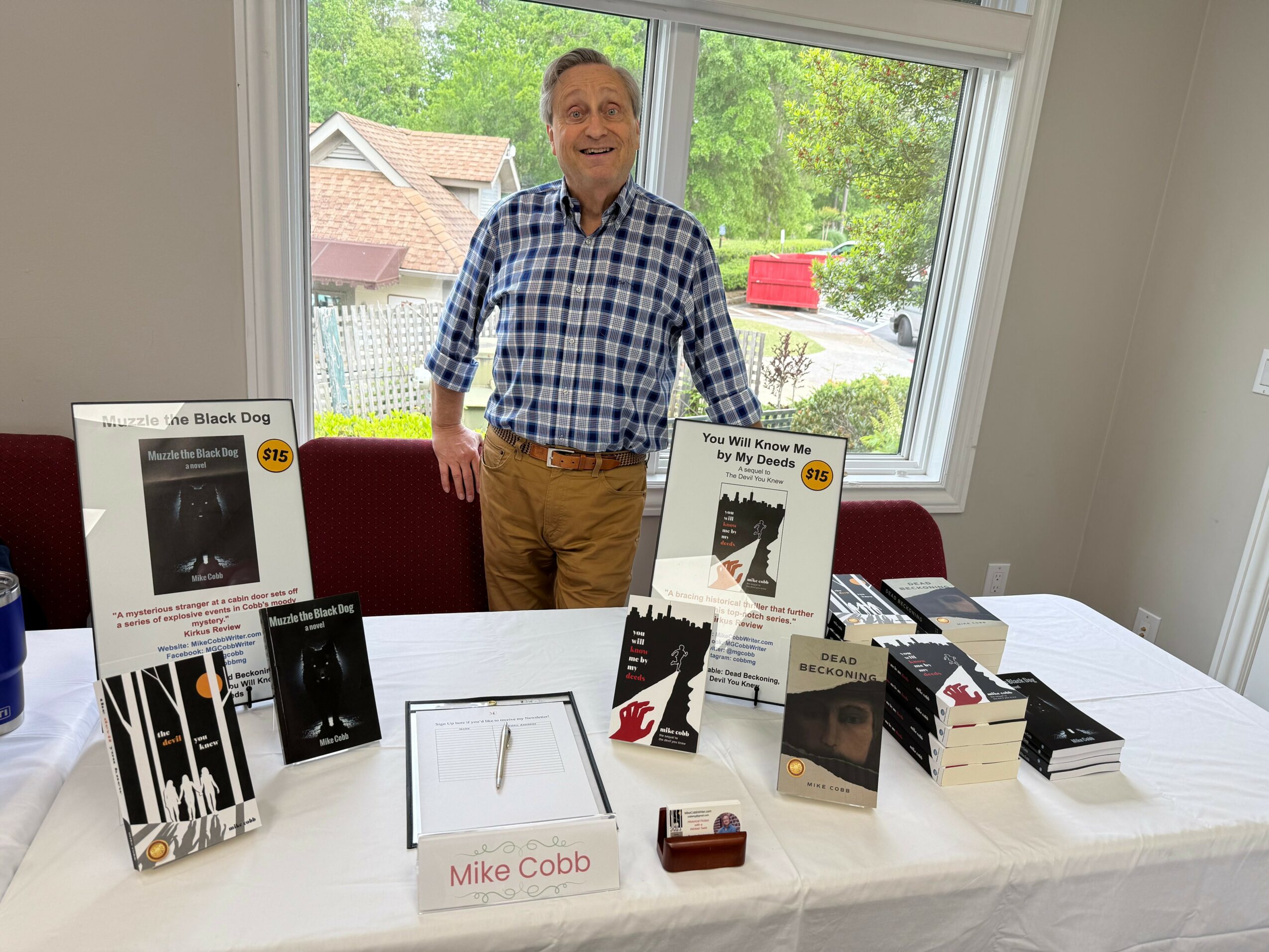
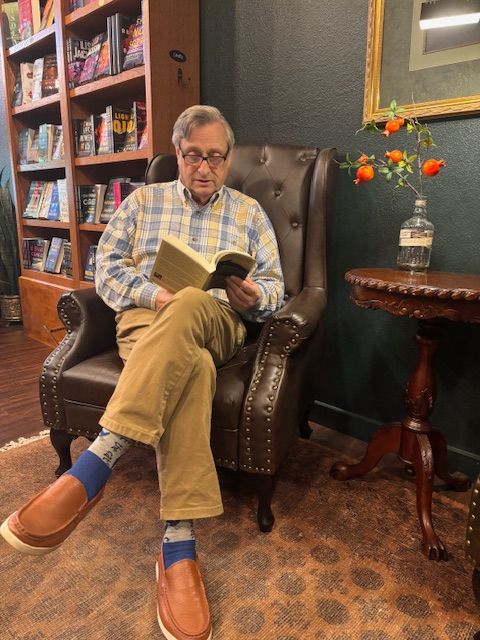
Today we’d like to introduce you to Mike Cobb.
Hi Mike, so excited to have you on the platform. So before we get into questions about your work-life, maybe you can bring our readers up to speed on your story and how you got to where you are today?
I started writing at a very young age. Stories came naturally to me, and I’ve always had the instinct to put things on paper. That said, writing wasn’t my full-time focus for most of my life.
My education and career were in science. I trained as a scientist and spent decades working in research, product development, entrepreneurship, and consulting. What never left me during those years was a love of research. I’ve always been driven by curiosity—wanting to understand how things work, why events unfolded the way they did, and what the underlying facts really are.
When I retired, writing moved from something I did on the side to the center of my professional life. I approached it the same way I approached science: with discipline, structure, and a commitment to getting the details right. That naturally led me to historical fiction. It allows me to combine storytelling with rigorous research.
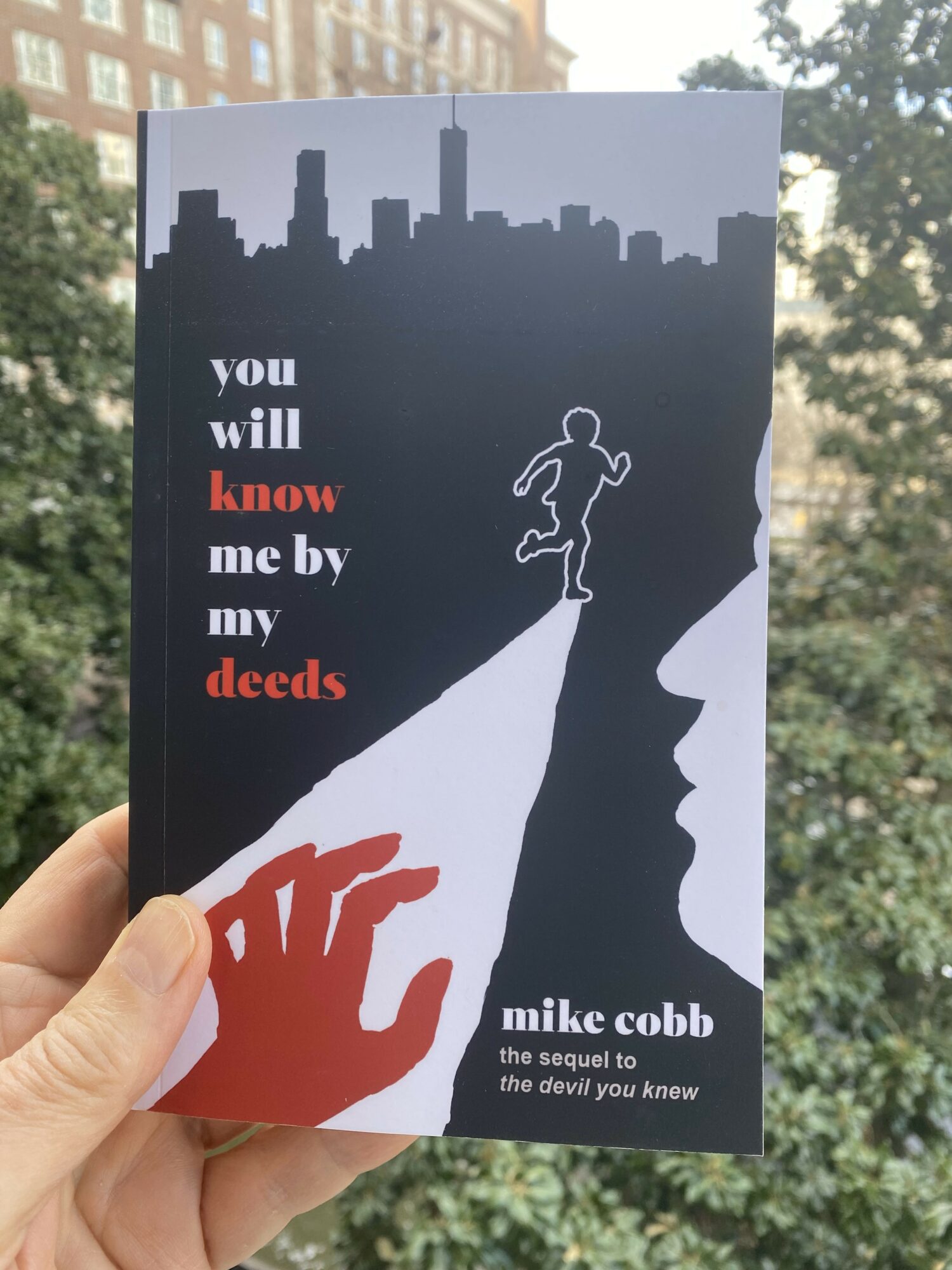
My roots are in Atlanta, and place matters a great deal to me. My first five books—four published and a fifth currently in progress—are set in Atlanta and other parts of the South.
I’m sure it wasn’t obstacle-free, but would you say the journey has been fairly smooth so far?
It hasn’t been a completely smooth road, but I’m not sure any worthwhile path ever is. There are always obstacles to one degree or another. The key, for me, has been passion. When you care deeply about the work, the obstacles become problems to solve rather than reasons to stop.
One ongoing challenge is balancing historical fact with storytelling. I write historical fiction, and I take the research seriously. I want the details to be accurate. But I’m also writing novels, not textbooks. The story has to move. The characters have to feel real. The stakes have to matter.
So the tension is this: how do you adhere strictly to historical fact without letting the facts overwhelm the narrative? I like weaving page-turning stories around and through real historical events. That requires judgment—deciding what to include, what to leave out, and how to remain faithful to the truth while still serving the story.
That balance is a constant discipline, but it’s also one of the most rewarding parts of the work.
Can you tell our readers more about what you do and what you think sets you apart from others?
As noted earlier, I write historical fiction rooted in real events, primarily set in Atlanta and other parts of the South. My background is in science, and that training shapes how I approach my work. I research extensively, dig into primary sources whenever possible, and try to understand the social, political, and cultural context surrounding the events I’m writing about. Accuracy matters to me.
I specialize in weaving fictional characters into real historical moments in a way that feels organic rather than forced. I’m interested in moral complexity—how ordinary people navigate difficult circumstances, how systems shape choices, and how personal decisions ripple outward. I don’t write nostalgia. I write about tension, consequence, and the human cost of events we often oversimplify in hindsight.
What likely sets me apart—though I don’t spend much time comparing myself to other writers—is that my work is primarily character-driven rather than plot-driven. Plot is important, of course. It provides structure and momentum. But for me, the story always begins and ends with the characters: their motivations, their flaws, their moral choices, and the consequences of those choices.
I don’t write to a formula. I’m less interested in hitting expected beats and more interested in letting the characters move through real historical circumstances in ways that feel authentic. I aim to strike a balance between literary and genre fiction.
If there’s a throughline in my work, it’s that the external events matter because of how they shape and are shaped by the people living through them.
Is there anyone you’d like to thank or give credit to?
Many people deserve credit for whatever success I’ve had.
Dorothy Barker, my sixth-grade teacher, was the first person who truly instilled in me a love of literature. I dedicated my first book to her because she planted that seed.
In college, two English professors—Wister Cook and Esta Seaton—continued to nurture that love. They challenged me to read more deeply, think more critically, and respect the craft of writing.
My writing critique group has also played a major role: Glen Heefner, Julia Sennette, Dru Sumner, John Ripma, and the late John Edwards. They read drafts honestly and carefully. They ask hard questions. They point out weaknesses. Good critique partners don’t just praise your work. They help you make it better. I’m deeply grateful for their time and commitment.
And my wife and daughters have supported me every step of the way. Writing is a long, often solitary process. Having someone who believes in the work and in you makes all the difference.
Contact Info:
- Website: https://mikecobbwriter.com
- Instagram: https://www.instagram.com/cobbmg/
- Facebook: https://www.facebook.com/MGCobbWriter
- LinkedIn: https://linkedin.com/in/mgcobb
- Youtube: https://www.youtube.com/@mikecobbwriter
- Other: https://substack.com/@mgcobb
Popular
-

Hidden Gems: Local Businesses & Creatives You Should Know
-

ATL’s Most Inspiring Stories
-

Seeing the Story Between the Moments
-

Portraits of Atlanta
-

Dr. Sinclair N. Grey III on Why Founders Stall—and How Discipline Breaks the Pattern
-

Meet Lee Patterson: Teaching Entrepreneurs How to Build Wealth the Right Way From Day One