






Today we’d like to introduce you to Heather Campbell.
Hi Heather, thanks for sharing your story with us. To start, maybe you can tell our readers some of your backstory.
For as long as I can remember, I have believed that the work I do is more than a job—it is a ministry. To me, there is no greater way to serve mankind than to give back. For over twenty years, I have dedicated my life to the human service field, guided by a deep passion to be a blessing to others.
My journey began in a domestic violence shelter. It was there, in the quiet moments of listening and the powerful moments of survival, that I discovered my mission. I realized that my purpose was to empower others and to be a voice for those who felt unheard—especially women. Every story I encountered strengthened my belief that no woman, regardless of the trauma she has experienced or the circumstances she faces, should ever forget her worth.
I was raised in a middle-class family where strong values were instilled in me from an early age. Those values became the foundation of the work I do today. They taught me compassion, humility, and the importance of standing firm in what is right. Through my work, I have carried those principles with me into every space I serve.
One belief that I hold close to my heart is that every woman deserves to wear her crown. Life may cause that crown to lean or slip from time to time, but it should never be taken off. Instead, it should be gently adjusted—straightened and placed proudly upon her head again. Every woman deserves to stand tall, knowing that her story does not define her limits but reveals her strength.
Throughout my career, I have had the privilege of working with women who were recovering from drugs and alcohol, as well as families striving to become self-sufficient through housing programs. I have witnessed pain, struggle, resilience, and transformation. Each experience has reminded me that people are not defined by their lowest moments, but by their courage to rise again.
The work I do is not about recognition or praise. It is about doing the work of the Lord through service. I believe my purpose in life is to be a blessing to others by listening with compassion, offering support without judgment, and helping each person rediscover the confidence that already lives within them.
Every person I meet carries a light inside them—a brilliance that sometimes becomes hidden beneath layers of trauma, hardship, or doubt. My role is simply to help uncover that light again. I want every individual I work with to remember that they are capable of shining bright, like a diamond.
Today, my journey has expanded beyond direct service. I serve on several boards and provide consulting work, helping organizations strengthen their impact. Yet my focus has never changed. For me, it is not about the mission statements or organizational goals—it is about the people.
True success is when someone breaks free from the chains of trauma. It is when a person overcomes substance use, escapes cycles of disrespect, learns to manage their triggers, and rises above societal barriers. It is when someone begins to see themselves not as broken, but as renewed.
That is the transformation that matters most to me: watching someone reclaim their identity and step forward as a new person—stronger, wiser, and ready to shine.
Because at the end of the day, my purpose is simple: to help others remember that their crown still belongs on their head, and their diamond still deserves to shine.
We all face challenges, but looking back would you describe it as a relatively smooth road?
While the work of serving others has been a calling and a ministry in my life, the journey has not always been easy. Being a blessing to others in the human service field comes with many challenges and personal struggles that are often unseen by those outside the work.
One of the greatest challenges is carrying the emotional weight of the stories you hear. When you sit with women who have experienced domestic violence, addiction, homelessness, or deep trauma, you are not just hearing their words—you are feeling their pain. As a listener and supporter, you must remain strong and present for them, even when their experiences are heartbreaking. There are moments when the stories follow you home, and learning how to hold space for others without losing pieces of yourself becomes a lifelong lesson.
Another struggle is understanding that you cannot fix everything. When you enter this field, especially with a heart to serve, you naturally want to solve problems and remove pain from people’s lives. But reality teaches you that healing and change take time. Some individuals may return to unhealthy environments, relapse into substance use, or struggle to break cycles that have existed for years. Those moments can feel discouraging. You may question whether you did enough, said the right thing, or made the impact you hoped for.
There are also systemic challenges within the human service field. Resources are often limited, while the needs in communities are overwhelming. Programs that support housing, recovery, and safety sometimes operate with tight funding, long waiting lists, and strict policies that may not always meet the complex realities of people’s lives. Advocating for clients while navigating systems and regulations can be frustrating, especially when you know someone deserves an opportunity that the system cannot immediately provide.
Another challenge is maintaining balance. When your work feels like a ministry, it can be difficult to separate your professional responsibilities from your personal life. The desire to help can easily lead to overextending yourself, working long hours, or carrying the responsibility of others’ healing on your shoulders. Many professionals in this field must learn how to practice self-care so that they can continue serving without experiencing burnout.
There are also moments when being a voice for others requires courage. Advocacy sometimes means challenging systems, addressing injustice, or speaking truth in spaces where it may not always be welcomed. Standing up for vulnerable populations can place you in difficult positions, but it is often necessary to ensure that people receive the dignity, respect, and support they deserve.
Despite these struggles, the rewards of this work are profound. The challenges remind me that transformation is not a straight path. It is a journey filled with setbacks, growth, and perseverance. Every time someone finds the strength to leave an abusive situation, maintain sobriety, secure stable housing, or believe in themselves again, it reaffirms why the work matters.
Being a blessing to others does not mean the path will be easy. It means being willing to walk alongside people during some of the most difficult seasons of their lives. It means offering compassion, patience, and hope—even when progress feels slow.
Through every challenge, I remain grounded in my belief that service is part of my purpose. The struggles have strengthened my faith, deepened my empathy, and reminded me that even small acts of support can plant seeds of transformation.
In the end, being a blessing to others is not about having all the answers. It is about showing up with an open heart, standing beside those who need support, and trusting that every act of kindness helps someone move closer to wearing their crown again.
Can you tell our readers more about what you do and what you think sets you apart from others?
While the work of serving others has been a calling and a ministry in my life, the journey has not always been easy. Being a blessing to others in the human service field comes with many challenges and personal struggles that are often unseen by those outside the work.
One of the greatest challenges is carrying the emotional weight of the stories you hear. When you sit with women who have experienced domestic violence, addiction, homelessness, or deep trauma, you are not just hearing their words—you are feeling their pain. As a listener and supporter, you must remain strong and present for them, even when their experiences are heartbreaking. There are moments when the stories follow you home, and learning how to hold space for others without losing pieces of yourself becomes a lifelong lesson.
Another struggle is understanding that you cannot fix everything. When you enter this field, especially with a heart to serve, you naturally want to solve problems and remove pain from people’s lives. But reality teaches you that healing and change take time. Some individuals may return to unhealthy environments, relapse into substance use, or struggle to break cycles that have existed for years. Those moments can feel discouraging. You may question whether you did enough, said the right thing, or made the impact you hoped for.
There are also systemic challenges within the human service field. Resources are often limited, while the needs in communities are overwhelming. Programs that support housing, recovery, and safety sometimes operate with tight funding, long waiting lists, and strict policies that may not always meet the complex realities of people’s lives. Advocating for clients while navigating systems and regulations can be frustrating, especially when you know someone deserves an opportunity that the system cannot immediately provide.
Another challenge is maintaining balance. When your work feels like a ministry, it can be difficult to separate your professional responsibilities from your personal life. The desire to help can easily lead to overextending yourself, working long hours, or carrying the responsibility of others’ healing on your shoulders. Many professionals in this field must learn how to practice self-care so that they can continue serving without experiencing burnout.
There are also moments when being a voice for others requires courage. Advocacy sometimes means challenging systems, addressing injustice, or speaking truth in spaces where it may not always be welcomed. Standing up for vulnerable populations can place you in difficult positions, but it is often necessary to ensure that people receive the dignity, respect, and support they deserve.
Despite these struggles, the rewards of this work are profound. The challenges remind me that transformation is not a straight path. It is a journey filled with setbacks, growth, and perseverance. Every time someone finds the strength to leave an abusive situation, maintain sobriety, secure stable housing, or believe in themselves again, it reaffirms why the work matters.
Being a blessing to others does not mean the path will be easy. It means being willing to walk alongside people during some of the most difficult seasons of their lives. It means offering compassion, patience, and hope—even when progress feels slow.
Through every challenge, I remain grounded in my belief that service is part of my purpose. The struggles have strengthened my faith, deepened my empathy, and reminded me that even small acts of support can plant seeds of transformation.
In the end, being a blessing to others is not about having all the answers. It is about showing up with an open heart, standing beside those who need support, and trusting that every act of kindness helps someone move closer to wearing their crown again.
Is there something surprising that you feel even people who know you might not know about?
Something that might surprise many people who know me or are familiar with my work is that, despite the strength and confidence they often see in me today, my passion for serving others was shaped just as much by quiet reflection as it was by professional experience. People often see the leadership, the advocacy, and the years of service, but they may not realize how deeply personal this work is to me.
What many may not know is that I spend a great deal of time in prayer, reflection, and self-examination to stay grounded in the work that I do. Because I consider my career a ministry, I constantly seek guidance on how to serve people with compassion, patience, and wisdom. Those quiet moments help me remain centered, especially when the work becomes emotionally heavy.
Another surprising thing is that I am naturally a very reflective and observant person. While I have held leadership roles and speak confidently when advocating for others, I am someone who learns the most by listening. I often pay close attention to people’s stories, body language, and unspoken emotions. That quiet observation has helped me better understand the individuals I serve and has shaped my approach to leadership.
Many people also assume that those who work in human services always feel strong and unwavering. The truth is that this work has required me to grow through my own moments of doubt and emotional challenge. Supporting others through trauma and recovery can be difficult, and there have been times when I had to learn how to refill my own cup so that I could continue pouring into others. Those experiences have strengthened my empathy and made me even more committed to the people I serve.
Perhaps the most surprising thing of all is that the greatest lessons I have learned in my career have not come from formal training or leadership titles—they have come from the women and families I have worked with. Their resilience, courage, and determination to rebuild their lives have taught me more about strength than any textbook ever could.
So while people may know me as a program director, advocate, and leader in the human service field, what they may not realize is that I consider myself a lifelong student of humanity. Every story I hear, every life I encounter, and every person who finds the strength to rise again continues to shape the person I am becoming.
In many ways, the people I serve have been just as much a blessing to me as I hope I have been to them.
Contact Info:
- Instagram: Fly_mommy1
- Facebook: Heather Hines Campbell
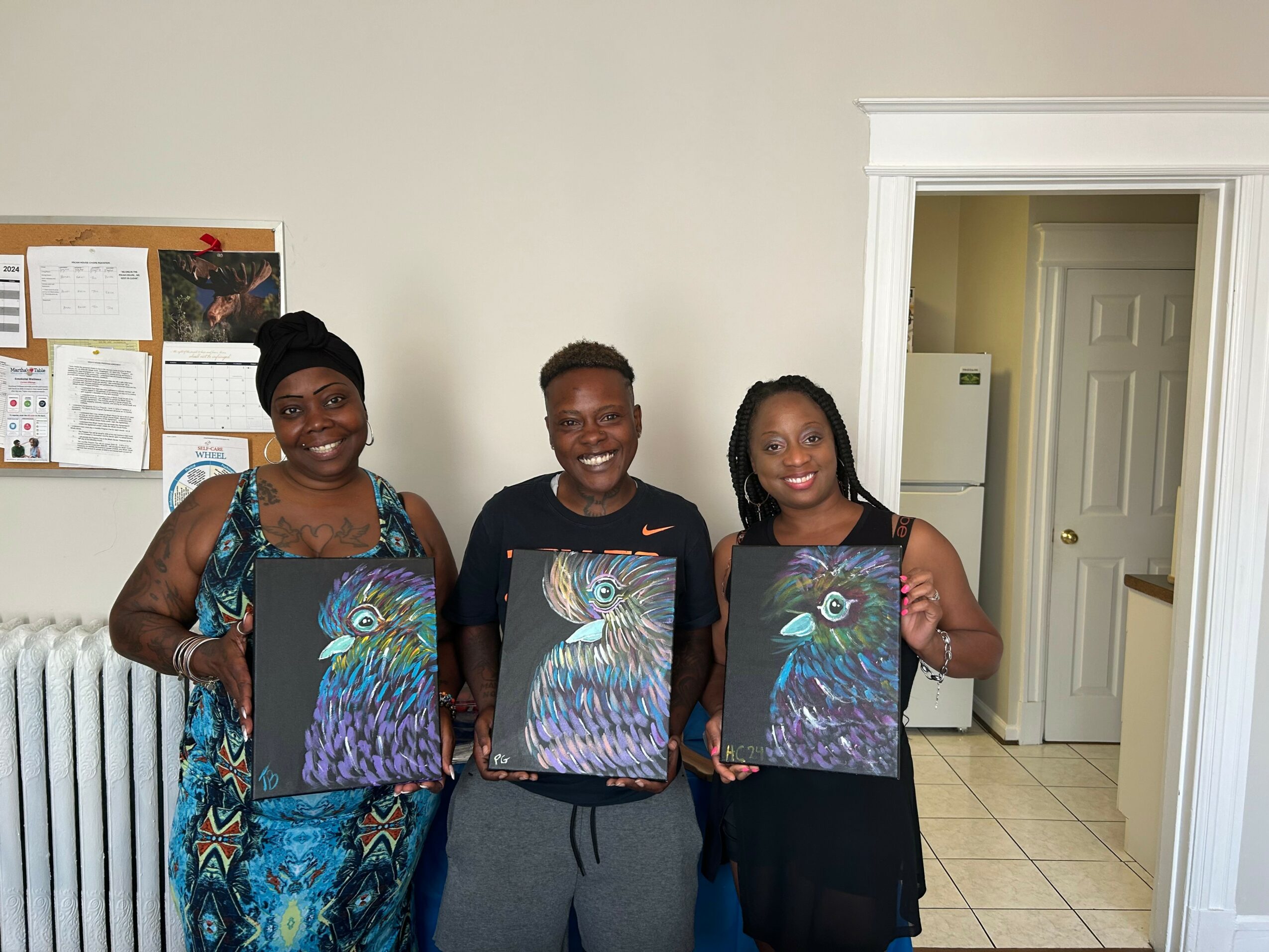
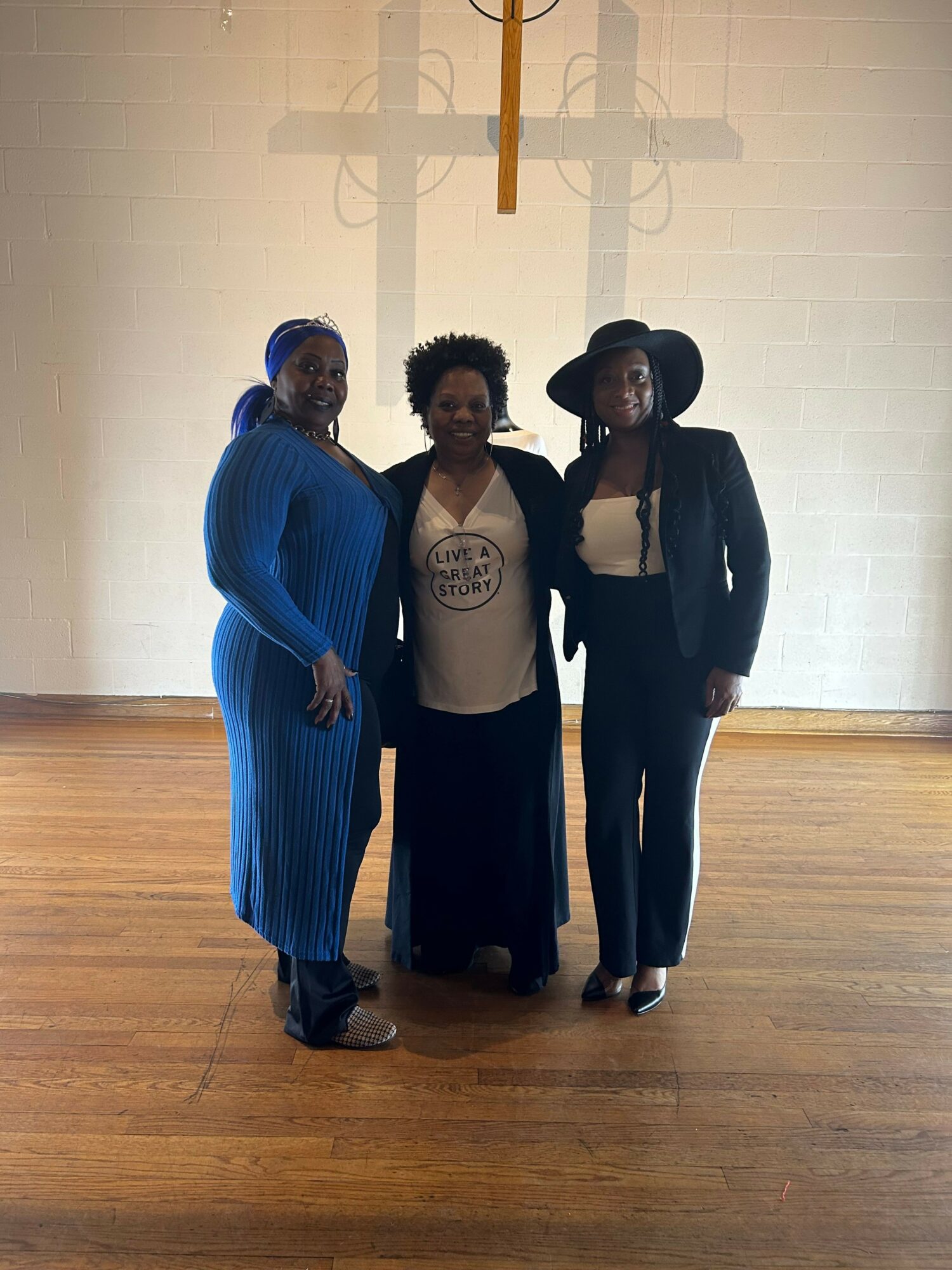
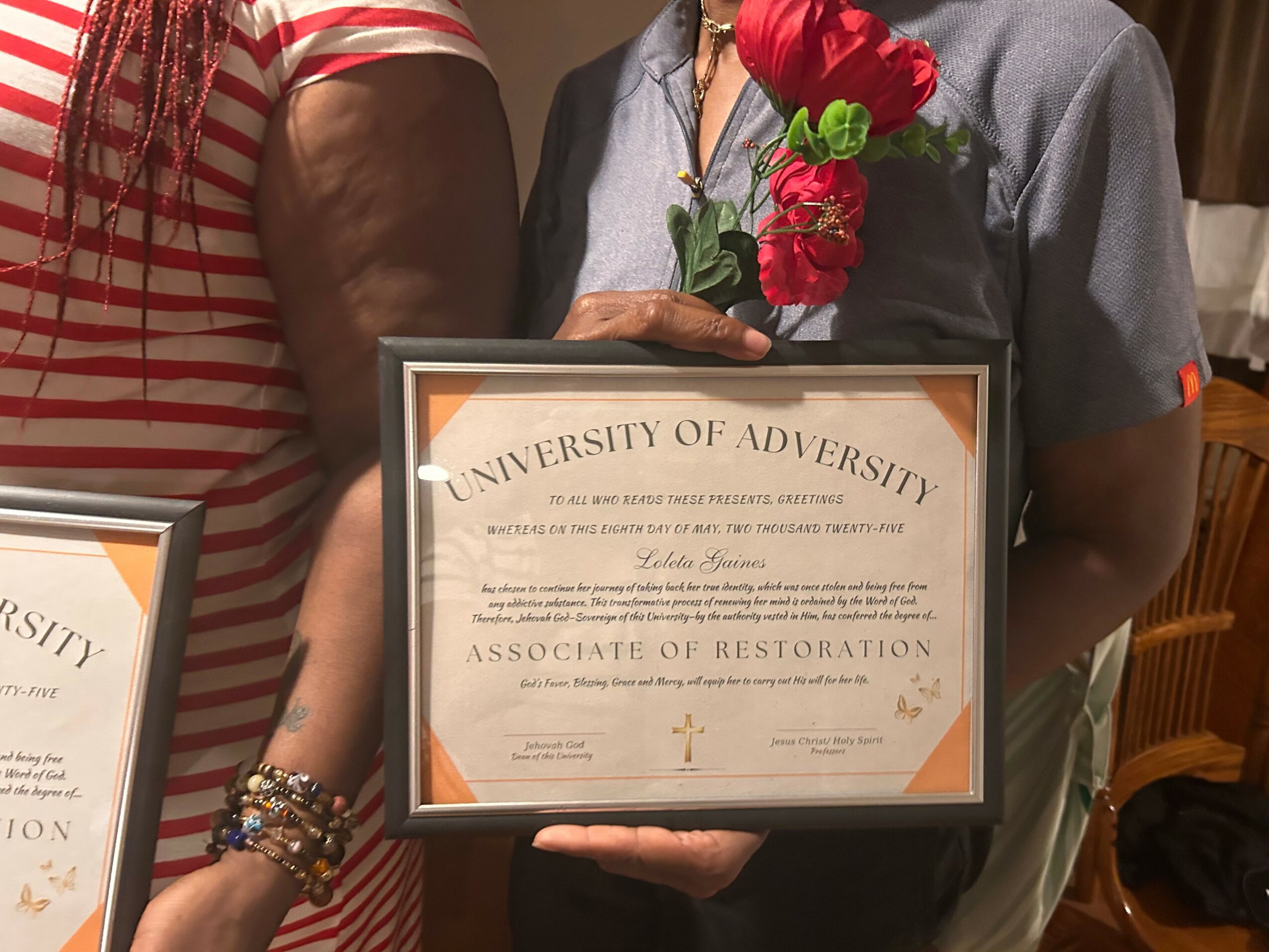
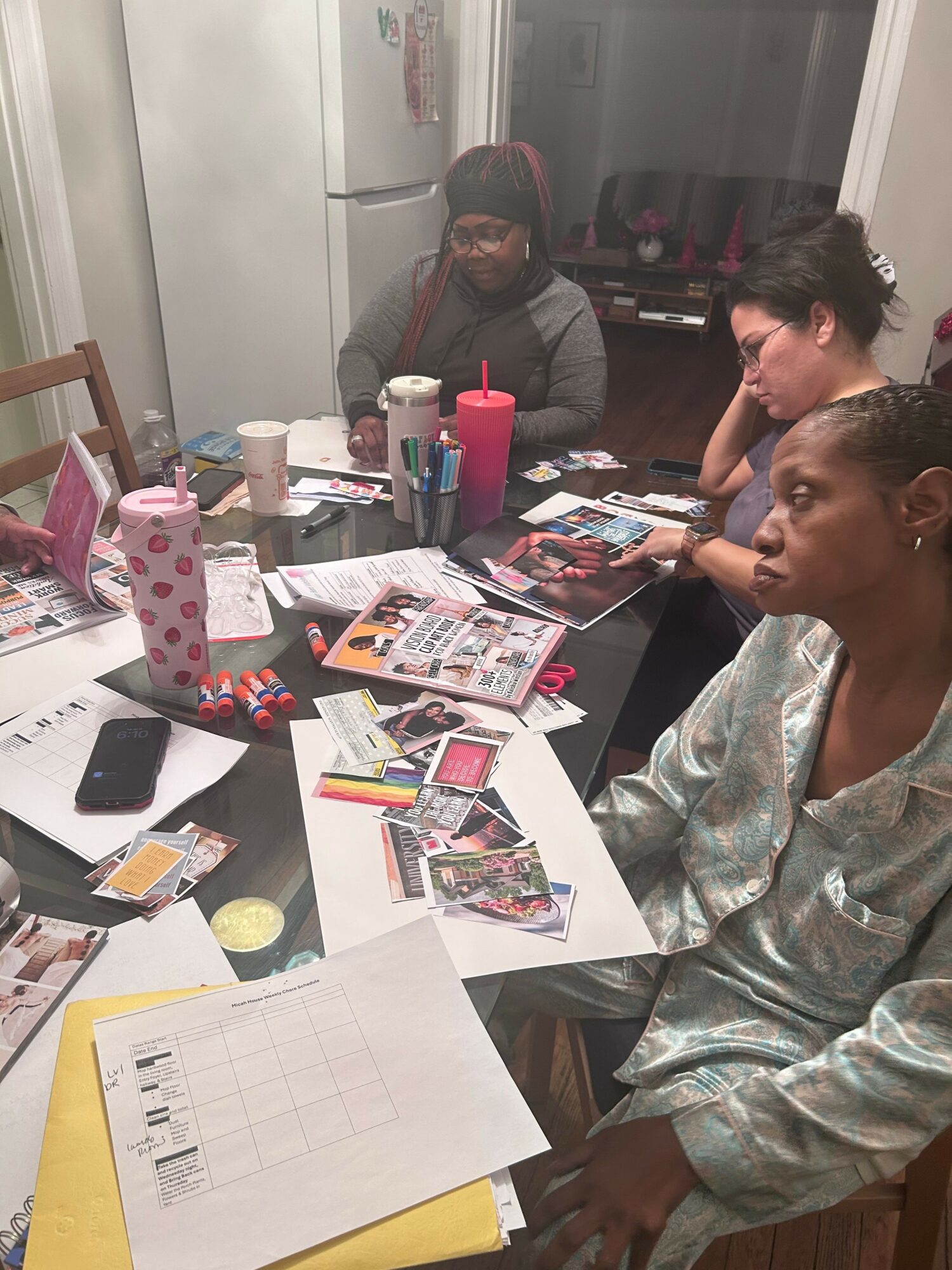
Image Credits
Micah House Events
Popular
-

Makiko Kobayashi on Empowering Young Dancers, Building a Career Across Cultures, and Creating Her Own Path in Atlanta
-

ATL’s Most Inspiring Stories
-

Hidden Gems: Local Businesses & Creatives You Should Know
-

Portraits of Atlanta
-

Natasha Dillard on Redefining Beauty Standards and Empowering Women Through Unapologetic Self-Expression
-

Darren Paltrowitz on Blending Investigation, Media, and Culture to Uncover the Stories Behind the Stories