





Today we’d like to introduce you to Patrick Cheng.
Alright, so thank you so much for sharing your story and insight with our readers. To kick things off, can you tell us a bit about how you got started?
I started my journey in the food industry, where I saw firsthand how many small business owners—especially immigrant entrepreneurs—were operating in survival mode without access to modern systems, technology, or reliable infrastructure. That pushed me to think beyond just running a restaurant and focus on building scalable systems that create efficiency, consistency, and long-term growth.
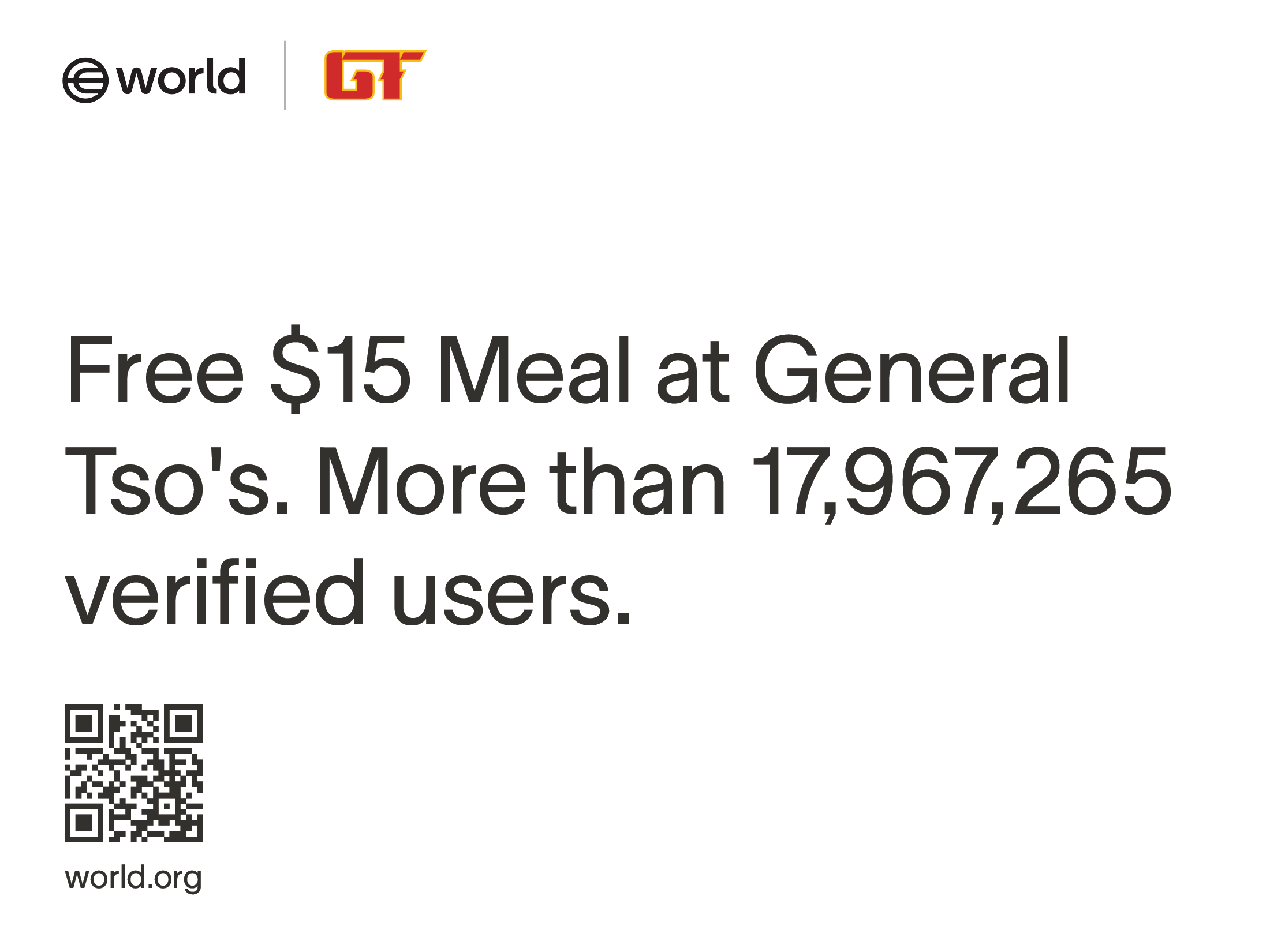
I acquired and transformed a struggling Chinese restaurant into what is now General Tso’s Restaurant & Catering. By implementing digital tools, operational systems, and data-driven decision-making, we were able to significantly improve output, streamline operations, and serve thousands of meals consistently to corporate and institutional clients. More importantly, we used the business as a platform to give back—donating over 19,000 meals and supporting local organizations.
As I grew, I realized that many of the same challenges—lack of identity verification, trust, and access to systems—exist far beyond the restaurant industry. That’s what led me to become a World Operator with OurWorldID. I see it as infrastructure, not just technology. The ability to verify real humans in a digital world has implications for fraud prevention, access to financial systems, and protecting people as AI continues to scale.
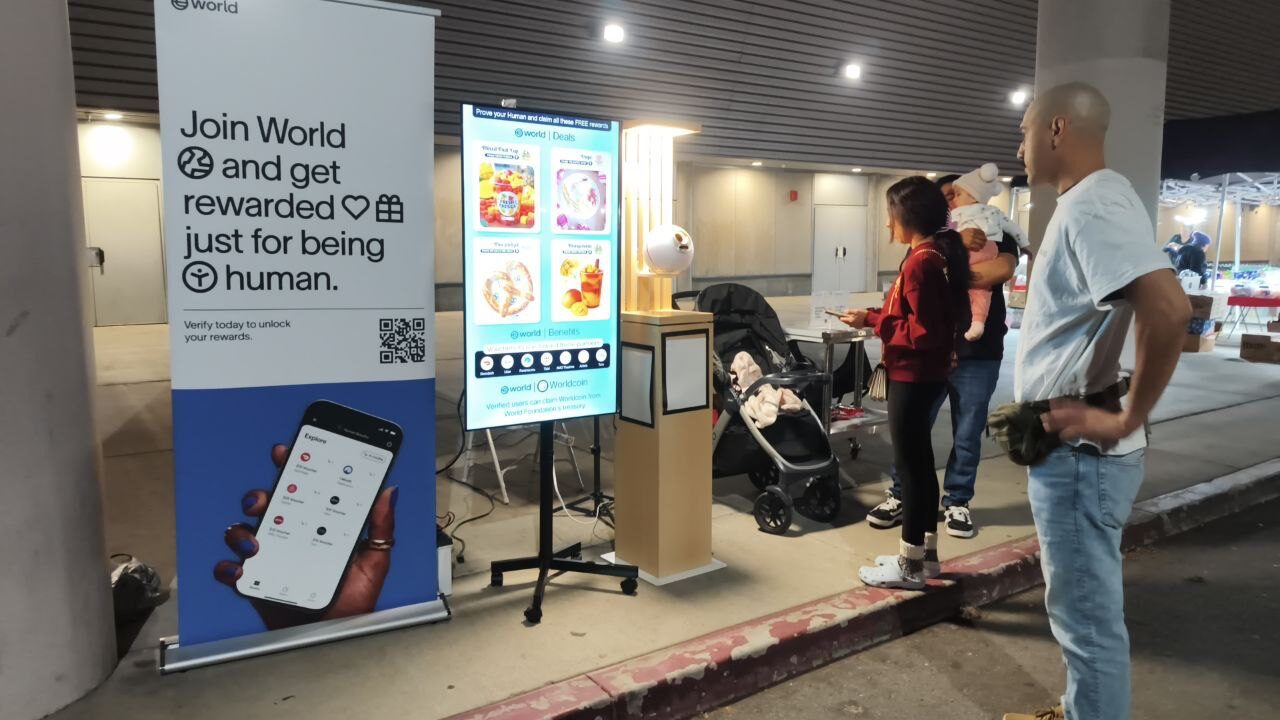
Today, I focus on deploying World in high-impact communities, especially where there is strong foot traffic and diverse populations. My approach combines operations, marketing, and community engagement—ensuring not just adoption, but understanding and trust. For me, this isn’t just a project; it’s aligned with my broader mission of modernizing systems and creating access for people who have historically been overlooked.
Can you talk to us a bit about the challenges and lessons you’ve learned along the way. Looking back would you say it’s been easy or smooth in retrospect?
It definitely hasn’t been a smooth road. Most of the challenges I’ve faced came from operating in environments where systems didn’t exist or weren’t designed for scale.
Early on, when I took over the restaurant, we were dealing with inconsistent processes, limited resources, and a team that was used to reactive, day-to-day operations. Shifting that into a structured, systems-driven operation required rebuilding workflows, retraining staff, and introducing technology—often while still trying to stay profitable. Resistance to change was a real factor, especially in an industry where people are used to doing things a certain way.
As we grew into catering and high-volume production, the complexity increased—logistics, delivery reliability, quality control, and staffing all had to be managed at a much higher level. One weak point in the system could affect the entire operation.
With World and OurWorldID, the challenge is different but just as important—building trust. You’re introducing a new concept around digital identity, and naturally people have questions or hesitation. It requires clear communication, education, and being present in the community to ensure people understand the value and feel comfortable engaging.
Overall, the common theme across all challenges has been building systems where none existed, and aligning people, processes, and technology to work together. Those obstacles have actually been what shaped how I think about operations and scale today.
Appreciate you sharing that. What should we know about Our World ID?
I operate at the intersection of real-world operations and digital infrastructure.
On the business side, I’m the founder of General Tso’s Restaurant & Catering, where we specialize in high-volume, institutional-grade Chinese-American catering. What we’re known for is consistency at scale—being able to produce hundreds of meals per hour from a small footprint while maintaining quality, reliability, and on-time delivery for corporate offices, healthcare facilities, and large organizations. Beyond operations, our brand is rooted in community impact—we’ve donated over 19,000 meals and actively support local initiatives, especially within immigrant and underserved communities.
What sets us apart is that we don’t just run a restaurant—we build systems. Everything we do is designed around efficiency, repeatability, and scalability. That same mindset is what led me into working with World.
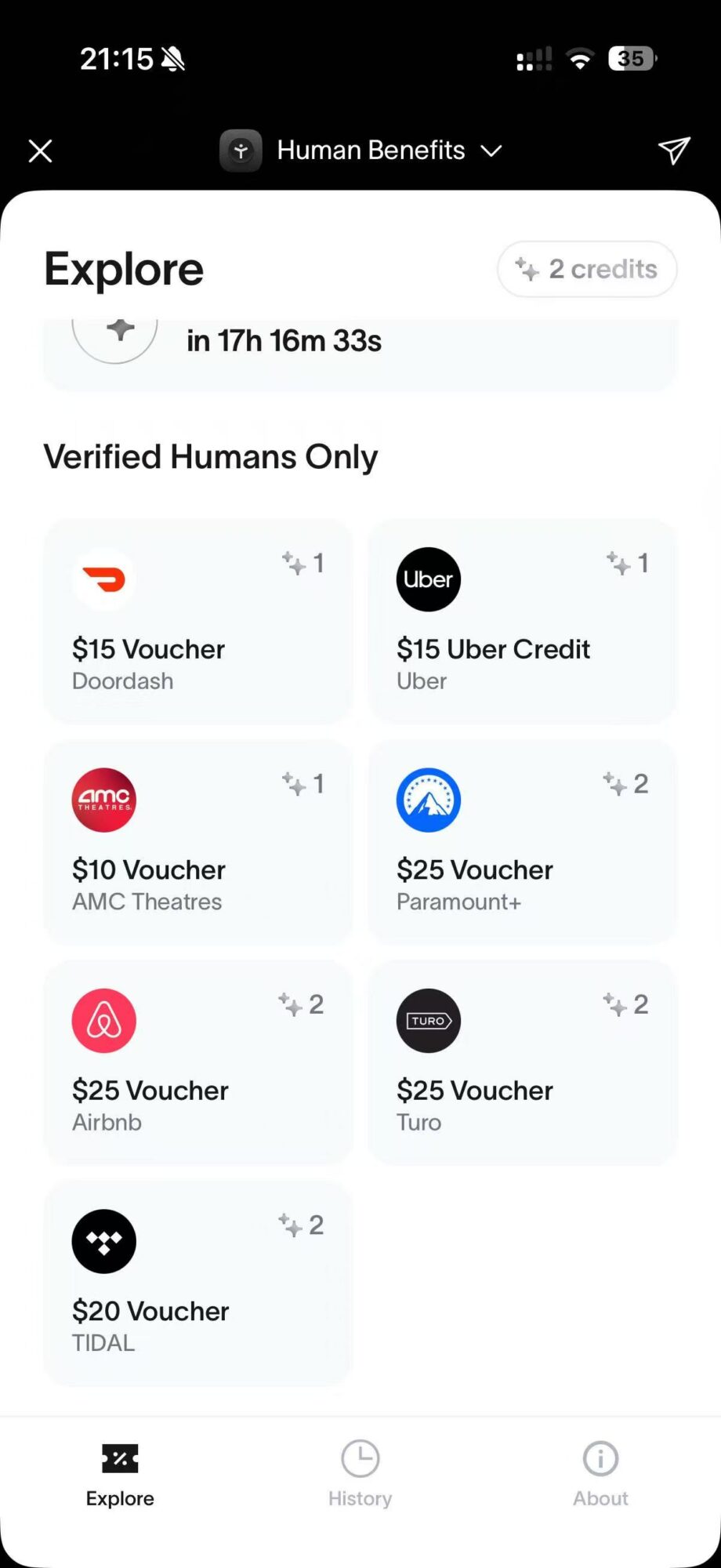
As a World Operator with OurWorldID, I focus on deploying what I believe is one of the most important pieces of infrastructure for the future of the internet: proof of human identity. World is building a “real human network,” designed to distinguish between humans and AI while enabling access to digital services and financial systems globally.
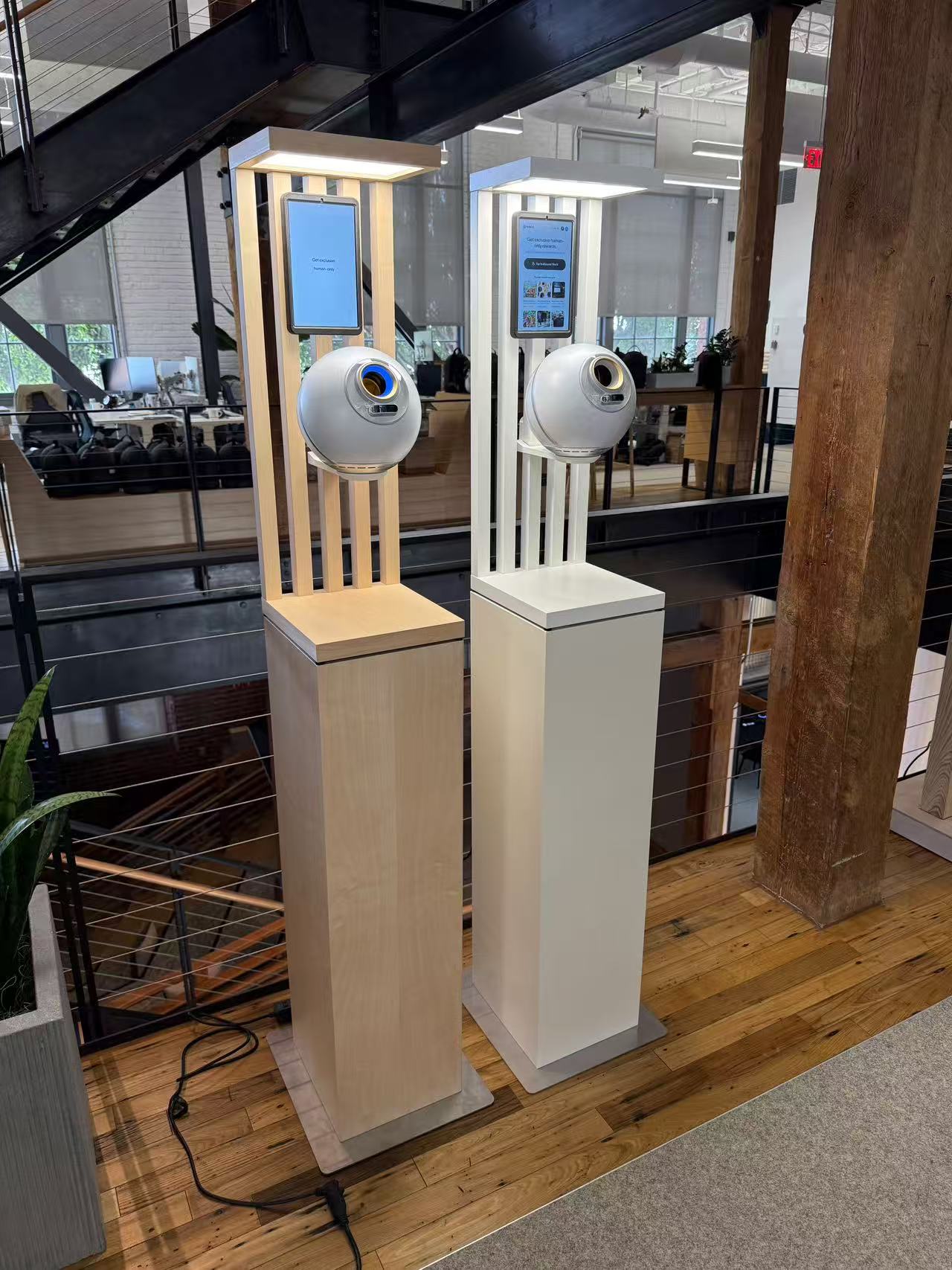
Through the Orb device, individuals can verify that they are a unique human, generating a World ID that allows them to interact online without exposing personal data. This identity is privacy-focused—biometric data is converted into an encrypted code and deleted from the device, with users maintaining control through their own app.
What I specialize in is bridging that technology into real communities. I focus on high-foot-traffic environments and culturally diverse populations, where adoption isn’t just about technology—it’s about trust, education, and accessibility.
What I’m most proud of, brand-wise, is that both sides of what I do—food and technology—are aligned around the same mission: creating access and modernizing systems for people who are often left out of them.
Whether it’s delivering reliable meals at scale or helping onboard individuals into a global digital identity network, the goal is the same: build infrastructure that works in the real world, and make it accessible to everyone.
What were you like growing up?
Growing up, I was always very observant and practical. I paid attention to how things worked—whether it was how a business operated, how people interacted, or why certain systems were efficient while others weren’t. I wasn’t just focused on doing tasks; I was always trying to understand the structure behind them.
I also had a strong sense of responsibility early on, especially coming from an immigrant background. I saw firsthand how hard people worked, often without access to the right tools or information, and that shaped how I think about opportunity and efficiency today. It made me more disciplined and pushed me to look for better ways to do things.
Interest-wise, I naturally gravitated toward business, operations, and problem-solving. I liked figuring out how to improve processes, whether in small everyday situations or larger systems. I wasn’t someone who was comfortable staying in one lane—I was always looking for ways to connect different ideas and make something work better.
At the same time, I’ve always been very forward-looking. I tend to think about where things are going, not just where they are. That mindset is what led me into building scalable systems in my business and later into working with emerging technologies like digital identity.
Overall, I’d say I was someone who combined curiosity with practicality—always trying to understand how to make things more efficient, more scalable, and more accessible.
Contact Info:
- Website: https://ourworldid.com/
- Instagram: https://www.instagram.com/ourworldid
- Facebook: https://www.facebook.com/ourworldid
- Twitter: https://www.x.com/ourworldid
- Youtube: https://www.youtube.com/@ourworldid
- Other: https://world.org/
Popular
-

Hidden Gems: Local Businesses & Creatives You Should Know
-

ATL’s Most Inspiring Stories
-

Satoya Hayes on Turning Beauty 2 Extensions into a Platform for Affordable Confidence and Entrepreneurial Opportunity
-

Portraits of Atlanta
-

Asha Ford on Building Krystal Klear Motion and Creating Purpose-Driven Design for Women
-

Truth in Every Verse: Jay Erve on Identity, Experience, and Creating Art That Lasts