



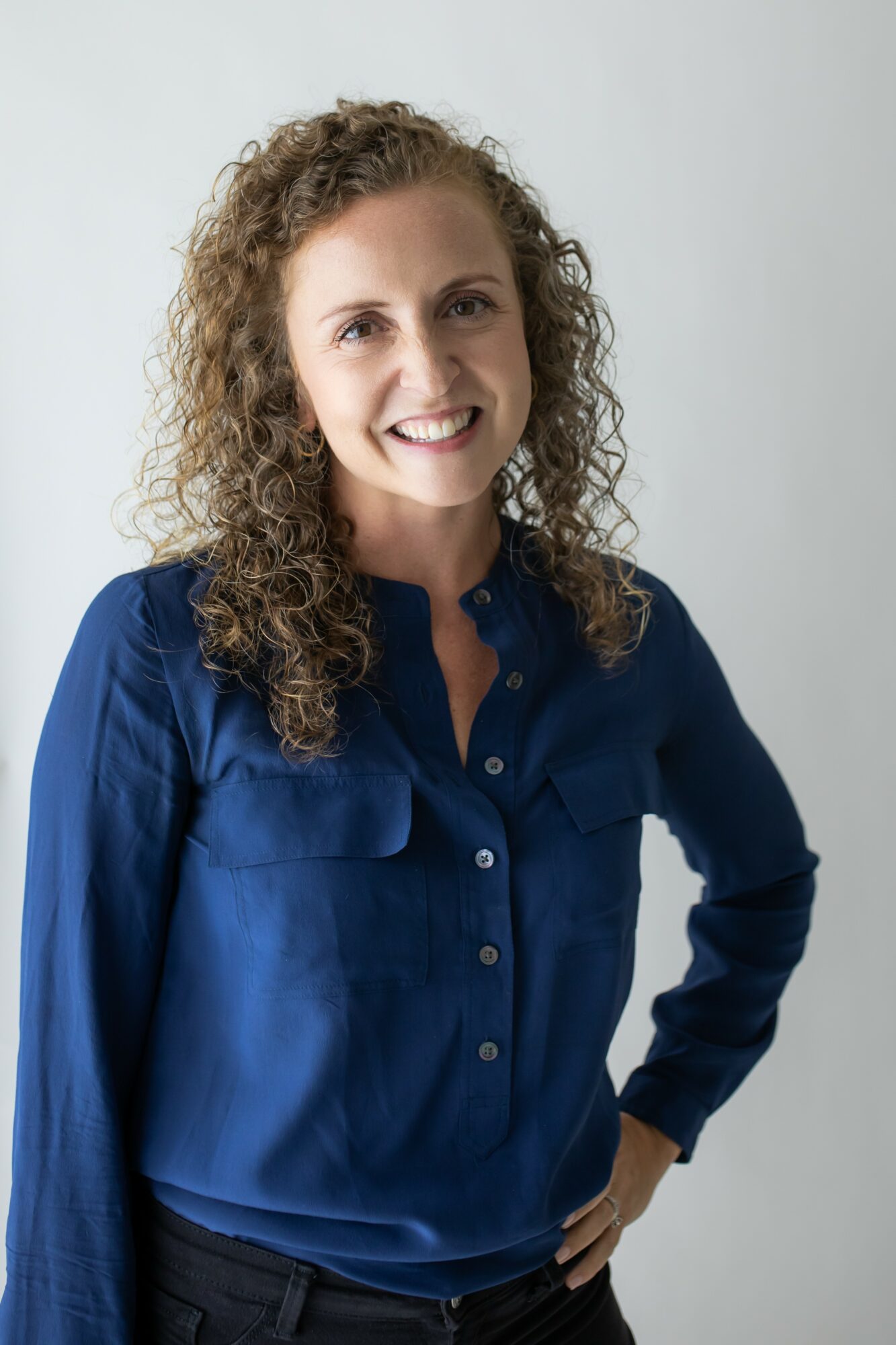
Today we’d like to introduce you to Jessica Rosa Espinoza.
Hi Jessica Rosa, please kick things off for us with an introduction to yourself and your story.
At my core, I’m a storyteller. Everything I do, whether in a classroom, a rehearsal space, or out in the community, starts with a deep curiosity about people and the stories that shape us.
I studied acting and directing and began my career as a performer, but over time, I found myself most drawn to creating work with others. That led me into youth theatre, where I wasn’t just performing stories, I was building them alongside students. Their honesty and curiosity continue to shape how I approach my practice.
Early in my career, I became a first grade teacher in East Harlem, New York City, carrying that same lens. I had just come off a national tour, and instead of separating my work as an artist from my work as a teacher, I merged them. My classroom became a space for storytelling, where students explored ideas by stepping into roles, creating, and performing.
It was in that space that I began to notice the intersection between how young children make sense of the world and the artistic tools I was using. I wasn’t just facilitating stories, I was responding to their thinking, shaping experiences around their ideas, and seeing how creativity could deepen understanding. That realization stayed with me and later became a foundation for my work as a writer. That experience shaped how I see story, not just as something we watch, but as something we use to understand ourselves, each other, and the world around us.
When I moved to Atlanta, my work expanded into the community. I began collaborating with schools, arts organizations, and local groups to create performances rooted in real stories. As a playwright, I am especially drawn to work that reflects the people and culture of a place, stories that feel lived in and true.
Often, I work with individuals or organizations who have a story they want to tell but are not sure how to bring it to life. That might look like shaping interviews into performance, developing an original script, or collaborating on a piece that captures a moment, a history, or a shared identity.
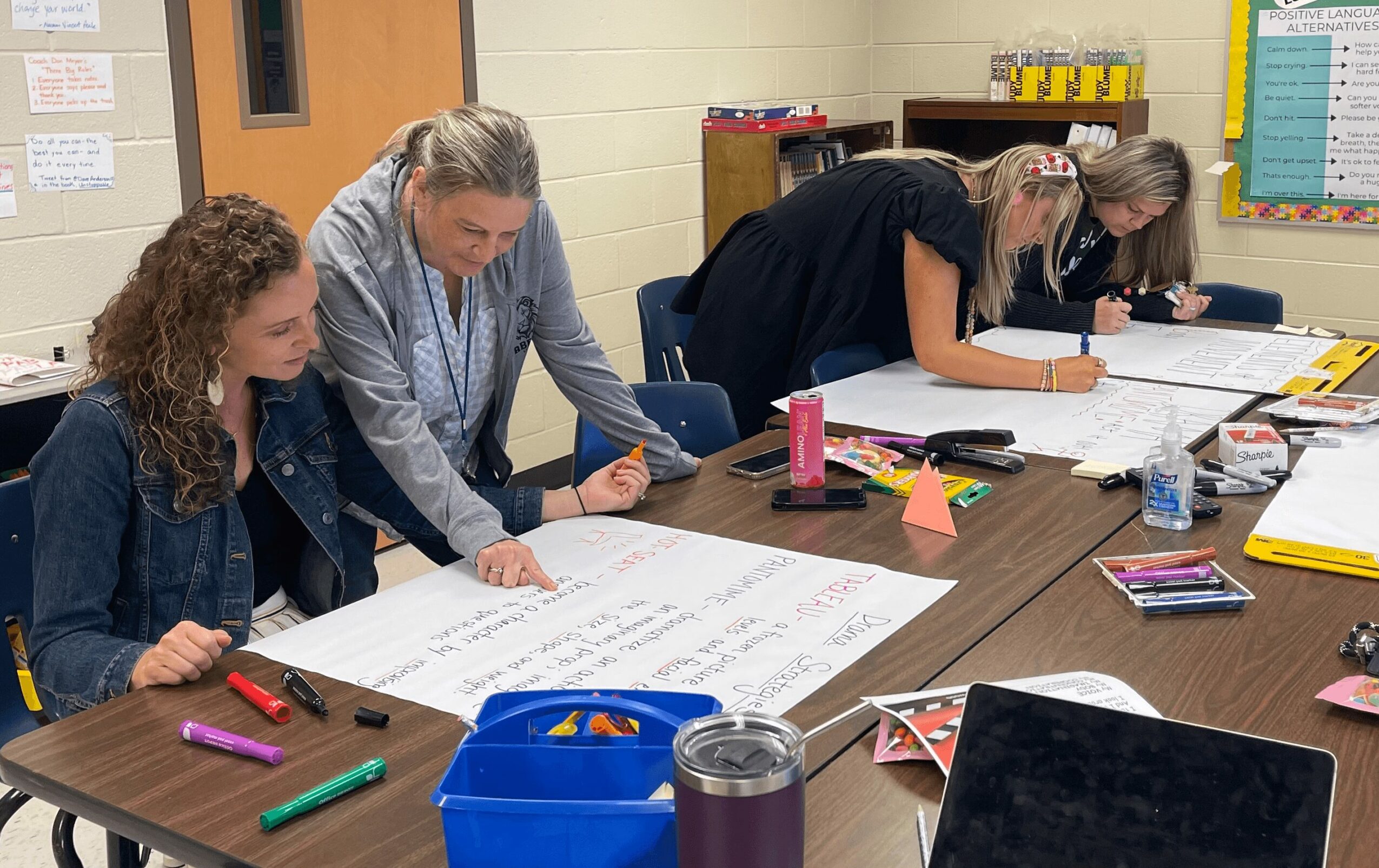
I also work with educators to bring creativity into the classroom, using storytelling, performance, and the arts to help students explore ideas and show what they understand. In education, this is often called arts integration, but at its core, it is about making learning more human and connected.
I founded Partner Learning to support this work more broadly, but no matter the setting, the throughline is the same. I am interested in stories that matter. Right now, I am especially drawn to stories that are still waiting to be told, and I am always listening for what might want to take shape next.
I’m sure it wasn’t obstacle-free, but would you say the journey has been fairly smooth so far?
One of my biggest challenges was realizing I did not have to separate my identity as an artist from my work in education.
For a long time, I felt like I had to prove myself in different spaces, as if being an artist and being an educator were two separate roles. Over time, I have learned that the work is strongest when those parts of me are in conversation. My artistry shapes how I design learning experiences and collaborate, and my work with teachers and students has deepened my artistry in ways I never expected.
I have also learned a lot about collaboration. Early on, I thought it simply meant working alongside others, but true collaboration requires trust, shared vision, and openness. Not every partnership has those ingredients, and learning to recognize that has been important.
Those experiences have helped me become more grounded and intentional in the work I take on and the people I create with.
Can you tell our readers more about what you do and what you think sets you apart from others?
At the heart of my practice, I am a playwright and lyricist. I am especially drawn to ethnodrama, where research and lived experiences are shaped into performance for an audience. I am fascinated by the process of taking real voices and crafting them into something that can be felt and experienced together.
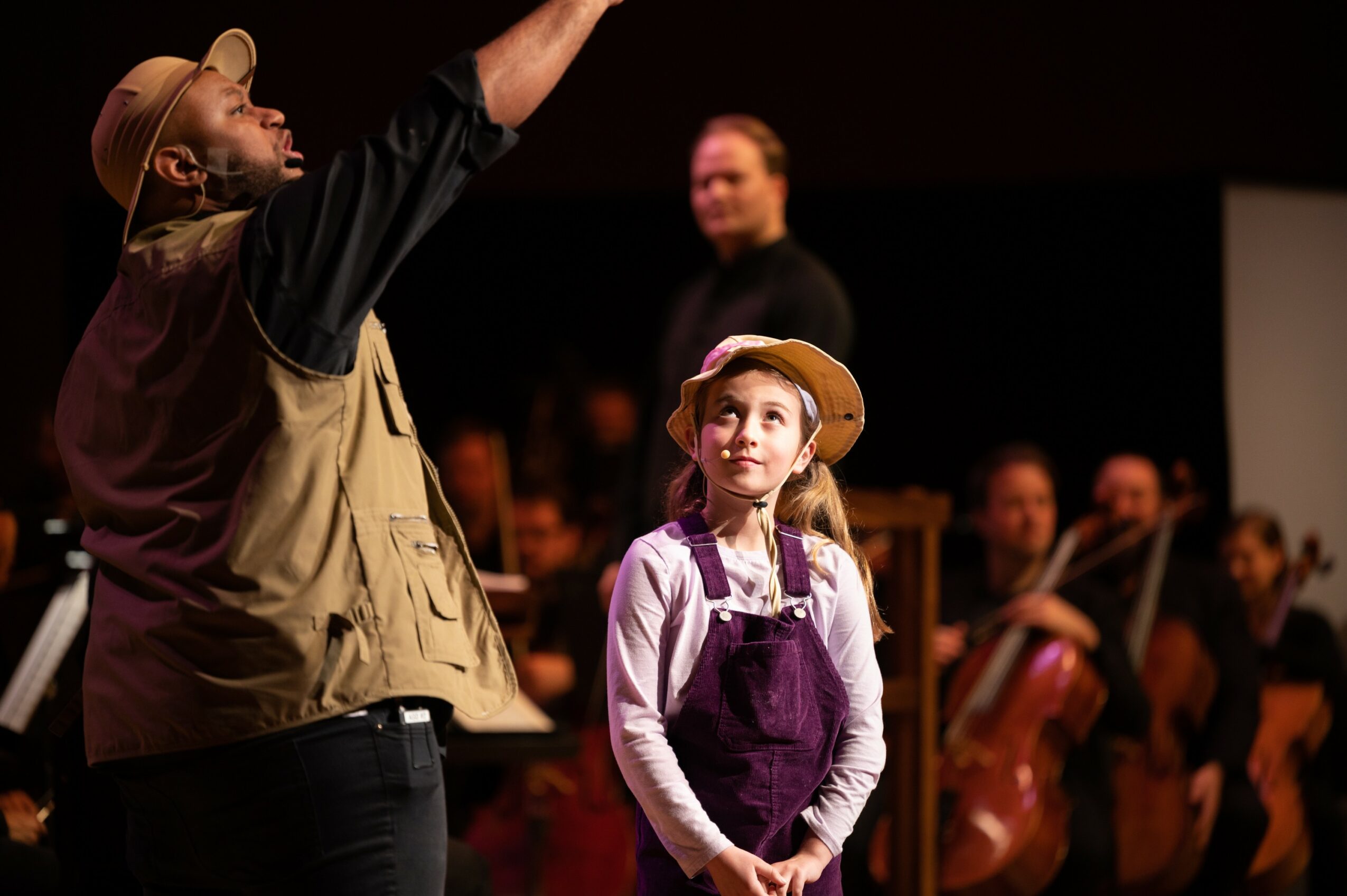
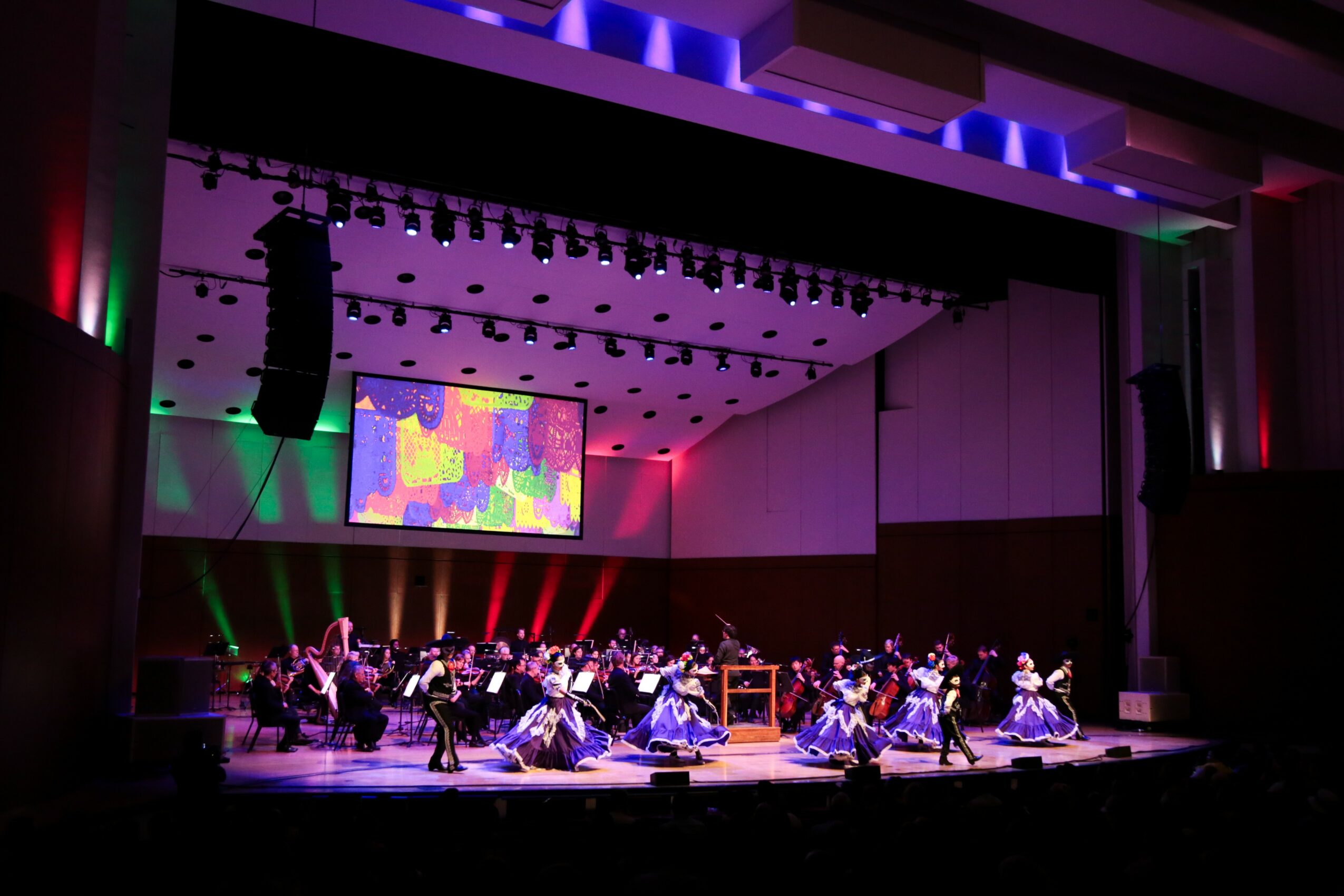
That approach has shaped many of my projects. I created an ethnographic concert with the Atlanta Symphony Orchestra centered on Día de los Muertos, partnering with organizations serving Latino communities to invite participants to write letters to the dead in honor of loved ones. Those reflections became the foundation for a series of vignettes woven throughout the performance.
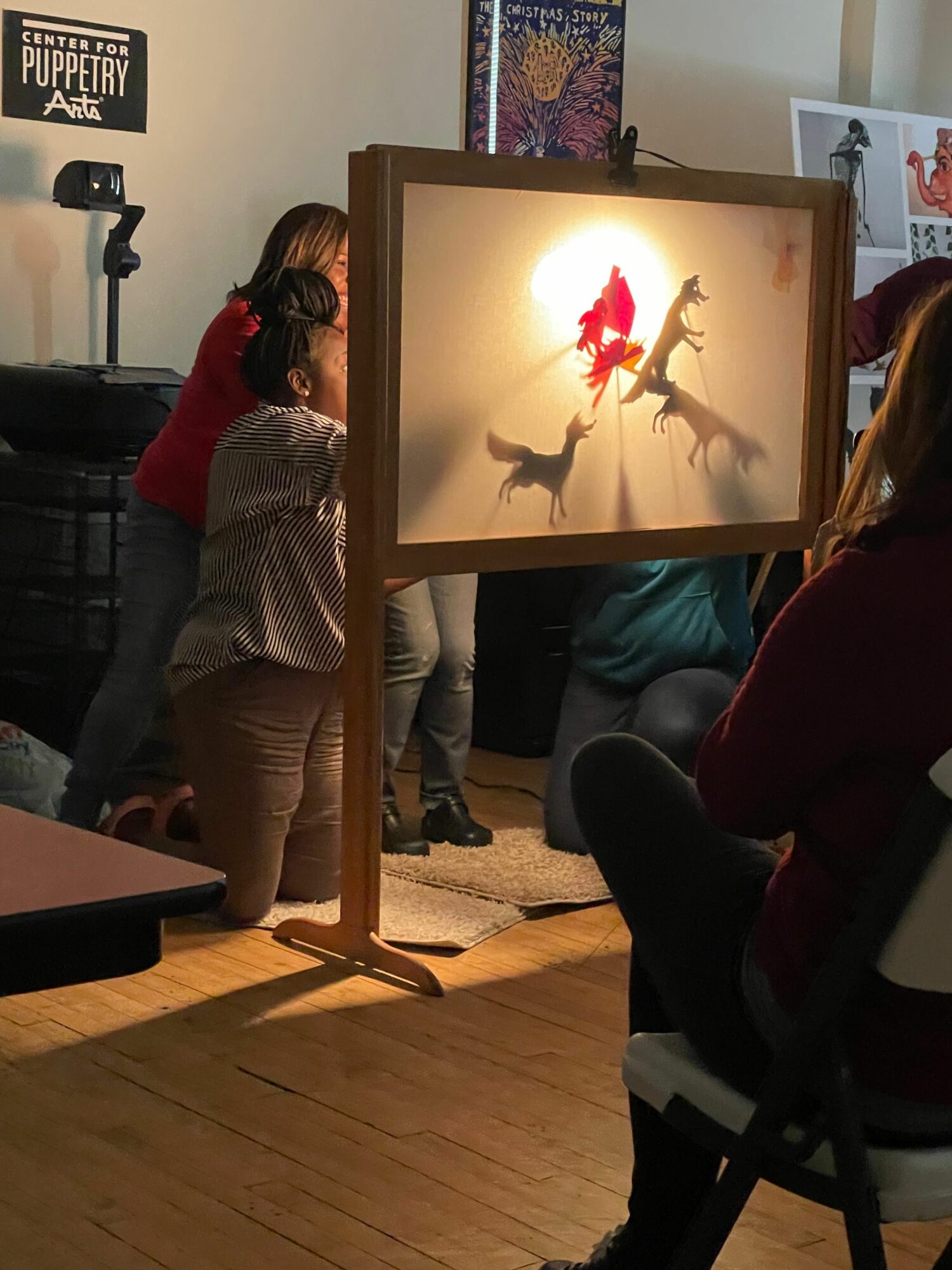
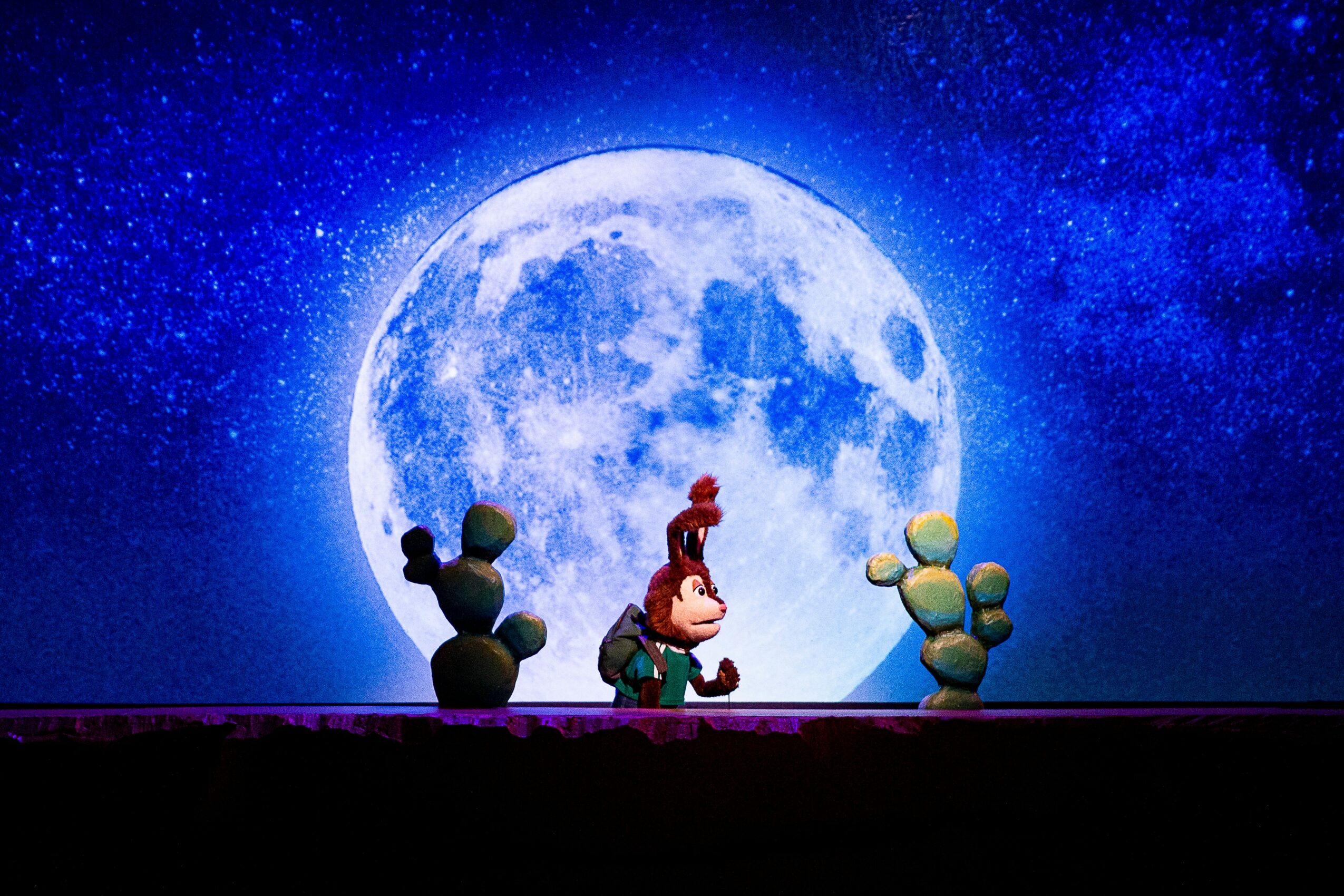
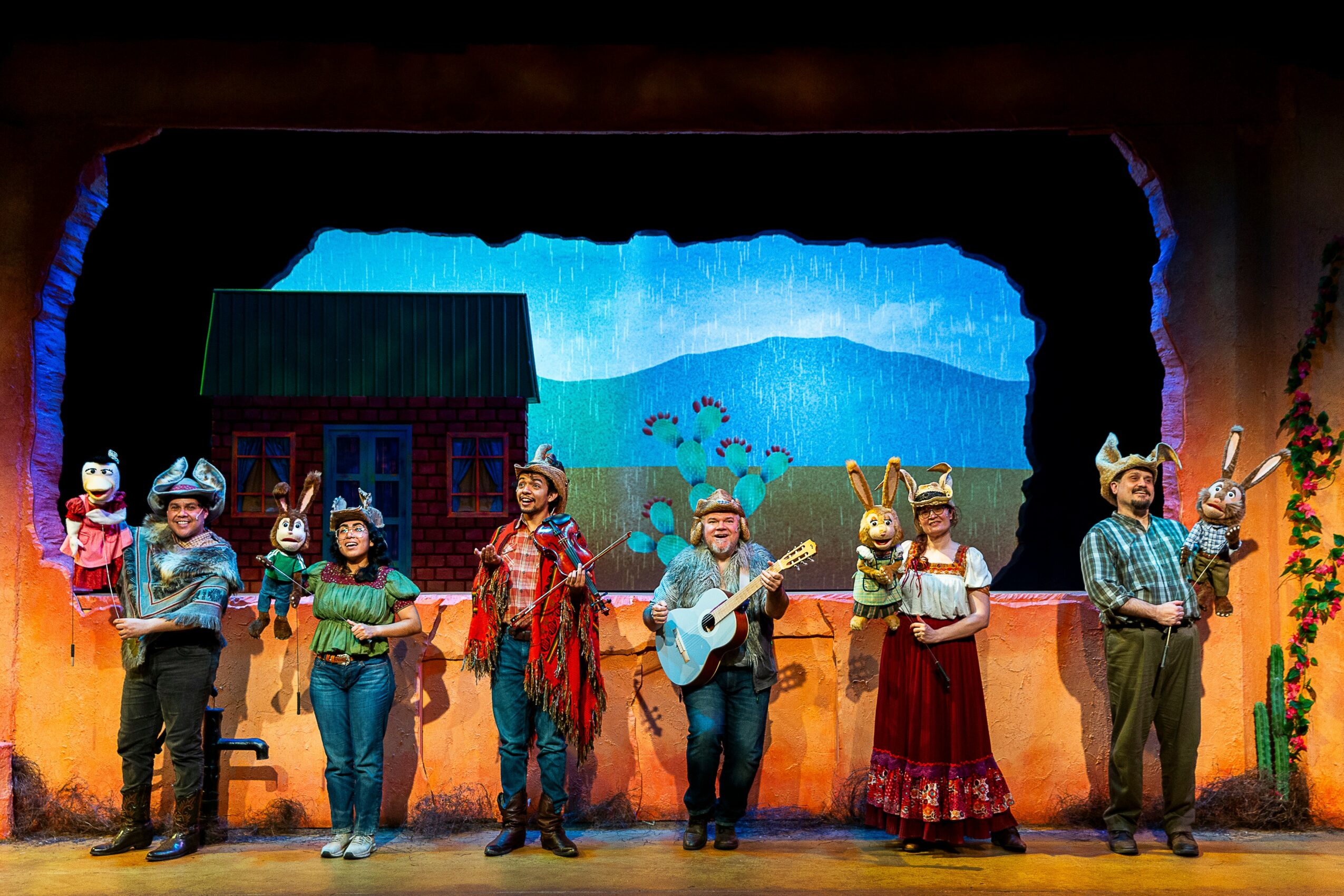
I adapted Pancho Rabbit and the Coyote by Duncan Tonatiuh, an allegorical story that follows a young rabbit’s journey north to find his father using a Mexican trickster tale to explore the realities of immigration, into a musical produced by the Center for Puppetry Arts. The production went on to receive a Suzi Bass Award for “Outstanding New Work”.
I also helped develop an original musical inspired by the animals of Zoo Atlanta. This collaboration included spending time observing the animals and imagining characters based on their real names, behaviors, and relationships. The piece was workshopped by the Alliance Theatre as part of the Atlanta Science Festival.
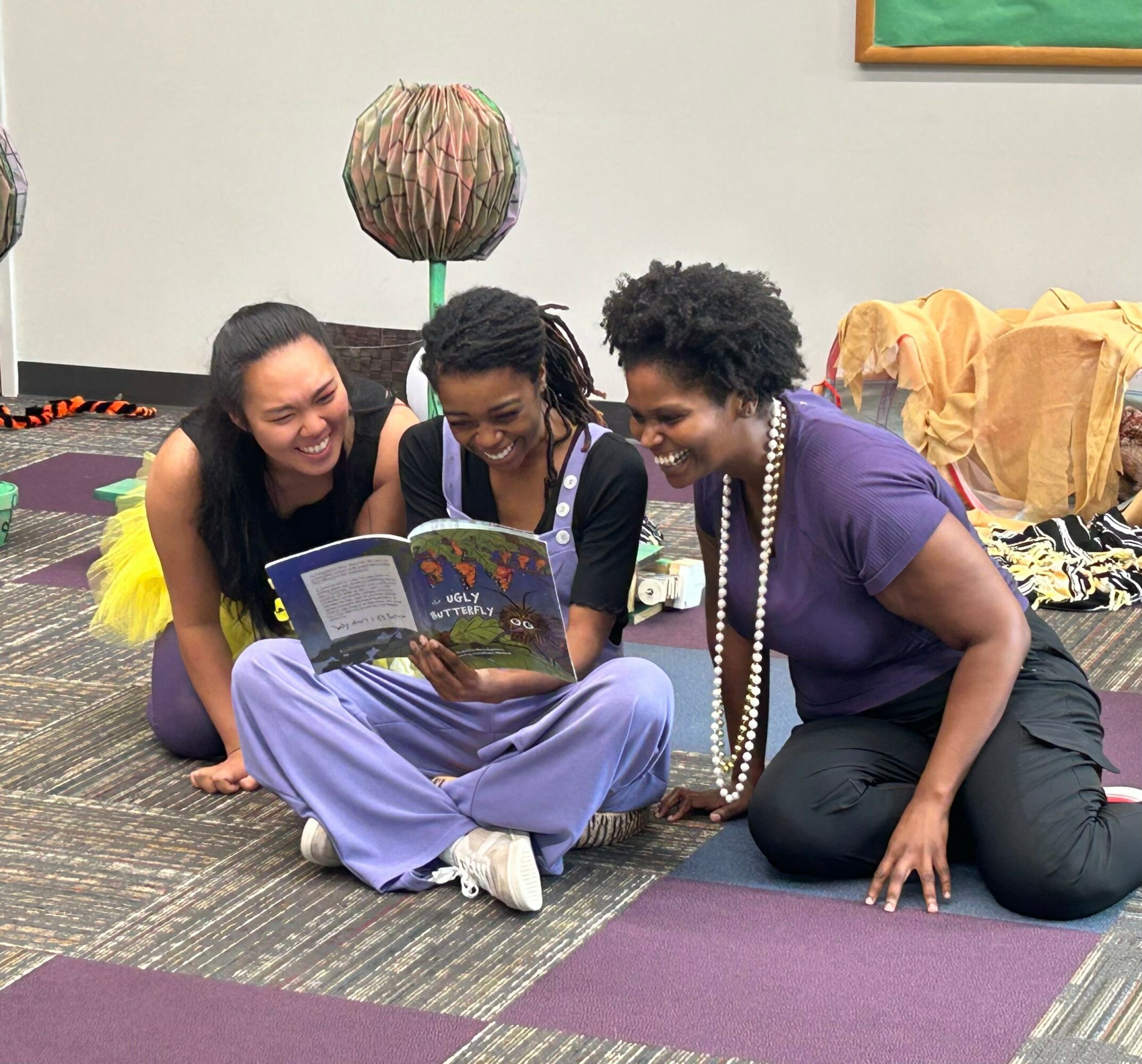
Most recently, I adapted my own picture book, The Ugly Butterfly, a story that explores belonging, identity, and the transformation of a displaced moth within the ecosystem of the natural world, into a touring musical with Discovery Stage Company, bringing the work to thousands of students across Georgia.
Alongside my work as a writer, I lead Partner Learning and serve as a university professor, where I support educators in designing creative, arts rich learning experiences.
What sets my approach apart is that I am not just creating for an audience, but creating with communities. The most meaningful work happens when people see themselves reflected in a story and feel a sense of connection.
Is there anyone you’d like to thank or give credit to?
None of this happens in isolation.
My parents have been a deep source of inspiration. My dad is a visual artist, and my mom is both a creative and a longtime educator. I still ideate with her often, talking through ideas, possibilities, and approaches. In many ways, I feel like I am working at the intersection of both of their worlds. I also lean on my husband to talk through early ideas and storyboard concepts. His background in advertising helps me think about how ideas come to life and connect with an audience.
My two daughters, ages 9 and 12, are a constant source of inspiration. Their curiosity, the questions they ask, and the way they experience the world remind me daily what authentic wonder looks like and why this work matters.
Professionally, I am surrounded by incredible collaborators, teachers, artists, school leaders, and community partners who are deeply committed to this work. They are the ones bringing ideas to life every day, and that partnership is where the real magic happens. I am always drawn to stories that feel urgent, human, and deeply rooted in community, and I am continually listening for the next one that is ready to be brought to life.
Contact Info:
- Website: https://www.partnerlearning.org
- Instagram: partner.learning
- LinkedIn: https://www.linkedin.com/in/jessica-espinoza-210b731b5/
- Twitter: https://x.com/ARTwithJessica
Popular
-

Hidden Gems: Local Businesses & Creatives You Should Know
-

ATL’s Most Inspiring Stories
-

Portraits of Atlanta
-

Alexander Lewis on Betting on Himself, Building Momentum at Coco Studios, and Turning Opportunity into Ownership
-
Satoya Hayes on Turning Beauty 2 Extensions into a Platform for Affordable Confidence and Entrepreneurial Opportunity
-

Asha Ford on Building Krystal Klear Motion and Creating Purpose-Driven Design for Women