




Today we’d like to introduce you to Paymon Hossein.
Alright, so thank you so much for sharing your story and insight with our readers. To kick things off, can you tell us a bit about how you got started?
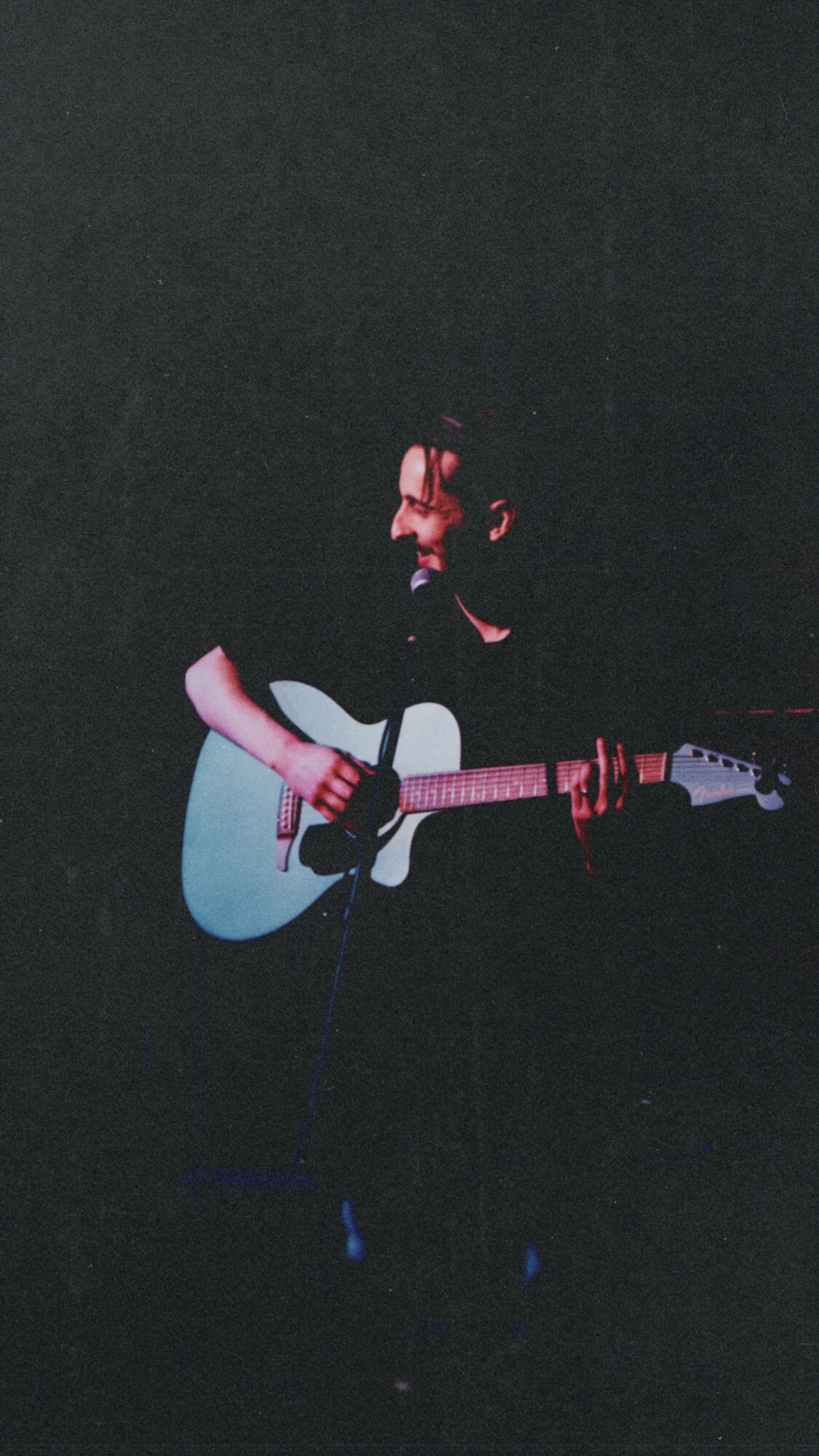
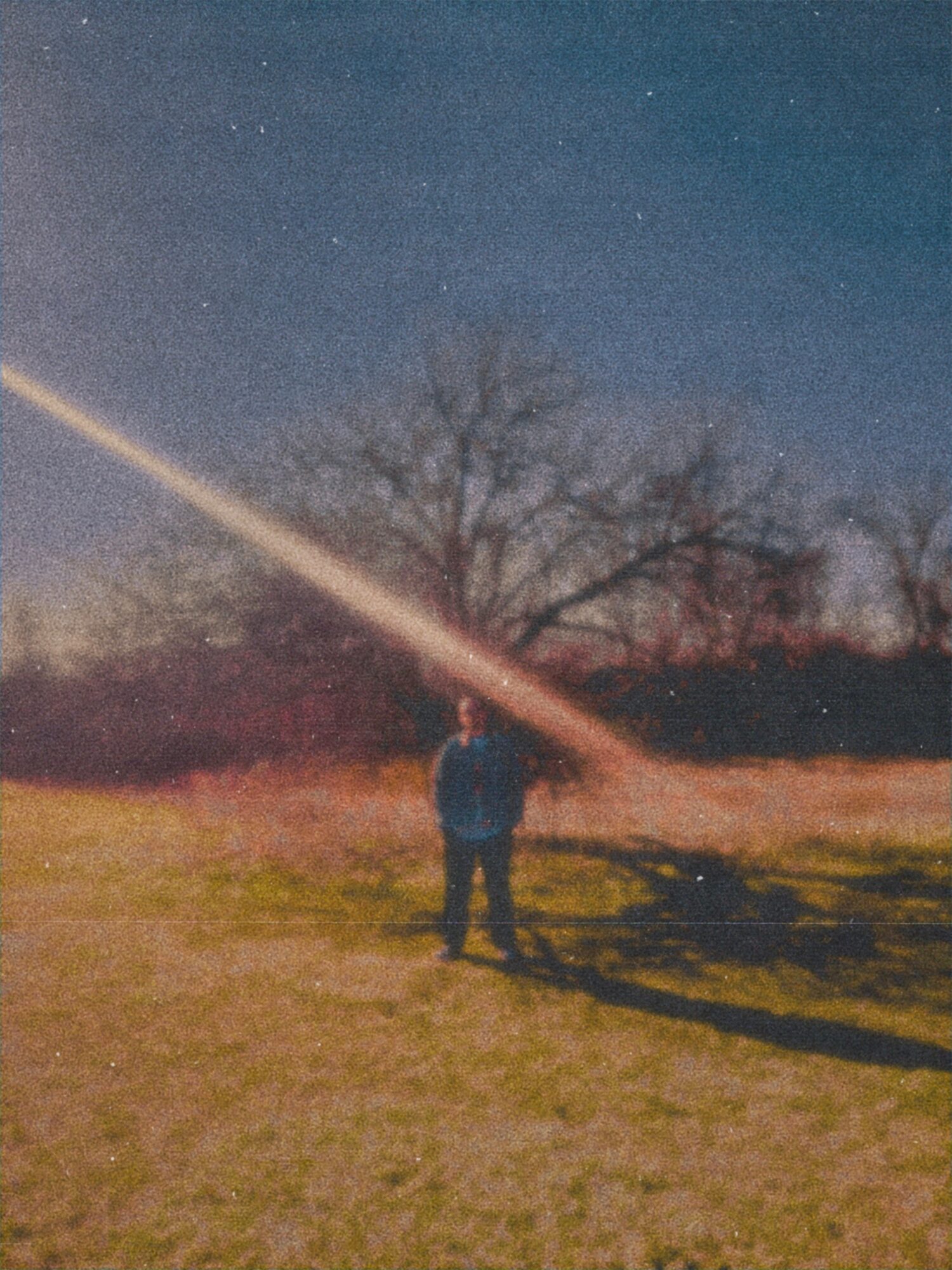
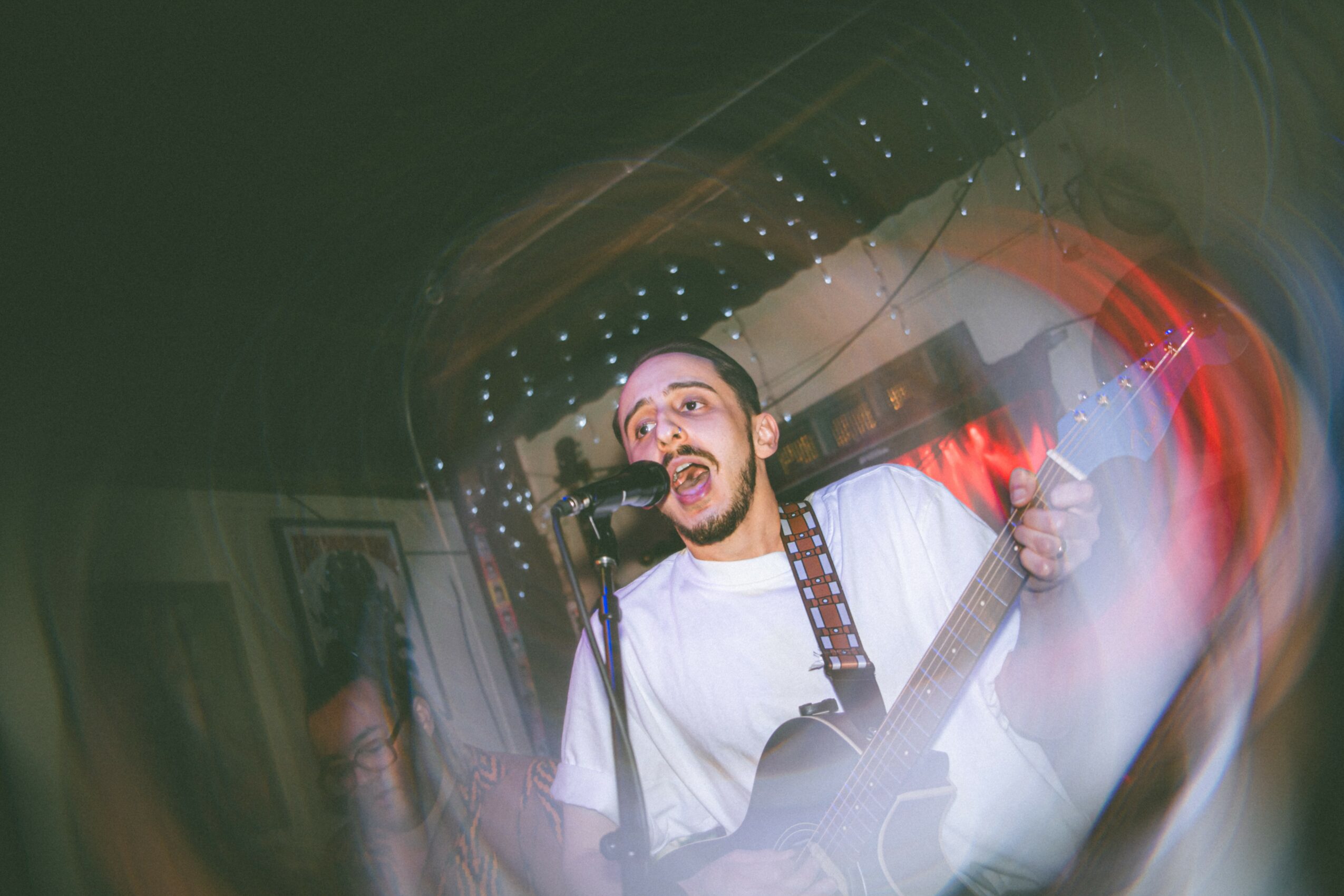
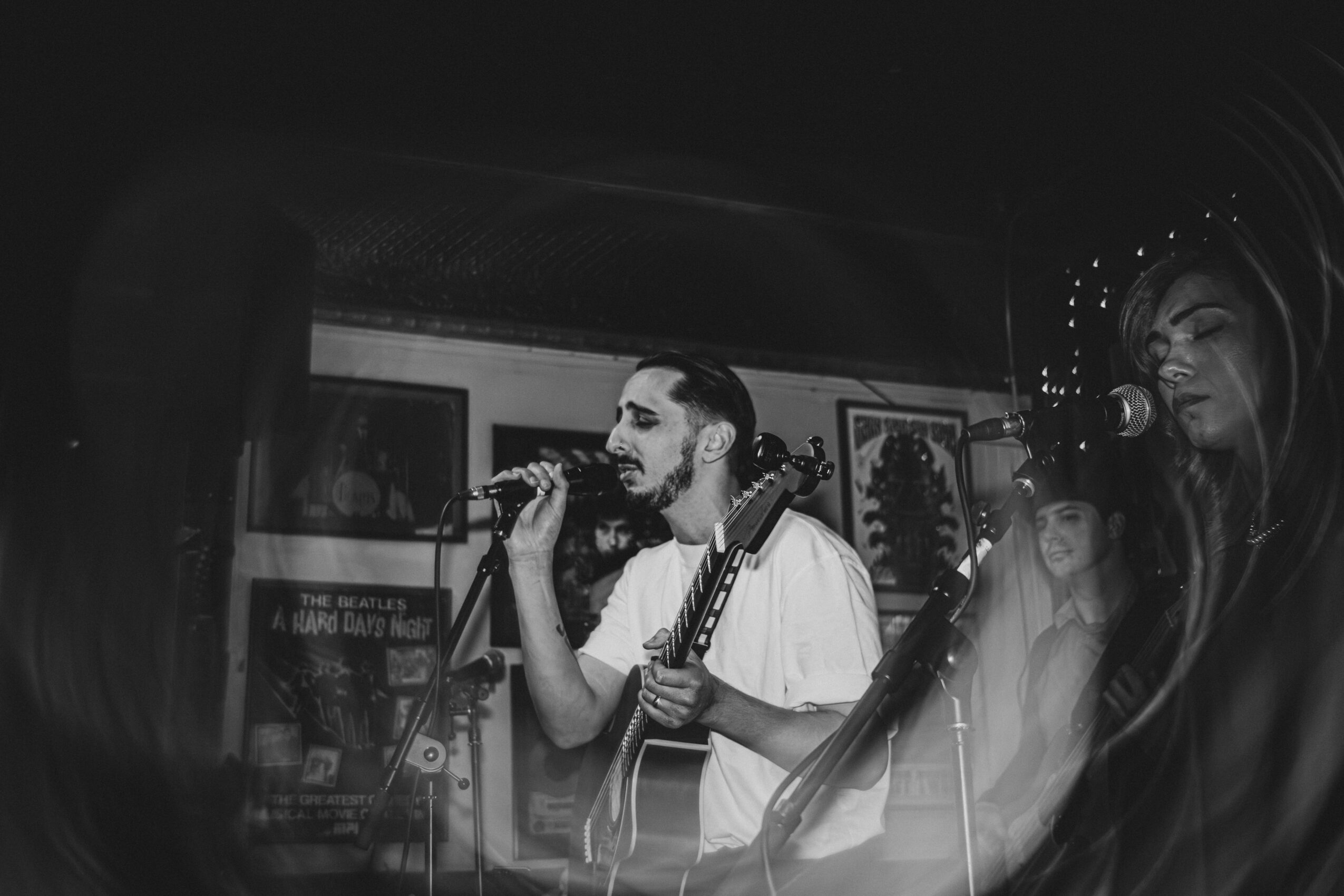
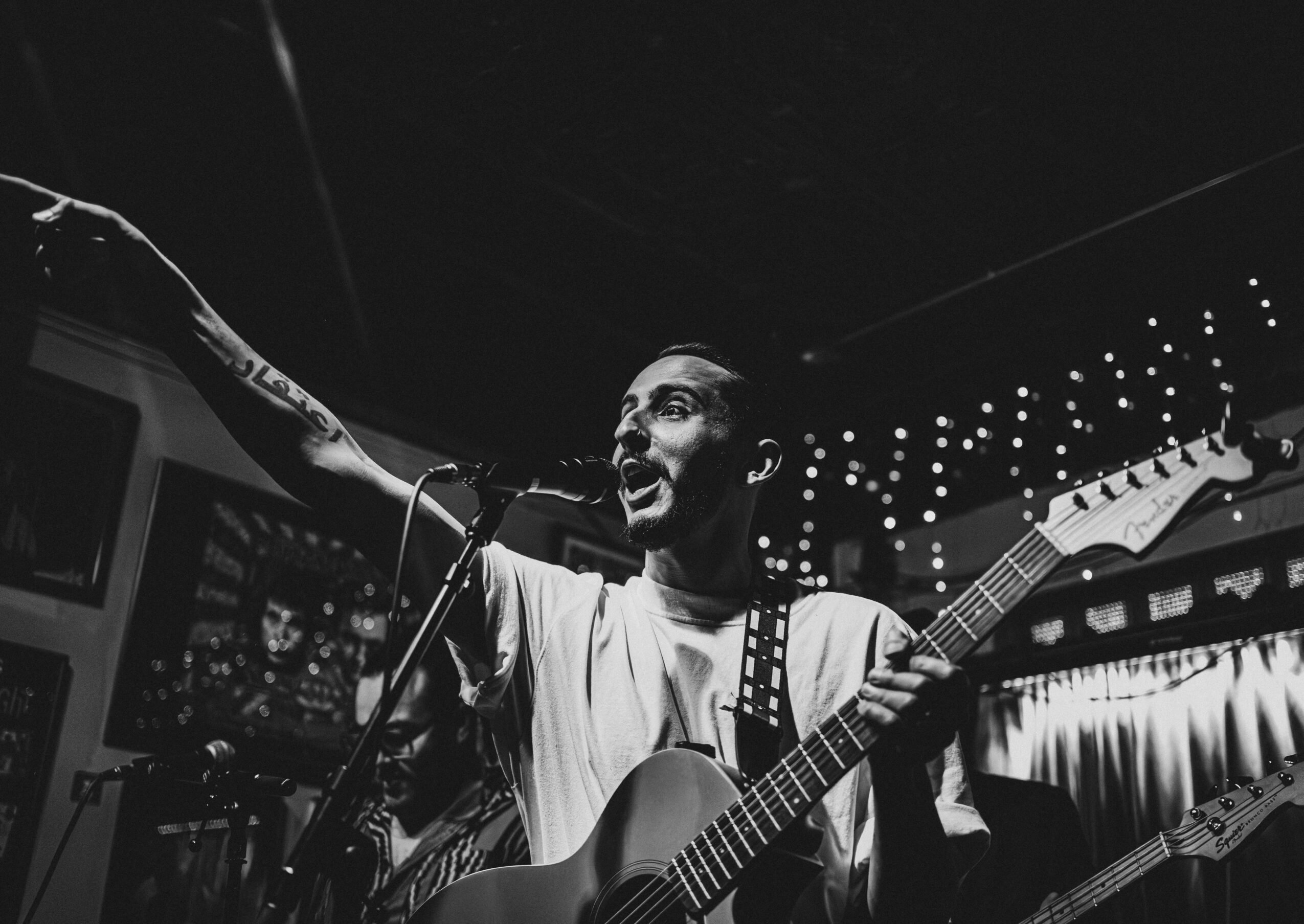
I’m Paymon, and I make music under the name Varsity Dropout. I’m a Chicago-based Iranian American artist making alternative folk music rooted in vulnerability, grief, and human connection.
Music has always been therapeutic for me. Growing up, I often felt misunderstood and stuck between identities. Being biracial, I sometimes felt like I wasn’t “Persian enough” for one group or “American enough” for another. Looking back, a lot of that was probably intensified by having undiagnosed ADHD and constantly trying to mask parts of myself just to fit in. Music became the one place where I didn’t feel like I had to perform or pretend. It was where I could be honest about my emotions and fully myself.
I started the Varsity Dropout project while I was in college. At the time, I was heavily inspired by the revival of pop punk and Midwest emo, and a lot of my favorite bands had sports-related names, which is where the name came from. What started as a creative outlet eventually became something much deeper.
Varsity Dropout was really born from grief. My mom passed away when I was 21, and I felt completely lost trying to process it all while still being in school and figuring out who I was. Music became the only thing that made sense to me during that time. It gave me a way to process emotions I didn’t know how to put into words otherwise.
After graduating during the height of the pandemic in 2020, I made the decision to fully pursue music, even after applying to law schools. Losing my mom changed my perspective on life. It made me realize how short and fragile everything is, and I didn’t want to spend my life wondering “what if.”
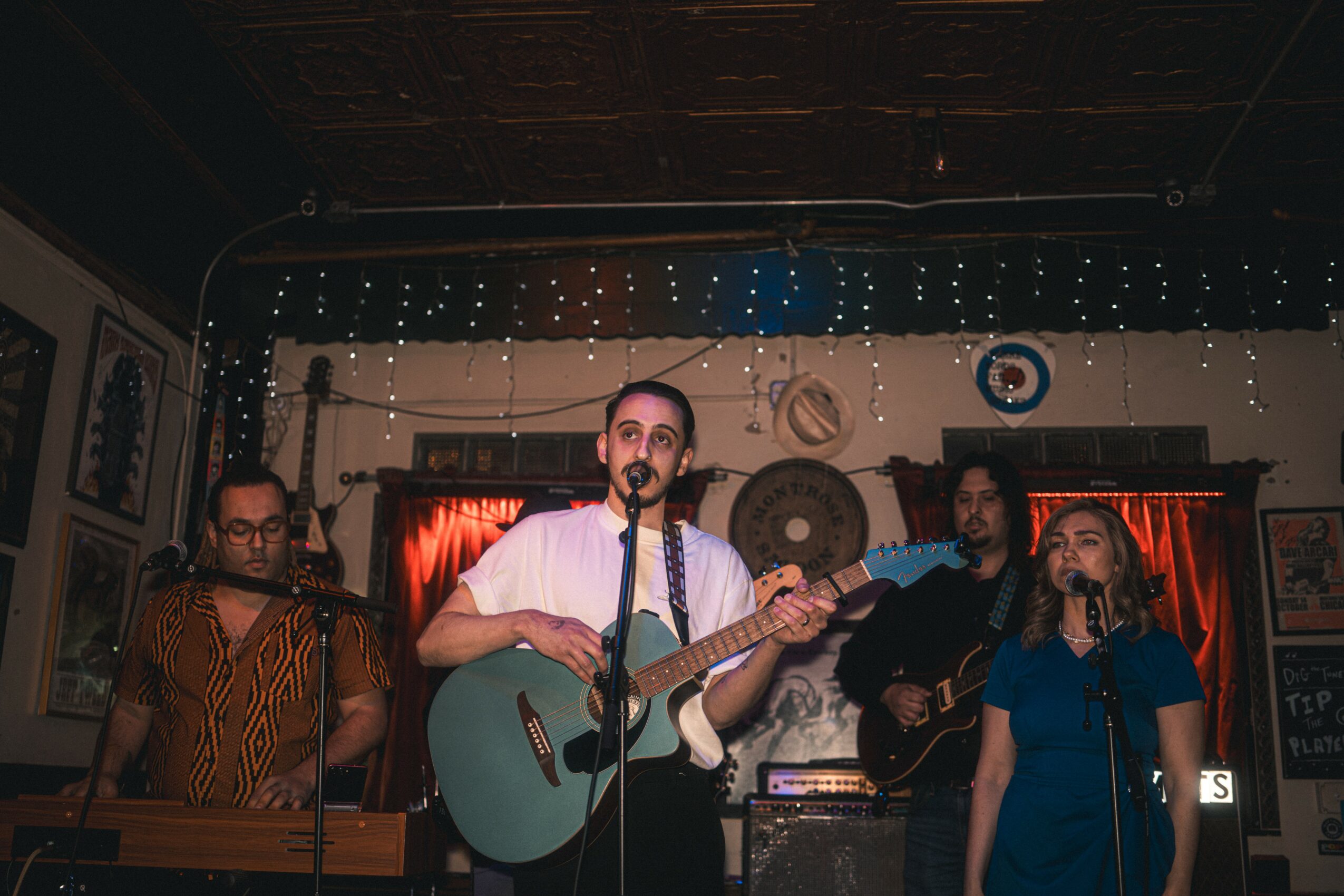
Since then, the journey has been about more than just making songs. It’s been about building community. Through the music, I’ve met incredible people and built what I call the “Dropout Family.” At every show, my goal is to create an environment where people feel accepted, understood, and safe enough to feel something real. I think that’s what makes music so powerful. It transcends race, culture, and identity. For a few minutes, people from completely different walks of life can share the same emotions and experiences together. That’s what continues to inspire me.
We all face challenges, but looking back would you describe it as a relatively smooth road?
It definitely hasn’t been a smooth road. I think one of the biggest struggles has been learning how to believe in myself while navigating grief, self doubt, and uncertainty at the same time.
When I lost my mom at 21, it completely changed me. I was trying to process that loss while still figuring out adulthood, school, and my identity as an artist. There were long periods where I felt numb, disconnected, and unsure of what direction my life was supposed to go in.
Pursuing music independently also comes with its own challenges. There’s no roadmap for this. You’re balancing creativity with the business side of things, dealing with financial stress, trying to grow an audience, booking shows, marketing yourself, and still finding the emotional energy to create honestly. It can be overwhelming at times.
I’ve also struggled a lot with feeling like an outsider. Growing up biracial and dealing with undiagnosed ADHD for most of my life, I often felt like I was constantly trying to fit into spaces where I didn’t fully belong. For a long time, I masked parts of myself just to feel accepted. Music became the one place where I could stop doing that.
There have definitely been moments where I questioned whether I was good enough or whether this path was realistic. But I think every challenge has pushed me to become more authentic both as a person and as an artist. Over time, I realized the things I once viewed as weaknesses, vulnerability, sensitivity, feeling deeply, were actually the things people connected with most in my music.
The biggest lesson through all of it has been learning that growth doesn’t happen in a straight line. You keep showing up, even when things are uncertain, and eventually you start building something meaningful.
Alright, so let’s switch gears a bit and talk business. What should we know about your work?
I’m an independent alternative folk artist based in Chicago performing under the name Varsity Dropout. I write music that blends elements of indie folk, alternative rock, and emo, with a strong focus on vulnerability and emotional honesty. A lot of my music explores themes of grief, identity, love, mental health, and the feeling of searching for connection in a disconnected world.
I handle much of the creative process myself, from songwriting and branding to content creation and marketing. Being independent has forced me to learn every side of being an artist, not just the music itself. Over time, I’ve built a small but deeply supportive community around the project that I call the “Dropout Family,” and honestly that’s what I’m most proud of.
What means the most to me is hearing that a song helped someone feel understood during a difficult moment in their life. I think that human connection is the reason I started making music in the first place. Numbers and growth are great, but knowing people genuinely connect with the songs is what keeps me going.
I think what sets me apart is the level of emotional transparency in both my music and the community surrounding it. I’m not trying to present a perfect version of myself. A lot of my music comes from uncomfortable or deeply personal places, and I think people resonate with that honesty because so much of the world feels curated and filtered now.
I also try to create an environment where people feel welcomed regardless of background, identity, or where they come from. At shows especially, I want people to feel like they can let their guard down and just exist for a moment. To me, music is less about performance and more about creating a shared emotional experience.
What were you like growing up?
Growing up, I was always pretty emotional and introspective, even if I didn’t always know how to express it. I spent a lot of time in my own head and often felt misunderstood or out of place socially. I think part of that came from being biracial and feeling caught between different identities, but a lot of it was also struggling with undiagnosed ADHD for most of my life. I constantly felt like I was trying to keep up or figure out where I belonged.
At the same time, I was also very creative. Music became an obsession early on. I was always discovering bands, analyzing lyrics, and connecting deeply to songs that made me feel understood. I gravitated toward artists who were emotionally honest and vulnerable because that was something I rarely saw around me in everyday life.
I was definitely quieter and more reserved in certain environments, but around close friends or people I trusted, I opened up a lot more. Humor also became a defense mechanism for me. I think a lot of sensitive people learn how to make others laugh before they learn how to talk about what they’re actually feeling.
As I got older, I started realizing that many of the things I used to feel insecure about, being sensitive, overthinking, feeling emotions deeply, were actually the same things that shaped me into an artist. Looking back now, I think music gave me a sense of identity before I fully understood myself.
Pricing:
- Streaming music is available on all major platforms under Varsity Dropout
- Show tickets typically range from $10–25 depending on the venue and event
Contact Info:
- Instagram: @OfficialVarsityDropout
- Youtube: https://www.youtube.com/@OfficialVarsityDropout
- Spotify: https://open.spotify.com/artist/6Kdy3A1AfE6mxlFVolEBqU
Popular
-

Hidden Gems: Local Businesses & Creatives You Should Know
-

ATL’s Most Inspiring Stories
-

Portraits of Atlanta
-
Natasha Dillard on Redefining Beauty Standards and Empowering Women Through Unapologetic Self-Expression
-
Darren Paltrowitz on Blending Investigation, Media, and Culture to Uncover the Stories Behind the Stories
-

Naeemah Jade on Redefining Networking Through Trust, Proximity, and Intentional Community