
Today we’d like to introduce you to Ryan Walker.
Hi Ryan, we’d love for you to start by introducing yourself.
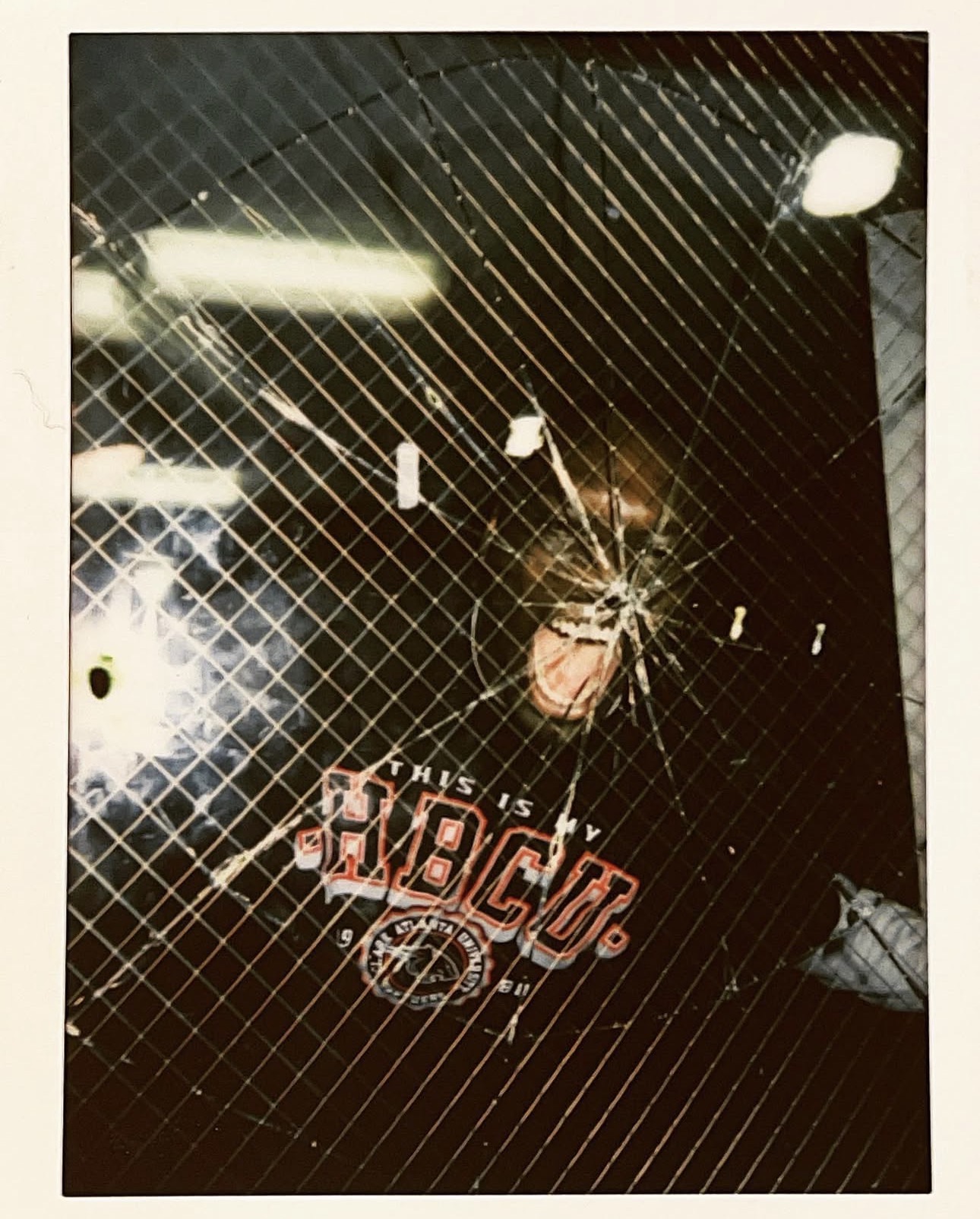
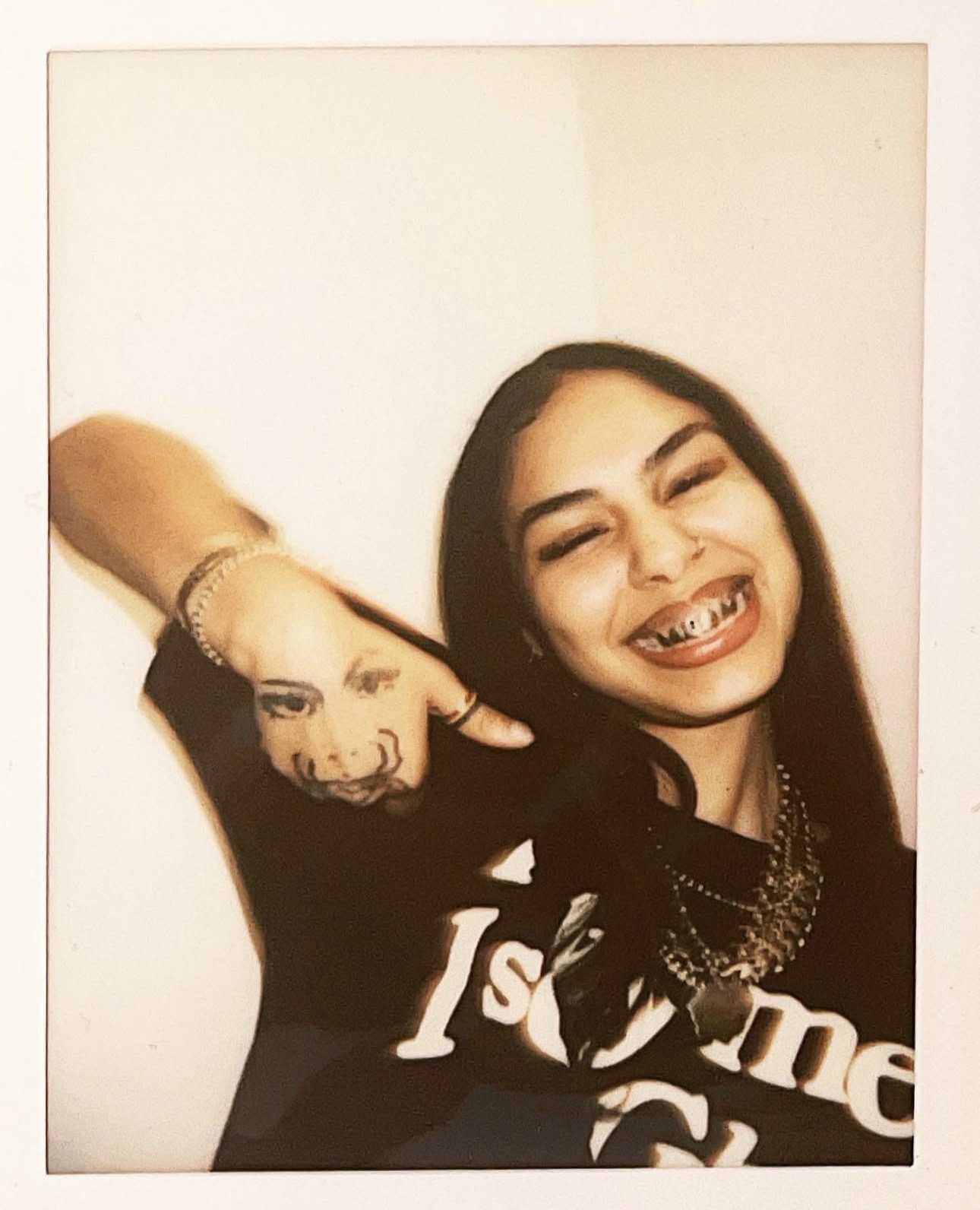
I’m a multidisciplinary artist from Alabama and a recent graduate of Clark Atlanta University, where I studied Studio Art. A lot of my journey started from being deeply drawn to emotion, memory, music, and human behavior before I even fully understood how to translate those things into artwork. Growing up, I was always paying attention to atmosphere — the feeling of spaces, conversations, colors, sounds, tension between people — and art became the language that allowed me to process and communicate those experiences.
Alright, so let’s dig a little deeper into the story – has it been an easy path overall and if not, what were the challenges you’ve had to overcome?
Definitely not, but I think that’s part of the process. A lot of the best art and media in our culture comes from struggle, uncertainty, and people trying to make sense of their experiences. None of us really know what we’re doing the first time through life, so naturally there are personal, financial, and creative challenges along the way. There were moments where I felt cornered or unsure about what came next, especially while balancing school, work, creativity, and figuring out my future as an artist. But I’ve learned that those moments force you to pivot, adapt, and create something meaningful out of pressure. For me, making art has always been a way to process those experiences and smooth out the road not just for myself, but hopefully for other people who connect with the work too.
Thanks – so what else should our readers know about your work and what you’re currently focused on?
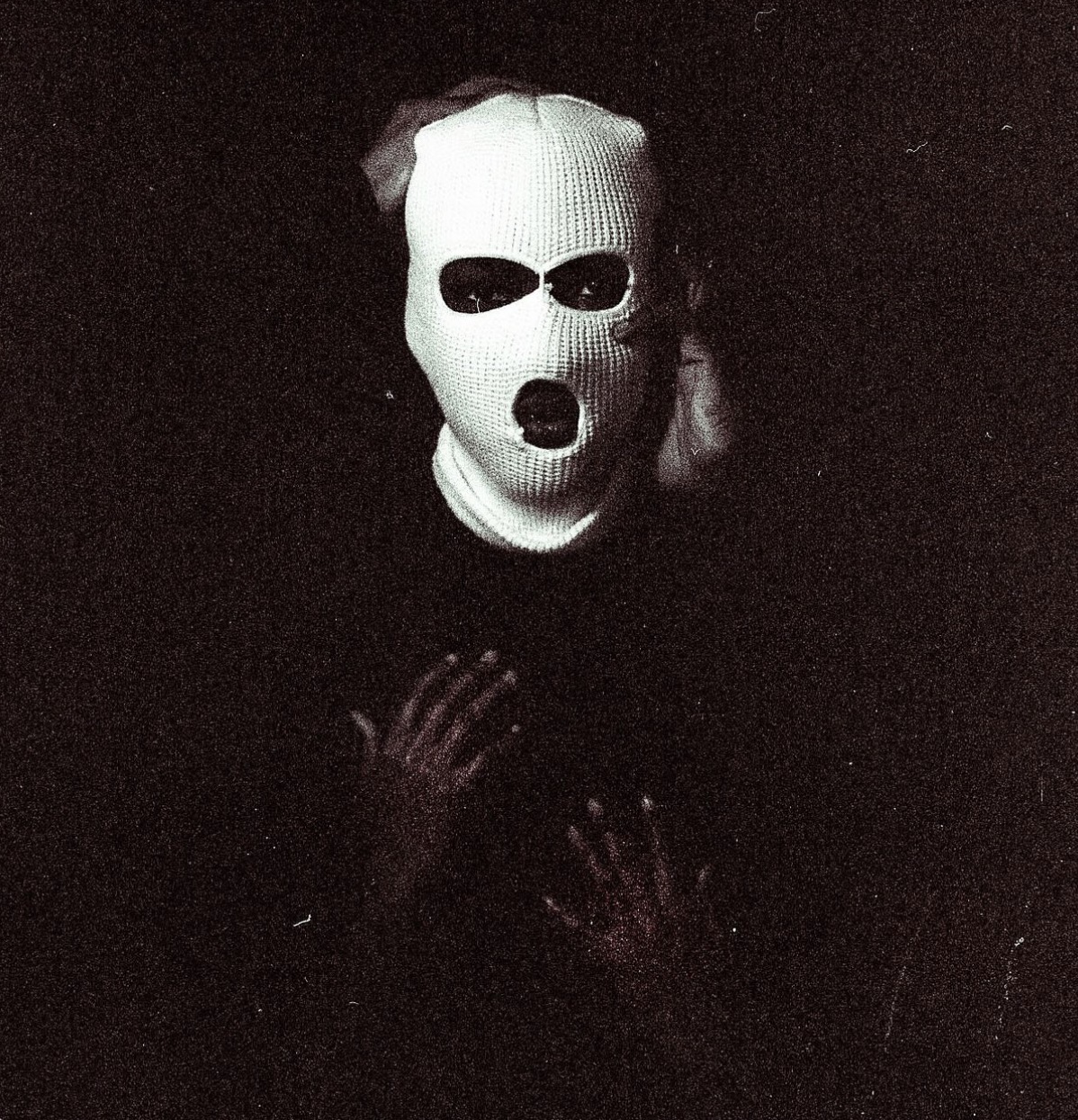
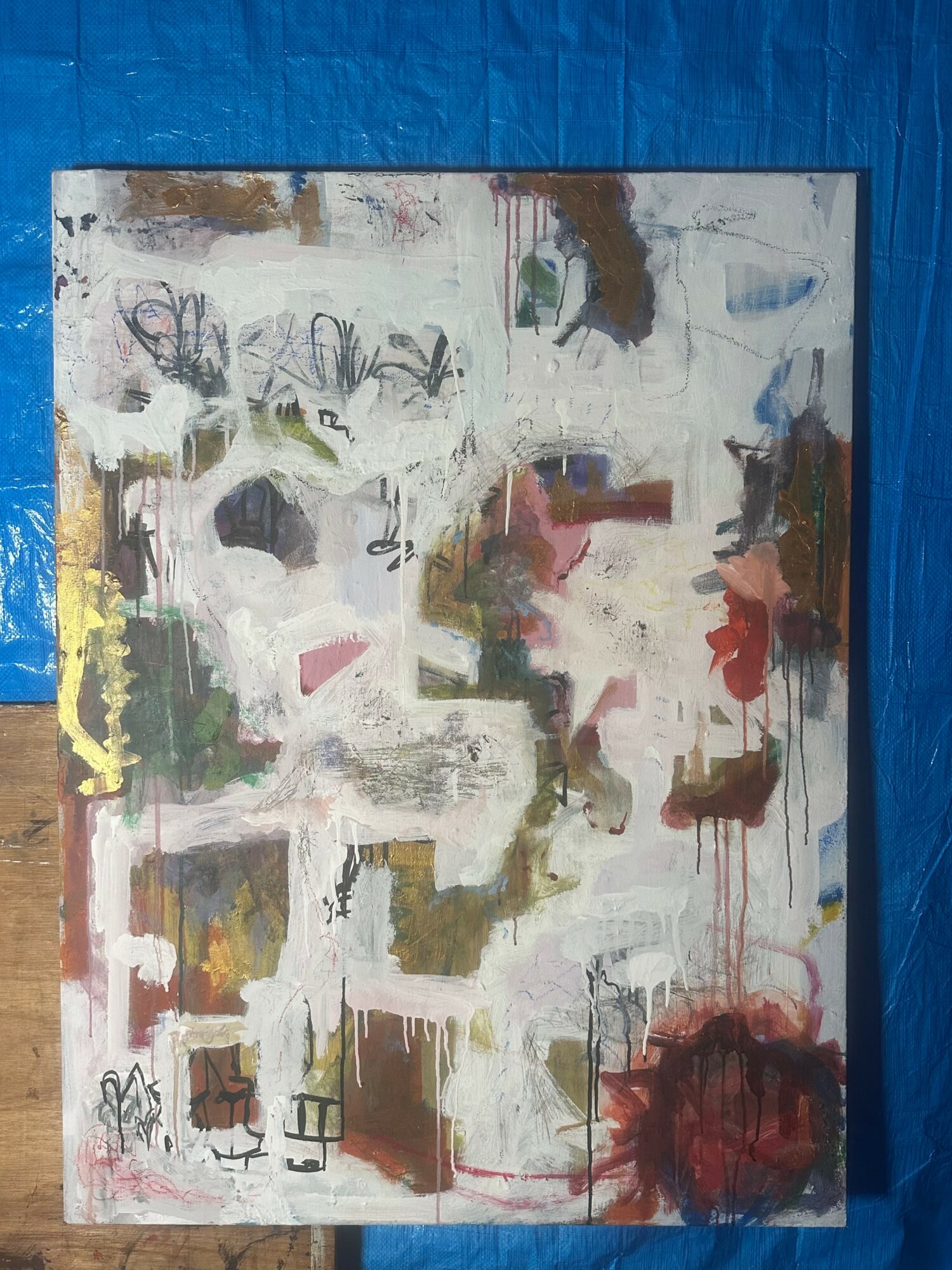
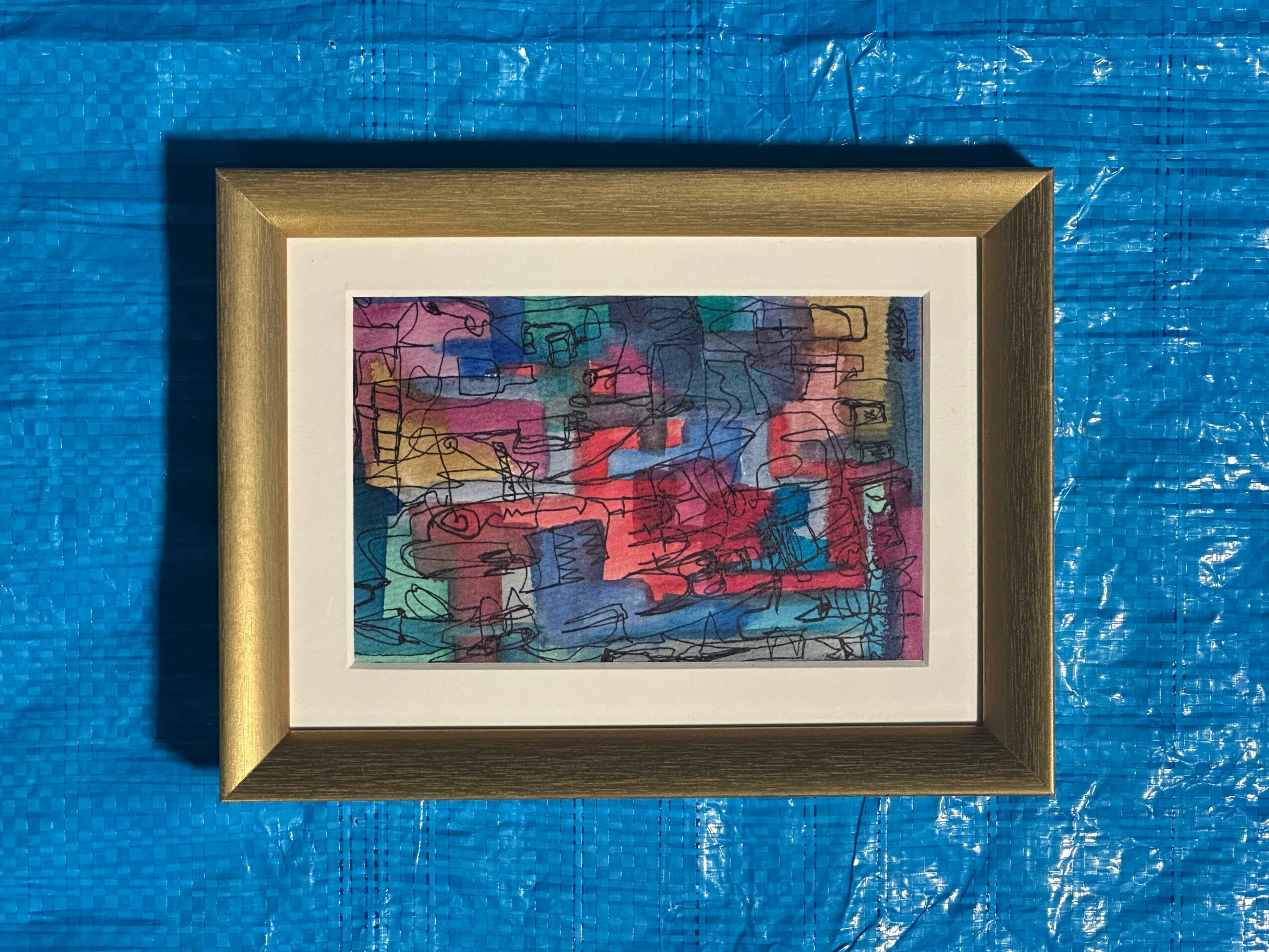
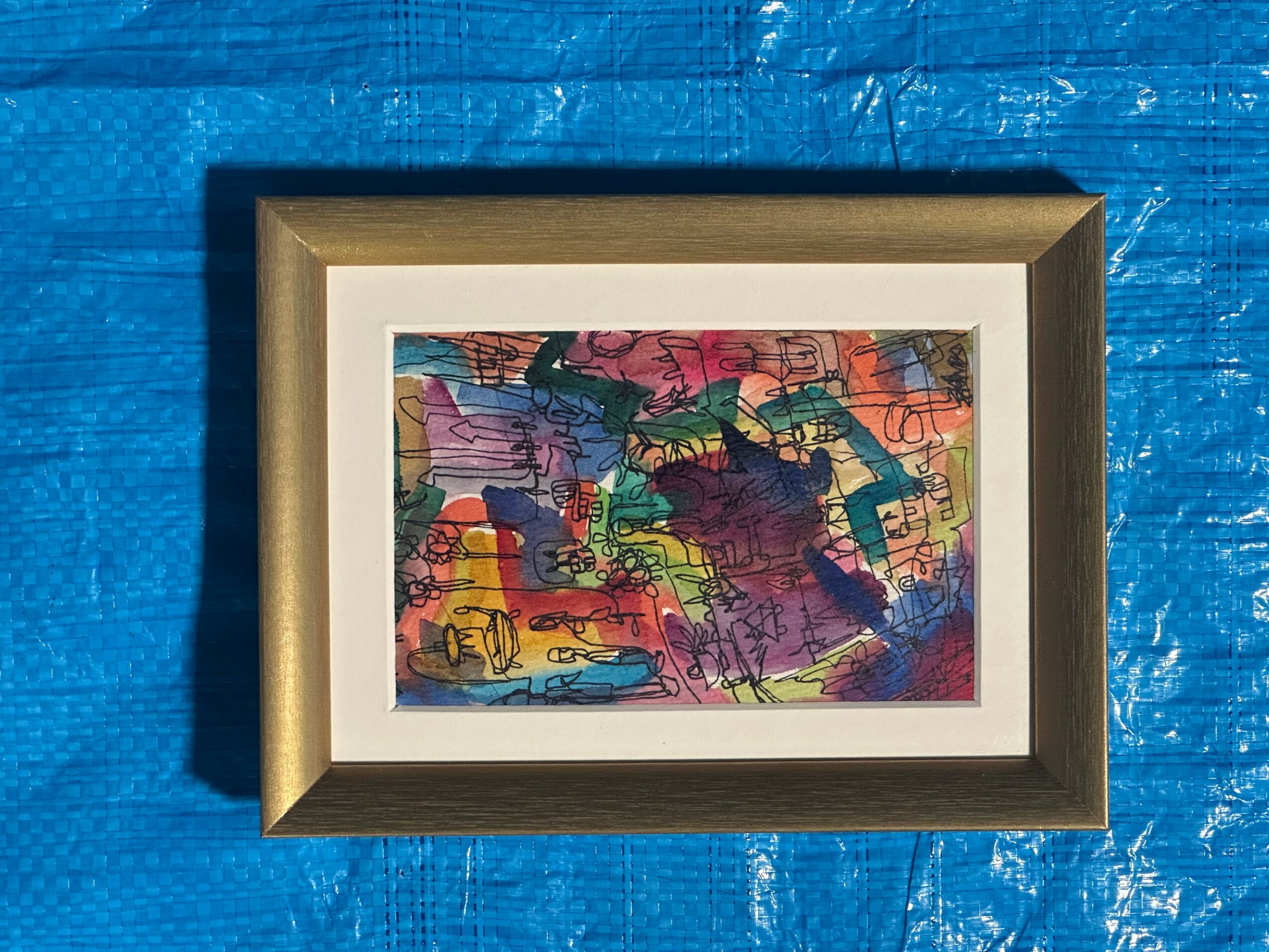
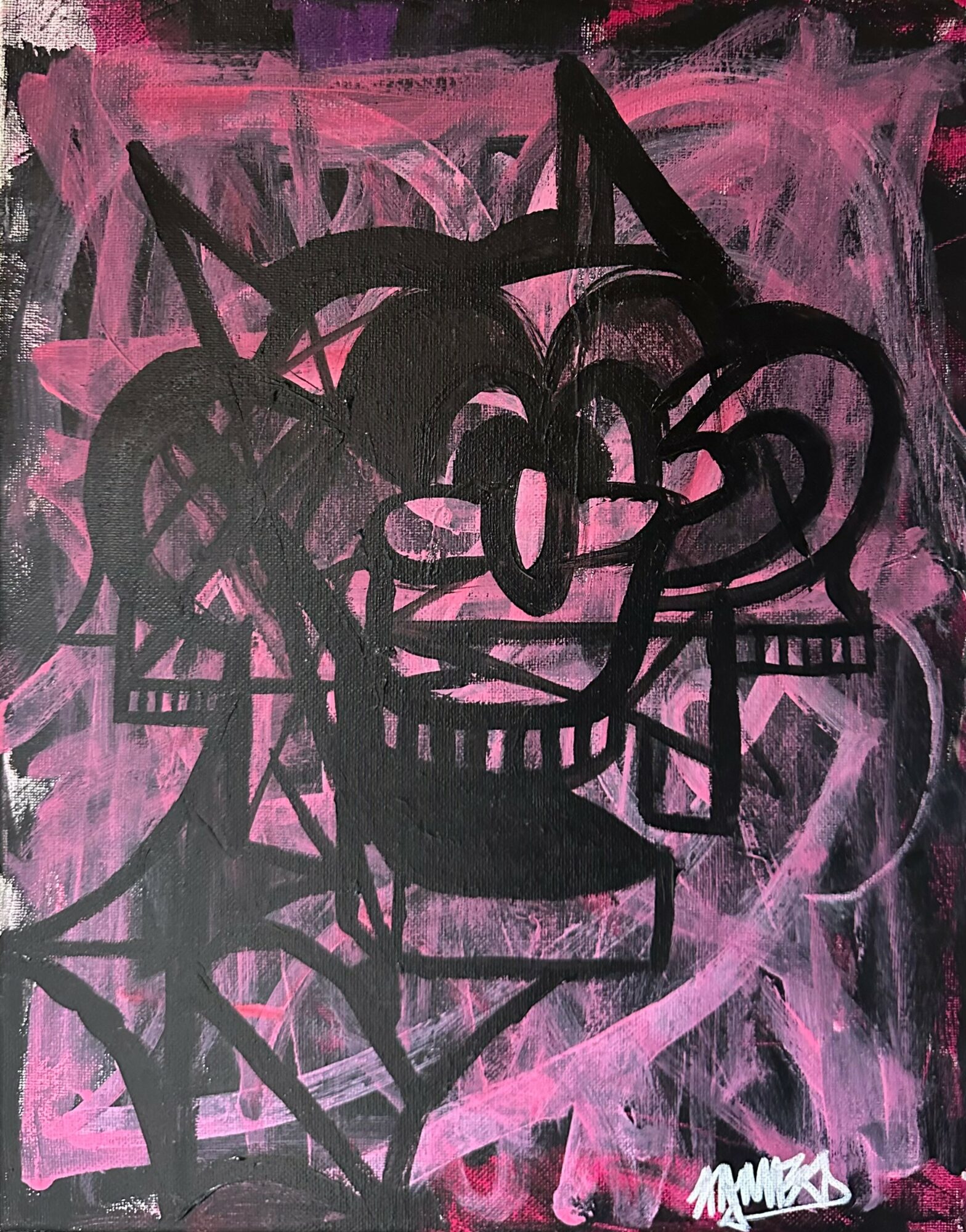
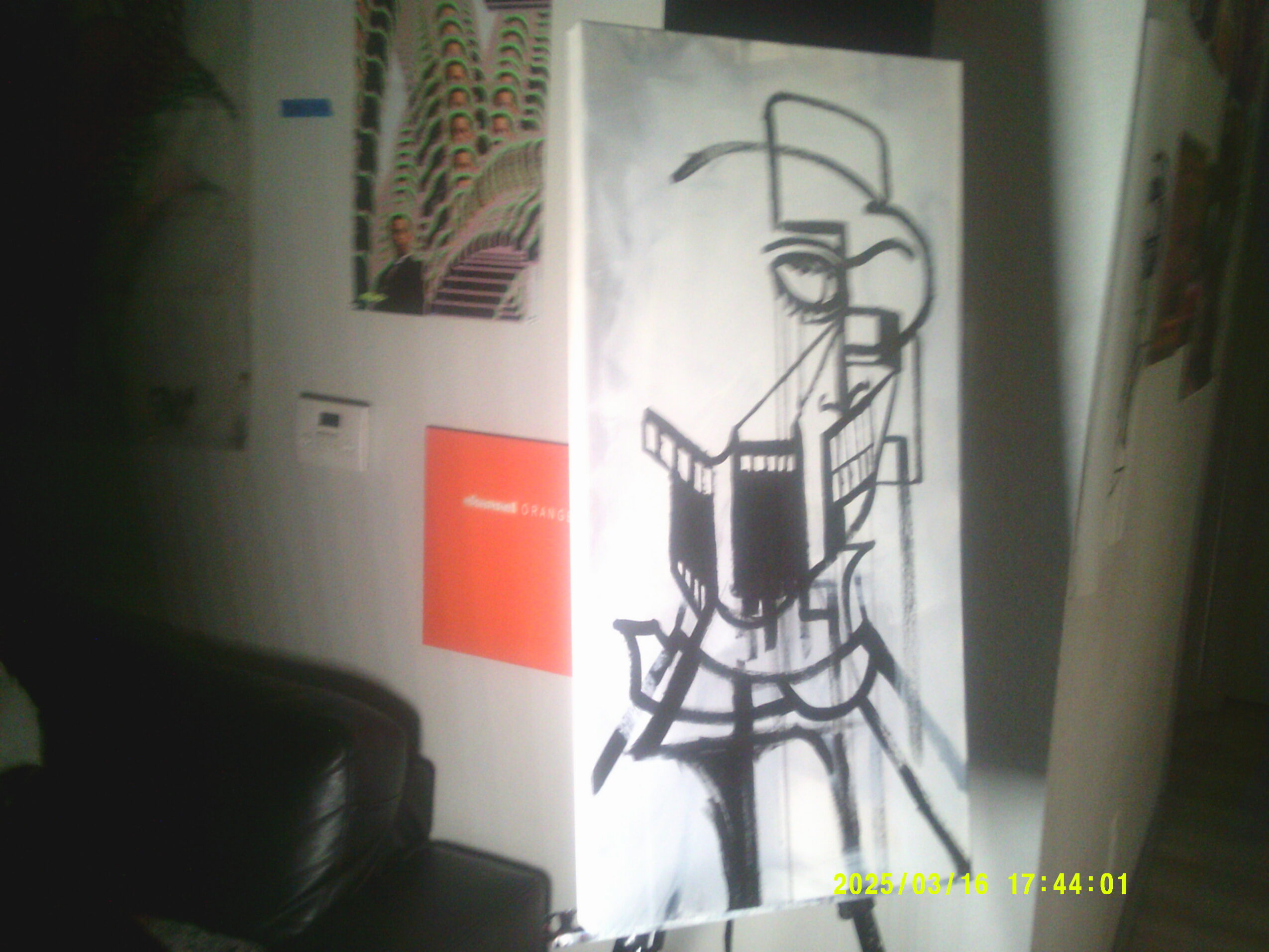
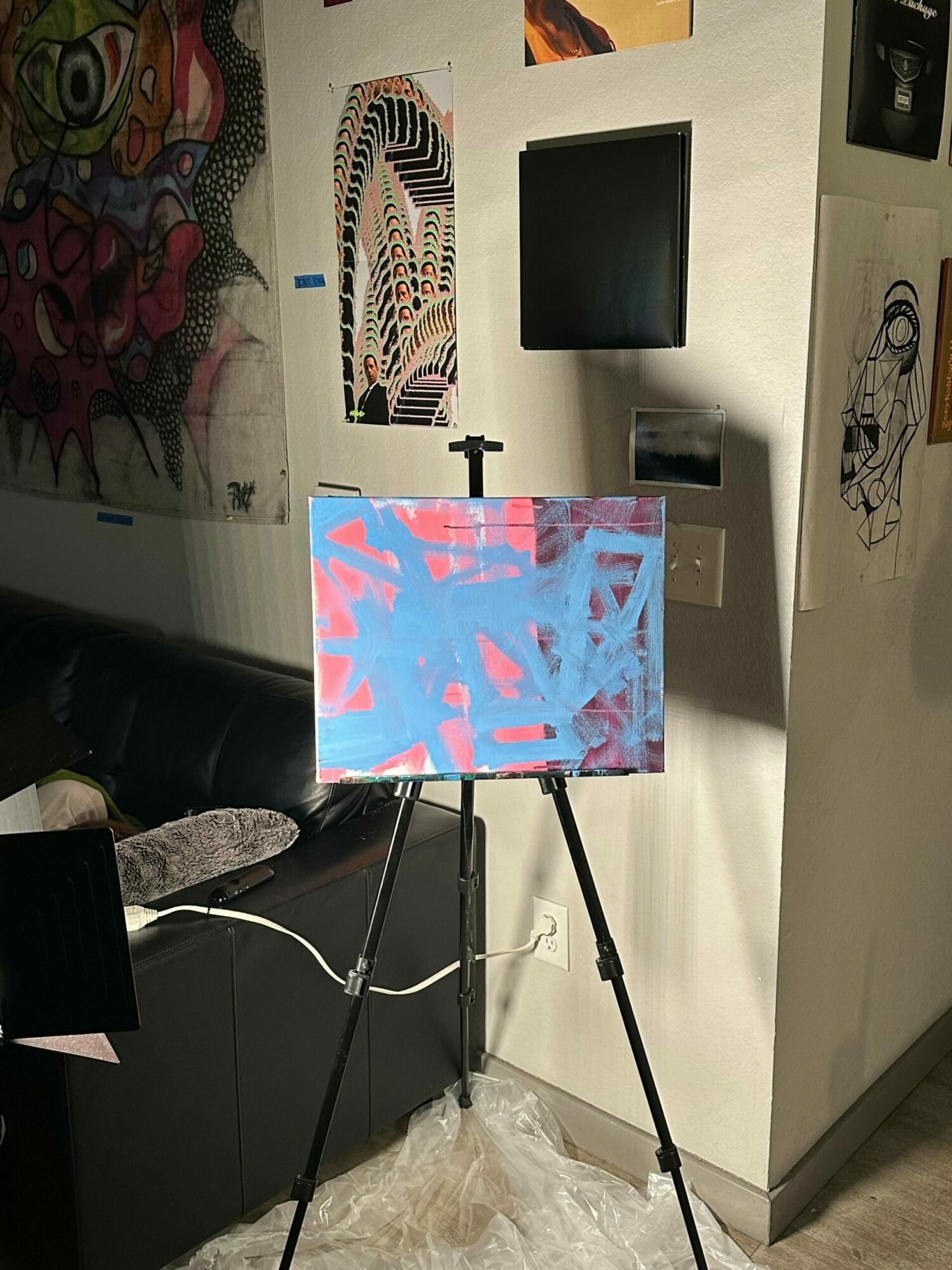
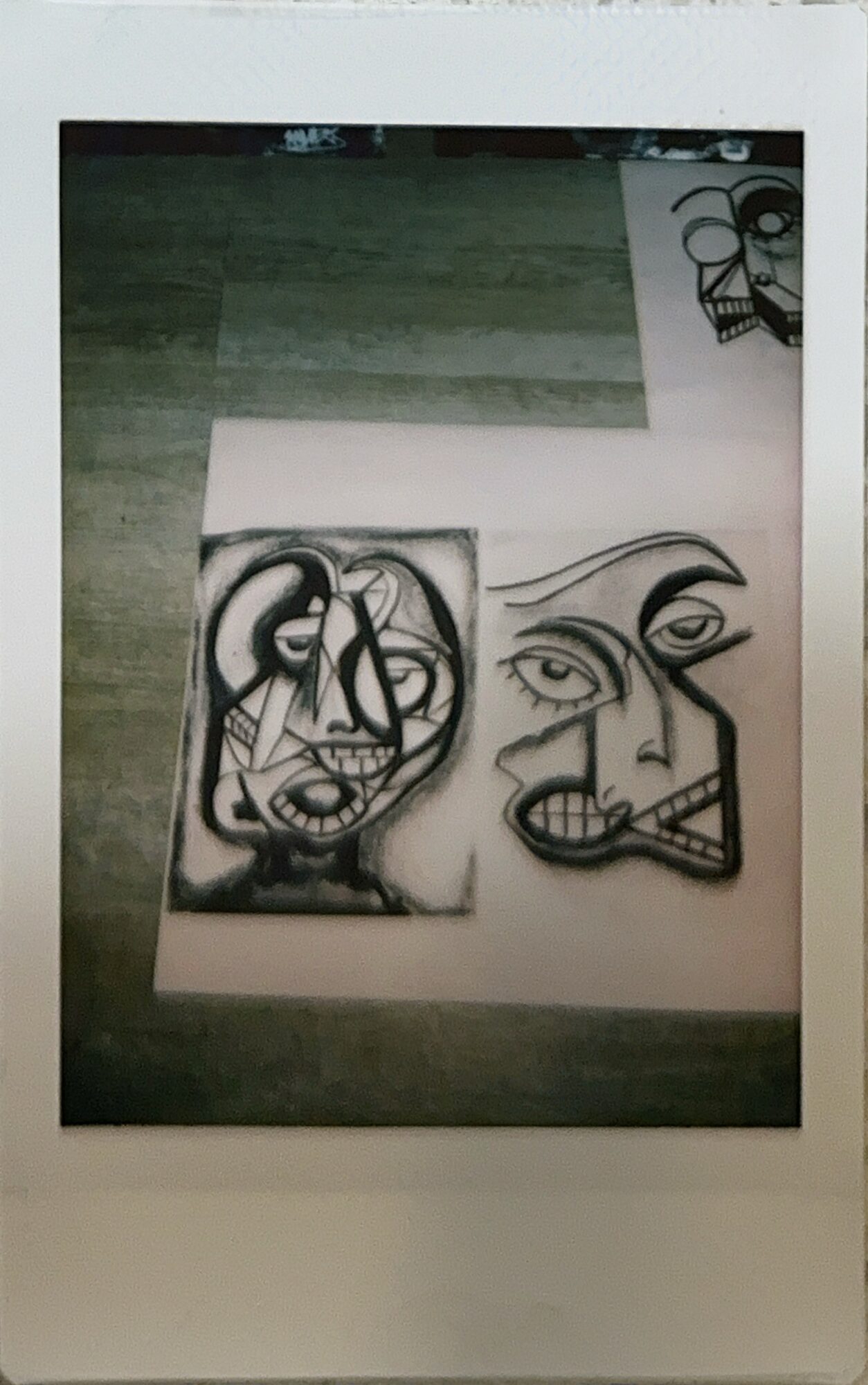
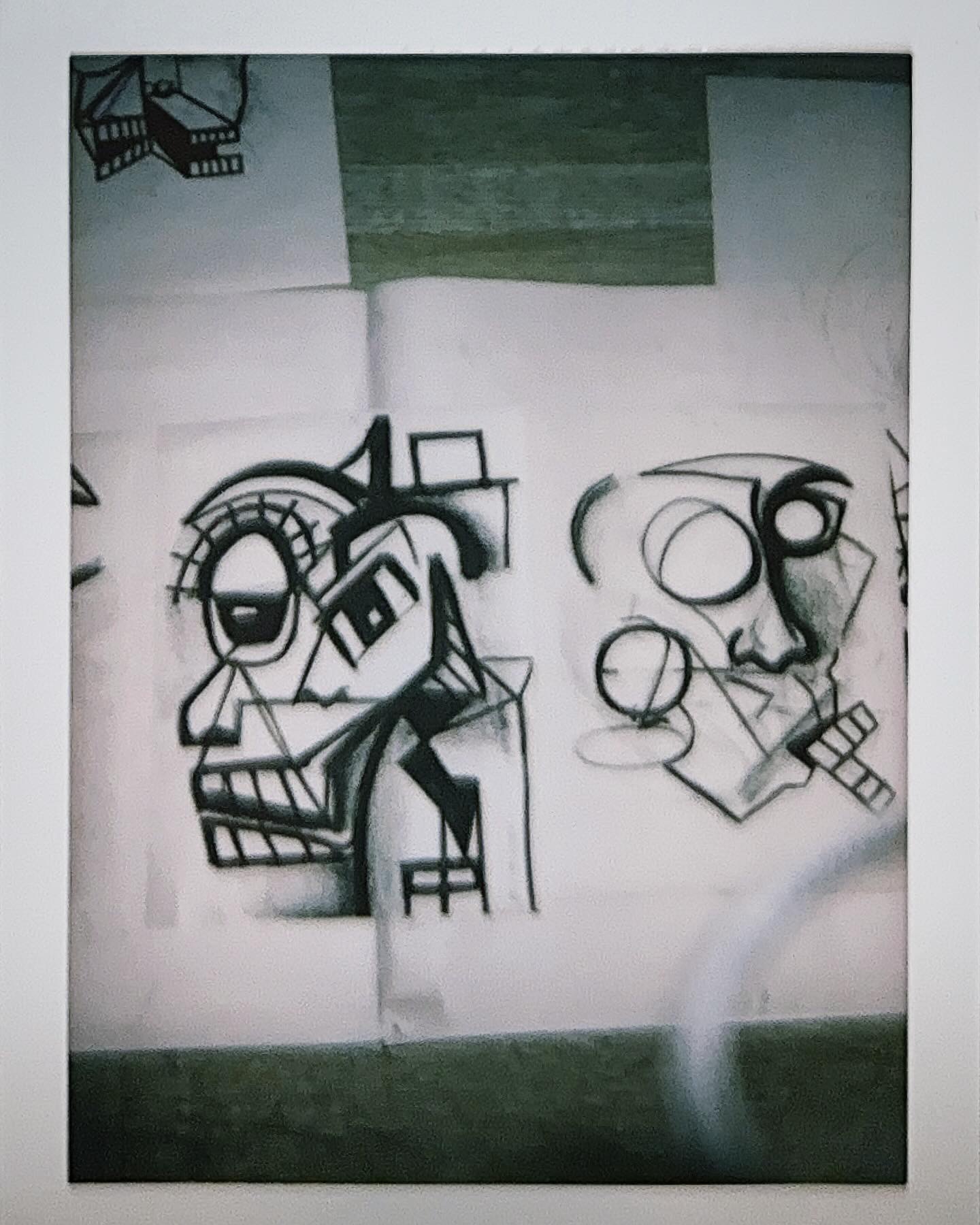
I’m a multidisciplinary artist working across painting, photography, mixed media, and visual storytelling. My practice mainly centers around abstraction, emotion, memory, and human behavior. I’m interested in how feelings, tension, and lived experiences can exist physically through color, texture, layering, distortion, and composition. A lot of my work explores the balance between chaos and clarity, creating pieces that feel emotionally recognizable even if they can’t be explained directly.
Beyond creating my own work, I’ve also been involved in exhibition preparation, curatorial projects, studio assistance, and art handling, which has given me a deeper understanding of how artwork exists both inside and outside the studio. I think being involved in those spaces has shaped the way I approach making work and understanding its relationship to people and environment.
What I’m most proud of is staying committed to developing an honest visual language instead of chasing trends or forcing work to feel overly polished. I’ve learned to trust experimentation and emotion more over time, and I think that vulnerability shows through the work itself.
I’d say what sets me apart is the way I combine emotional sensitivity with structure. My work pulls from a lot of different influences — music, psychology, film, memory, everyday environments — but I try to translate those things into something that feels human first. Whether through painting, photography, or installation, I want the work to leave people feeling seen, reflective, or emotionally aware in some way.
Can you talk to us about how you think about risk?
I think risk is necessary for growth, especially in creative fields. Art requires vulnerability, uncertainty, and the willingness to make something before you fully know how it will be received. If you only operate from comfort or certainty, it becomes difficult to discover anything new about yourself or your work.
A major risk for me has been fully committing to the idea of building a life around art and creativity. Choosing to pursue art seriously means accepting a lot of unpredictability financially, emotionally, and personally. There have been moments where I’ve had to trust my instincts without having a guaranteed outcome, whether that meant putting my work out publicly, stepping into unfamiliar professional spaces, taking on opportunities before feeling fully ready, or planning major life transitions after graduation. At the same time, I don’t think risk always has to look dramatic. Sometimes risk is simply being honest in your work, trusting your perspective, or allowing yourself to evolve publicly. I think the creative process itself is an act of risk-taking because you’re constantly confronting uncertainty while still choosing to move forward.
Pricing:
- Inquire me through [email protected] or my Instagram @ryanwalker__ for listing/pricing questions
Contact Info:
- Website: https://walkeryan.myportfolio.com/work
- Instagram: @ryanwalker__
Popular
-

Hidden Gems: Local Businesses & Creatives You Should Know
-

ATL’s Most Inspiring Stories
-

Portraits of Atlanta
-
Natasha Dillard on Redefining Beauty Standards and Empowering Women Through Unapologetic Self-Expression
-
Darren Paltrowitz on Blending Investigation, Media, and Culture to Uncover the Stories Behind the Stories
-
Naeemah Jade on Redefining Networking Through Trust, Proximity, and Intentional Community