





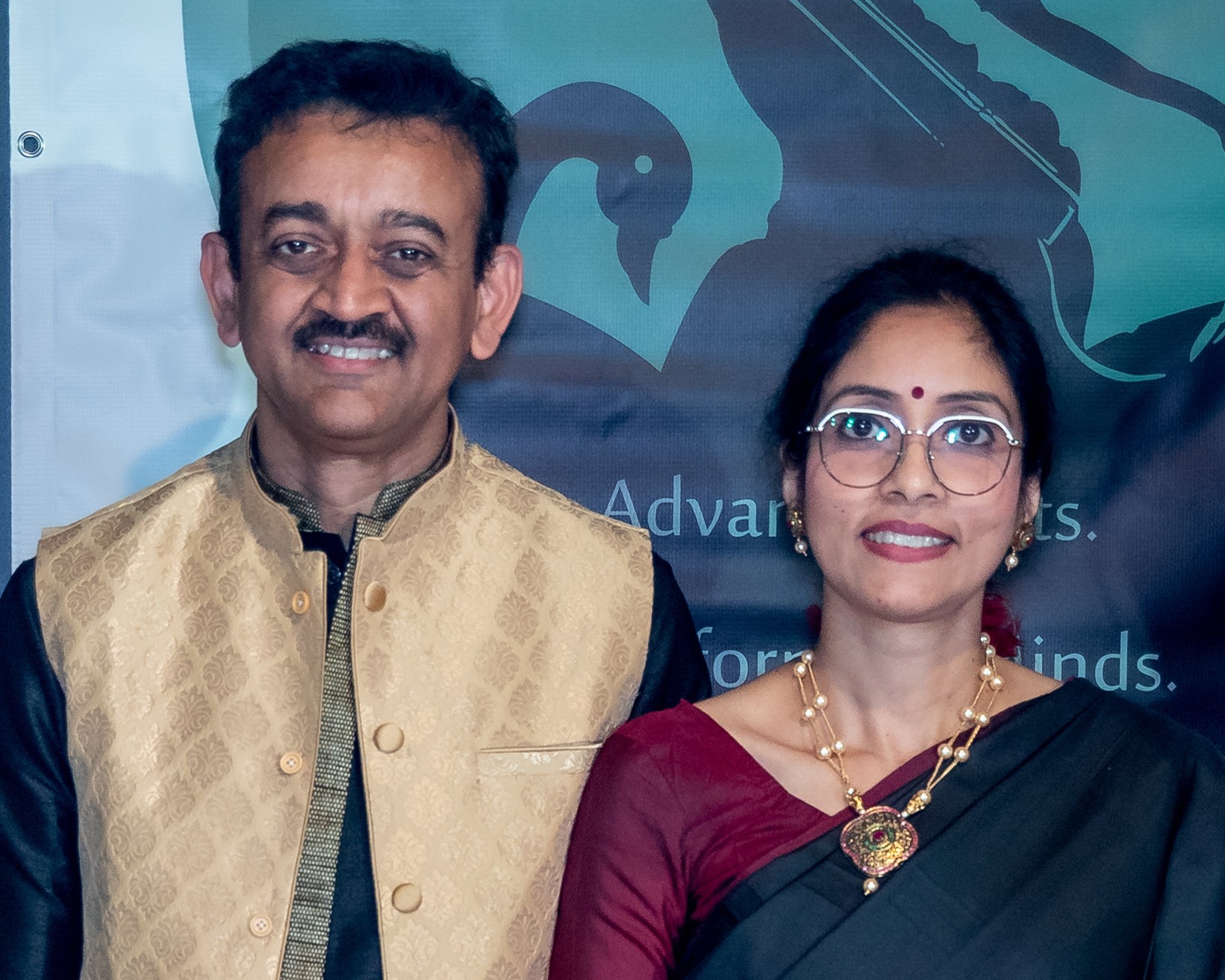
Today we’d like to introduce you to Anamika And Parag Pal.
Anamika and Parag, we appreciate you taking the time to share your story with us today. Where does your story begin?
Our journey began very humbly in 2015, right from our home, with just one student and a deep passion for Indian classical music. What started as a small effort to share this beautiful art form quickly grew through word of mouth and community interest. By 2016, we took a big step forward and opened our own studio in Cumming, Georgia.
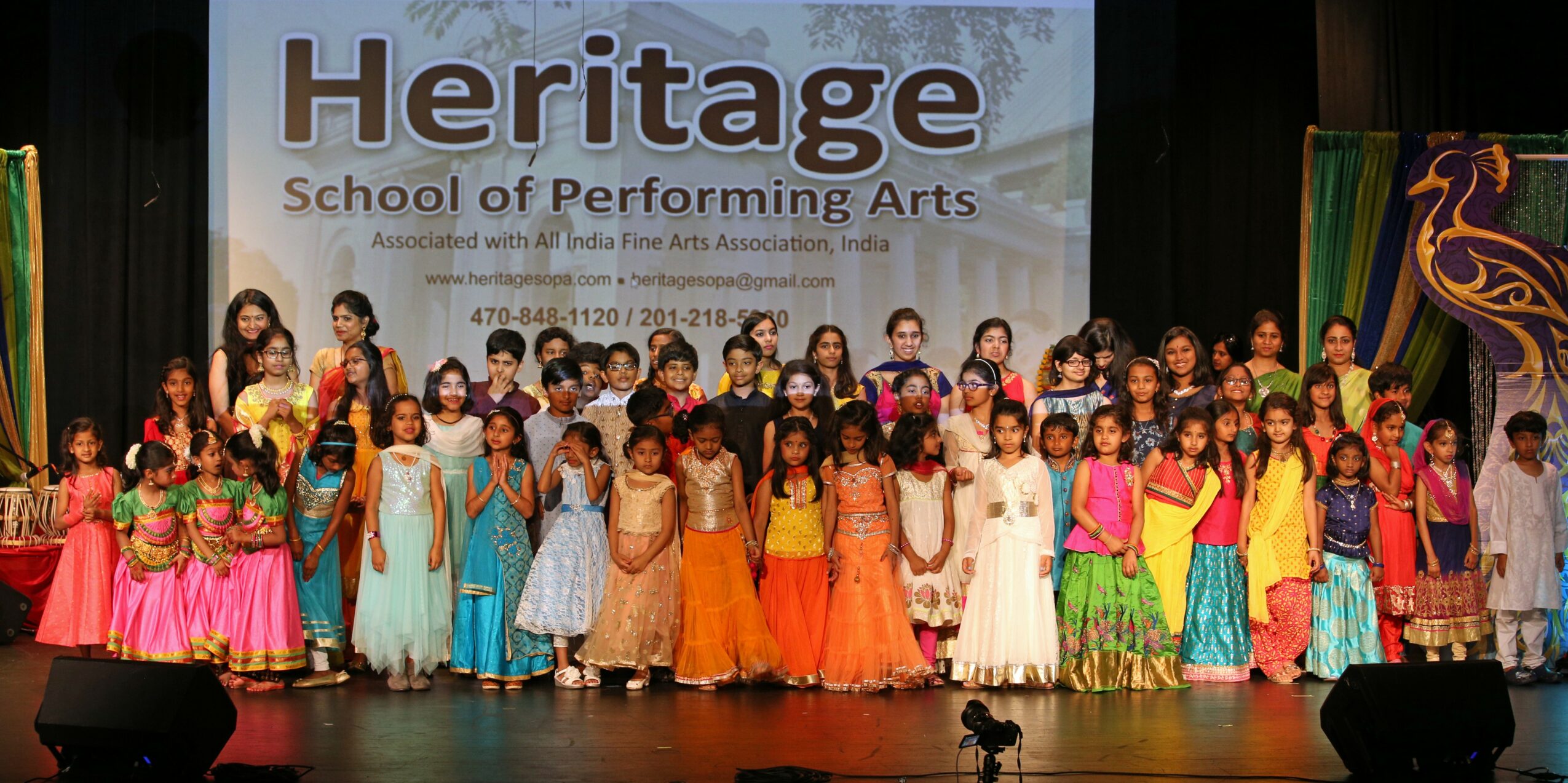
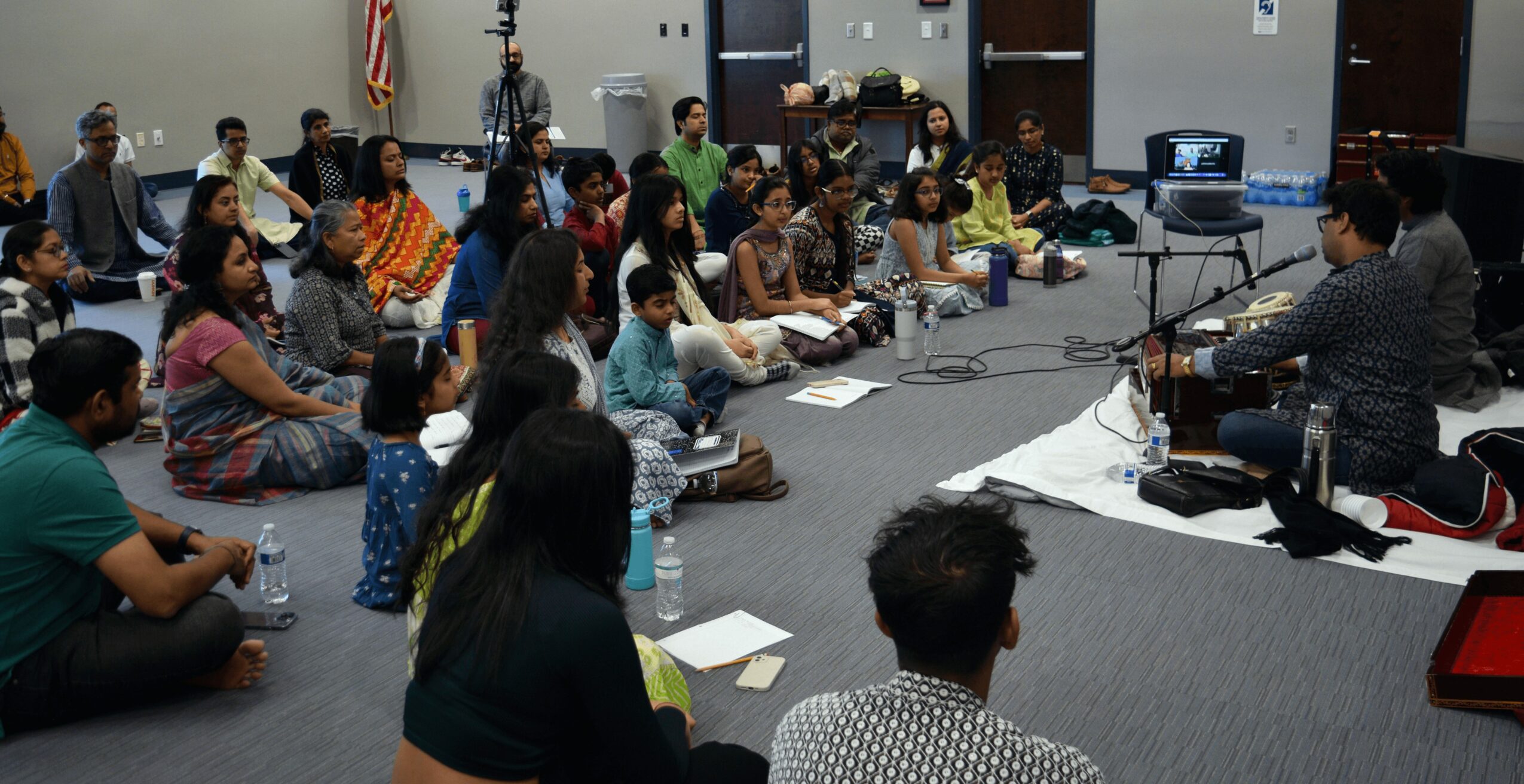
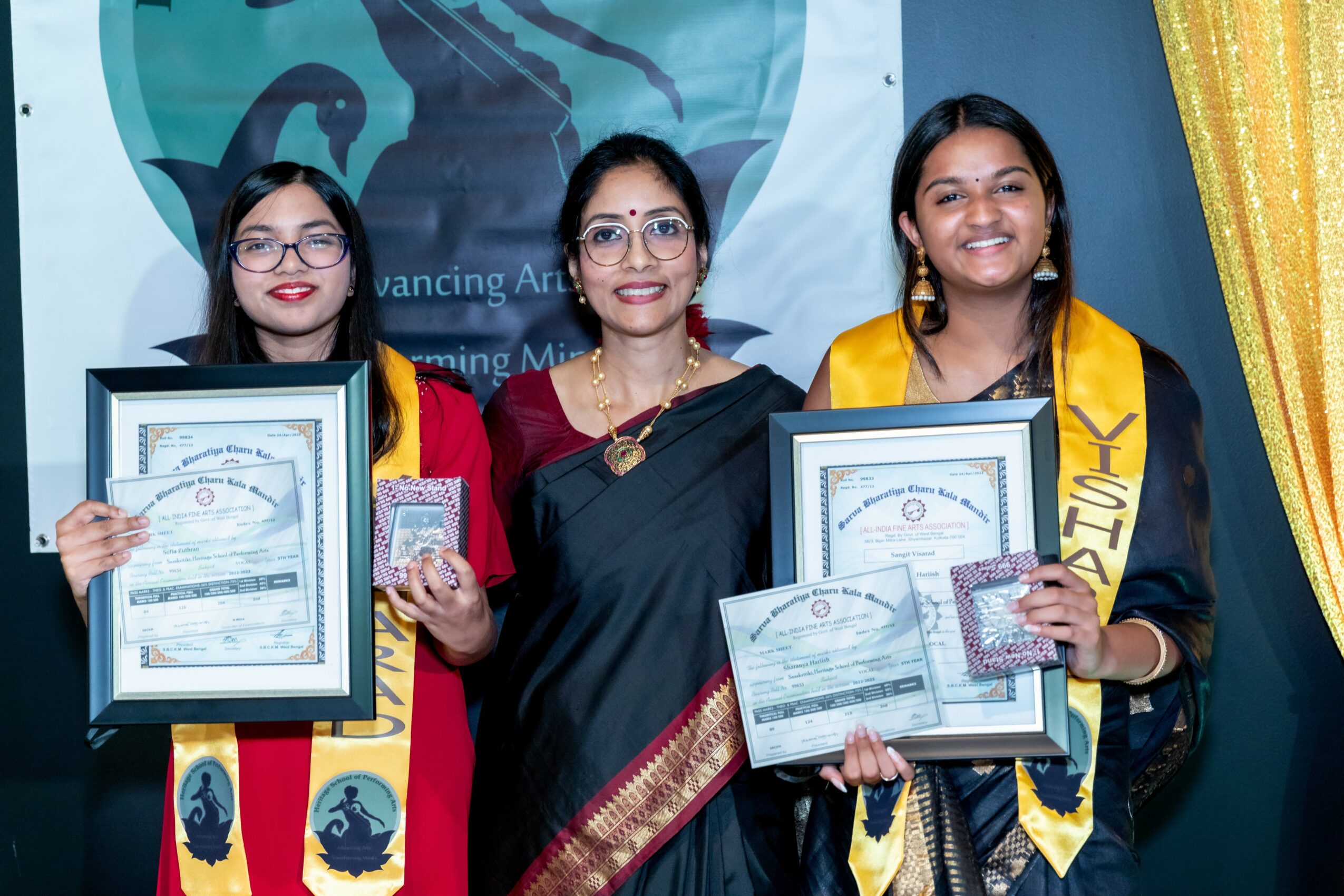
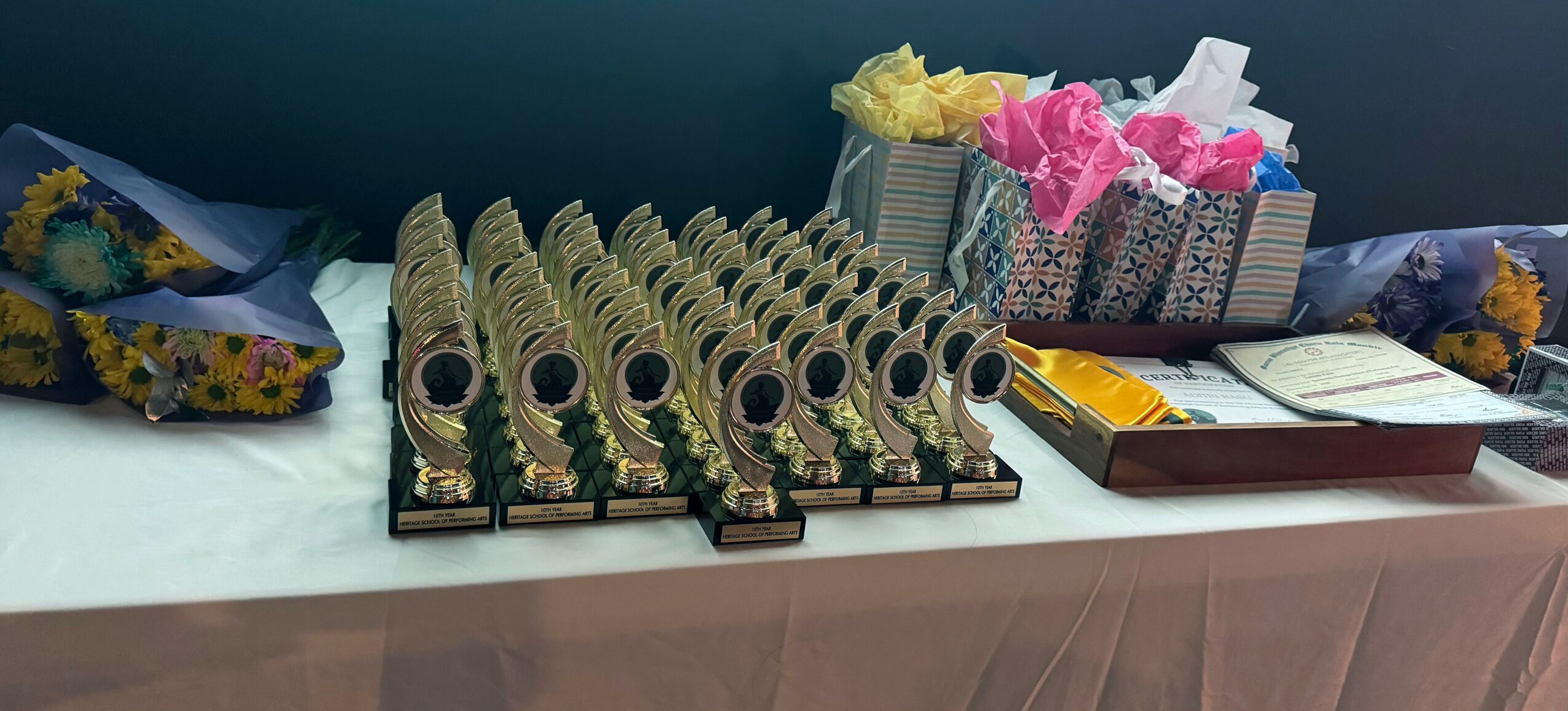
Over the past decade, we’ve been fortunate to train over 400 students—both children and adults—helping them discover not just music, but a deeper connection to culture and self-expression.
At the heart of our growth is our mission: to promote the richness of Indian classical music and dance, and to preserve and share India’s cultural heritage within the multicultural fabric of the United States. We focus especially on Hindustani, Carnatic classical, Tabla, Piano, Guitar and Dance traditions, while also encouraging students to explore a wide range of genres.
Our tagline, ‘Advancing Arts. Transforming Minds.’, reflects what we truly believe—that music is more than performance; it’s a transformative journey. Indian classical and light music brings inner peace, builds confidence, and helps students develop focus and resilience in today’s fast-paced world.
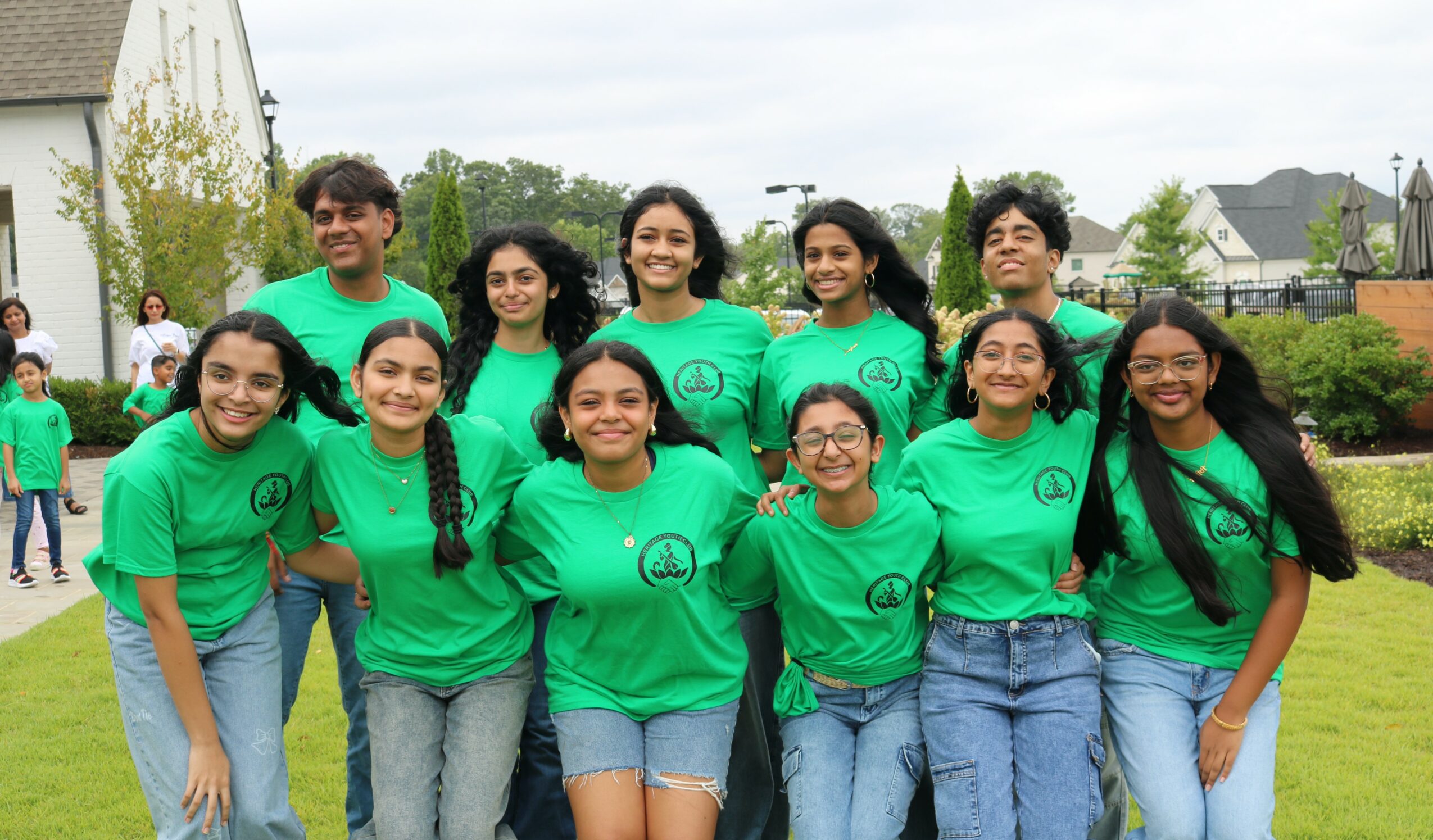
As we grew, we also felt a strong responsibility to give our students a larger purpose beyond learning. That led to the foundation of the Heritage Youth Club, our non-profit initiative dedicated to empowering young students to serve the community through music and the arts. Through this platform, our students perform at cultural, social, and community events, using their talent to spread joy, build connections, and make a positive impact.
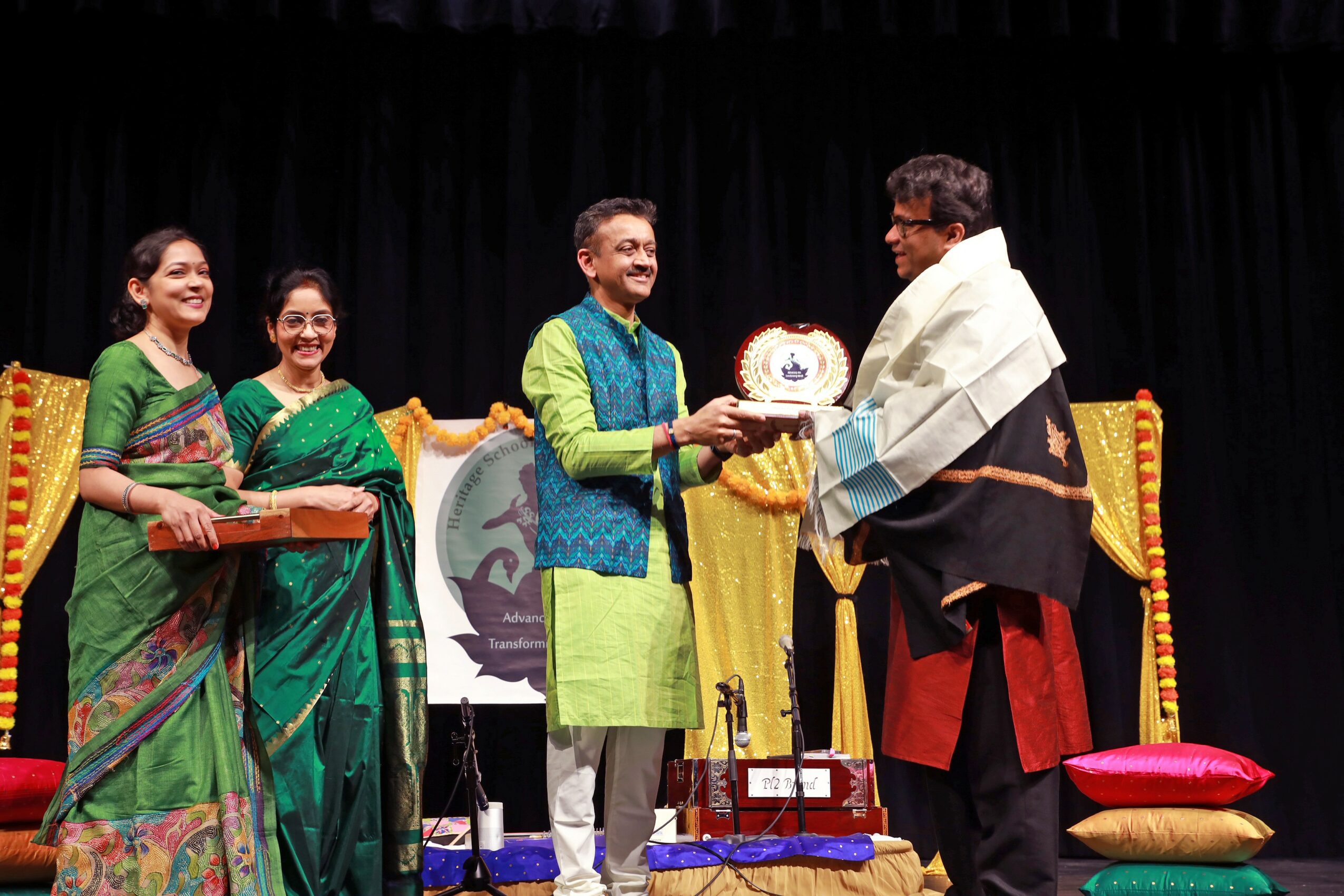
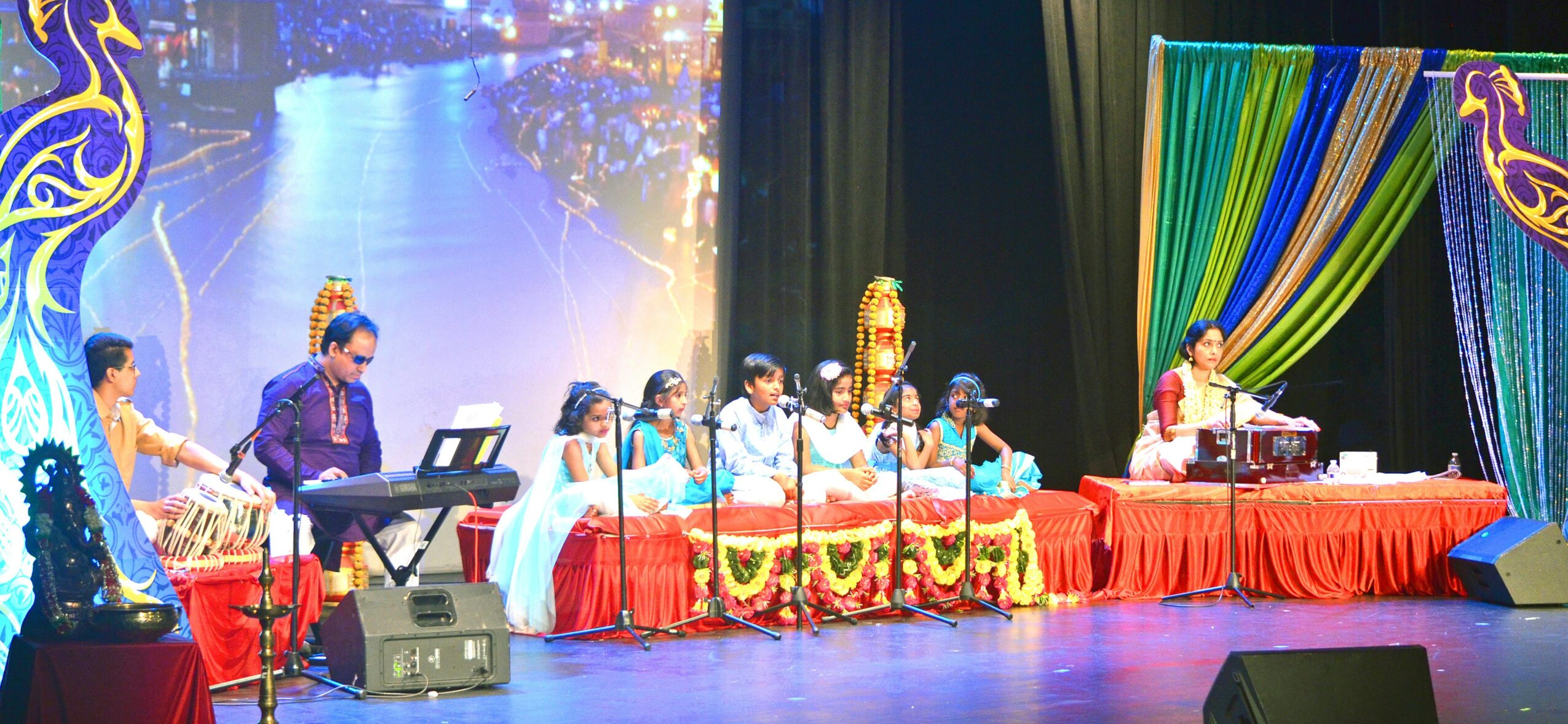
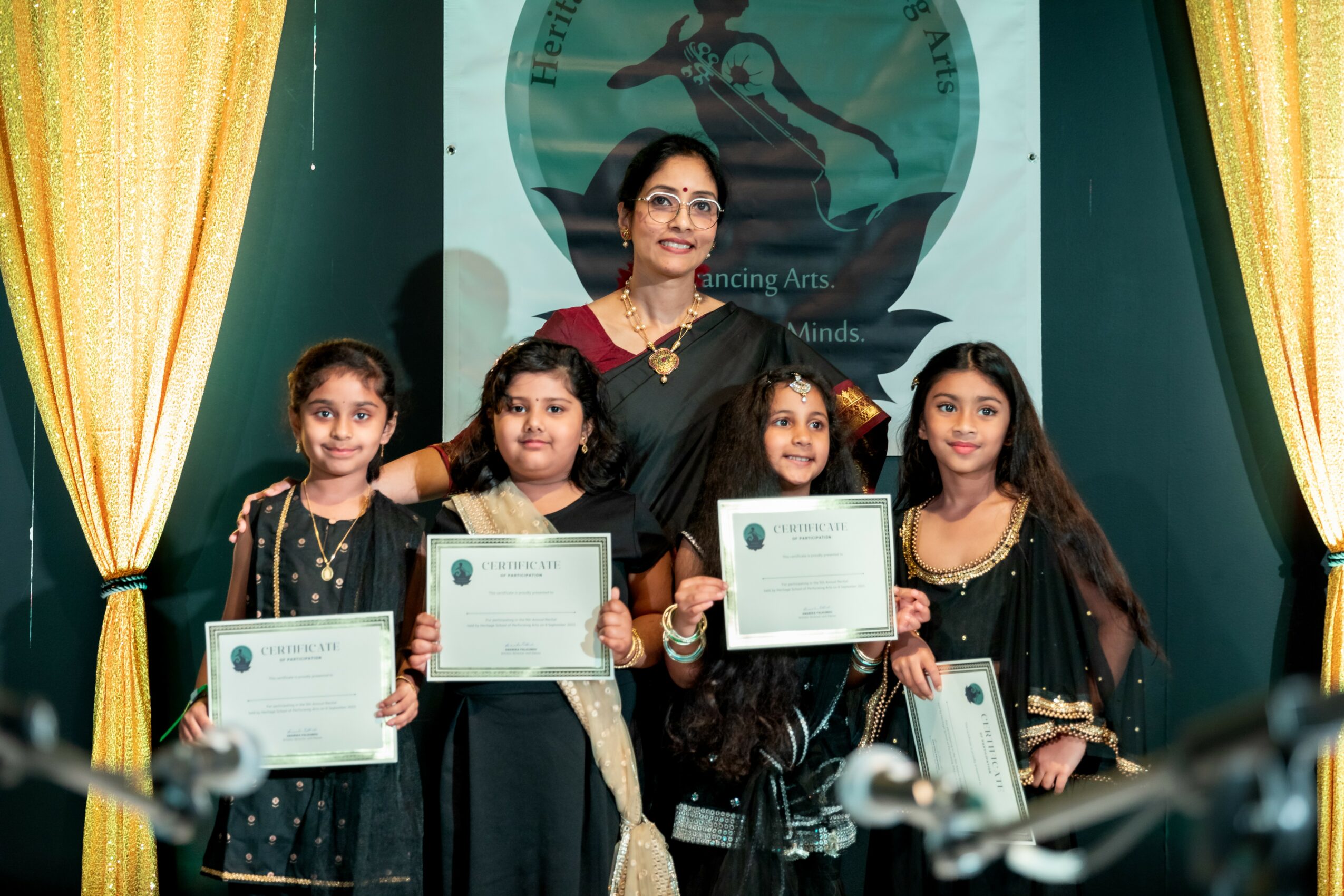
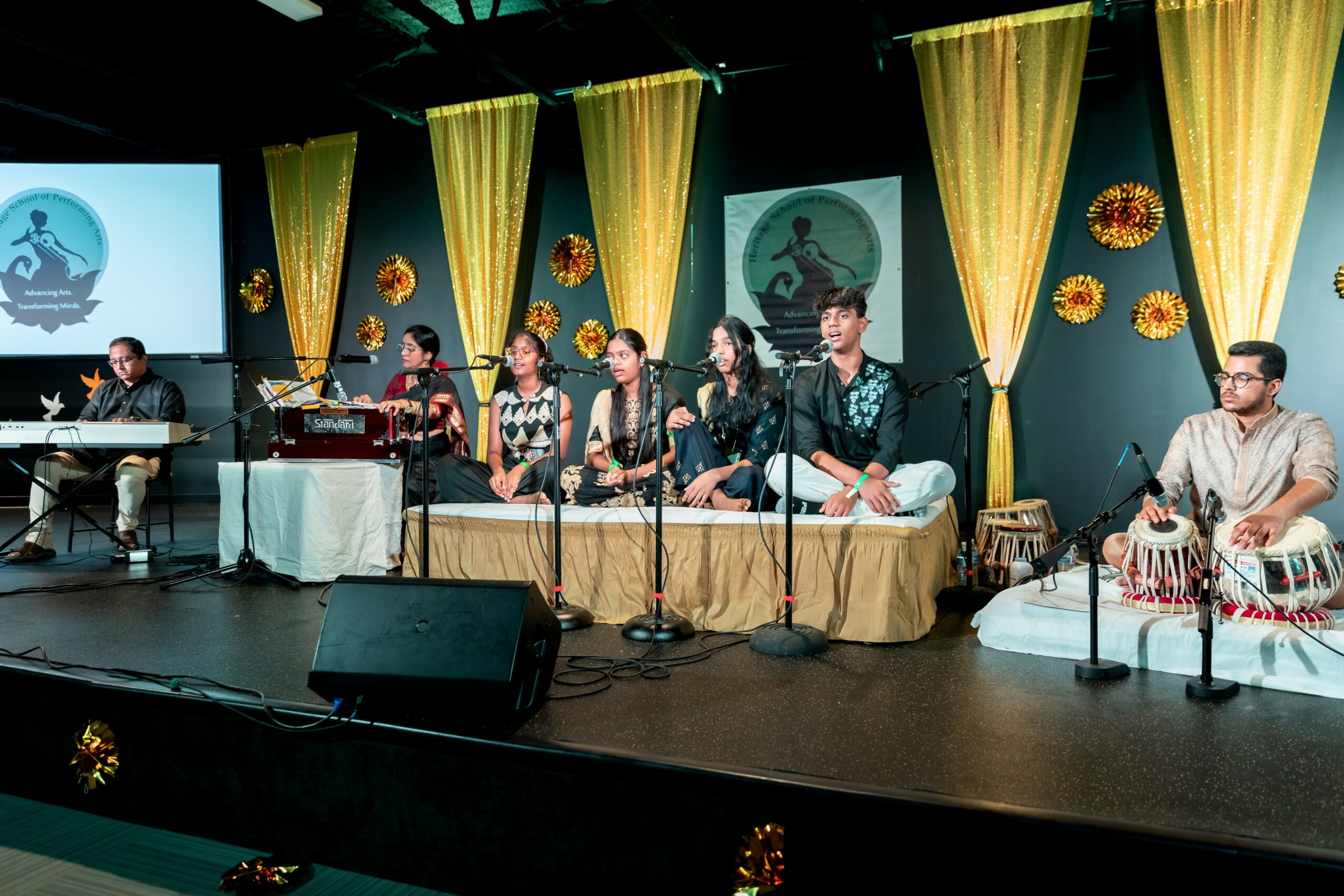
What has truly shaped our journey is not just teaching music, but building a community. Through recitals, concerts, workshops, and now through the Youth Club, we’ve created meaningful opportunities for students to perform, lead, and give back.
Today, even though we are thousands of miles away from India, we take pride in helping our students stay rooted in their heritage while growing into confident, expressive, and socially responsible individuals. That’s been the driving force behind where we are today—and where we’re headed next.
I’m sure it wasn’t obstacle-free, but would you say the journey has been fairly smooth so far?
It definitely hasn’t been a completely smooth road—and in many ways, the challenges are what shaped who we are today.
When we started in 2015, teaching from home with just one student, the biggest challenge was simply building awareness and trust. Indian classical music is a deeply rich art form, but in a fast-paced environment like the U.S., it’s not always the first choice for families. We had to patiently educate parents and students about its long-term value—not just as music, but as a discipline that builds focus, confidence, and emotional strength.
In the early days, growth was slow. There were moments of uncertainty—wondering if this would truly sustain, if more students would come, and how we could expand while maintaining quality. Transitioning from a home setup to opening our own studio in 2016 was a big leap of faith. It came with financial risks, operational challenges, and the pressure of building something stable from the ground up.
Another challenge has been balancing tradition with modern expectations. We are deeply rooted in classical forms like Hindustani and Carnatic music, Tabla, which require patience and long-term commitment. At the same time, today’s students are exposed to faster, more instant forms of learning and entertainment. Finding ways to keep them engaged while staying authentic to the tradition has been an ongoing journey.
And then there were broader challenges—like keeping students connected to their cultural roots while growing up in a completely different environment. That’s something we’ve had to be very intentional about, not just through teaching, but by creating experiences—recitals, concerts, and community events—that make them feel proud of their heritage.
In fact, one of the outcomes of these challenges was the creation of the Heritage Youth Club. We realized that students needed more than just classes—they needed purpose and a platform. The Youth Club gave them an opportunity to step out, perform, serve the community, and see the impact of their art beyond the classroom.
Looking back, every challenge pushed us to think bigger and stay more committed to our mission. It wasn’t always easy, but it’s been incredibly meaningful—and that’s what makes the journey so rewarding.
Can you tell our readers more about what you do and what you think sets you apart from others?
Professionally, we come from corporate backgrounds, where we’ve spent years working in areas like program management, delivery leadership, and cross-functional collaboration. Our work typically involves leading complex initiatives, driving execution, and bringing together diverse teams to achieve shared goals. We specialize in building structure, creating scalable processes, and delivering outcomes in fast-paced, high-accountability environments.
What we’re known for in the corporate world is reliability, clarity in execution, and the ability to navigate complexity while keeping teams aligned and motivated. We focus a lot on problem-solving, continuous improvement, and delivering value consistently.
But what we’re most proud of is how we’ve been able to extend those same skills beyond our professional careers into something deeply meaningful—building the Heritage School of Performing Arts. What started as a passion has grown into a platform that has impacted hundreds of students and families.
What truly sets us apart is this unique combination of structure and soul. On one hand, we bring the discipline, organization, and strategic thinking from our corporate experience. On the other hand, we bring a deep passion for Indian classical music and cultural preservation. That blend allows us to not only teach music effectively, but also build a strong, sustainable, and community-driven institution.
We’re especially proud of creating not just a school, but an ecosystem—through our training programs, community events, and the Heritage Youth Club—where students don’t just learn music, but grow in confidence, cultural identity, and purpose. Being able to balance both worlds—corporate and creative—and make a meaningful impact through each, is something we truly value.
How do you define success?
For us, success is not just about numbers or milestones—it’s about impact and transformation.
Of course, we’re grateful that over the years we’ve grown from one student to a community of 400+ learners. But true success, for us, is when a student who walks in shy and unsure walks out confident, expressive, and proud of their identity.
We define success by the lives we’re able to touch—when students develop discipline, find inner peace through music, and build the confidence to perform not just on stage, but in life. It’s also about helping them stay connected to their cultural roots, even while growing up in a completely different environment.
Another important part of success for us is purpose. Through initiatives like the Heritage Youth Club, when we see our students using their talent to serve the community, spread joy, and make a difference—that’s incredibly meaningful.
Coming from corporate backgrounds, we understand goals, metrics, and outcomes. But through this journey, we’ve learned that real success lies in creating something that outlives you—something that builds people, strengthens communities, and keeps culture alive.
So, if we had to define it simply—success is when what you do positively transforms lives, including your own.
Contact Info:
- Website: https://www.heritagesopa.com
- Instagram: https://www.instagram.com/heritagesopayouthclub
- Facebook: https://www.facebook.com/heritagesopa/
- Youtube: https://youtube.com/@heritageschoolofperformingarts
Popular
-

Hidden Gems: Local Businesses & Creatives You Should Know
-

ATL’s Most Inspiring Stories
-

Portraits of Atlanta
-

Natasha Dillard on Redefining Beauty Standards and Empowering Women Through Unapologetic Self-Expression
-

Darren Paltrowitz on Blending Investigation, Media, and Culture to Uncover the Stories Behind the Stories
-

Naeemah Jade on Redefining Networking Through Trust, Proximity, and Intentional Community