


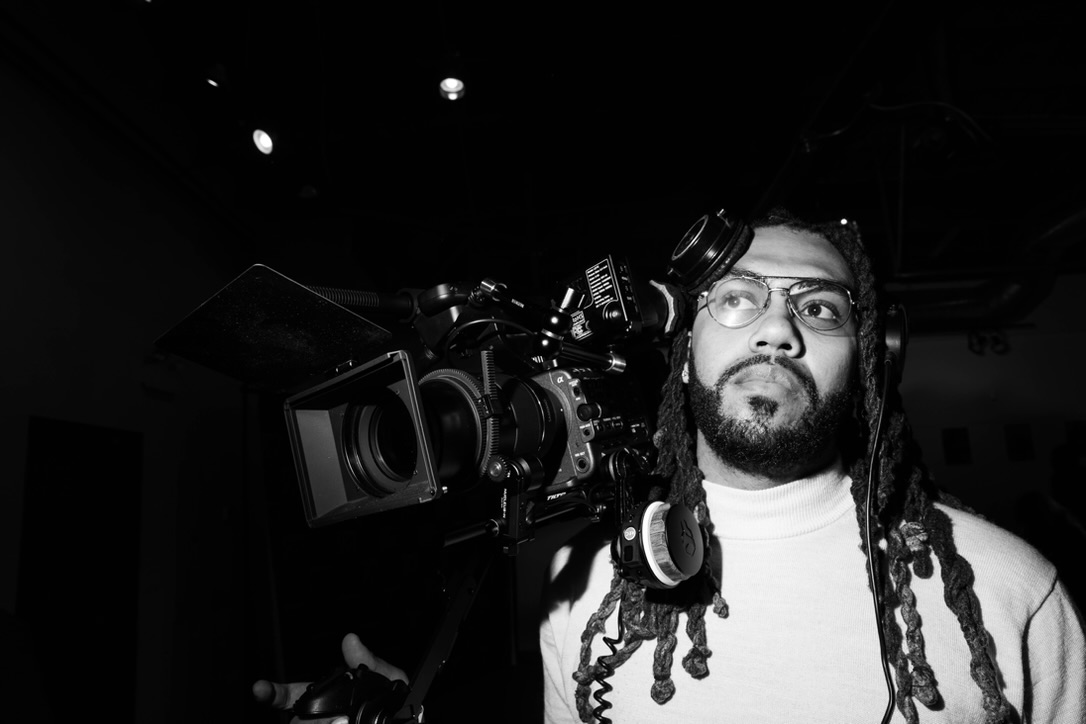
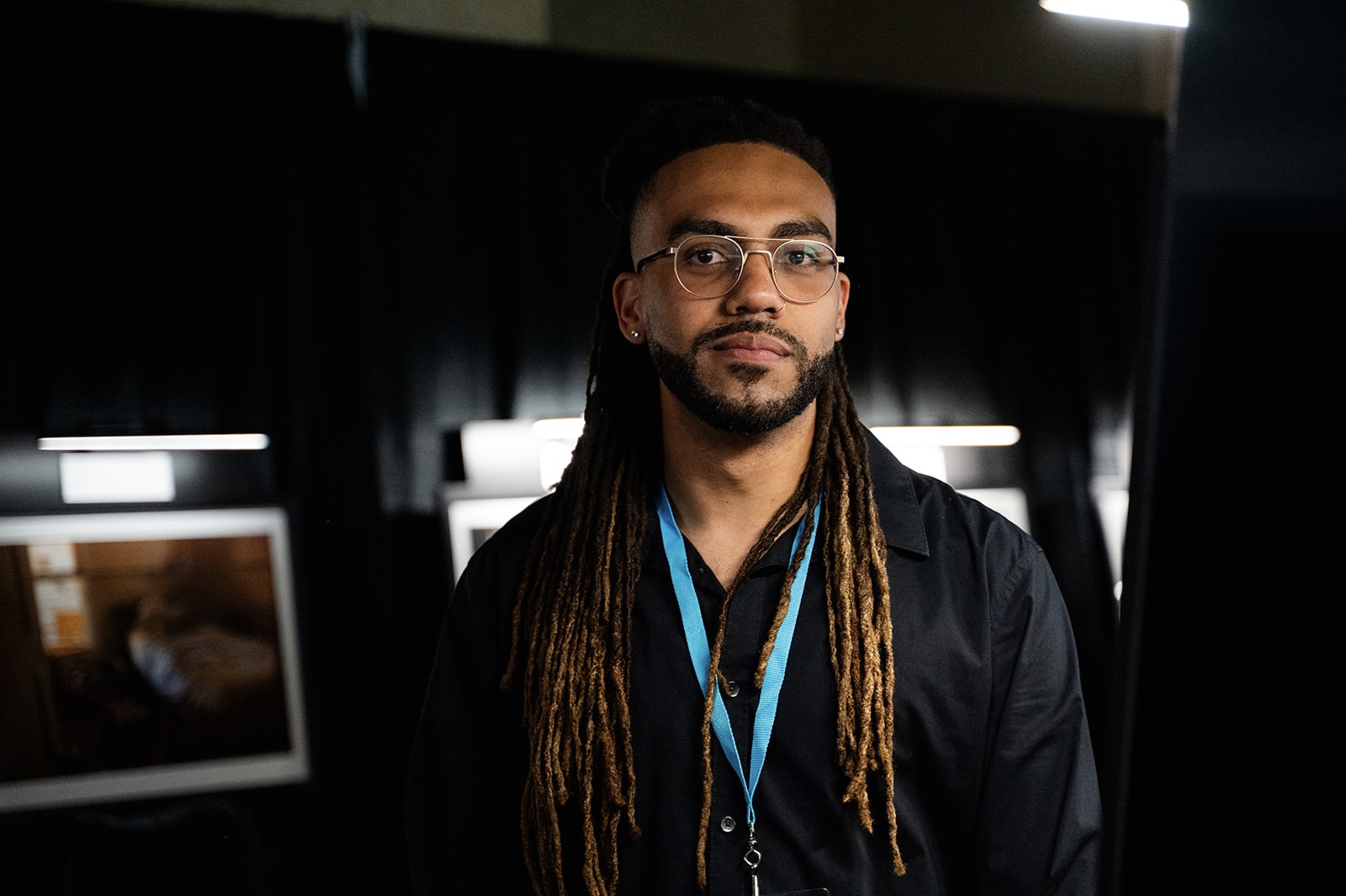
Today we’d like to introduce you to Kai Lendzion.
Hi Kai, so excited to have you with us today. What can you tell us about your story?
I’ve always been drawn to storytelling. Long before I understood the technical side of filmmaking, I was fascinated by the way a single image could make someone feel something. That curiosity eventually turned into an obsession with cameras, photography, and film, and I’ve been pursuing that ever since.
I studied filmmaking at Ringling College of Art and Design, where I had the opportunity to immerse myself in every aspect of production. Like most people starting out, I wore every hat imaginable, shooting, directing, editing, recording sound, and learning by doing. Those early years taught me that no job is too small when you’re trying to become a better storyteller.
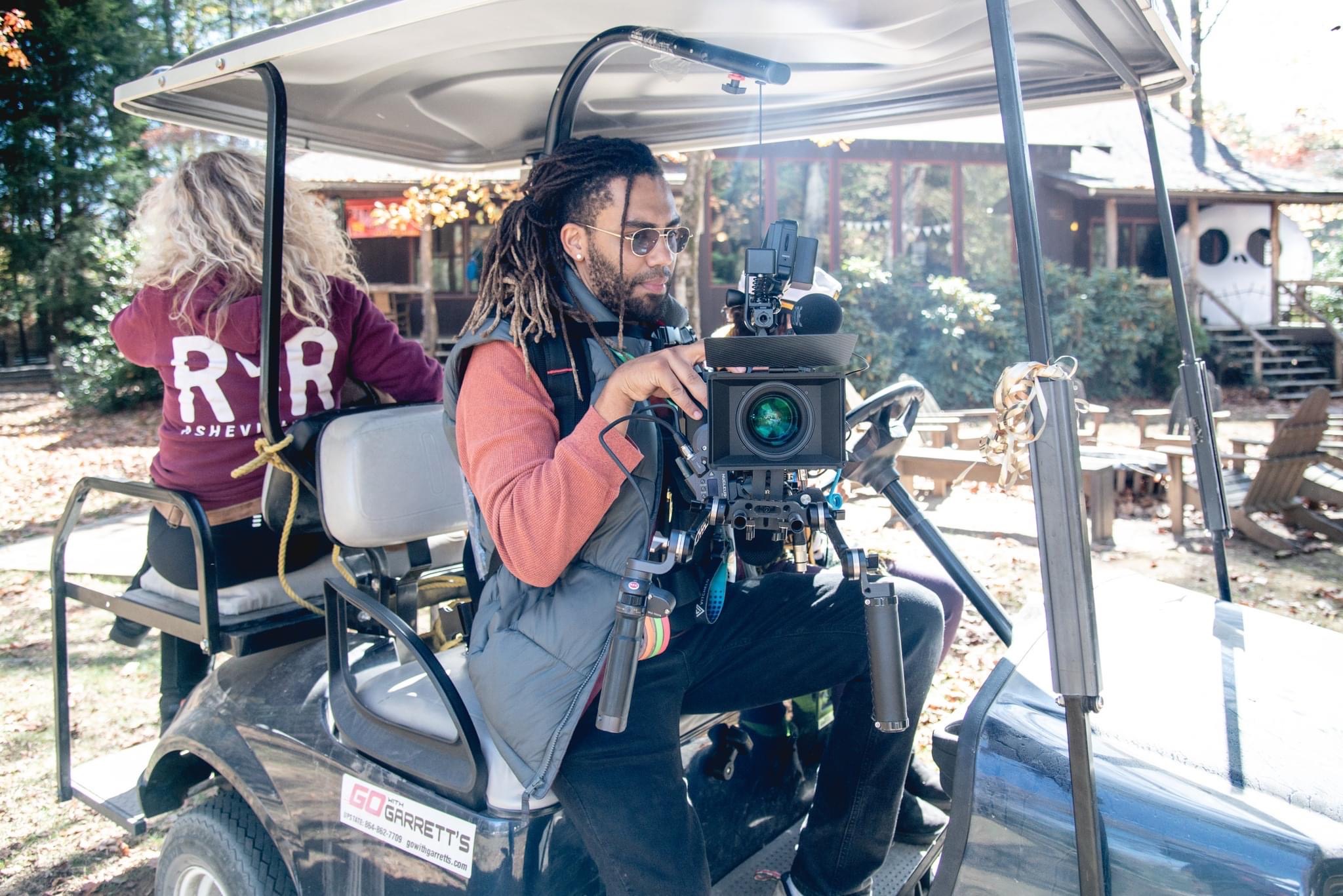
After graduating, I built my career from the ground up, taking on projects of every size. I worked in narrative films, documentaries, commercials, television, music videos, and photography, often moving between roles as a director, director of photography, camera operator, and editor. Every project introduced me to new people, new challenges, and new ways of seeing the world.
One thing that has remained constant is that I’ve always been more interested in people than in cameras. The technology changes every year, but the heart of filmmaking doesn’t. Whether I’m creating a commercial for a global brand, documenting an important social issue, or telling the story of someone whose voice might not otherwise be heard, my goal is always the same. I want to create something honest that connects with people emotionally.
Some of the work I’m most proud of has centered around stories that matter beyond the screen. Projects that explore social justice, community, resilience, and the human experience have always resonated with me. I believe film has a unique ability to build empathy. It gives us the opportunity to step into someone else’s world, even if only for a few minutes. If a project can start a conversation, challenge assumptions, or help someone see a different perspective, then I think it’s done something meaningful.
Over the years I’ve been fortunate to work with incredible clients and productions, from independent filmmakers to internationally recognized brands and networks. Those opportunities have been rewarding, but what I’m most proud of is earning the trust of the people whose stories I get to tell. That’s something I never take for granted.
Today my work spans commercial filmmaking, documentaries, branded content, photography, and original films. I’m especially drawn to projects that combine strong visual storytelling with meaningful human stories. Whether I’m directing, serving as director of photography, or collaborating with a creative team, I want every project to leave people feeling something after the screen goes dark.
Looking back, my path hasn’t been a straight line, and I think that’s actually been one of my greatest strengths. Every role I’ve taken and every project I’ve worked on has helped me become a more thoughtful filmmaker and collaborator. At the end of the day, I’m still motivated by the same thing that got me started. I want to tell stories that matter, amplify voices that deserve to be heard, and create images that stay with people long after they’ve seen them.
I’m sure it wasn’t obstacle-free, but would you say the journey has been fairly smooth so far?
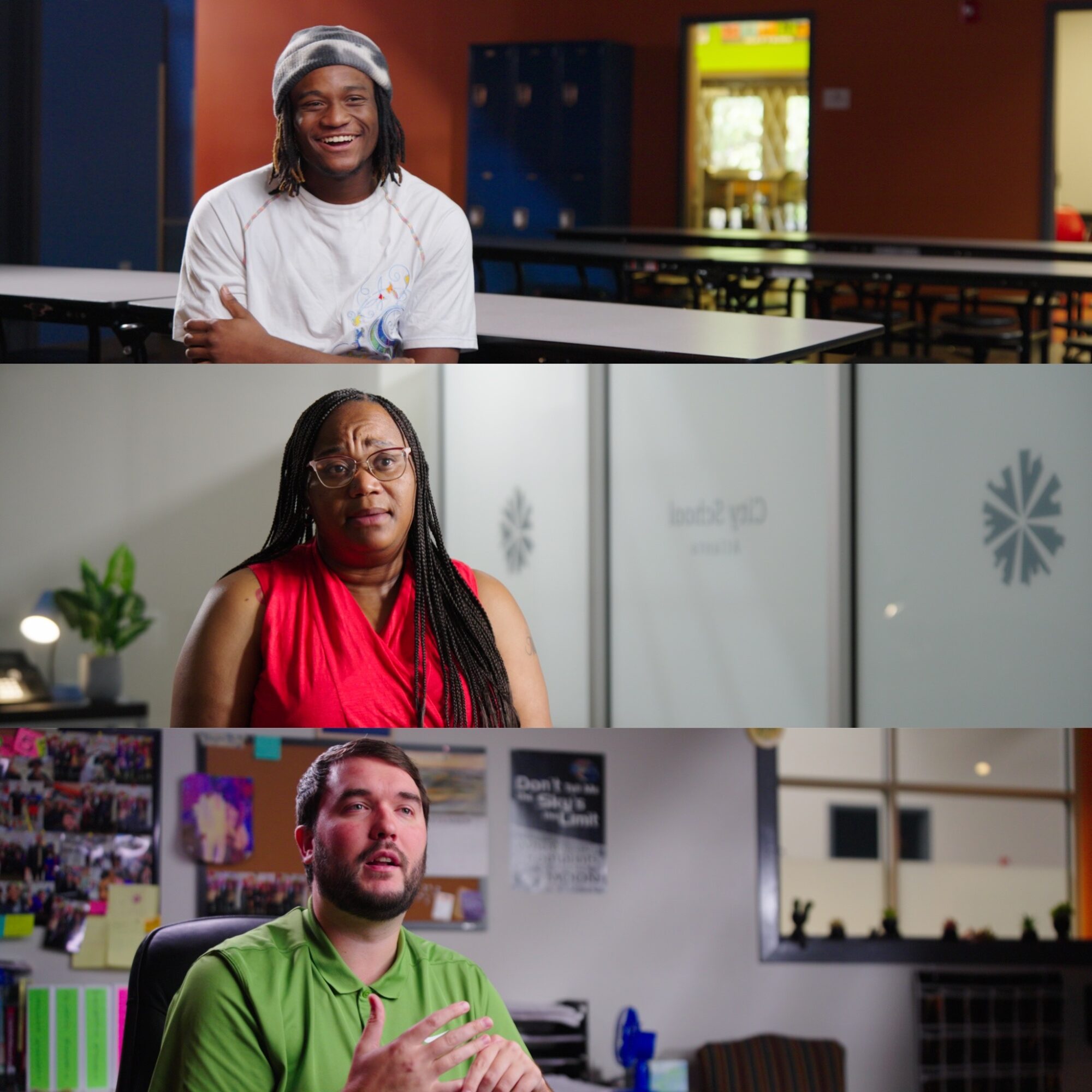
I’d say overall, it’s always fluctuating. Documentary filmmaking is incredibly rewarding, but it’s not a glamorous industry, and it’s certainly not one you get into for the money. These projects often take years to complete, require a lot of patience, and sometimes involve balancing commercial work just to make the documentaries possible.
What has kept me going is believing that the stories are worth it. Some of the most important stories aren’t the ones with the biggest budgets or the widest audiences. They’re the stories that give a voice to people who might otherwise go unheard, shed light on important social issues, or help people see the world from a different perspective. At the end of the day, that’s what makes all of the challenges worthwhile.
Thanks – so what else should our readers know about your work and what you’re currently focused on?
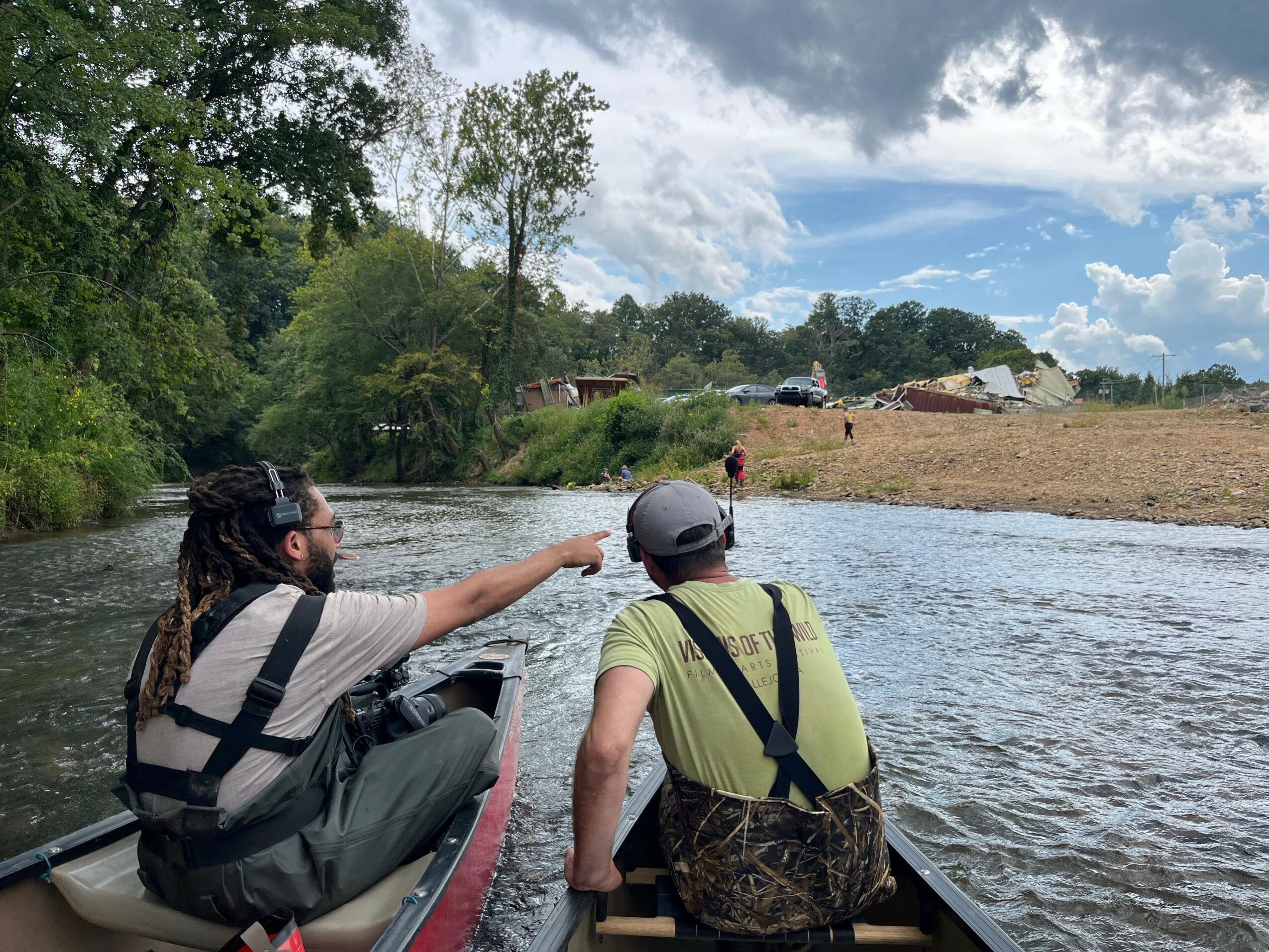
wear a lot of different hats in my career. I’m a director, cinematographer, photographer, and producer, and I enjoy moving between documentary films, feature films, commercial work, music videos, and photography. I’ve had the opportunity to direct multiple feature films, work with internationally recognized brands, and collaborate with nonprofit and humanitarian organizations on projects that have taken me into a wide range of environments and communities. I enjoy that variety because every project brings a different creative challenge.
Photography has always been an important part of my creative process alongside filmmaking. It’s a different pace and a different way of seeing. Some of my favorite images come from everyday, slice-of-life moments, while others come from landscapes, nature, and the places I’ve had the chance to experience through my work. It’s a way for me to stay creative outside of a production environment and continue exploring ideas simply because I enjoy creating. Having my work exhibited publicly has been incredibly meaningful, and seeing one of my films displayed in Times Square was a surreal moment.
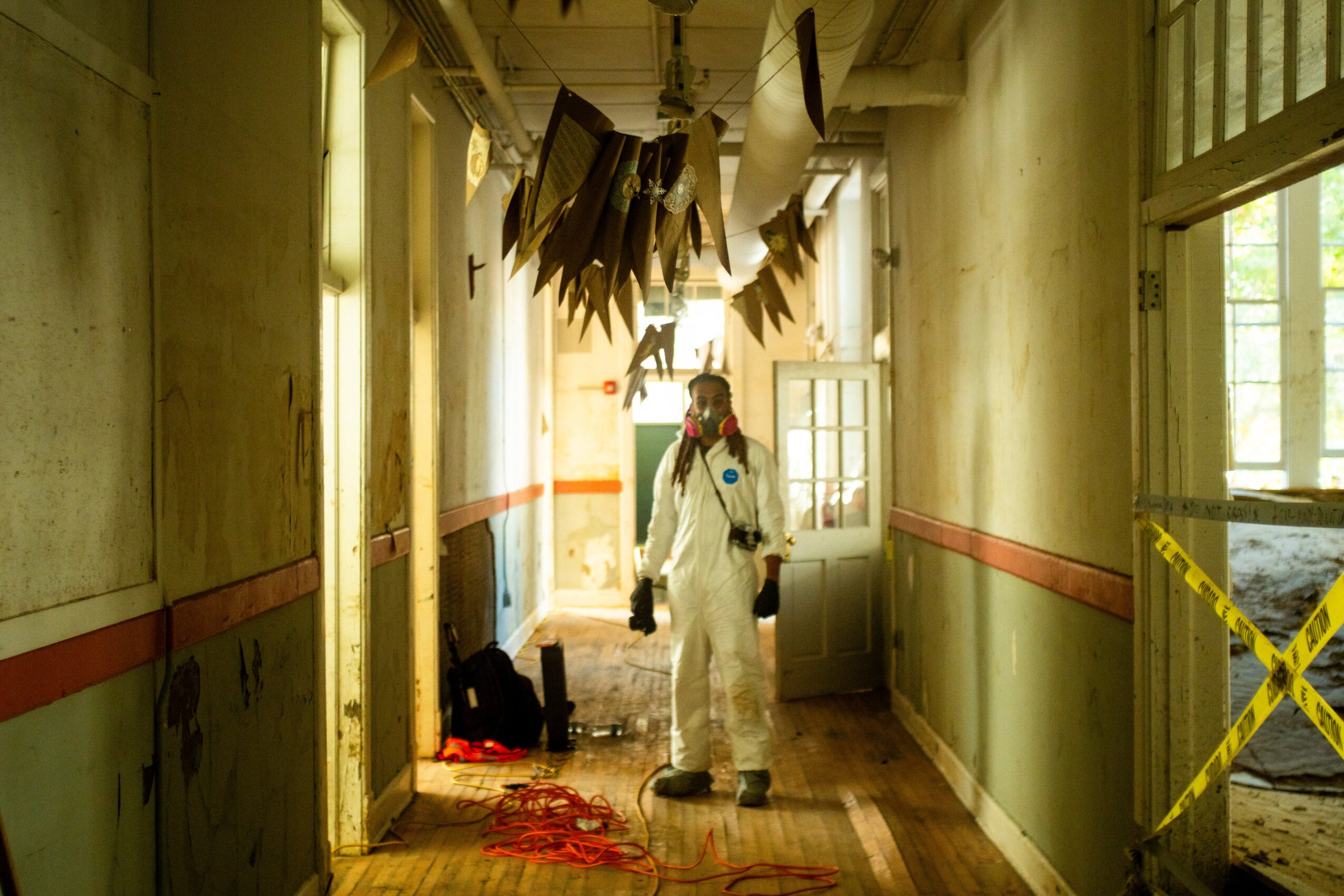
I’m proud of the opportunities I’ve had throughout my career, from directing multiple feature films to collaborating with major brands and receiving international recognition for my cinematography. I’m grateful for those milestones, but some of the projects that mean the most to me have been the ones connected to humanitarian work and documentary storytelling. Those experiences have allowed me to use my craft in a way that goes beyond entertainment and focus on stories that have a real impact.
I think what defines my work is my dedication to the process. I’m someone who genuinely enjoys the craft, whether it’s being on a large production set, working with a small documentary crew, or out with a camera capturing something personal. I care about the details, I care about the people I’m working with, and I always want to keep growing as a filmmaker and artist.
Networking and finding a mentor can have such a positive impact on one’s life and career. Any advice?
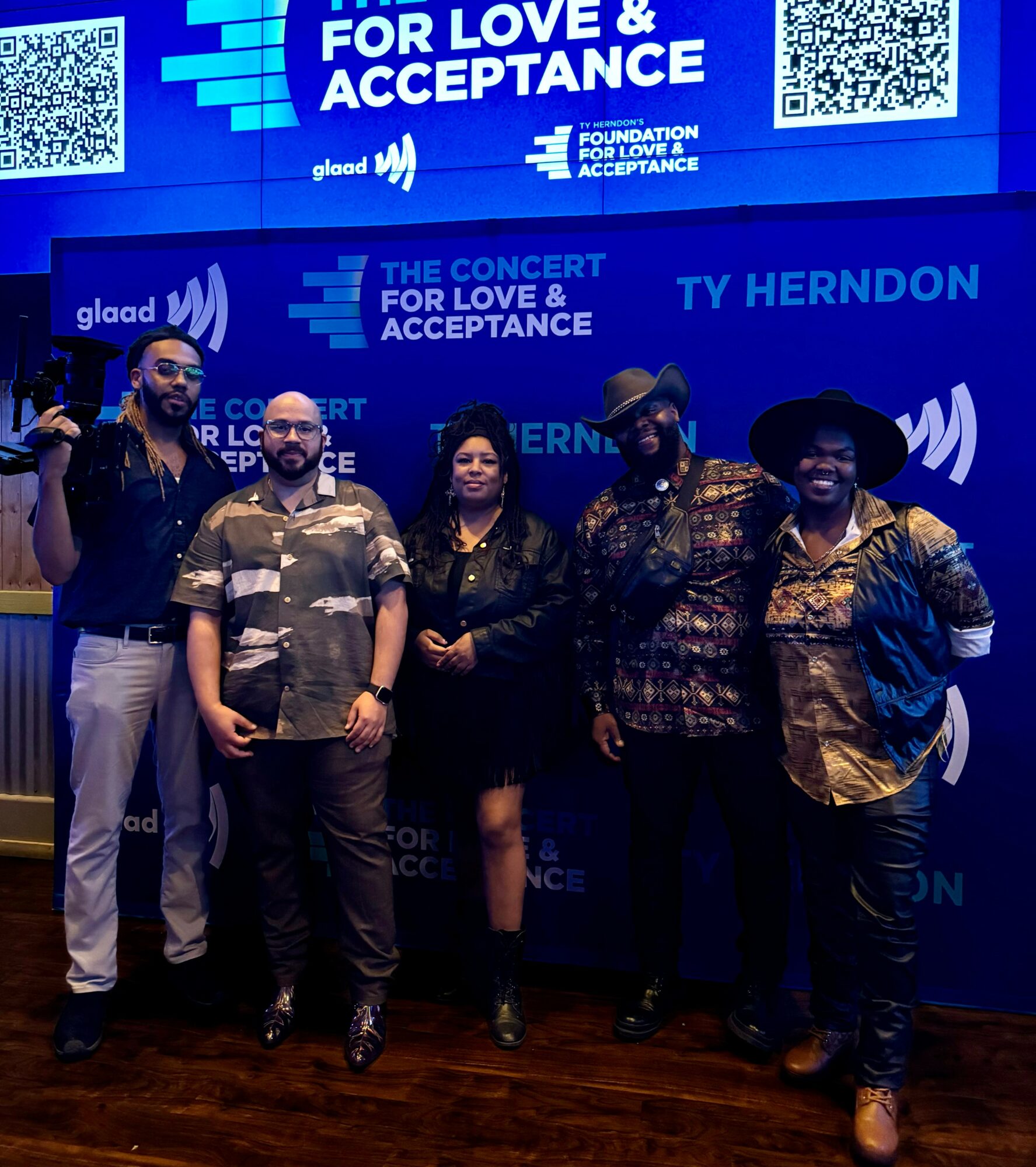
I think filmmaking is one of those industries where networking is a constant part of the process. A lot of the opportunities I’ve had have come from simply being open to conversations and building genuine relationships over time. Some of the people I’ve worked closely with came from unexpected places, whether that was meeting someone through Facebook Marketplace, connecting with someone I happened to sit next to on a plane, or having a random conversation that eventually turned into a collaboration.
My biggest advice is to not think of networking as just trying to get something from someone. The best connections I’ve made came from genuine curiosity and a willingness to learn from other people. Everyone has a different path, and I think there’s always something to take away from another person’s experience, whether they’re just starting out or have been in the industry for decades.
I also think finding a mentor is important, but it doesn’t always have to be a formal relationship. Some of my biggest lessons have come from working alongside people, asking questions, observing how they approach their craft, and staying connected. Filmmaking is constantly evolving, and I feel like I’m always learning something new. Staying humble, showing up, and being willing to keep growing has probably been the most valuable thing for me.
Contact Info:
- Website: https://www.kailendzion.com
- Instagram: https://www.instagram.com/klenz.mp4/
- LinkedIn: https://www.linkedin.com/in/kai-lendzion/

Popular
-

How Kaviar Sundays Is Building a Creative Career Fueled by Purpose, Community, and Staying Focused
-

Hidden Gems: Local Businesses & Creatives You Should Know
-

ATL’s Most Inspiring Stories
-

Portraits of Atlanta
-

How Kimberly D. Worthy Is Redefining Real Estate by Helping People Become Ready From the Inside Out
-
Summer McIntyre Is Building a Career at the Intersection of Sports, Media, Entertainment, and Digital Storytelling