





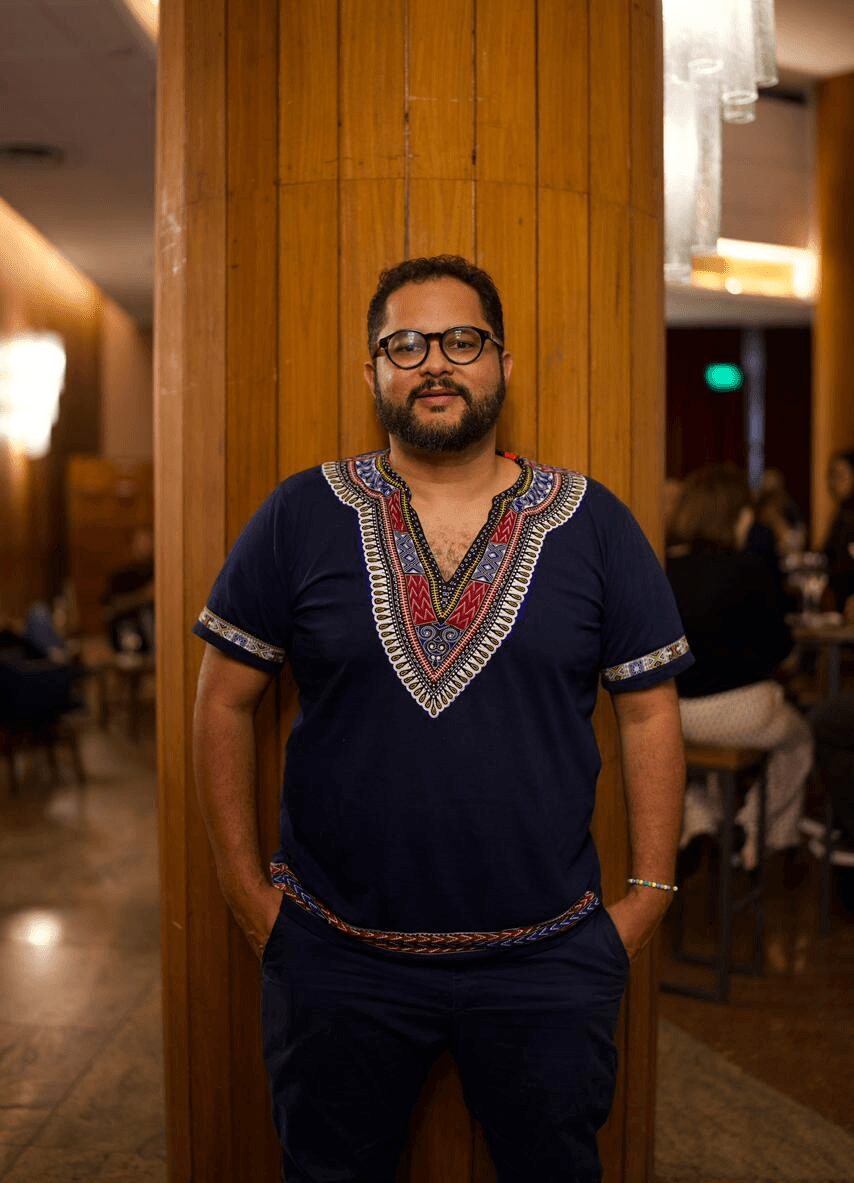
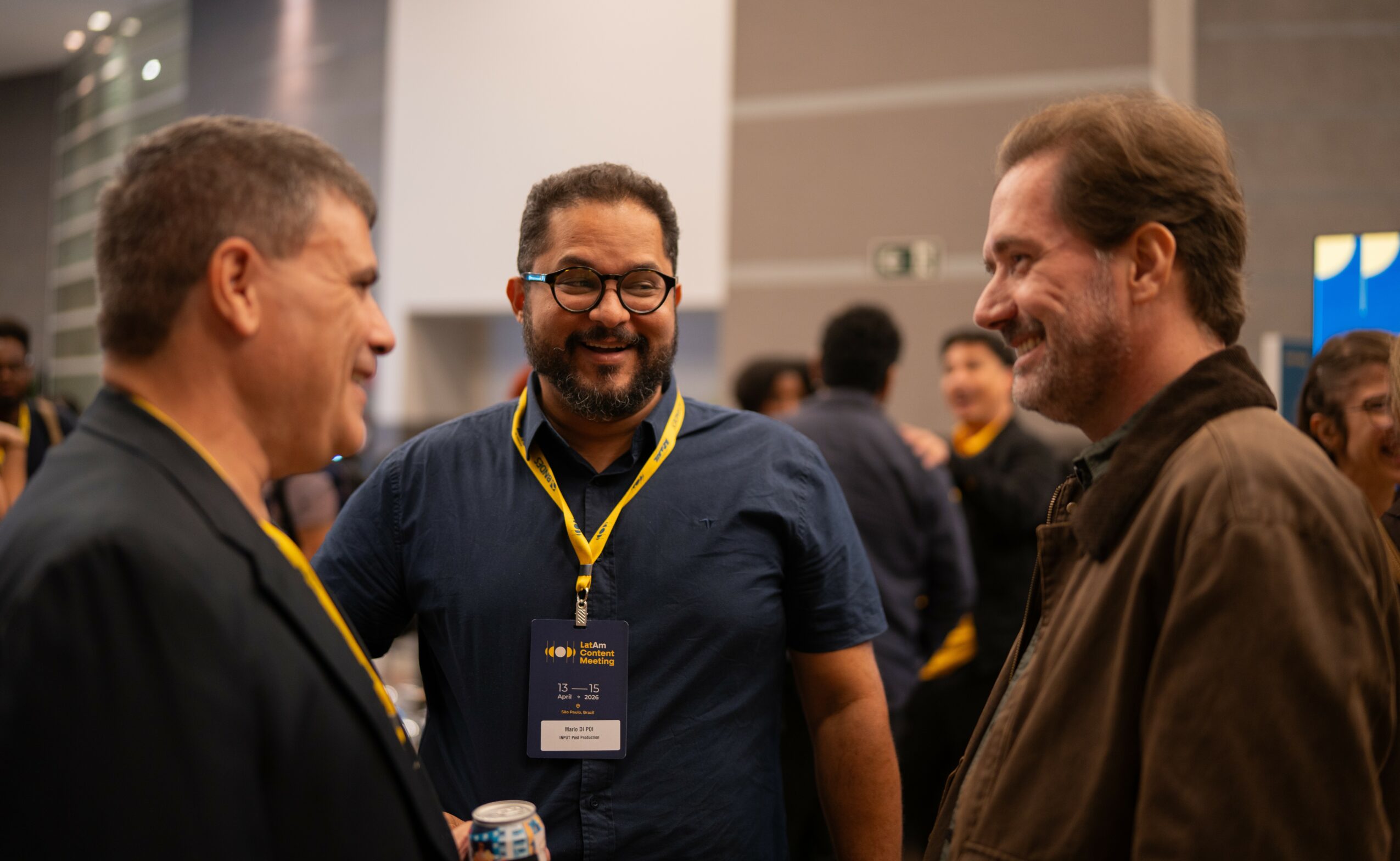
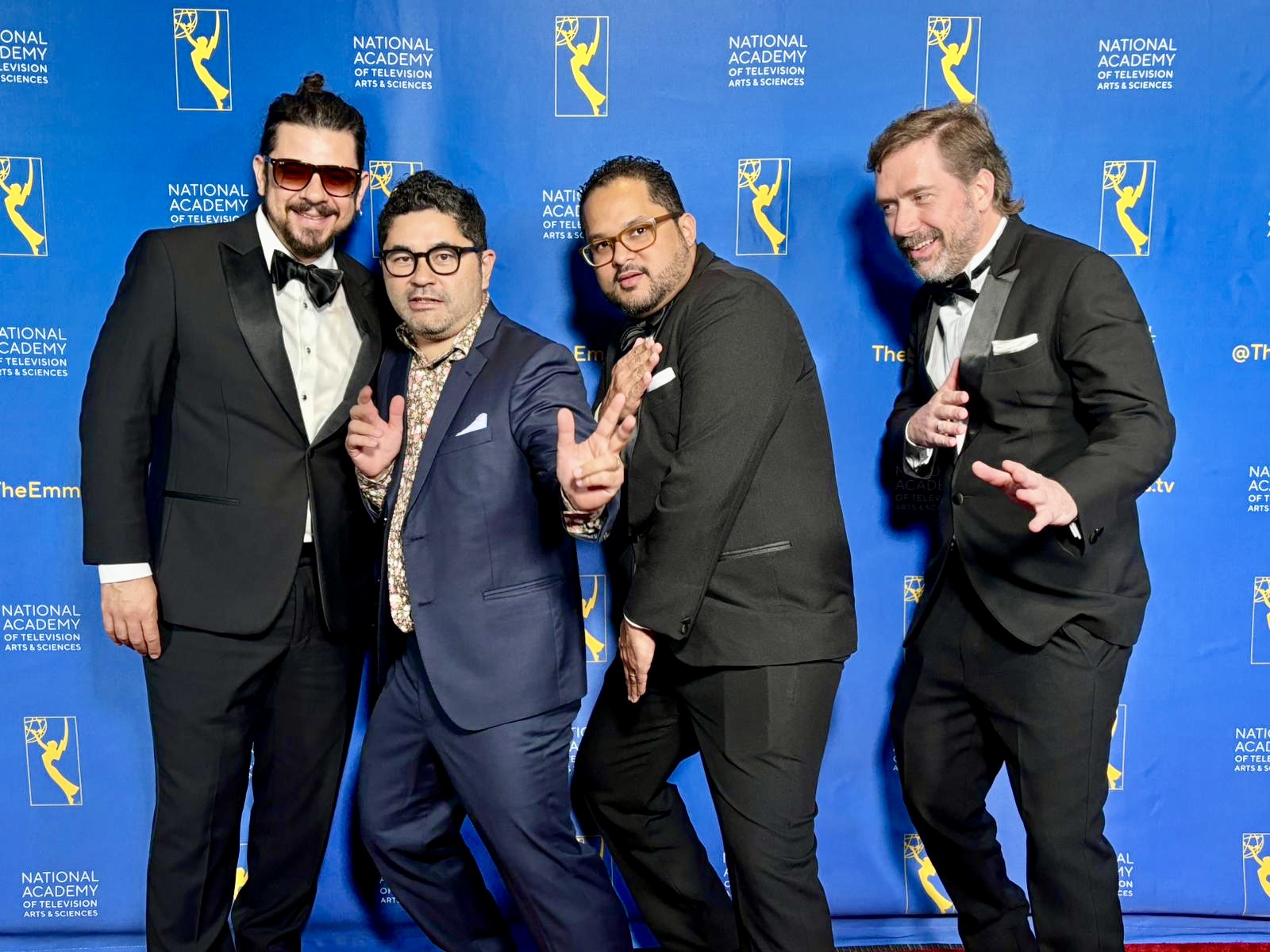
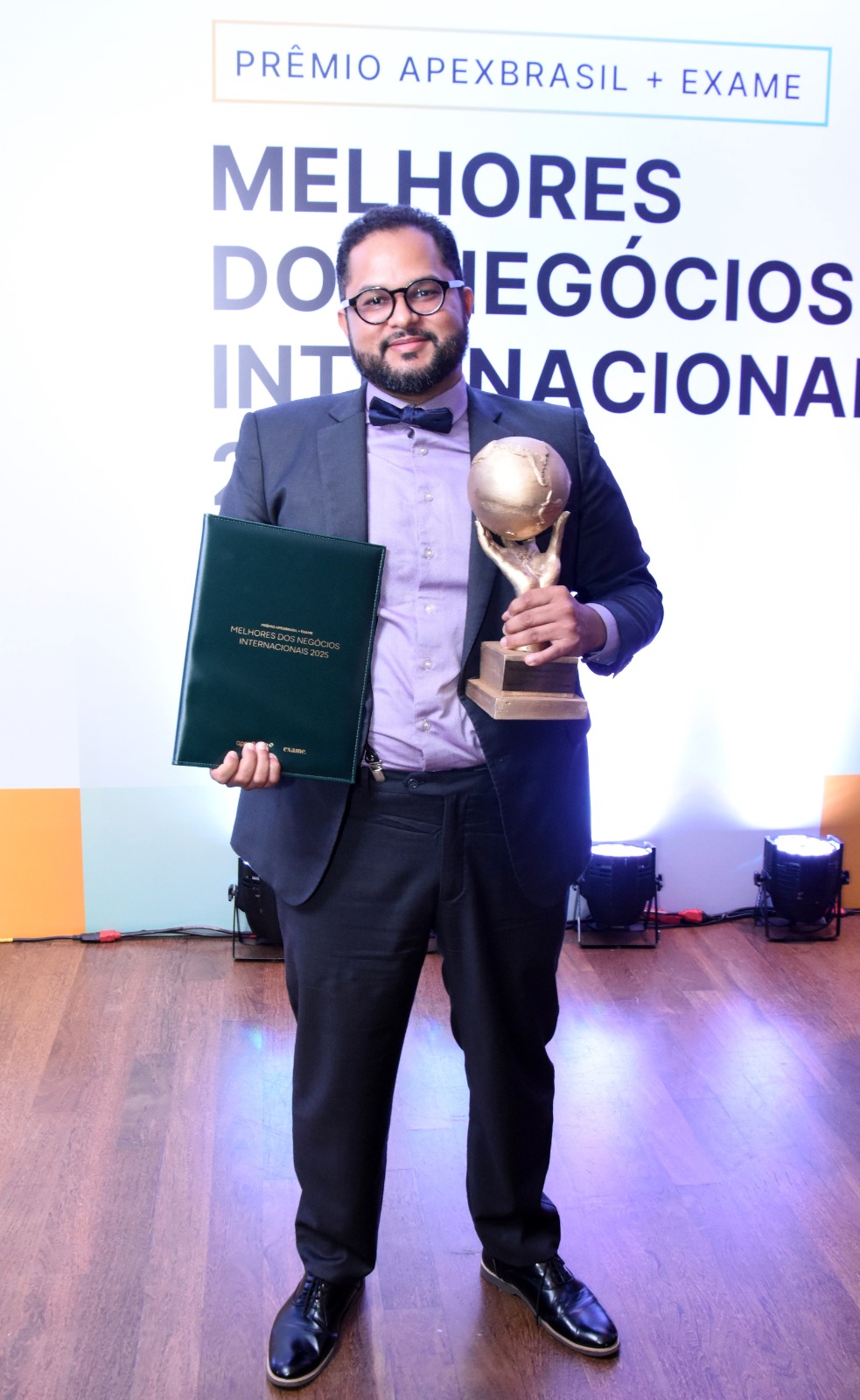
Today we’d like to introduce you to Mário Di Poi.
Hi Mário, so excited to have you with us today. What can you tell us about your story?
I grew up in Uberaba, a small city in the countryside of Brazil, in a house full of music. My father was a musician, and I spent my childhood around stages, rehearsals, and local venues, which is probably why sound and storytelling never felt like separate things to me.
I’ve been working in audio post-production and music supervision for over 25 years now, and the work eventually pushed me past Brazil and into international productions. I co-founded INPUT POST, an audio post-production company, and MAFFIA, an independent audiovisual production company, and through those I’ve worked on projects for Netflix, Disney+, and Arte France, among others.
Some of the work I’m proudest of has come through collaborations with Story Syndicate, including The Barber of Little Rock, an Academy Award-nominated documentary, The Lost Pyramid for Netflix, and Number One on the Call Sheet for Apple TV. I’ve also worked on other projects close to my heart, like The Edge of Democracy, another Academy Award-nominated documentary, and Ronaldinho Gaúcho – The One and Only, which connects football and music, two things that shaped my own childhood in Brazil.
Today I split my time between Brazil, New York, and Toronto. I’m also Head of Audio at Design Syndicate NY and President of the Guild of Music Supervisors Brasil, which lets me stay close to both the creative and the institutional side of this industry.
Can you talk to us a bit about the challenges and lessons you’ve learned along the way. Looking back would you say it’s been easy or smooth in retrospect?
No, definitely not. The first roadblock was simply where I came from. Growing up in Uberaba, a small city in the countryside of Brazil, there was no clear path into this industry. The audiovisual market is concentrated in the big centers, São Paulo, Rio, and later New York and Los Angeles, so coming from the countryside meant starting without the connections, the references, or even the sense that this kind of career was possible for someone like me. I had to build all of that from scratch.
The second roadblock came later, once I started working internationally: being a foreigner. Breaking into the American and European markets meant constantly proving myself in environments where I didn’t grow up, didn’t share the same industry background, and had to earn trust project by project, without the shortcut of an established local network. Adjusting to different production cultures, time zones, and expectations while based in Brazil added another layer of difficulty.
What got me through both of those roadblocks, and what I still believe in today, is the power of alliances. No one builds an international career alone. I also believe in passion as something you can’t fake over 25 years, in never compromising on quality even when it would be easier to cut corners, and in keeping a consistent track record over time. That consistency is ultimately what creates a reputation, and reputation is the thing that opens doors that connections alone can’t.
Appreciate you sharing that. What else should we know about what you do?
I work in audio post-production and music supervision for film and television, with a focus on documentaries. In practice, that means everything from sound design and mixing to clearing and licensing every piece of music that ends up in a project, making sure the story sounds as strong as it looks.
Music supervision is where I specialize most. It’s a side of production that often goes unnoticed by audiences, but it shapes how a story is felt, not just heard. Knowing when a piece of music should carry a scene, and then navigating the legal and creative work of actually getting that music into the final cut, is what I’m known for in this industry.
What I’m most proud of is the international reach of the work. Coming from a small city in the countryside of Brazil, I never imagined contributing to projects like The Barber of Little Rock and The Edge of Democracy, both Academy Award-nominated documentaries, or The Lost Pyramid and Number One on the Call Sheet for Netflix and Apple TV. Being part of stories that reach that scale, from Brazil to the global stage, is something I don’t take for granted.
I’m also proud that I didn’t walk this path alone. Along the way, I was able to assemble an unbelievable team of talents at INPUT POST and MAFFIA, people who share the same commitment to quality and the same passion for storytelling. None of this work happens with just one person, and building a team I trust completely has been just as important as any individual project.
I think what sets me apart is that I’ve never separated the technical side of this work from the human side of it. I came up through music before I came up through audio engineering, and that background means I approach every project asking what a story needs emotionally, not just technically. I also bring an international perspective shaped by 25 years of building relationships across Brazil, the US, and Europe, which lets me move between different production cultures without losing the quality or consistency a project needs.
What are your plans for the future?
A big focus right now is diversification. We made a major move into the advertising business by partnering with FUZZR, an audio company specialized in advertising, which opened up an entirely new market for us. We started strong this year with four Cannes Lions, including a Gold Lion for the “Donate to Play” case, which has been an exciting validation of that bet.
We’re also in advanced conversations about opening a new branch in Paris, which should start running in 2026. That would mark our first physical base in Europe, something I’ve been working toward for a while given how much of our work already crosses into international markets.
Beyond film and advertising, live events and exhibitions are an area we want to grow internationally. We already have a strong portfolio in Brazil, including the Rio Olympic Museum, the Ayrton Senna Experience, and The Left Shore for Stockholm Museum, among others. Taking that experience and expanding it beyond Brazil is something I’m genuinely looking forward to.
There’s also something more personal I want to invest in going forward: opening doors for my own people. I’m really keen to connect with Black and Latino producers and to explore ancestral stories tied to Afro-Brazilian and African American centered content. Having had the chance to build an international career, I feel a responsibility to use that access to bring more of those stories, and the people telling them, into the rooms I’m now part of.
Contact Info:
- Website: www.mariodipoi.com
- Instagram: @dipoi
- LinkedIn: https://www.linkedin.com/in/mariodipoi/
- Other: https://www.inputpost.com

Popular
-

How Kaviar Sundays Is Building a Creative Career Fueled by Purpose, Community, and Staying Focused
-

Hidden Gems: Local Businesses & Creatives You Should Know
-

ATL’s Most Inspiring Stories
-

Portraits of Atlanta
-

How Kimberly D. Worthy Is Redefining Real Estate by Helping People Become Ready From the Inside Out
-

Summer McIntyre Is Building a Career at the Intersection of Sports, Media, Entertainment, and Digital Storytelling