






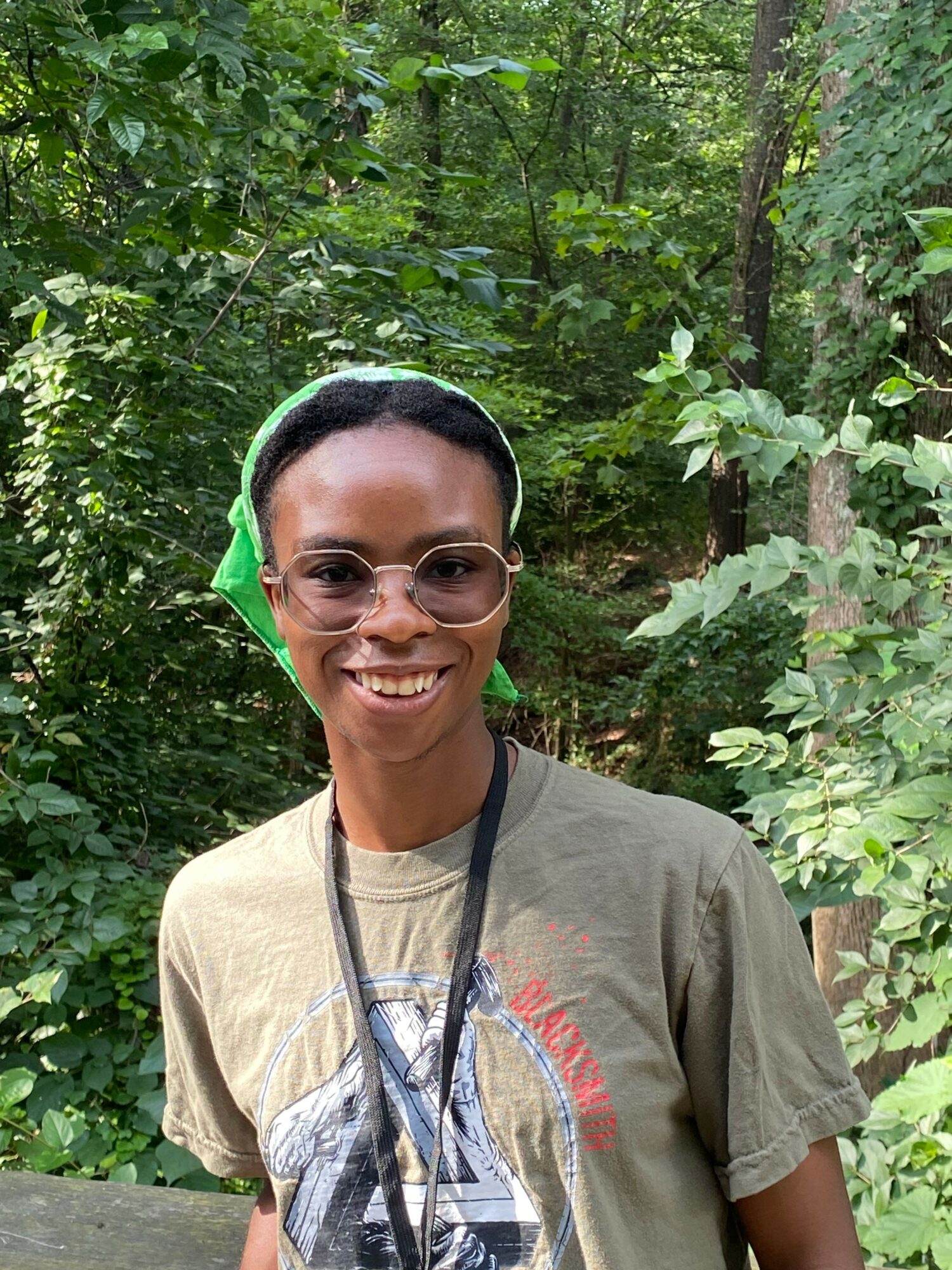
Today we’d like to introduce you to Jasmine Strickland.
Alright, so thank you so much for sharing your story and insight with our readers. To kick things off, can you tell us a bit about how you got started?
[Note: Jasmine is GBN’s Project Coordinator and uses they/them pronouns]
Even amidst the highways and parking lots carving up West Atlanta, Jasmine’s childhood was immersed in nature and loving community. Their earliest memories are of warm, laughter-filled evenings out on the front porch with their family and neighbors. As a child, Jasmine’s mom transported them to school in her wheelchair with Jasmine in her lap, often straying from the sidewalk into stands of tall grasses and fragrant plants, even risking patches of mud to appease Jasmine’s abundant curiosity. Summers were spent at Camp Twin Lakes, making s’mores, riding horses and playing with turtles. This fun and exploratory environment also gave Jasmine an opportunity to meet other kids from a variety of different backgrounds with fascinating stories.
After studying Conservation Biology at Warren Wilson College, Jasmine was itching to put their communication and event planning skills to use in helping others learn about nature. One problem: they needed to retake Botany to officially earn their degree. Jasmine was fortunate to find a regenerative landscaping job in Atlanta, working alongside friends. While taking the botany class, they applied themself to identifying the leaves and flowers they grew up surrounded by.
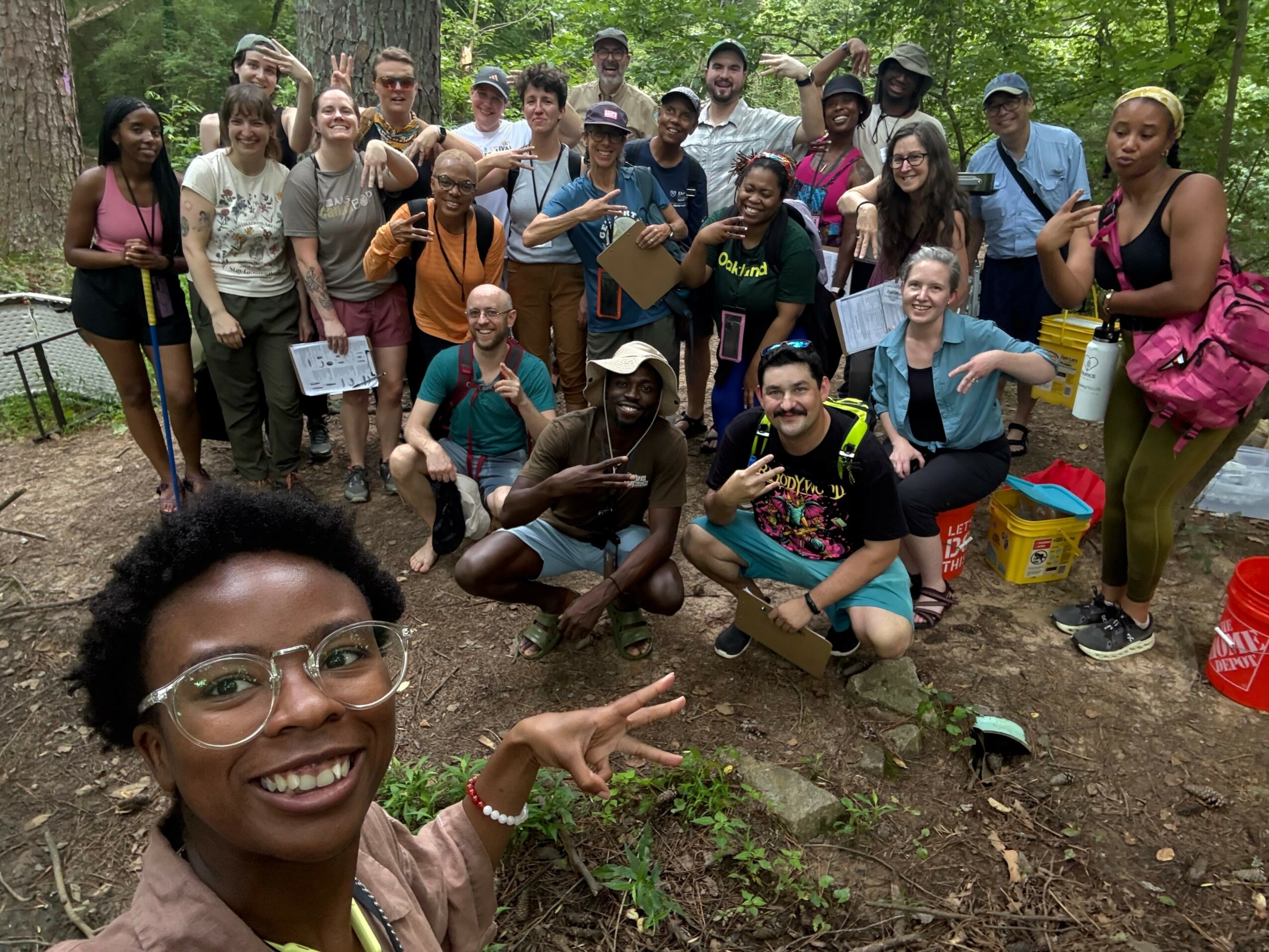
This hands-on experience introduced them to Kait Gray, a coworker who recommended a new, grassroots environmental education program, Georgia Beloved Naturalist (GBN). Jasmine looked up the group—initiated by longtime green space advocates Sally Sears and Revonda Cosby as an inclusive, community-centric retooling of the “master naturalist” certification—and decided to apply. Their resume and passion for organization earned them an internship position with GBN for the 2025 cohort.
Even after years of nature learning, Jasmine had never come across this identifier—a naturalist. As they embarked on the 9-month program alongside nearly thirty other participants, the term resonated perfectly with their desire to encounter the natural world alongside a supportive, collaborative team.
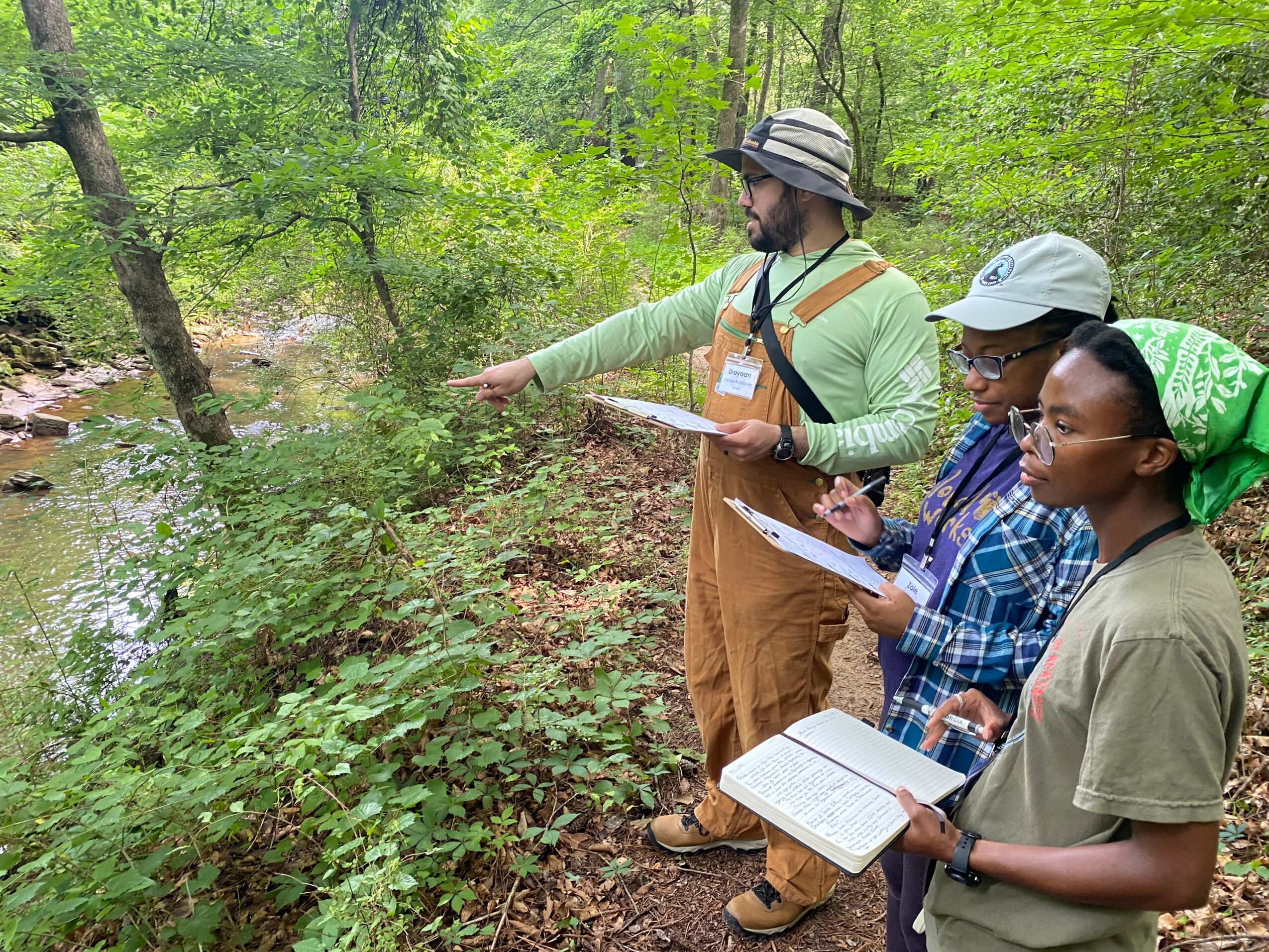
GBN’s fun, accessible, and science-based programming was instrumental in expanding Jasmine’s plant knowledge and joy of connecting with people. It also reinforced that they are most comfortable “learning something new when someone is there to support me through it.” When a new cohort started in early 2026, Jasmine helped lead the kick-off session, offering a tutorial for identifying plants with various phone apps and websites.
To Jasmine, a naturalist is driven by curiosity, but they are also willing to slow down and be receptive. “It’s learning to sit with the things [you’re learning] and process and connect with other people. To learn how to value other people’s thoughts on the topic—to help you expand your own thoughts.”
Would you say it’s been a smooth road, and if not what are some of the biggest challenges you’ve faced along the way?
Jasmine is concerned about the accessibility of outdoor spaces, for those with disabilities and those with less income or resources. Jasmine’s mom wasn’t a nature expert, but her persistence to give her children access to the outdoors, even without owning a car, gave Jasmine the confidence to pursue nature learning. To this day, Jasmine has to plan carefully about where and how to take their mom on adventures around Atlanta. The PATH foundation trails offer a paved opportunity to both walk and roll, but the plethora of unpaved trails in many other parks are often inaccessible. Through GBN’s visit to the Newman Wetlands Center in Clayton County, Jasmine learned about their Action Trackchairs (ATCs), off-road power chairs that are also available for use at some Georgia State Parks.
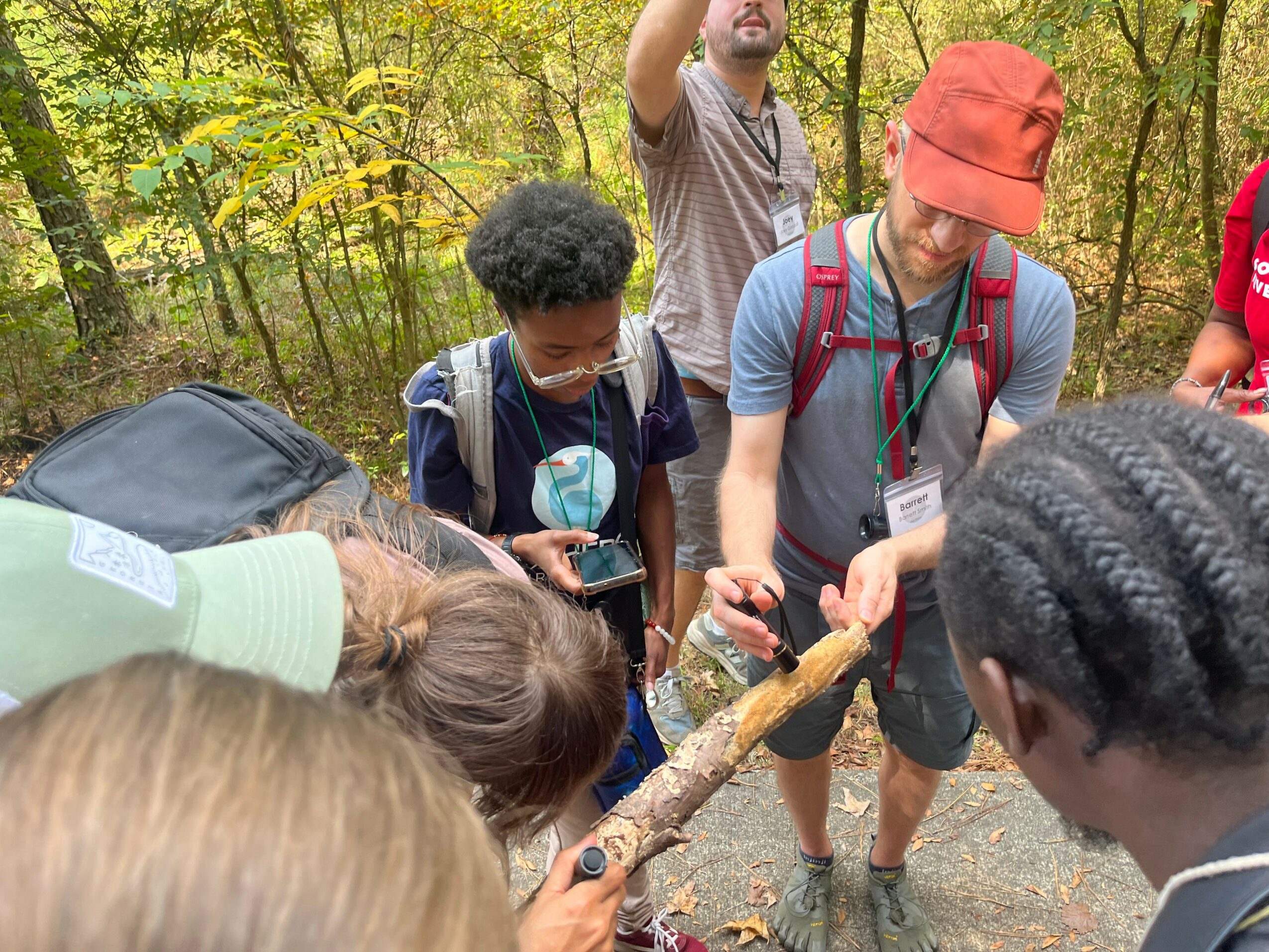
In addition to learning about Georgia’s flora, fauna and ecosystems at parks and nature centers across the Metro area, GBN’s programming also focuses on how we talk about nature, considering the ethical implications of labeling plants or animals as “native” or “invasive.” One of Jasmine’s favorite learning sessions was the “Just Language” webinar presented by GSU alum Iris Chen and DeKalb Parks and Recreations Naturalist Jonah McDonald. Jasmine has paired this intentional use of language with an appreciation for indigenous and ancestral knowledge of the natural world. In their view, a diverse range of ideas and people in conversation with each other is just as important as plant or animal biodiversity.
Thanks for sharing that. So, maybe next you can tell us a bit more about your work?
In late winter, GBN tours the Huie Constructed Wetlands in Clayton County, an expanse of shallow, cascading ponds that treat millions of gallons of wastewater per day while also offering a dynamic habitat for fish, amphibians, waterfowl and wading birds such as great blue herons and osprey. Jasmine was mesmerized by the web of connections contained in the glimmering wetlands, covered in lily pads and ringed with waving grasses. Danielle Bunch, Clayton County Water Authority’s Conservation Supervisor, could identify every bird and plant in sight.
Jasmine notices a similar ripple effect emanating through the network of relationships GBN is building. As GBN’s Project Coordinator, Jasmine organizes the details for each of GBN’s monthly learning sessions, communicates with the cohort participants, collaborates with the leadership team, and supports this year’s intern Ariana Koluder-Ramirez in crafting informative stories for GBN’s Instagram page. They see their behind-the-scenes logistics work as crucial to the learning process, especially in the unique hands-on, group format GBN offers.
They believe “everyone should learn something about nature regardless of their careers or interests. Everything that we do affects nature in some way and so educating the curious will in turn inform those who are unfamiliar with [nature concepts] and allow them to make more informed decisions.”
We’d love to hear about how you think about risk taking?
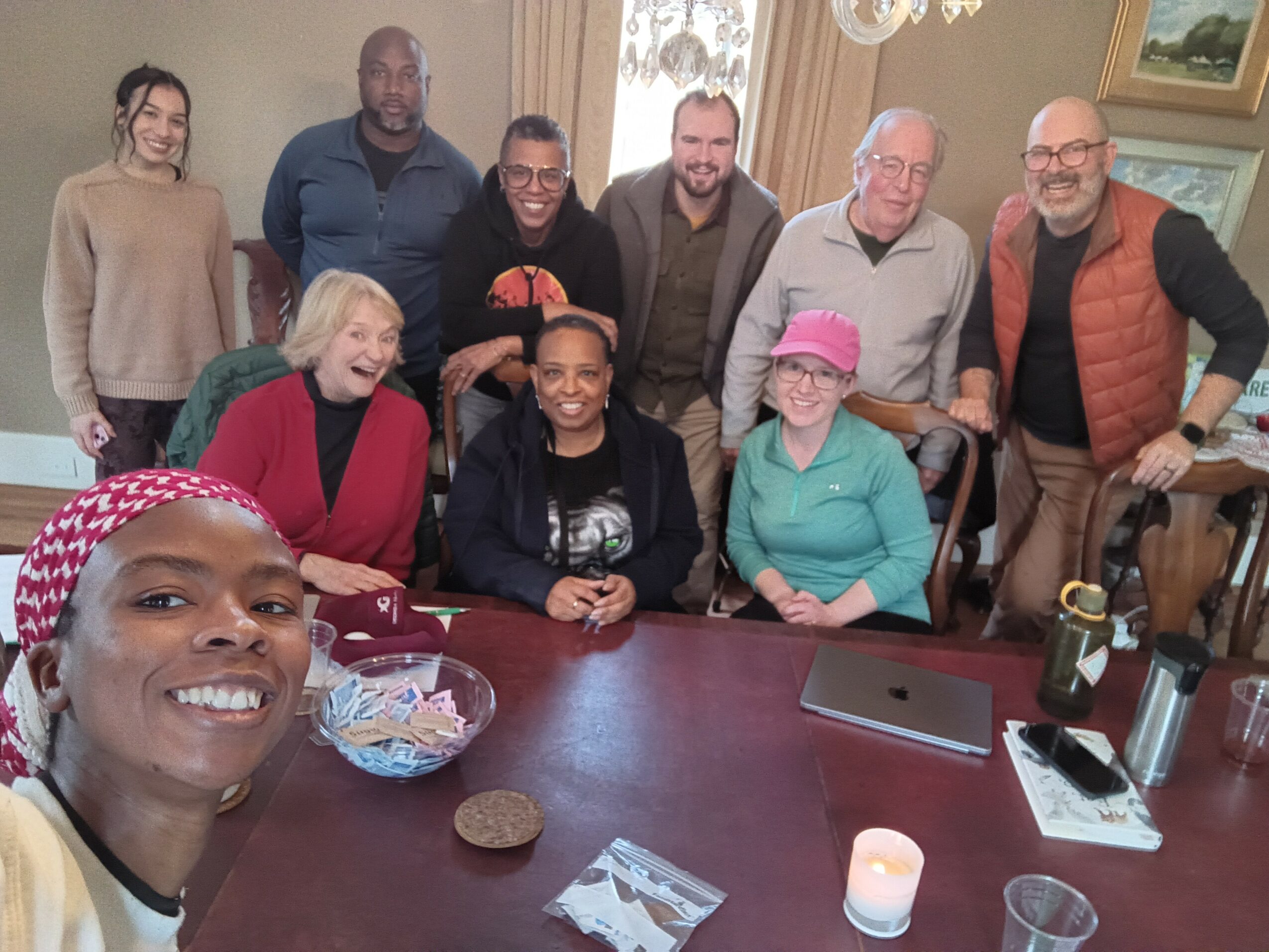
Jasmine wants nature learning—and the enriching relationships it can foster—to be accessible for as wide a range of people as possible. They’ve witnessed fellow participants face their fear of insect stings and don a beekeeping suit, handling honey-filled frames alongside encouraging experts. They’ve seen cohort members carpool to lower transportation costs, swap book recommendations and host nature-themed board game parties. They’ve cheered on a friend who found a dream job in environmental management through networking opportunities afforded by GBN.
“GBN is a great place to meet new people,” Jasmine says. It’s a unique way “to build friendships, personal connections, and curiosity around subjects you’ve never considered.” Ultimately, Jasmine hopes the GBN program will allow nature advocates to feel less alone as they pass on their knowledge and love for the planet.
Anyone can be a naturalist, across any educational background, profession or culture, even those not-yet-comfortable spending time outdoors. It’s an attitude and a mindset, a way of being rather than a one-time accomplishment.
Pricing:
- Tuition: in 2026, the true cost per participant is $550. The nine-month program includes over 70 hours of in-person and virtual learning in a cohort of 20-30 participants.
- Financial aid: Available on a sliding-scale basis. Request is included in the application.
- Internship opportunity: Typically one position available per year for a current or recent college student, focused on social media and program support (tuition waiver and stipend offered).
- Donations: Gifts of any amount help us subsidize tuition discounts, expand our impact and cultivate a diverse group of participants, instructors, and field sites. Visit www.belovednaturalist.org/get-involved/donate to learn more.
Contact Info:
- Website: https://www.belovednaturalist.org/
- Instagram: @georgianaturalists




Popular
-

How Kaviar Sundays Is Building a Creative Career Fueled by Purpose, Community, and Staying Focused
-

Hidden Gems: Local Businesses & Creatives You Should Know
-

ATL’s Most Inspiring Stories
-

Portraits of Atlanta
-

How Kimberly D. Worthy Is Redefining Real Estate by Helping People Become Ready From the Inside Out
-

Summer McIntyre Is Building a Career at the Intersection of Sports, Media, Entertainment, and Digital Storytelling