







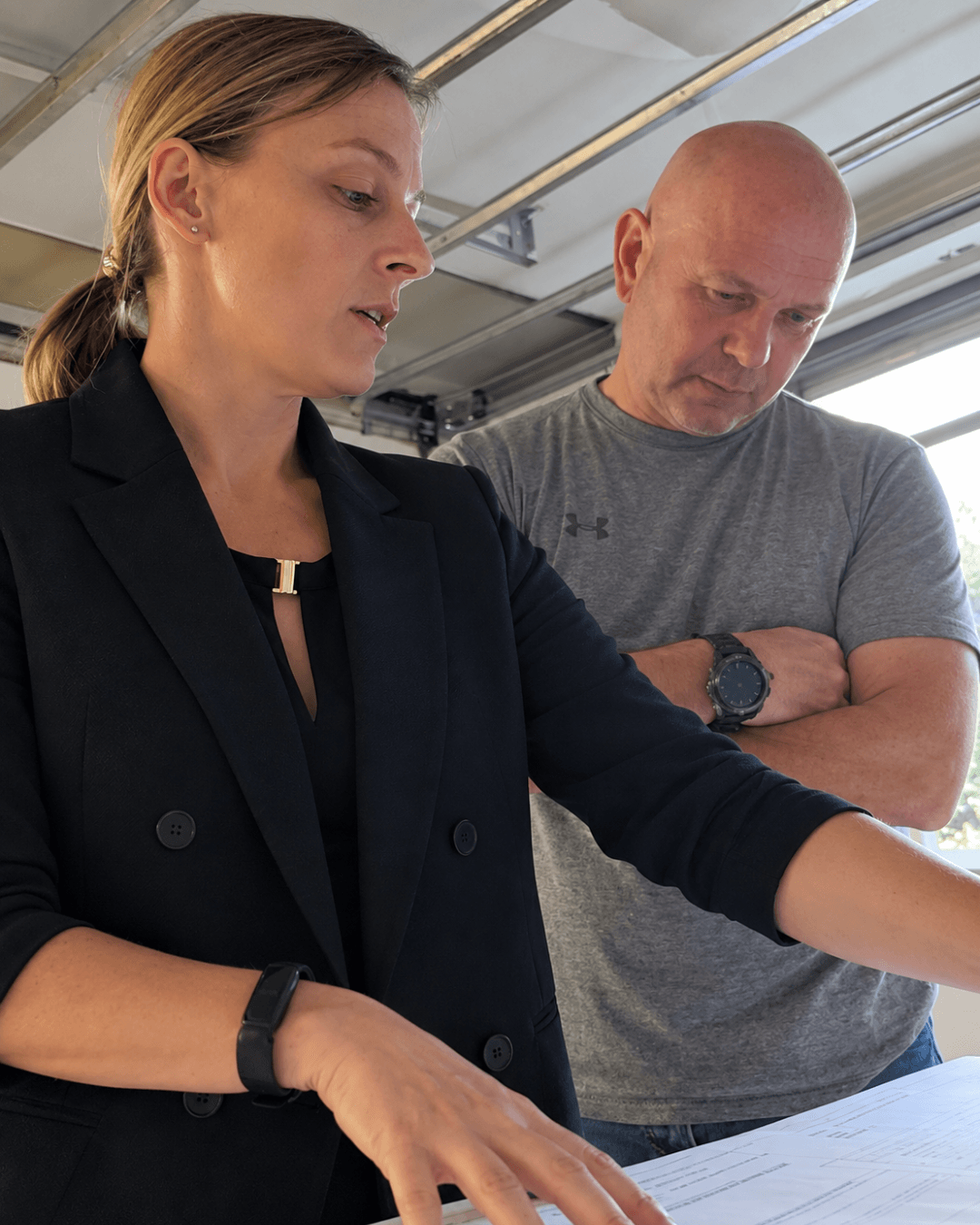
Today we’d like to introduce you to Sabrina Antony.
Hi Sabrina, we’d love for you to start by introducing yourself.
I grew up on a farm in a very rural part of Germany, close to the Luxembourg border. My parents came from tiny villages, each with fewer than 100 people, so my childhood was small-town, protected and down-to-earth. It was also very hands-on. We fed animals, worked in the fields and garden, and did a lot ourselves at home, from painting and wallpapering to fixing things. I think that gave me an early respect for people who actually know how to build something, and probably explains why I have never been satisfied with design that only works on paper.
At the same time, I never completely felt like I belonged there. The path around me was fairly predictable: find a stable job, earn a good living, build a house, start a family and settle down. There is nothing wrong with that life, but even when I was young, I felt like my future had already been decided for me. What other people experienced as security often felt more like a cage to me.
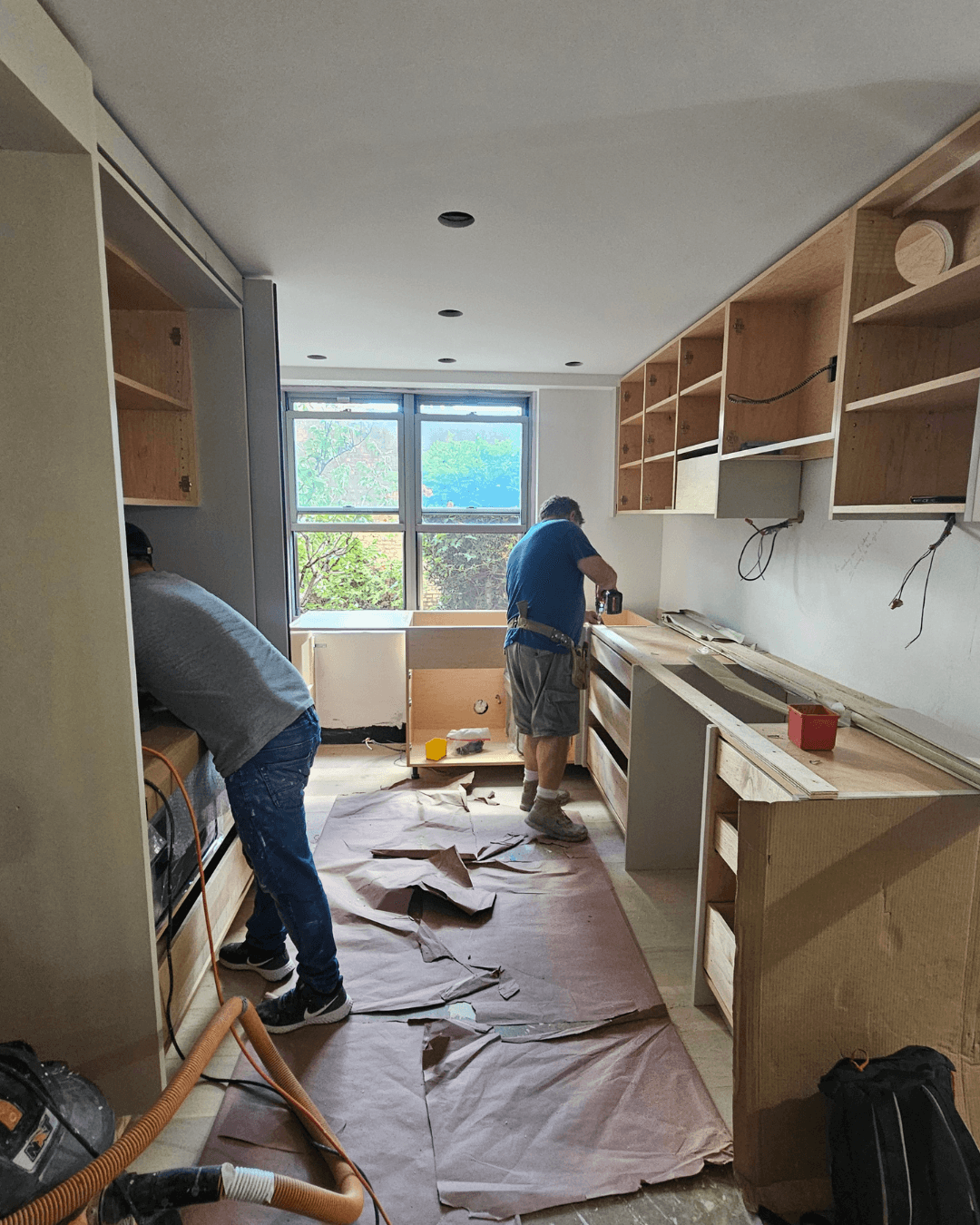
I wanted to continue academically and for a while imagined architecture, law, even becoming a judge. But that was not really the path my family envisioned for me, and at 16 my options were fairly limited. So I started an apprenticeship with a furniture company. I quickly gravitated toward kitchens because they were harder. They combined space planning, cabinetry, appliances, utilities, ergonomics, logistics and installation. Everything affected something else. I loved that. The apprenticeship also exposed me to the whole process, from ordering and delivery to installation and what happened when something went wrong. That shaped the way I think today. I rarely want to understand only my little part of something. I want to know how the whole system works.
From there, I kept adding to my education and experience. I studied business and economics alongside my career, designed my own house and managed the construction, and eventually moved to New York, which in many ways was the complete opposite of where I grew up. Here, I spent several years working for a luxury German kitchen brand and learned the U.S. market from the inside, leading complex residential kitchen projects with large teams and substantial budgets.
Education remained personal to me too. Because I had come through the traditional German apprenticeship route rather than university, I still wanted to prove to myself how far I could go academically. When I decided to pursue a master’s degree, I was repeatedly told I needed a bachelor’s degree first. I kept looking until I found a university in Austria willing to evaluate the education and professional experience I already had. I completed the master’s degree while working full-time in luxury kitchen design and project management.
That probably says a lot about me. I have never been very good at accepting a rule or professional boundary just because someone says, “That’s how it has always been done.” I want to understand why something works the way it does and whether there is a better way.
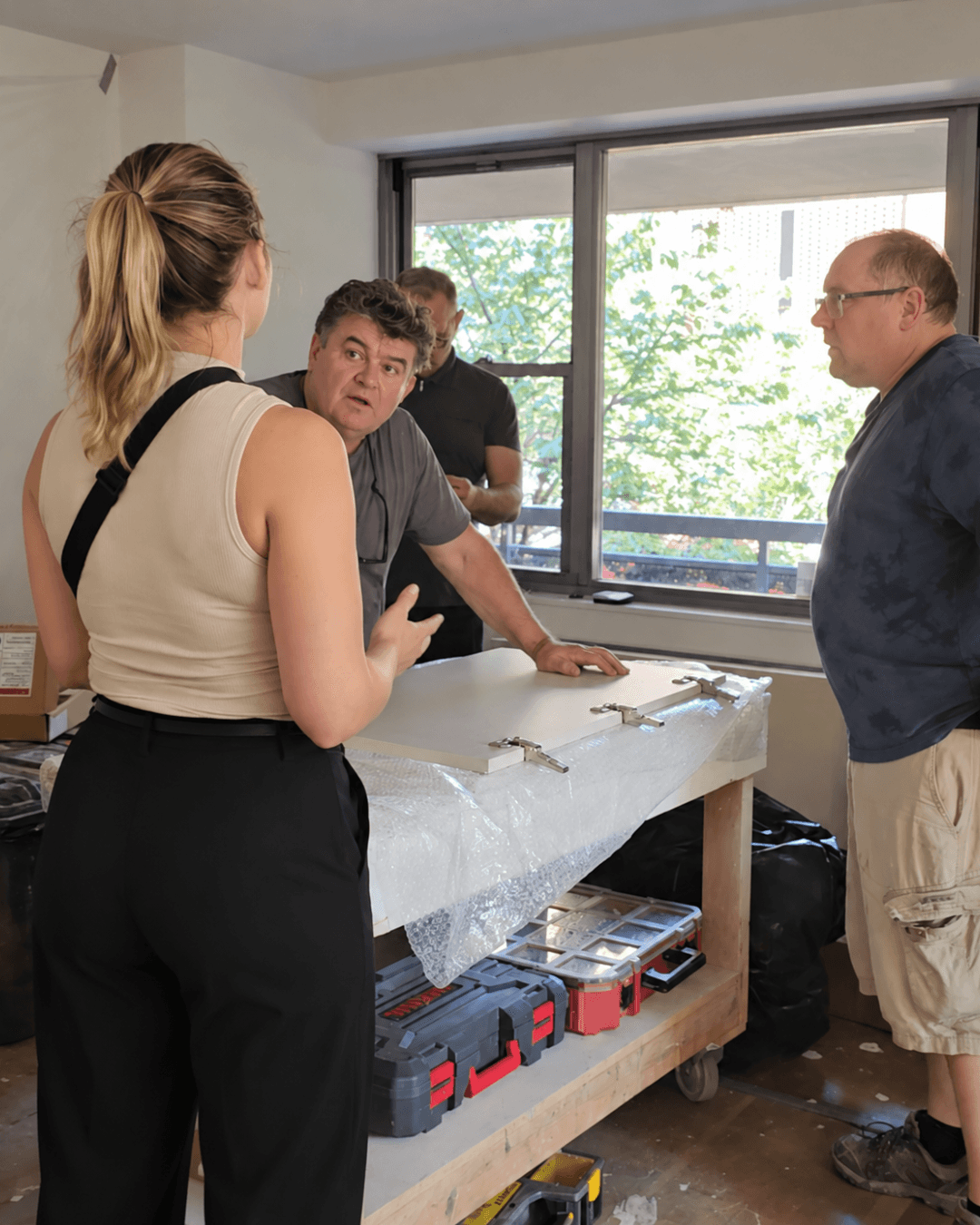
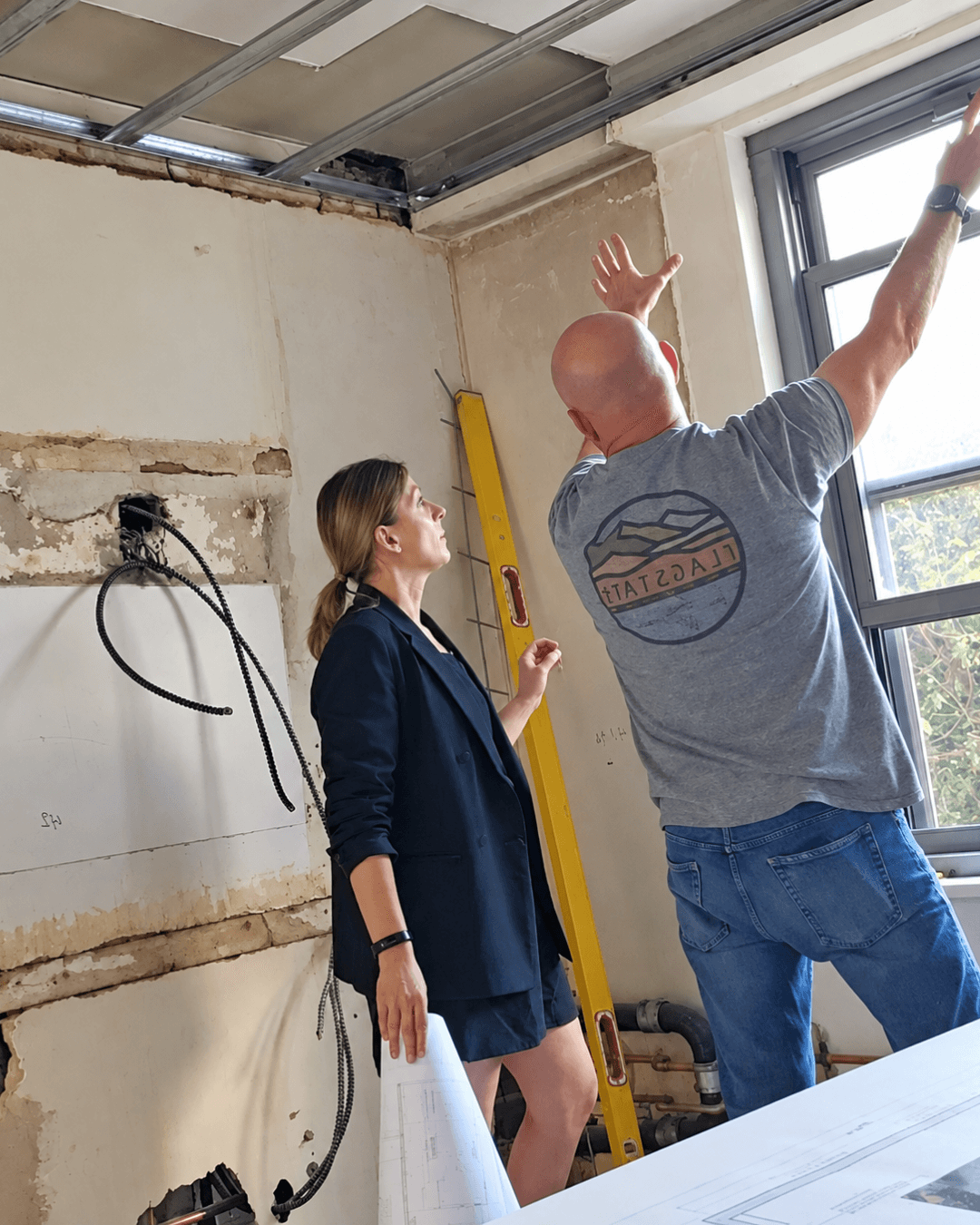
That same instinct followed me into my work. Something about the way kitchen projects were being handled kept bothering me. Even with architects, contractors, designers, vendors and specialists involved, homeowners could still end up with a fragmented process because everyone was focused on their own piece. I realized I could do my own job extremely well and still see the overall process break down for the client.
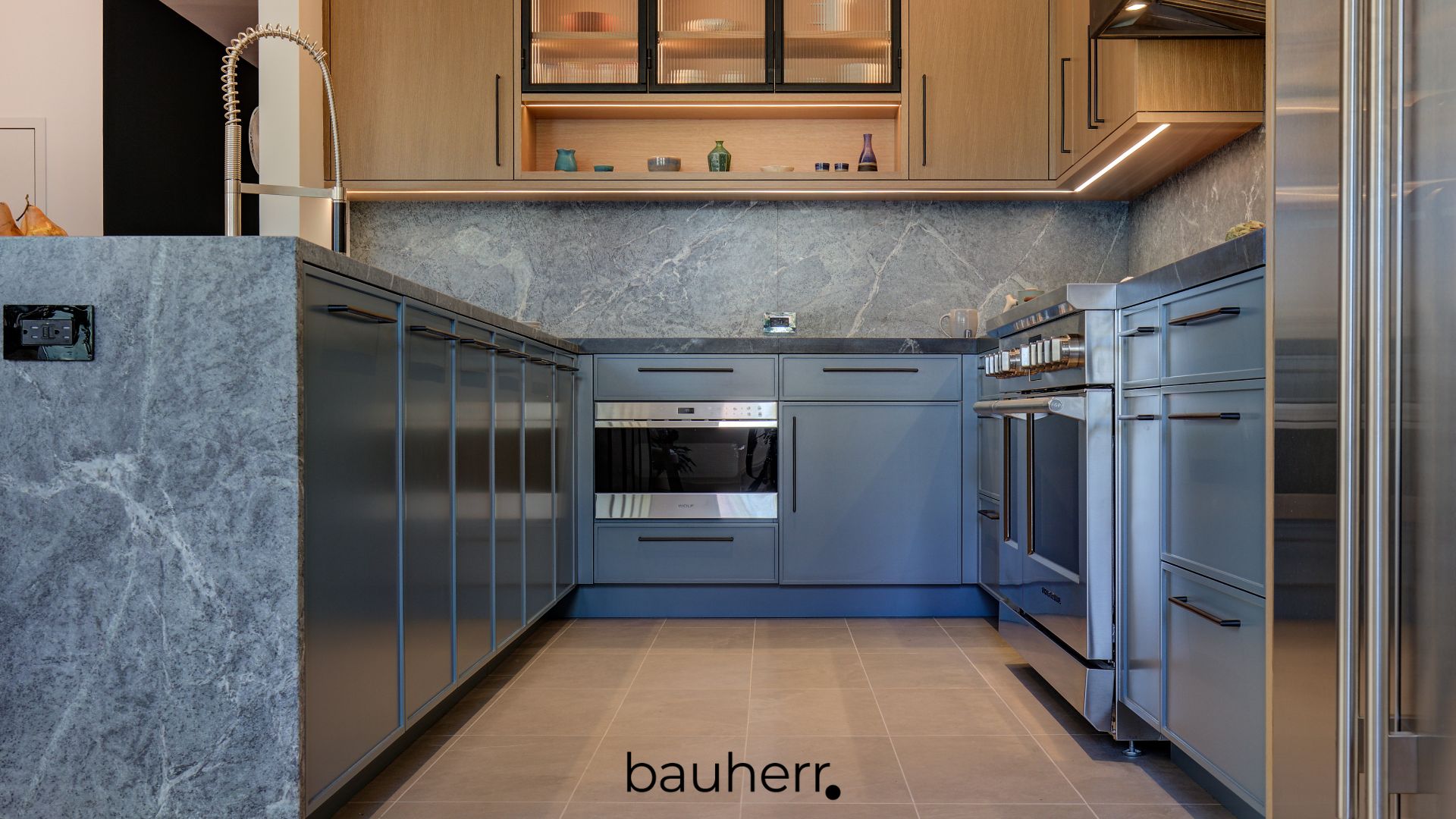
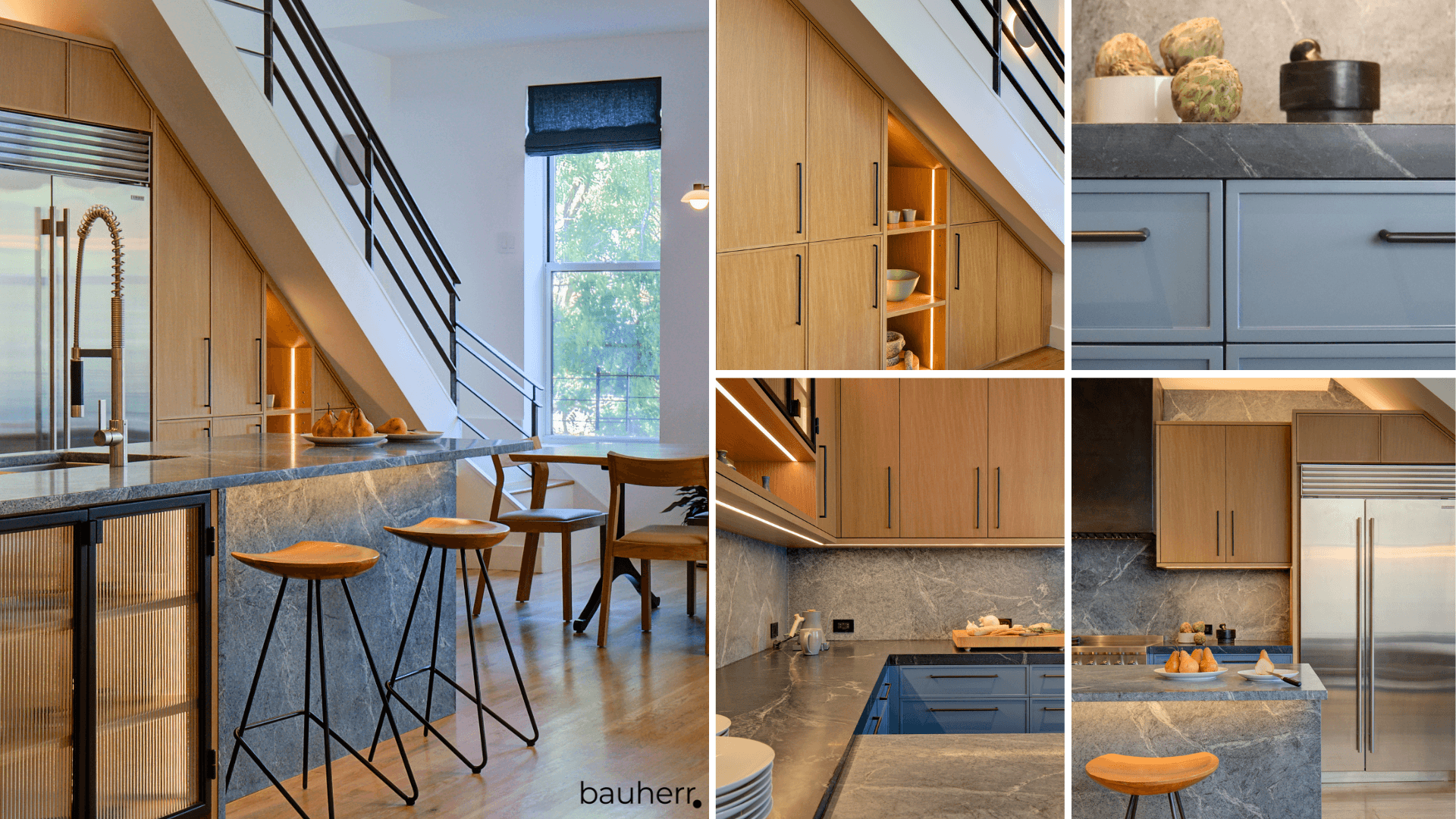
Becoming independent gave me the chance to act on that. Atelier bauherr. grew out of the need for someone to look at the kitchen as a complete system. Kitchen Design NYC started alongside it as a passion project and blog because I wanted to make more of what I had learned accessible to homeowners. As people began reaching out with the same questions and problems, those needs gradually became tools, services and resources.
Looking back, there is probably a pretty straight line through all of it. I grew up with one version of what my life was supposed to look like, entered the industry through an apprenticeship at 16, kept educating myself, found my way to New York and eventually left the security of established companies to build something of my own.
Most of my life, when someone has shown me the established path, my instinct has been to ask whether it is really the only one.
We all face challenges, but looking back would you describe it as a relatively smooth road?
A lot of the struggle has been around not fitting very comfortably into the boxes other people had in mind for me. I don’t like being told what to do, when to do it and how to do it just because that is the hierarchy or because someone has a certain title. If I can see that something is inefficient or that there is a better way to approach it, I want to be able to question it and adjust. That has not always fit neatly inside traditional organizations.
Being a woman added another layer to that. I grew up in a very rural area where traditional gender roles were still quite present, and I ran into versions of that in my career too. I remember being 17 or 18, standing with a group of salespeople and designers. I was the only woman. Nobody had anything to do at that moment, and my boss came over, handed me a cleaning cloth and told me that if I was bored, I could clean. I handed it back and told him that if cleaning needed to be done, then all of us could do it. I was there to learn design and sales, not to be treated differently because I was the woman in the room.
At another job, I knew a management position would eventually become available, and I wanted to prepare myself for it. I asked my boss if I could continue my education so I could build the knowledge I would need. His answer was basically that I was already good at what I was doing, and if I wanted to learn more, he could lend me a book.
That kind of thing happened more than once. Professionally and personally, I often heard some version of “stay where you are,” “why do you need more?” or “who do you think you are?” There were far more people telling me why something might not work than people encouraging me to try. For a long time, I felt like I had to prove that I deserved to be in the next room before anyone would let me into it. At some point I stopped waiting for permission.
Moving to New York, finding my own way into higher education, earning my master’s degree while working full time, building a career in luxury kitchen design and eventually becoming independent all came out of that same need to decide for myself how far I could go.
Of course, independence comes with its own set of problems. Nobody is holding you back anymore, but nobody is giving you the answers either. You have to make the decisions, learn from the mistakes, figure out marketing, pricing, finances, systems and growth while still doing the work you are actually good at. I still think having the right mentor or entrepreneurial counterpart earlier would have helped a lot. Not someone to tell me to stay in my lane, but someone who could challenge me, point out what I was missing and help me move faster without taking away that independence.
As you know, we’re big fans of Kitchen Design NYC. For our readers who might not be as familiar what can you tell them about the brand?
Kitchen Design NYC is built around one basic problem: homeowners are expected to make expensive, complicated decisions inside an industry that is still very fragmented and often difficult to understand from the outside. A lot of the information people need is hard to access. Pricing is often unclear. Product comparisons are difficult. Different specialists tend to focus on their own part of the project, and homeowners are left trying to connect cabinetry, construction, appliances, countertops, layouts, timelines and costs on their own.
You can see that frustration everywhere. Homeowner forums are full of people asking what something should cost, whether a layout makes sense, which brand to choose, whether a contractor’s quote is reasonable, or what they should do next. They are often getting advice from people who went through something similar, which can be helpful, but it is still piecemeal. They are trying to solve a professional problem through scattered information because there is no obvious place that brings the whole process together.
That is what I want Kitchen Design NYC to change.
If you have ever felt like you were somehow supposed to understand how a kitchen renovation works before anyone actually explained it to you, that is exactly the person I built Kitchen Design NYC for. The business is built so people can enter at different stages. Someone may just need credible information about costs or how the process works. Someone else may need a layout reviewed before ordering. Another person may need help planning cabinetry or comparing options. And some clients want someone experienced to lead the entire kitchen from planning through implementation. Those are not separate businesses to me. They are different levels of support inside the same renovation journey.
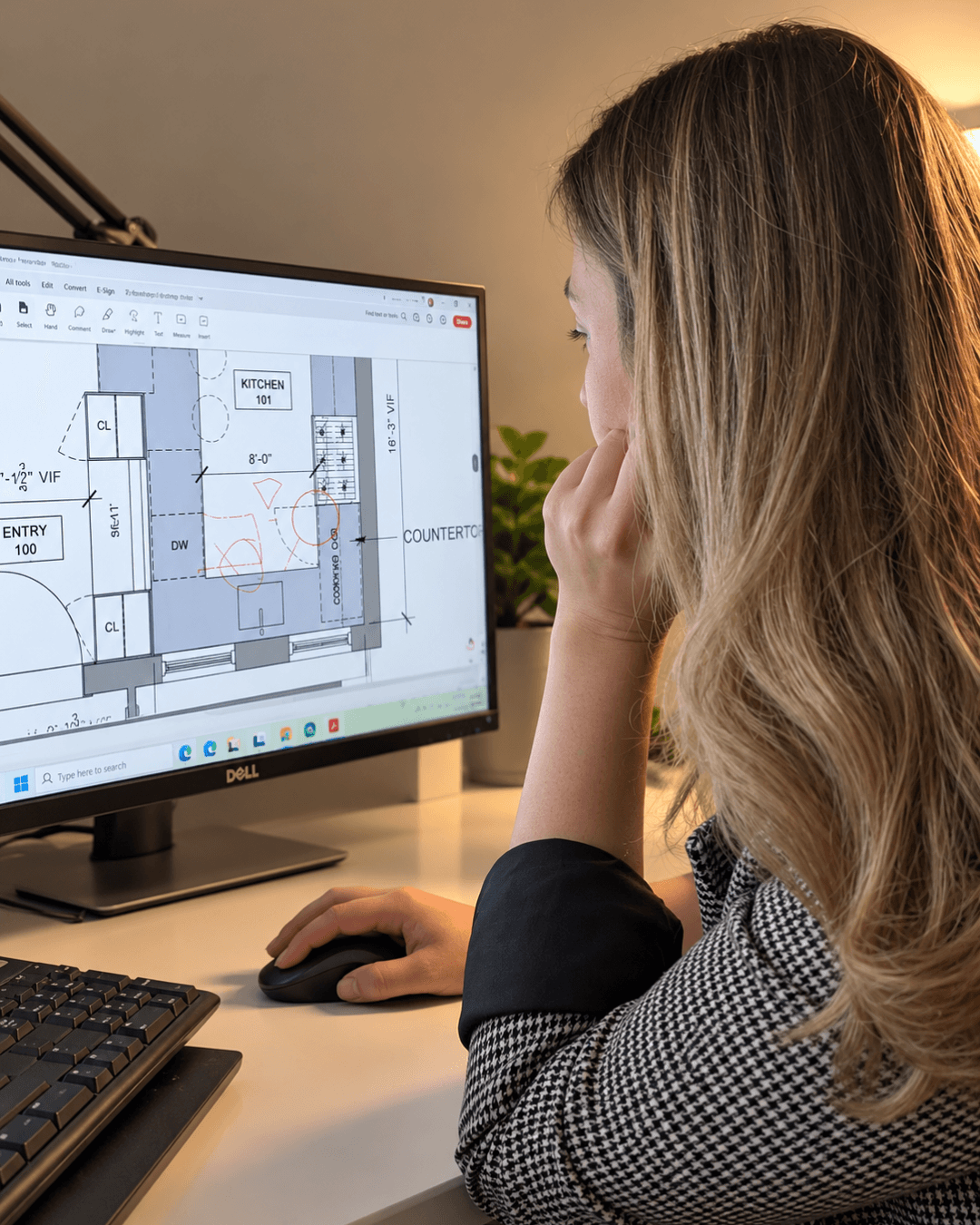
Atelier bauherr. is the most involved level of that support, where I lead the kitchen as a complete system and connect design, technical planning, cabinetry, procurement and implementation. But it sits within the same larger idea as the free guides, cost tools, planning resources and focused design services.
What matters to me is independence. I do not want the first question to be, “What can we sell you?” I want it to be, “Where are you in the process, what are you trying to figure out, and what would actually help?”
The bigger goal is to make kitchen renovation easier to understand, more transparent and better connected. People are making a very significant investment in these projects. They should not have to spend weeks digging through forums, showroom visits and conflicting opinions just to understand the basics.
What I am most proud of is that Kitchen Design NYC grew from real questions people were already asking me. The ecosystem was not invented on paper. It came from seeing the same problems over and over again and trying to build a place where people could find better answers, understand their options and get the right level of help for where they actually are. At the center of it is a very simple belief: people should not have to pay for an industry’s complexity. The work is really about making the kitchen renovation process more human by connecting some of the things the industry still keeps separate.
What would you say have been one of the most important lessons you’ve learned?
The biggest lesson has probably been learning to stop waiting for permission. For a long time, I compared myself to people who seemed more educated, more accomplished or further ahead and assumed they belonged in rooms I still had to earn my way into.
At some point I stopped looking at where everyone else was and started looking at my own trajectory instead. Where did I start? What have I learned? Who have I become? We all start from different places, and comparing two people at one moment in time tells you very little about how far either of them has come. That shift changed how I approach my career and entrepreneurship. I stopped waiting until I felt perfectly qualified, perfectly prepared or successful enough before taking the next step.
Some of the most meaningful lessons, though, had nothing to do with work. My sister had cancer from the time she was a teenager and passed away while I was living in New York. That changes your perspective. Things you thought mattered suddenly matter much less.
I am still ambitious and I care deeply about what I build, but I don’t think achievement, money or work are the measure of a life. We are all a very small part of something much bigger. What we can decide is what we do with the time we have and what kind of mark we leave on the people around us.
I think what I have learned is to stop waiting for permission and stop assuming I need to have everything figured out before I take the next step. Sometimes you grow into the person you need to become by putting yourself in the room in the first place. And while you are there, you get to decide what kind of mark you leave on the people around you.
Pricing:
- Kitchen Layout Check | $395
- Kitchen Layout & Cabinet Planning | from $1,195
- Full-service Kitchen Design Leadership through atelier bauherr. | custom proposal based on project scope
- Free planning tools, cost information and kitchen renovation resources are available through Kitchen Design NYC
Contact Info:
- Website: https://www.kitchen-design-nyc.com
- Instagram: https://www.instagram.com/kitchen_design_nyc/
- LinkedIn: https://www.linkedin.com/in/sabrina-a-b55588140
- Other: https://www.atelier-bauherr.com
Popular
-

Hidden Gems: Local Businesses & Creatives You Should Know
-

ATL’s Most Inspiring Stories
-

J. Avery Chester Is Turning Years of Pain, Growth, and Self-Discovery Into The Velvet Room
-

Portraits of Atlanta
-

From Corporate VP to Entrepreneur: Benny Williams is Making Executive Marketing Accessible to Churches, Nonprofits, and Businesses
-

Raven Parris Is Building the Village Every Mother Deserves During Pregnancy and Postpartum