






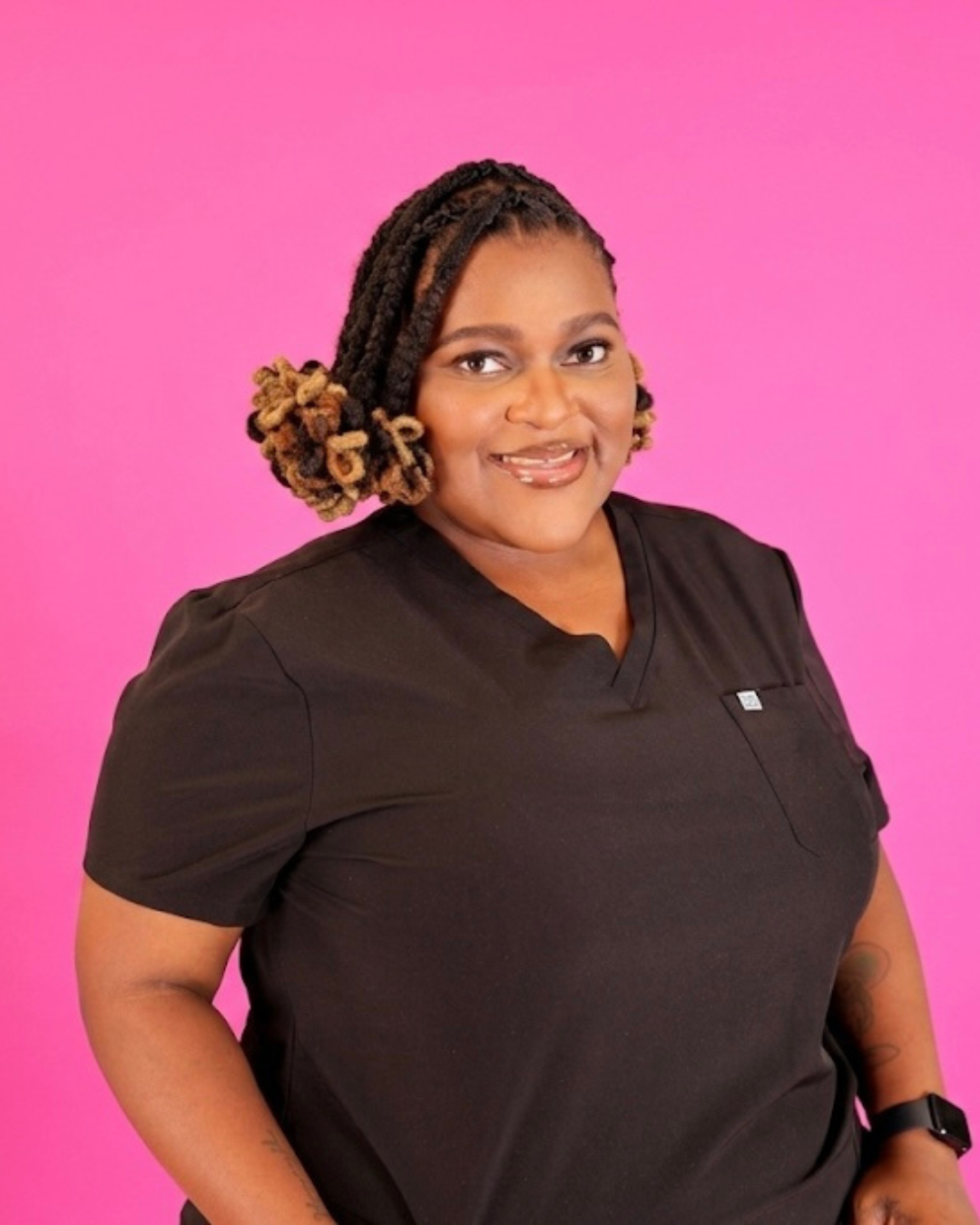
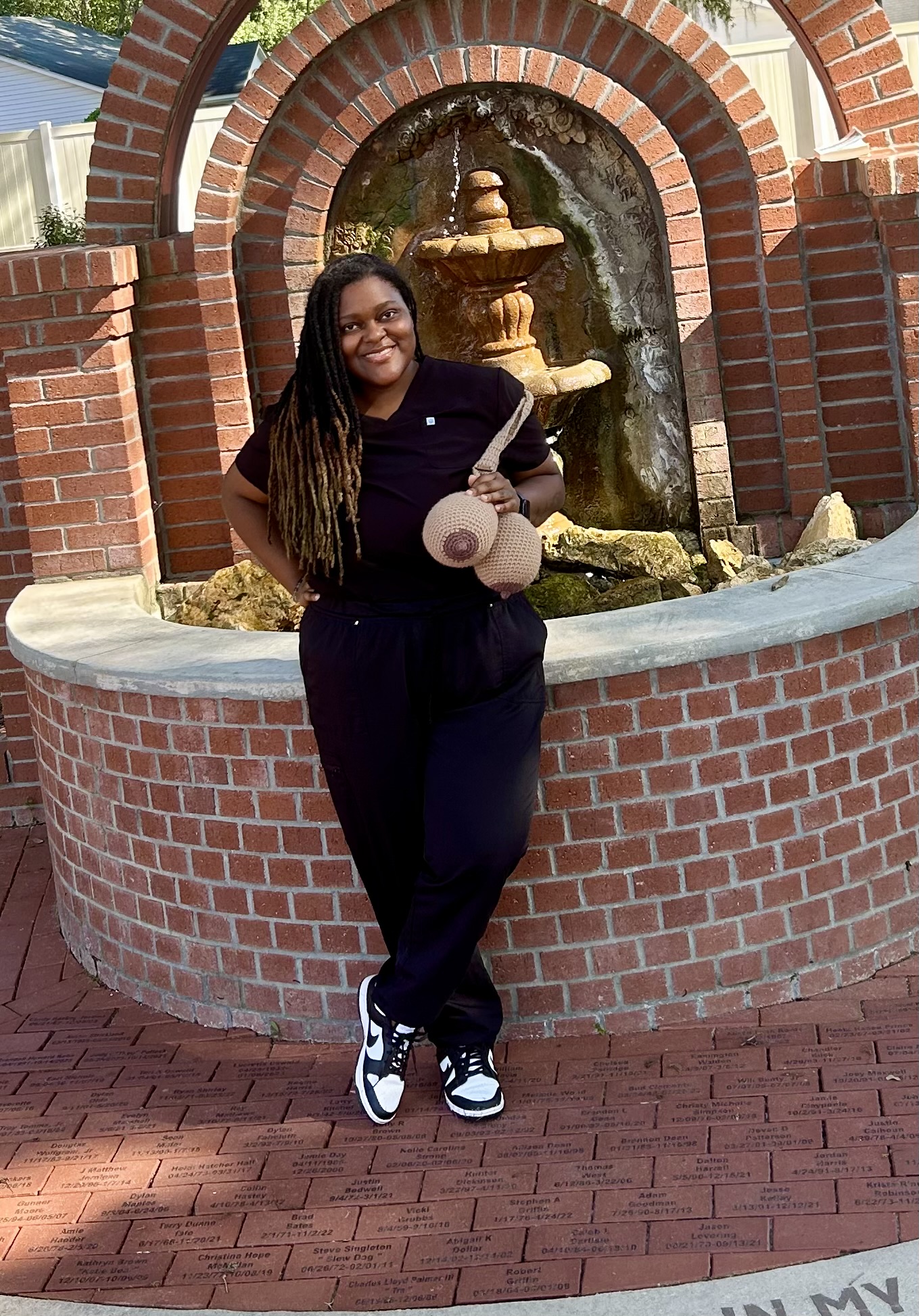
Raven Parris has spent more than a decade working in maternal-child health, public health, and behavioral health, but a pivotal training experience opened her eyes to an overlooked need in the communities she served. Now an International Board Certified Lactation Consultant (IBCLC) and doula, she’s turning that awareness into meaningful action through The Village Perinatal Services, Inc., helping families in rural and underserved communities access breastfeeding education, postpartum care, and compassionate support. Her mission is rooted in a simple belief: raising a child takes a village, but parents deserve a village of their own, too.
Raven, with more than a decade of experience in maternal-child health, public health, and behavioral health, what inspired you to pursue certification as an International Board Certified Lactation Consultant (IBCLC) and deepen your focus on breastfeeding support?
My passion for breastfeeding and lactation support actually began while I was working as a nurse in public health. As part of our continuing education requirements, I attended a training focused on the Baby-Friendly Hospital Initiative, which introduced me to the importance of breastfeeding, skin-to-skin contact, the golden hour, and other evidence-based practices that support mothers and babies immediately after birth. During that training, I learned about the many health benefits associated with breastfeeding, including a reduced risk of certain childhood illnesses, obesity, and some maternal cancers, as well as the role breastfeeding can play in promoting bonding between mothers and infants. I remember thinking, “Oh my goodness, why aren’t more people breastfeeding?”
Growing up in a rural community, formula feeding was very normalized. Even throughout nursing school and my early nursing career, I had very little exposure to breastfeeding. One of my earliest experiences was working alongside a mother who needed to take breaks to pump breast milk. At the time, it was such a foreign concept to me because I didn’t fully understand the importance of what she was doing. That training really opened my eyes to an entire area of maternal and infant health that I hadn’t previously understood. I realized there was so much valuable information that families, especially those in rural communities, might not be receiving.
That experience sparked my passion for breastfeeding education and eventually led me to pursue certification as an IBCLC. I wanted to be able to share that knowledge, provide evidence-based support, and help families make informed decisions about infant feeding.
Many rural communities lack consistent access to lactation care. What challenges do mothers and families in these areas most often face when trying to access breastfeeding and postpartum support?
One of the biggest challenges families face in rural communities is simply access to care. Families may have to travel outside their communities to receive specialized lactation support. When you consider transportation, childcare, work schedules, and the physical demands of recovering from childbirth, those barriers can become overwhelming.
Financial barriers are another major concern, particularly in communities where a significant portion of the population lives below the federal poverty level. Depending on their insurance coverage and the provider’s ability to bill for services, families may be responsible for paying out of pocket for lactation consultations. For many families, that simply isn’t financially feasible.
This was actually another motivating factor in my decision to become an IBCLC. I wanted to be able to provide lactation support in settings where families were already receiving care, whether that was in a hospital, a healthcare office, or directly within the community. My goal has always been to make these services more accessible.
Another challenge is the lack of awareness surrounding breastfeeding support. In communities where breastfeeding may not be widely practiced or openly discussed, families may not realize that lactation consultants exist, what services we provide, or when they should seek help. Mothers may receive some breastfeeding education before leaving the hospital, but many challenges don’t arise until they’re home. Without consistent follow-up care or access to knowledgeable professionals, families may struggle to find the help they need. I believe improving access requires more than simply making services available. We also have to increase awareness, provide education, and build relationships within our communities so families know that support exists and feel comfortable seeking it.
From your experience working with families, how can evidence-based lactation education and support improve not only breastfeeding outcomes but also maternal confidence and overall family health?
I believe education is empowering. When mothers understand how their bodies work, what to expect, and how to recognize when something isn’t going as expected, they’re better equipped to make informed decisions about their care.
From a clinical standpoint, evidence-based lactation support can help families identify and address concerns such as painful latching, milk supply, and infant feeding difficulties before those challenges become more complicated.
However, I believe the benefits extend far beyond breastfeeding itself. As both an IBCLC and a doula, I have the opportunity to support not only the infant’s feeding needs but also the mother’s physical and emotional well-being.
One area where I believe additional support is especially important is during the postpartum period. Traditionally, mothers have been scheduled for a routine postpartum visit around six weeks after delivery, while their babies receive multiple pediatric visits during that same time. Although recommendations now encourage earlier and ongoing postpartum care, many mothers still experience gaps in support after leaving the hospital.
This is one reason I value home visits and community-based care. Sometimes a mother needs someone to sit with her, listen to her concerns, validate what she’s experiencing, and remind her that her health and well-being matter, too. By combining my background in nursing, lactation, and doula support, I’m able to take a more holistic approach to caring for families. I can provide feeding education while also recognizing potential concerns related to postpartum recovery, emotional well-being, and the need for additional resources or referrals.
I also think it’s important to recognize that successful lactation support isn’t always measured by how long someone breastfeeds or whether they exclusively breastfeed. Sometimes success means a mother feels supported and confident in making the feeding decision that works best for her and her family. Ultimately, when we support the mother, we’re supporting the entire family.
Your career has focused on supporting vulnerable and underserved populations. How has that experience shaped the way you approach maternal and infant care today?
Working in public health, maternal-child health, and behavioral health has taught me that we cannot look at a person’s health in isolation. There are so many factors that influence health outcomes, including access to care, financial stability, mental health, education, transportation, and the support systems people have around them.
Those experiences have shaped my approach to be much more holistic and family-centered. I try to meet families where they are, without judgment or assumptions. Every family has different needs, circumstances, and goals, and I believe the care we provide should reflect that. It’s also taught me the importance of advocacy. Sometimes families don’t just need education. They need someone to help them navigate resources, understand their options, or connect them with services they may not otherwise be able to access. Ultimately, my goal is for families to feel heard, respected, and supported, regardless of their circumstances.
As you continue expanding lactation and maternal health services in underserved areas, what vision do you have for improving access and ensuring more families receive the support they need during the postpartum journey?
My vision is to help create a community where families don’t have to struggle to find support during pregnancy and postpartum.
That vision is a big part of why I founded The Village Perinatal Services, Inc. I wanted to create something that goes beyond traditional appointments and brings education, resources, and support directly into our communities.
Through The Village, I hope to expand access to lactation consultations, childbirth education, postpartum support, parenting education, and community-based programs that help families build connections with one another and build stronger communities.
I would also love to see stronger partnerships between healthcare providers, hospitals, public health organizations, and community-based professionals so families experience more continuity of care. For me, it’s about making support accessible, affordable, and sustainable, especially for families living in rural and underserved areas.
I truly believe it takes a village to raise a child, but I also believe it takes a village to support parents. My goal is to help build that village.
Links:
- Website: www.rayethedoula.com
- Facebook: https://www.
facebook.com/rayethedoula - Nonprofit Facebook: facebook.com/
thevillageperinatal - Instagram: https://www.
instagram.com/rayethedoula/ - LinkedIn: www.linkedin.com/in/
raven-parris - TikTok: https://www.tiktok.com/@
doularaye
Popular
-

Raven Parris Is Building the Village Every Mother Deserves During Pregnancy and Postpartum
-

Hidden Gems: Local Businesses & Creatives You Should Know
-

ATL’s Most Inspiring Stories
-

Portraits of Atlanta
-
Peyten Williams Is Helping Parents Trade the Pressure of Perfect Parenting for Better Judgment
-

Dr. Hildiah Martin-Suggs Is Building Second Chances for Youth Who Were Almost Lost in the System