







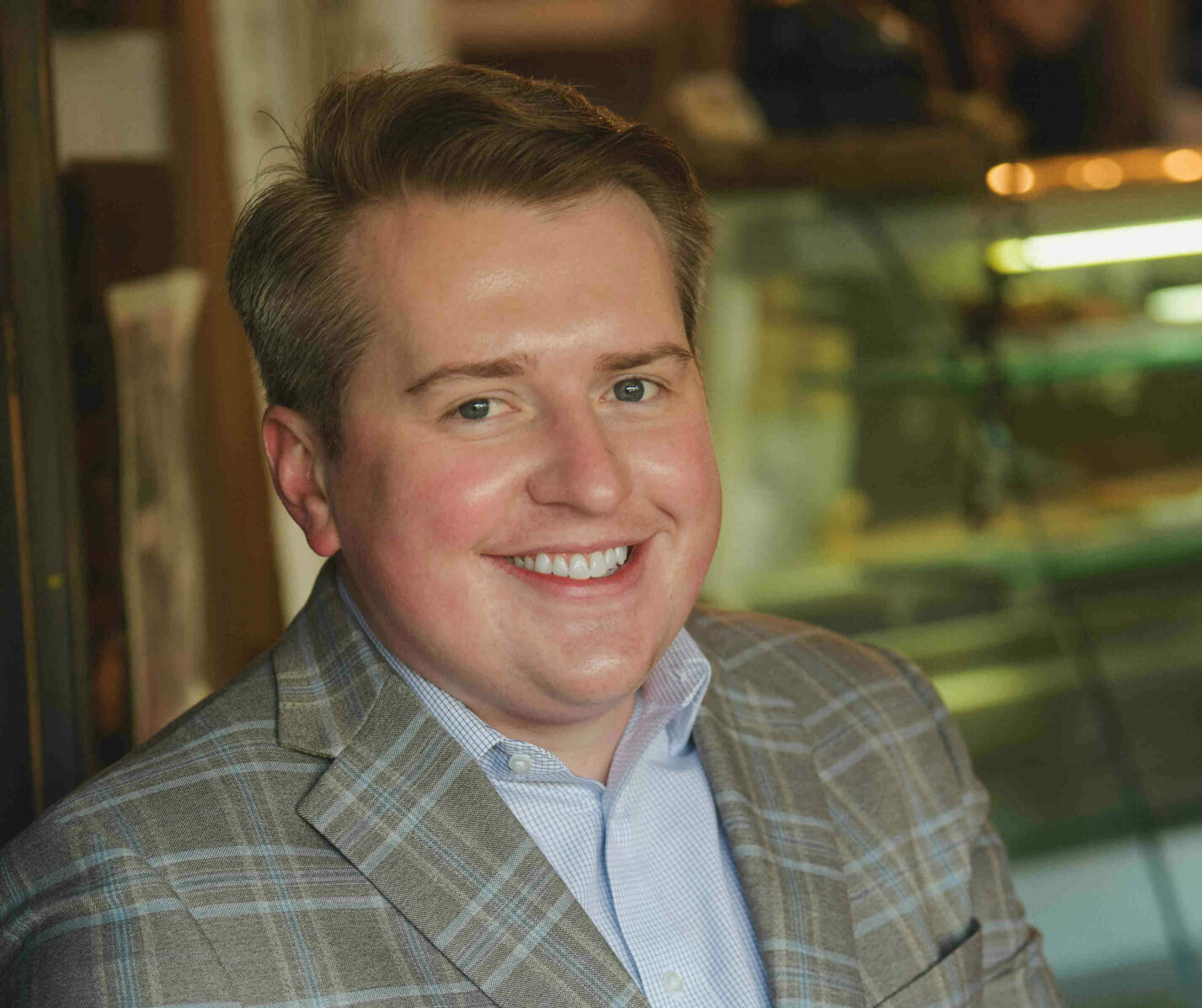
For Cameron Zabko, financial planning has never been about chasing investment returns — it’s about helping people navigate life’s biggest decisions with clarity and confidence. Inspired by his late uncle’s relationship-centered approach to advising, he founded Westhollow Wealth Management as an independent fiduciary firm focused on long-term planning over sales. Through his work with clients and his co-authored book Where’s the Key to the Safe?, Cameron is encouraging families to have important conversations about money, legacy, and preparation, making financial planning more approachable for every stage of life.
Cameron, your journey into financial planning was shaped by both professional experience and deeply personal family circumstances, leading you to found Westhollow Wealth Management with a relationship-focused approach. How did those experiences influence your philosophy as a financial advisor, and what inspired you to build an independent fiduciary firm?
My uncle was a financial advisor, and I had the opportunity to work alongside him early in my career. Watching the way he served clients showed me that this business has very little to do with picking investments and everything to do with earning trust. Clients weren’t calling because they wanted to know what the stock market did that day. They were calling because they were retiring, selling a business, losing a spouse, helping aging parents, or trying to make the best decision for their family.
When he was diagnosed with glioblastoma, I saw those relationships from a completely different perspective. His clients became friends. They checked on him, shared stories, and reminded me that financial planning is ultimately about people, not portfolios.
After his passing, I knew I wanted to continue building relationships like that, but I also wanted the freedom to do things differently and without the handcuffs that come with working for a large company. I founded Westhollow Wealth Management as an independent fiduciary firm because I wanted every recommendation to start with one question: “What’s truly best for this client?”
Being independent allows us to focus on long-term planning rather than sales goals or commissions on proprietary products. Whether we’re discussing taxes, retirement, estate planning, or investments, every recommendation should fit into the bigger picture of what that client is trying to accomplish in their life and with their legacy.
Many people still view financial advisors as professionals who simply manage investments for retirees or the wealthy. What are some of the biggest misconceptions about the profession today, and how has the role of a modern financial advisor evolved?
The biggest misconception is that financial advisors exist solely to beat the market.
If that’s all an advisor does, technology has made much of that easier and less expensive than ever before.
The real value today comes from helping people make better financial decisions through long-term coaching. That might mean developing a tax strategy before retirement, deciding whether to pay off a mortgage, evaluating employee benefits, planning around stock compensation, helping someone care for aging parents, or making sure an estate plan actually works the way a family intends. Many of these decisions can’t easily be undone, which is why the worst time to hire an advisor is often at retirement, after most of the major financial decisions have already been made.
Another misconception is that you need millions of dollars or have to be approaching retirement before working with an advisor. While many of our clients are retirees with significant assets, about half are professionals, executives, business owners, and entrepreneurs who are still decades away from retirement. They may not have reached their financial destination yet, but they’re earning well, accumulating wealth, and making increasingly complex financial decisions.
Your 30s and 40s are often the years when life gets financially complicated. Careers accelerate, families grow, equity compensation becomes part of your paycheck, taxes become more significant, aging parents may need support, and important retirement decisions begin to carry long-term consequences. Having a trusted advisor during those years can be just as valuable as having one in retirement.
Investment management is still an important part of what we do, but it’s only one piece of comprehensive financial planning. Our role is to help clients make smart decisions throughout their lives so that, by the time retirement arrives, they’ve built a financial plan that’s as strong as the portfolio supporting it.
You’ve emphasized the importance of helping younger professionals, entrepreneurs, and business owners plan well before retirement. Why is it so important to start those conversations early, and what financial decisions tend to have the greatest long-term impact?
The earlier someone begins making intentional financial decisions, the more options they’ll have later.
For younger professionals, I usually tell them to focus on two things: avoiding lifestyle creep and paying themselves first.
Lifestyle creep happens to almost everyone. As income increases, spending quietly follows. A nicer house, a newer car, more vacations. None of those things are inherently bad, but if every raise gets absorbed into your lifestyle, it’s easy to look back years later wondering where all that extra income went.
That’s why I encourage clients to have a plan for every raise and bonus before it hits their bank account. We decide in advance where those dollars should go, whether that’s retirement savings, investments, or other long-term goals. When saving becomes automatic, you’re much more likely to build wealth without feeling like you’re making constant sacrifices.
For entrepreneurs and business owners, the conversations are a little different. We focus on creating tax-efficient strategies, separating personal and business finances, protecting the business, and making decisions today that increase its long-term value.
People often spend too much time worrying about finding the next great investment. In my experience, taxes, cash flow, and behavior usually have a much bigger impact on long-term success than picking the perfect stock.
Starting early isn’t just about accumulating more money. It’s about creating more choices. When you’ve built a strong financial foundation, you have the flexibility to change careers, start a business, retire on your terms, or simply make important life decisions with confidence instead of financial stress.
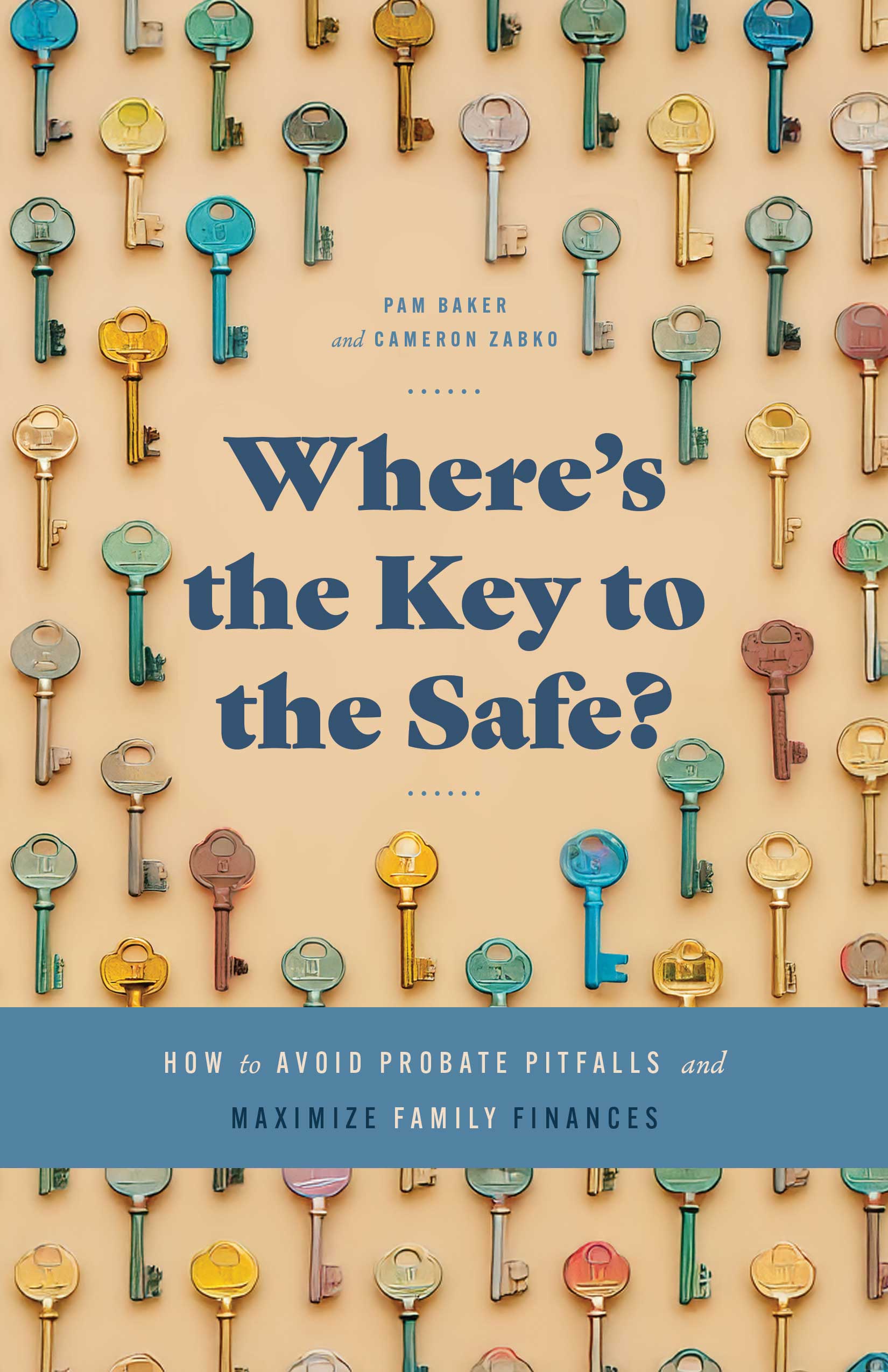
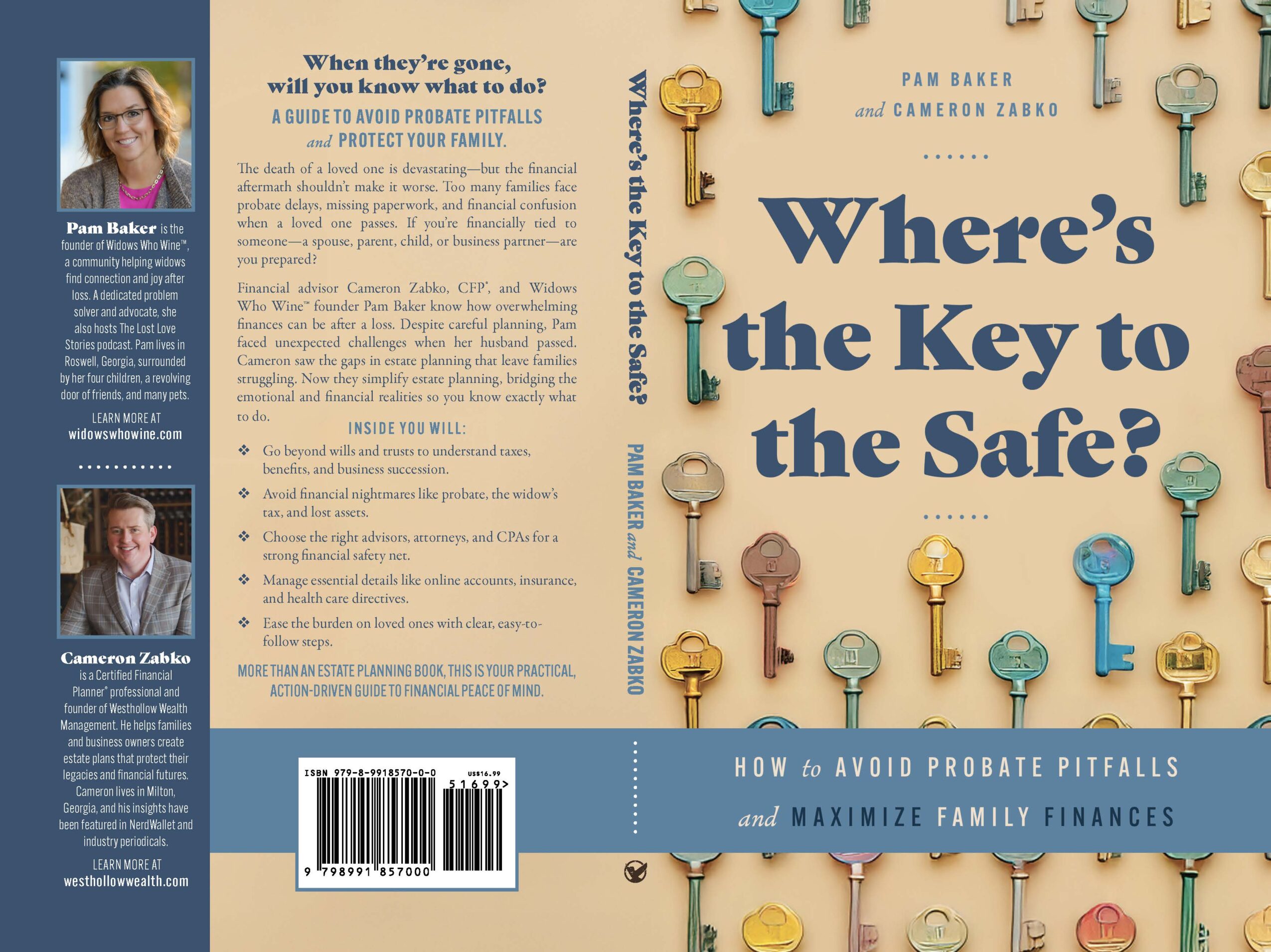
You also co-authored Where’s the Key to the Safe?, a book that encourages families to have meaningful conversations about money, legacy, and planning ahead. What inspired the book, and why do you believe these discussions are often delayed until it’s too late?
The inspiration for Where’s the Key to the Safe? was deeply personal.
My uncle was my mentor, and once I began working for him, our lives became intertwined both professionally and personally. After he was diagnosed with glioblastoma, our family had nearly three years to prepare for what we knew was coming. During that time, we updated estate documents, organized accounts, and assembled an incredible team of professionals, including attorneys, CPAs, and financial advisors.
Even with all of that preparation, settling his estate was far more difficult than any of us expected. There were countless decisions, paperwork, phone calls, and emotional moments that stretched on for years after his passing.
At one point, my aunt and I looked at each other and asked, “If this is hard for us, how does a family with no plan, no professional guidance, or an unexpected loss ever make it through?”
That question became the foundation for Where’s the Key to the Safe?
We intentionally wrote the book to be valuable for everyone. For someone who has never created an estate plan, it’s a practical roadmap for getting organized. For someone who believes they already have everything buttoned up, it’s an opportunity to audit their plan and uncover the details that are often overlooked.
More importantly, it’s about starting conversations that families tend to avoid. Where are the important documents? Who are the trusted advisors? What accounts exist? What are your wishes if something happens? If you’re financially connected to someone, the book is ultimately about making sure you don’t leave them with unnecessary confusion during one of the most difficult times of their life. We also share practical ways to start these conversations, especially with loved ones who may be reluctant to have them.
If our book encourages even one family to have those conversations before they’re forced to, then it has accomplished exactly what we hoped it would.
Looking ahead, what is your vision for Westhollow Wealth Management, and how do you hope your work continues to change the way people think about financial planning and preparing for life’s unexpected moments?
My vision isn’t to build the biggest advisory firm. After experiencing multiple industry buyouts firsthand, it’s certainly not to merge with one of the large consolidators either. My goal is to build a firm that clients genuinely trust, enjoy working with, and feel comfortable introducing to their children and grandchildren.
I want Westhollow to be known for simplifying complex financial decisions and helping people feel more confident about their future. Money is complicated enough. My job is to bring clarity, not more confusion.
Whether that’s through meeting with clients, writing educational content, hosting community workshops, or publishing books, I want financial planning to feel approachable rather than intimidating. Some of the most meaningful conversations we have are with people who aren’t even clients yet. If someone leaves a meeting feeling more informed, more organized, and more confident than when they walked in, we’ve accomplished something worthwhile.
Life will always be unpredictable. Good financial planning can’t eliminate uncertainty, but it can give families the confidence to navigate whatever comes next. If that’s the legacy Westhollow leaves behind, I’ll consider it a success.
Links:
- Website: https://www.westhollowwealth.
com/ - Book: https://a.co/d/08gUOOWY


Popular
-

Hidden Gems: Local Businesses & Creatives You Should Know
-

ATL’s Most Inspiring Stories
-

Portraits of Atlanta
-

Dr. Hildiah Martin-Suggs Is Building Second Chances for Youth Who Were Almost Lost in the System
-

From Showing Up to Seeing His Face on a Billboard: Anthony Green Is Just Getting Started
-

Wayne Smith Jr on Survival, Psychological Thrillers, and the Cost of Staying Alive