







Dr. Hildiah Martin-Suggs has spent more than a decade working across criminal justice, youth advocacy, investigation, education, and community leadership, driven by a determination to make sure vulnerable people are not overlooked by the systems meant to serve them. Through Almost Lost In The System Incorporated and her Youth Mitigation Second Chance Program, she works to give young people and their families access to advocacy, education, resources, and opportunities for a different future. At the heart of her work is a belief that accountability and humanity can coexist — and that a difficult chapter does not have to become the whole story.
Dr. Hildiah, your decades of service in criminal justice, youth advocacy, and civil rights have been recognized with numerous honors, including the Outstanding Georgia Citizen Award and the Presidential Gold Award. Looking back on your journey, what has motivated your lifelong commitment to advocating for vulnerable communities, and how have these recognitions reinforced your mission?
My lifelong commitment to criminal justice, youth advocacy, and civil rights comes from a deep belief that every person deserves to be seen, heard, protected, and given a genuine opportunity to succeed. Specifically, the youth! Throughout my decade of service, I have witnessed how easily vulnerable youth, families, and individuals can become “almost lost in the system” when they do not have someone willing to stand beside them and advocate for them.
That reality has always motivated me. I have never wanted to simply talk about injustice—I wanted to be part of the solution. Whether working with young people, advocating for families, addressing issues within the criminal justice system, or creating opportunities for individuals seeking a second chance, my goal has remained consistent: to help people move from being defined by their circumstances to recognizing their potential.
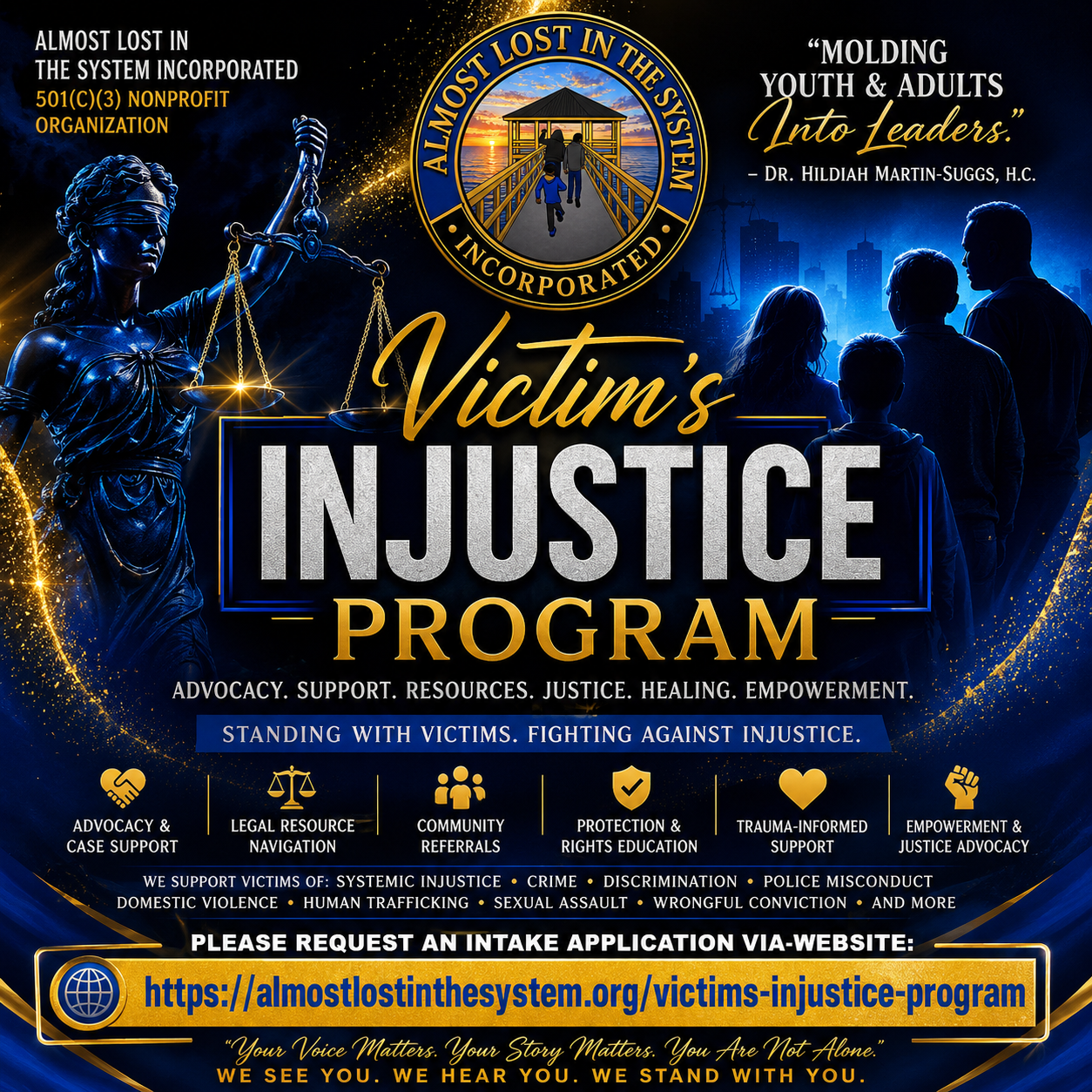
My work through Almost Lost In The System Incorporated was born from that commitment. Our mission, “Molding Youth and Adults into Leaders,” reflects what I believe deeply: circumstances may influence someone’s journey, but they should not determine their destiny.
Receiving honors such as the Outstanding Georgia Citizen Award and the Presidential Gold Award has been incredibly meaningful, but I view these recognitions less as personal accomplishments and more as reminders of the responsibility that comes with service. They affirm that the work matters, but they also challenge me to continue reaching further, serving more people, and creating lasting change.
For me, the greatest recognition is not a title, certificate, or award. It is seeing a young person regain hope, watching a family receive the support they desperately needed, or witnessing someone who was once counted out begin to believe in themselves again. Those moments reinforce why I started this journey—and why I intend to continue it.
One of your most groundbreaking initiatives was creating the Youth Mitigation Program and becoming the first Youth Mitigation Investigator to specialize within a District Attorney’s Office. What inspired you to develop this program, and how has it helped create second chances for young people facing life-changing circumstances?
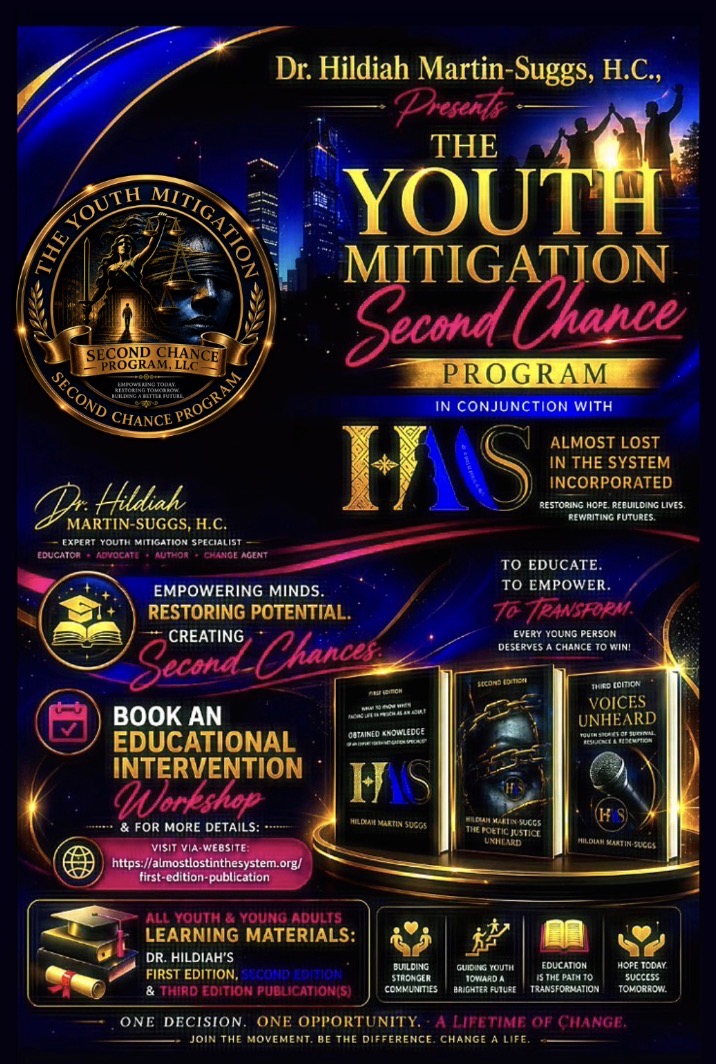
Creating the Youth Mitigation Second Chance Program came from recognizing a gap in the justice system, school system, communities, mental health, behavioral health, youth growth, development; and deriving from my own personal experience with my oldest son who was 14 years old, being at the wrong place at the wrong time. During the fight for him to be afforded a second chance to live a productive life. I encountered many other youth through the lens of the offense they committed rather than understanding the circumstances, experiences, and potential of the young person behind that offense. I wanted to change that!!
When I was appointed as a State Youth Mitigation Investigator by one of the State of Georgia’s BADDEST and BOLDEST prosecuting Attorneys who trained many Attorneys, Law Enforcement and Civilians, “The former Gwinnett County District Attorney Daniel J. Porter “Danny Porter,” and now operating as a Mitigation Specialist, a Criminal Justice and Civil Rights Leader within multiple companies. I’ve obtained a lot of knowledge and work experience to continue creating programs that actually work in the many challenging systems families facing. I create social changes and programs that afford many opportunities that was never afforded before I stepped on the scenes and this is for everyone, not just one specific group of people. I became deeply focused on looking beyond the case files. I wanted to understand the young person’s family environment, educational history, trauma, behavioral and mental health needs, community influences, strengths, and aspirations from a toddler or even a baby. Those factors can be critical in understanding how a young person arrived at a particular moment in their life—and, more importantly, what can be done to prevent that moment from defining their future. When it comes to community service and advocacy. You can’t just focus on the youth, you must focus and assist the whole family in their households.
Developing the Youth Mitigation Program allowed me to bring a more comprehensive and human-centered approach to juvenile justice, the different systems should educate themselves on how to truly treat the youth, how the mind of a youth operates, their families and views from the voices unheard. Launching my First Edition Publication, “What To Know When Facing Life In Prison As An Adult |Obtained Knowledge Of An Expert Youth Mitigation Specialist.” My work ethics, programs created and Publication that I’ve written, has created an opportunity to provide decision-makers with information that might otherwise be overlooked and to connect young people and their families with resources, interventions, mentorship, education, and other forms of support. Access, Education, Resources and Support means everything from all aspects in life.
I believe accountability is important, but accountability should not mean giving up on a child’s future or the families they come from who lack knowledge or resources or just unable to function properly from their growth and development that is passed on to their children. Young people are still developing, learning, and capable of tremendous change. When we intervene early, address the underlying issues, and surround them with the right support, we can create pathways that lead away from incarceration and toward education, employment, leadership, a productive and healthy lifestyle. That is what a second chance means to me. It is not simply getting someone out of trouble, negotiating a plea deal and then transported down the road to a high-risk Prison by State without knowing what to expect. It is giving them the tools, mapping their progress, guidance, support, opportunities to make a different choice moving forward and having a lasting impact during the process.
The Youth Mitigation Second Chance Program became more than an initiative. I can actually state that I am in my calling by GOD YAHWEH through the name of his son Yahshua and the Holy Spirits. I will always believe in the highest who created the seen and unseen. I will continue to utilize and embrace my gifts until the day I don’t have no more breath in me then the infrastructure I’ve created will be my Legacy passed on to the next generation as GOD see fit that this must be. Therefore, the Leader that GOD YAHWEH called me to be. This has become a significant part of my life mission, vision and goals. My calling reinforced my belief that sometimes the most powerful thing we can do in the justice system is to make sure a young person’s worst decision does not become the story of their entire life. According to the Holy Bible King James Version, “Yahshua gave children special attention and Yahsua stated that we should not forbid them and that whosoever receive one such little child in his name, shall receive him. But whoso shall offend one of these little ones which believe in me, it were better for him or her that a millstone were hanged about his neck, and that he or she were drowned in the depth of the sea.” This is so deeply rooted inside of me, that it shifts the way I accept specific type of cases into any of my Organizations. I don’t second chance adult men and women who harm children. I am more so a Youth Advocate to the heart. However, other leaders outside of my Organizations choose to accept cases; this is their prerogative and not mines. Who am I to Judge? I am not GOD YAHWEH or a State Judge! The way Yahshua viewed children alone and being a mom myself, inspired my Leadership Role to pave the way for the next generation. I compare my role as a Leader in today’s society to the calling that GOD YAHWEH blessed, “The Queen of the South that is mentioned in the Holy Bible KJV(THE QUEEN OF SHEBA) with.” The Queen of Sheba was a DECISIVE LEADER, she traveled to investigate the most prominent King that lived “SOLOMON.” She was wealthy in the Holy Spirits and a resourceful Ruler; she gave more than she wanted to receive, she was competent with wisdom, she was an observer to how the people were treated. The Queen of Sheba understood the value of partnerships and relationships by investing her time in obtaining knowledge and she established her work ethics around the needs of GOD’S people. This is exactly how I view myself as a Leader, if anyone decides to compare me to any Leader. I accept this comparison to the Queen of Sheba!
Through Almost Lost In The System Inc., you’ve focused on supporting youth boys and young men who are often overlooked. What gaps did you see in existing support systems, and how is your organization working to help young people build brighter futures?
Through Almost Lost In The System Incorporated, I have focused much of my work on youth, particularly boys and young men, because I recognized early on that many of them were being overlooked until they were already in crisis or involved with the justice system. The youth girls and women, we have everything made for us or just handed to us. There isn’t much offered to the boys and men. I’m speaking from experience, what I know, what I hear and what I see with my own eyes. This why I will always be a male advocate. I love females equally, but o choose to advocate more so for the males because they need leaders like me or similar.
One of the biggest gaps I saw was the lack of consistent, accessible support that addresses the entire young person—not just the behavior or circumstance that brought them to someone’s attention. We cannot expect a young person to change their trajectory if we ignore what is happening in their home, school, family, community, and personal life. Makes mental health matters too, what they’ve experienced and experiencing shouldn’t be overlooked.
My own experience with my oldest son, who was 14 years old and found himself in a situation where he was at the wrong place at the wrong time, gave me an even deeper understanding of how quickly a young person’s life can be affected by circumstances and change within a snap of the fingers. During my fight to make sure he was afforded an opportunity to live a productive life, I realized there were countless other families facing similar situations without knowing where to turn.
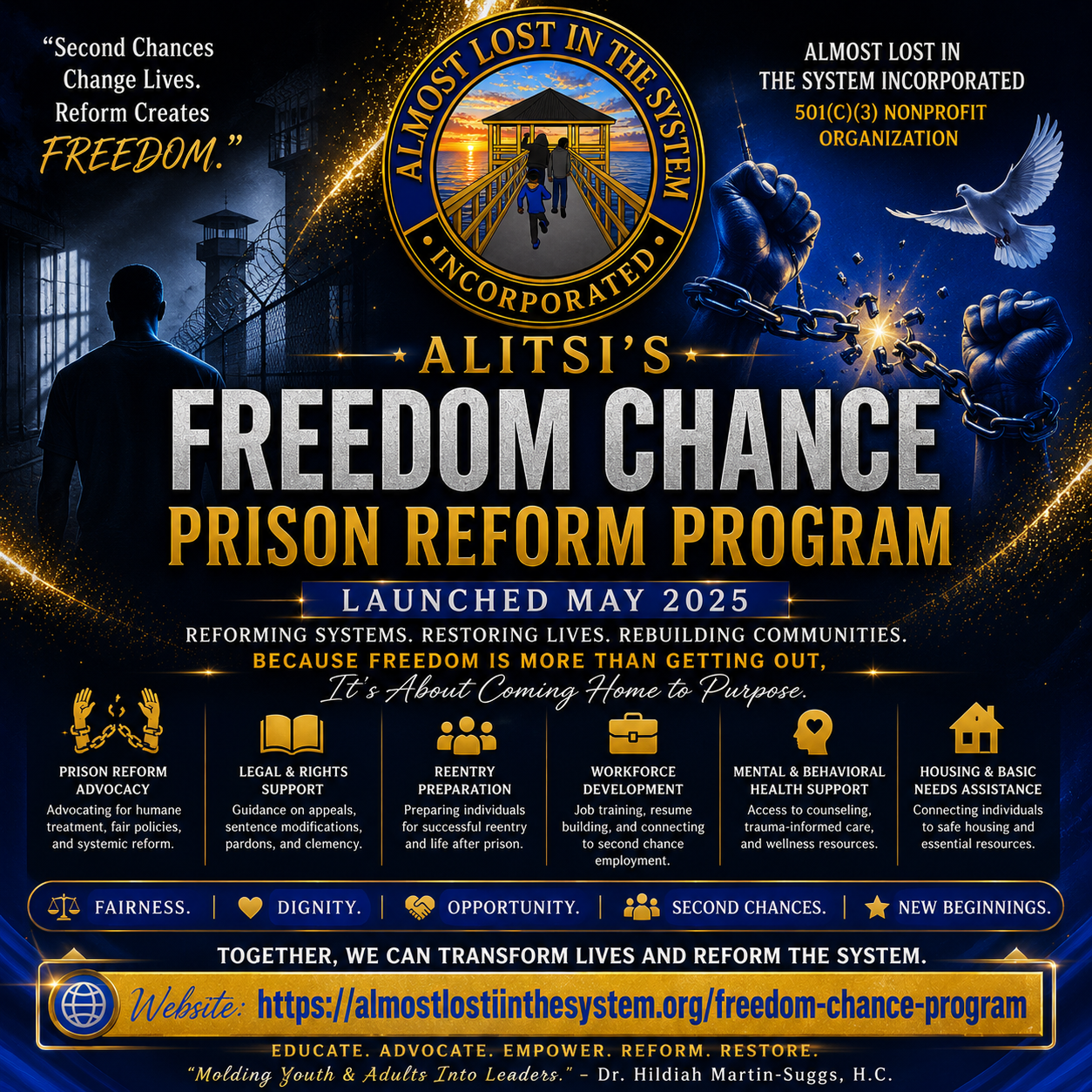
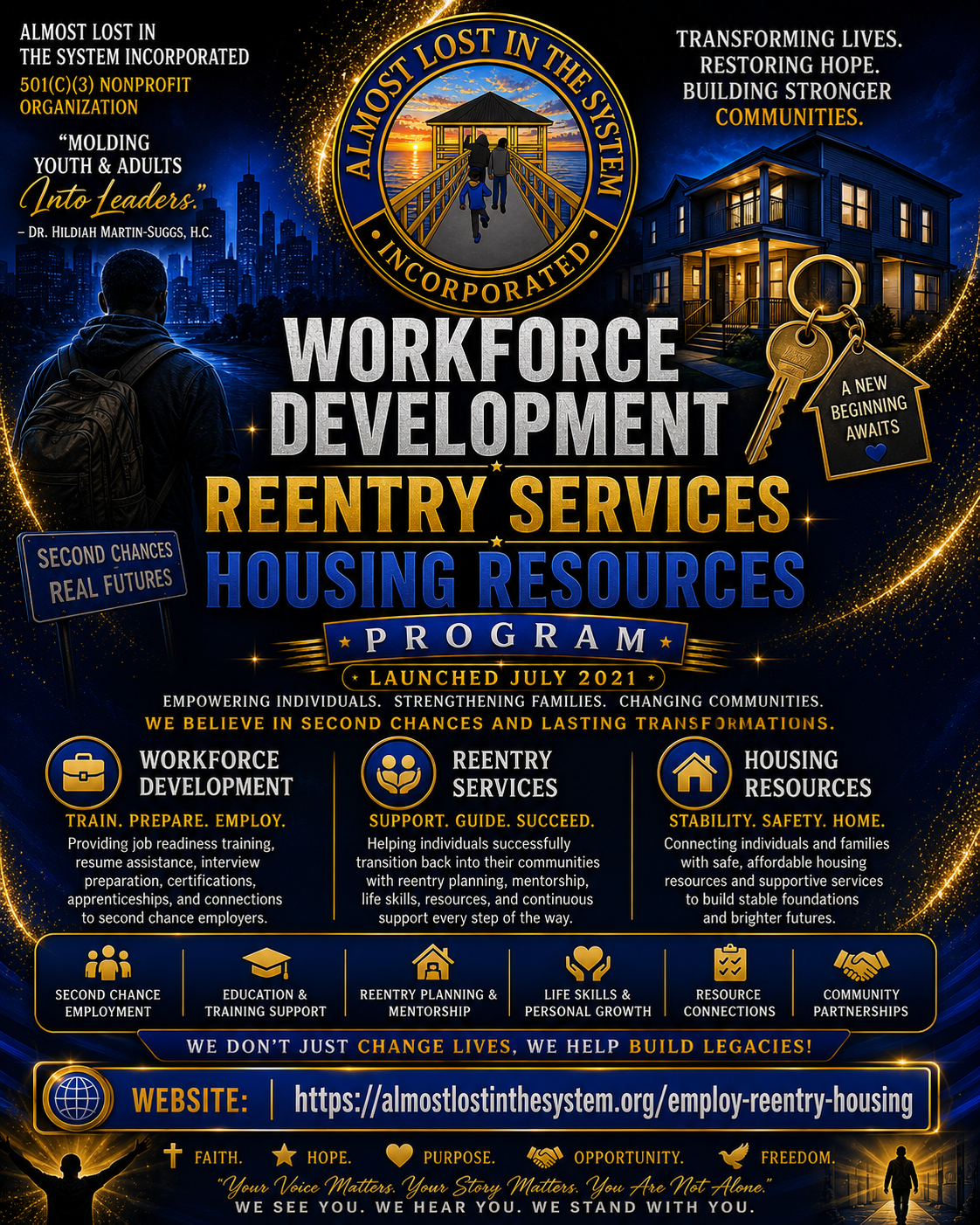
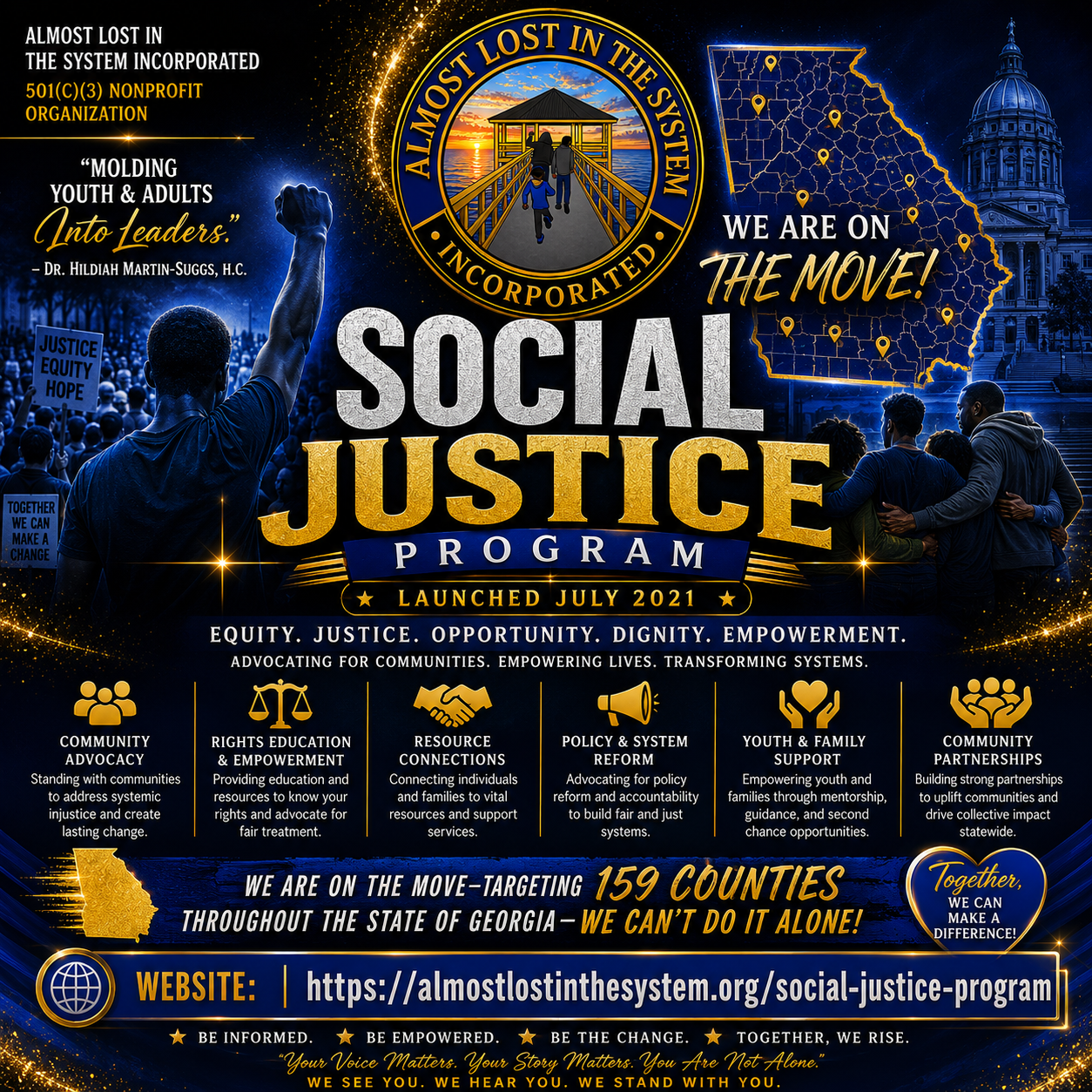
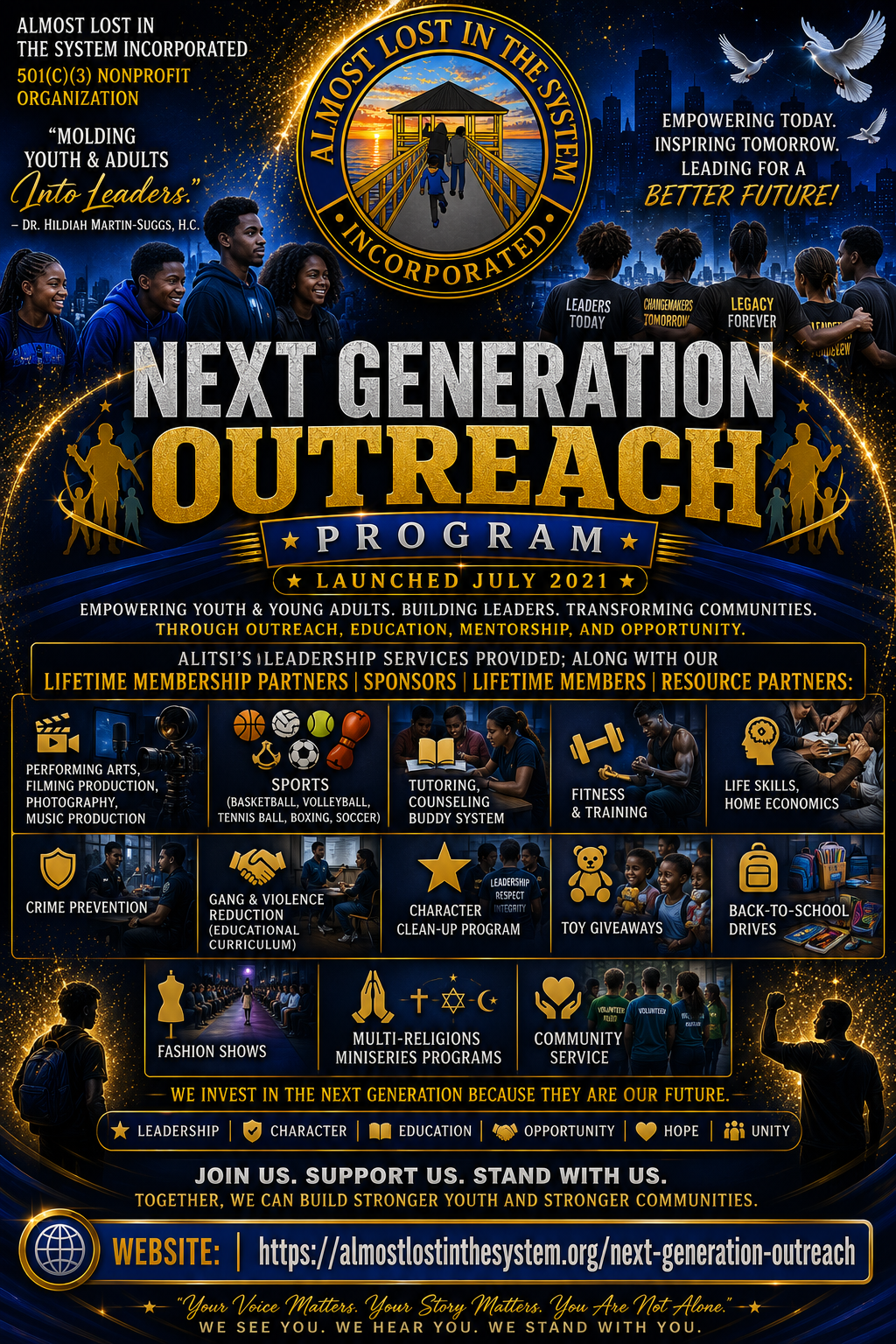
That experience helped shape my commitment to creating programs that provide Access, Education, Resources, and Support. Through ALITSI, we work to connect young people and families with mentorship, youth development, educational support, workforce development, behavioral and mental health resources, leadership opportunities, crime prevention initiatives, and second-chance services. Also, I believe strongly that you cannot effectively serve a young person without considering the family and household around them. When a child is struggling, the family often needs support, education, resources, and advocacy as well. Our approach is therefore designed to strengthen not only the young person, but the environment surrounding them.
Most importantly, I want young people to understand that their circumstances do not have to define their future. We work to help them recognize their value, develop their strengths, make better decisions, and see themselves as future leaders. I want every youth to know, that being a leader doesn’t have a age starting point or ending. This why I have several Directors and Leaders within my Organization who are 14, 15, 16, 17 years old and in their early 20’s. The time is NOW! As I stated before. My philosophy is simple: I don’t have to be a child’s biological mother to care about their future. These young people are precious, vulnerable, not fully developed; and they deserve adults who are willing to stand up, show up, and help them find a better path.
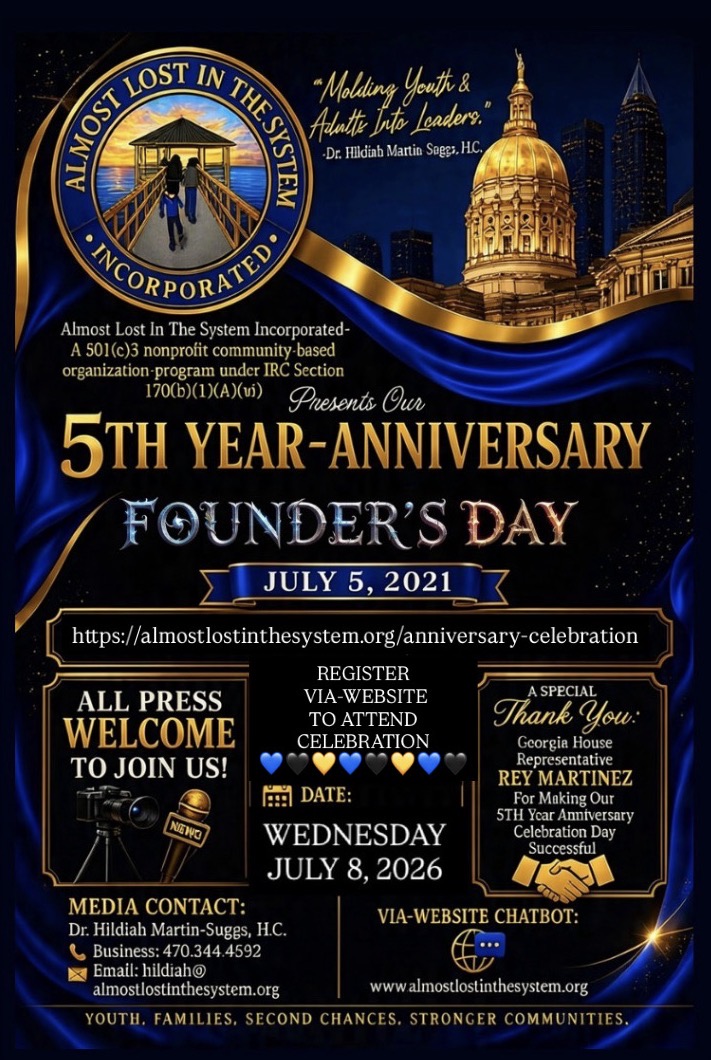
Almost Lost In The System Incorporated, celebrated our 5th Year Anniversary in July at the Georgia State Capitol Liberty Plaza. Our goal is to continue, “Ensuring that no more families are lost in the systems we serve. Almost Lost In The System Incorporated wants the families to continue becoming educated pertaining to the many systems that affect our communities on a daily basis. Also, families who are stuck trying to navigate the same systems that are challenging them financially, mentally, physically and emotionally. As Leaders along with our Partners or RResources, we utilize our expertise to help, support, mentor, educate, equip the people incarcerated and the people in the communities. Whether you need advice, an advocate, an investigator, support or legal assistance. Almost Lost In The System Incorporated, along with our Partners or Resources can help you make the challenging systems work for you.”
Your career has spanned advocacy, private investigation, mentoring, education, and community leadership. How have these diverse experiences shaped your approach to justice, and what lessons have you learned about creating lasting change?
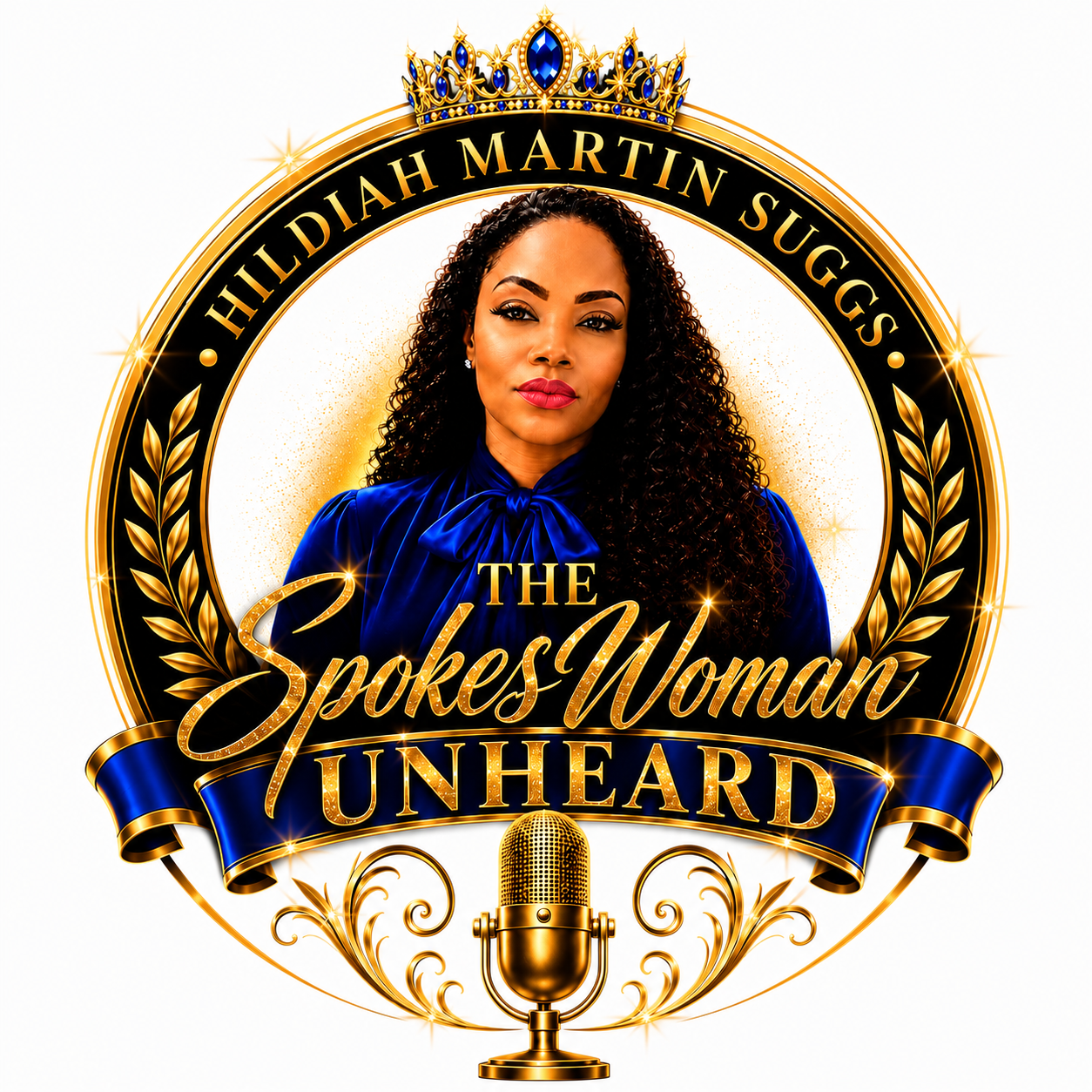
My diverse experiences have taught me that justice is not one-dimensional. You cannot understand justice by looking at one side of a situation. I believe in Justice three ways( For the Victims, those deserving second chances when accepting accountability for their mistakes and those who should be exonerated for crimes they didn’t commit or they didn’t participate in as conspiring). Bring a Mitigation Specialist has taught me how important it is to listen more than you speak to give people a voice. Also, to be able to give precise advice to those seeking someone to tell them the truth and how Justice isn’t blind. I’ll talk about how Justice isn’t blind in my upcoming Podcast Series that will be launching in the next weeks “Hildiah Martin Suggs|The Spokeswoman Unheard. Pertaining to obtaining my credentials and completing the National Investigative Training Academy for Private Detectives and the extensive training and credentials that I’ve obtained these past ten years as well. I always give credit to the Founder and Co-Founder of the Organization Clippers and Cops, Taylor Ingram, the former Georgia State Conference NAACP Presidents “Minister Barbara Pierce, James Woodall, Ray Harvin, Attorney Gerald Griggs and the Gwinnett County Sheriff Keybo Taylor for believing in me as well and investing in my steps to succeeding my goals with the journey I chose. My journey to become more credible when it comes to my work ethic, to pave the way for others who would like to become Mitigation Specialists by obtaining the knowledge needed to successfully conduct investigations and to qualify to work in any District Attorney’s Office or Company representing in my fields. I state this with confidence as humbly as possible to individuals who attempted to dismantle me during my journey —- I am HISTORICAL! I am the Game Changer and a Trailblazer who set the trends in the trenches. My journey has been rough, but I make it look easy when it’s not.
I accomplished this goal not even a year after completing training. My journey has taught me to trust GOD YAHWEH more than anything. How important remaining humble, helping those in need, respectful towards others no matter the circumstances, obtaining further education, training, listening, facts, documentation, persistence, and paying attention to more details in a case or just life period. Mentoring taught me that people often need someone to believe in them before they learn how to believe in themselves. It’s okay to want or need that extra encouragement to become motivated. Education taught me that knowledge is one of the greatest forms of empowerment. And community leadership taught me that having a vision is only the beginning that I have to be willing to put in the work to turn that vision into something people can actually utilize. I want others to see what I see for the youth and their families. Working in different areas of criminal justice and community service has also taught me not to make assumptions. Every case has a story, every family has circumstances that may not be visible from the outside, and every person deserves to be approached with both accountability and humanity. This is a part of being human.
One of the greatest lessons I’ve learned is that lasting change requires more than identifying a problem. You have to create social change in spaces that others may dislike you because of the spaces you’re navigating in is where you’re accepted and needed to continue building solutions. Sometimes that means creating a program. Sometimes it means educating a family. Sometimes it means investigating what others overlooked, mentoring someone through a difficult period, connecting a person to the right resource, or simply refusing to accept that something cannot be changed or bring in rooms that others dream of being in or refuse to be in because their focus is what others would think of them. Me, I don’t care what nobody thinks or says about me. I’m on GOD’S timing for the people. No matter the Race, Culture, Religion, Sex, Nationality and Sexuality. I’ve served, serving and will continue to serve. If I can’t help you, I’ll resource you to a partner or an affiliate who will.
I’ve also learned that change does not always happen quickly. There are times when you may work for years before you see the impact of what you started or lack funding and have to provide, but this doesn’t mean you stop the mission and blur your vision. You have to keep going! That is why consistency matters. You have to be willing to continue doing the work even when there is no applause, no recognition, no money, no support and no guarantee that anyone will understand your vision immediately.
Today, I approach justice from a much broader perspective. I look at the individual, the family, the community, the systems involved, and the opportunities that can be created on the other side of a difficult circumstance. I believe real leadership means being willing to go where the need is, not simply where the recognition is. I work behind the scenes a lot, so most of my work isn’t noticeable and that’s how I love it. I move like Batwoman lol, one moment you see me then you don’t. Just know when I step onto the scene and you allow me to work, then the job is done.
If I have learned anything throughout my journey, it is that lasting change happens when knowledge is turned into action, action is turned into opportunity, and opportunity is sustained through leadership. That is the kind of impact I want my life’s work to leave behind. One of my Quotes, “Leadership is about making others better as a result of your presence and making sure that impact lasts in your absence. Being a prominent Leader is about how you impact other’s temperament, evolution and comportment. Be more prudent before you communicate or before taking the initiative.”-Dr. Hildiah Martin-Suggs, H.C.-
Looking ahead, what is your vision for Almost Lost In The System Inc., and what message would you like to share with communities, policymakers, and future advocates about the importance of second chances and equitable justice?
Looking ahead, my vision for Almost Lost In The System Incorporated is much bigger than one organization. I want to see ALITSI continue growing into a nationally recognized organization for advocacy, education, criminal justice reform, youth development, community empowerment, and access to resources. I want us to build stronger partnerships, expand our programs, reach more communities, and create opportunities that continue long after I am no longer the person leading them and my legacy lives on long afterwards. I am working on some major things at the moment and solidifying a community center is one. Just know the work doesn’t stop!
I also want to continue developing the next generation of advocates and leaders. I don’t want young people to simply participate in programs. I want them sitting at tables, learning how systems operate, asking difficult questions, developing solutions, and eventually becoming the people creating change themselves and carrying the torch. Leadership should be developed early, not handed to someone only after they become an adult.
To communities, my message is: don’t wait until a crisis happens to become involved. Learn your rights. Learn how the systems affecting your family operate. Ask questions. Build relationships. Become informed. Most importantly, don’t be afraid to advocate for yourself or someone else.
To policymakers, I would say that people affected by these systems should not only be discussed in policy meetings, during elections or when a tragedy happens and the tragedy hits the News. They should be included in the conversations where policies are created and changed. Good policy requires listening to the people who experience the consequences of those policies firsthand. We need justice that is thoughtful, informed, transparent, and equitable.
And to future Leaders, I would say: don’t allow the difficulty of the work to convince you that the work isn’t necessary. You will not always receive funding, recognition, agreement, or even appreciation. Sometimes you will be the person walking into a room where your perspective is uncomfortable for others. This is a known experience with me. I want you to still walk in anyway with your head held high, confident and like you know you belong there. Trust what I state, your presence can help someone else.
Second chances are important, but I believe equitable justice goes even further. It means recognizing victims, protecting the innocent, holding people accountable when appropriate, and recognizing that people can grow, change, and contribute positively to society. Justice should not be about choosing one group over another. It should be about pursuing what is fair and what is right. My most famous quote, “MY EXPERIENCES WITH YOUTH PROVES THAT ALL YOUTH OF DIFFERENT AGES CAN BECOME HIGHLY ADAPTABLE AND RESPONSIVE TO NEW EXPERIENCES. WHETHER THE NEW EXPERIENCES IS BAD OR GOOD. THIS SUPPORTS ALL OF MY ARGUMENTS THAT TROUBLED YOUTH ARE CAPABLE OF CHANGE AND REDEEMING THEMSELVES.”-DR. HILDIAH MARTIN-SUGGS, H.C.-
The ultimate vision is to build something sustainable; you know something that does not depend solely on my name or my presence. I want the knowledge, leadership, programs, partnerships, and people my Organizations develop to continue creating changes for generations after generations. There shouldn’t be no backsliding when you moving forward.
As I stated before, leadership is about making others better because of your presence and making sure that impact lasts in your absence. That is the legacy I am working to build through Almost Lost In The System Incorporated, The Youth Mitigation Second Chance Program, LLC, Hildiah Martin Suggs- The Spokeswoman Unheard and other entities that I’ll be launching soon.
Links:
- www.almostlostinthesystem.org/
second-chance-program - www.almostlostinthesystem.org/
the-spokeswoman-unheard - www.almostlostinthesystem.org/
anniversary-celebration - Subscribe to my YouTube Channel for upcoming Podcast Series: www.youtube.com/@
thespokeswomanunheard
Popular
-

Hidden Gems: Local Businesses & Creatives You Should Know
-

ATL’s Most Inspiring Stories
-

Portraits of Atlanta
-

Peyten Williams Is Helping Parents Trade the Pressure of Perfect Parenting for Better Judgment
-

Dr. Hildiah Martin-Suggs Is Building Second Chances for Youth Who Were Almost Lost in the System
-

From Showing Up to Seeing His Face on a Billboard: Anthony Green Is Just Getting Started