





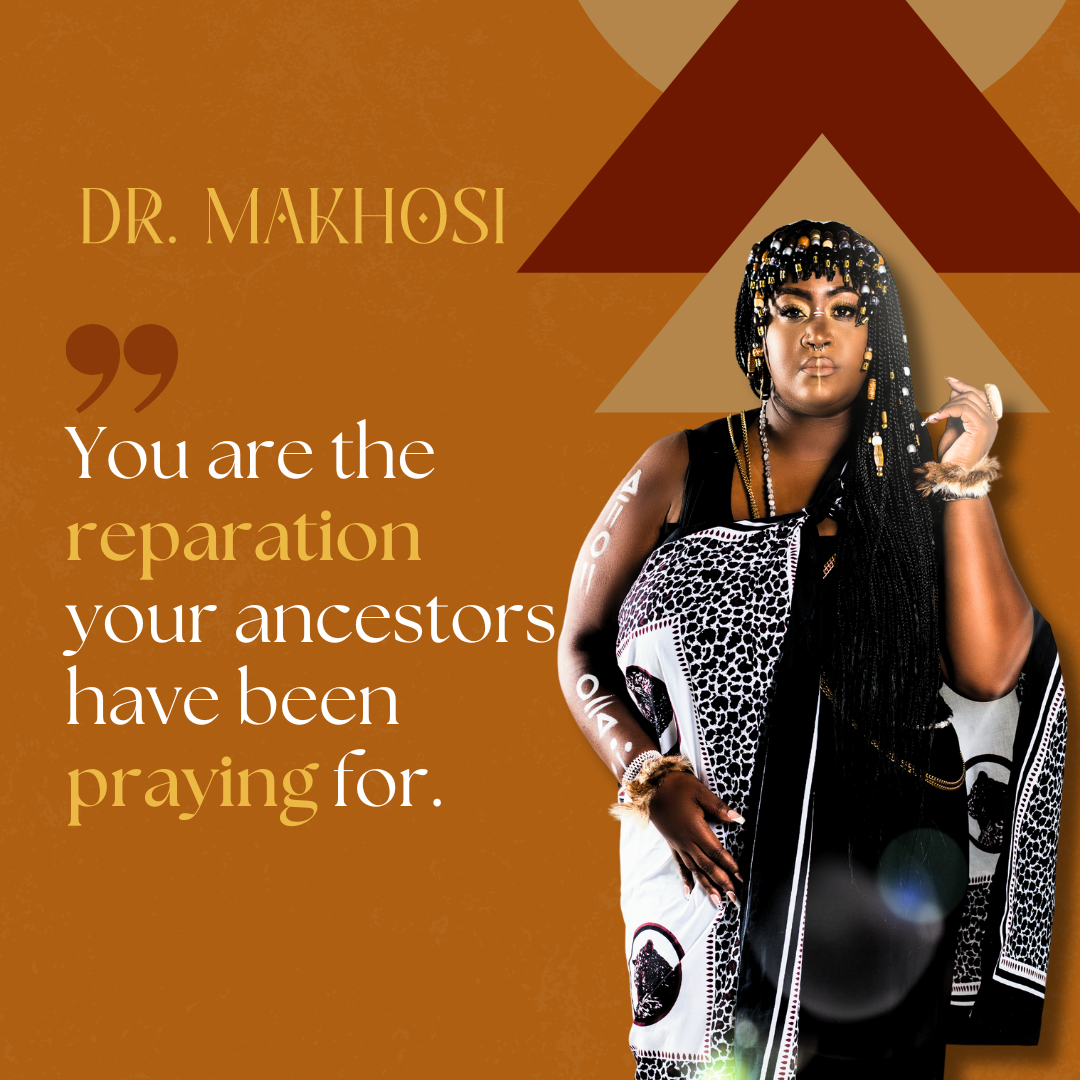
Today we’d like to introduce you to Makhosi Ateyo Nkanyezi.
Hi Makhosi Ateyo, we’d love for you to start by introducing yourself.
My journey began long before I had the language to describe what I was being called to do.
I am Dr. Makhosi Ateyo Nkanyezi, a Black American Sangoma, practitioner of ancestral restorative medicine, and founder of the Diaspora Restoration Institute and Makhosi University. My work is rooted in a question that has shaped much of my life: What happens when descendants of the African diaspora begin restoring their relationship with the ancestral knowledge, practices, and ways of being that displacement and generations of disconnection interrupted?
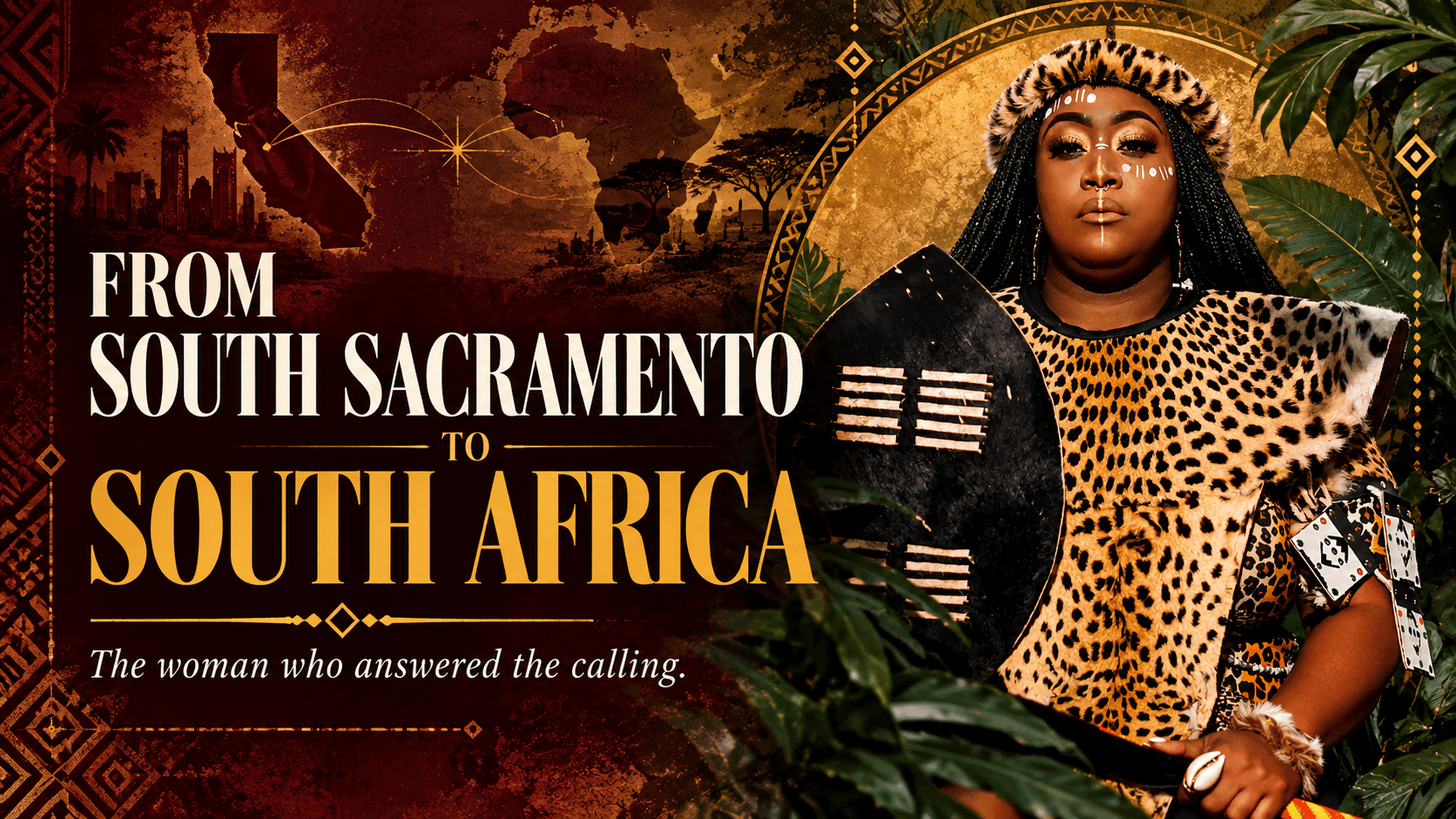
My own journey into ancestral restoration was not a conventional career path. It was a calling that required me to question much of what I had been taught about spirituality, identity, healing, and belonging. That calling eventually led me into the living traditions of Southern Africa, where my formation as a Sangoma fundamentally changed how I understood the relationship between the individual, the ancestors, the community, and the responsibilities we carry.
Over time, I came to understand that ancestral restoration is not simply about recovering something from the past. It is about restoring a relationship with knowledge that can inform how we live, make decisions, care for one another, and shape our futures.
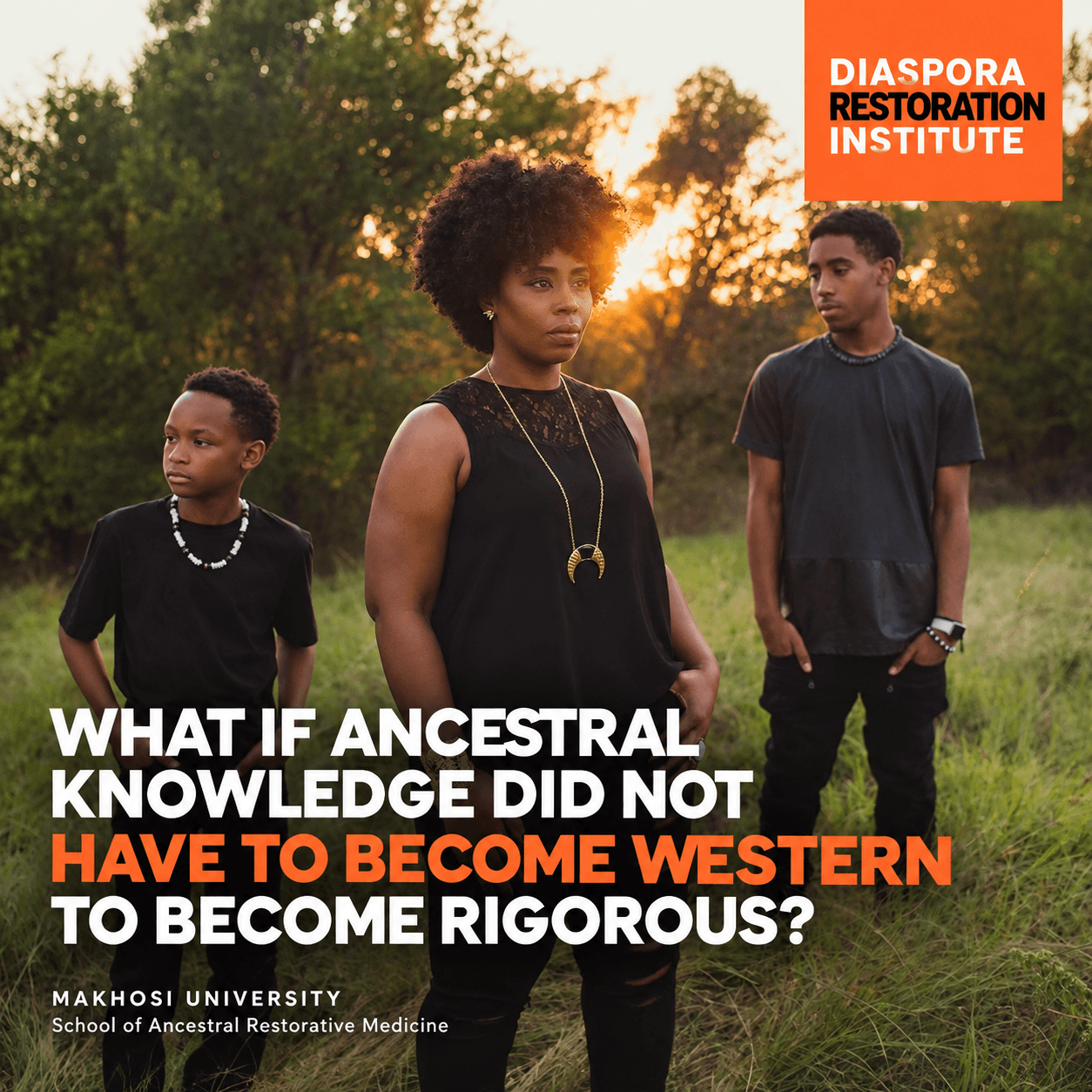
That understanding became the foundation of the Diaspora Restoration Institute, an institution dedicated to making ancestral restoration a living, intentional practice. Through Makhosi University, our School of Ancestral Restorative Medicine, I have continued developing educational pathways that bring together ancestral wisdom, Ubuntu philosophy, spiritual discernment, and personal responsibility.
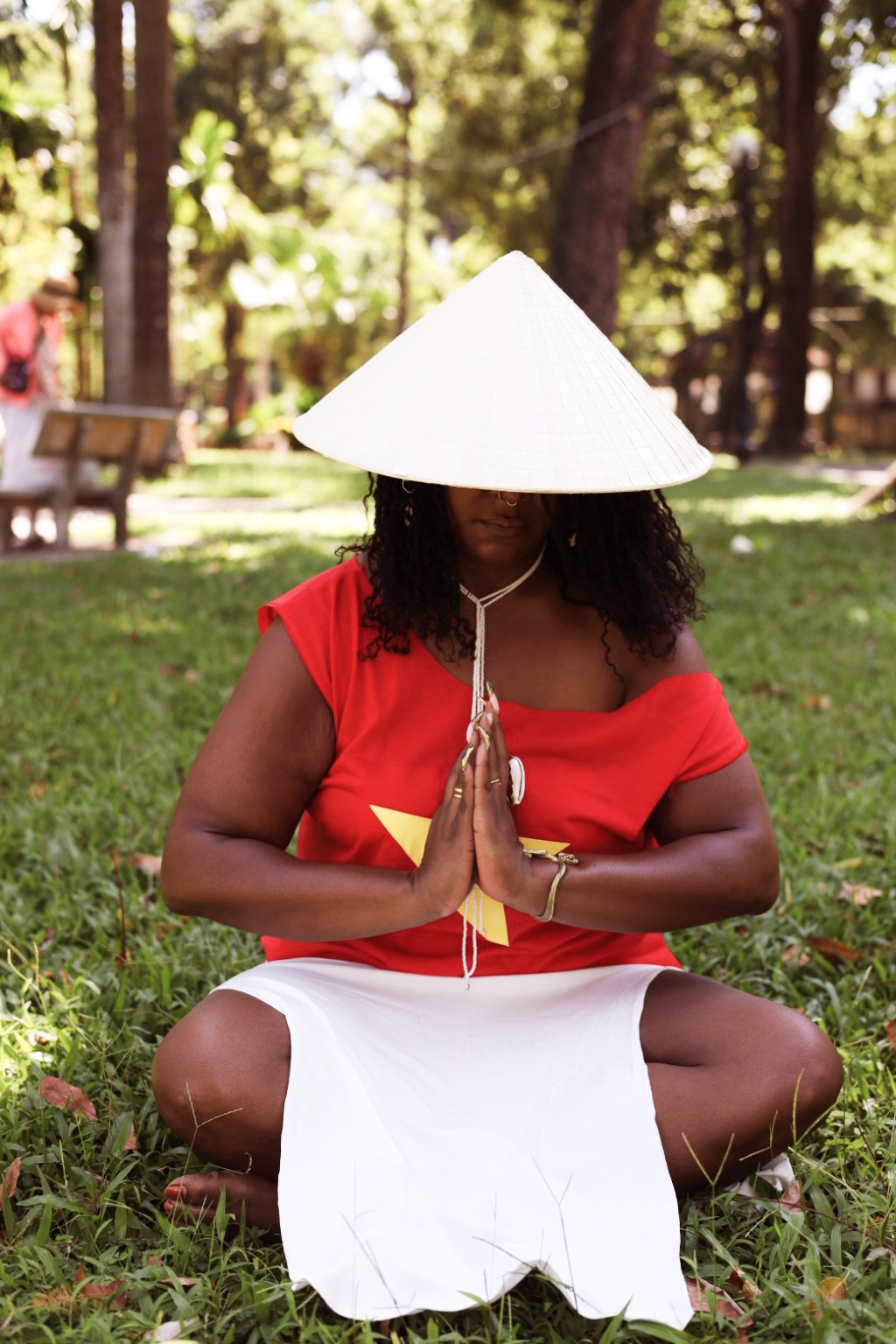
My work has also evolved alongside my own transformation. I have lived and worked in South Africa, and I am now spending an extended period traveling through Southeast Asia, studying, creating, and exploring what it means to build a life grounded in freedom, restoration, and self-determination.
Today, I see myself as both a practitioner and a lifelong student. My work is not about asking people to become who I am. It is about creating spaces where they can locate themselves, understand their inheritance, and become responsible participants in their own restoration.
One of the guiding principles of my work is “Restoration before relocation.” Before we can meaningfully change where we are going, we must begin to understand who we are, what we carry, and what is asking to be restored within us.
That philosophy continues to shape everything I am building.
Alright, so let’s dig a little deeper into the story – has it been an easy path overall and if not, what were the challenges you’ve had to overcome?
Not at all. And I think one of the greatest lessons I’ve learned is that being called to a particular path does not exempt you from the very human experience of struggling to walk it.
My journey has required me to confront challenges on several levels: spiritually, personally, professionally, and even physically.
As a Black American woman called into Southern African ancestral traditions, one of my earliest challenges was navigating the complexity of belonging. There is a particular experience that comes with being a descendant of people whose ancestral relationships were violently interrupted through enslavement and displacement. You can feel deeply connected to something while simultaneously having to learn how to approach it with humility, responsibility, and respect.
My journey into becoming a Sangoma required me to confront those questions, not simply intellectually, but through lived experience. I had to learn that ancestral restoration is not about claiming an identity or acquiring a spiritual title. It is about relationship, accountability, and the willingness to be transformed by what you are learning.
Building the Diaspora Restoration Institute presented another set of challenges. I am working to establish an institution grounded in ways of knowing that have historically been marginalized, misunderstood, commercialized, or dismissed. That means I am not simply building educational programs. I am also challenging assumptions about what constitutes legitimate knowledge, who has the authority to teach it, and how ancestral wisdom can be preserved without being disconnected from the living communities and traditions that carry it.
That work can be incredibly lonely.
There have been moments when I have questioned whether people truly understood what I was building, whether I had the resources to sustain it, and whether I was carrying responsibilities that were never meant to belong to one person.
But the most profound challenges have been personal.
For many years, I became exceptionally skilled at showing up for other people while neglecting parts of myself. I knew how to hold space, guide others through difficult transitions, and articulate the importance of restoration. Yet I eventually had to confront the ways I had postponed my own well-being, desires, and becoming.
Over the past two years, that realization has led me through a significant period of personal transformation. I’ve had to reevaluate my relationship with my body, my health, my boundaries, my work, and even my understanding of what a meaningful life looks like.
I began to recognize that I did not want to build an institution dedicated to restoration while living a life organized entirely around responsibility and sacrifice.
I wanted to experience the freedom I was teaching others to reclaim.
That realization marked a turning point in how I began choosing to live.
Today, I am traveling through Southeast Asia, continuing my studies, developing my institutions, and intentionally creating a life that allows room for curiosity, beauty, pleasure, relationships, and personal growth.
I am learning that restoration is not a destination we arrive at after everything has been repaired. It is a practice of continually returning to ourselves with greater honesty, discernment, and compassion.
The road has certainly not been smooth. But I no longer measure my journey solely by the obstacles I’ve overcome.
I also measure it by what I have learned to stop carrying.
And perhaps that has been one of my greatest breakthroughs: understanding that my life is not simply the vessel through which I do my work. My life is also worthy of the restoration I teach.
We’ve been impressed with Diaspora Restoration Institute | Makhosi University: School of Ancestral Restorative Medicine , but for folks who might not be as familiar, what can you share with them about what you do and what sets you apart from others?
The Diaspora Restoration Institute (DRI) is an educational and cultural institution dedicated to the restoration, study, and living practice of African ancestral knowledge, particularly among descendants of the African diaspora.
At the heart of our work is a fundamental belief: ancestral restoration is not simply about remembering where we come from. It is about restoring our capacity to live in meaningful relationship with who we are, what we have inherited, and the responsibilities that inheritance carries.
I founded DRI because I recognized a significant gap between the growing interest in African ancestral traditions and the availability of structured, responsible educational pathways for people seeking to engage with those traditions beyond spiritual curiosity, identity exploration, or the pursuit of titles.
There is an abundance of information available about ancestral practices, but information alone does not constitute formation. Knowing the language of a tradition is not the same as developing the discernment, ethical responsibility, and lived relationships necessary to practice within it.
That distinction is central to everything we do.
Through Makhosi University, our School of Ancestral Restorative Medicine, we have established a living educational environment where students engage with ancestral knowledge through guided study, reflection, embodied practice, and community learning.
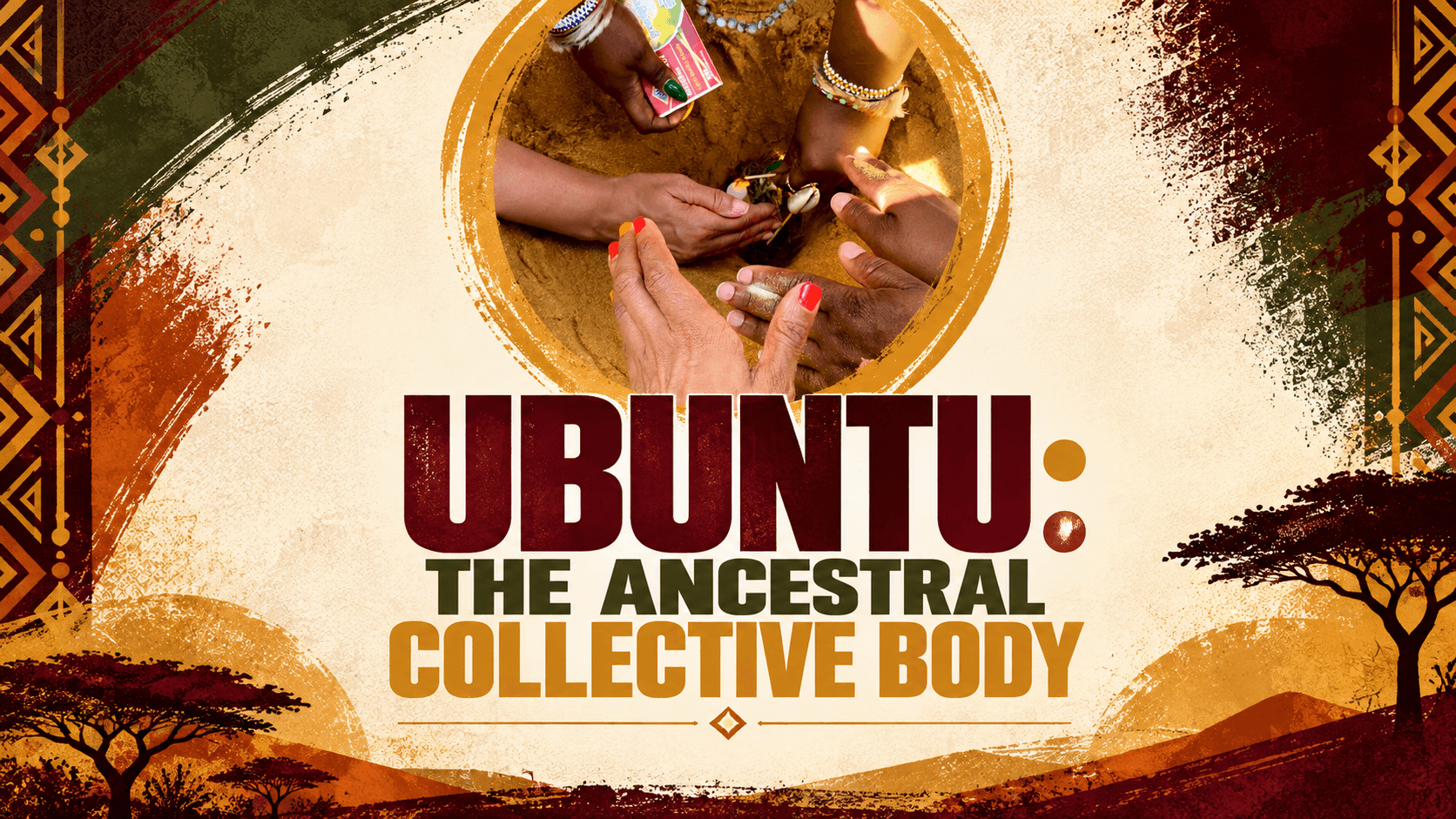
Our educational approach is informed by Ubuntu, an African philosophy of relational humanity that recognizes our lives as interconnected. We understand restoration not simply as an individual undertaking, but as a process that involves our relationships with our ancestors, our communities, our bodies, and the world around us.
Our offerings include foundational ancestral restoration studies, divination education, personal restoration experiences, and specialized practitioner development pathways. These experiences are designed to meet students at different points in their journeys, whether they are beginning to explore their ancestral inheritance, deepening an established practice, or preparing to serve others with greater discernment and responsibility.
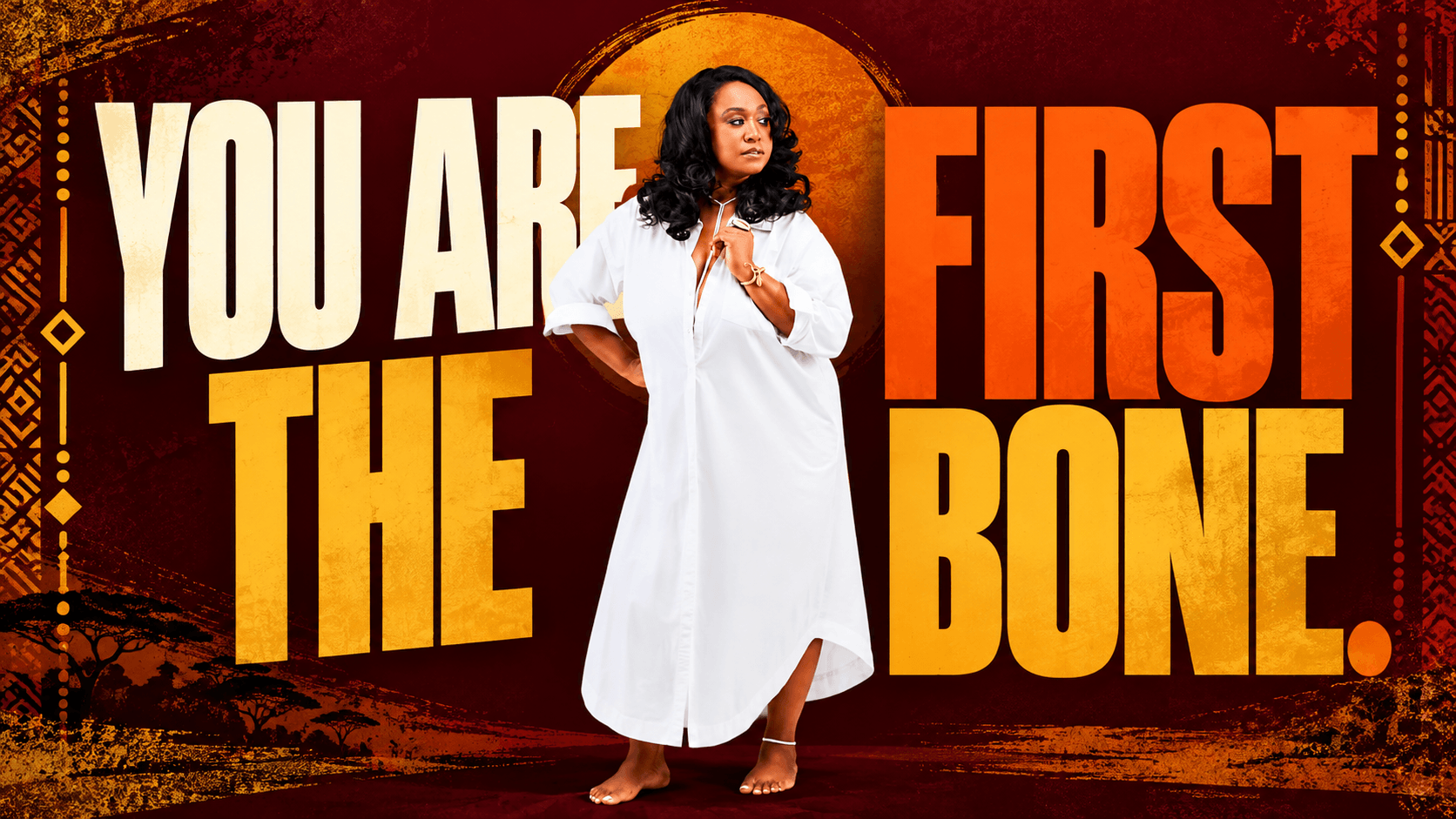
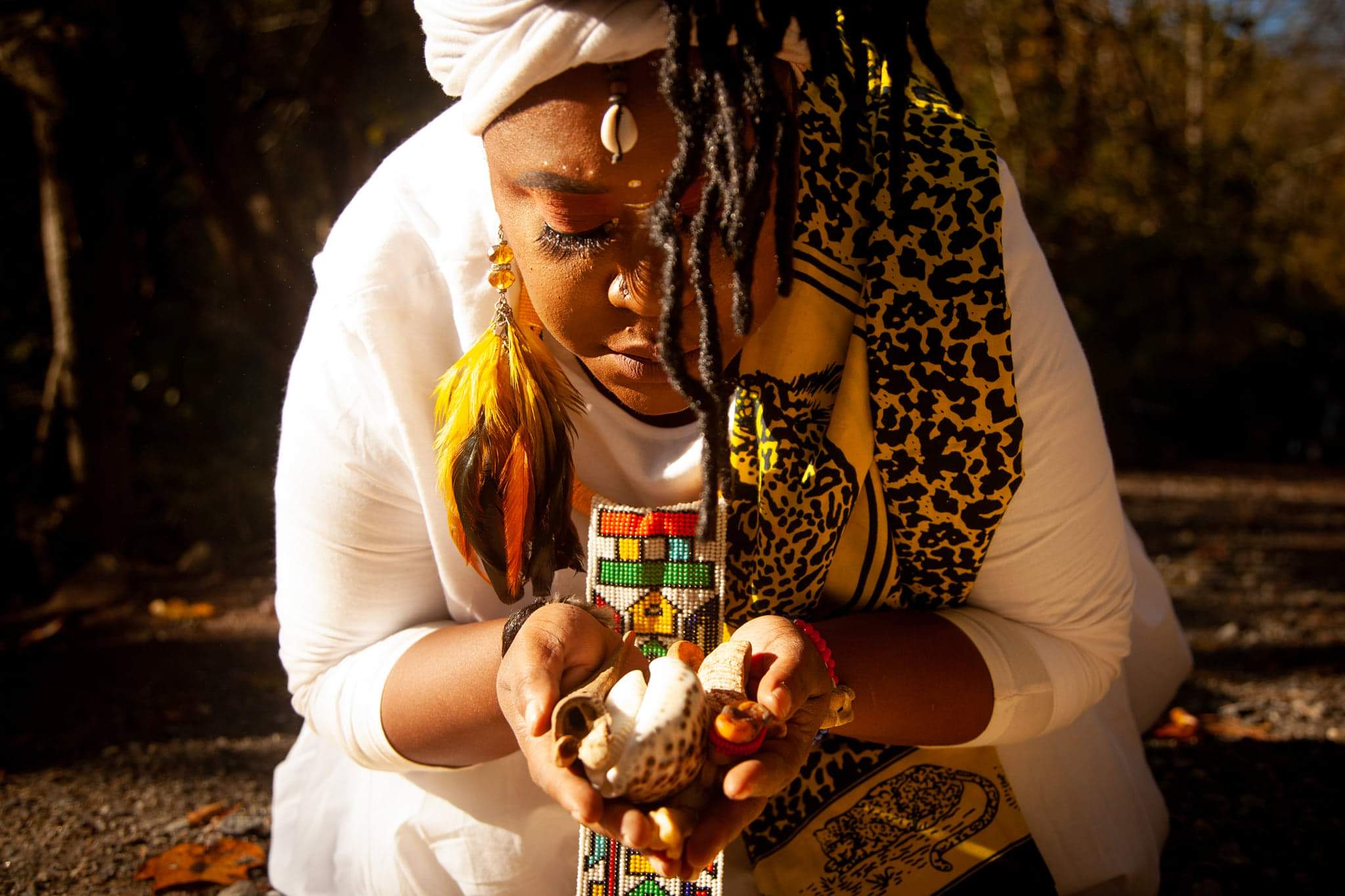
The Diviner’s Table is one example of how this educational philosophy comes to life. As an ongoing learning community for students and practitioners of bone divination, its guiding principle is “You are the first bone.” Before a practitioner can responsibly interpret an oracle, they must learn to recognize the beliefs, assumptions, emotional responses, and inherited narratives shaping their own perception. We teach that divination begins with observation, self-awareness, and discernment, not simply the mastery of spiritual tools.
During a recent gathering, practitioners reflected on what it means to trust their own knowing, release obligations that no longer belong to them, establish healthier boundaries, and move beyond isolation into community. These reflections were not separate from their divination education; they were part of it. Through shared witnessing, guided practice, and our 21-day uMoya Divine Consciousness Cleanse, practitioners are invited to develop the internal clarity and ethical responsibility that their work requires.
This is what we mean by formation: the practitioner is being developed alongside the practice.
That commitment distinguishes our institution. We are moving beyond the consumption of spiritual information toward the cultivation of living practice.
We are not interested in producing students who can simply repeat teachings or accumulate certifications. We are interested in developing individuals who can think critically, practice ethically, recognize patterns, understand the boundaries of their knowledge, and participate responsibly in the restoration of themselves and their communities.
This is particularly important within the African diaspora, where ancestral disconnection has often been accompanied by fragmented understandings of identity, belonging, spirituality, and cultural inheritance.
Our work creates space to approach those questions without reducing the complexity of African traditions to a single narrative or treating ancestral knowledge as something that can be separated from the communities and relationships that sustain it.
What I am most proud of is that we are building an institution with a philosophy, educational structure, and long-term vision that extend beyond my individual identity as a teacher.
I want the Diaspora Restoration Institute to become a place where ancestral knowledge is not only encountered, but studied, questioned, practiced, preserved, and responsibly carried forward.
At its core, our work is about restoring relationship: relationship with self, with ancestry, with community, and with the knowledge that informs how we live.
We are not simply teaching people about their inheritance. We are creating pathways for them to become responsible stewards of it.
What do you like and dislike about the city?
Atlanta holds a deeply personal and spiritual significance in my life. It is where so much of my journey as an ancestral restoration practitioner began, and where that calling eventually came full circle.
My relationship with Atlanta dates back to 2009, when my spiritual journey first led me there. It was during that period that I began exploring African spiritual traditions more deeply, learning about ancestral altars, sacred practices, and various healing modalities. I also studied Ra Sekhi, a Kemetic healing practice, eventually becoming a master practitioner. Atlanta became an important part of my spiritual foundation long before I fully understood where my calling would lead.
Years later, after graduating as a Sangoma in Vosloorus, South Africa, on January 23, 2016, I returned to Connecticut and asked my ancestors for an opportunity to experience what I considered a normal life for a while. I wanted to work, settle into a routine, and simply live. I was given exactly eleven months before being laid off from my job.
That transition marked the beginning of another chapter. I understood that I was being called to take the medicine of my ancestors on the road, which led me to create the Umbilini Rising Tour. I packed my car and left Connecticut, beginning in New York’s Hudson Valley before eventually finding myself back in Atlanta.
What I initially understood as another stop along the journey became a place where I was instructed to remain.
One of my first offerings there was called Nature Church, a gathering I announced through Facebook at Yellow River. I remember being surprised by the response. Approximately 30 to 40 people showed up, far more than I had anticipated. That gathering became a defining moment in understanding the importance of creating accessible spaces for ancestral connection, healing, and community.
Atlanta became the place where I established my first temple and began guiding my first three thwasas, apprentices in the Sangoma tradition. Two relocated from Ohio and Washington, D.C., while another was already living in Georgia. For approximately seven years, I also facilitated ancestral river cleansing ceremonies, known as Geza, at Yellow River.
Those years taught me lessons that no textbook could have provided. I learned about the responsibilities of spiritual leadership, the importance of integrity in ancestral practice, and the profound difference between possessing spiritual knowledge and being accountable for how that knowledge is carried into the lives of others.
So when I think about what I love most about Atlanta, I think first about the people, the relationships, and the opportunities for spiritual and cultural growth that shaped my becoming.
I also deeply appreciate Atlanta’s significance as a center of Black culture, creativity, entrepreneurship, and intellectual life. There is something powerful about a city where generations of Black people have built institutions, cultivated community, and shaped cultural movements. That legacy resonates deeply with my work in ancestral restoration.
What I appreciate least is the tension that can accompany a city’s rapid growth, particularly when development threatens to displace the communities whose histories and contributions helped make the city what it is. I believe progress should create opportunities without requiring communities to surrender their roots, cultural identity, or sense of belonging.
Although my life and studies have since taken me across continents, and I now maintain a family home base in Cartersville, Georgia, Atlanta remains one of the most significant places in my personal and spiritual history.
It is where I learned that answering a calling is only the beginning. The deeper work is learning how to live responsibly within it.
Atlanta will always be part of my foundation, not simply because of what I experienced there, but because of who I became while I was there.
Pricing:
- Makhosi University Student Audit Pass — $77 | 48-hour access to a curated collection of teachings from the School of Ancestral Restorative Medicine.
- Private Ancestral Bone Divination — $125 | A 45-minute private ancestral divination consultation with Dr. Makhosi.
- The Full Divination Pathway — $777 | Includes Bantu and Ngoma Bone Divination Immersions, practitioner study resources, and a three-month season at The Bone Diviners Table. Flexible payment options through Klarna, Afterpay, and Affirm are available to eligible students, subject to provider approval.
Contact Info:
- Website: https://www.makhosi.org/links
- Instagram: https://www.instagram.com/dr.makhosi
- Facebook: https://www.facebook.com/MakhosiGogoAteyo/
- Youtube: https://youtube.com/@dr.makhosi
- Other: https://www.tiktok.com/@dr.makhosi
Popular
-

Hidden Gems: Local Businesses & Creatives You Should Know
-

ATL’s Most Inspiring Stories
-
J. Avery Chester Is Turning Years of Pain, Growth, and Self-Discovery Into The Velvet Room
-

Portraits of Atlanta
-

From Corporate VP to Entrepreneur: Benny Williams is Making Executive Marketing Accessible to Churches, Nonprofits, and Businesses
-

Raven Parris Is Building the Village Every Mother Deserves During Pregnancy and Postpartum