




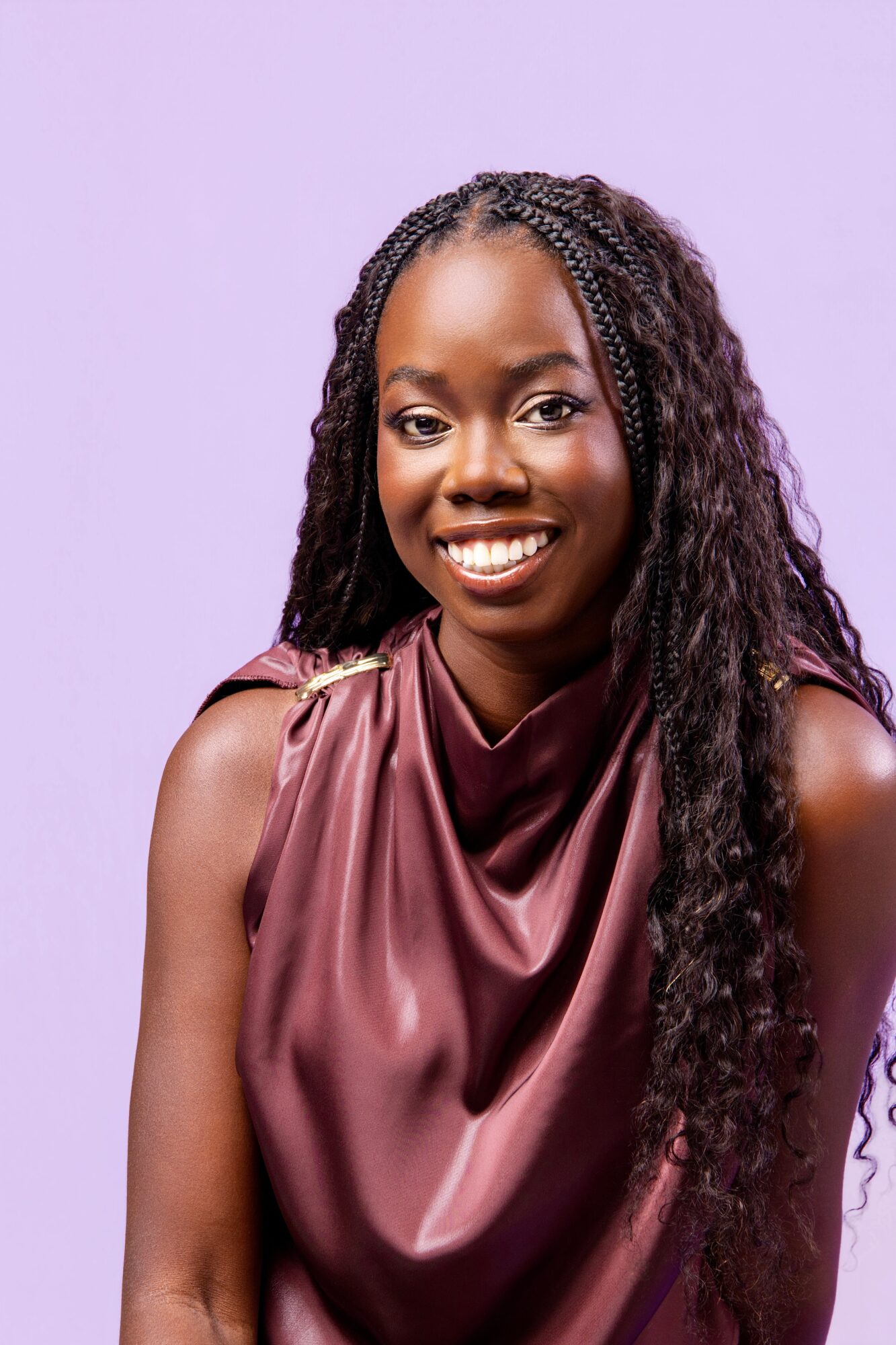
Today we’d like to introduce you to Danica Collins.
Hi Danica, thanks for joining us today. We’d love for you to start by introducing yourself.
I was 14 when my body handed me a full-time job I never applied for.
No PTO. No weekends off. Terrible benefits package.
Type 1 diabetes.
At 14, I did not have language for what it meant to live with a chronic condition. I just knew other kids could leave the house with their phone and lip gloss, and I needed insulin, glucose, backup supplies and a plan for the plan.
What I did have was curiosity.
Why does the body do what it does? Why do some treatments work beautifully for one person and not another? Why can we have incredible science and still struggle to make healthcare work for the actual human being who has to live with it?
That curiosity became a career.
I studied biology, chemistry and biotechnology, then moved into healthcare strategy, operations and consulting. I have spent years in rooms where big decisions about healthcare get made, sometimes while quietly checking my own glucose under the table.
That perspective changes how you see the room.
I love walking into a complicated problem that makes everybody else say, “Whew, that’s a lot,” and thinking, okay, let me see.
But the longer I worked in healthcare, the more I noticed a different kind of problem.
Most people already know a lot about what they are “supposed” to do for their health.
Drink water. Move your body. Sleep. Manage stress. Take your medication. Eat well.
Great.
Now do all of that while running late for a flight, pitching in a boardroom, managing a chronic condition, dating, traveling, training, building a business or simply trying to have a life.
Knowing health and living health are two very different things.
That gap became one of the most important questions of my career.
So I became a National Board Certified Health & Wellness Coach and founded Dia-Log.
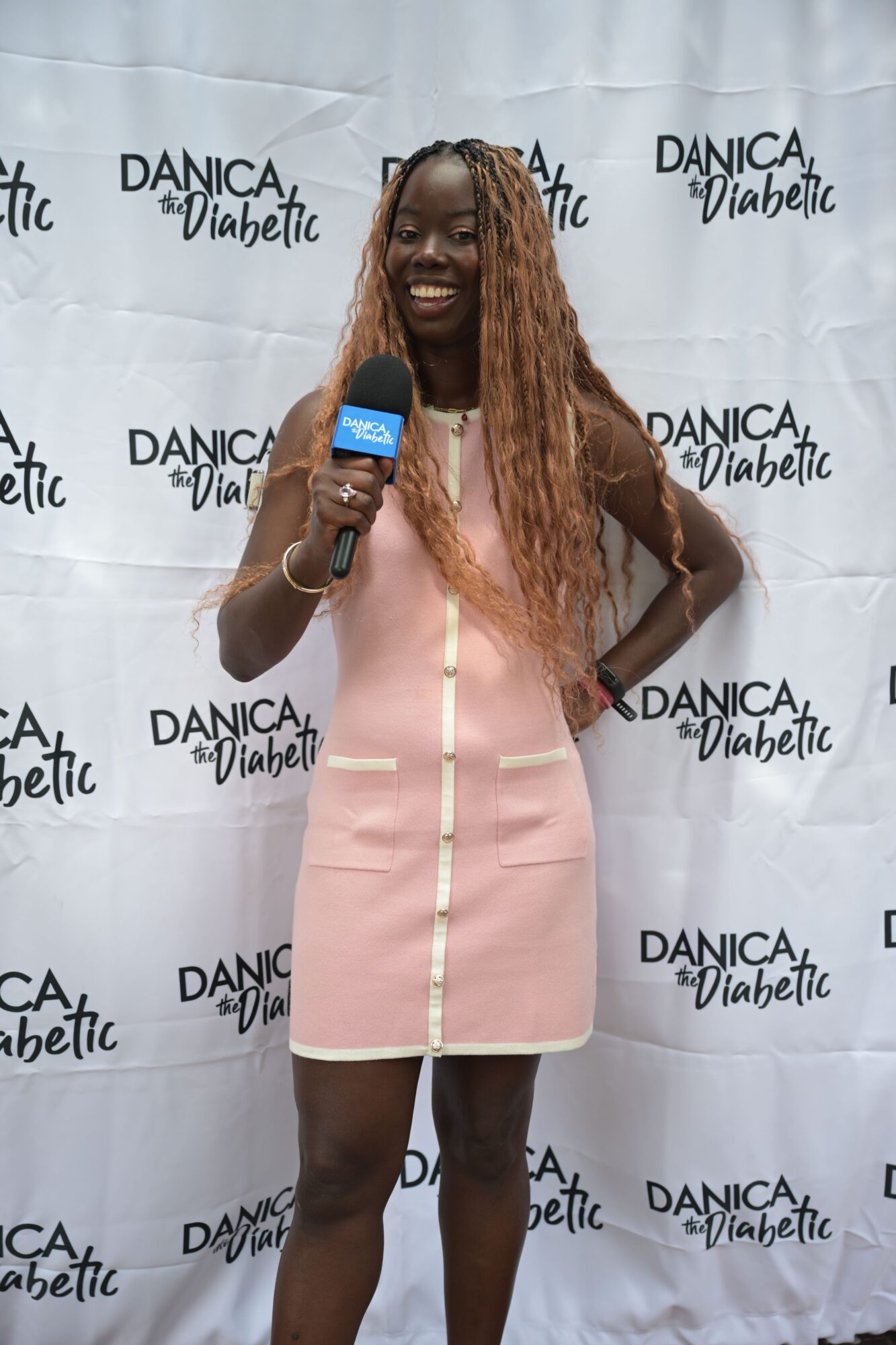
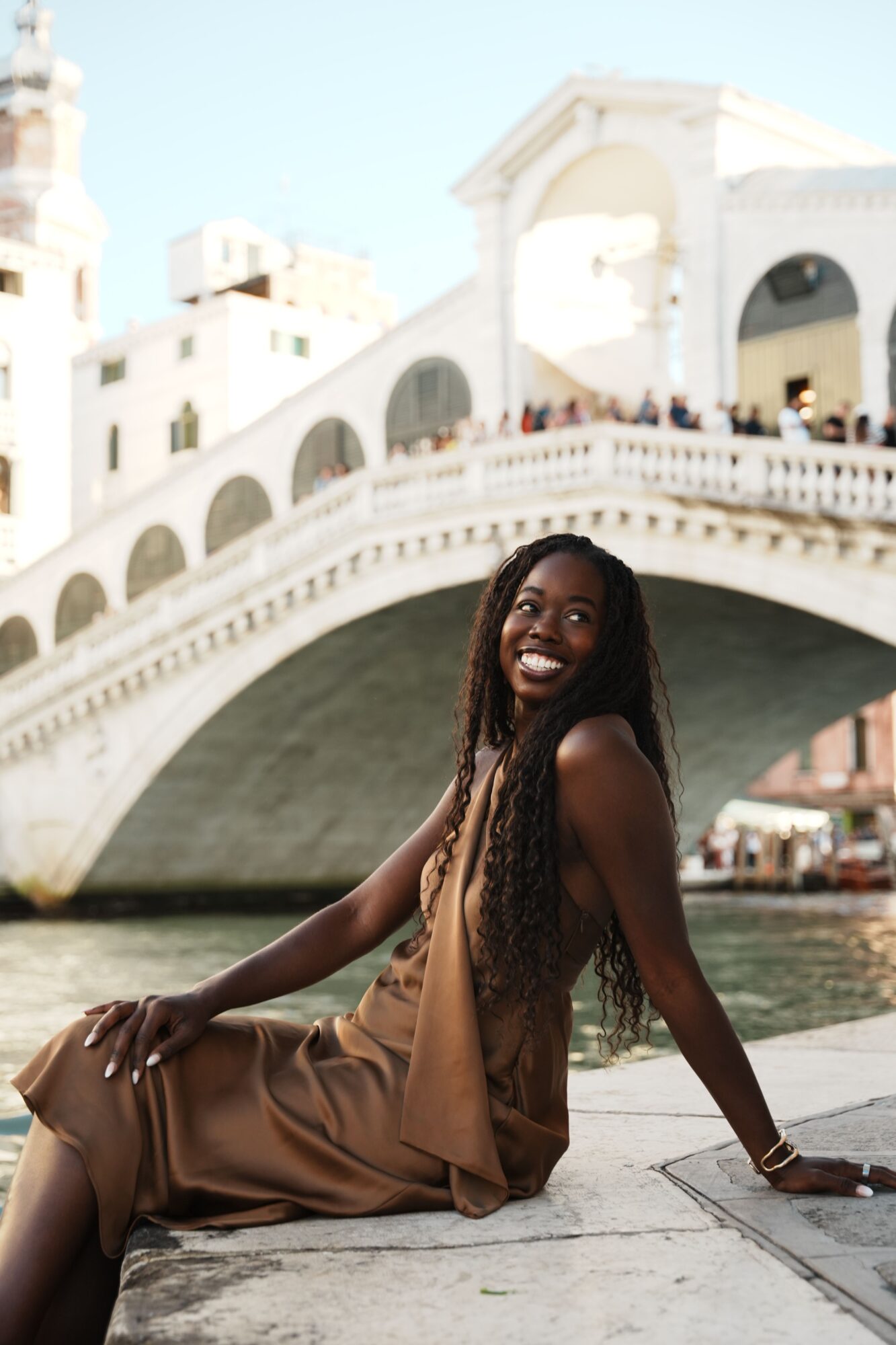
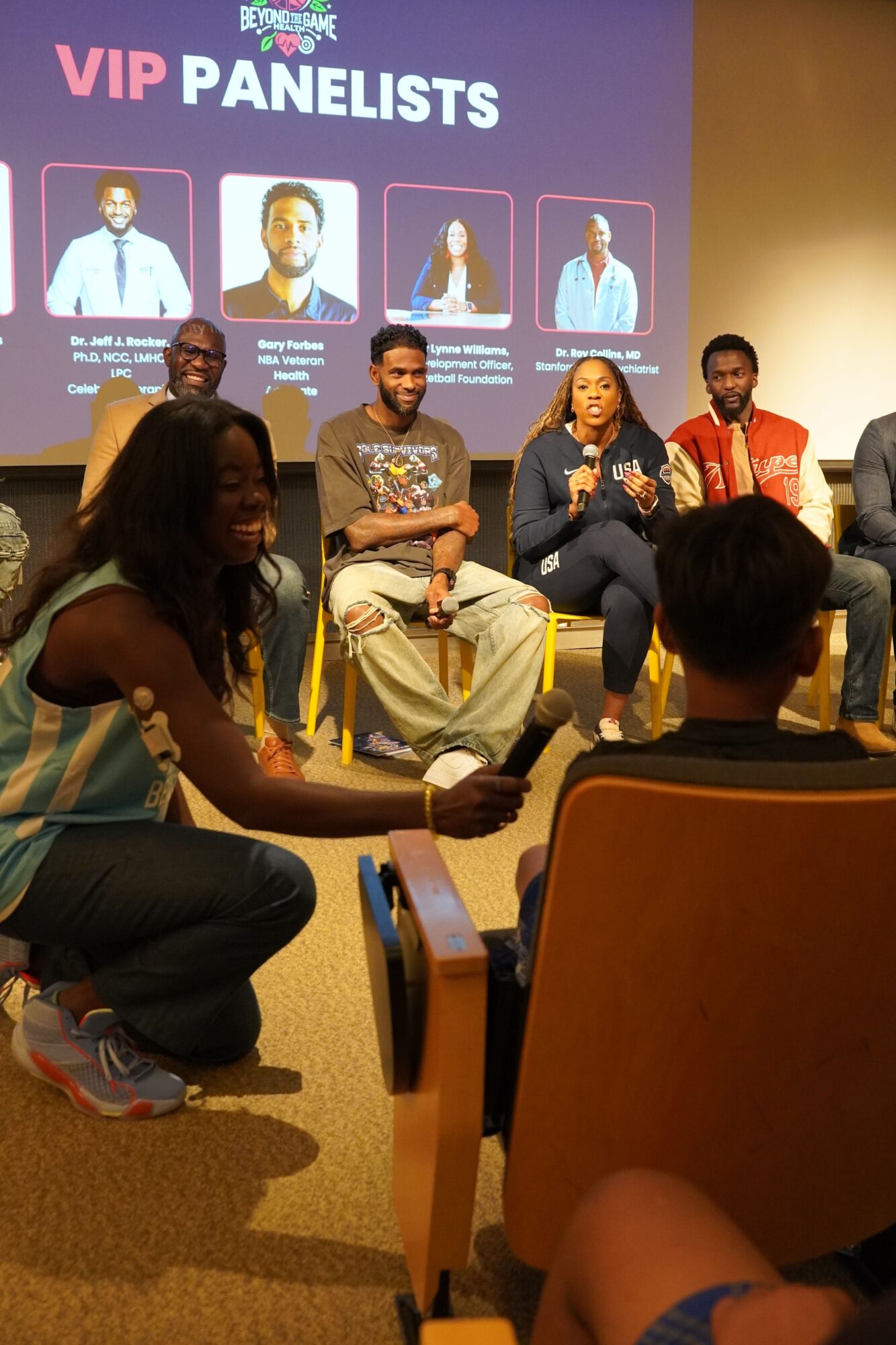
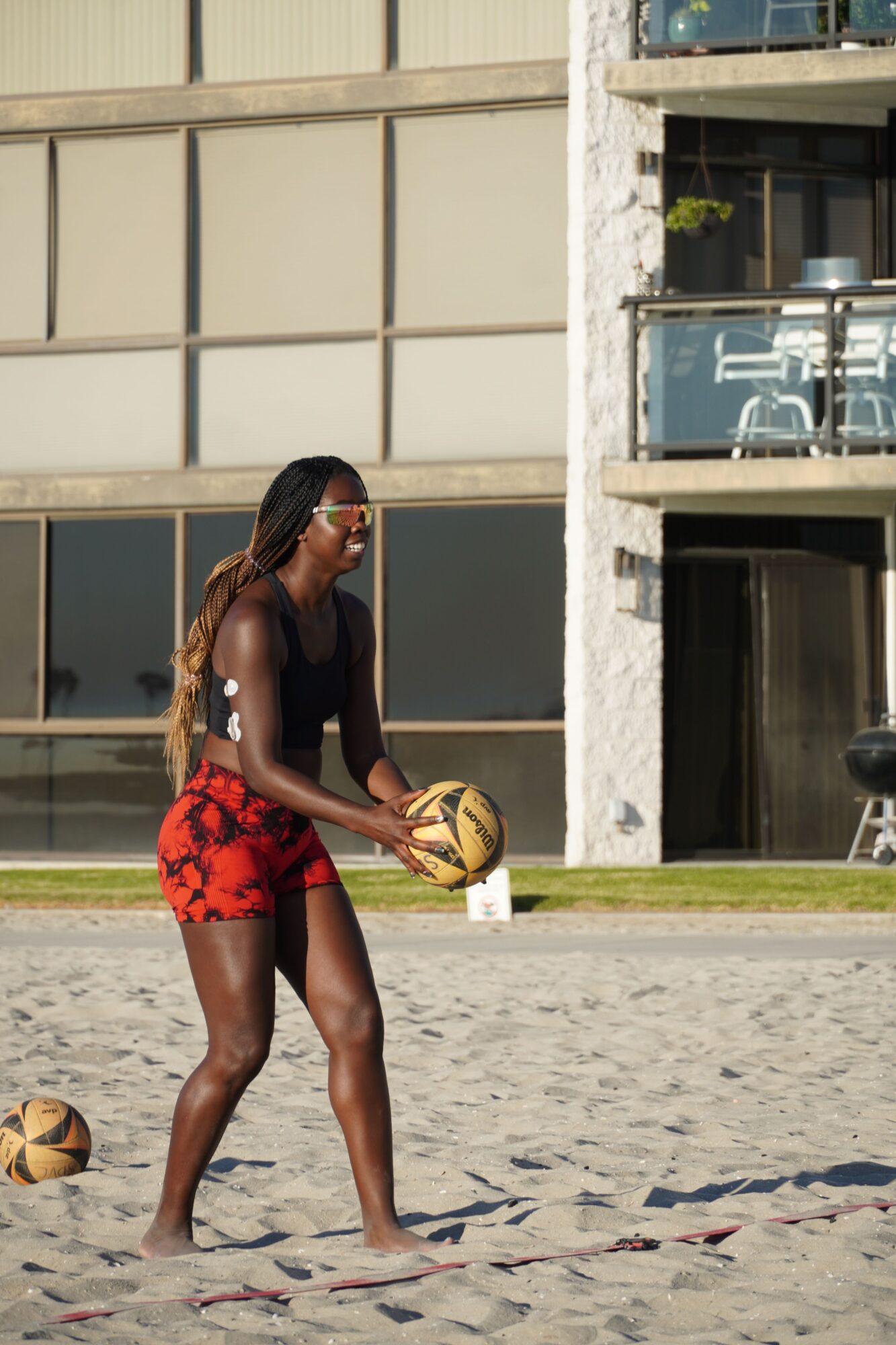
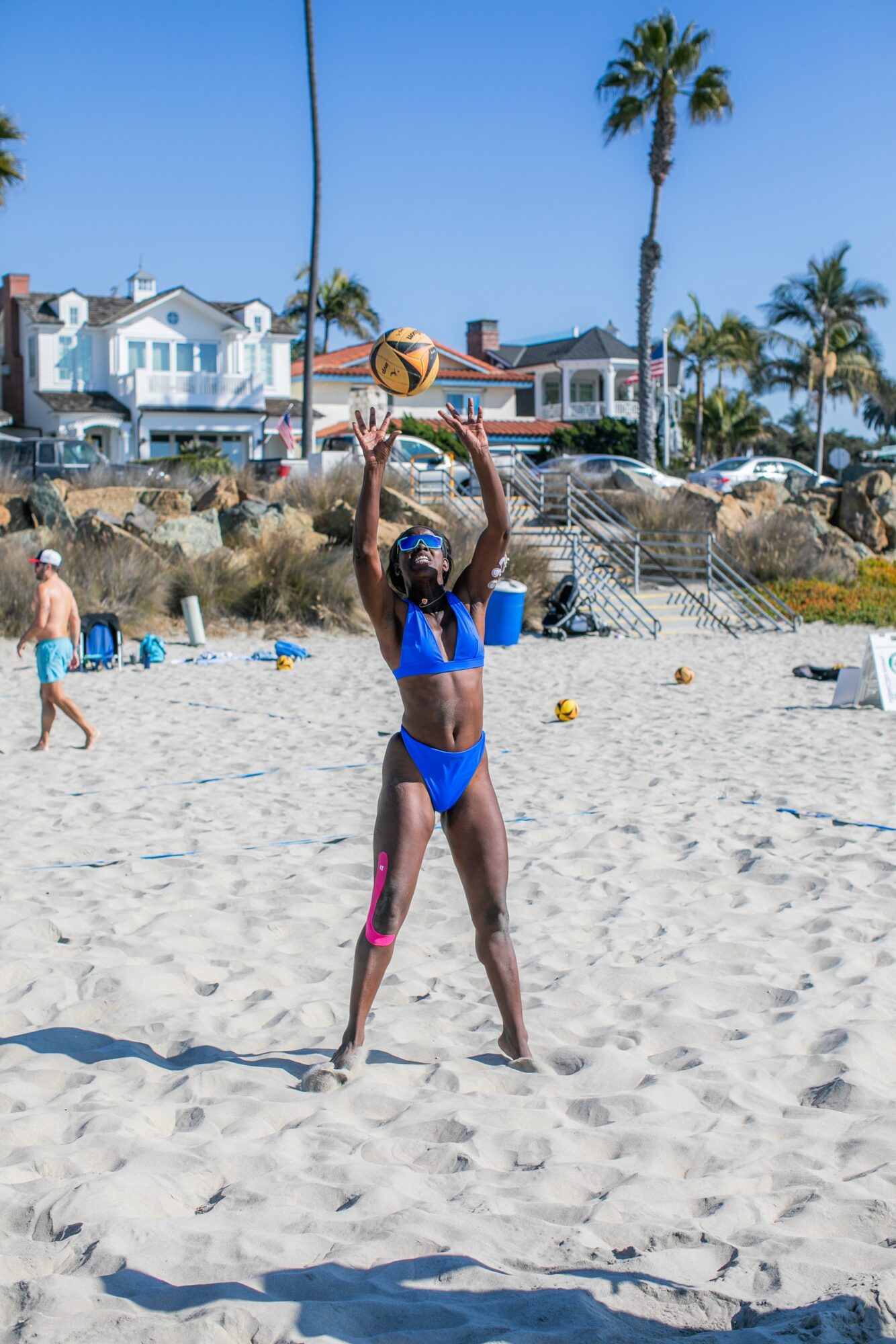
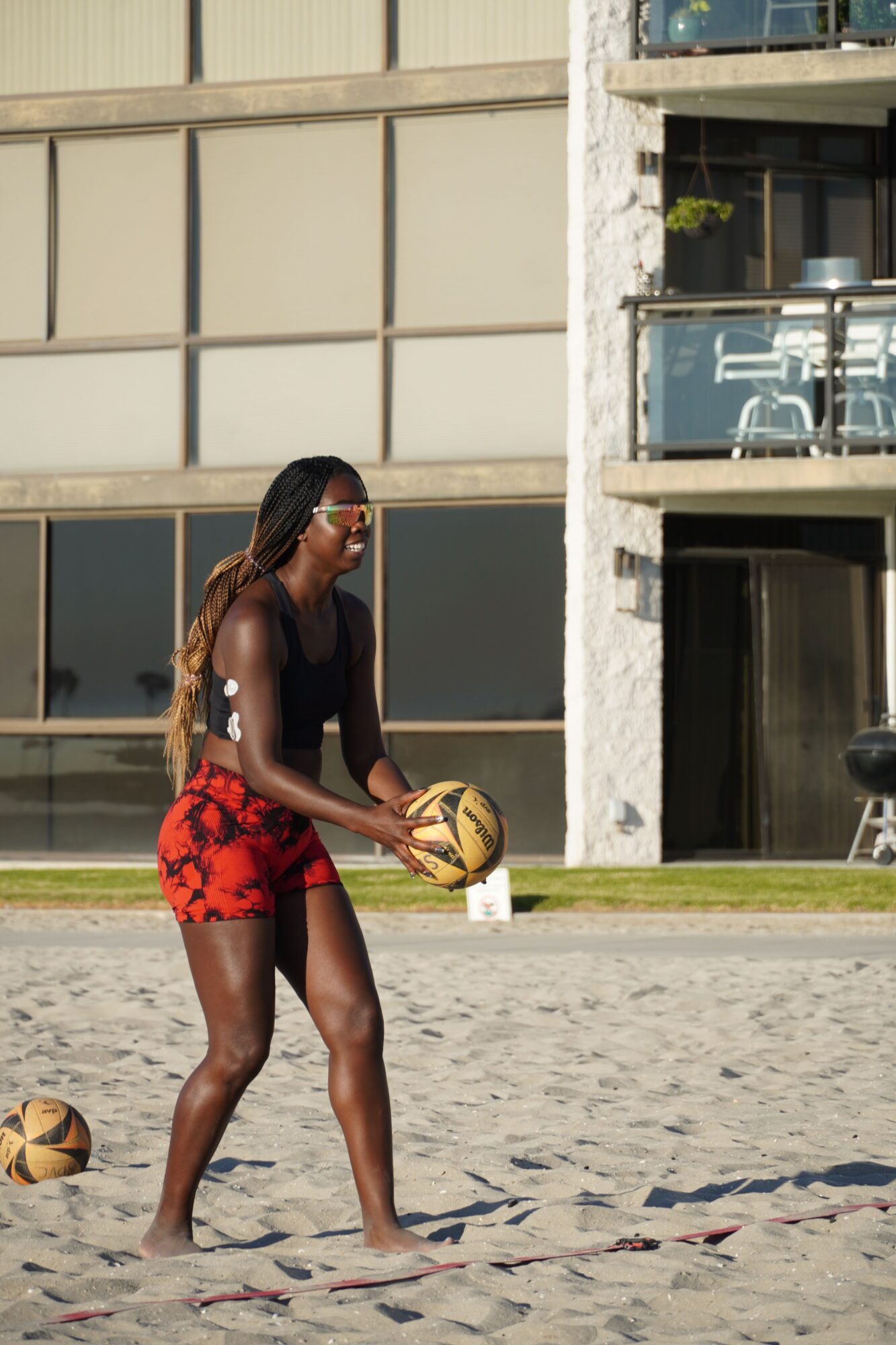
Today, my work moves between healthcare strategy, media, coaching, sport, lifestyle and community. I am a founder, healthcare strategist, media host and nationally board-certified health and wellness coach. Some days I am helping healthcare organizations solve complicated problems. Other days I am onstage, interviewing someone with an incredible story, building an experience or competing on a volleyball court. Different rooms, same mission: translating health into something people can actually live.
I also live the work.
I finished the New York City Marathon. I compete in beach volleyball. I teach Lagree. I travel. I have changed diabetes devices in airport bathrooms and taken business calls while treating a low glucose.
That is not a side note to my work.
That is the work.
Health does not happen in a wellness bubble. It happens while life is happening.
For a long time, I thought I had too many lanes. Scientist. Strategist. Coach. Founder. Speaker. Athlete. Storyteller. Community builder.
Now I understand that health is the lens connecting all of them.
I am also a connector by nature. I love bringing people, ideas and industries together that might not otherwise find each other. Some people call that networking. I think of it as building rooms people are glad they walked into.
The question underneath nearly everything I do is simple:
How do we make health work in real life?
I am still answering that question. And I am having a lot of fun building the answer.
Would you say it’s been a smooth road, and if not what are some of the biggest challenges you’ve faced along the way?
Absolutely not.
Anybody who says their road was perfectly smooth either has incredible suspension or skipped a few chapters.
One of the biggest lessons I have had to learn is that being capable does not make you invincible.
I am very capable. I am also very human. Those two things have had to learn how to coexist.
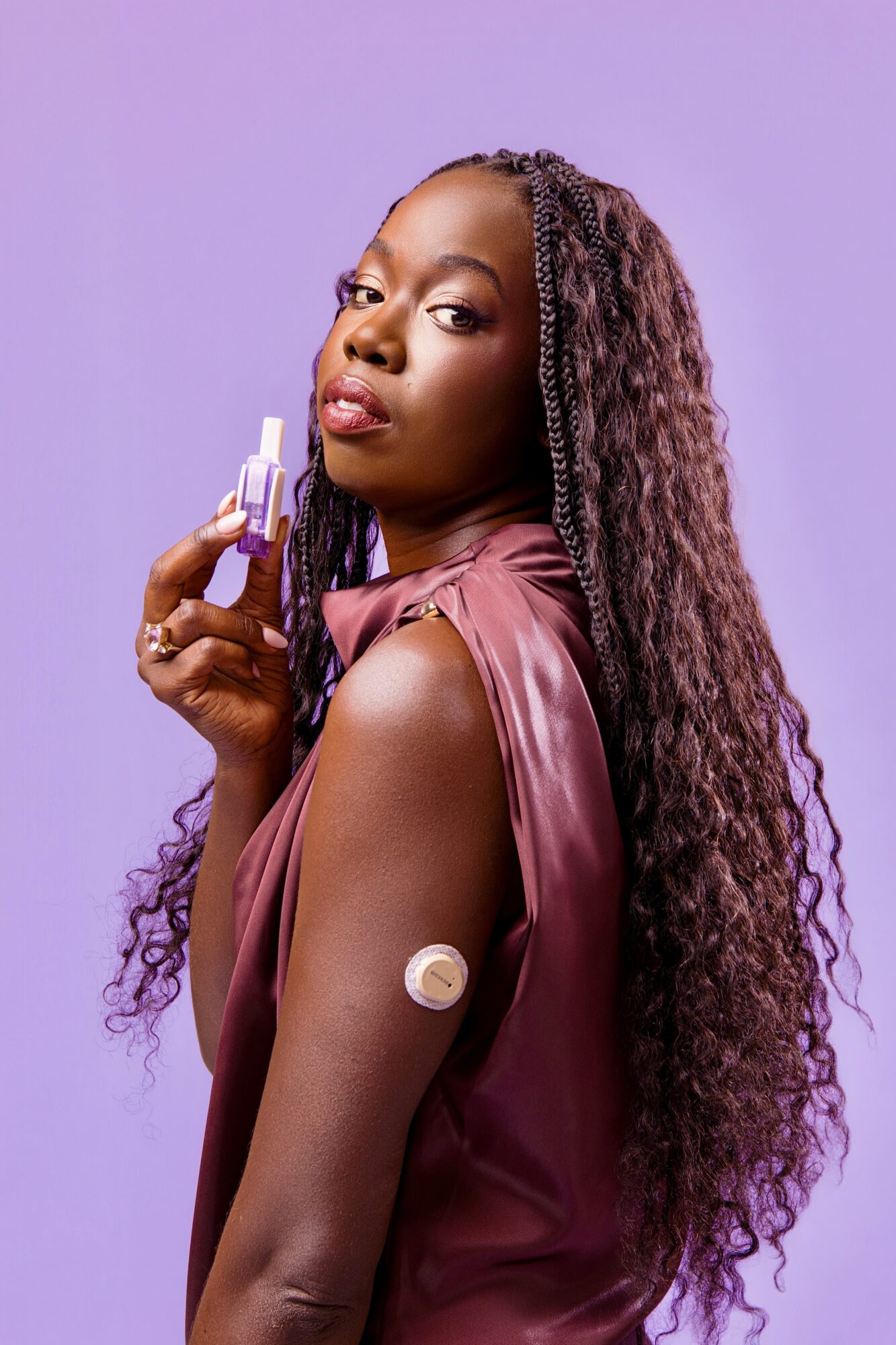
I have lived with type 1 diabetes for more than two decades. I understand my condition. I understand the science. I work in healthcare. I coach people around their health.
And in 2025, while traveling for work, I still ended up in the ICU with diabetic ketoacidosis.
That experience humbled me.
There is something about being the person who usually knows what to do and suddenly becoming the person in the hospital bed.
It forced me to confront a belief I think a lot of high-achieving people carry quietly: if I am smart enough, disciplined enough and prepared enough, I can somehow outrun being human.
You cannot.
We love to talk about health like it is a reward for good behavior. Do everything “right” and your body will cooperate.
Except bodies are bodies. Life happens. Illness happens. Stress happens. Things go sideways.
The goal cannot be perfection. The goal has to be having the awareness, tools and support to respond when life stops following the script.
That experience deepened my perspective as a coach and leader because I understand the distance between knowing something and actually being able to live it.
Another struggle has been learning that I did not need to flatten myself into one title to be taken seriously.
For years, I thought I needed a cleaner answer to “What do you do?” Was I the scientist? The healthcare strategist? The coach? The founder? The diabetes advocate? The speaker? The athlete?
The answer was always yes. And for a while, that felt messy.
Now I think it is one of my greatest advantages.
Real problems do not stay in one lane either. Health touches technology, money, work, culture, family, access, performance, identity and community. Why would solving those problems require understanding only one of them?
Entrepreneurship has taught me a few lessons too.
I have learned how to say no without writing a six-paragraph apology. I have learned that access is not the same thing as alignment. I have learned that being invited into the room does not mean you should shrink once you get there. I have learned that expertise built over years deserves to be paid for.
And I have learned that ambition does not require self-abandonment.
I am ambitious. I like excellence. I like big ideas. I like winning. I like looking at something everybody else thinks is impossible and saying, “Okay, but what if we did it anyway?”
But I do not want to build a life that looks impressive from the outside and feels exhausting from the inside.
Success is not just what I can accomplish. It is whether I have enough health, joy, relationships and life left to actually experience what I worked so hard to build.
As you know, we’re big fans of Dia-Log. For our readers who might not be as familiar what can you tell them about the brand?
Dia-Log exists for the very expensive gap between knowing what is healthy and actually being able to live it.
Everybody has advice.
Your doctor has advice. The internet definitely has advice. Your group chat has advice. And somebody’s aunt always has advice nobody asked for.
Then Monday morning comes, and you still have to figure out what works in your actual life.
That is the person Dia-Log is built for.
Dia-Log is the health, lifestyle and community company I founded around one belief: health should make more life possible.
Our roots are in diabetes, but our vision is bigger. We connect science, coaching, community, media and real-world experiences to help people take care of their health without losing sight of the lives they want to live.
For individuals, that includes practical resources, health and wellness coaching, diabetes-centered community and opportunities to connect, reflect and take action. For organizations, my work extends into healthcare strategy, keynote speaking, workshops, storytelling, brand partnerships and experiences that bring health closer to the people it is meant to serve.
What sets the work apart is perspective.
I have sat on multiple sides of the same table. I have the science background. I have spent years inside healthcare strategy and innovation. I am a National Board Certified Health & Wellness Coach. I have built a business and a public platform.
And I have been the patient sitting there thinking, “This sounds wonderful clinically, but how exactly am I supposed to do this at 7:42 a.m. when I am already late?”
That combination made me obsessed with translation.
Not dumbing things down. Translation. There is a difference.
Good translation respects the science and respects the person. It asks not only, “Is this clinically sound?” It also asks, “Can somebody actually live this?”
That is where I think healthcare still has enormous opportunity.
My work also reaches into sports and entertainment through Full Game Health, where I explore the intersection of health, performance and culture. Because some of the most important conversations about health are happening far beyond the doctor’s office.
I am especially proud that Dia-Log has never been built around fear.
Fear is an easy strategy in health. Complications. Numbers. Warnings. Restrictions. Those things matter, but fear cannot be somebody’s entire blueprint for living.
Especially with diabetes, I want people to understand that a diagnosis can be real and serious without becoming the boundary around everything they are allowed to want.
You have diabetes. And?
You still get to travel. Compete. Lead. Build. Fall in love. Be sexy. Change your mind. Start over. Take risks. Have fun. Live.
That is where Thrive With It came from.
It does not mean pretending hard things are easy. It means refusing to put your life on hold until every hard thing disappears. Because some things do not disappear. You learn how to carry them differently.
Health is the foundation. Life is the point.
We take care of our health so we can be there for everything else that makes life meaningful.
If you are looking for coaching, resources, community or diabetes support, you can find Dia-Log at dia-log.co.
If you are a healthcare organization, sports organization, brand or company looking for a speaker, strategist or partner who understands both the boardroom and the waiting room, you can find me at danicacollins.co .
In terms of your work and the industry, what are some of the changes you are expecting to see over the next five to ten years?
I think healthcare is heading into a healthy identity crisis.
For a long time, healthcare happened in healthcare places. The hospital. The doctor’s office. The pharmacy.
That line is disappearing.
Health is now on your wrist, in your phone, at your gym, in your grocery store, in the locker room, on social media and increasingly inside industries that never thought of themselves as healthcare companies.
And that is going to accelerate.
We are going to have more information about our bodies than any generation before us. Continuous glucose monitors. Wearables. AI. Connected devices. Personalized medicine. Predictive tools. Digital health platforms.
The technology is exciting. But I do not think technology is the hardest problem anymore.
Meaning is.
What does this information mean for me? What do I do with it? Can I trust it? Can I afford what it recommends? Does it understand my culture, my community, my body or the life I am actually trying to live?
We spent years treating healthcare, wellness, sport and lifestyle like separate industries. People never lived that way.
Your health follows you into the boardroom. The locker room. The airport. Your kitchen. Your relationships. Your ambition. Your life.
Technology and healthcare are finally beginning to follow the person instead of expecting the person to organize their entire life around the system.
That is a major shift.
I also think patients and communities are moving from the end of the innovation process toward the center of it. And thank goodness.
There is a real difference between designing something for people and building it with them.
Research needs clinical practice. Clinical practice needs research. Technology needs behavior change. Brands need trust. And all of them need the people they are supposedly serving.
I also believe some of the most interesting innovation in the next decade will happen between categories. Healthcare and sport. Healthcare and media. Healthcare and consumer culture. Health and entertainment. Health and community.
Those walls are already coming down. Athletes are talking openly about health. Consumers are wearing medical technology. Media influences health behavior. Brands are entering wellness. Communities increasingly determine who earns trust.
Those are not separate conversations anymore. They are becoming one ecosystem.
That is why I love working at the intersections.
The most interesting opportunities usually live between the categories everyone else is busy protecting.
Ten years from now, I hope we are not simply celebrating how much more healthcare can measure. I hope we are celebrating how much better people can live because of it.
Because the point of innovation is not innovation.
The point is the life on the other side of it.
Pricing:
- Speaking, consulting, coaching and partnership engagements are customized based on scope. For speaking, media, strategy and partnerships: danicacollins.co. For coaching, community and Dia-Log: dia-log.co
Contact Info:
- Website: https://www.dia-log.co
- Instagram: https://www.instagram.com/danicathediabetic
- Facebook: https://www.facebook.com/danicathediabetic
- LinkedIn: https://www.linkedin.com/danicatcollins
- Youtube: https://www.youtube.com/danicathediabetic
- Other: www.danicacollins.co www.instagram.com/yourdailydialog www.facebook.com/yourdailydialog

Popular
-

Hidden Gems: Local Businesses & Creatives You Should Know
-

ATL’s Most Inspiring Stories
-
J. Avery Chester Is Turning Years of Pain, Growth, and Self-Discovery Into The Velvet Room
-

Portraits of Atlanta
-
From Corporate VP to Entrepreneur: Benny Williams is Making Executive Marketing Accessible to Churches, Nonprofits, and Businesses
-

Raven Parris Is Building the Village Every Mother Deserves During Pregnancy and Postpartum