



Amber Desantis shared their story and experiences with us recently and you can find our conversation below.
Good morning Amber, we’re so happy to have you here with us and we’d love to explore your story and how you think about life and legacy and so much more. So let’s start with a question we often ask: What’s the most surprising thing you’ve learned about your customers?
Honestly, the most surprising thing I’ve learned is that almost every woman who walks into my studio thinks she’s the only one who feels the way she does.
I photograph women of all ages, sizes, and seasons of life, and they almost all sit in my makeup chair and say some version of, “I almost canceled. I’m not ready. I’m not like your other clients.” They’re convinced they’re the most awkward, the most insecure, the most “not photogenic.” And they’re never right. What I see—what their people see—is strength, softness, humor, resilience… long before they can recognize it in themselves.
Can you briefly introduce yourself and share what makes you or your brand unique?
I’m Amber DeSantis, the owner and photographer behind Amber DeSantis Photography, a boutique boudoir and intimate portrait studio for women who feel overextended, under-seen, and more than a little awkward in front of a camera. I’m based in Roswell, Ga and I work almost exclusively with women and couples who say, “I’m not photogenic” or “I’m not where I want to be yet.”
What I actually do is walk women through being seen again. From the moment they step into the studio, I guide everything—styling, wardrobe, posing, expression—so they never have to “know what to do” or perform for the camera. I create artwork and albums that don’t just live on a phone, but on nightstands and in bedrooms as daily reminders: this is me, as I am right now, and I’m allowed to take up space.
My brand exists for the woman who holds everything together for everyone else and quietly feels invisible in her own life.
I come from that place myself—[my own history with body image, motherhood, and burnout]—so I know exactly how vulnerable it feels to stand in front of a lens. That’s why my studio feels more like a safe little cocoon than a set: music on, snacks out, real conversations, a chance to exhale.
Right now, I’m especially focused on a “40 Couples over 4o” project and on educating women that boudoir isn’t about performing “sexy” for someone else. It’s about proof: proof that the woman they used to recognize in the mirror is still here, and she deserves to be seen.
Thanks for sharing that. Would love to go back in time and hear about how your past might have impacted who you are today. What part of you has served its purpose and must now be released?
The part of me that has to go is the “good girl” who stays small to keep everyone else comfortable.
For a long time, that version of me did her job. She kept the peace, worked hard, said yes, over-gave, undercharged, and made sure everyone around her felt supported.
She got me through early motherhood, survival seasons, and 24 years of being an Educator.
But now, that same part of me is the one that second-guesses every boundary, every price increase, every creative risk, and every moment I consider choosing rest over hustle.
In my business, she shows up as the voice that says, “Don’t take up too much space. Don’t be too much. Don’t need anything.” She’s the one who wants me safely behind the camera while I ask my clients to be brave in front of it.
I’m actively releasing that version of myself, the one who believes her worth is measured by how small, quiet, and useful she can be.
The woman I am now runs a studio that also takes care of her.
I charge in a way that’s sustainable, I let myself be seen, and I model what I ask of my clients: to treat visibility, pleasure, and rest as basic needs, not rewards they have to earn.
That old part of me kept me safe when I needed it. I’m grateful for her. But she doesn’t get to be in charge anymore!
What fear has held you back the most in your life?
The fear that’s held me back the most is the quiet belief that I don’t really belong in the room.
I’ve always been shy. I grew up as the girl who stayed on the edges, who waited to be invited instead of walking in like she had a right to be there. When I started my photography business, that old story came with me. I’d walk into networking events, workshops, or even client meetings and immediately think, “Everyone here is the real deal… and I’m just pretending.”
In the early years, that fear ran the show. I kept my prices low. I avoided introducing myself as a boudoir photographer because I worried people would judge me. I stayed quiet instead of asking questions. I held back ideas because I didn’t want to sound stupid or “too much.” And every time something did go well, I chalked it up to luck instead of my skill or hard work. That’s classic imposter syndrome, and it had a tight grip on me when I first started.
Six years in, after serving so many women and building a successful studio, that voice finally doesn’t get the final say. Results are hard to argue with. I’ve watched women cry happy tears in my reveal room, I’ve seen their partners’ reactions, I’ve heard the emails and DMs that say, “You changed how I see myself.” At some point, I had to admit: this isn’t an accident. I do belong here.
The beautiful part is that the same fear that used to hold me back is the reason I’m so good at what I do now. I know exactly how it feels to walk into a room and think you’re the odd one out. So I built a studio where no one has to feel that way—where every woman who walks through my door has a seat, a voice, and permission to take up space.
I think our readers would appreciate hearing more about your values and what you think matters in life and career, etc. So our next question is along those lines. Is the public version of you the real you?
Yes and no.
The public version of me is absolutely real—but she’s edited. She’s the part of me that can hold space for other women, crack a joke to calm nerves, give direction, and be the steady, grounded one in the room. That’s genuinely who I am when I’m working: calm, encouraging, and focused on making sure everyone else feels safe and seen.
But I’m also a very shy, deeply introverted person who keeps a tiny circle of people close. Most of that side doesn’t show up online. I’ve spent a lot of my life feeling like I didn’t quite belong in the room, and that feeling doesn’t magically disappear just because I own a business. I still have days where I question myself, overthink everything I post, and want to hide.
What’s changed over the last six years is that I no longer see that as being “fake”—I see it as having different layers. The woman you see on social media and in my studio is me. She just happens to be the version of me that’s in her purpose, doing the work she loves. The quieter, softer, anxious parts are real too… they just show up more on my couch in comfy clothes with my tiny circle of people.
Thank you so much for all of your openness so far. Maybe we can close with a future oriented question. What do you understand deeply that most people don’t?
I understand, in my bones, what it feels like to be terrified of being seen and still secretly crave it.
Most people think my clients book a boudoir session because they want to feel “sexy” or impress someone else. What I see, over and over, is that they’re actually looking for proof that they still exist outside of their roles. They’re moms, partners, caregivers, career women—holding everything up for everyone else—and they’ve slowly edited themselves out of their own story. I understand that tension: I don’t want attention, but I do want to matter. That push-pull is where a lot of women live.
Because I’ve always been shy and spent years feeling like I didn’t quite belong in the room, I read the quiet stuff very clearly: the way someone hovers at the edge of the studio, the joke she cracks to deflect a compliment, the way her shoulders drop when she realizes she’s actually safe. I know how much courage it takes just to show up. So my work isn’t about forcing confidence; it’s about creating a space where a woman can finally stop performing and just be—and then showing her what that looks like on camera.
Most people see a pretty photo. What I see is a nervous system finally unclenching, a woman recognizing herself again, and a tiny bit of her old story—“I’m not enough / I’m too much / I don’t belong”—losing its grip. That’s the part I understand deeply, because I’ve had to rewrite that story for myself too.
Contact Info:
- Website: https://www.amberdesantisphotography.com/
- Instagram: https://www.instagram.com/amberdesantis_photographer/
- Facebook: https://www.facebook.com/AmberDesantisPhotographer/
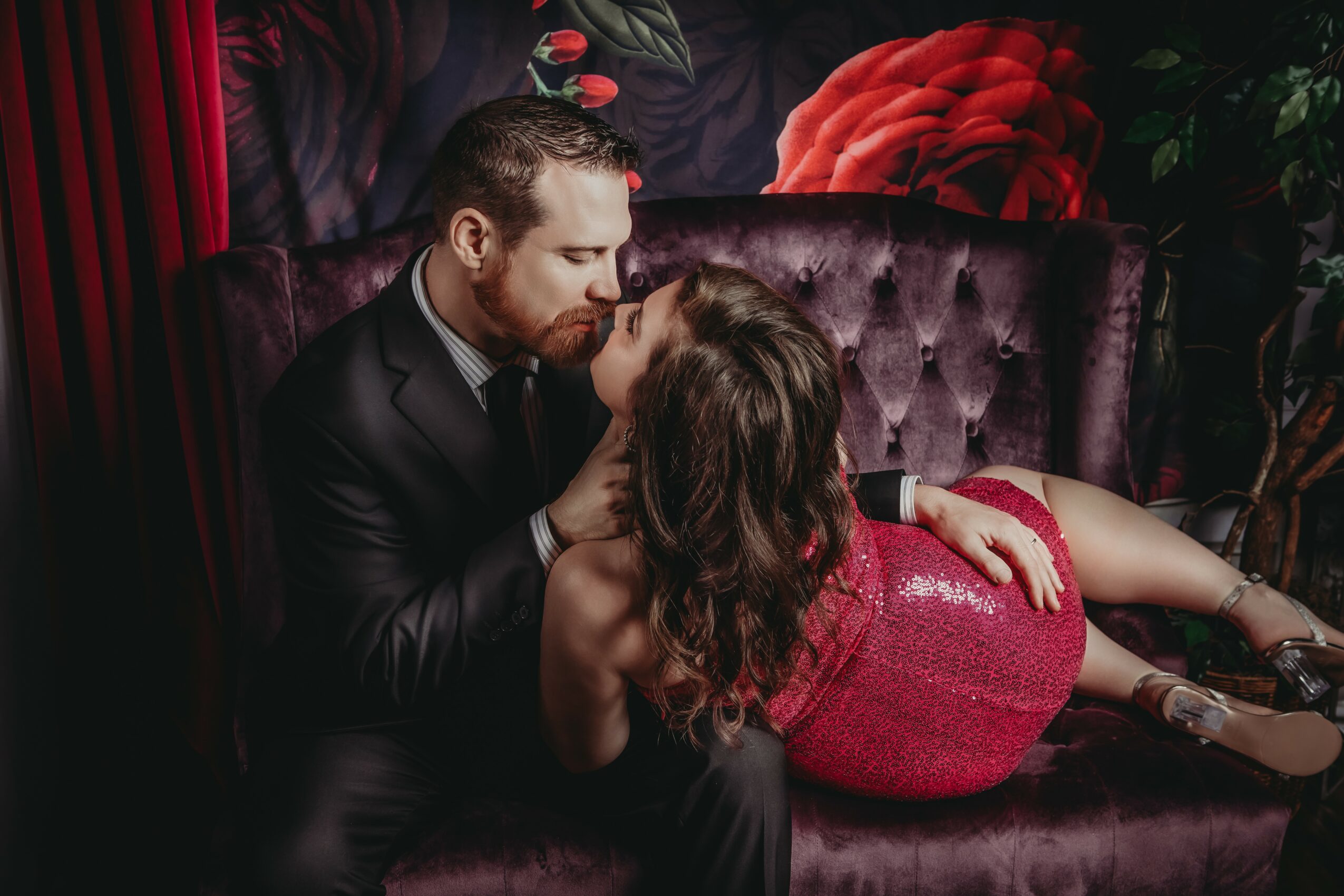
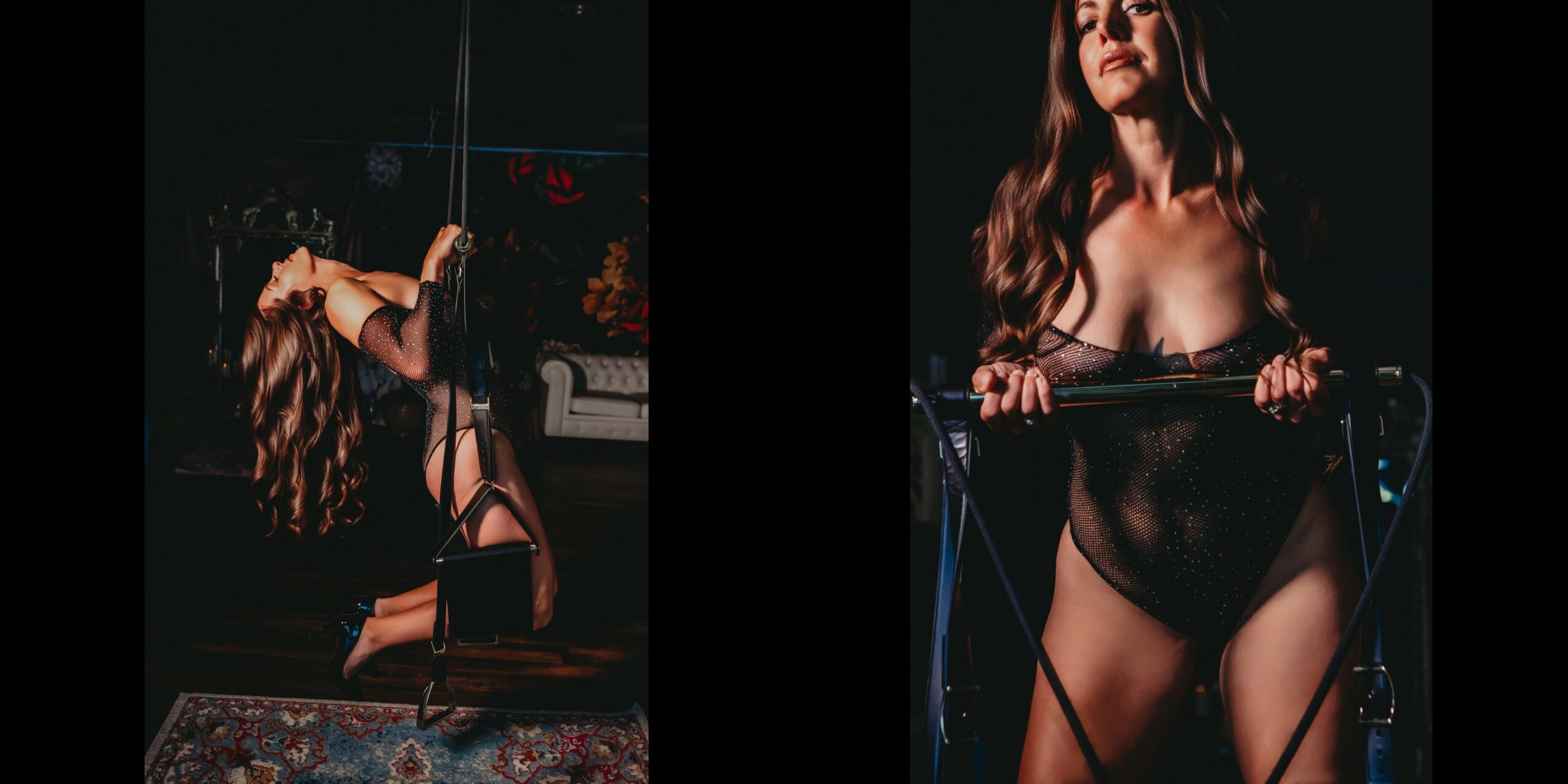
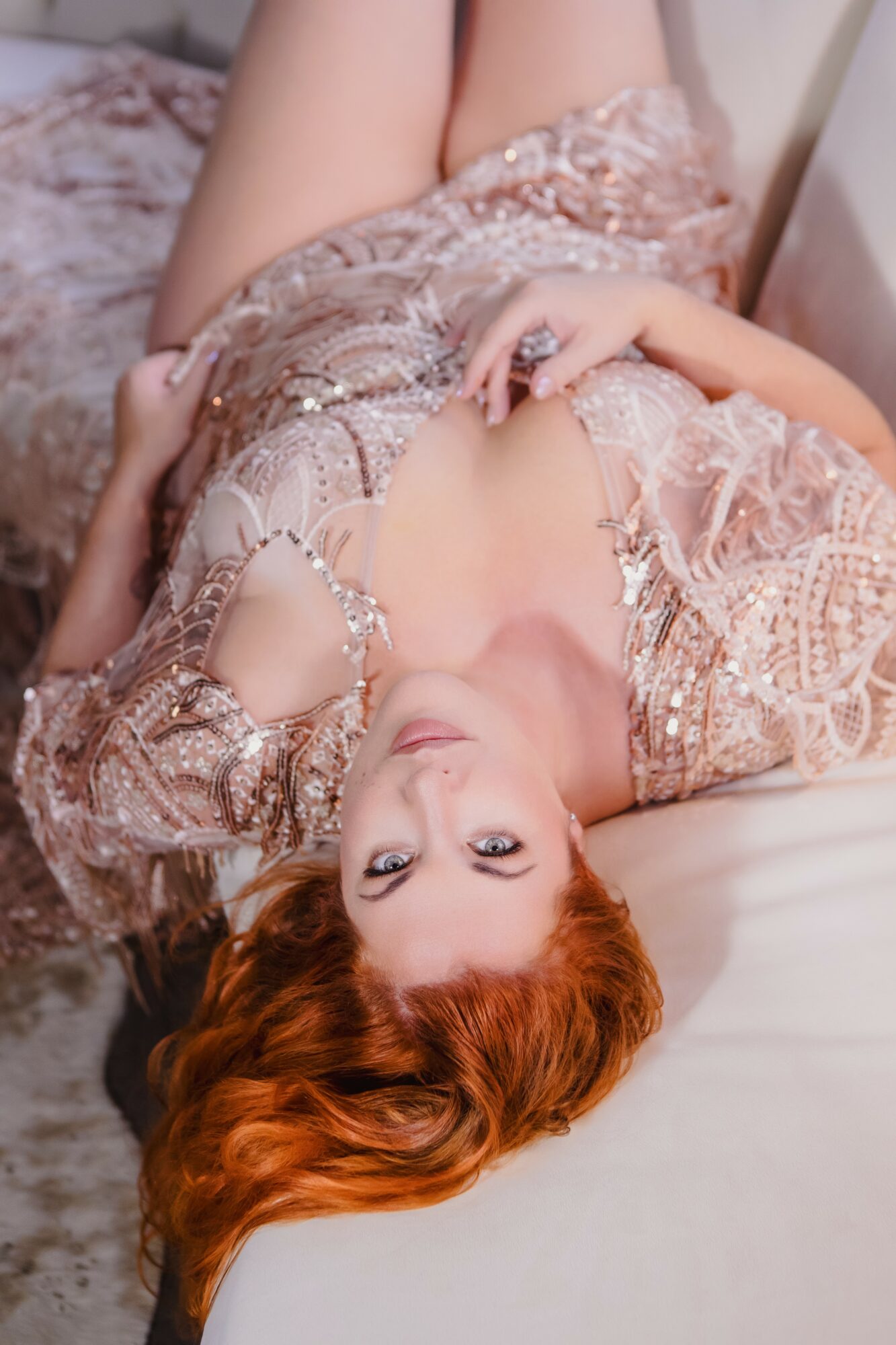
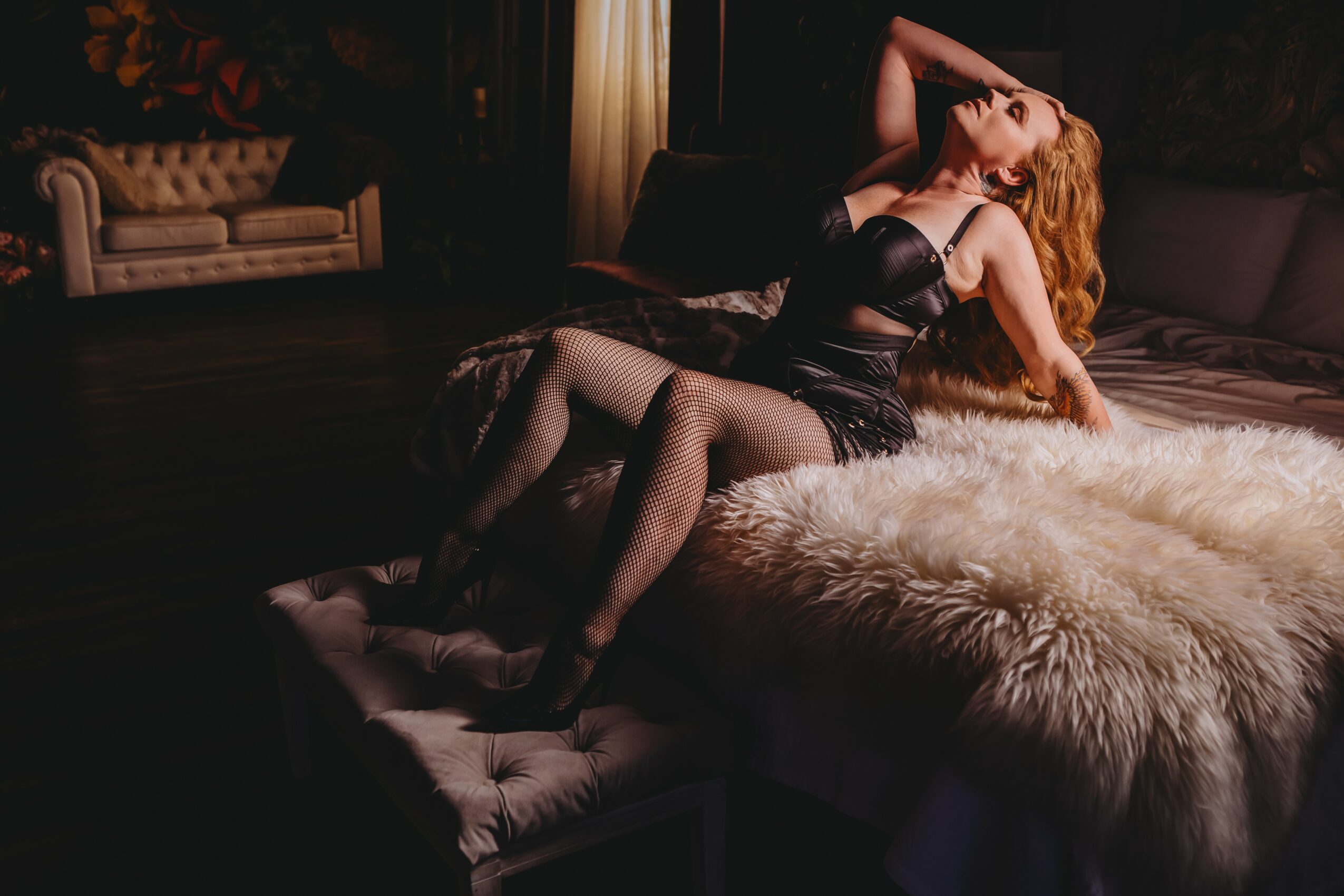
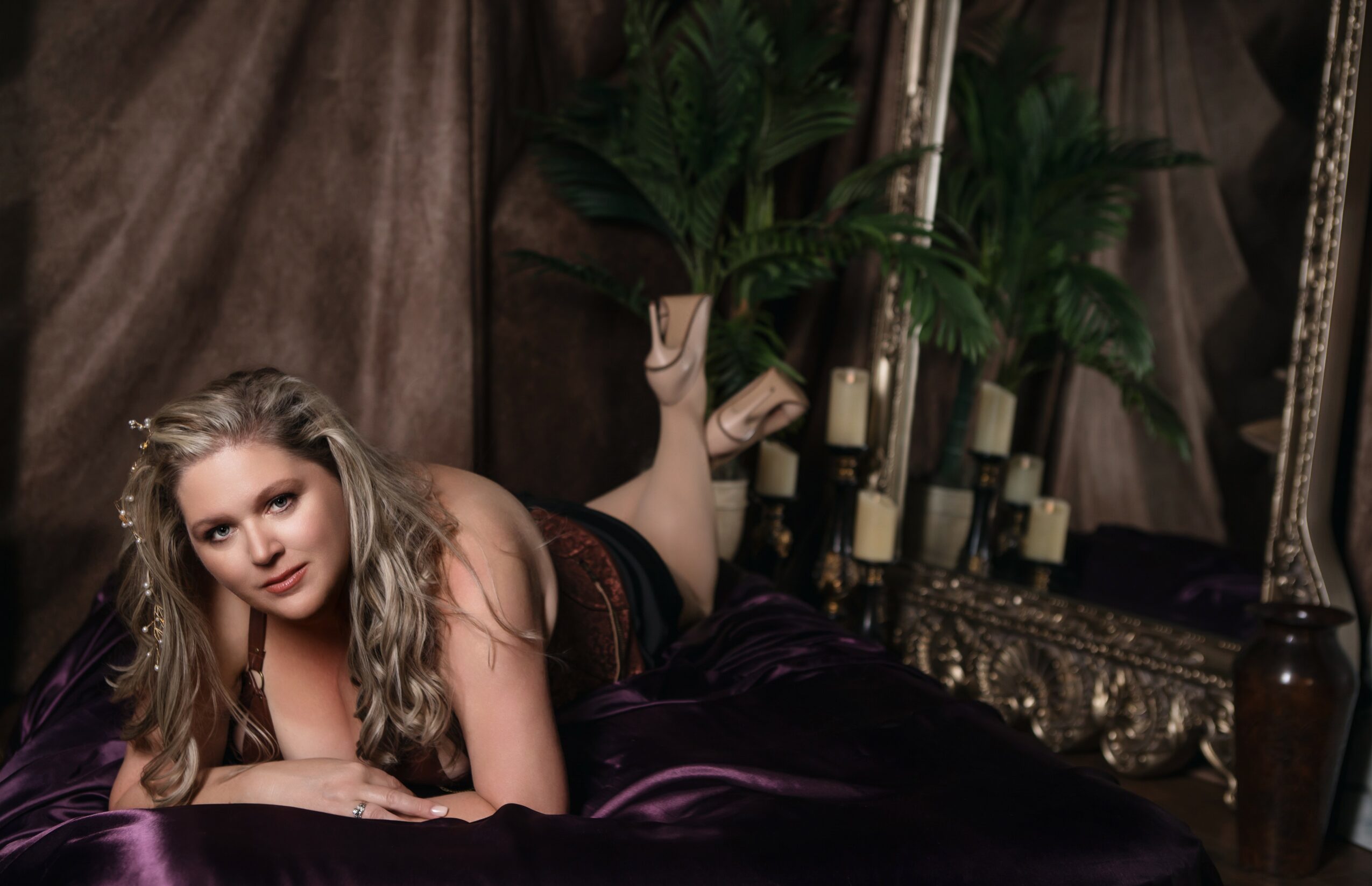
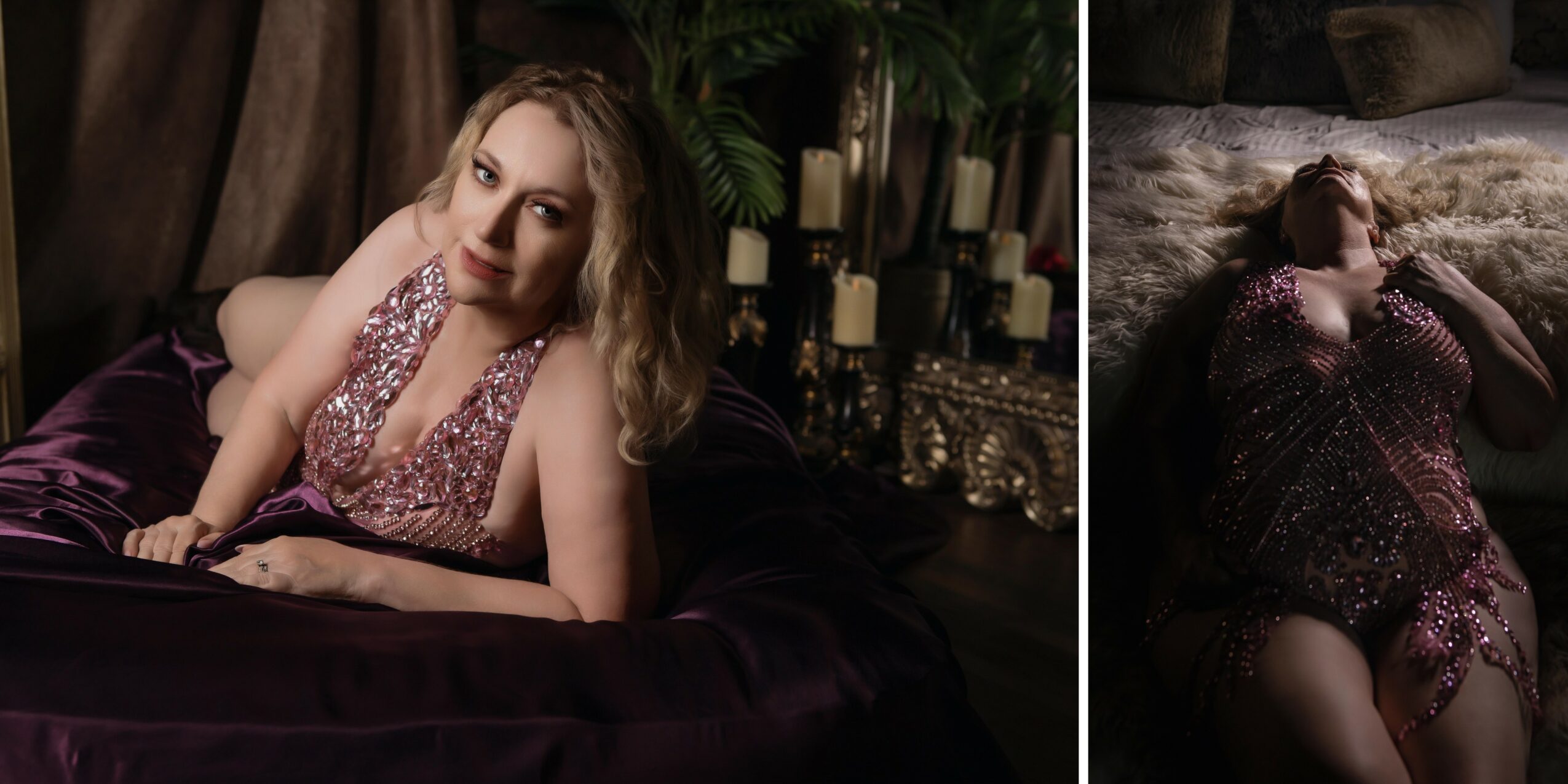
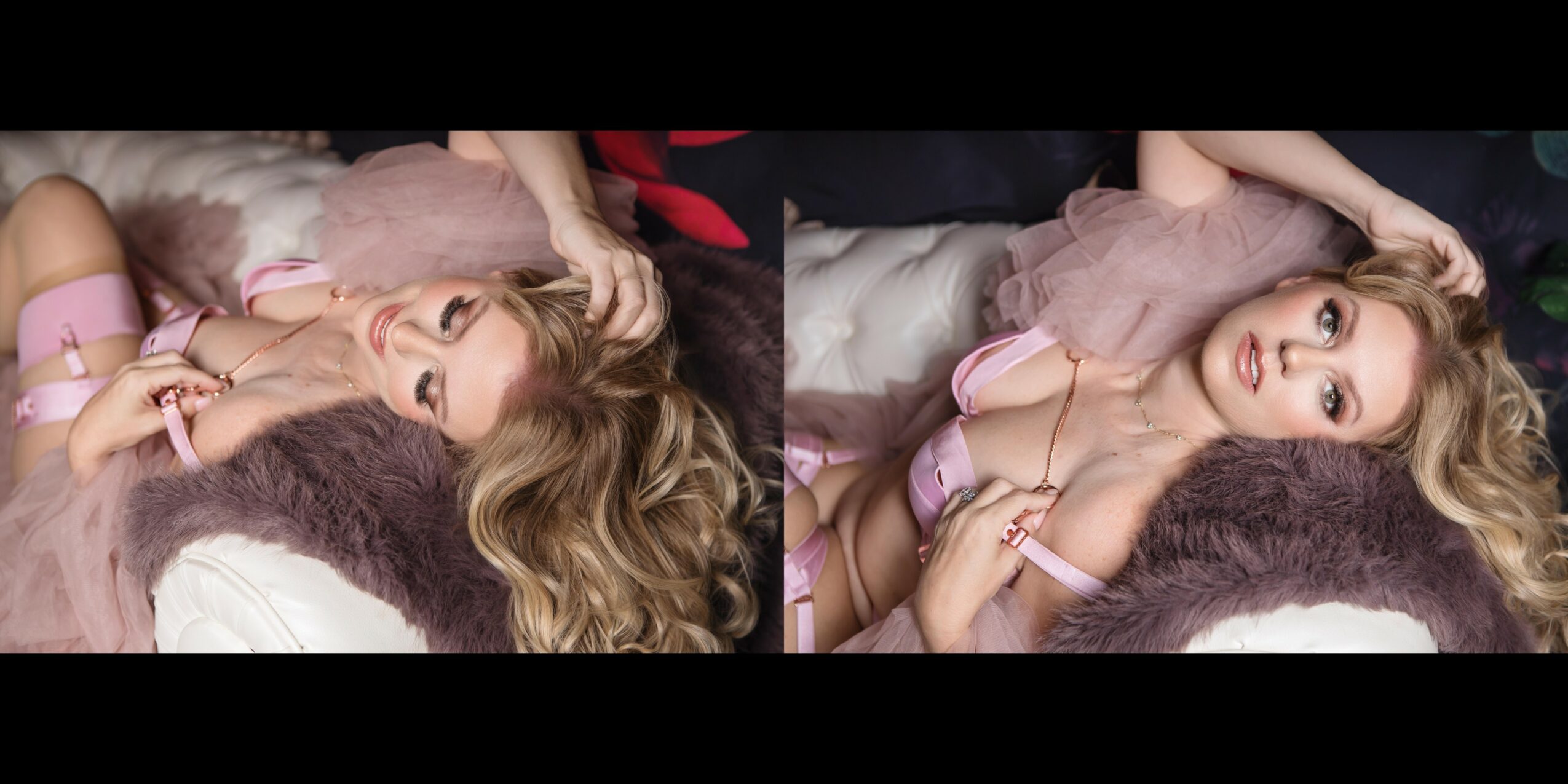
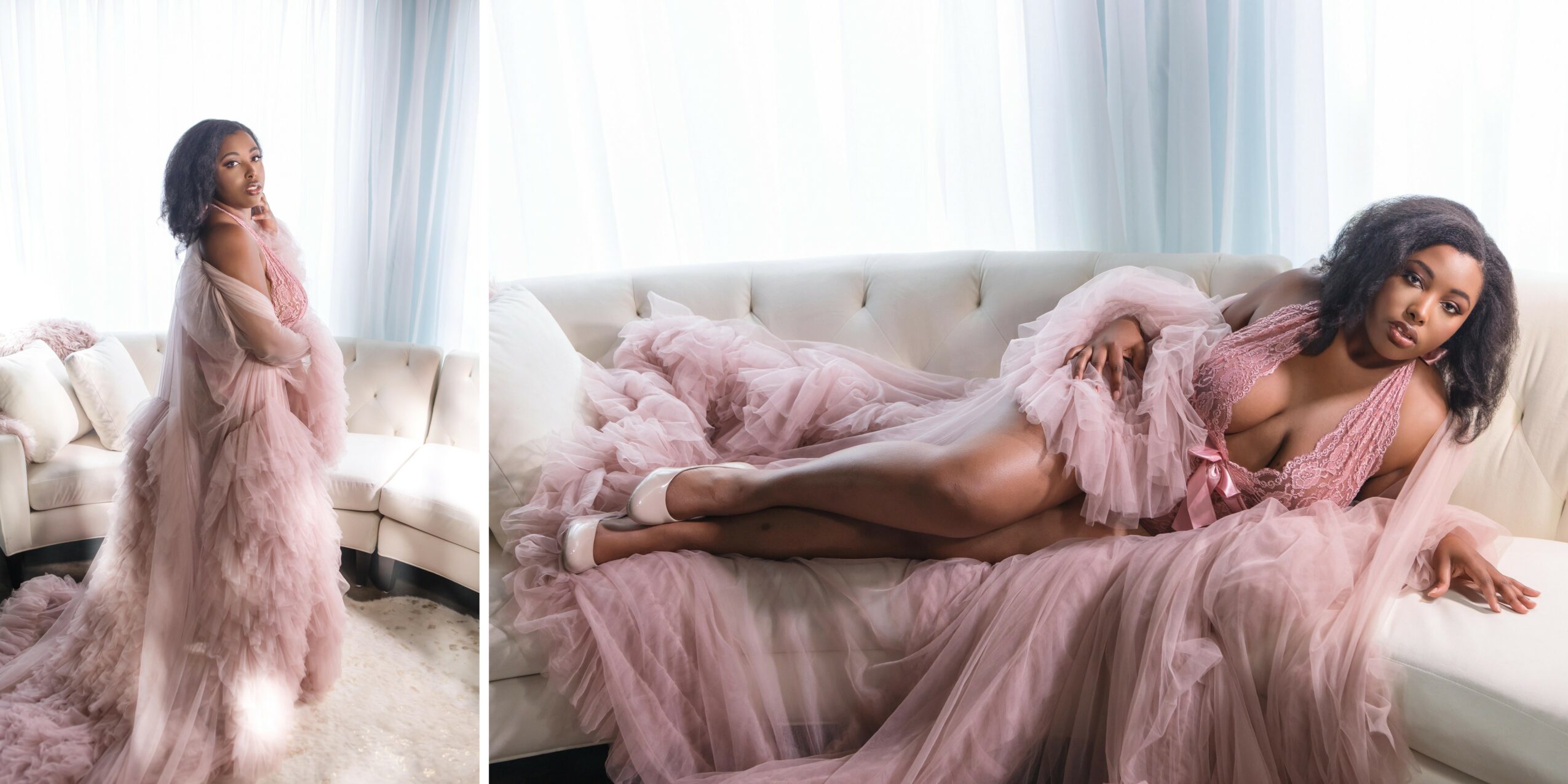
Image Credits
Amber Desantis Photography LLC
Popular
-

Hidden Gems: Local Businesses & Creatives You Should Know
-

ATL’s Most Inspiring Stories
-

Portraits of Atlanta
-
Dr. Hildiah Martin-Suggs Is Building Second Chances for Youth Who Were Almost Lost in the System
-

From Showing Up to Seeing His Face on a Billboard: Anthony Green Is Just Getting Started
-

Wayne Smith Jr on Survival, Psychological Thrillers, and the Cost of Staying Alive